Support

Dawei

About

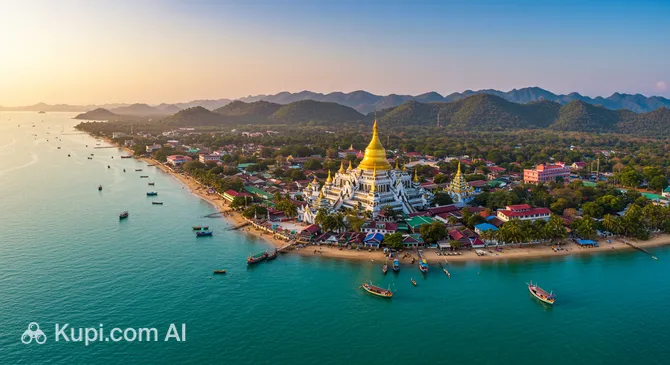
Dawei, formerly known as Tavoy, is a captivating city located in the southeastern part of Myanmar. As the capital of the Tanintharyi Region, it serves as a vital port and trading center, yet it retains a sleepy, nostalgic atmosphere that charms every visitor. The city is celebrated for its leafy streets, traditional wooden architecture, and a pace of life that feels refreshingly unhurried.

Dawei. Source: Kupi.Binoculars

Situated on the northern bank of the Dawei River, the city is home to approximately 140,000 people. The surrounding landscape is characterized by tropical greenery and proximity to the Andaman Sea, influencing the local climate and culture. Visitors intrigued by the region's past can delve into the fascinating history of Dawei, which reveals its long-standing importance as a cultural and commercial hub in the southern tail of the country.

One of the main draws for tourists is the abundance of colonial-era buildings that line the streets, offering a glimpse into the architectural heritage of the last century. The Shwe Taung Zar Pagoda stands as a spiritual anchor in the city, glistening with golden stupas. For nature lovers, the nearby Maungmagan Beach is a must-visit destination, famous for its wide sandy shores and local seafood restaurants where you can enjoy the sunset.

Dawei is an excellent choice for travelers seeking authenticity and natural beauty. Its combination of historical depth, friendly locals, and accessible beaches makes it a delightful stop for anyone exploring the southern reaches of the country.

Weather Overview

The climate in this coastal region is tropical, characterized by consistent warmth and distinct seasonal changes in rainfall. Temperatures remain generally high throughout the year, with averages hovering between 25°C and 28°C. April is typically the hottest month, where daytime highs can reach up to 32.1°C, while the coolest period falls in December and January, offering refreshing minimum temperatures around 21°C.

Precipitation patterns play a major role in planning a visit, as the city experiences a pronounced monsoon season. From May through October, rain is very frequent, with July and August seeing rain on almost every single day. Conversely, the dry season from November to April is remarkably sunny, with months like January and February seeing fewer than three wet days. To help you pack appropriately for your specific travel dates, be sure to check the detailed weather in Dawei.

Interesting Facts

Beyond its architecture and scenery, Dawei possesses distinct cultural characteristics that offer a glimpse into its unique heritage. From linguistic traditions to local craftsmanship, there are several interesting aspects to discover.

  • A Distinct Dialect: Locals communicate in Tavoyan, a dialect that differs significantly from standard Burmese. Linguists consider it a linguistic time capsule, as it preserves archaic pronunciations and vocabulary from the Pagan period, making it challenging for speakers of the standard language to understand.

  • Famous Textiles: The city is celebrated for the "Dawei Longyi," a traditional cotton sarong known for its specific patterns and high quality. These textiles are a point of local pride, still woven on traditional looms in nearby villages, and make for authentic souvenirs.

  • Historic Seaside Retreat: Maungmagan Beach is recognized as one of the oldest beach resorts in Myanmar. It was established during the colonial era as a holiday destination for officials and their families, dating back to a time long before the country became a global travel hotspot.

  • Cashew Nut Production: The region is a major hub for cashew nuts. Visitors can find small, family-run workshops where the nuts are processed and roasted in traditional wood-fired ovens, a method that imparts a signature smoky flavor to the local produce.

How to Get There

Reaching this charming coastal city requires a bit of planning, but the journey often becomes part of the adventure. Whether you prefer a quick flight or an overland trip through scenic landscapes, there are several options to consider. You can read more about how to get to Dawei to help you decide the best route for your itinerary.

The most convenient entry point is Dawe Airport (IATA: TVY), which is located just 2.5 km from the city center. This small regional airport handles approximately 85,000 passengers per year and primarily connects the city with domestic hubs like Yangon. Once you land, getting to your accommodation is quick and easy; a taxi or tuk-tuk ride typically takes only 5 to 10 minutes.

For international travelers, the journey often begins in neighboring Thailand. The city does not have its own international airport, but you can fly into Suvarnabhumi Airport (IATA: BKK) in Bangkok, which is about 280 km away in a straight line. As a major global hub serving over 62 million passengers annually, it offers extensive connections. From Bangkok, travelers typically take a bus or van to the border crossing at Phu Nam Ron/Htee Khee. The total travel time by road for this route is usually between 7 and 9 hours, depending on traffic and border procedures.

Another option in Bangkok is Don Mueang International Airport (IATA: DMK), located about 262 km from Dawei. It is a popular hub for low-cost carriers and serves around 30 million passengers a year. Similar to Suvarnabhumi, arriving here requires an overland transfer across the border, with a driving time of roughly 7 to 8 hours to reach the destination.

For clarity, here is a summary of the main airports:

Airport Name City Passenger Traffic Km from City
Suvarnabhumi Airport Bangkok Large 280.4
Don Mueang International Airport Bangkok Large 262.0
Dawe Airport Dawei Small 2.5
Hua Hin Airport Hua Hin Small 249.4
Myeik Airport Myeik 188.2

Regarding rail and other land transport, while there are no specific nearby major railway stations listed with high passenger volumes, Dawei is connected to the national railway network. The train line running south from Yangon through Ye terminates here. However, travelers should be aware that the train journey is famously slow and can be quite bumpy, often taking significantly longer than road transport. Consequently, many visitors prefer taking air-conditioned express buses from Yangon or Mawlamyine, which offer a faster and often more comfortable alternative for reaching the city by land.

Main Attractions

Dawei offers a delightful mix of cultural heritage and unspoiled natural beauty. While the city center is charming with its colonial architecture, the surrounding area is dotted with golden pagodas and some of the most pristine coastlines in the country. Here are some of the top places to explore during your visit.

Shwe Taung Zar Pagoda is the principal religious landmark in the city and a focal point for local life. This sprawling complex is home to a magnificent gilded stupa that glows brilliantly in the sunlight, surrounded by smaller shrines and statues. It is an excellent place for tourists to observe daily rituals and soak in the peaceful, spiritual atmosphere. The pagoda is particularly enchanting in the evening when it is illuminated, casting a golden reflection that can be seen from afar.

For those seeking scenic views and a touch of adventure, Myaw Yit Pagoda is a must-see destination located on the coast. Situated on a small rocky island connected to the mainland by a wooden bridge, this pagoda offers panoramic views of the Andaman Sea. It is a favorite spot for photographers and nature lovers, especially during sunset when the sky turns vibrant shades of orange and pink over the ocean waters.

Travelers looking for a pristine beach experience often head to Grandfather Beach (Po Po Kyauk). Located about two hours south of the city, this crescent-shaped bay is renowned for its powdery white sand and crystal-clear turquoise waters. Unlike the busier beaches closer to town, Grandfather Beach is tranquil and undeveloped, making it the perfect escape for swimming, relaxing under the casuarina trees, and enjoying the untouched beauty of the southern coast.

To experience the local pulse, a visit to the Dawei Central Market (Myoma Market) is highly recommended. This bustling hub is where the city comes alive, with vendors selling everything from fresh tropical fruits and seafood to traditional textiles and handicrafts. It is an interesting place for tourists to sample local snacks, buy souvenirs, and witness the friendly, energetic commerce that defines the region's daily routine.

Local Cuisine

The local cuisine of Dawei is a delightful reflection of its coastal location in the Tanintharyi Region. Unsurprisingly, fresh seafood dominates the culinary scene, with an abundance of fish, prawns, crabs, and squid featuring heavily in daily meals. The flavors here tend to be bold, often characterized by a perfect balance of sour, spicy, and salty notes that define Southern Burmese cooking.

One dish you absolutely must try is Dawei Mont Di. While noodle dishes are a staple across the country, the Dawei version is a source of local pride. It typically consists of rice noodles served either with a light, peppery fish soup or as a dry salad mixed with oil, chili powder, and fish sauce. Another local specialty to look out for is the region's famous cashew nuts. Often roasted in traditional wood-fired ovens, they are served as a crunchy snack or used to add texture to various stir-fries and salads.

When it comes to beverages, the city shares the national obsession with tea culture. Local tea shops are social hubs where you can enjoy a cup of Laphet Yay (sweet, milky tea) accompanied by savory snacks like samosas or steamed buns. Given the tropical climate, refreshing options like fresh coconut water and sugarcane juice are widely available at street stalls. In the evenings, you can easily find Myanmar Beer or other local lagers to enjoy alongside a barbecue dinner.

The food culture in Dawei is unpretentious and vibrant. Locals and tourists alike flock to the night markets and street food stalls that spring up as the sun sets. Here, you can sample an array of grilled skewers, spicy salads, and traditional desserts in a lively, open-air setting. For a more relaxed start to the day, traditional tea houses are the go-to spots for breakfast, offering a glimpse into the slow-paced, friendly rhythm of life in this charming southern city.

Travel Tips

Visiting Dawei offers a unique opportunity to experience a more traditional and untouched side of Myanmar, but the region's rustic charm means that a little preparation goes a long way. To help you navigate the local customs and logistics smoothly, we have compiled a list of essential practical tips for your journey.

  1. Clothing and Gear: Given the tropical climate, lightweight and breathable fabrics like cotton or linen are your best friends. Pack loose-fitting clothes to stay cool, but remember that modesty is key at religious sites; you will need to cover your shoulders and knees when visiting pagodas. A sturdy pair of flip-flops or slip-on sandals is essential, as you will frequently need to remove your footwear before entering temples and local homes.
  2. Transportation: The most popular way to explore the stunning beaches surrounding the city is by renting a motorbike. It gives you the freedom to travel at your own pace, but ensure you are comfortable driving on sometimes unpaved roads. Within the city center, three-wheeled tuk-tuks and motorbike taxis are abundant and affordable; just be sure to agree on the fare with the driver before you start your ride.
  3. Finances: Cash is king in Dawei. While there are a few ATMs in the town center, they can occasionally be out of service or out of cash, so it is wise to bring enough money for your stay. The local currency is the Kyat, and small denominations are useful for markets and street food. If you plan to exchange US dollars, ensure the notes are crisp, clean, and completely undamaged, or they may be rejected.
  4. Health and Safety: Pharmacies are available in the town center for basic supplies, but carry a personal medical kit with essentials like painkillers, stomach medicine, and antiseptics. Mosquito repellent is a must-have, particularly at dawn and dusk, to protect against tropical bugs. Stick to bottled water for drinking and brushing your teeth, and avoid ice in drinks at smaller street stalls to prevent stomach issues.
  5. Communication: English is spoken by staff at hotels and some tour agencies, but it is less common among taxi drivers and market vendors. Learning a few basic Burmese phrases like "Mingalaba" (Hello) and "Jay Zu Tin Ba De" (Thank you) will be warmly received. Buying a local SIM card upon arrival is highly recommended for navigation, as mobile data coverage is generally good in town and near major beaches.
  6. Local Etiquette: The culture here is deeply respectful. Always remove your shoes and socks before entering a pagoda, monastery, or a local's private home. Use your right hand (or both hands) when paying or receiving items, as the left hand is traditionally considered unclean. Public displays of affection are frowned upon, so it is best to be discreet.
  7. What to Avoid: Never point your feet at a person or a Buddha image, as the feet are considered the lowest and dirtiest part of the body. Additionally, avoid touching anyone on the head, even children, as the head is regarded as the most sacred part of the body. Keeping your cool is also important; getting angry or shouting in public causes a "loss of face" and will not help resolve problems.
  8. Power Supply Tip: Occasional power outages can occur, although larger hotels usually have generators. It is a good idea to pack a reliable power bank to keep your phone and camera charged while you are out exploring the remote coastal areas where electricity might be hard to find.

By keeping these practical tips in mind, you can focus on soaking up the laid-back atmosphere and breathtaking scenery that make Dawei so special. A respectful and prepared approach will ensure your interactions with the friendly locals are positive and your adventure in this beautiful corner of the country is unforgettable.

Entertainment & Nightlife

Dawei is not known for a raucous party scene or high-end clubbing; instead, the city offers a laid-back and authentic evening experience that centers around socializing and dining. The nightlife here is defined by "beer stations"—open-air venues with plastic chairs where locals gather to drink draft beer and eat barbecue. These spots are lively, welcoming, and the best way to interact with the friendly residents of the Tanintharyi Region. The atmosphere is casual and unpretentious, with no strict dress codes, though modest attire is always appreciated.

For those looking for a more comfortable atmosphere with a mix of Western and local vibes, The Mandolis is a standout venue. It is a restaurant and bar set in a beautiful garden, offering a relaxed setting, cocktails, and a variety of dishes. Another popular spot is Tavoy Kitchen, which attracts a mix of travelers and locals. It is a great place to unwind after a day of exploring, offering a cozy environment to enjoy a cold drink and swap travel stories.

The heart of the evening activity often shifts to the Strand Road Night Market along the riverfront. As the sun sets, this area fills with vendors selling grilled seafood, spicy salads, and sweet treats. It is a bustling district where you can enjoy a cheap and delicious dinner while soaking in the cool river breeze. Most activity in Dawei winds down relatively early, with restaurants and markets typically closing by 10:00 PM or 11:00 PM, so it is best to start your evening early.

Safety in Dawei is generally very good, and walking around the main well-lit areas at night is considered safe for tourists. However, street lighting can be sporadic in quieter neighborhoods, so it is advisable to carry a torch or use your phone light. Taxis and tuk-tuks are less frequent late at night compared to the daytime. If you plan to stay out past 9:00 PM, it is wise to arrange your return transport in advance or have the number of a trusted driver handy.

Regarding daytime entertainment, the options are modest but culturally rich. The Tanintharyi Region Cultural Museum offers insights into the history and ethnic diversity of the area, featuring displays of traditional dress, jewelry, and ancient artifacts. While you won't find large amusement parks or modern cinemas, the charm of the city lies in its slow pace, allowing you to explore its streets, colonial architecture, and local markets at your leisure.

Parks & Museums

While Dawei may not be packed with vast botanical gardens or numerous modern museums, its charm lies in the fact that the city itself feels like a living heritage site. The region's cultural depth is best experienced through its specific local institutions and the breathtaking natural areas that surround the urban center. Visitors here can alternate between exploring the history of the Tanintharyi Region and relaxing in scenic spots nestled in the jungle or the city center.

Tanintharyi Region Cultural Museum is the primary institution for those wishing to understand the diverse ethnic tapestry of Southern Myanmar. This modest but informative museum houses a collection of artifacts that trace the history of the region, including ancient coins, traditional weaponry, and jewelry. One of the most interesting sections is dedicated to the Moken people, or "Sea Gypsies," showcasing their traditional boats and tools. It provides valuable context before you head out to explore the nearby islands where these communities live.

For a different kind of cultural immersion, the Nyaung Yaung Pottery Village serves as an open-air gallery of living history. Located just a short drive from the city, this village has been producing traditional clay pots for generations. Visitors can watch artisans shape the clay by hand and fire the pots in traditional kilns. It is not a formal museum, but it offers a fascinating, hands-on insight into a craft that has remained largely unchanged for centuries.

When it comes to green spaces and relaxation outside the city, the Maungmagan Hot Springs are a highlight. Situated on the way to the famous beach, these natural geothermal pools are surrounded by lush tropical vegetation. The springs consist of several pools with varying temperatures, allowing visitors to soak in the therapeutic waters while listening to the sounds of the forest. It is a popular spot for locals to unwind, especially in the cooler evenings.

Within the city limits, Kanthayar Lake stands out as the central green space and recreational hub. This picturesque lake is a favorite gathering spot for residents, offering a peaceful environment for morning exercises, evening strolls, and social interactions. Surrounded by trees and walking paths, it provides a welcome respite from the dusty streets. As the sun sets, the area comes alive with families and friends enjoying the cool breeze and the scenic views across the water.

Architecturally, the city center functions as an unintentional museum of the colonial era. A walk along Arzarni Road reveals a collection of century-old wooden and brick mansions featuring Sino-Portuguese influences. These structures, with their weathered facades and intricate wooden balconies, tell the story of the city's prosperous past as a trading hub. Photographers will find endless inspiration in these historic streets.

For a truly authentic experience, look for the small, family-run Cashew Nut Workshops scattered around the outskirts of town. These workshops welcome visitors to observe the labor-intensive process of shelling and roasting cashews. It is a unique industrial tour that ends with the chance to taste some of the freshest nuts in the region, straight from the wood-fired ovens.

Getting Around

Navigating Dawei is an experience defined by informality and local charm rather than modern mass transit systems. The city does not have a metro, tram, or large municipal bus network. Instead, the public transport landscape is dominated by smaller, more flexible vehicles that weave through the streets. For most short trips within the town center, motorbike taxis are the quickest and most ubiquitous option. You can find drivers wearing vests or simply waiting at street corners; they are ideal for solo travelers looking to get from point A to point B efficiently.

For small groups or those carrying luggage, tuk-tuks (often three-wheeled motorcycles with a passenger carriage attached) are the standard choice. These vehicles are slightly slower than motorbikes but offer protection from the sun and rain. They are readily available near the central market, bus stations, and major hotels. Another common form of local transport, particularly for traveling to nearby villages or the popular Maungmagan Beach, is the converted pickup truck, locally known as a "line car." These function similarly to buses, following set routes and departing only when they are full of passengers.

The payment system in Dawei is entirely cash-based. There are no travel passes, smart cards, or mobile transport apps operating in the city. Fares are generally low but are rarely fixed for tourists. It is standard practice to pay the driver directly at the end of the journey. For motorbike taxis and tuk-tuks, you must negotiate and agree on the price before you get in or hop on. Failing to do so can sometimes lead to a higher requested fare upon arrival. It is highly recommended to carry small denominations of the local currency, as drivers often do not have change for large bills.

For tourists who prefer independence, renting a motorbike is widely considered the best way to explore the region. Several guesthouses and rental shops in the town center offer automatic and semi-automatic scooters for daily hire. This option provides the freedom to reach the distant beaches and pagodas at your own pace. While bicycle rentals are also available, the heat and distances to the coast make motorbikes a more popular choice. Conventional car taxis are less common on the streets but can be arranged through hotels for private day trips.

Travelers should be aware that public transport options decrease significantly after dark. Motorbike taxis and tuk-tuks are plentiful during the day but can be harder to flag down late at night. If you plan to stay out for dinner or drinks, it is wise to arrange a return ride with your driver beforehand or ask the restaurant staff to call one for you. Additionally, while safety standards are generally relaxed, always ask for a helmet when renting a bike or riding as a passenger on a motorbike taxi.

Accommodation

Accommodation in Dawei is primarily geared towards budget and mid-range travelers, reflecting its status as an emerging destination rather than a mass tourism hub. Visitors will not find ultra-luxury international hotel chains here; instead, the city offers a selection of charming family-run guesthouses, functional city hotels, and simple beach bungalows. The atmosphere is generally laid-back and welcoming, with hospitality often provided by local families who are eager to share their knowledge of the region.

Travelers typically choose between two main areas depending on their preferences: the city center or the coast. Staying in the town center is the most convenient option for those who want to explore colonial architecture, visit the bustling night markets, and have easy access to bus stations and motorbike rentals. Alternatively, visitors seeking a seaside retreat often head to Maungmagan Beach, located about 12 kilometers west of the town. This area features resort-style bungalows and wooden huts facing the Andaman Sea, offering a peaceful escape with direct access to the sand, though amenities can be slightly more basic than in the city.

For those planning a trip, it is important to note that the booking landscape is a mix of modern and traditional methods. While the larger and more established hotels are listed on major international booking platforms, many smaller guesthouses and beach bungalows still rely on direct phone bookings or walk-ins. If you are traveling during the peak dry season, particularly from November to April, it is highly recommended to book your accommodation in advance. During major local holidays like the Thingyan Water Festival in April, rooms can sell out weeks ahead of time.

Price ranges in Dawei are generally very affordable compared to the country's major tourist centers. Budget travelers can find simple rooms with fans for a very low cost, while mid-range options offering air conditioning, hot water, and breakfast are available at moderate rates. When it comes to payment, cash is king. Very few establishments accept credit cards, and those that do may charge a transaction fee. It is essential to carry enough Myanmar Kyat for your entire stay, as relying on digital payments can be difficult in this part of the country.

Nearby Cities

For those looking to explore the surroundings, Dawei serves as an excellent base for day trips to several interesting nearby locations. While the immediate vicinity is famous for its untouched beaches and quaint villages, the broader region connects travelers to some of the most culturally significant cities in Southern Myanmar. These destinations are perfect for travelers planning a short visit or looking to extend their journey through the Tanintharyi and Mon regions.

Myeik, located to the south, is often the next stop for travelers exploring the coast. Historically known as Mergui, this bustling port city is famous for its pearl industry and serves as the gateway to the magnificent Mergui Archipelago. Visitors are drawn to its busy waterfront, where traditional wooden fishing boats dock, and its collection of colonial-era buildings that rival those of Dawei. It offers a lively contrast to the quieter atmosphere of its northern neighbor and is rich in maritime history.

To the north lies Mawlamyine, the capital of Mon State and the fourth-largest city in the country. It is celebrated for its romantic colonial charm and the scenic strand road along the Thanlwin River. The city is dotted with hilltop pagodas, such as the famous Kyaik Than Lan, which offers panoramic views especially stunning at sunset. Mawlamyine provides a deep dive into Mon culture and is a captivating stop for those interested in history and diverse local traditions.

City Population Distance (km)
Yangon 5,209,541 374
Hpa-An 421,525 314
Myeik 284,498 187
Mawlamyine 253,734 268
Myawaddy 195,624 289

These nearby destinations offer a glimpse into the diverse culture and landscapes of the region, making them well worth the journey for those wishing to see more of the country's southern charm.

Shopping & Souvenirs

Shopping in Dawei offers a delightfully authentic experience that stands in stark contrast to the polished malls of larger Southeast Asian capitals. Instead of international luxury brands and sprawling commercial complexes, visitors will find a retail scene driven by traditional commerce, local craftsmanship, and bustling trade. The city is a place to discover unique regional products, interact with friendly shopkeepers, and observe the daily rhythm of local life, making it a rewarding destination for those who appreciate cultural immersion over high-end consumerism.

The main shopping activity is concentrated in the downtown area, particularly the streets radiating outwards from the central market. This district serves as the commercial heart of the city, where rows of shophouses sell everything from electronics and household goods to textiles and gold jewelry. Walking through these busy streets provides a great opportunity to window shop and soak up the lively atmosphere, with vendors often spilling out onto the sidewalks.

Travelers looking for a modern shopping experience should be aware that Dawei does not have large-scale shopping malls or department stores found in Yangon or Mandalay. The retail landscape is dominated by small, family-owned businesses. However, there are a few well-stocked supermarkets, such as Family Supermarket, where tourists can find imported snacks, toiletries, and other travel essentials in an air-conditioned environment.

The undisputed center of trade is the Dawei Central Market (Myoma Market). This sprawling complex is a maze of stalls that opens early in the morning and buzzes with activity until the late afternoon. It is the best place to see the variety of goods produced in the Tanintharyi Region. Here, you can wander through sections dedicated to fresh produce, colorful fabrics, and kitchenware. For a different vibe, the Strand Road Night Market comes alive in the evening, focusing more on street food, cheap clothing, and accessories, offering a relaxed setting to browse after sunset.

When it comes to souvenirs, Dawei has several distinct specialties that make for excellent gifts. The region is famous for the Dawei Longyi, a traditional sarong hand-woven with unique patterns that differ from those found in other parts of the country. Another must-buy item is cashew nuts; grown and processed locally, they are renowned for their freshness and flavor. You can buy them roasted, salted, or plain directly from the market or local workshops. Additionally, dried seafood and traditional earthenware pottery from nearby villages are popular choices for travelers wishing to take a piece of local culture home.

Business hours in Dawei are generally traditional. The main markets operate from as early as 6:00 AM and typically wind down by 4:00 PM or 5:00 PM. Standalone shops usually open around 9:00 AM and close between 5:00 PM and 7:00 PM, though the night market stays open later. regarding payment, cash is essential. While a few larger hotels might accept credit cards, almost all shops, markets, and vendors deal exclusively in Myanmar Kyat. It is advisable to carry plenty of small denominations for smoother transactions.

Tourists should note that there is no tax-free shopping or VAT refund scheme available in Dawei. The prices listed or negotiated are final, and the concept of claiming back tax at the airport does not apply to purchases made in local markets or small shops in this region.
Reached the end of the page?

That means the route is fully explored