Support

Myeik

About

Myeik, historically known as Mergui, is a captivating coastal city located in the southern part of the Tanintharyi Region. As a bustling port town on the Andaman Sea, it serves as a vital economic hub and the primary gateway to the stunning Mergui Archipelago. With a population of approximately 285,000 residents, the city buzzes with energy, blending traditional local culture with a unique maritime atmosphere that distinguishes it from other destinations in Myanmar.

The city has a long-standing reputation as a significant trading port, having attracted merchants from across Asia and Europe for centuries. Visitors interested in the deep roots of this region can explore the fascinating history of Myeik, which includes tales of ancient trade routes involving pearls, rubber, and edible bird's nests. The urban landscape reflects this diverse heritage, showcasing a charming mix of colonial-era buildings and traditional wooden structures.
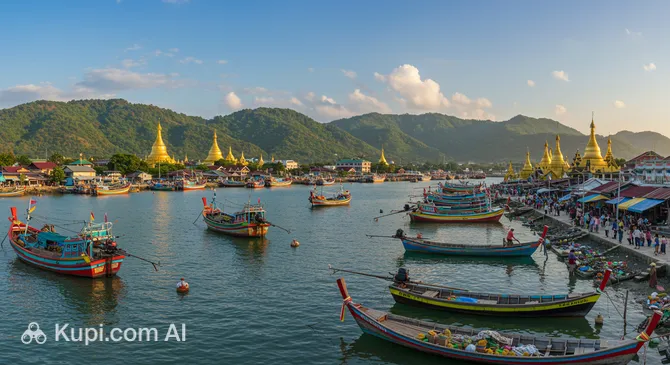
Myeik. Source: Kupi.Binoculars

Travelers are often drawn to the magnificent Theindawgyi Pagoda, a golden stupa that offers panoramic views of the city and the harbor, looking especially breathtaking at sunset. The waterfront is another highlight, where one can witness the daily lives of local fishermen and the construction of traditional wooden boats. Furthermore, Myeik is the perfect jumping-off point for exploring the hundreds of pristine islands nearby, offering opportunities for snorkeling, diving, and discovering untouched beaches.

Whether you are a history enthusiast, a nature lover, or simply seeking an authentic travel experience, Myeik offers a warm welcome and a glimpse into a vibrant coastal community. It is a destination that promises both adventure and a serene escape by the sea.

Weather Overview

Myeik experiences a warm, tropical climate throughout the year, characterized by consistent heat and distinct wet and dry seasons. Temperatures remain fairly stable, with average daily highs typically ranging from 29°C to 33.5°C. April is generally the hottest month, while the coolest nights occur in December and January, when temperatures can drop to around 22°C.

The city's weather patterns are defined by the monsoon. The dry season, spanning from December to March, sees very little rainfall and only about 5 to 13 wet days per month, offering sunny conditions ideal for travel. In contrast, the period from May to October brings significant moisture, with rain occurring on up to 30 days a month during the peak of the monsoon in July and August. For a deeper dive into what to expect during your visit, you can check the detailed report on the weather in Myeik.

Interesting Facts

Beyond its role as a busy trading hub, Myeik harbors a collection of fascinating stories and unique cultural traits that lie just beneath the surface. Here are some intriguing details about this coastal city that often surprise visitors:

  • The Legend of "Siamese White": In the late 17th century, Myeik (then Mergui) was the base of operations for Samuel White, a notorious English adventurer. He served as a mandarin for the King of Siam and controlled the port, effectively turning it into a haven for what many considered authorized piracy, creating a wild and lawless chapter in the city's history.

  • Home of the Sea Gypsies: The waters surrounding the city are the traditional domain of the Moken people, often called "Sea Gypsies." These semi-nomadic people are famous for their ability to hold their breath for extended periods and for their unique ability to see clearly underwater without goggles, a skill developed from centuries of free-diving for food.

  • The "White Gold" Industry: Myeik is a primary center for the harvesting of edible bird's nests, a highly consistent luxury ingredient produced by swiftlets. These nests, found in the limestone caves of nearby islands, are so valuable that they are locally referred to as "white gold" and are guarded strictly during the nesting season.

  • A Distinct Dialect: Residents of Myeik speak a unique dialect of the Burmese language known as "Beik." It features a rapid pace, a distinct accent, and specific vocabulary that can be challenging even for native speakers from other parts of Myanmar to understand fully.

How to Get There

Reaching this coastal city is an adventure in itself, offering a glimpse into the beauty of the Tanintharyi Region. For a detailed breakdown of routes and transport modes, you can read more about how to get to Myeik.

The most convenient way to arrive is via Myeik Airport (MGZ), which is located directly in the city, just 1.2 km from the center. It serves as the primary gateway for air travelers visiting the region, connecting the city with major domestic hubs. A taxi ride from the terminal to the city center is very quick, taking about 5 minutes.

Alternatively, travelers can fly into Dawe Airport (TVY), situated in the neighboring city of Dawei, about 189 km away. This airport welcomes a steady flow of visitors to southern Myanmar. From Dawei, the journey to Myeik by road allows you to see more of the countryside; a taxi or bus transfer typically takes around 5 hours.

For clarity, here is a summary of the main airports:

Airport Name City Passenger Traffic Km from City
Myeik Airport Myeik 1.2
Hua Hin Airport Hua Hin Small 145.4
Dawe Airport Dawei Small 188.7
Chumphon Airport Chumphon Medium 208.3
Utapao Airport Pattaya Large 259.7

Main Attractions

Theindawgyi Pagoda is undoubtedly the most iconic landmark in the city, often compared to the famous Shwedagon Pagoda in Yangon due to its stunning golden stupa and architectural significance. Located in the heart of the city, it enshrines a sacred Buddha relic and serves as a major spiritual center for the local community. The pagoda is situated on a hill, providing visitors with a spectacular 360-degree view of the sprawling city and the surrounding islands, making it an ideal spot to visit during sunset when the golden spire glows against the evening sky.

Just a short boat ride across the Tanintharyi River lies Pataw Padet Island, a favorite destination for travelers seeking a quick adventure close to the mainland. The island is famous for its large reclining Buddha statue and a hilltop pagoda that offers a unique vantage point looking back towards the Myeik waterfront. It is a peaceful retreat where visitors can explore quiet monasteries, enjoy a short trek up the hill, and witness the daily life of monks in a serene setting.

For those interested in architecture and history, the Colonial Old Town offers a fascinating glimpse into Myeik's past as a major trading post. The streets are lined with a charming array of heritage buildings, including Sino-Portuguese shophouses and British colonial mansions that have stood for over a century. A walking tour through this district reveals the city's multicultural roots, with historic mosques, churches, and temples nestled among the aging but beautiful structures.

The Myeik Waterfront along Strand Road is the pulsing heart of the city and a must-visit for anyone wanting to experience the local atmosphere. In the evenings, this area comes alive with a night market serving fresh seafood and local delicacies. It is also the best place to observe the maritime culture of the region, as traditional wooden fishing boats and busy ferries constantly move in and out of the harbor, showcasing the city's enduring connection to the sea.

Local Cuisine

The culinary scene in Myeik is a vibrant reflection of its coastal location, making it a true paradise for seafood lovers. The local cuisine is characterized by the freshness of its ingredients, with the Andaman Sea providing a daily bounty of fish, prawns, crabs, and squid that dominate the menus. The food here is flavorful, often combining the savory taste of the ocean with the rich, spicy, and sour notes typical of Burmese cooking.

The undisputed star of the city's gastronomy is Kat Kyay Kite, also known as "Myeik Cut Scissors Noodles." This famous dish consists of flat rice noodles stir-fried with an abundance of seafood, bean sprouts, and boiled peas, usually seasoned with soy sauce and pepper. It gets its unique name from the cooking method, where the chef uses a pair of scissors to cut the sticky, chewy noodles while they are being fried in a large wok. It is a must-try experience that captures the essence of the region on a single plate.

Beyond noodles, the dining tables in Myeik are often filled with grilled or steamed seafood delicacies. Visitors should try the local soft-shell crab and giant tiger prawns, which are exported globally but taste best right at the source. Another popular snack is Myeik Pin Pyan, a type of traditional cake or snack often found in local markets, though the fresh seafood curries remain the primary draw for dinner.

When it comes to beverages, the local tea shop culture is an integral part of daily life. Locals gather to sip on Lahpet Ye, a sweet and creamy milk tea, while catching up on the day's news. For something more refreshing to combat the tropical heat, fresh sugar cane juice and chilled coconut water are widely available from street vendors. In the evenings, you might also find locals enjoying Myanmar beer or toddy palm wine to accompany their meals.

The best place to immerse yourself in the local food culture is undoubtedly the night market along Strand Road. As the sun sets, the waterfront transforms into a bustling open-air dining hall filled with smoke from charcoal grills and the chatter of hungry patrons. Here, tourists can pull up a plastic stool next to the locals and enjoy freshly grilled skewers or a steaming plate of noodles while taking in the cool sea breeze.

Travel Tips

Traveling to Myeik offers a genuine slice of life in the Tanintharyi Region, but its off-the-beaten-path charm means a little preparation goes a long way. To help you navigate the local customs and logistics with ease, here are some essential practical tips for your journey.

  1. Clothing and Gear: Light, breathable fabrics like cotton or linen are best for the tropical heat. However, modesty is key when visiting religious sites like the Theindawgyi Pagoda; ensure your knees and shoulders are covered. Since you will frequently remove your footwear at temples and local homes, comfortable slip-on sandals or flip-flops are the most practical choice.
  2. Transportation: The most common way to get around the city is by motorbike taxi. They are affordable and readily available, but it is wise to agree on the fare before hopping on. For island excursions, you will rely on speedboats or local wooden boats; always book these through reputable tour agencies to ensure safety and proper permits.
  3. Finances: While there are ATMs in the city, they can occasionally be out of service, so carrying sufficient cash is crucial. The local currency is the Kyat (MMK), and cash is king for almost all transactions, from street food to transport. If you bring foreign currency (like USD) to exchange, ensure the notes are crisp and pristine, as creased or torn bills are often rejected.
  4. Health and Safety: Pharmacies are available in the town center, but it is advisable to bring a personal supply of essential medications. Tap water is not safe to drink; always stick to bottled water. Given the coastal location, insect repellent is a must to protect against mosquitoes, especially during dawn and dusk.
  5. Communication: English is spoken at major hotels and tour agencies, but less so by taxi drivers and market vendors. The local dialect is distinct and fast, so having a translation app or learning a few basic phrases in the Myanmar language, such as "Mingalaba" (Hello) and "Kyay Zu Tin Par De" (Thank you), will be very helpful. Buying a local SIM card is easy and recommended for staying connected.
  6. Local Etiquette: The head is considered the most sacred part of the body, while the feet are the lowest. Never touch an adult on the head, and be careful not to point your feet at people or religious images when sitting. Always remove your shoes and socks before entering pagoda grounds and private residences.
  7. What to Avoid: Avoid public displays of affection, such as hugging or kissing, as this is considered culturally inappropriate in this conservative society. Also, refrain from wearing beachwear or overly revealing clothing while walking around the town center; save the swimwear for the islands.
  8. Power and Connectivity: Power outages can occur, so packing a high-capacity power bank and a small flashlight is a smart move. This ensures you can keep your phone charged and navigate safely if the streetlights go out during your evening stroll.

By keeping these practical tips in mind, you will be well-equipped to embrace the warm hospitality and laid-back rhythm of Myeik. A little cultural awareness and preparation will ensure your adventure in this beautiful coastal city is both respectful and unforgettable.

Entertainment & Nightlife

Entertainment in Myeik is defined by a relaxed and authentic atmosphere rather than high-energy clubs or flashy discos. The nightlife scene here revolves largely around the local "Beer Station" culture, which is a quintessential part of the social fabric in Myanmar. These open-air venues are where locals and visitors alike gather to unwind after sunset, enjoying draught beer, BBQ skewers, and lively conversation. The vibe is incredibly casual, friendly, and unpretentious, offering a genuine glimpse into the city's evening rhythm.

The primary hub for evening activity is the bustling Strand Road (Kannar Road) along the waterfront. As the heat of the day subsides, this area transforms into a vibrant strip filled with food stalls, small restaurants, and beer stations. It is the perfect place to take a twilight stroll, feel the sea breeze, and watch the lights of the fishing boats reflecting on the water. For a more elevated experience, the Sky Bar at the Grand Jade Hotel is a standout venue. Located on the roof, it offers the best vantage point in town for sipping a cocktail while overlooking the illuminated city and the dark expanse of the Andaman Sea.

Another popular spot for a relaxed evening is the bar and restaurant area at the Pearl Laguna Resort. Tucked away in a quieter part of town, it provides a serene setting for a drink, often accompanied by the sounds of nature rather than loud music. For those seeking the energetic pulse of the local community, the Myeik Night Market is the place to be. While primarily a food destination, it serves as an entertainment venue in its own right, where you can observe the local hustle, try affordable delicacies, and mingle with residents in a safe and welcoming environment.

Practicalities for a night out in Myeik are simple. Most venues close relatively early compared to Western standards, with many places winding down by 10:00 PM or 11:00 PM. The dress code is universally casual; shorts and t-shirts are perfectly acceptable everywhere, including the hotel bars. Prices are very reasonable, with a glass of local draught beer costing just a few dollars. Transportation at night is best managed by arranging a motorbike taxi or a tuk-tuk, as regular taxis can be scarce on the streets late at night. It is advisable to have your hotel's card to show drivers, as English proficiency varies.

In terms of safety, Myeik is generally very safe for tourists, even at night. The Strand Road area remains populated and well-lit into the evening, making it safe for walking. However, it is always wise to stick to main roads and avoid unlit alleyways. If you need to return to your accommodation from a distant restaurant, asking the venue staff to call a trusted driver is the most reliable method.

During the daylight hours, entertainment options shift towards cultural and leisurely pursuits. While the city lacks large amusement parks, visitors can enjoy modern amenities at the Myeik Shopping Center, which offers a cool respite from the heat and a chance to browse local fashion. For movie buffs, there are local cinemas like the Mingalar Cinema that screen both Burmese and occasional international films. Of course, the ultimate daytime entertainment remains exploring the nearby islands or visiting the majestic pagodas that watch over the city.

Parks & Museums

Myeik is a destination where the most spectacular "parks" are wild, natural landscapes rather than manicured city gardens. The city's true allure lies in its proximity to pristine marine environments and its unique "living museums"—local industries and cultural sites that offer a raw and authentic look at life in the Tanintharyi Region.

For nature lovers, the ultimate green space is the Lampi Marine National Park, located offshore within the Myeik Archipelago. Recognized as an ASEAN Heritage Park, this protected area is a biodiversity hotspot featuring dense mangrove forests, untouched beaches, and vibrant coral reefs. It serves as a sanctuary for a wide array of wildlife, from hornbills to marine turtles. While it requires a boat trip to reach, exploring its jungle creeks and coastline offers an eco-tourism experience unmatched in the region.

Closer to the town center, Mingalar Lake provides a verified and accessible spot for a brief respite. Often dotted with water hyacinths and lotuses, this picturesque freshwater lake is a quiet alternative to the bustling waterfront. Bordered by small pagodas and shaded areas, it offers a pleasant setting for a morning walk or a moment of reflection, allowing visitors to soak in the local atmosphere away from the main tourist hubs.

To understand the region's rich history, a visit to the Myeik Cultural Museum is highly recommended. This venue houses a collection of artifacts that trace the city's legacy as a significant trading port. Exhibits typically include ancient coins, traditional bronze drums, and items representing the culture of the Moken "Sea Gypsies." It provides essential context for the diverse ethnic influences that have shaped this coastal community in Myanmar.

Myeik also boasts unique "living museums" that are integral to its economy. The Edible Bird's Nest Industry is visible throughout the city, where tall, windowless buildings serve as nesting houses for swiftlets. Visiting a showroom to learn about the harvesting of this "white gold" is a fascinating cultural experience. Similarly, a trip to a local Soft-Shell Crab Farm offers an educational glimpse into the aquaculture trade, connecting the delicious seafood found in local restaurants directly to its source.

Getting Around

The public transport system in Myeik differs significantly from large metropolises; there are no subways, trams, or large municipal bus networks operating within the city limits. Instead, the city relies on a more informal, flexible, and highly efficient network of small vehicles. For visitors, getting around is an authentic experience that typically involves motorbike taxis and three-wheeled vehicles, which are perfectly suited to the narrow streets and the relaxed pace of local life.

The most common mode of transport is the motorbike taxi. You will see these drivers waiting at almost every street corner, market entrance, and near the waterfront. They are the fastest way to navigate traffic and reach specific destinations. For those traveling with luggage or in small groups, tuk-tuks (often referred to locally as "thone-bane") are widely available. These motorized three-wheelers offer a bit more comfort and shade than a motorbike and are ideal for short hops across town.

Given Myeik's coastal geography, water transport is an essential part of the local infrastructure. Small wooden boats and long-tail boats function as water taxis, ferrying passengers across the river to Pataw Padet Island and other nearby settlements. These boats depart frequently from the main jetty on Strand Road. They operate much like a bus service on water, leaving once they are full or for a chartered fee, providing a scenic and practical way to explore the immediate surroundings.

The payment system in the city is entirely cash-based. There are no travel cards, electronic passes, or mobile ticketing apps for local transport. The currency used is the Kyat, and it is essential to carry small denominations, as drivers often do not have change for large bills. Fares are generally low but are not fixed by a meter. It is standard practice to negotiate and agree on the price with the driver before the journey begins to avoid any misunderstandings upon arrival.

For tourists, navigating this system is relatively straightforward, but a few practical tips can ensure a smoother experience. Since there are no official ticket counters for road transport, you simply hail a driver on the street. Operating hours are dictated by demand; transport is abundant from early morning until around 9:00 PM or 10:00 PM. Late at night, finding a ride can be difficult, so it is advisable to arrange a pick-up in advance if you plan to be out late.

Renting a motorbike is a popular alternative for visitors who prefer independence. Several guesthouses and rental shops in the city center offer scooters for daily hire. This allows you to explore the city and the surrounding countryside at your own leisure. However, ensure you are comfortable riding in local traffic conditions and always wear a helmet. Standard car taxis are less common on the streets and are usually private vehicles booked through hotels or tour agencies, typically used for airport transfers or full-day excursions rather than short city trips.

Accommodation

Finding a place to stay in Myeik is relatively straightforward, offering a range of options that cater to both backpackers and comfort-seeking travelers. The accommodation landscape primarily consists of budget-friendly guesthouses and mid-range hotels, with a few establishments offering resort-style amenities. While you will not find ultra-luxury international hotel chains here, the local hospitality is warm, and the standards of cleanliness and service in the main hotels are generally good.

For the most convenient experience, it is best to choose accommodation located near Strand Road or within the city center. Staying in this area places you within walking distance of the bustling night market, the main jetty for island trips, and key attractions like the Theindawgyi Pagoda. This central location allows visitors to easily soak up the maritime atmosphere and access local transport without long commutes.

Travelers looking for modern comforts often opt for well-known establishments such as the Grand Jade Hotel, which is a favorite for its commanding views over the city and the Andaman Sea. Another popular choice is the Pearl Laguna Resort, situated slightly away from the busiest streets, offering a more tranquil environment with spacious grounds. These hotels typically provide amenities like air conditioning, Wi-Fi, and breakfast, serving as reliable bases for exploring the archipelago.

Regarding costs, Myeik is an affordable destination. Budget rooms can often be found for as little as $15 to $25 per night, while mid-range and higher-end options typically range from $30 to $70. While walk-ins are possible, it is highly recommended to book in advance if you are visiting during the peak dry season (December to April) or during major local festivals, as the best rooms tend to fill up quickly. Online booking platforms are widely used, though some smaller guesthouses may still prefer direct bookings via phone or social media.

Nearby Cities

For those looking to explore the surroundings, Myeik serves as an excellent base for day trips to several interesting nearby locations:

One of the most fascinating excursions is to the ancient town of Tanintharyi (Tenasserim), located southeast of Myeik. Historically significant as the former capital of the region, it sits along the Great Tenasserim River. Visitors can enjoy a scenic boat ride or a drive to reach this quiet town, where remnants of the old city walls and ancient city pillars still stand. It offers a peaceful glimpse into the area's rich heritage before Myeik became the primary port.

Another worthwhile destination for a short visit is Dawei, the capital of the Tanintharyi Region, situated to the north. While it is a bit further away, making it better suited for an overnight stay rather than a quick day trip, it is the natural next stop for travelers exploring the coast. Dawei is renowned for its well-preserved colonial architecture and proximity to stunning, undeveloped beaches like Maungmagan, offering a different coastal vibe compared to the archipelago.

City Population Distance (km)
Yangon 5209541 553
Hpa-An 421525 501
Mawlamyine 253734 456
Myawaddy 195624 469
Thanlyin 181000 541

These nearby destinations offer a glimpse into the diverse culture and landscapes of the region.

Shopping & Souvenirs

Shopping:

Shopping in Myeik is a delightful exploration of local heritage rather than a hunt for international luxury brands. The city's retail scene is deeply rooted in its natural resources, offering visitors a chance to purchase unique items that are directly linked to the Andaman Sea and the surrounding archipelago. From high-value gems to savory local treats, the markets here are filled with authentic products that define the region's character.

The most famous purchase in the city is undoubtedly the Mergui Pearl. Cultivated in the pristine waters of the nearby archipelago, these South Sea pearls are renowned globally for their exceptional luster and size, often glowing with golden or silvery hues. Visitors can find specialty jewelry shops in the city center offering necklaces, earrings, and loose pearls. When buying these precious items, it is advisable to visit reputable dealers who can provide certificates of authenticity, ensuring you are getting a genuine product of high quality.

Another specialty unique to this region is the edible bird's nest. Myeik is a major production center for this luxury health food, harvested from the nests of swiftlets found in limestone caves and urban nesting houses. Often referred to as "white gold," these nests are highly improved for their purported health benefits and are sold in various grades. Alongside this, the city is famous for its dried seafood products. The markets are stacked high with premium dried shrimp, squid, and fish, which are popular gifts for travelers to take back home due to their intense flavor and long shelf life.

For a truly immersive experience, a visit to the Si Pin Tharyar Market (Central Market) is essential. This sprawling complex is the commercial heartbeat of the city, where locals shop for everything from daily groceries to textiles. Wandering through its lanes, you will find vibrant Burmese textiles (longyis), traditional lacquerware, and handcrafted souvenirs made from seashells and mother-of-pearl. It is also a great place to observe the local gold trade, with numerous goldsmiths displaying intricate designs favored by the residents of Myanmar.

If you prefer a more modern retail environment, the Myeik Shopping Center offers a comfortable, air-conditioned alternative. As the city's main modern mall, it features a supermarket, fashion boutiques, and electronics stores. While it may not have the rustic charm of the traditional markets, it is the best place to stock up on travel essentials, toiletries, and fixed-price clothing.

Practical Tips for Shoppers:

  • Cash is King: Most local markets and smaller shops do not accept credit cards. Ensure you have enough local currency (Kyat) in small denominations.
  • Bargaining: In the open markets, polite bargaining is common and expected. However, prices in the shopping center and established jewelry stores are usually fixed.
  • Export Rules: If you purchase significant quantities of gems or jewelry, keep your receipts and certificates handy, as customs officers may ask for them upon your departure from the country.

Reached the end of the page?

That means the route is fully explored