Support

Kawthaung

About

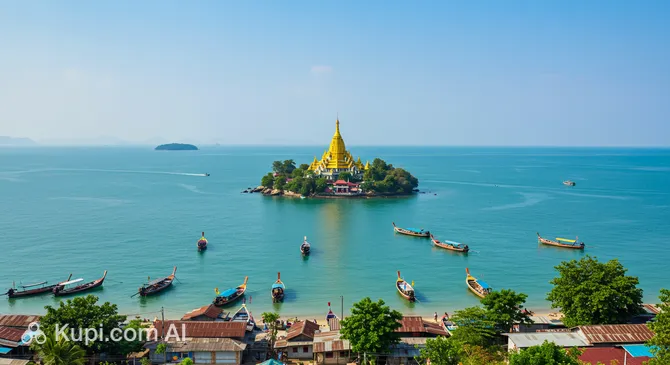
Kawthaung, situated at the southernmost tip of the country, is a vibrant and bustling border town that serves as a fascinating entry point to Myanmar. Separated from the Thai city of Ranong by the broad estuary of the Kraburi River, this town offers a unique blend of cultures and a lively atmosphere. With a population of approximately 58,000 residents, it is a significant trading hub in the Tanintharyi Region, characterized by its warm tropical climate and scenic waterfront views.

Kawthaung. Source: Kupi.Binoculars

The town holds a special place in the region's past. Formerly known as Victoria Point during the British colonial era, the history of Kawthaung is reflected in its multicultural heritage and the lingering colonial influence seen in parts of the town. Today, it is perhaps best known as the primary gateway to the breathtaking Mergui Archipelago, a collection of hundreds of pristine islands renowned for their white sandy beaches and world-class diving spots.

Visitors can explore local landmarks such as the hilltop Pyi Taw Aye Pagoda, which offers panoramic views of the town and the river, or visit the imposing statue of King Bayintnaung standing guard at the cape. Whether you are planning an island-hopping adventure or simply soaking in the local culture at the bustling markets, Kawthaung provides a memorable and welcoming start to any journey.

Weather Overview

Kawthaung enjoys a warm tropical climate year-round, making it a destination where you can expect consistent heat regardless of when you visit. Average temperatures remain stable, typically hovering around 26°C to 28°C. The warmest months are usually from February to April, where daytime highs frequently reach roughly 30°C to 31°C, while the coolest nights in December and January rarely drop below 23°C.

The region experiences distinct seasonal variations in rainfall. The period from May to October is characterized by frequent precipitation, with the number of wet days often exceeding 25 per month during the peak of the monsoon. Conversely, the months from December through March offer the driest conditions, with significantly fewer rainy days, making it a popular time for travel. To help you pack appropriately for your specific travel dates, you can consult the detailed guide to the weather in Kawthaung.

Interesting Facts

Beyond the bustling waterfront and the scenic views of the Andaman Sea, Kawthaung holds fascinating secrets that reveal its unique position at the crossroads of cultures. This southernmost town is more than just a border crossing; it is a place of linguistic curiosities and historical legends.
  • The name "Kawthaung" is widely believed to be a local pronunciation of the Thai name "Koh Song," which translates to "Two Islands." This originally referred to the pair of small islands located at the mouth of the river, highlighting the town's deep historical and geographical connection with the neighboring country.

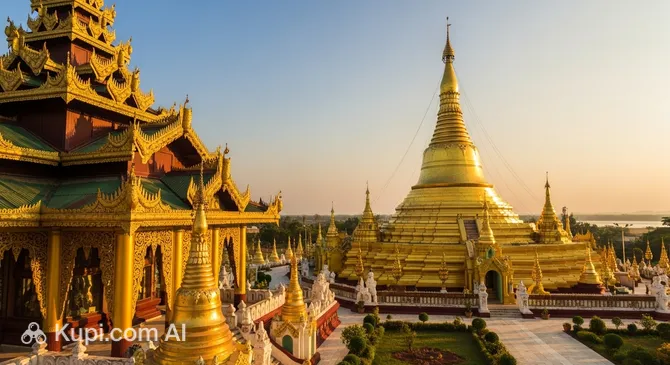
  • The Pyi Daw Aye Pagoda serves as a spiritual twin to the nation's most sacred site. It was architecturally designed to resemble the iconic Shwedagon Pagoda in Yangon, allowing residents of this distant southern region to pay homage without making the long journey to the capital.

  • Kawthaung is the primary gateway to the world of the Moken people, often known as "Sea Gypsies." These indigenous nomads are famous for their unique ability to see clearly underwater and for living a semi-aquatic lifestyle on hand-built wooden boats called kabang.

  • The prominent statue of King Bayintnaung at the cape does more than just stand guard; the warrior king is depicted brandishing his sword towards the sea. This specific posture commemorates his historical military campaigns and marks the southernmost tip of mainland Myanmar, known as Bayintnaung Point.

Pyi Daw Aye Pagoda. Source: Kupi.Binoculars

How to Get There

Reaching this southernmost town is an adventure in itself, often involving a combination of air travel and a scenic boat ride. You can find more details about all ways to reach the city on our dedicated page. While Kawthaung has its own domestic airport, many international visitors choose to fly into neighboring Thailand and cross the border by water from Ranong.

The most convenient option for those already in Myanmar is Kawthaung Airport (KAW). Located just 6.1 km from the town center, this facility primarily handles domestic flights from major cities like Yangon. The journey from the airport to the heart of the town is quick, typically taking about 30 minutes by taxi or local transport.

For international travelers, Phuket International Airport (HKT) in Thailand is a major gateway. Although it is located in the city of Phuket, approximately 210 km from Kawthaung, it serves as a key entry point due to its extensive global connections. From Phuket, you can take a bus or taxi to the border town of Ranong and then cross the river by boat; the entire transfer usually takes around 5 to 6 hours.

Another viable option is Chumphon Airport (CJM), situated in the Thai city of Chumphon, about 119 km away. While it is a smaller regional hub with less traffic, it offers a shorter overland route to the border compared to Phuket. Travelers landing here can expect a total travel time of roughly 3 to 4 hours to reach Kawthaung, including the road transfer and boat crossing.

For clarity, here is a summary of the main airports:

Airport Name City Passenger Traffic Km from City
Phuket International Airport Phuket Large 209.8
Koh Samui Airport Koh Samui Medium 172.9
Surat Thani Airport Surat Thani Medium 114.9
Chumphon Airport Chumphon Small 118.8
Kawthaung Airport Kawthaung 6.1

Main Attractions

Kawthaung offers a delightful mix of cultural landmarks and natural wonders, serving as a perfect introduction to the beauty of southern Myanmar. From hilltop pagodas to scenic waterfalls, the town and its surroundings provide travelers with a variety of memorable experiences.

One of the most prominent landmarks is the Pyi Daw Aye Pagoda. Located on a hill overlooking the town, this golden stupa is not only a place of spiritual reflection but also the best vantage point in Kawthaung. Visitors are rewarded with breathtaking panoramic views of the bustling river, the town below, and the distant islands of the Andaman Sea, making it an ideal spot for sunset photography.

Pyi Daw Aye Pagoda. Source: Kupi.Binoculars

Another significant site is the impressive King Bayintnaung Statue, standing proudly at the cape known as Bayintnaung Point. The bronze statue depicts the famous monarch brandishing his sword towards the ocean, symbolizing his historical influence. It is a popular spot for locals and tourists alike to take a stroll, enjoy the sea breeze, and capture photos at the southernmost tip of the Myanmar mainland.

For nature lovers, a trip to Maliwan Waterfall is a must. Situated a short drive from the town center, this scenic spot features refreshing cascades surrounded by lush tropical vegetation. Nearby, visitors can also find natural hot springs, offering a relaxing contrast to the cool river waters. It serves as a favorite weekend getaway for picnics and swimming.

Just a short distance from the mainland, connected by a long wooden bridge, lies Palonetoneone Island. This charming destination allows travelers to experience authentic local village life and enjoy quieter sandy beaches. It is renowned for its fresh seafood restaurants and the simple pleasure of walking across the bridge while admiring the coastal scenery.

Local Cuisine

The culinary scene in Kawthaung is a delightful reflection of its unique border location, blending traditional Burmese flavors with distinct Thai influences. As a coastal town, it is a paradise for seafood lovers, offering some of the freshest catch from the Andaman Sea. The local food culture is characterized by its vibrant use of spices, sour notes, and aromatic herbs, creating a fusion that distinguishes the region's gastronomy from other parts of the country.

Seafood is undoubtedly the star of the show here. Visitors should not miss the opportunity to try grilled prawns or squid, often served with a spicy and sour dipping sauce that hints at the proximity to Thailand. Another must-try is the local variation of fish curry, which is typically rich, aromatic, and less oily than versions found in central Myanmar. For a classic Burmese breakfast, Mohinga—rice noodles served in a savory fish broth—remains a staple, available at street stalls and markets throughout the early morning.

When it comes to beverages, the local teahouse culture is an essential experience. Locals gather to sip on Lahpet Yay, a sweet and creamy Burmese milk tea that fuels social conversations. For something refreshing in the tropical heat, fresh coconut water and sugarcane juice are widely available. In the evenings, enjoying a cold glass of Myanmar Beer, the country's most popular lager, is a common way to unwind while watching the sunset over the river.

Dining in Kawthaung ranges from casual street food to scenic riverside meals. The waterfront area is lined with restaurants where tourists can enjoy dinner with a view of the Kraburi River and the lights of Ranong on the opposite bank. For a more authentic atmosphere, the bustling morning markets offer a chance to taste local snacks and observe the daily life of the residents, while traditional teahouses serve as the town's social hubs throughout the day.

Travel Tips

Visiting Kawthaung offers a unique glimpse into life at the southern edge of Myanmar, but its distinct border town dynamics require a bit of insider knowledge to navigate smoothly. To help you handle the local customs, currency quirks, and tropical environment with ease, here are some essential practical tips for your journey.

  1. Clothing and Gear: Due to the hot and humid tropical climate, pack lightweight, breathable fabrics like cotton or linen. Since you will likely be visiting religious sites like Pyi Daw Aye Pagoda, bring modest clothing that covers your shoulders and knees; a local longyi (sarong) is a great option. sturdy slip-on sandals or flip-flops are highly recommended, as you must remove your footwear frequently when entering temples and local homes.

  2. Transportation: The most common way to get around the town is by motorcycle taxi. You will see them everywhere; simply wave one down, but be sure to agree on the fare before hopping on. For island hopping or crossing to Thailand, long-tail boats are the standard mode of water transport. Walking is feasible in the town center, particularly along the waterfront, but the heat can be intense during midday.

  3. Finances: While the official currency is the Myanmar Kyat (MMK), the Thai Baht (THB) is widely accepted and sometimes even preferred due to the town's proximity to Ranong. It is best to carry a mix of both currencies in cash, as credit cards are rarely accepted outside of high-end hotels. ATMs are available but can occasionally be out of service, so bringing sufficient cash is a wise precaution.

  4. Health and Safety: Kawthaung is generally safe for tourists, but it is important to stay hydrated and protect yourself from the sun. Mosquito-borne illnesses can occur in tropical regions, so bring a high-quality insect repellent and wear long sleeves in the evenings. Pharmacies are available in the town center for basic supplies, but for any specific prescription medications, you should bring your own stock. Always drink bottled water rather than tap water.

  5. Communication: The main language is Burmese, but due to the border trade, many locals also understand basic Thai. English proficiency is generally limited to hotel staff and tour guides, so downloading an offline translation app or learning a few basic phrases like "Mingalabar" (Hello) and "Kyay Zu Tin Par Tal" (Thank you) will go a long way. SIM cards from major providers like MPT or Atom are easy to purchase and usually offer decent 4G coverage.

  6. Local Etiquette: The culture is deeply rooted in Buddhism and respect for elders. When handing over money or a gift, use your right hand (or both hands) as the left hand is considered unclean. Always remove your shoes and socks before entering pagoda grounds. It is polite to smile and nod when greeting locals, who are known for their friendliness.

  7. What to Avoid: Never point your feet at a person or a Buddha image, as the feet are considered the lowest and dirtiest part of the body. Avoid touching anyone, including children, on the head, which is regarded as the most sacred part of the body. Public displays of affection should also be kept to a minimum to respect local conservative norms.

  8. Border Crossing Tip: If you plan to take a boat across the river to or from Ranong, be mindful of the operating hours. The border checkpoint and boat services typically close around sunset (approx. 6:00 PM). Ensure you complete your travel well before this time to avoid getting stuck on either side for the night.

With these preparations in mind, you are all set to enjoy the laid-back charm and scenic beauty of this coastal gateway. Embrace the friendly spirit of the locals and the stunning views of the Andaman Sea for a truly unforgettable adventure in Kawthaung.

Entertainment & Nightlife

For many visitors, the ultimate entertainment in Kawthaung lies just offshore. As the southern gateway to the Mergui Archipelago, the town serves as the launching pad for unforgettable marine adventures. Travelers can embark on multi-day liveaboard cruises or day trips to explore hundreds of untouched islands. These waters are world-renowned for their scuba diving and snorkeling sites, offering a chance to swim amidst vibrant coral reefs and diverse marine life in the crystal-clear Andaman Sea.

Just a short boat ride across the river mouth lies Thahtay Kyun, home to a well-known island resort. This destination is popular for day trippers and overnight guests alike, offering a range of leisure facilities. Visitors can enjoy duty-free shopping, relax by the pool, or try their luck at the gaming complex, providing a lively and modern contrast to the quiet nature of the surrounding archipelago.

Back on the mainland, the evening atmosphere is laid-back yet engaging. The waterfront area is the heart of the town's social life, where locals and tourists gather to enjoy the cool sea breeze. You can spend a relaxing evening at one of the open-air beer stations, which are quintessential to the local culture. These venues offer a friendly environment to enjoy cold beverages, sample local snacks, and watch the lights of Ranong across the water.

For those who enjoy shopping, the local markets offer a treasure trove of goods that reflect the town's border status. Visitors can browse through stalls selling a mix of Myanmar handicrafts, traditional textiles, and imported Thai products. It is an excellent place to pick up souvenirs, such as lacquerware or dried seafood, while practicing your bargaining skills in a bustling, authentic setting.

Parks & Museums

While Kawthaung may not boast expansive botanical gardens or grand national museums, its charm lies in its raw natural beauty and living history. The city's "green spaces" are defined by lush tropical jungles and scenic coastal promenades, while its rich culture is preserved in open-air landmarks and religious sites rather than within glass cases.

For nature lovers, the Maliwan Waterfall and Hot Springs serves as the region's premier natural recreation area. Located a short drive from the town center, this site functions as a natural park where locals and tourists alike gather to relax. The area features a series of cascading waterfalls set amidst dense tropical vegetation, offering a refreshing escape from the heat. Adjacent to the cool waters are natural thermal springs, channeled into bathing pools where visitors can soak in the therapeutic warm water, making it a perfect spot for a full day of picnicking and swimming.

Closer to the town center, Bayintnaung Point offers a landscaped promenade that acts as the city's main waterfront park. Situated at the southernmost tip of the mainland, this cape provides paved walkways, benches, and stunning views of the Andaman Sea and the nearby islands. It is a favorite location for evening strolls, allowing visitors to enjoy the sea breeze while watching boats navigate the estuary, blending a park-like atmosphere with scenic coastal beauty.

In terms of cultural heritage, the city does not have dedicated history museums, but its past is vividly recounted through its monuments. The most significant historical landmark is the massive bronze Statue of King Bayintnaung. Standing atop a hill at the cape, this imposing monument commemorates one of Myanmar's most famous warrior kings. The site serves as an open-air historical exhibit, offering visitors insight into the region's past significance as a strategic military and trading outpost.

The Pyi Daw Aye Pagoda also functions as a repository of local culture and art. Beyond its religious importance, the complex features intricate architecture and traditional motifs that reflect the artistic heritage of the Tanintharyi Region. Walking around the pagoda platform, visitors can admire detailed sculptures and design elements that offer a glimpse into the spiritual and artistic traditions of the local community.

For a truly authentic experience, take a trip to the 555 Mountain (Triple Five Hill) just outside the town. While not a formal park, this viewpoint offers a hiking experience through local flora leading to a summit with a panoramic view of the entire peninsula. It is a quiet, lesser-known spot where you can appreciate the town's geography and enjoy a peaceful sunset away from the bustling waterfront.

Getting Around

Public transport in Kawthaung is informal and decentralized, reflecting the town's compact nature and laid-back atmosphere. Unlike major metropolitan areas, there is no metro system, tram network, or scheduled city bus service. Instead, the local transit infrastructure relies heavily on small, privately operated vehicles that provide flexible and direct connections to any part of the town.

The most ubiquitous form of transport is the motorcycle taxi. You will find these drivers on almost every street corner, often waiting in groups at major intersections, markets, and the jetty. They are the fastest way to navigate the narrow/hilly streets. For those traveling with luggage or in small groups, three-wheeled tuk-tuks (locally known as thone-bane) or sidecars are available. These offer a bit more stability and capacity than a standard motorbike but are slower and less agile in traffic.

Given the town's waterfront location, long-tail boats form an essential part of the "public" transport network. These wooden boats gather at the main jetty and serve as the primary link for crossing the river to the neighboring border town or reaching nearby islands. They function much like water taxis; you can hire one privately or wait for it to fill up with other passengers for a shared ride. This mode of travel is not just practical but also offers a scenic perspective of the estuary.

The payment system is entirely cash-based. There are no travel cards, passes, or mobile ticketing apps for local transport here. Transactions are conducted directly with the driver or boatman. Prices are generally low but are not fixed by a meter. A short motorbike ride within the town center typically costs a small amount, while trips to destinations further afield, such as the airport or waterfalls, will command a higher fare. It is standard practice to pay in the local currency, though due to the border location, Thai currency is sometimes accepted by boat operators.

For tourists, the golden rule of navigating this system is to negotiate and agree on the fare before the journey begins. This avoids any confusion or disputes upon arrival. While drivers are generally honest, clarifying the price is a customary part of the interaction. Operating hours are flexible, with motorbike taxis available from early morning until late evening. However, boat services typically cease operations around sunset (approximately 6:00 PM), so it is crucial to plan water crossings during daylight hours.

Walking is a viable and pleasant alternative for exploring the immediate downtown area and the waterfront promenade. The town center is small enough to cover on foot, allowing you to soak in the atmosphere at your own pace. For longer excursions or day trips, private car rentals with a driver can be arranged through hotels or local travel agencies, as self-drive car rentals are not standard. Standard four-wheel taxis are less common on the streets and are usually reserved for airport transfers or specific pre-booked tours.

Accommodation

Where to Stay:

Accommodation in Kawthaung has evolved to cater to a mix of border-crossing traders, visa-run travelers, and tourists heading to the Mergui Archipelago. The city primarily offers budget guesthouses and mid-range hotels. While you won't find an abundance of ultra-luxury international chains within the town center itself, there are comfortable and modern options that provide air-conditioning, Wi-Fi, and decent amenities. For those seeking a more exclusive experience, high-end resorts are typically located on the nearby private islands rather than in the town proper.

The most convenient area to stay is along the Strand Road and the immediate waterfront district. staying here places you within walking distance of the main jetty, which is crucial if you are planning boat trips to the islands or crossing over to Thailand. This area is also lively, filled with markets, tea shops, and restaurants. Alternatively, some hotels are perched on the hillsides overlooking the town. These locations offer a quieter atmosphere and often feature stunning panoramic views of the river and the sunset, though they may require a short taxi ride to reach the town center.

Booking Tip: Since Kawthaung is a transit hub and a popular starting point for diving expeditions, accommodation can fill up quickly during the peak travel season (from November to April). It is highly recommended to book your room in advance, especially if you are arriving late in the day or traveling in a group. During the monsoon season, availability is generally better, but some island-based resorts may close for maintenance.

In terms of pricing, the town is generally wallet-friendly. Budget travelers can find simple rooms for very reasonable rates, while mid-range hotels offer excellent value for money compared to larger tourist hubs. While major online booking platforms list the more established hotels, many smaller guesthouses still rely on walk-ins or direct phone bookings. It is also wise to check if your chosen accommodation accepts credit cards, as many smaller establishments may prefer payment in cash (Myanmar Kyat or sometimes Thai Baht).

Nearby Cities

For those looking to explore the surroundings, Kawthaung serves as an excellent base for day trips and short excursions to several interesting nearby locations:

Myeik is a historically significant port city located to the north, making it a worthwhile destination for a short visit or an extended excursion. Known for its elegant colonial-era architecture and bustling waterfront, Myeik offers a glimpse into the region's maritime past and is famous for its production of high-quality pearls and fresh seafood.

Ranong, situated just across the Kraburi River in Thailand, is the most accessible option for a quick day trip. A short and scenic boat ride takes visitors to this vibrant town, where they can enjoy shopping, explore local markets, or relax in the famous natural hot springs. It provides an easy opportunity to experience a different culture and enjoy modern amenities before returning to Kawthaung.

City Population Distance (km)
Yangon 5,209,541 800
Hpa-An 421,525 768
Myeik 284,498 272
Mawlamyine 253,734 721
Myawaddy 195,624 740

These nearby destinations offer a glimpse into the diverse culture and landscapes of the region.

Shopping & Souvenirs

Shopping in Kawthaung is a unique experience driven by its status as a busy border town. While it lacks the glitzy high-end retail of major metropolises, it offers a lively commercial atmosphere where cultures merge. The town serves as a trading hub between Myanmar and Thailand, meaning visitors can find an eclectic mix of goods ranging from traditional Burmese handicrafts to imported Thai household items, electronics, and clothing. The vibe here is authentic and local, perfect for travelers who enjoy browsing through bustling stalls rather than polished window displays.

The heart of the town's commercial activity lies along the waterfront, particularly on Strand Road. This area is lined with small shophouses and convenience stores that cater to both locals and cross-border travelers. Walking down this strip, you will find vendors selling everything from mobile phones and sunglasses to fresh fruit and local snacks. It is the most convenient place to pick up daily essentials or simply soak in the chaotic charm of the border trade.

Travelers looking for large, modern shopping complexes might be disappointed, as Kawthaung does not feature expansive shopping malls or international department stores. The retail scene is dominated by independent retailers and traditional markets. However, there are a few larger supermarkets and mini-marts scattered around the town center where you can purchase imported snacks, beverages, and toiletries in a more air-conditioned environment.

The true highlight of shopping here is the Myoma Market. This central market is a sensory overload of colors and smells, acting as the lifeblood of the local community. In the early mornings, it is packed with fresh produce, meats, and the day's catch from the Andaman Sea. Further inside, you can explore sections dedicated to clothing, textiles, and household goods. It is an excellent place to observe daily life and practice your bargaining skills with friendly local vendors.

When it comes to souvenirs, the town is famous for its marine products. Dried seafood, such as shrimp, squid, and fish, is a top purchase for visitors and is considered high quality in this region. Bird's nest products are another local specialty, harvested from the nearby caves and islands. For something more lasting, look for pearls cultivated in the Mergui Archipelago or a traditional Burmese longyi (sarong), which makes for both a practical garment and a beautiful keepsake.

Most shops and market stalls operate from around 8:00 or 9:00 AM until 5:00 PM, though some convenience stores and food vendors near the waterfront may stay open later into the evening. Cash is the primary method of payment everywhere. Due to the proximity to Ranong, both Myanmar Kyat (MMK) and Thai Baht (THB) are widely accepted, and vendors often quote prices in both currencies. Credit cards are rarely used outside of major hotels, so ensure you have sufficient small bills on hand.

Regarding tax-free shopping, Kawthaung does not have a formal VAT refund scheme for tourists similar to those found in major international shopping destinations. Prices are generally final, though bargaining is expected and encouraged in markets and smaller independent shops. The "duty-free" concept here is mostly associated with the border crossing trade rather than a structured tourist refund system, so it is best to assume that the price you negotiate is the price you pay.
Reached the end of the page?

That means the route is fully explored