Support

Krabi

About

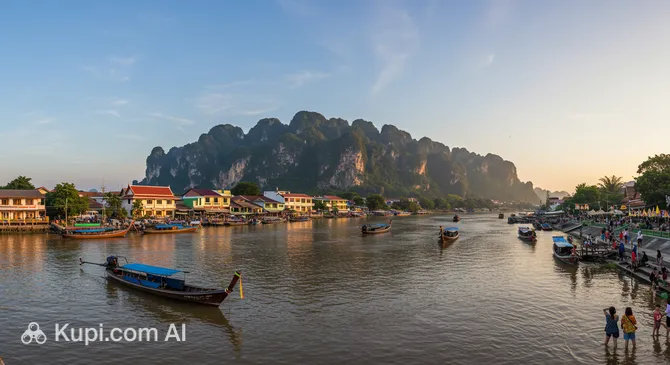
Nestled among mangrove forests and limestone karsts, Krabi is often seen as the gateway to the stunning islands of the Andaman Sea. However, the town itself possesses a unique charm and authentic atmosphere that distinguishes it from the surrounding beach resorts. Located in southern Thailand, this provincial capital offers a glimpse into the daily lives of locals, blending traditional culture with modern conveniences.

Krabi. Source: Kupi.Binoculars

Geographically, the city is situated at the mouth of the Krabi River, where it flows into Phang Nga Bay. With a population of approximately 30,500 residents, it maintains a relaxed pace of life despite being a significant travel hub within Krabi Province. The climate is tropical, characterized by warm temperatures year-round, making the region lush and vibrant.

Beyond its natural beauty, the area has a rich heritage. Visitors interested in the past can explore the history of Krabi, which reveals evidence of ancient settlements and a deep connection to the river. One of the most iconic landmarks defining the city's skyline is Khao Khanab Nam, two majestic limestone peaks that stand like sentinels over the water, accessible by a short long-tail boat ride.

Travelers should not miss the stunning Wat Kaew Korawaram, a white temple perched on a hill overlooking the town, known for its grand staircase and peaceful ambiance. For a taste of local flavor, the weekend Walking Street market offers delicious street food and handicrafts. Whether you are passing through to the islands or staying a few days, Krabi provides a warm welcome and a delightful cultural experience.

Weather Overview

Krabi experiences a tropical climate characterized by warm temperatures year-round, making it a destination suitable for beach lovers at almost any time. The average temperature generally hovers between 26°C and 29°C, with the mercury climbing highest in March and April, where daily maximums can reach around 34°C. Even during the cooler months of December and January, the weather remains pleasant, with minimum temperatures rarely dropping below 22°C.

The region has distinct dry and wet periods that travelers should consider when planning their itinerary. The months of January through March are typically the driest, seeing only about 7 to 10 wet days per month, which is ideal for outdoor activities. Conversely, the season from May to October brings frequent rainfall, with precipitation occurring on up to 29 days in a month like October. For a detailed forecast and monthly breakdown, you can consult the guide to the weather in Krabi to help choose the best time for your visit.

Interesting Facts

Beyond its reputation as a transit hub for the Andaman Sea, Krabi Town holds several fascinating secrets and quirky features that give it a distinct personality. Here are some intriguing facts that reveal the unique character of this provincial capital:

  • Prehistoric Traffic Signals: Krabi is likely the only place where you wait for a green light held by a caveman. The town center features unique traffic lights supported by statues of Neanderthals, elephants, and eagles, celebrating the region's status as one of the oldest settlements in Thailand.

  • The Legend of the Sword: The name "Krabi" translates to "sword" in the local language. According to folklore, an ancient sword was unearthed at the site prior to the city's founding, and the twin peaks of Khao Khanab Nam are said to represent crossed blades protecting the people.

  • A Wartime Hideout: The iconic limestone mountains that define the city's skyline, Khao Khanab Nam, harbor a hidden history. During World War II, Japanese soldiers used the complex cave systems within these peaks as a strategic shelter and base of operations.

  • The Giant Mud Crab: Visitors often marvel at the large sculpture of a black mud crab and its family on the riverbank. This monument is not just for photos; it symbolizes the city's deep connection to the mangrove forests and the fertile ecosystem that sustains the local community.

  • A Rare Geological Wonder: Just a short distance from the town lies the Shell Cemetery, or Susan Hoi. This site features massive slabs of fossilized shells dating back 75 million years, a geological phenomenon found in only three locations on Earth.

How to Get There

Reaching this coastal province is straightforward, with air travel being the most convenient option for the majority of visitors. You can find comprehensive information about all transport modes in our detailed guide on how to get to Krabi. The city is served directly by Krabi Airport (KBV), located approximately 13 km from the town center. This international airport handles a significant volume of traffic and connects the region to Bangkok and several overseas destinations. A journey from the airport to the city center typically takes about 40 minutes by taxi or shuttle bus.

Another popular entry point is Phuket International Airport (HKT), situated in the neighboring province of Phuket, roughly 86.5 km away. As one of the busiest airports in the country, it offers a wider range of international flight connections. However, travelers choosing this route should account for a longer transfer time to Krabi, which usually takes around 2 hours and 30 minutes by road.

For clarity, here is a summary of the main airports:

Airport Name City Passenger Traffic Km from City
Phuket International Airport Phuket Very High 86.5
Krabi Airport Krabi High 13.0
Surat Thani Airport Surat Thani Medium 112.1
Nakhon Si Thammarat Airport Nakhon Si Thammarat Medium 103.7
Trang Airport Trang Small 88.2

The city of Krabi does not have its own railway station, as the train lines in southern Thailand do not extend directly to the Andaman coast. Travelers who prefer rail transport typically take a train from Bangkok to Surat Thani or Trang. From either of these stations, you can transfer to a bus or minivan to complete the journey to Krabi, which generally takes another 2 to 3 hours depending on the connection.

Main Attractions

While the town itself serves as a convenient hub, the surrounding province offers an abundance of natural wonders and cultural landmarks that captivate visitors from around the globe. From spiritual heights to relaxing thermal waters, the region provides a diverse array of experiences just a short journey from the city center.

One of the most challenging yet rewarding sites is the Tiger Cave Temple (Wat Tham Sua). Located just outside the town, this sacred complex is famous for the strenuous climb of 1,237 steps leading to the summit. Those who conquer the ascent are greeted by a massive golden Buddha statue and breathtaking 360-degree views of the limestone karsts and lush forests below. The temple grounds at the base are equally fascinating, featuring a maze of natural caves where monks meditate and where legend says a tiger once lived.

For beach lovers and adventure seekers, Railay Beach is an absolute must-visit. Although technically part of the mainland, towering limestone cliffs cut it off from the rest of the province, making it accessible only by boat. This isolation gives it a serene island feel. It is world-renowned for its rock climbing routes, but it also offers pristine white sands and the stunning Phra Nang Cave, which houses a unique shrine dedicated to a mythical sea princess.

Nature enthusiasts should venture further inland to the Emerald Pool (Sa Morakot), situated within the Thung Teao Forest Natural Park. This large, natural pond is filled with crystal-clear spring water that glows a striking turquoise hue, ideal for a refreshing swim in the jungle. A short walk from the main pool leads to the Blue Pool, a deep, intensely colored spring surrounded by dense rainforest, offering a perfect spot for photography and quiet appreciation of nature.

Nearby, visitors can unwind at the Klong Thom Hot Springs. Unlike typical hot springs, these are formed into smooth rock channels that resemble natural jacuzzis. The thermal water, rich in mineral salts and averaging a soothing 35-40°C, cascades down from the thermal springs into the cool river below. It is a popular spot for relaxation, allowing travelers to soak in the therapeutic waters amidst the calming sounds of the forest.

Local Cuisine

The culinary scene in Krabi is a vibrant reflection of Southern Thai culture, known for its intense flavors, abundant seafood, and rich spices. The local food is distinct from the milder dishes found in the central regions, often packing a fiery punch with plenty of turmeric, galangal, and chilies. Being a coastal province, the freshness of the ingredients is unparalleled, making it a paradise for seafood lovers who want to taste the ocean's bounty prepared with authentic local flair.

One of the must-try dishes is Gaeng Som, a sour and spicy yellow curry that is a staple of Southern Thailand. Its distinctive orange hue comes from turmeric, and it is typically cooked with fish and bamboo shoots or green papaya, offering a sharp, tangy flavor that wakes up the palate. Another favorite is Kua Kling, a dry curry made with minced pork or chicken tossed in a spicy homemade curry paste. It is incredibly aromatic and is often served with a side of fresh vegetables to help balance the heat.

Due to the significant Muslim population in the area, Roti is a beloved local specialty found on many street corners. Unlike the sweet versions often sold exclusively to tourists in other beach towns, here it is traditionally eaten for breakfast, served crispy alongside a bowl of savory massaman or chicken curry. Of course, the sweet version drizzled with condensed milk and stuffed with banana or egg remains a popular dessert to end a meal.

To cool down from the spicy food, locals and visitors alike turn to refreshing drinks. Fresh fruit shakes, particularly mango, watermelon, and coconut, are ubiquitous and provide a sweet relief from the tropical heat. For a caffeine fix, the traditional Kopi (local coffee) served with sweetened condensed milk reflects the old-town charm and is a great way to start the day. In the evenings, local beers are widely available at restaurants, pairing perfectly with spicy salads and grilled seafood.

The heart of Krabi’s food culture beats strongest at its markets. The weekend Walking Street is the epicenter of gastronomic exploration, where you can sample everything from grilled satay and colored rice noodles to coconut puddings. On weekdays, the night market near the Chao Fah Pier offers a more laid-back atmosphere. Here, plastic tables are set up under the stars, allowing you to dine on affordable, authentic street food while enjoying the breeze from the river.

Travel Tips

Visiting Krabi Town offers a more grounded and authentic experience compared to the nearby beach resorts, but knowing a few local practicalities will ensure your trip is smooth and hassle-free. These tips are designed to help you navigate the unique culture, climate, and logistics of this charming provincial capital.

  1. Clothing and Gear: Given the tropical humidity, pack lightweight, breathable fabrics like cotton or linen to stay cool. Comfortable slip-on sandals are ideal as you will frequently need to remove your shoes before entering shops, homes, and temples. If you plan to visit sacred sites like Wat Kaew Korawaram, remember to dress modestly; shoulders and knees must be covered, so carrying a sarong or a light scarf is always a good idea.

  2. Transportation: The most authentic and affordable way to get around is by Songthaew, converted pickup trucks with bench seating. In Krabi, they are color-coded: white ones typically run between the town and Ao Nang beach, while blue and red ones serve other local routes. For direct trips, motorbike taxis and ride-hailing apps like Grab are widely available, though renting a scooter is a popular choice for those with a valid international driving permit.

  3. Finances: The currency is the Thai Baht (THB). While hotels and larger restaurants accept credit cards, cash is king in Krabi Town, especially at the weekend Walking Street market and local food stalls. ATMs are plentiful outside 7-Eleven stores, and currency exchange booths offer competitive rates. Tipping is not strictly mandatory, but leaving small change or rounding up the bill is a kind gesture appreciated by service staff.

  4. Health and Safety: Krabi is generally very safe, but the tropical environment requires precautions against mosquitoes; always wear repellent, especially at dawn and dusk, to prevent Dengue fever. Pharmacies are easy to find and often have English-speaking pharmacists who can provide medication for minor ailments. For serious issues, Krabi Nakharin International Hospital provides high-standard care for tourists.

  5. Communication: English is widely understood in tourist areas, hotels, and restaurants, but less so in local morning markets. Buying a local SIM card (AIS, TrueMove, or DTAC) at the airport or convenience stores is highly recommended for maps and translation apps. Learning basic phrases like "Sawasdee khrap/kha" (Hello) and "Khop khun khrap/kha" (Thank you) will earn you warm smiles from the locals.

  6. Local Etiquette: The head is considered the most sacred part of the body, while the feet are the lowest and dirtiest. Never touch someone's head, and avoid pointing your feet at people or religious images. When greeting, the traditional Wai (placing palms together at chest level) is the polite way to acknowledge others, though a smile and a nod are also acceptable for foreigners.

  7. What to Avoid: Do not disrespect images of the Buddha or the Royal Family; this includes climbing on statues for photos or making negative comments, which are serious offenses. Additionally, avoid feeding the monkeys often found near the mangrove walkways or temples; they can become aggressive and are prone to stealing food or sunglasses.

  8. Morning Rituals: Unlike the beach towns that wake up late, Krabi Town is an early riser. To experience the local lifestyle, head to a Dim Sum restaurant around 7:00 AM. It is a unique Southern Thai breakfast tradition where you choose small steamer baskets of food to enjoy with strong local coffee, offering a delicious start to your day before the heat sets in.

By keeping these practical tips in mind, you will be well-prepared to embrace the relaxed pace and rich culture of Krabi. Enjoy the stunning limestone scenery and the genuine hospitality that makes this riverside town such a memorable destination.

Entertainment & Nightlife

Entertainment and nightlife in Krabi offer a refreshing alternative to the high-octane party scenes found in places like Phuket or Pattaya. Here, the atmosphere is decidedly more laid-back, focusing on beachside relaxation, live music, and socializing rather than all-night raving. The nightlife is primarily concentrated in two distinct areas: the tourist hub of Ao Nang and the more authentic, provincial Krabi Town. Each district provides a different vibe, allowing visitors to choose between energetic bar-hopping or a chill evening by the river.

For those seeking a vibrant night out, Ao Nang is the place to be. The action centers around Center Point, a multi-story entertainment complex packed with bars, cabaret shows, and late-night venues. Just a short distance away is Soi RCA, a street lined with small, friendly bars where music pumps into the street and locals and tourists mingle freely. The dress code almost everywhere is casual; shorts, t-shirts, and flip-flops are the norm, reflecting the beach town's relaxed attitude.

Music lovers will find plenty of options, as live bands are a staple of Krabi's nightlife. The Boogie Bar in Ao Nang is a legendary spot known for its high-energy live rock and pop performances that draw crowds every night. For a more reggae-infused atmosphere, the Roots Rock Reggae Bar offers fire shows and chilled beats, often right on the sand or just steps from it. In Krabi Town, the vibe shifts to acoustic sets and folk music at riverside venues like the Factory Beer Garden, where local youth and expats gather for affordable drinks and food.

Practicalities for a night out are straightforward. Most bars and clubs get busy around 10:00 PM and close by 2:00 AM, though some stay open later depending on the crowd. Prices are generally reasonable, with local beers costing significantly less than in Bangkok, especially during "Happy Hour" promotions which usually run until 9:00 PM. Getting around at night is best done via tuk-tuks or songthaews (shared taxis). It is advisable to agree on the fare before starting your journey, as night rates can be slightly higher than during the day.

Safety in Krabi is generally good, and the main nightlife areas are well-lit and populated. However, standard precautions apply: avoid walking alone on unlit stretches of the beach late at night and keep an eye on your belongings in crowded bars. If you need a ride back to your hotel, official taxi stands are easy to find near the main entertainment districts, and hotel reception desks can always arrange reliable transport.

While the region is famous for its outdoor adventures, there are some daytime entertainment options for those looking to escape the sun. Krabi Town features a few cultural stops, such as the Krabi Contemporary Art Museum, which showcases local talent. For a more modern experience, the shopping malls like Tesco Lotus and Big C on the outskirts of town house modern cinemas showing both Thai and international films, providing a cool, air-conditioned retreat from the tropical heat.

Parks & Museums

While often viewed as a gateway to the islands, the provincial capital itself offers a refreshing blend of lush green spaces and cultural heritage. Visitors who take the time to explore the town will discover well-maintained parks, informative museums, and architectural landmarks that provide deep insight into the region's history and the daily lives of its people.

For a breath of fresh air right in the city center, Thara Park is the premier destination. Located along the estuary of the Krabi River, this expansive public park serves as the community's living room. It features paved jogging paths, tennis courts, and a children's playground, all shaded by large tropical trees. In the late afternoon, it becomes a hub of activity where locals gather for aerobics and sports. The park also offers scenic views of the river and the distant islands, making it a perfect spot for a quiet sunset walk away from the tourist crowds.

Nature lovers should not miss the extensive Mangrove Forests that border the city. These ecological treasures can be explored via a network of elevated walkways or by hiring a long-tail boat from the pier. The mangroves are teeming with wildlife, including monitor lizards, fiddler crabs, and various bird species. This natural barrier protects the coastline and offers a serene, green escape where the silence is broken only by the sounds of nature, providing a stark contrast to the bustling markets nearby.

To understand the rich heritage of the area, a visit to the Andaman Cultural Study Center is highly recommended. This facility acts as a learning hub, showcasing the history, art, and traditions of Krabi and the southern provinces. The exhibits often include displays on ancient beads found in the region, traditional shadow puppetry, and the diverse religious influences that have shaped the local culture. It is an excellent place to gain context before exploring the wider province.

Just across from the cultural center lies the Krabi Contemporary Art Museum. This venue highlights the creative spirit of the region, featuring rotating exhibitions of modern art created by local and national artists. The works range from paintings and sculptures to mixed media installations, offering a modern perspective on Thai culture. It is a quiet and inspiring space that demonstrates the city's growing appreciation for the arts.

Architecturally, the city is dominated by the striking Wat Kaew Korawaram. Unlike many Thai temples which are golden, this temple is renowned for its brilliant white exterior and blue tiled roof. Situated on a hill above the downtown area, it is reached by a grand staircase lined with majestic Naga sculptures. The temple grounds are spacious and peaceful, offering a cool breeze and a panoramic view of the town below.

For a truly authentic experience, take a walk along the Krabi River Estuary boardwalk that connects Thara Park to the Chao Fah Pier. Along this route, you will encounter the famous sculptures of the Mud Crab and the Eagle, but the real charm lies in watching the local fishermen return with their daily catch and seeing the traditional long-tail boats navigate the calm waters.

Getting Around

Navigating Krabi is a unique experience compared to many other modern cities, as there is no metro, tram, or large public bus network. Instead, the public transport system is informal, road-based, and heavily reliant on the region's geography. The primary mode of shared transport is the Songthaew, a converted pickup truck with two rows of benches in the back and a roof overhead. These serve as the local buses and are the most authentic and cost-effective way to travel between the main districts, such as Krabi Town, the Bus Terminal, and the beach area of Ao Nang.

The Songthaew system is color-coded to help tourists identify routes. The most important route for visitors is the White Songthaew, which runs a continuous loop connecting Krabi Town, the interprovincial bus terminal, and Ao Nang Beach. Within the town itself, you may see Red or Blue Songthaews, which generally serve local residential routes and nearby markets. These vehicles do not have designated stops in the traditional sense; you simply wait by the side of the road and wave your hand to flag one down. To exit, press the buzzer located on the roof of the passenger area, and the driver will pull over.

A distinctive feature of transport here is the Long-tail Boat, which functions as a water taxi. Since key attractions like Railay Beach are accessible only by sea due to high limestone cliffs, these boats are an essential part of the transit network rather than just a tourist novelty. In Krabi Town, the main piers are Chao Fah Pier and Khong Kha Pier. These boats typically operate on a shared basis, waiting until they have a minimum number of passengers (usually 8 to 10) before departing, though private charters are available for a higher fee.

Regarding payment, the system is almost exclusively cash-based. For Songthaews, you pay the driver directly after you get off. Fares are fixed and generally range from 20 to 60 THB depending on the distance and time of day (prices may increase slightly at night). For long-tail boats, you usually buy a ticket at a booth by the pier or pay the boatman directly if boarding from a beach. Public transport cards or travel passes do not exist here, so it is crucial to carry small denominations of the local currency (Thai Baht) to pay for these rides smoothly.

For those seeking more direct or private transport, motorbike taxis are a fast option for short trips within the town. Drivers wear bright orange vests and congregate at street corners and near markets; prices should be negotiated before the ride begins. Alternatively, ride-hailing apps like Grab are widely available and popular. They offer the convenience of fixed prices and credit card payments, bridging the gap for tourists who are uncomfortable negotiating fares with local taxi drivers.

Renting a vehicle is another common alternative. Scooter rentals are ubiquitous and offer the ultimate freedom to explore the province at your own pace. However, this is recommended only for experienced riders with a valid international driving permit, as traffic can be unpredictable. Car rentals are also available at the airport and in town for those who prefer air-conditioned comfort and safety.

Operating hours for public transport are somewhat limited compared to big capitals. The White Songthaews typically run from around 6:00 AM to 10:00 PM. Frequencies are high (every 10–15 minutes) during the day but drop significantly after sunset. Long-tail boats generally run from sunrise to sunset, with night services available at a surcharge. If you plan to stay out late, be prepared to use a Grab or a private taxi, as shared public options may no longer be running.

Travelers should also be aware of the "Bus Terminal" located about 4 kilometers north of the town center. This is the hub for intercity buses and minivans heading to other provinces. To get there from the town center, simply hop on a passing Songthaew or take a motorbike taxi. The connection is seamless, making it easy to continue your journey to other parts of the region.
Accommodation

Finding the perfect place to stay in Krabi depends largely on what kind of experience you are seeking, as the accommodation landscape is divided into distinct zones. The region offers a wide spectrum of options, ranging from budget-friendly hostels and riverside guesthouses in the provincial capital to opulent five-star resorts tucked away on secluded beaches. Understanding the geography is key to choosing the right base for your holiday.

For travelers prioritizing authenticity, local culture, and affordability, Krabi Town is the ideal choice. Here, you will find a high concentration of backpacker hostels, family-run guesthouses, and mid-range boutique hotels, particularly along the riverfront and near the Walking Street market. Staying in town offers easy access to night markets and authentic Southern Thai food, and it serves as a convenient transit hub for ferries to the islands. Prices here are generally lower than in the beach areas, providing excellent value for money.

Just a 20-minute drive away lies Ao Nang, the primary tourist hub for those who want to be closer to the sea. This area is lined with a vast array of hotels, from large family-friendly resorts with expansive pools to modern hotels catering to package tourists. While it is busier and more commercialized than the town, it offers immediate access to long-tail boats for island hopping. It is a suitable compromise for visitors who want modern conveniences and beach vibes while remaining accessible by road.

For a truly unique and upscale experience, consider the peninsula of Railay. Accessible only by boat due to the surrounding limestone cliffs, this area feels like a secluded island. It hosts a mix of luxury resorts and relaxed bungalows, perfect for honeymooners or rock climbers looking to stay right amidst the spectacular scenery. Alternatively, the areas of Klong Muang and Tubkaek to the north offer high-end luxury resorts with private beaches, catering to travelers seeking tranquility and exclusivity away from the crowds.

When planning your trip to Thailand, keep in mind that accommodation rates in Krabi fluctuate significantly with the seasons. During the peak dry season from November to April, demand is high, and it is advisable to book well in advance to secure the best spots. Conversely, the "green season" from May to October often brings substantial discounts, allowing travelers to enjoy luxury amenities at a fraction of the cost, provided they don't mind the occasional tropical shower.

Nearby Cities

For those looking to explore the surroundings, Krabi serves as an excellent base for day trips to several interesting nearby locations. The province's central position in Southern Thailand allows travelers to easily reach neighboring towns that offer distinct atmospheres, from historical depth to island vibrancy.

Phuket, located just to the west, is Thailand's largest island and a world-famous destination. While it is known for its lively beaches and nightlife, a day trip can also reveal the charm of Phuket Old Town, characterized by its colorful Sino-Portuguese architecture and chic cafes. It provides a bustling contrast to the more laid-back vibe of Krabi.

For a journey into the past, Nakhon Si Thammarat is a cultural treasure trove. As one of the oldest cities in the country, it is a significant pilgrimage site featuring the ancient Wat Phra Mahathat Woramahawihan. This city offers a glimpse into authentic southern traditions, including shadow puppetry and craft-making, far removed from mass tourism.

Travelers who appreciate gastronomy and nature will find Trang to be a delightful stop. Famous for its unique breakfast culture of dim sum and roast pork, the town exudes a quiet, friendly charm. It also serves as a gateway to pristine islands and the spectacular Emerald Cave, making it perfect for those seeking tranquility.

City Population Distance (km)
Surat Thani 130,703 115
Nakhon Si Thammarat 106,322 101
Phuket 77,610 83
Trang 60,591 84
Ban Pak Phun 33,407 106

These nearby destinations offer a glimpse into the diverse culture and landscapes of the region.

Shopping & Souvenirs

Shopping in Krabi offers a delightful contrast to the high-priced tourist stalls found in the nearby beach resort areas. Instead of luxury designer boutiques, the city provides a more authentic experience characterized by bustling local markets, modest department stores, and independent shops. Visitors can expect to find a wide range of goods at reasonable prices, making it an excellent place to stock up on daily essentials or hunt for unique regional handicrafts without the typical tourist markup.

The commercial heart of the city beats along Maharaj Road. This busy thoroughfare is lined with a variety of traditional shophouses selling everything from clothing and shoes to gold jewelry and electronics. It serves as the primary shopping district where locals go for their everyday needs, offering tourists a chance to browse in a relaxed atmosphere. The area surrounding the central traffic lights is particularly lively, with numerous small boutiques and vendors setting up on the sidewalks.

While not comparable to the mega-malls of the capital, the city does have a few key shopping centers that cater to modern needs. Vogue Shopping Center, located in the downtown area, is a compact department store offering branded clothing, cosmetics, and a supermarket on the ground floor. For a larger selection, travelers can head to the outskirts along Phetkasem Road, where hypermarkets like Big C and Lotus's provide extensive grocery sections, food courts, and small plazas featuring banks, pharmacies, and mobile phone shops.

The highlight of the local shopping scene is undoubtedly the Krabi Walking Street (Thanon Khon Dern), held on Friday, Saturday, and Sunday evenings behind the Vogue Shopping Center. It is a vibrant hub of activity featuring stalls laden with handmade accessories, art, and local snacks. For a glimpse into the traditional way of life, the Maharaj Market (Morning Market) is the place to go at dawn to see piles of fresh tropical fruit, curry pastes, and seafood being traded by energetic vendors.

When looking for gifts to take home, focus on products that are specialties of Southern Thailand. Batik fabrics with colorful, hand-painted designs are a popular choice, available as sarongs, shirts, or bags. The region is also famous for its roasted cashew nuts, which are grown locally and come in various flavors ranging from plain salt to spicy tom yum. Dried seafood and shrimp paste are also prized by culinary enthusiasts who want to recreate authentic Thai dishes at home.

Standard opening hours for shops and malls are typically from 10:00 AM to 9:00 PM. However, fresh markets start as early as 4:00 AM and wind down by mid-morning, while night markets usually operate from 5:00 PM to 10:00 PM. Cash is the preferred method of payment at markets and small street stalls, so it is essential to carry the local currency in smaller denominations. Credit cards are generally accepted at department stores, supermarkets, and larger souvenir shops.

Tourists may be eligible for a VAT Refund on goods purchased at participating stores, usually indicated by a "VAT Refund for Tourists" sign. If you spend a minimum amount (typically 2,000 THB per store per day), you can request the necessary forms to claim the 7% tax back at the airport upon departure. Remember to present your passport at the time of purchase to qualify for this benefit.

Reached the end of the page?

That means the route is fully explored