Support

Koh Samui

About

Koh Samui is one of the most beloved destinations in Southeast Asia, offering a perfect blend of natural beauty and modern luxury. As the second-largest island in Thailand, it is renowned for its palm-fringed beaches, dense coconut groves, and mountainous rainforests. Whether you are seeking a romantic getaway, a wellness retreat, or an adventurous holiday, this island provides a serene yet vibrant atmosphere that captivates visitors from the moment they arrive.

Geographically, the island is located in the Gulf of Thailand and is part of the Surat Thani Province. It is home to a permanent population of approximately 69,000 residents, creating a lively community that balances local traditions with world-class hospitality. The climate is tropical and warm throughout the year, with a refreshing sea breeze that complements the sunny days spent by the water.
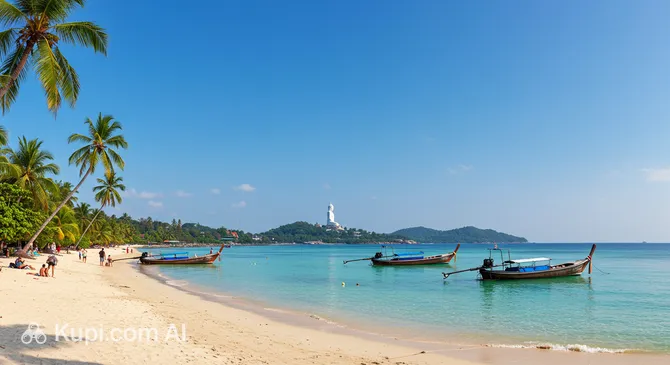
Koh Samui. Source: Kupi.Binoculars

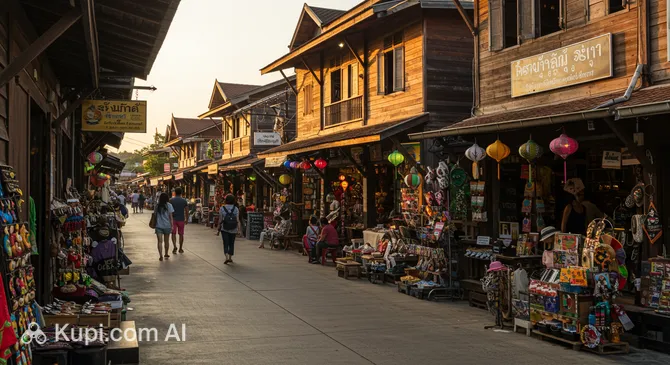
While today it is a major hub for international tourism, the island has humble roots. You can explore the history of Koh Samui to learn about its past as an isolated community of fishermen and coconut farmers, a heritage that is still celebrated today. This cultural depth is visible in the charming Fisherman's Village in Bophut, where traditional wooden shophouses now host boutique shops and seaside restaurants.

Travelers are often drawn to the iconic Big Buddha temple (Wat Phra Yai), a golden statue that sits majestically on a small rocky island off the northeastern coast. Nature lovers should not miss the breathtaking Ang Thong National Marine Park, a pristine archipelago featuring limestone mountains and emerald-green water. For those looking for lively entertainment and powdery white sands, Chaweng Beach remains the island's bustling center.

With its stunning scenery, delicious local cuisine, and welcoming spirit, Koh Samui promises an unforgettable experience. It is a place where you can relax by the turquoise sea by day and enjoy vibrant night markets by night, making it a truly essential stop on any Thai itinerary.
Weather Overview

Koh Samui enjoys a warm, tropical climate throughout the year, making it a reliable destination for sun-seekers. The island experiences relatively consistent temperatures, with monthly averages hovering between 26.6°C in the cooler months of December and January, and rising to around 28.7°C in May. Generally, you can expect warm days perfect for beach activities, though the humidity and cloud cover can shift with the seasons.

The early part of the year is typically the driest and most popular time to visit. March stands out as the driest month, recording only about 7 wet days, while January and February also offer excellent conditions with minimal rainfall. As the year progresses, the frequency of rain increases, particularly from May onwards. Detailed information about the weather in Koh Samui can help you decide whether to aim for the sunny skies of early spring or the lush, greener landscapes of the wetter months.

The latter half of the year sees a significant shift in precipitation patterns. October and November are the wettest months, with rain occurring on up to 28 days in October. Despite the higher chance of showers during this period, the rain often comes in short bursts, allowing for intervals of sunshine. Overall, expect consistent warmth year-round with a distinct dry season early in the year and frequent tropical showers from late spring through November.

Interesting Facts

Beyond the famous beaches and luxury resorts, Koh Samui holds many fascinating secrets and unique local customs that define its true character. From strict building codes to the legacy of humble farmers, the island's history is full of surprising details that often go unnoticed by the casual visitor.

  • Koh Samui strictly enforces a unique building regulation often referred to as the "coconut tree rule." To preserve the island's natural skyline and tropical charm, no hotel or building is allowed to be taller than the nearest coconut palm, ensuring that concrete structures never dominate the view.

  • Until relatively recently, the island was incredibly isolated from the mainland and lacked basic infrastructure. Before the first concrete ring road was completed in the early 1970s, traveling across the 15 kilometers from one side of the island to the other required a full day's trek through dense jungle.

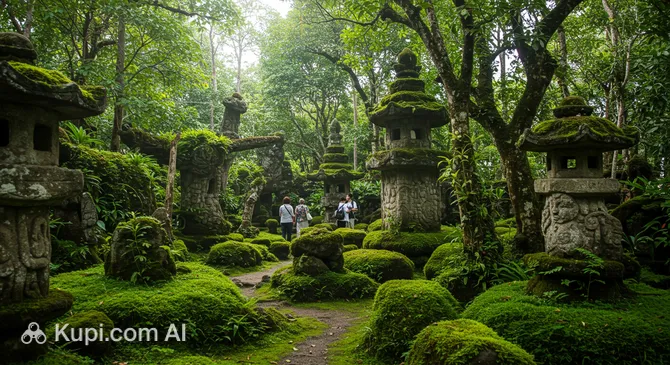
  • Hidden high in the hills, the Tarnim Magic Garden was not constructed by an ancient civilization, but was hand-crafted by a 77-year-old retired durian farmer named Nim Thongsuk in 1976, who wanted to create a peaceful place for meditation open to the public.

  • While most Thai temples are known for their glittering gold facades, Wat Ratchathammaram (Red Temple) stands out for being built entirely from terracotta. Its deep red color and intricate clay reliefs display a distinct architectural style that contrasts sharply with the traditional white and gold structures found elsewhere.

Tarnim Magic Garden. Source: Kupi.Binoculars

How to Get There

Reaching this tropical paradise is relatively straightforward, with options to suit various budgets and travel styles. Whether you prefer a direct flight or an adventurous journey across the mainland, the island is well-connected to major hubs. For a comprehensive guide on all available transport methods, you can read more about how to get to Koh Samui.

The most convenient and direct entry point is Koh Samui Airport (USM). Located just 6.6 km from the heart of the island's activity, this beautifully designed open-air airport handles a large volume of international and domestic passengers annually. A taxi or shuttle from here to the main beaches typically takes around 30 minutes, making it the fastest way to start your vacation.

Alternatively, many travelers fly into Surat Thani Airport (URT) on the mainland to save on airfare. Located in Surat Thani, approximately 105 km from Koh Samui, this regional hub requires a subsequent transfer by bus to the Don Sak pier followed by a ferry crossing. The total travel time for this route is usually around 3 hours. Another option is Nakhon Si Thammarat Airport (NST), situated about 108 km away, which similarly connects to the island via combined bus and boat services.

For clarity, here is a summary of the main airports:

Airport Name City Passenger Traffic Km from City
Koh Samui Airport Koh Samui Large 6.6
Surat Thani Airport Surat Thani Medium 105.2
Nakhon Si Thammarat Airport Nakhon Si Thammarat Medium 107.9
Chumphon Airport Chumphon Small 150.7
Kawthaung Airport Kawthaung 172.5

Although Koh Samui is an island and does not have its own railway station, train travel remains a popular choice for visitors coming from Bangkok or Malaysia. The nearest major rail hub is the Surat Thani Railway Station located in the town of Phunphin on the mainland. Upon arrival, travelers can easily purchase combined tickets that include a bus ride to the ferry pier and the boat crossing to the island.

Main Attractions

Koh Samui is not just about sunbathing; it is a treasure trove of cultural landmarks, natural wonders, and vibrant local life. From hidden gardens in the hills to bustling historical streets, the island offers a diverse range of experiences for every traveler looking to explore beyond the shoreline.

Fisherman's Village. Source: Kupi.Binoculars

One of the most beloved spots on the island is Fisherman's Village in Bophut. This area retains the island's original charm with its rustic wooden shophouses lining the narrow street. It is famous for its chic boutiques, seaside restaurants, and the lively Friday Night Walking Street market. It is the perfect spot to enjoy a relaxed evening, shop for local handicrafts, and soak in the atmosphere of old Samui.

For a mystical experience, venture into the cool hills to discover the Tarnim Magic Garden, often called the Secret Buddha Garden. Created by a local fruit farmer in 1976, this hidden gem features a collection of statues depicting deities, animals, and humans, all nestled amidst a lush jungle and a flowing stream. It offers a peaceful retreat and spectacular views of the island from the drive up.

Na Mueang Waterfall 2. Source: Kupi.Binoculars

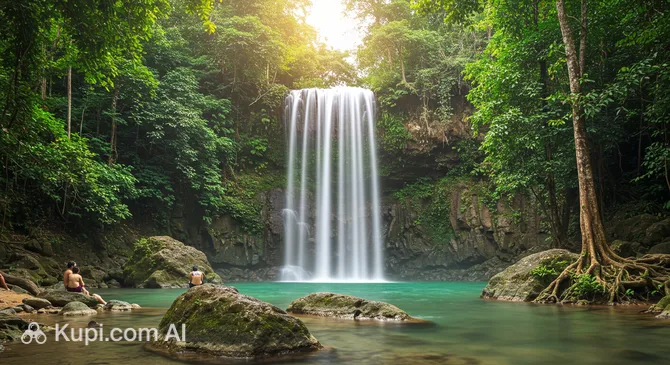
Nature lovers should not miss Na Mueang Waterfall 2. While its counterpart is easily accessible, this second tier requires a bit of a hike, rewarding adventurers with a taller and more impressive cascade. It is a refreshing escape where you can enjoy the sounds of the jungle and cool off in the natural surroundings.

Distinct from the golden temples typically found in Thailand, Wat Ratchathammaram (Red Temple) is known for its deep red terracotta color and intricate relief carvings. The temple grounds are serene, and the craftsmanship detailed on the exterior walls makes it a fascinating stop for those interested in architecture and Buddhist culture.

Maenam Beach. Source: Kupi.Binoculars

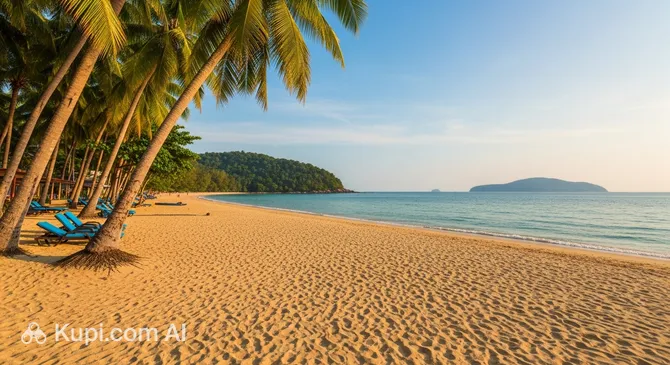
If you are looking for a quieter stretch of sand away from the crowds, Maenam Beach is an excellent choice. With its long coastline, calm waters, and views of neighboring Koh Phangan, it provides a laid-back atmosphere perfect for swimming and long walks under the palm trees.

Local Cuisine

The culinary landscape of Koh Samui is a vibrant reflection of its location in Southern Thailand, characterized by intense spice, abundant coconut milk, and the freshest seafood imaginable. Unlike the milder flavors found in the north, the local cuisine here packs a punch with dishes like Gaeng Som, a sour and spicy yellow curry that is a staple of the region. Visitors should also look out for the island's signature sweet, Kalamae. This sticky, caramel-like candy is made from glutinous rice flour, palm sugar, and fresh coconut cream, often sold in colorful wrappers at local stalls.

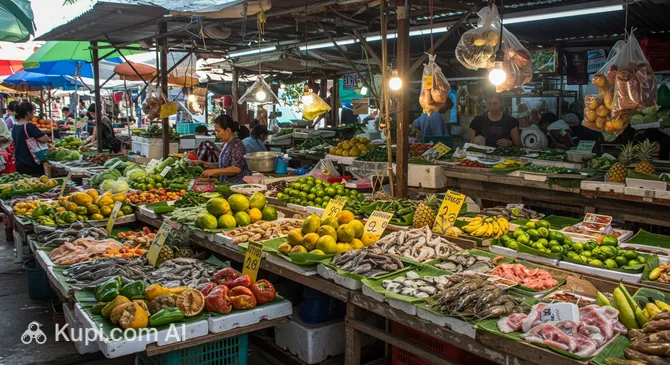
For a true taste of the island's street food culture, visiting a night market is essential. The Lamai Fresh Market is a fantastic spot to dive into the local scene. Here, you can wander through rows of vendors grilling skewers of squid, chicken, and pork, or serving up plates of Pad Thai and spicy papaya salad (Som Tum) right before your eyes. It is an affordable and authentic way to sample a variety of textures and flavors in one evening.

Lamai Fresh Market. Source: Kupi.Binoculars

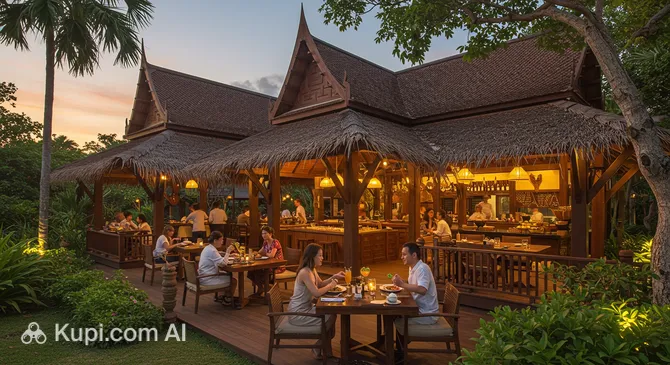
Seafood lovers will find themselves in paradise, as many restaurants display their catch of the day on ice boats in front of their establishments. You can choose your preferred fish, crab, or tiger prawns and have them grilled to perfection with a side of spicy seafood dipping sauce. For those seeking a genuinely authentic Southern Thai dining experience away from the tourist traps, Kapi Sator is highly recommended. This venue is known for serving traditional dishes with bold, uncompromising flavors that locals love.

Kapi Sator. Source: Kupi.Binoculars

When it comes to beverages, the island's abundance of coconut plantations means fresh coconut water is available everywhere, providing the ultimate natural hydration. For something stronger, the beach club scene offers a wide array of tropical cocktails. Places like Chi Samui allow you to sip on a signature mix while lounging by the pool or looking out over the ocean. Local Thai beers such as Singha and Chang are also ubiquitous accompaniments to any meal, perfect for cooling down the heat of the spicy southern curries.

Travel Tips

To ensure your island getaway is as smooth as the calm waters of Maenam Beach, a little preparation goes a long way. These practical tips will help you navigate local customs, transport, and daily life in Koh Samui with ease, allowing you to focus entirely on relaxation and exploration.

  1. Clothing and Gear: Embrace the tropical climate with light, breathable fabrics like linen and cotton. However, remember that Thailand is modest; always carry a sarong or scarf to cover your shoulders and knees when visiting religious sites like the Big Buddha or Wat Plai Laem. Slip-on shoes are highly recommended as you will frequently need to remove them before entering temples, homes, and even some shops. Don't forget a universal travel adapter (Type A, B, or C) and high-SPF sunscreen.
  2. Transportation: The most authentic and cost-effective way to get around is by using Songthaews (converted pick-up trucks with two benches). They run on fixed routes around the main ring road and are much cheaper than private taxis. If you choose a taxi, be aware that meters are rarely used on the island, so you must negotiate and agree on the fare before getting in. Ride-hailing apps like Grab are available and offer a more transparent pricing structure.
  3. Finances: The local currency is the Thai Baht (THB). While credit cards are accepted in hotels, malls, and upscale restaurants, cash is absolute king at night markets, street food stalls, and small local eateries. ATMs are ubiquitous, but they typically charge a withdrawal fee of around 220 THB for foreign cards, so it is wise to withdraw larger amounts at once. Tipping is not mandatory but rounding up the bill or leaving loose change is a kind gesture.
  4. Health and Safety: Koh Samui has excellent medical facilities, including the Bangkok Hospital Samui, and pharmacies are easy to find, often open late or 24/7. Tap water is not safe to drink; always rely on cheap and readily available bottled water. Dengue fever is a risk in tropical areas, so apply mosquito repellent liberally, especially during dawn and dusk.
  5. Communication: English is widely spoken in tourist hubs like Chaweng, Lamai, and Bophut. However, learning a few Thai phrases will earn you warm smiles. Use "Sawasdee" for hello and "Khop khun" for thank you, adding the polite particle "khrap" (if you are male) or "kha" (if you are female) at the end. You can easily purchase a tourist SIM card with a data package at the airport or any 7-Eleven store upon arrival.
  6. Local Etiquette: The head is considered the most sacred part of the body, while the feet are the lowest. Never touch someone on the head, and avoid pointing your feet at people or Buddha statues. The traditional greeting is the Wai (pressing palms together at chest level), but a smile and a nod are also perfectly acceptable for tourists.
  7. What to Avoid: Avoid raising your voice or showing visible anger in public. Thais value "Jai Yen" (keeping a cool heart), and losing your temper causes you to "lose face," which rarely yields positive results in a dispute. Also, strictly avoid making any negative comments about the Thai Royal Family, as this is a serious offense.
  8. Market Timing: Plan your evenings around the famous "Walking Streets." If you are in Bophut, the Fisherman’s Village Walking Street takes place on Fridays, while the Lamai Walking Street is held on Sundays. These are the best times to buy souvenirs and try street food, but the roads are closed to traffic, so plan your transport accordingly.

By keeping these simple guidelines in mind, you will be well-equipped to enjoy the vibrant culture and stunning scenery of Koh Samui. A respectful and open attitude is the best travel companion you can bring to this "Land of Smiles."

Entertainment & Nightlife

When the sun sets over the Gulf of Thailand, Koh Samui transforms from a laid-back tropical paradise into a vibrant hub of entertainment. The island offers a diverse nightlife scene that caters to every taste, ranging from thumping bass-heavy clubs and neon-lit streets to sophisticated beach lounges and cultural spectacles. Whether you want to dance until dawn on the sand or enjoy a quiet cocktail with a view, Samui has a spot for you.

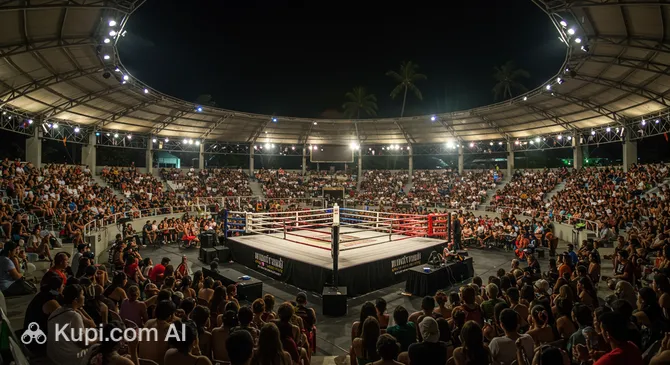
The epicenter of the island's nightlife is undoubtedly Chaweng Beach. The famous Green Mango Soi is the beating heart of this district, packed with open-air bars, loud music, and energetic crowds. It is a sensory overload of lights and sounds where the party often spills out onto the street. For a truly immersive local experience in this area, you can visit the Samui International Muay Thai Stadium. Watching a live bout here is electrifying, surrounded by cheering locals and the rhythmic traditional music that accompanies the fights. It is a must-do for sports enthusiasts and those looking to understand Thai culture better.

Samui International Muay Thai Stadium. Source: Kupi.Binoculars

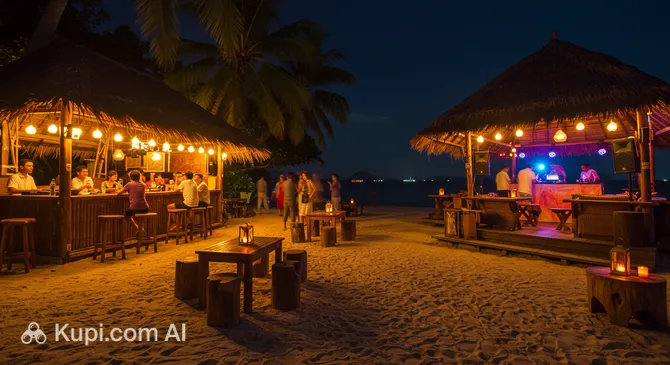
If you prefer the feeling of sand between your toes while you party, the island's beach club scene is legendary. Fire shows are a common sight along the coast, illuminating the night sky as skilled performers twirl flaming batons. Venues like Teddy Weed Beach offer that quintessential island vibe where you can relax on beanbags with a cold drink or join the dance floor as the tempo rises. The atmosphere here is generally casual and welcoming, with a mix of backpackers and luxury travelers mingling freely.

Teddy Weed Beach. Source: Kupi.Binoculars

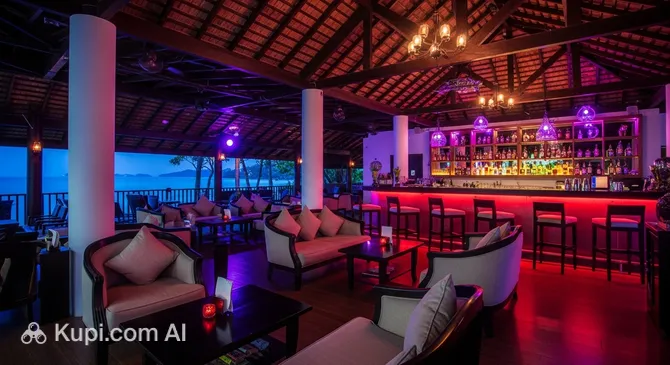
For a slightly more upscale or chilled-out evening, look towards the areas of Bophut or the quieter ends of Chaweng. Here, you will find venues that focus on ambiance and mixology rather than volume. PlunkTone Restaurant & Lounge Bar is an excellent example of this refined style, offering a modern setting to enjoy creative cocktails and conversation. Dress codes in these establishments are "island chic"—smart shorts and polo shirts are fine, but swimwear is generally reserved for the beach or pool parties.

PlunkTone Restaurant & Lounge Bar. Source: Kupi.Binoculars

Navigating the nightlife requires some practical know-how. The party typically starts late, with clubs filling up around 11:00 PM or midnight. Transport is readily available, but "Songthaews" (shared trucks) stop running their regular routes late at night, leaving private taxis as the main option. Prices for late-night rides are higher and fixed, so it is often better to use a ride-hailing app for fair pricing. In terms of safety, the main tourist areas are well-lit and populated, but it is always wise to stick to main roads, avoid walking alone in secluded areas, and keep an eye on your drinks.

While the nights are lively, daytime entertainment on the island offers a different kind of thrill. For a break from the heat, you can visit Central Samui, a large open-air shopping complex with a cinema and various dining options. For adrenaline junkies, the Tree Bridge Zipline provides an exhilarating way to see the jungle canopy from above, proving that Koh Samui is just as exciting when the sun is up.

Parks & Museums

Beyond its world-famous beaches, Koh Samui offers a lush interior filled with tropical gardens and cultural landmarks that serve as open-air museums of Thai heritage. Exploring these green spaces and architectural sites provides a deeper understanding of the island's natural beauty and spiritual traditions, offering a refreshing contrast to the coastal bustle.

One of the most unique green spaces on the island is Paradise Park Farm, located high atop Khao Pom mountain. This site functions as both a wildlife sanctuary and a botanical garden, surrounded by cool misty air and dense rainforest. Visitors can interact with rescued birds and small animals, but the highlight for many is the infinity pool that offers a breathtaking panoramic view of the Gulf of Thailand, blending the man-made park seamlessly with the wild nature beyond.

Paradise Park Farm. Source: Kupi.Binoculars

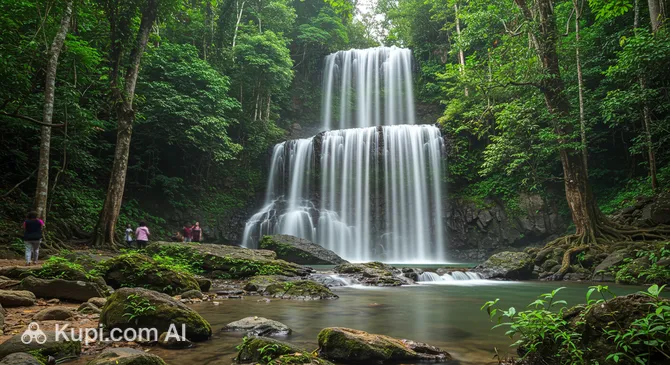
For those who prefer a more rugged natural environment, Hin Lat Waterfall offers a serene escape. Accessible via a jungle trail, this area is not just a scenic cascade but also home to a forest monastery. The walk takes you through a verdant landscape of massive boulders and towering trees, making it a meditative journey. It is a favorite spot for locals to picnic and cool off in the freshwater pools, especially during the rainy season when the water flow is most impressive.

Hin Lat Waterfall. Source: Kupi.Binoculars

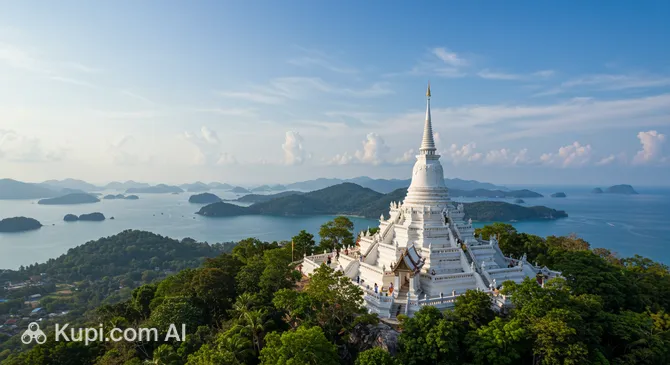
While Koh Samui does not have many traditional indoor museums, its temples and viewpoints act as cultural galleries showcasing intricate art and architecture. Chedi Wat Khao Hua Jook is a stunning example, situated on a hill overlooking Chaweng Lake. This golden pagoda houses holy relics and features detailed Buddhist artwork. The platform provides a unique vantage point where you can watch planes take off from the nearby airport, merging modern engineering with ancient spiritual design.

Chedi Wat Khao Hua Jook. Source: Kupi.Binoculars

Another site that blends natural curiosity with local tourism culture is the Lamai Viewpoint and Valentine Stone. This area has been developed into a park-like attraction where visitors can see the "Valentine Stone," a natural rock formation resembling a heart. A short but steep climb leads to a viewing platform offering sweeping vistas of the coastline, and there is often a small fish spa and zipline on-site, making it a diverse stop for afternoon entertainment.

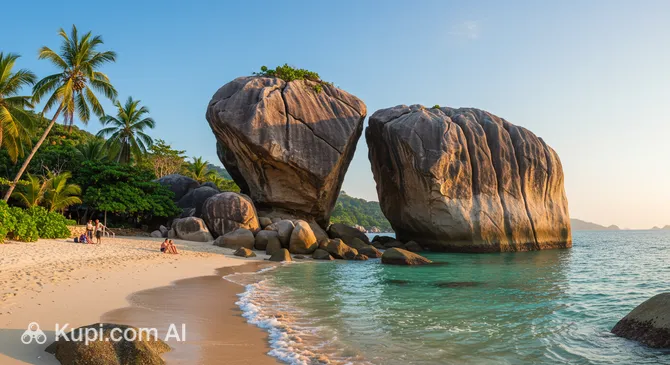
For a striking example of geological history, the Overlap Stone is a must-see. This massive boulder, precariously balanced on top of another, creates a dramatic silhouette against the sea. It is a fascinating natural monument that attracts photographers and nature lovers alike, offering a quiet moment to appreciate the island's unique topography.

Overlap Stone. Source: Kupi.Binoculars

For an authentic insider experience, venture off the beaten path to Khun Si Waterfall. Located in the hills of Maenam, it is often devoid of crowds, allowing for a private dip in its cold, clear waters amidst the durian orchards. Alternatively, for a quick but rewarding scenic stop without a hike, the Lad Koh Viewpoint on the coastal road provides an accessible way to admire the rocky shoreline and turquoise waters.

Getting Around

Public transport in Koh Samui is quite different from what you might find in a major metropolis. There is no metro, tram, or scheduled bus network. Instead, the island relies on a unique, informal system of road-based transport that adds to the tropical charm but requires a bit of local know-how to navigate effectively.

The backbone of the island's public transportation is the Songthaew. These are converted pick-up trucks with a covered roof and two bench seats in the back. They act as the local bus service, circulating primarily along the main Ring Road (Route 4169) that connects major beach towns like Chaweng, Lamai, Bophut, and Maenam. They do not have numbered stops; to catch one, simply stand by the side of the road and wave your hand. To get off, press one of the buzzers located on the roof inside the passenger area.

Regarding payment, Koh Samui operates almost exclusively on a cash basis. There are no travel cards, digital passes, or tap-to-pay systems for public transport. For Songthaews, you pay the driver directly through the passenger window after you exit. Fares are generally fixed for specific distances during the day, ranging from approximately 50 to 200 THB depending on how far you travel. However, be aware that after sunset, these trucks often switch to operating as private taxis, and the prices increase significantly, requiring negotiation before you board.

Metered Taxis are widely available and easily recognizable by their yellow and maroon paint. Despite the name, drivers on the island rarely use the meter. It is standard practice to negotiate and agree on a fixed fare before starting your journey to avoid disputes later. Prices are considerably higher than in the capital, with short trips often starting around 400–500 THB. Motorbike taxis are a faster, cheaper alternative for solo travelers on short hops; look for drivers wearing bright orange vests at street corners.

For those who prefer a more modern and transparent booking experience, ride-hailing apps like Grab and Bolt are active on the island. They provide a convenient alternative to haggling with taxi drivers, offering fixed prices and the ability to pay via credit card through the app. This is often the most stress-free way to travel if you are unsure about navigating the local pricing customs.

Finally, renting a vehicle is an extremely popular choice for tourists who want total freedom. Scooter and car rental shops are ubiquitous. While renting a motorbike offers a great way to explore hidden beaches and waterfalls at your own pace, it comes with safety risks. Roads can be sandy, steep, and busy. Ensure you have a valid International Driving Permit (IDP) and always wear a helmet, as police checkpoints are common and fines are strictly enforced.

Accommodation

Accommodation in Koh Samui is as diverse as its landscape, catering to everyone from backpackers seeking a simple beach bungalow to luxury travelers looking for private pool villas. The island has developed a sophisticated hospitality infrastructure, ensuring that whether you are on a shoestring budget or planning a lavish honeymoon, you will find a place that suits your needs.

Choosing the right area is crucial to your experience. Chaweng is the most popular choice for those who want to be in the heart of the action, offering immediate access to the biggest beach, shopping malls, and nightlife. Lamai offers a similar but slightly more laid-back vibe, while Bophut (Fisherman's Village) is perfect for couples and families seeking boutique hotels and fine dining. For peace and quiet, the northern beaches like Maenam or the exclusive resorts on the Taling Ngam coast are ideal.

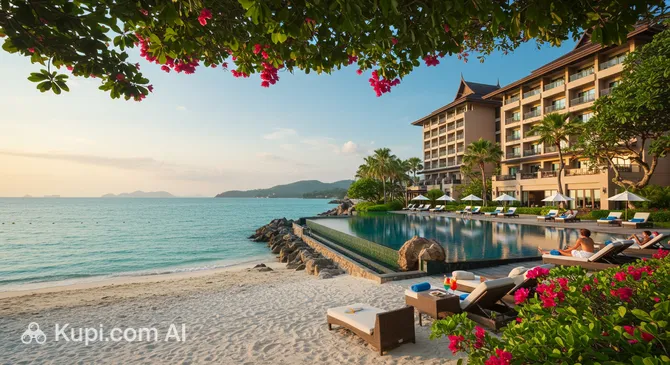
For visitors wanting to stay directly on the island's most famous stretch of sand, the Chaweng Beach Resort is a classic option. Its location allows guests to step straight from their rooms onto the white sand while being just a short walk away from the bustling town center.

Chaweng Beach Resort. Source: Kupi.Binoculars

Travelers looking for a more unique, bohemian atmosphere might appreciate places like the Treehouse. Establishments of this style often focus on blending into the natural environment, offering a rustic yet comfortable experience that feels distinct from the standard concrete hotel blocks.

Treehouse. Source: Kupi.Binoculars

Price Range and Booking: Prices vary significantly by season and location. Budget hostels and simple guesthouses can be found for as little as 400–800 THB per night. Mid-range hotels typically range from 1,500 to 4,000 THB, while luxury resorts and private villas can start at 6,000 THB and go well into the tens of thousands. Most travelers book via major online platforms to secure the best rates, though direct booking with smaller resorts can sometimes yield special perks.

Booking Tip: Koh Samui has two distinct high seasons: late December to April (dry season) and July to August (European summer holidays). During these periods, the best hotels fill up months in advance. It is highly recommended to book your accommodation as early as possible to avoid high prices and limited availability.

Nearby Cities

For those looking to explore the surroundings, Koh Samui serves as an excellent base for day trips to several interesting nearby locations:

While the island itself is captivating, the mainland province offers a different perspective on Southern Thai culture. Surat Thani, often viewed merely as a transit hub, is the administrative capital of the region. A visit here allows travelers to experience an authentic Thai city, famous for its delicious large oysters and boat trips along the Tapi River, where you can observe local river life and fireflies in the mangroves.

Further south lies Nakhon Si Thammarat, one of the most historically significant cities in Thailand. It is a fantastic destination for culture enthusiasts, home to the ancient Wat Phra Mahathat Woramahawihan, a temple that candidates for UNESCO World Heritage status. The city is also renowned for its traditional shadow puppetry and unique local handicrafts, offering a deep dive into the region's heritage.

City Population Distance (km)
Surat Thani 130,703 86
Nakhon Si Thammarat 106,322 120
Chumphon 33,516 155
Ban Pak Phun 33,407 110
Thung Song 30,500 147

These nearby destinations offer a glimpse into the diverse culture and landscapes of the region.

Shopping & Souvenirs

Shopping in Koh Samui offers a delightful balance between vibrant open-air bazaars and modern retail comfort. While the island may not have the colossal mega-malls of Bangkok, it provides a unique shopping experience where you can browse for designer swimwear, local handicrafts, and bargain souvenirs all within the same day. The atmosphere is generally relaxed, with many shops staying open late to accommodate the post-beach crowd.

The main hub for shopping activity is undoubtedly Chaweng Beach Road. This bustling strip stretches for kilometers and is lined with an endless array of stalls selling T-shirts, sunglasses, beach accessories, and luggage. It is the perfect place to practice your bargaining skills. For a more sophisticated atmosphere, the streets of Bophut, particularly around the Fisherman's Village, offer a selection of chic boutiques. Here, you can find high-quality clothing, unique jewelry, and home decor items that reflect a distinct island-boho aesthetic.

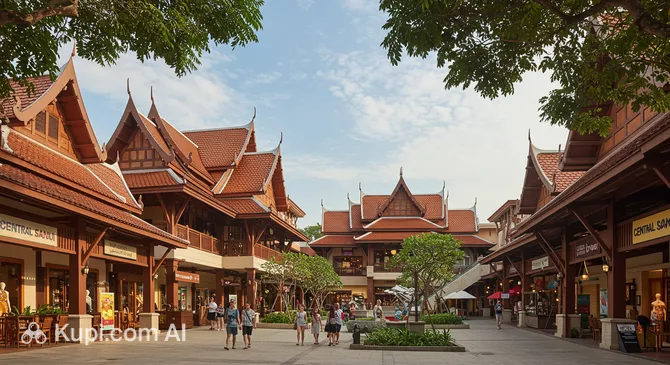
For those seeking international brands and air-conditioned comfort, Central Samui is the premier destination. Located in the heart of Chaweng, this large lifestyle complex is distinctively designed with an open-air concept that incorporates landscaped gardens and relaxation areas. It houses a wide range of fashion retailers, electronics shops, and a supermarket, making it a convenient one-stop spot for travelers.

Central Samui. Source: Kupi.Binoculars

Markets are an integral part of the local shopping culture, with the "Walking Street" markets being the highlight of the week. These night markets rotate between different towns, transforming the streets into pedestrian-only zones filled with food, music, and vendors. The most famous is the Friday night market in Bophut, but the Sunday walking street in Lamai is equally vibrant. You can also visit the Lamai Fresh Market during the day for a more traditional experience, where locals buy fresh produce and dry goods.

When it comes to souvenirs, Koh Samui is known as the "Coconut Island," so products made from this versatile fruit are top recommendations. Cold-pressed coconut oil, aromatic coconut soaps, and intricate carvings made from coconut shells are widely available and make excellent gifts. Additionally, spa products, dried tropical fruits, and locally produced fabrics are popular items to bring back home.

Most shops in shopping malls open around 10:00 AM or 11:00 AM and close around 9:00 PM or 10:00 PM. Street markets and night stalls typically begin setting up in the late afternoon and run until late at night. While credit cards are accepted in malls, hotels, and larger restaurants, cash is essential for street stalls and local markets. ATMs are plentiful across the island if you need to withdraw Thai Baht.

Tourists visiting Thailand are eligible for a VAT refund on luxury goods purchased at participating stores. If you see a "VAT Refund for Tourists" sign, you can request the necessary paperwork when making a purchase of at least 2,000 THB. You will need to present your passport at the store and then show the goods and documents at the customs office at the airport before your departure flight to claim the 7% refund.

Reached the end of the page?

That means the route is fully explored