Support

Trang

About

Trang is a captivating city located in the southern part of Thailand, known for its rich cultural heritage and welcoming atmosphere. Often serving as a gateway to the stunning islands of the Andaman Sea, this provincial capital has a distinct charm that sets it apart from more commercialized tourist destinations. With a population of approximately 60,000 residents, the city balances a bustling urban energy with a laid-back, traditional vibe.

Trang. Source: Kupi.Binoculars

The city holds a significant place in the nation's agricultural past, as it was here that the first rubber tree in the country was planted. Visitors interested in the local heritage can explore the history of Trang to learn more about its transformation from a major trading port to a modern cultural hub. Today, the city is perhaps most famous for its unique culinary scene, particularly its breakfast culture featuring dim sum and the renowned Trang roast pork, which attracts food lovers from all over the region.

Beyond its gastronomic delights, Trang offers travelers a chance to experience authentic local life through its vibrant night markets and iconic landmarks like the Trang Clock Tower. Whether you are stopping over on your way to the islands or staying to explore the town itself, Trang provides a delightful mix of history, food, and genuine hospitality that makes it well worth a visit.

Weather Overview

Trang experiences a tropical climate characterized by warm temperatures year-round and distinct seasonal rainfall patterns. The city remains generally hot and humid, with average monthly temperatures consistently ranging between 26°C and 29°C. April tends to be the warmest month, with highs reaching up to 33°C, while December and January offer slightly cooler and more comfortable conditions for outdoor activities.

Travelers planning a trip should be mindful of the variation in precipitation. The dry season typically spans from January to March, offering the sunniest days with the least amount of rain. Conversely, the region sees a significant increase in rainfall from May through November, with October often being the wettest month in terms of rainy days. To help you pack appropriately for your trip, it is advisable to consult the detailed guide on the weather in Trang before your departure.

Interesting Facts

Beyond the popular islands and culinary delights, Trang holds several fascinating secrets that reveal its unique character and history. Digging a little deeper into the local culture uncovers stories and traditions that make this province truly one of a kind.
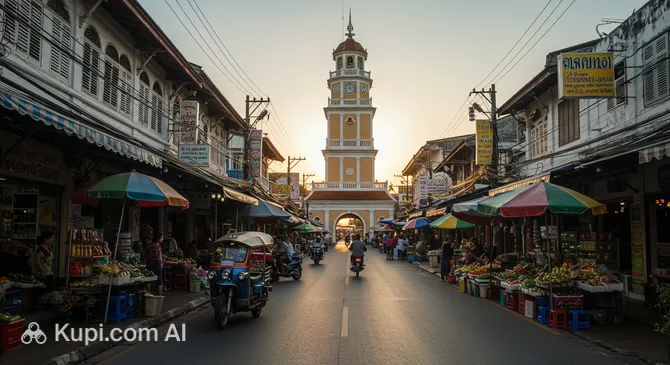
  • The "Frog-Head" Tuk-Tuks: Unlike the iconic three-wheeled vehicles found in Bangkok, Trang is famous for its distinct Hua Kop or "frog-head" tuk-tuks. These charming, retro-style vehicles are unique to the province and have become a beloved symbol of the city, offering a nostalgic way to explore the streets.

  • Record-Breaking Romances: The province has gained international fame for hosting the world's largest underwater wedding ceremonies. Each year around Valentine's Day, adventurous couples from across the globe dive into the Andaman Sea to tie the knot, a tradition that has earned Trang a spot in the Guinness World Records.

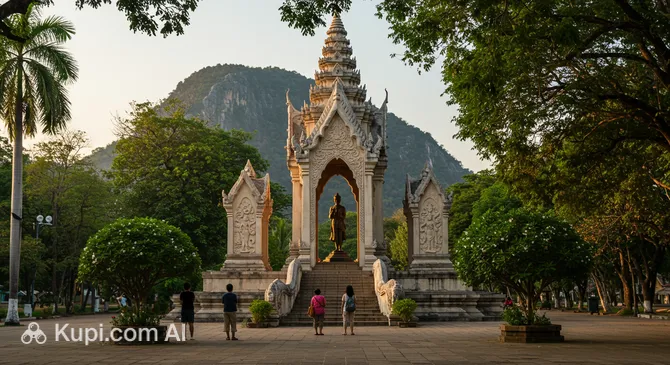
  • A Visionary's Legacy: While the region is known for agriculture, the specific history is honored at the Phraya Ratsadanupradit Mahison Phakdi Monument. This site commemorates the former governor who not only introduced the rubber tree to Thailand but also modernized the province's infrastructure and education system.

  • The Cake with a Hole: Trang is renowned for a specific type of sponge cake that has no frosting and a hole in the middle. Known simply as "Trang Cake," this soft and fluffy treat comes in various flavors like coffee, orange, and pandan, and is the quintessential souvenir for visitors to take home.

Phraya Ratsadanupradit Mahison Phakdi Monument. Source: Kupi.Binoculars

How to Get There

Reaching this charming province is quite convenient, with options ranging from direct flights to scenic overland journeys. Whether you prefer the speed of air travel or the classic experience of a train ride, you can find a suitable route. For a detailed breakdown of all transport modes and schedules, you can read more about how to get to Trang.

The most direct way to arrive is by flying into Trang Airport (TST). Located just 6.2 km from the city center, this regional airport offers daily connections, primarily from Bangkok. It is a small but efficient hub, with an annual passenger traffic of around 500,000 people. Upon arrival, a transfer to the city center takes approximately 30 minutes by taxi or shuttle bus, making it the fastest option for travelers.

Alternatively, travelers can fly into Krabi Airport (KBV), which is located in the city of Krabi, about 92 km away from Trang. As a larger international airport handling over 2 million passengers annually, it often offers a wider variety of flight schedules and connections. From Krabi, you can take a taxi or bus to Trang, a journey that typically takes approximately 2 hours and 40 minutes.

Another viable option is Hat Yai International Airport (HDY), situated in the city of Hat Yai, roughly 110 km from Trang. This is a major southern hub with significant passenger traffic. The travel time from Hat Yai to Trang by road is approximately 3 hours, offering a scenic drive through the southern Thai countryside.

For clarity, here is a summary of the main airports:

Airport Name City Passenger Traffic Km from City
Hat Yai International Airport Hat Yai Large 110.2
Langkawi International Airport Kuah Large 137.0
Krabi Airport Krabi Large 92.0
Nakhon Si Thammarat Airport Nakhon Si Thammarat Medium 113.4
Trang Airport Trang Small 6.2

Beyond air travel, Trang is well-connected by the Thai railway network. The city is a major stop on the Southern Line, and taking an overnight train from Bangkok is a popular choice for those who enjoy slow travel and scenic views. Additionally, long-distance buses operate regularly from the Southern Bus Terminal in Bangkok and neighboring provinces, providing a budget-friendly alternative for reaching the city.

Main Attractions

While many travelers pass through the city on their way to the islands, taking the time to explore the provincial capital reveals a charming mix of history, culture, and vibrant local life. The city center is compact and easy to navigate, featuring landmarks that tell the story of its development and markets that showcase its lively community spirit.

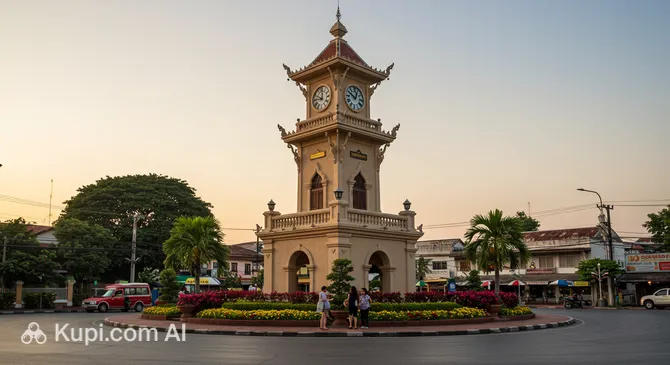
Standing tall in the heart of the city is the iconic Trang Clock Tower. This structure is not just a navigational landmark but a symbol of the city itself. It is particularly striking in the evening when it is illuminated with colorful lights, creating a beautiful contrast against the night sky. The area around the tower is often bustling with activity, making it a perfect spot for an evening stroll to soak in the local atmosphere.

Trang Clock Tower. Source: Kupi.Binoculars

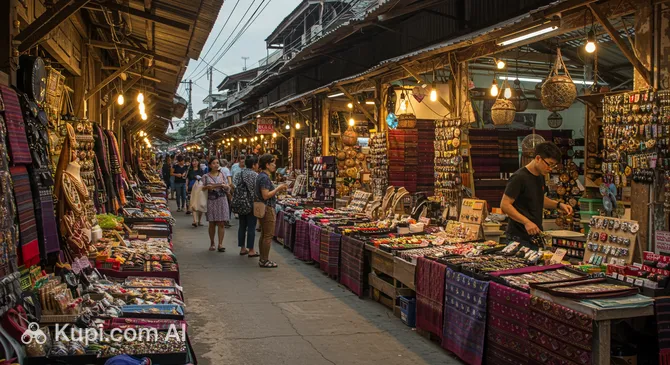
For those looking to experience the local shopping and dining scene, Cinta Market is a must-visit destination. This modern walking street market is a favorite among both locals and tourists for its clean, organized layout and stylish decor. Visitors can browse through a wide array of stalls selling clothing, handicrafts, and souvenirs, but the real highlight is the food. From fresh seafood to sweet treats, the market offers a fantastic opportunity to sample southern Thai street food in a lively, open-air setting.

Cinta Market. Source: Kupi.Binoculars

History enthusiasts should visit the Phraya Ratsadanupradit Mahison Phakdi Monument. Located in a pleasant park roughly a kilometer from the city center, this site honors the former governor who played a pivotal role in the province's modernization. He is celebrated for introducing the rubber tree to Thailand, which transformed the local economy. The surrounding park is a peaceful place where locals come to exercise and relax, offering a quiet green space within the urban environment.

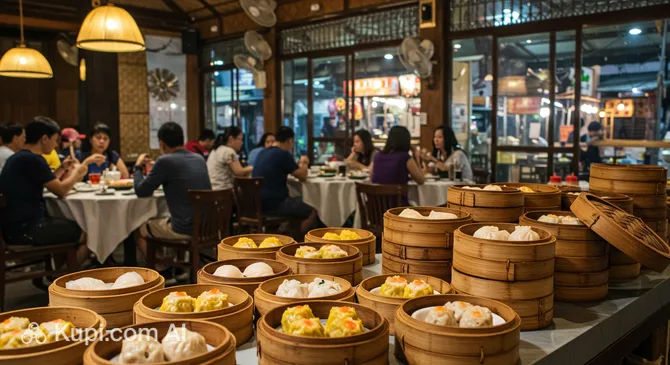
No visit to Trang is complete without experiencing its renowned breakfast culture, and Chen Jia Dim Sum Café is an excellent place to indulge in this tradition. In this city, breakfast is a serious affair, with locals gathering early to enjoy small steamer baskets filled with savory bites. This café offers a wide variety of fresh dim sum, buns, and traditional coffee, providing a delicious and authentic start to the day that reflects the city's strong Chinese cultural influence.

Chen Jia Dim Sum Café. Source: Kupi.Binoculars

Local Cuisine

Trang is widely regarded as a haven for food lovers, particularly famous for its enthusiastic eating culture where locals often enjoy multiple meals a day. The culinary scene here is distinct from the rest of the country, heavily influenced by its Chinese heritage. Unlike many other places, breakfast is the most significant meal of the day in this city, with restaurants bustling with activity from the early hours of the morning.

A quintessential morning in Trang begins with Dim Sum, served in small steamer baskets containing a variety of bite-sized dumplings, buns, and savory treats. It is customary to order a table full of these small dishes to share. For travelers looking to experience this authentic tradition, Chen Jia Dim Sum Café is a popular venue where you can immerse yourself in the lively morning atmosphere while enjoying fresh steamed delicacies.

Another dish that defines the local gastronomy is the famous Trang Roast Pork (Moo Yang Trang). This signature delicacy is marinated with a unique blend of Chinese herbs and spices, then roasted until the skin is incredibly crispy while the meat remains tender and juicy. It is slightly sweeter than the roast pork found elsewhere in Thailand and is often eaten on its own or paired with morning coffee, rather than just being a lunch or dinner dish.

To wash down these savory meals, locals typically order Kopi, a traditional southern-style coffee. It is usually brewed strong and dark, then sweetened with condensed milk, providing a robust kick to start the day. For those seeking non-alcoholic refreshments later in the day, the local markets offer an abundance of fresh fruit juices, coconut water, and herbal drinks that provide a cooling respite from the tropical heat.

The food culture extends well into the night, with street food stalls and markets offering a different array of flavors. Places like Cinta Market transform into culinary hotspots where you can sample southern Thai curries, grilled seafood, and the city's celebrated cake—a soft sponge cake with a hole in the middle, known simply as Trang Cake. Whether you are dining in a decades-old shophouse or grabbing a snack from a street vendor, the city offers a gastronomic journey that is both affordable and deeply rooted in tradition.

Travel Tips

Welcome to Trang, a city that perfectly blends rich culinary traditions with the laid-back charm of southern Thailand. To help you navigate this fascinating province with ease and confidence, we have compiled a list of practical tips designed to make your stay as smooth and enjoyable as possible.

  1. Clothing and Gear: Given the tropical climate, pack lightweight, breathable fabrics like cotton or linen to stay cool in the humidity. Comfortable walking shoes or sandals are essential for exploring the city streets. If you plan to visit temples, remember to dress modestly; shoulders and knees must be covered, so carrying a sarong or a light scarf is always a good idea.

  2. Transportation: The most iconic way to get around Trang is by taking a Hua Kop, the unique "frog-head" tuk-tuk found only in this province. They are perfect for short trips within the city, but be sure to agree on the fare before hopping in. For exploring further afield, renting a scooter is a popular option, provided you have an international driving permit. Ride-hailing apps are available but may have fewer drivers than in major tourist hubs.

  3. Finances: The local currency is the Thai Baht (THB). While hotels and larger restaurants accept credit cards, cash is absolute king in Trang, especially for the famous morning dim sum shops and night markets. ATMs are widely available throughout the city. Tipping is not strictly mandatory but leaving small change or rounding up the bill is a kind gesture appreciated by service staff.

  4. Health and Safety: Trang is generally a safe city for tourists, but standard precautions apply. Pharmacies are plentiful and pharmacists often speak some English. Since it is a tropical region, mosquito repellent is a must, particularly at dawn and dusk. Stick to bottled water for drinking, although ice in restaurants is generally produced safely in factories.

  5. Communication: While staff at hotels and major tourist attractions usually speak English, it is less widely spoken in local markets and smaller eateries. Learning a few basic Thai phrases like "Sawatdee" (Hello) and "Khop Khun" (Thank you) will go a long way in earning smiles from the locals. Buying a local SIM card with data is highly recommended for using maps and translation apps.

  6. Local Etiquette: The traditional Thai greeting is the Wai (pressing palms together), which is a polite way to greet elders or show respect. Always remove your shoes before entering a private home or the main hall of a temple. Thais regard the head as the most sacred part of the body and the feet as the lowest, so never touch someone's head and avoid pointing your feet at people or Buddha images.

  7. What to Avoid: Avoid raising your voice or showing visible anger in public. In Thai culture, maintaining "face" and composure is crucial, and aggressive behavior is seen as rude and counterproductive. Also, avoid public displays of affection, which are generally frowned upon in more conservative provincial towns.

  8. The Early Bird Rule: In Trang, the best food disappears early. The city has a serious breakfast culture, with dim sum restaurants bustling as early as 6:00 AM. If you want to try the famous Trang roast pork at its freshest, aim to be at the local shops before 9:00 AM, as many popular spots sell out before lunch.

Armed with these practical insights, you are all set to experience the authentic warmth and vibrant culture of Trang. Whether you are feasting on roast pork or cruising in a retro tuk-tuk, embracing these local norms will ensure your visit is a memorable adventure.

Entertainment & Nightlife

Trang offers a nightlife experience that is refreshingly authentic and distinct from the high-energy party scenes found in Thailand’s major tourist hubs. Instead of neon-lit strip, bustling go-go bars, or massive discotheques, the evening atmosphere here is characterized by vibrant night markets, laid-back live music venues, and a culture that revolves heavily around social dining. The vibe is friendly, safe, and predominantly local, providing visitors with a genuine glimpse into the southern Thai lifestyle.

The epicenter of evening activity is undoubtedly the area surrounding the Trang Clock Tower. As the sun sets, this iconic structure illuminates the city center, acting as a beacon for locals and travelers alike. The streets radiating from the tower, particularly near the Trang Railway Station, are lined with casual bars, open-air restaurants, and small pubs. Here, you can enjoy cold drinks while listening to live bands playing a mix of international hits and popular Thai folk-rock, known locally as Phleng Phuea Chiwit ("songs for life").

For a more immersive experience, a visit to Cinta Market is essential. This modern walking street is not just a place to shop; it is a lively entertainment hub where the city comes alive at night. The market features a wide array of street food stalls, trendy clothing boutiques, and often hosts live musical performances or local events. It is the perfect spot to soak up the bustling atmosphere, sample spicy southern dishes, and mingle with the friendly local crowd in a clean and organized setting.

When it comes to practicalities, the nightlife in Trang is incredibly affordable compared to destinations like Phuket or Samui. A night out will cost a fraction of what you might expect elsewhere. Most venues are casual, so there is no need for a strict dress code; shorts and t-shirts are perfectly acceptable. The city is generally very safe for night walks, but as always, it is wise to stay in well-lit areas. For transportation, the signature "frog-head" tuk-tuks are readily available in the evening to whisk you back to your hotel safely.

While the city sleeps earlier than Bangkok, with most bars winding down around midnight, Trang has a unique quirk: the morning starts incredibly early. If you are a night owl, you might find yourself transitioning directly from a late night out to an early breakfast, as traditional dim sum shops like Chen Jia Dim Sum Café begin serving steaming baskets of dumplings before dawn. This seamless blend of late nights and early mornings is a hallmark of the local culture.

Regarding daytime entertainment, the city offers a slower pace suited for cultural exploration. Visitors can explore local history at museums or enjoy a peaceful afternoon at the city's well-maintained public parks. The emphasis during the day is on relaxation and appreciating the town's Sino-Portuguese architecture before the air cools down and the evening markets spark back to life.

Parks & Museums

While Trang is often celebrated for its culinary delights and proximity to the islands, the city also boasts a refreshing array of green spaces and historical sites that offer a glimpse into its rich heritage. For travelers looking to unwind or learn more about the local culture, the provincial capital provides several serene parks and significant landmarks that are perfect for a leisurely afternoon of exploration.

One of the city's most beloved natural areas is Sa Kaphang Surin, a natural swamp that has been transformed into a beautiful public park. Located roughly 2 kilometers from the city center, it is a favorite spot for locals to exercise, jog, or simply relax by the water. The park features a large pavilion in the middle of the lake, connected by a bridge, which offers a picturesque setting for picnics and photography. It is an excellent place to observe the laid-back lifestyle of the residents and enjoy a moment of tranquility amidst the urban environment.

Another significant green space is Somdet Phra Srinagarindra Park, locally known as Thung Nam Phut. This park is situated slightly further out but is well worth the visit for its rolling landscapes and large lake. The area is beautifully landscaped with flowers and shade trees, making it a cool retreat during the heat of the day. A highlight for many visitors is the suspension bridge, which provides a scenic vantage point over the water and the surrounding greenery.

When it comes to history and culture, the city centers its reverence around its former governor. The Phraya Ratsadanupradit Mahison Phakdi Monument is the most prominent historical landmark in the city. Standing in a well-maintained park, this statue honors Khaw Sim Bee, the visionary leader who introduced the rubber tree to Thailand and modernized the province. It is not just a statue but a site of active worship and respect; you will often see locals offering flower garlands and paying homage to his legacy.

For a deeper dive into history, a short trip to the nearby district of Kantang (about 24 km away) is highly recommended to visit the Phraya Ratsadanupradit House Museum. Although technically just outside the main city limits, it is the primary historical museum for the area. This preserved wooden mansion displays the personal artifacts, photographs, and furniture of the beloved governor, offering a fascinating window into the life of the local aristocracy during the late 19th and early 20th centuries. The architecture itself is a stunning example of the era's style.

Back in the city, Wat Tantayapirom serves as a living museum of religious art and architecture. As a Royal Temple, it features an impressive chedi (stupa) and intricate murals that depict Buddhist teachings. The temple grounds are peaceful and offer visitors a chance to appreciate the spiritual side of Trang's culture. The white chedi is particularly striking against the blue sky and serves as another recognizable symbol of the province.

For an authentic local experience, try visiting Sa Kaphang Surin in the late afternoon. As the sun begins to set, the park fills with families and fitness enthusiasts, and the atmosphere becomes incredibly lively yet relaxing. It is also a great opportunity to feed the fish in the lake, a simple activity that is popular with both children and adults.

Getting Around

Navigating the city is a straightforward and delightful experience, largely because the urban area is compact and lacks the heavy traffic congestion found in larger metropolises. There is no metro, tram, or complex city bus network here. Instead, the public transport system relies heavily on smaller, distinct vehicles that add a touch of local charm to your journey. The most iconic and widely used mode of transport is the unique Hua Kop tuk-tuk, which serves as the primary way to get around town.

The Hua Kop, or "frog-head" tuk-tuk, is specific to this region and differs significantly from the famous three-wheelers found in the capital. These are small, retro-styled mini-trucks with a rounded front face. They operate essentially as private taxis rather than following fixed routes. You will find them waiting at the train station, near markets, and outside major hotels. For solo travelers seeking a faster option, motorbike taxis are available at various street corners, easily identifiable by the drivers' colorful vests. For travel to nearby districts or the bus terminal, Songthaews—converted pick-up trucks with two rows of seats—are the standard choice.

Payment for local transport is almost exclusively in cash. There are no travel cards, digital passes, or ticket machines for these services. Fares are generally very affordable, often ranging from roughly 20 to 50 THB for short trips within the city limits. It is essential to carry small denominations of the local currency, as drivers frequently do not have change for large bills. For Songthaews, the price is usually fixed per person, but for tuk-tuks and motorbike taxis, there are no meters, requiring a different approach.

A key piece of advice for tourists is to always negotiate the fare before starting your journey. Tell the driver your destination and agree on a price upfront to avoid any misunderstandings upon arrival. While some drivers may know basic English, having your destination written in the local language or showing it on a map application can be extremely helpful. Transport is readily available throughout the day, but the number of vehicles drops significantly after dark, so it is wise to arrange your return transport if you plan to stay out late.

For those who prefer more independence, renting a scooter is a popular alternative. Rental shops are typically located near the railway station and offer an affordable way to explore the outskirts and nearby waterfalls at your own pace. Ride-hailing applications like Grab do operate in the city, but the fleet is smaller than in major tourist hubs, meaning wait times can be longer. However, given the small size of the city center, walking is often the most pleasant option, allowing you to easily hop between cafes, temples, and markets on foot.

Accommodation

Accommodation:

Trang offers a welcoming and unpretentious range of accommodation options that reflect the city's laid-back character. Unlike the high-end luxury resort scenes found in nearby coastal provinces, the lodging landscape here is dominated by affordable guesthouses, mid-range city hotels, and renovated shophouses. Visitors will find that comfort and cleanliness are the standards, with many establishments providing excellent value for money. Whether you are a backpacker looking for a hostel or a family seeking a comfortable suite, the city provides suitable bases for exploring the local culture.

The most convenient area to stay is undoubtedly the city center, particularly the streets surrounding the Trang Clock Tower and the railway station. Choosing a hotel in this district places you within easy walking distance of the night markets, morning dim sum restaurants, and transport links. This central location is ideal for travelers who want to wake up and immediately dive into the city's famous breakfast culture without the need for long commutes. For those seeking a quieter experience, there are a few resort-style accommodations located on the outskirts of the town, offering more greenery and tranquility while still being a short drive from the center.

Price ranges in the city are generally lower than in Thailand's major tourist hotspots, making it a budget-friendly destination. Travelers can find comfortable rooms with basic amenities for very reasonable prices, while mid-range hotels offer air conditioning, modern facilities, and breakfast for a moderate rate. True luxury properties are rare within the city limits, but the existing hotels often make up for it with warm, personalized service and a distinct local charm.

Booking your stay is relatively straightforward. While walk-ins are often possible due to the city being less commercialized than Phuket or Krabi, it is advisable to book in advance, especially if you are visiting during major Thai holidays or festivals like the Vegetarian Festival. Most hotels and guesthouses are listed on major online booking platforms, allowing you to secure your room and compare prices easily before arrival.

Nearby Cities

For those looking to explore the surroundings, Trang serves as an excellent base for day trips to several interesting nearby locations:

One of the closest and most scenic destinations is Phatthalung. Located just a short drive away, this town offers a peaceful retreat into nature, famous for its dramatic limestone karsts and the expansive Thale Noi Waterfowl Park. It is an ideal spot for nature lovers who wish to take a boat ride through vast lakes filled with blooming pink lotuses and observe diverse bird species in their natural habitat.

For a deep dive into history and culture, a visit to Nakhon Si Thammarat is highly recommended. As one of the most ancient cities in southern Thailand, it is home to the revered Wat Phra Mahathat Woramahawihan, a major pilgrimage site featuring a massive stupa. The city is also the heart of traditional shadow puppetry (Nang Talung), offering visitors a chance to see authentic craftsmanship and performances.

If you are seeking a more bustling urban experience, Hat Yai serves as the major commercial hub of the south. It is a vibrant destination known for its excellent shopping opportunities, ranging from modern malls to the lively Kim Yong Market. Food enthusiasts will appreciate the city's diverse culinary scene, which blends Thai, Chinese, and Malay influences into a unique street food culture.

City Population Distance (km)
Hat Yai 159130 112
Nakhon Si Thammarat 106322 103
Songkhla 63834 115
Singhanakhon 42423 103
Phatthalung 35039 51

These nearby destinations offer a glimpse into the diverse culture and landscapes of the region.

Shopping & Souvenirs

Shopping in Trang offers a delightful contrast to the commercialized retail experiences found in Thailand's larger tourist hubs. Instead of navigating endless rows of high-end luxury boutiques, visitors here are invited to explore a scene that is authentically local and deeply rooted in community life. The city is best known for its vibrant markets, traditional shophouses, and unique regional products, making it an excellent destination for travelers seeking genuine Thai handicrafts and culinary souvenirs rather than international fashion brands.

The heart of the city's commercial activity revolves around the area near the railway station and the clock tower. This district serves as the main shopping artery where you can find a variety of traditional stores selling everything from clothing and shoes to gold ornaments and household goods. Walking through these streets provides a nostalgic atmosphere, as many businesses are family-run establishments that have been operating for generations. It is the perfect place to observe the daily rhythm of the locals and uncover hidden gems tucked away in the rows of Sino-Portuguese buildings.

For those who prefer a modern air-conditioned environment, the city does have options to satisfy contemporary needs. Robinson Lifestyle Trang is the largest and most prominent shopping mall in the province, offering a wide range of department stores, a cinema, supermarkets, and well-known restaurant chains. Additionally, the Siriban Shopping Center remains a local favorite, providing a more modest but convenient selection of goods. These malls are great places to cool off during the hottest part of the day while browsing for branded items or stocking up on travel essentials.

However, the true spirit of shopping in this province is found in its markets. Cinta Market is the premier destination for an evening of browsing and dining. This walking street market is clean, stylish, and packed with stalls selling trendy clothes, accessories, and handmade crafts. Another notable spot is the Center Point Night Market, which offers a more traditional bazaar feel with affordable apparel and a plethora of street food. For a glimpse into the local morning routine, the Municipal Fresh Market is where residents buy fresh produce and curry pastes, offering a sensory explosion of colors and scents.

When it comes to souvenirs, Trang is famous for its specific culinary treats and handicrafts. The most iconic item to bring back is the "Trang Cake," a soft sponge cake with a hole in the center that comes in various flavors like coffee, orange, and pandan. Another popular edible souvenir is "Moo Yang" (roast pork), though it is best purchased just before departure. On the non-food side, look for "Toei Panan" products—mats, bags, and baskets woven from pandanus leaves. These eco-friendly handicrafts are a specialty of the region and make for beautiful, practical gifts.

General shopping hours in the city vary by venue. The large shopping malls typically operate daily from roughly 10:00 AM to 9:00 PM. Local shops in the city center usually close earlier, often around 6:00 PM or 7:00 PM. Night markets generally come alive around 5:00 PM and wind down by 10:00 PM. In terms of payment, cash is absolutely essential for markets and small street stalls. While malls and larger hotels accept credit cards, smaller vendors and local souvenir shops will expect Thai Baht.

For international tourists, the VAT Refund for Tourists scheme is available at major department stores like Robinson. If you purchase goods worth at least 2,000 THB at a participating store (look for the "VAT Refund for Tourists" sign), you can request the necessary forms to claim a refund at the airport upon your departure from Thailand. However, this generally does not apply to the local markets or small family-run businesses that define the charm of the city's shopping scene.
Reached the end of the page?

That means the route is fully explored