Support

Betong

About

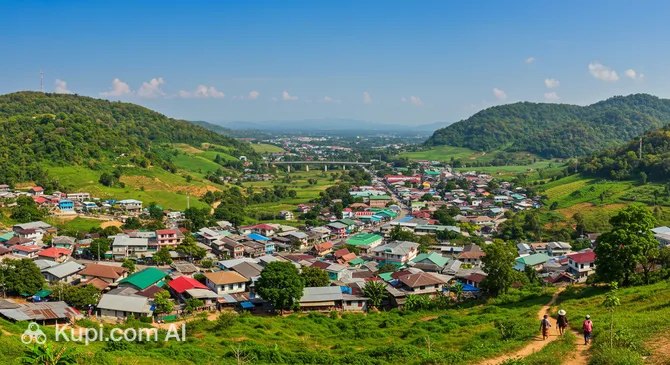
Betong is a captivating destination that stands apart from the typical tropical image of the region. Located in the southernmost district of the Yala Province, this charming town is often enveloped in a cool, misty atmosphere, earning it the nickname "The City in the Mist." As the southernmost point of Thailand, it serves as a significant cultural and transit hub on the border with Malaysia, offering a unique blend of Thai and Chinese influences that permeate its architecture and daily life.

Betong. Source: Kupi.Binoculars

Geographically, the city is surrounded by high mountains, which contributes to its pleasant climate and lush green scenery. With a population of approximately 26,640, it maintains a friendly, small-town feel despite its economic vibrancy. Travelers exploring the history of Betong will discover fascinating sites like the Piyamit Tunnels, a historic underground network that once served as a stronghold. Other notable landmarks include the Ayerweng Skywalk, famous for its breathtaking sea of mist views at sunrise, and the iconic World's Largest Mailbox, which stands as a quirky symbol of the city center.

Beyond its sights, the city is celebrated for its culinary delights, particularly the famous Betong Chicken, known for its distinct texture and flavor. Whether you are seeking natural beauty, historical intrigue, or a culinary adventure, this misty mountain town offers a memorable escape and a warm welcome to all who visit.

Weather Overview

Betong enjoys a consistently warm and humid climate year-round, which contributes to its lush, green surroundings and famous morning mists. The average monthly temperatures remain quite stable, generally hovering between 24°C and 27°C. March and April are typically the warmest months, with daytime highs reaching up to 32.1°C, while December and January offer slightly cooler nights with minimum temperatures dipping to around 20.8°C.

Travelers should be prepared for frequent showers, as the region experiences a high number of wet days throughout the year. The weather in Betong is wettest from May through November, peaking in November with rain occurring on approximately 28 days of the month. In contrast, February is the driest period, seeing rain on only about 9 days, making it a popular time for outdoor activities. Overall, visitors can expect warm tropical days with regular rainfall that keeps the air fresh and the landscape vibrant.

Interesting Facts

Beyond the scenic views and misty mornings, Betong holds several unique distinctions that might surprise even seasoned travelers.
  • A Unique Registration Privilege: Betong is the only district in Thailand allowed to issue its own vehicle license plates. While plates typically display the province name, the difficult mountainous terrain historically made travel to the provincial capital of Yala so arduous that authorities granted this special exception.

  • The "Talking" Mailbox: The city is famous for its massive mailbox, often cited as the largest in the world, but its original purpose was quite innovative. Built in 1924, it featured a radio loudspeaker perched on top to broadcast news and government announcements to the public, serving as a vital community information hub.

  • Rooted in Bamboo: The name "Betong" is derived from the Malay phrase "Buluh Betong," which translates to a specific type of large, sturdy bamboo. This reflects the area's rich ecology and the dense bamboo forests that originally defined the landscape.

  • A Tunnel First: The Mongkollit Tunnel is recognized as the first tunnel in the country excavated through a mountain specifically for automobile traffic within a city center. Unlike the historic Piyamit Tunnels used for defense, this tunnel connects different parts of the town and is beautifully illuminated at night.

How to Get There

Reaching this southern destination often involves a scenic journey through the mountains, as the town is tucked away near the Malaysian border. You can find more about how to get to Betong and choose the route that best fits your itinerary. While there are local flight options, many travelers find it convenient to fly into larger regional hubs in neighboring cities and complete the trip by road.

The geographically closest option listed is Sultan Abdul Halim Airport (AOR), located in the city of Alor Setar. It is approximately 84 km from Betong. Travelers should note that this airport is in Malaysia, so the journey involves crossing the border. The transfer by taxi or bus generally takes around 2 hours and 30 minutes.

For those seeking better international connectivity, Penang International Airport (PEN) is a major hub situated in George Town, Malaysia. It serves a large number of passengers and is about 100 km from Betong. The drive from there typically takes about 3 hours. Alternatively, if you prefer to arrive via a Thai domestic route, you can fly into Narathiwat Airport (NAW) in Narathiwat. Located roughly 113 km away, the travel time by road is approximately 3 hours and 10 minutes.

For clarity, here is a summary of the main airports:

Airport Name City Passenger Traffic Km from City
Penang International AirportGeorge TownLarge99.7
Sultan Ismail Petra AirportKota BharuMedium145.5
Sultan Abdul Halim AirportAlor SetarMedium83.9
Ipoh AirportIpohMedium134.2
Narathiwat AirportNarathiwatSmall113.3

Main Attractions

Ayerweng Skywalk is arguably the most spectacular landmark in the region, drawing visitors who wish to witness the magnificent "sea of mist." Perched high in the mountains, this glass-floored viewing platform offers thrilling panoramic views of the mist-covered valleys below, especially during sunrise. It is a modern architectural marvel that allows tourists to feel as though they are floating above the clouds, making it a must-visit for nature lovers and photographers alike.

For a touch of spiritual serenity and architectural grandeur, the Phra Mahathat Chedi Phra Phutthathammaprakat is a stunning destination. Located within Wat Phutthathiwat, this majestic pagoda is crafted in the Srivijaya style and gleams with a golden hue that can be seen from afar. Standing over 39 meters tall, it houses sacred relics and offers a peaceful atmosphere where visitors can admire intricate Buddhist art and enjoy sweeping views of the city from the temple grounds.

Nature enthusiasts seeking relaxation should head to the Betong Hot Springs. Situated in a natural valley, this site features large pools filled with mineral-rich water believed to have therapeutic properties. The water is hot enough to boil eggs, a popular activity for tourists who can purchase baskets of eggs on-site. The surrounding park area is beautifully landscaped, providing a perfect spot for a leisurely picnic or a soothing soak in the communal foot baths.

Due to its cooler highland climate, the city is home to the Winter Flower Garden, a botanical paradise that showcases a vibrant array of temperate blooms rarely seen in other parts of the country. Strolling through the meticulously maintained gardens, visitors can admire colorful beds of hydrangeas, chrysanthemums, and other cold-climate flowers. The garden is set against a backdrop of mountain scenery, offering a refreshing escape and a picturesque setting for a relaxing afternoon walk.

Local Cuisine

The culinary landscape of Betong is a delicious reflection of its multicultural heritage, heavily influenced by Chinese traditions, particularly Hakka and Cantonese styles. Food here is not just sustenance; it is a major draw for visitors, with many traveling across the border specifically to indulge in the local flavors. The town offers a unique gastronomic identity that stands out from the spicy curries typical of the rest of Thailand.

The undisputed king of the local table is Betong Chicken. Unlike standard poultry, this breed is raised free-range in the cool mountain air, resulting in meat that is firm, chewy, and rich in flavor with very little fat. It is traditionally served boiled, chopped into bite-sized pieces, drizzled with the aromatic local Betong soy sauce, and garnished with golden fried garlic. This dish is so iconic that a trip to the city is considered incomplete without tasting it.

Another must-try dish that highlights the area's Chinese roots is Khow Yok, or braised pork belly with taro. The pork is slow-cooked until tender and flavorful, absorbing the spices and the earthy taste of the taro, making it a comforting, savory delight. To accompany these main courses, visitors should order a plate of Phak Nam (watercress). Grown in the fresh, flowing mountain streams of the region, this vegetable is crisp and refreshing, usually stir-fried simply with oyster sauce and garlic to preserve its natural crunch.

For noodle lovers, Mee Betong is a local staple. These egg noodles are known for their springy texture and are often handmade. They can be enjoyed in a clear soup or dry, tossed with sauces and topped with roasted pork or wontons. The breakfast culture here is also vibrant, with Dim Sum restaurants bustling in the early hours. Locals and tourists alike gather to enjoy steamer baskets filled with dumplings, buns, and pork ribs, creating a lively morning atmosphere.

When it comes to beverages, the coffee culture is strong. Traditional old-school coffee shops serve rich, dark Kopi (coffee) sweetened with condensed milk. It pairs perfectly with crispy charcoal-toasted bread slathered with butter and kaya (coconut jam) or soft-boiled eggs. In the evenings, the food scene transitions to street vendors and open-air restaurants where the cool weather makes outdoor dining a pleasure.

Travel Tips

Visiting Betong offers a refreshingly different experience from the rest of Thailand, thanks to its cooler highland climate and unique cultural blend. To help you navigate the "City in the Mist" with ease and make the most of your journey through the Yala Province, here are some practical tips to keep in mind.

  1. Clothing and Gear: Unlike the sweltering heat common in other parts of the country, Betong can be surprisingly cool, especially in the early mornings and evenings. Bring a light jacket or sweater, particularly if you plan to visit the Ayerweng Skywalk at sunrise. Since rain is frequent throughout the year, a durable umbrella or a raincoat is essential. Comfortable walking shoes are a must for exploring the hilly terrain and the Piyamit Tunnels. When visiting religious sites like Wat Phutthathiwat, remember to dress modestly, covering your shoulders and knees.

  2. Transportation: There is no mass transit system like a metro in the city. The most common way to get around is by songthaew (converted pickup trucks) or motorbike taxis. For greater flexibility, many tourists choose to rent a scooter, but be aware that the terrain is mountainous and roads can be winding. If you are not a confident rider, hiring a local taxi or a car with a driver is a safer alternative for visiting distant attractions like the hot springs.

  3. Finances: The official currency is the Thai Baht (THB). While hotels and larger restaurants may accept credit cards, cash is king in local markets, street food stalls, and smaller shops. ATMs are widely available in the town center near the Clock Tower and the giant mailbox. If you are arriving from Malaysia, it is best to exchange your Ringgit for Baht at official exchange counters or banks in the town center for the best rates.

  4. Health and Safety: Pharmacies are readily available in the city center and generally operate during standard business hours; bring personal prescriptions with you as specific brands might not be available. The road to Betong involves many sharp curves (often called the "thousand curves"), so if you are prone to motion sickness, carry appropriate medication. In terms of safety, the city is generally welcoming, but always exercise standard precautions: keep valuables secure and stay on main tourist routes.

  5. Communication: The main language is Thai, but due to the proximity to the border and the city's heritage, many locals also speak a dialect of Malay (Yawi) and Chinese (Mandarin or Cantonese). English is spoken at major hotels and tourist attractions but may be limited in local markets. Downloading an offline translation app and buying a local SIM card at a convenience store upon arrival will be very helpful for daily interactions.

  6. Local Etiquette: The traditional Thai greeting is the Wai (pressing palms together), which is politely returned. As a multicultural city with strong Buddhist and Muslim communities, it is important to be respectful of all religious customs. Always remove your shoes before entering a private home or a temple hall. Public displays of affection are generally frowned upon, and it is polite to speak softly in public spaces.

  7. What to Avoid: Avoid touching people on the head, as it is considered the most sacred part of the body in Thai culture. Additionally, do not point your feet at people or religious images, as feet are considered the lowest part of the body. Raising your voice or showing visible anger is seen as "losing face" and will likely yield negative results in any dispute.

  8. Early Riser Advantage: To get the full experience of the famous sea of mist at Ayerweng, you must wake up very early. The best views occur right at sunrise, so plan to leave your accommodation around 4:00 or 4:30 AM. Arriving early also helps you beat the crowds and secure a good spot on the glass skywalk for photos.

By keeping these practical tips in mind, you will be well-prepared to embrace the misty charm and warm hospitality of this southern gem. Whether you are chasing the sunrise or savoring the local cuisine, a little preparation ensures your adventure in Betong is as smooth and memorable as possible.

Entertainment & Nightlife

Betong transforms as the sun sets, shifting from a misty mountain town into a lively hub of entertainment, heavily influenced by its proximity to the Malaysian border. The nightlife here is vibrant yet relaxed, characterized by a unique blend of Thai and Chinese cultures. Unlike the frantic party scenes of Bangkok or Phuket, the evening atmosphere in this southern city is more about communal enjoyment, karaoke, and culinary exploration. The crowd is a friendly mix of locals and cross-border tourists, creating a bustling environment, particularly on weekends.

The heart of the action lies around the iconic Clock Tower and the surrounding streets in the city center. This area is compact and walkable, making it easy to hop from one spot to another. Here, you will find a variety of entertainment venues ranging from open-air beer gardens with live folk music to energetic nightclubs and karaoke (KTV) lounges, which are incredibly popular in this region. The dress code is generally casual; shorts and t-shirts are acceptable in most places, though some upscale hotel clubs might expect smart-casual attire.

For a quintessential evening experience, you must visit the Betong Night Market (Walking Street). It is not just a place to eat but a vibrant social venue where you can enjoy local street food, shop for souvenirs, and soak in the lively atmosphere under the glow of streetlights. Another unique spot for a night walk is the Mongkollit Tunnel. While it is a functional roadway, it is beautifully illuminated at night, becoming a popular gathering point for tourists to take photos and enjoy the cool evening air in a safe, well-lit environment. For those seeking a more classic nightlife vibe, the area around the Grand Mandarina Hotel often hosts entertainment options, including lively discos and bars that stay open late.

Practicality is key when enjoying a night out here. Most venues operate from sunset until around 1:00 or 2:00 AM. Prices are generally very affordable compared to major tourist destinations in Thailand. A beer might cost you a fraction of what you would pay in the capital. Getting around at night is relatively safe; the town center is small enough to walk, but songthaews and motorbike taxis are available if you need a ride back to your hotel. Always agree on a fare before hopping in. While the town is safe, it is wise to stay in well-lit main areas and keep your valuables secure, as you would in any travel destination.

While the nights are for socializing, the daytime offers a different kind of excitement. Before the sun goes down, visitors can explore cultural sites like the Betong City Museum to learn about the local heritage or take a relaxing dip in the hot springs. The town also serves as a great base for visiting nearby nature parks, ensuring that your itinerary is packed with diverse experiences from dawn until well past dusk.

Parks & Museums

Betong is a city where nature and history intertwine seamlessly, offering visitors a chance to explore lush green spaces and delve into the region's unique past. The city’s high altitude not only provides a refreshing climate for botanical gardens but also preserves historical sites that have been transformed into educational museums, making it a perfect destination for those who appreciate both the outdoors and cultural heritage.

One of the most prominent green spaces in the city center is Suan Khwan Mueang (Princess Mother Park). This expansive public park serves as the "green lung" of Betong and is a favorite gathering spot for locals. dominated by a large, serene lake, the park features beautifully landscaped gardens, walking and jogging paths, and a sports stadium. It offers a stunning view of the golden Phra Mahathat Chedi on the hill above, creating a picturesque backdrop for a relaxing afternoon stroll or a morning jog amidst the mist.

For a truly unique botanical experience, the Winter Flower Garden (Suan Muen Buppha) is a must-visit natural area located in the highland village of Ban Piyamit 2. Thanks to the cool mountain climate, this garden successfully cultivates a variety of cold-climate flowers that are difficult to grow elsewhere in the country. Visitors can wander through vibrant rows of hydrangeas, lilies, and chrysanthemums while surrounded by the dense tropical rainforest of the Hala-Bala Wildlife Sanctuary, offering a striking contrast between temperate blooms and jungle scenery.

Delving into the history of the area, the Piyamit Tunnels site functions as an engaging open-air museum. While famous for its underground network, the entrance area features a well-curated exhibition hall. Here, tourists can view artifacts left behind by the Malaya Communist Party insurgents who once inhabited the mountain. The display includes historical uniforms, radio equipment, and tools, providing a fascinating glimpse into the daily lives and survival strategies of the people who built this stronghold in the jungle.

Another key cultural venue is the Betong City Museum, located on a hill overlooking the town. This museum is dedicated to preserving the local heritage and telling the story of Betong's development. Inside, visitors will find collections of old photographs, household items, and antiques that reflect the multicultural identity of the city, highlighting the blend of Thai, Chinese, and Malay influences. The museum's location also offers a panoramic viewpoint, allowing guests to appreciate the town's layout and surrounding mountains after exploring the exhibits.

For a lesser-known experience, take a quiet walk around the grounds of the Betong Hot Springs in the early evening. While most visit for the pools, the surrounding park area is meticulously landscaped with flowers and shaded seating areas. It becomes particularly atmospheric as the air cools down, offering a tranquil setting to observe the natural steam rising against the backdrop of the darkening forest.

Getting Around

Public transport in Betong is modest and reflects its status as a small, mountainous border town. Travelers should not expect a complex network of subways, trams, or large city buses. Instead, the backbone of local transportation is the Songthaew. These are pickup trucks converted with a roof and two rows of bench seating in the back. They generally operate on fixed routes connecting the city center with outlying districts and nearby villages, but they can often be flagged down anywhere along the road.

For quicker, direct trips within the town, motorbike taxis are the most popular and efficient choice. Drivers are easily recognizable by their brightly colored vests, typically orange, green, or blue, and can be found waiting at designated stands near markets, the Clock Tower, and major hotels. This mode of transport is ideal for solo travelers looking to navigate the narrow streets or get to a restaurant quickly without waiting for a shared vehicle to fill up.

The payment system across the city is strictly traditional: cash is king. There are no digital travel cards, mobile apps, or tap-to-pay systems for local transit. Fares are generally very affordable, often starting at a nominal fee for short hops within the city limits. It is essential for tourists to carry small banknotes and coins, as drivers rarely have change for large denominations. Prices for songthaews on fixed routes are usually set, but for private hires or motorbike taxis, the fare should be negotiated and agreed upon before the journey begins.

For those planning to explore the surrounding attractions, such as the distant sea of mist or the flower gardens, relying solely on public transport can be challenging due to limited schedules, especially in the late afternoon. Renting a scooter is a highly popular alternative that offers the freedom to traverse the hilly terrain at your own pace. Rental shops are available in the town center, though visitors should be experienced riders given the winding mountain roads. Alternatively, private cars with drivers can be arranged through most hotels, providing a comfortable and air-conditioned option for families or groups.

A unique feature of the city's infrastructure is the Mongkollit Tunnel. While not a metro or train tunnel, it is a significant landmark as the first tunnel in the country excavated specifically for automobile traffic within a city center. It connects the heart of the town with the southern districts and features pedestrian walkways, making it possible to walk between different parts of the city while admiring the structure, which is often beautifully illuminated at night.

Accommodation

Accommodation in Betong is diverse and generally very affordable, catering largely to the steady stream of regional tourists crossing the border from Malaysia. The city offers a range of options, from simple budget guesthouses and classic commercial hotels to more modern establishments. While you will not find ultra-luxury international hotel chains here, the standard of hospitality is high, with many places offering clean, comfortable, and spacious rooms that provide excellent value for money.

The most popular area to stay is undoubtedly the City Center, particularly around the Clock Tower and the Mongkollit Tunnel. Staying here places you within walking distance of the famous morning markets, the best dim sum restaurants, and the vibrant night entertainment zones. For those seeking a quieter experience closer to nature, there are resort-style accommodations located on the outskirts of town, near the hot springs or the flower gardens, offering a peaceful retreat surrounded by mountain mist.

Among the most recognizable landmarks in the hospitality scene is the Grand Mandarina Hotel. Standing tall as one of the highest buildings in the city, it is a favorite for many visitors due to its central location and commanding views of the town. It serves as a convenient reference point for navigating the city and is often bustling with activity. Other hotels in the vicinity offer similar conveniences, often combining traditional Chinese-Thai decor with modern amenities to ensure a pleasant stay.

Travelers should be aware that Betong is a favorite weekend getaway for tourists from neighboring countries. Consequently, hotels can fill up quickly on Friday and Saturday nights, as well as during Malaysian public holidays. It is highly recommended to book your accommodation in advance if you plan to visit during these peak times. On weekdays, the town is quieter, and it is often possible to find rooms as a walk-in guest.

In terms of pricing, the city is very budget-friendly. Most standard rooms fall into the budget to mid-range category, making extended stays quite economical. Booking can be done easily through major online travel platforms, though some smaller, family-run guesthouses may still prefer direct phone bookings or cash payments upon arrival.

Nearby Cities

For those looking to explore the surroundings, Betong serves as an excellent base for day trips to several interesting nearby locations:

Yala is the closest major urban center and serves as the provincial capital. It is widely recognized for its exceptional city planning, featuring a unique spider-web layout that radiates from the central City Pillar Shrine. Often cited as one of the cleanest cities in Thailand, it offers a pleasant urban environment with well-maintained parks and a relaxed atmosphere, making it a worthwhile stop to appreciate its orderly beauty and local culture.

Further north lies Hat Yai, the commercial heartbeat of Southern Thailand. In stark contrast to the misty quiet of Betong, this is a bustling metropolis known for its vibrant shopping scene. Visitors flock here to explore the expansive Kim Yong Market, which sells everything from imported snacks to electronics, and to indulge in the city's diverse street food offerings. It is a lively destination perfect for those seeking retail therapy and a more energetic urban vibe.

For a mix of history and coastal charm, Songkhla is an ideal destination. Located just a short distance from the commercial hub mentioned above, this coastal city is famous for the Golden Mermaid statue on Samila Beach. Beyond the sea breeze, it boasts a charming Old Town district filled with preserved Sino-Portuguese architecture, street art, and traditional local eateries, offering a glimpse into the region's rich maritime heritage.

City Population Distance (km)
Hat Yai 159,130 149
Ban Tha Khlong 77,243 106
Songkhla 63,834 163
Yala 61,250 88
Trang 60,591 252

These nearby destinations offer a glimpse into the diverse culture and landscapes of the region, ranging from well-planned provincial capitals to bustling commercial hubs and historic coastal towns.

Shopping & Souvenirs

Shopping in Betong offers a delightful glimpse into the local lifestyle, distinct from the high-end retail experiences found in Bangkok or Phuket. As a border town, it serves as a commercial hub where Thai and Malaysian trade converges, resulting in a unique array of goods. The shopping scene here is characterized by traditional shophouses, bustling open-air markets, and family-run businesses rather than glitzy luxury outlets. Visitors will find that the charm lies in hunting for locally produced culinary specialties and affordable clothing in a relaxed, small-town atmosphere.

The main commercial activity is concentrated around the iconic Clock Tower in the city center. The streets radiating from this landmark, particularly Sukyang Road, are lined with rows of traditional shophouses. This district is the heartbeat of the town's retail sector, where tourists can leisurely walk past gold shops, pharmacies selling traditional Chinese herbal remedies, and general stores offering everything from clothing to household goods. It is a walkable area that allows visitors to soak in the town's architecture while browsing for bargains.

Unlike major tourist destinations in Thailand, Betong does not feature large, modern shopping malls or international department store chains. Travelers should not expect to find global fashion brands or sprawling cinema complexes here. Instead, the retail landscape is dominated by local supermarkets and convenience stores that cater to daily needs. This absence of mega-malls preserves the town's authentic character, encouraging visitors to support smaller local merchants.

Markets are the true soul of shopping in this region. The Betong Night Market, often referred to as the Walking Street, is the most popular spot for tourists. Coming alive after sunset, it offers a vibrant mix of street food stalls, clothing vendors, and souvenir stands. It is the perfect place to pick up inexpensive t-shirts, handicrafts, or accessories while enjoying a snack. For early risers, the Betong Morning Market offers a more traditional experience. Here, locals shop for fresh tropical fruits, vegetables, and regional snacks, providing a colorful and aromatic start to the day.

When it comes to souvenirs, the best items to bring back are undoubtedly culinary. Betong Soy Sauce is legendary throughout the country; fermented using traditional methods, it has a distinct fragrance and quality that makes it a prized gift for foodies. Another must-buy is Mee Betong (Betong Noodles), dried egg noodles known for their springy texture and rich flavor. Visitors also frequently purchase local snacks such as crispy rolls and Chinese pastries, which reflect the town's strong Cantonese and Hakka heritage.

Most shops in the city center operate from approximately 8:00 AM to 6:00 PM, though convenience stores and the night market stay open much later. Payment methods are largely traditional. While some hotels and larger restaurants may accept credit cards, cash is essential for shopping in markets, small boutiques, and street stalls. Visitors crossing from Malaysia should ensure they have enough Thai Baht, as foreign currencies are rarely accepted directly by small vendors.

Regarding tax refunds, the VAT Refund for Tourists scheme is generally applicable in Thailand, but it requires shopping at stores displaying the "VAT Refund for Tourists" sign. Given the nature of retail in Betong—consisting mostly of markets and small local shops—opportunities to claim a tax refund here are extremely limited compared to larger cities. Tourists are advised not to count on tax-free shopping as a major feature of their visit to this specific town.
Reached the end of the page?

That means the route is fully explored