Support

Redang Island

About

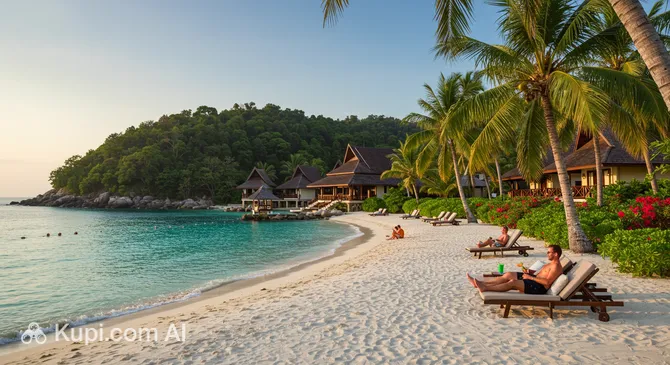
Redang Island, locally known as Pulau Redang, is one of the largest and most popular islands located off the eastern coast of Terengganu. Renowned for its crystal-clear waters and powdery white sands, it offers a quintessential tropical escape within Malaysia. The island is part of a protected marine park that serves as a sanctuary for diverse aquatic life, making it a true haven for nature lovers and underwater enthusiasts.

Redang Island. Source: Kupi.Binoculars

Geographically, the island is situated in the warm waters of the South China Sea. It enjoys a tropical climate with plenty of sunshine for most of the year, though the monsoon season typically quiets tourism activities from November to February. While visitors flock here primarily for the pristine beaches, the history of Redang Island is also fascinating, marking its evolution from a refuge for early Bugis settlers into a premier conservation area.

The island is most famous for its spectacular snorkeling and diving opportunities. The surrounding waters are teeming with colorful coral reefs, sea turtles, and blacktip reef sharks, particularly around the Marine Park Centre. Pasir Panjang, also known as Long Beach, is another highlight, offering a vibrant atmosphere with resorts and stunning views that captivate every visitor.

Whether you are looking to explore the vibrant underwater world or simply relax under the sun, Redang Island promises an unforgettable experience. It is the perfect destination for travelers seeking a blend of adventure and serenity in a breathtaking island setting.

Weather Overview

The climate on Redang Island is typically tropical, offering warm and humid conditions year-round. Visitors can expect average temperatures to hover comfortably between 25°C and 28°C, with the mercury peaking slightly higher around May, reaching maximums of about 30°C. Nights are generally mild, with minimum temperatures rarely dropping below 24°C, ensuring a pleasant atmosphere for evening strolls along the beach.

Precipitation patterns play a major role in the island's seasonality. The frequency of rain increases significantly towards the end of the year, with October and November seeing the highest number of wet days, often reaching up to 29 days a month. In contrast, the early months of the year, particularly February and March, tend to be drier with fewer rainy days. To help choose the best time for your visit, it is worth checking the specific forecast and weather in Redang Island before booking your trip.

Interesting Facts

Beyond the pristine beaches and azure waters, Redang Island holds a treasure trove of fascinating stories and ecological secrets. From its cinematic fame to its role as a vital sanctuary for marine life, there is much more to this tropical paradise than meets the eye.

  • A Cluster, Not Just One Island: While commonly referred to as a single destination, Redang is actually the largest island in a mini-archipelago comprising nine islands. This group, which includes Pulau Pinang, Pulau Lima, and Pulau Ekor Tebu, forms a protected marine park designed to preserve the rich biodiversity of the region.

  • Cinematic Fame: The island’s tourism industry skyrocketed after it served as the primary filming location for the 2000 Hong Kong romantic comedy Summer Holiday. The colorful "More More Tea Inn" featured in the movie became such an iconic landmark that the original set was preserved and later rebuilt as a popular souvenir shop and photo spot on Pasir Panjang.

  • A Sanctuary for Turtles: The northern part of the island, specifically Chagar Hutang, is one of the most significant nesting sites for Green Turtles in Peninsular Malaysia. This area is strictly protected and generally off-limits to tourists to ensure the hatchlings are not disturbed, though conservation volunteers often work there.

  • Hidden Luxury Bays: While most activity is concentrated on Long Beach, the island features secluded bays with a completely different atmosphere. For example, Teluk Dalam remains a quiet haven that is home to the exclusive The Taaras Beach & Spa Resort, offering a glimpse into the island's more private and luxurious side away from the bustling backpacker crowds.

  • Early Bugis Settlers: Long before it became a tourist hotspot, Redang was inhabited by Bugis settlers from Celebes, Indonesia. It is believed that they established the first villages on the island centuries ago, and their descendants still make up a significant portion of the local population today.

The Taaras Beach & Spa Resort. Source: Kupi.Binoculars

How to Get There

Reaching this tropical paradise is an adventure in itself, offering travelers a mix of convenience and scenic transfers. While the island feels secluded, it is well-connected to the mainland. You can read more about how to get to Redang Island to plan your specific route and choose the best option for your trip.

The most direct entry point is Pulau Redang Airport (RDN), which is located right on Redang Island. This small airport offers the quickest access to the island's resorts, situated just 2.1 km from the center. The transfer to your accommodation typically takes around 25 minutes. Although it handles a smaller volume of passengers, it provides an exclusive and hassle-free start to your vacation.

Alternatively, many visitors choose to fly into Sultan Mahmud Airport (TGG) in the city of Kuala Terengganu. This is a busier regional hub located approximately 46 km from Redang Island. Since the airport is on the mainland, the journey involves taking a taxi or bus to a nearby jetty (usually Merang or Shahbandar) and then catching a ferry to the island. The total travel time for this transfer is approximately 1 hour and 30 minutes.

For clarity, here is a summary of the main airports:

Airport Name City Passenger Traffic Distance to Redang (km)
Sultan Ismail Petra Airport Kota Bharu Large 89.6
Sultan Mahmud Airport Kuala Terengganu Medium 45.6
Narathiwat Airport Narathiwat Small 161.7
Sultan Haji Ahmad Shah Airport Kuantan Small 223.3
Pulau Redang Airport Redang Island Small 2.1

Main Attractions

Redang Island is a paradise for nature lovers and beach enthusiasts, offering a mix of vibrant marine life, pristine sands, and lively island culture. While the island is famous for its diving spots, its land-based attractions and resort hubs also provide unique experiences for visitors seeking relaxation or adventure.

One of the absolute must-visit locations is the Redang Marine Park Centre, situated on the nearby islet of Pulau Pinang. This protected area is the crown jewel of the region's conservation efforts. It is incredibly popular with snorkelers because the water is shallow and teeming with friendly fish, including damselfish, sergeant majors, and sometimes even baby blacktip reef sharks. It serves as a perfect introduction to the underwater wonders of the South China Sea.

For those who prefer a lively atmosphere, Pasir Panjang, or Long Beach, is the island's beating heart. This stretch of powdery white sand is lined with various eateries and activity centers. It is also home to the iconic "More More Tea Inn," a colourful building made famous by the movie Summer Holiday. Today, it stands as a charming souvenir shop and a favorite photo spot for tourists capturing memories of their trip.

Travelers seeking luxury and privacy often head to The Taaras Beach & Spa Resort. Located in the secluded Teluk Dalam Besar, this resort is an attraction in itself due to its private bay, which boasts some of the calmest and clearest waters on the island. The area is also known for its resident sea turtles, which are frequently spotted swimming near the resort's jetty, delighting guests and nature enthusiasts alike.

Redang Pelangi Resort. Source: Kupi.Binoculars

Another key spot on the island is Redang Pelangi Resort, which serves as a central hub for many visitors. Known for its distinct wooden architecture and friendly, social vibe, it is a popular gateway for organizing snorkeling expeditions and island-hopping tours. Its location provides easy access to the white sands and offers a glimpse into the classic, laid-back island lifestyle that Redang is famous for.

Local Cuisine

The culinary experience on Redang Island is a delightful reflection of its coastal location and the rich heritage of the Terengganu region. While many visitors rely on the all-inclusive buffet meals provided by their resorts, exploring the local food scene reveals a world of fresh flavors. The island is particularly famous for its seafood barbecues, where fresh catches like stingray, squid, and prawns are grilled to perfection over charcoal, often served with a spicy, tangy dipping sauce known as air asam.

For a taste of authentic local culture, you must try Keropok Lekor. This traditional fish sausage is a signature snack of the state, made from minced fish and sago flour. It is deep-fried until it achieves a chewy texture and is best enjoyed hot with chili sauce. Another favorite is Nasi Dagang, often called the "breakfast of champions" on the East Coast. It consists of rice steamed in coconut milk and fenugreek seeds, paired with a rich tuna curry and pickled vegetables, offering a savory start to the day.

To beat the tropical heat, fresh coconut water is the drink of choice, available at almost every beach stall. Fruit juices made from mango or watermelon are also incredibly popular and refreshing. Regarding alcohol, while Redang is located in a conservative state, beer and cocktails are widely available at the bars and Chinese-run eateries along the popular Long Beach (Pasir Panjang), though they may be harder to find in smaller, Malay-run establishments.

Dining venues on the island range from casual open-air food courts to upscale establishments. Long Beach serves as the main hub for independent dining, offering a lively atmosphere with sand-floor restaurants. For those seeking a more refined gastronomic experience, the restaurants at The Taaras Beach & Spa Resort provide exquisite international and Asian fusion menus with stunning ocean views. Alternatively, resorts like Redang Pelangi Resort are known for their communal, buffet-style dining, which is a staple of the island's hospitable and social holiday culture.

Travel Tips

Planning a trip to Redang Island requires a bit more preparation than a typical city break, as its secluded nature means some modern conveniences are harder to come by. To help you enjoy a hassle-free tropical getaway, here are some essential practical tips to keep in mind before you set sail.

  1. Clothing and Gear: Pack light, breathable fabrics and plenty of swimwear for the beach. However, since the island is part of the conservative state of Terengganu, you should dress modestly when visiting the local village (Kampung) or eating at local stalls; covering shoulders and knees is respectful. Essential items include reef-safe sunscreen to protect marine life, a waterproof dry bag for boat transfers, and sturdy flip-flops or sandals.

  2. Transportation: Unlike mainland destinations, there are no public buses, taxis, or ride-hailing apps like Grab on the island. The primary way to get around is by water taxi (boat) to hop between different beaches or resorts. For short distances, you can walk along the jungle trails that connect some bays, but be prepared for uneven terrain.

  3. Finances: Cash is absolute king on Redang Island. There are virtually no reliable public ATMs, and while upscale resorts accept credit cards, smaller beach shacks, souvenir shops, and water taxi operators usually deal only in cash. Ensure you withdraw sufficient Malaysian Ringgit (MYR) on the mainland before boarding your ferry.

  4. Health and Safety: Bring a well-stocked personal first aid kit, including motion sickness medication for boat rides and, most importantly, effective insect repellent against sandflies and mosquitoes. There is only a small health clinic in the village for minor ailments; serious medical emergencies require evacuation to the mainland, so comprehensive travel insurance is highly recommended.

  5. Communication: English is widely spoken by resort staff and locals working in tourism, so you will have no trouble communicating. Wi-Fi is available in most resort lobbies but can be spotty or non-existent in rooms. For reliable internet access, it is best to purchase a local SIM card (Celcom and Maxis generally have good coverage here) at the airport before you arrive.

  6. Local Etiquette: The atmosphere is very laid-back, but polite behavior is valued. Always remove your shoes before entering a chalet or a local home. As a general rule in Malaysia, use your right hand when passing money or objects to others, and avoid public displays of affection to respect local cultural norms.

  7. What to Avoid: Strictly avoid standing on coral reefs or touching marine life like turtles while snorkeling. Redang is a protected marine park, and damaging the ecosystem is not only harmful to nature but can also incur heavy fines. Additionally, do not collect seashells or dead coral from the beach as souvenirs.

  8. Additional Tip: Be very mindful of the monsoon season. From November to February, the island effectively shuts down due to rough seas and heavy rain; most resorts close, and ferry services are suspended. Always plan your visit between March and October to ensure everything is open and the weather is perfect for swimming.

By keeping these practicalities in mind, you can focus entirely on relaxing and soaking up the sun without any unexpected surprises. A little preparation ensures that your time on this beautiful island remains a seamless and happy memory.

Entertainment & Nightlife

Nightlife on Redang Island is distinctively laid-back and tropical, standing in stark contrast to the thumping party scenes of other Southeast Asian destinations. Instead of neon-lit nightclubs and bustling streets, the evening entertainment here revolves around the sand and sea. The atmosphere is casual and social, with travelers gathering at open-air beach bars to enjoy acoustic live music, fire shows, or simply the sound of waves crashing against the shore.

The epicenter of evening activity is undoubtedly Pasir Panjang, also known as Long Beach. As the sun sets, this stretch of white sand transforms into a lively social hub. Various resorts and independent beach shacks set out beanbags and mats directly on the sand, creating impromptu lounges under the stars. The vibe is friendly and unpretentious, where the dress code rarely exceeds flip-flops and shorts. Visitors often hop from one spot to another along the beach, enjoying cold drinks and the cool sea breeze.

For those seeking a specific venue to unwind, the island's resorts are the primary providers of entertainment. Redang Pelangi Resort is well-known for its vibrant social atmosphere. It frequently hosts evening activities that encourage guest interaction, making it a favorite among groups and younger travelers looking for fun and music. On the other end of the spectrum, The Taaras Beach & Spa Resort offers a more refined and tranquil evening experience. Its beach brasserie and lounge areas provide a sophisticated setting for a sunset cocktail or a quiet nightcap, perfect for couples seeking romance away from the crowds.

A unique nocturnal attraction on Redang is the search for "Blue Tears," or bioluminescent plankton. Many operators offer guided night walks or boat trips to spot these glittering natural wonders along the shoreline. It is a magical experience that offers a different kind of "nightlife," focusing on the beauty of nature rather than loud music. Additionally, karaoke is a popular pastime in Malaysia, and several establishments on the island offer karaoke facilities for those who want to sing their hearts out.

Practical advice for enjoying the night here involves knowing the local context. Since Redang is in Terengganu, a conservative state, alcohol is generally expensive and only available at Chinese-run restaurants and specific resort bars on Long Beach. It is not sold in Malay-owned eateries. Prices for alcoholic beverages are higher than on the mainland due to transport costs.

Regarding safety and transport, the main nightlife area on Long Beach is walkable and generally very safe. However, the beach can be dark in areas between venues, so carrying a phone flashlight is recommended to avoid tripping over coral debris or ropes. Walking is the only way to get around the beach at night, as water taxis are scarce and expensive after dark. If you are staying at a resort in a different bay, it is best to stick to your own hotel's entertainment or arrange a guaranteed return boat transfer in advance.

While the island focuses heavily on beach culture, daytime entertainment is strictly nature-based. There are no shopping malls, cinemas, or amusement parks. Instead, entertainment consists of snorkeling trips, jungle trekking, or visiting the Marine Park Centre to learn about conservation. The charm of Redang lies in this simplicity, where the day's adventure transitions seamlessly into a relaxed evening by the sea.

Parks & Museums

Redang Island redefines the concept of urban parks and cultural centers; here, the "green spaces" are ancient rainforests or protected marine sanctuaries, and the "museums" are living exhibitions dedicated to conservation. While you will not find traditional art galleries or sprawling city parks, the island offers immersive natural areas and educational facilities that reflect its status as a premier ecological haven in Malaysia.

The most significant natural area is undoubtedly the Pulau Redang Marine Park, centered around the nearby islet of Pulau Pinang. Technically a protected marine zone rather than a landscaped park, it serves as the primary "playground" for visitors. The area is famous for its shallow, crystal-clear waters where thousands of fish swarm around snorkelers. It functions as a sanctuary where fishing is strictly prohibited, allowing the coral reefs to flourish. It is the perfect spot for families and nature enthusiasts to observe the underwater ecosystem in a safe, controlled environment.

For those who prefer land-based nature, the island's interior rainforests offer a raw and untouched "park" experience. Several trekking trails crisscross the island, connecting the bustling beaches to quieter bays. These natural corridors are home to macaques, monitor lizards, and over 50 species of birds. A popular route connects Pasir Panjang to Teluk Dalam, taking hikers through dense foliage and offering glimpses of the island's rich biodiversity that often goes unnoticed by beach-bound tourists.

In terms of educational venues, the Marine Park Centre on Pulau Pinang houses an exhibition hall that acts as the island's primary museum. This facility provides vital context about the region's marine biodiversity. Visitors can view educational displays, preserved coral specimens, and information charts detailing the life cycles of sea turtles and the importance of reef conservation. It is an insightful stop that adds depth to the snorkeling experience, transforming a fun swim into a learning opportunity.

Another key venue for cultural and ecological learning is the conservation lab located within The Taaras Beach & Spa Resort. Known as the SEATRU Turtle Lab, this facility allows guests to learn about sea turtle conservation efforts on the island. While it is part of a private resort, it serves a museum-like function where visitors can understand the hatching process and the threats these majestic creatures face. It is a touching and educational experience that highlights the island's commitment to protecting its natural heritage.

Culturally, the island's history is best reflected in the architecture of Kampung Baru (New Village), the main settlement for locals. Here, the Masjid Jamek Redang stands as a significant architectural landmark. This beautiful white mosque serves as the spiritual heart of the community. While not a museum, its serene design and presence offer a glimpse into the authentic lifestyle of the islanders, far removed from the commercialized resort strips.

For a truly unique perspective, an insider tip is to hike up Bukit Panorama near the village. It is a lesser-known spot that offers a breathtaking vantage point over the island and the South China Sea. The climb is short but steep, rewarding adventurous travelers with one of the best natural "galleries" of views available on Redang.

Getting Around

Navigating Redang Island is a unique experience because it completely lacks a conventional public transport system. You will not find subways, public buses, trams, or even standard taxi services here. Instead, the logistics of moving around are defined by the island's geography, relying almost entirely on water transport and private resort shuttles to connect the various beaches and the main village.

The primary mode of transport for visitors is the water taxi. These are small speedboats operated by locals that ferry passengers between different bays, such as moving from the popular Pasir Panjang to Teluk Dalam or the Marine Park Centre. Unlike a public ferry with a timetable, these boats operate on demand. You can typically find them anchored along the main beaches or request one through your hotel reception. They serve as the island's main "highway" connection.

Regarding payment, cash is absolute king. There are no travel cards, mobile apps, or electronic ticketing systems for these rides. Prices are generally fixed per person or per boat based on the destination, but they can be surprisingly high compared to transport costs on the mainland. It is crucial to carry sufficient cash in local currency, as boat operators do not accept credit cards. Always confirm the price with the boatman before stepping on board to avoid any confusion later.

On land, the transport options are extremely limited. While there is a paved road connecting the airport, the local village (Kampung), and the jetty at Teluk Dalam, there is no public bus service plying this route. Traffic consists almost exclusively of private resort vans transferring guests and local motorbikes. There are no car-sharing services or ride-hailing apps available, so you cannot simply book a car on your phone.

For alternatives, walking is often the most practical way to get around, especially within specific beach areas like Pasir Panjang. To travel between different beaches without a boat, you must rely on jungle trekking trails. These paths, such as the one connecting Long Beach to Teluk Dalam, offer a scenic route through the rainforest but require appropriate footwear and a reasonable level of fitness.

A key piece of advice for tourists is to rely on your accommodation for logistics. Most resorts provide shuttle services (boat or van) for arrival and departure as part of their package. If you plan to visit a restaurant or attraction in a different bay for the evening, be sure to arrange your return boat transport in advance. Water taxi services become scarce after sunset, and nighttime rates are significantly more expensive.

Accommodation

Where to Stay:

Accommodation on Redang Island is almost exclusively defined by resorts, ranging from simple beachside chalets to high-end luxury retreats. Unlike many other travel destinations, you will not find standard city hotels, hostels with dorms, or Airbnb-style apartments here. Instead, the island operates on a "resort village" concept where most properties are self-contained, often providing full-board packages that include meals, snorkeling trips, and ferry transfers.

The most popular area to stay is undoubtedly Pasir Panjang, commonly known as Long Beach. This vibrant strip of white sand is the social hub of the island, lined with numerous resorts, beach bars, and souvenir shops. It is the best choice for travelers who want to be in the center of the action, with easy access to nightlife and a lively atmosphere. Conversely, for those seeking peace, privacy, and exclusivity, the secluded bays like Teluk Dalam on the northern side offer a tranquil escape far removed from the backpacker crowds.

For a luxurious experience, The Taaras Beach & Spa Resort is the premier choice. Tucked away in its own private bay with a dedicated white sandy beach, it offers 5-star amenities and is perfect for honeymooners or families looking for comfort and seclusion. On the other hand, if you prefer a more social and traditional island vibe, Redang Pelangi Resort on Long Beach is a fantastic option. It is well-regarded for its friendly service, wooden chalet-style architecture, and organized group activities, making it a favorite for friends and budget-conscious travelers.

Booking Tip: It is highly recommended to book your accommodation well in advance, especially if you plan to visit during weekends, public holidays, or the peak months of June to August. Many resorts are fully booked months ahead. Additionally, most stays are sold as 3-day, 2-night packages, so be sure to check if ferry transfers and meals are included in your rate to avoid hidden costs.

The general price range on Redang is slightly higher than on the Malaysian mainland due to the island's remote location. Budget-friendly packages can start from around MYR 300–400 per person, while luxury stays can go upwards of MYR 1,000 per night. Booking is best done directly through the resort's website or reputable online travel platforms to secure the best package deals.

Nearby Cities

For those looking to explore the surroundings, Redang Island serves as an excellent base for day trips to several interesting nearby locations:

City Population Distance (km)
Seberang Jaya 946,092 292
Ipoh 866,772 251
Butterworth 821,652 293
George Town 794,313 300
Kuantan 607,778 221

While Redang is an island paradise, the mainland offers vibrant urban centers that provide a stark contrast to the quiet beach life. Kuantan is the closest major city on the list and serves as the capital of Pahang. It is famous for its own coastal beauty, particularly Teluk Cempedak beach, and cultural landmarks like the majestic Sultan Ahmad Shah State Mosque. Visitors often enjoy the blend of modern city amenities and traditional Malay culture found here.

Further afield lies George Town, the capital of Penang and a UNESCO World Heritage Site. Although it requires a longer journey across the peninsula, it is a world-renowned destination celebrated for its well-preserved colonial architecture, vibrant street art scenes, and status as Malaysia's food capital. Walking through its historic streets offers an immersive dive into a multicultural heritage that is quite different from the secluded nature of Redang.

Ipoh is another fascinating destination, known for its charm and history. Nestled among towering limestone karst formations, the city is famous for its cave temples, such as Perak Tong and Sam Poh Tong. It is also a culinary hotspot, widely loved for its "Ipoh white coffee" and bean sprout chicken, making it a rewarding stop for foodies and history buffs alike.

These nearby destinations offer a glimpse into the diverse culture and landscapes of the region.

Shopping & Souvenirs

Shopping on Redang Island is a modest and laid-back affair, primarily designed to cater to the immediate needs of beachgoers rather than dedicated shopaholics. Unlike the retail-heavy islands of Langkawi or Penang, Redang focuses on its natural beauty, so you will not find high-street fashion brands, electronics, or luxury boutiques here. The retail scene is limited to small convenience stores, souvenir shops, and mini-marts attached to resorts, offering essentials like toiletries, snacks, and beach gear.

The main hub for shopping activities is located along Pasir Panjang (Long Beach). This bustling stretch of sand is lined with small, independent shacks and stalls that sell everything from sunscreen and mosquito repellent to inflatable floats and snorkeling masks. It is the best place to browse for casual beachwear, such as board shorts, flip-flops, and sarongs, often displayed colorfully in the open air. The atmosphere is relaxed, and while bargaining is not as aggressive as in city markets, a polite negotiation can sometimes lower the price slightly if you are buying multiple items.

Travelers should be aware that there are absolutely no shopping malls or department stores on the island. The commercial infrastructure is village-scale. If you are looking for a substantial shopping experience, it is best to visit the mainland city of Kuala Terengganu or the larger airports before your transfer. On Redang, the "malls" are essentially the gift shops found within larger hotels like The Taaras Beach & Spa Resort, which offer a more curated but pricier selection of swimwear, handicrafts, and resort-branded merchandise.

While there are no traditional sprawling night markets, the More More Tea Inn on Long Beach serves as a significant shopping landmark. Originally a film set, it has been converted into a popular souvenir store. It is the go-to spot for tourists wanting to take home a piece of the island, selling a wide variety of trinkets, postcards, and local snacks. Smaller "mom-and-pop" stalls also operate near the jetty and the village, selling drinks and basic provisions to locals and visitors alike.

When it comes to souvenirs, the most popular items are practical mementos of a tropical holiday. You will find plenty of t-shirts printed with "Pulau Redang" designs, colorful batik pareos (sarongs), and woven handicrafts. Keychains and fridge magnets featuring sea turtles or coconut trees are also ubiquitous. For a taste of the region, look for packaged local snacks, although fresh food items are better consumed on-site rather than packed in luggage.

Business hours generally align with the rhythm of tourist life. Shops on Long Beach typically open around 10:00 AM and stay open late into the night, often until 11:00 PM or midnight, to catch the post-dinner crowd. However, shops in quieter areas may close earlier. Cash is king on Redang Island. Most small stalls and independent shops do not accept credit cards, and ATMs are scarce and unreliable. It is crucial to bring enough Malaysian Ringgit (MYR) from the mainland to cover your shopping expenses.

Finally, it is important to note that unlike Langkawi, Redang Island is not a duty-free zone. Alcohol and tobacco prices here are higher than on the mainland due to transportation costs. Do not expect tax-free bargains on perfumes or chocolates; the value here lies in the unique island memories rather than the price tags.
Reached the end of the page?

That means the route is fully explored