Support

George Town

About

Welcome to George Town, the vibrant and multicultural capital of the state of Penang. As a UNESCO World Heritage Site, this city is renowned for its unique architectural and cultural townscape without parallel anywhere in East and Southeast Asia. It serves as a captivating entry point to Malaysia, offering visitors a delightful mix of modern urban energy and old-world charm.

Located on the northeastern corner of Penang Island, the city enjoys a tropical rainforest climate, making it a warm destination year-round. With a population of approximately 794,000 people, it is a bustling hub where diverse communities coexist harmoniously. The city's strategic location along the Straits of Malacca has long defined its character as a melting pot of civilizations.
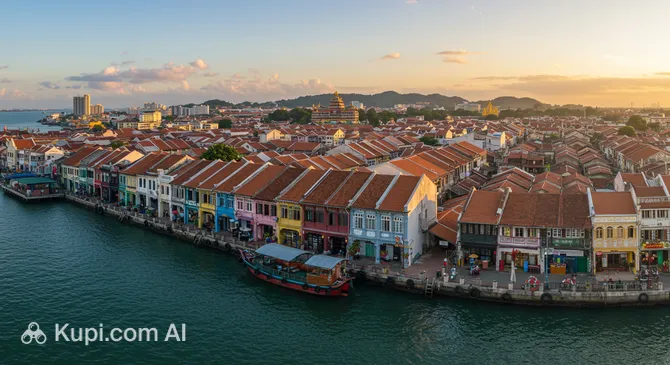
George Town. Source: Kupi.Binoculars

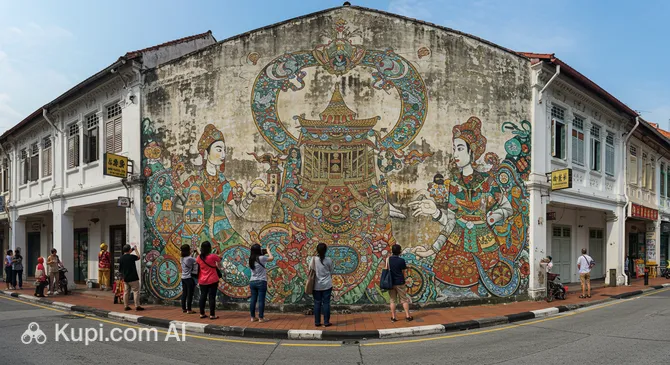
The rich history of George Town is visible in every corner, from its British colonial buildings to its Chinese shophouses and places of worship. Walking through the streets feels like stepping back in time, where the legacy of its past as a historic trading settlement remains vibrantly alive. This heritage is beautifully complemented by the city's famous street art, which has transformed ancient walls into interactive canvases.

Beyond its architecture, George Town is celebrated globally as a food paradise. The city's hawker stalls offer a legendary culinary experience, serving up dishes that reflect the fusion of Malay, Chinese, and Indian influences. Whether you are exploring the rustic Clan Jetties on the waterfront or admiring the intricate design of the Cheong Fatt Tze Mansion, there is always something to captivate your senses.

If you are looking for a destination that perfectly blends culture, heritage, and gastronomy, George Town is the place to be. We invite you to wander its colorful streets, taste its incredible flavors, and immerse yourself in the welcoming atmosphere of this Malaysian gem.
Weather Overview

Travelers visiting this vibrant city should prepare for a tropical climate that stays consistently hot and humid. The weather in George Town is generally warm year-round, making it a great destination for those who enjoy the heat, though it is always advisable to keep rain gear handy due to the region's frequent showers.

Temperatures remain quite stable throughout the year, with average daily highs typically reaching around 30°C and lows rarely dropping below 24.6°C. Rainfall is a significant part of the local climate; while February is relatively drier with about 17 wet days, months like November can see rain on up to 30 days. Expect warm tropical days accompanied by regular precipitation, especially during the transition months and the end of the year.

Interesting Facts

Beyond the main attractions, George Town holds many fascinating secrets and urban legends that add depth to its colorful character. From cinematic history to unique local customs, here are some intriguing details about this UNESCO World Heritage Site.

  • The Silver Coin Legend: Local folklore suggests that when Captain Francis Light first arrived, the jungle was so dense that workers refused to clear it. To motivate them, he allegedly loaded his ship's cannons with silver dollars and fired them into the undergrowth, prompting the locals to clear the land in record time to retrieve the coins.

  • Living on Water: The Clan Jetties of Penang are not just tourist spots but historic villages built entirely on stilts over the sea. For a long time, the residents here were exempt from paying land taxes because they technically did not live on land, a unique quirk of the city's colonial administration.

  • A Modern Art Revolution: While the city is ancient, its most famous visual feature is relatively new. The global craze for Penang Street Art only began in 2012 when Lithuanian artist Ernest Zacharevic was commissioned to paint murals for a festival, turning the peeling walls of old shophouses into celebrated interactive masterpieces.

  • Fashion Royalty: George Town is the birthplace of the world-renowned shoe designer Jimmy Choo. He was born into a family of shoemakers here and learned the craft from his father before moving to London and becoming an icon in the fashion industry.

Penang Street Art. Source: Kupi.Binoculars

How to Get There

Reaching this UNESCO World Heritage Site is relatively straightforward thanks to its well-connected transportation network. Whether you prefer flying directly onto the island or traveling overland through the scenic Malaysian peninsula, there are several options to suit your itinerary. For a comprehensive guide on all available routes, you can read more about how to get to George Town.

The most convenient gateway is Penang International Airport (PEN), located approximately 14 km from the city center. It is a bustling hub with significant passenger traffic, welcoming flights from various international and domestic destinations. Once you land, a taxi or bus ride to the heart of George Town typically takes around 40 minutes, depending on traffic conditions.

Another option for travelers exploring the northern region is Sultan Abdul Halim Airport (AOR). However, please note that this airport is not in George Town but in the city of Alor Setar, which is about 87 km away. From there, you can take a taxi or bus to George Town, a journey that generally takes roughly 2.5 hours.

For clarity, here is a summary of the main airports:

Airport Name City Passenger Traffic Km from City
Penang International Airport George Town High 14.1
Hat Yai International Airport Hat Yai Medium 167.9
Langkawi International Airport Kuah Medium 121.1
Sultan Abdul Halim Airport Alor Setar Small 86.7
Ipoh Airport Ipoh Small 126.2

The city of George Town does not have a railway station directly in the city center, but it is well-connected to the mainland's rail network. A major transport hub on the peninsula is KL Sentral Station (XKL) in the city of Kuala Lumpur, which is about 294 km from George Town. While this station is quite far, it serves as the primary node for catching electric trains (ETS) that travel north towards Penang. If traveling by road from this hub, the journey by taxi or bus takes approximately 7 to 8 hours.

Here is the information regarding the railway station:

Station City Passenger Traffic Km to Center
KL Sentral Station Kuala Lumpur Very High 293.7

Main Attractions

George Town is a treasure trove of heritage, culture, and entertainment, offering a diverse range of sights that cater to every type of traveler. From magnificent hilltop temples to restored colonial mansions and modern skyscrapers, the city's attractions provide a fascinating glimpse into its multifaceted identity.

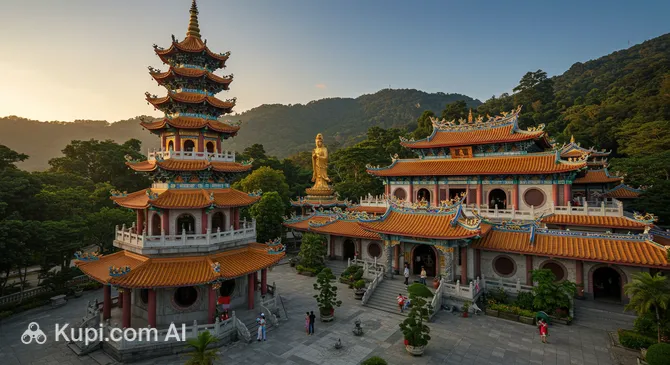
One of the most impressive landmarks in the region is the Kek Lok Si Temple, situated on a hill in Air Itam. Known as the Temple of Supreme Bliss, it is the largest Buddhist temple in Malaysia and a stunning architectural feat combining Chinese, Thai, and Burmese styles. Visitors are drawn to its seven-story Pagoda of Rama VI and the towering bronze statue of Kuan Yin, the Goddess of Mercy. The complex offers breathtaking views of the city and is particularly spectacular during the Chinese New Year when it is illuminated by thousands of lights.

Kek Lok Si Temple. Source: Kupi.Binoculars

For a deep dive into the opulent lifestyle of the wealthy Straits Chinese of the past, a visit to the Pinang Peranakan Mansion is essential. This green-hued architectural gem, once the home of a Chinese tycoon, has been restored to its former glory and now serves as a museum. It houses over 1,000 antiques and collectibles, showcasing the unique Baba Nyonya culture through intricate jewelry, furniture, and silk textiles. Walking through its grand halls feels like stepping onto the set of a period drama.

To experience the modern side of the city, head to The TOP Penang, located in the iconic Komtar tower. This indoor theme park and entertainment hub features the Rainbow Skywalk, a glass-bottomed bridge on the 68th floor that offers adrenaline-pumping panoramic views of George Town and beyond. It is a family-friendly destination with attractions ranging from a dinosaur park to an aquarium, making it a perfect spot for fun and sightseeing.

Nature lovers will appreciate a quiet escape to the Penang Botanic Gardens, often referred to by locals as the "Waterfall Gardens." Established by the British in 1884, this lush green lung is located in a valley near the city center. It is a popular spot for jogging, picnicking, and observing local flora and fauna, including the playful long-tailed macaques that roam the grounds freely. The gardens provide a refreshing retreat from the tropical heat and the bustle of the urban streets.

Local Cuisine

George Town is widely regarded as the culinary capital of Malaysia, offering a gastronomic adventure that is as diverse as its heritage. The city’s food scene is a legendary melting pot where Malay, Chinese, Indian, and Peranakan traditions come together to create explosive flavors. For many visitors, eating is the primary reason to visit, with an endless array of hawker stalls, coffee shops, and heritage restaurants lining the streets.

No trip to George Town is complete without trying its signature street food. Char Koay Teow is arguably the most famous dish, featuring flat rice noodles stir-fried over high heat with prawns, cockles, bean sprouts, and chives, often served on a banana leaf to enhance the aroma. Another must-try is Penang Assam Laksa, a tangy and spicy fish-based noodle soup that has gained global recognition for its complex broth flavored with tamarind, lemongrass, and chili. For a hearty meal, look for Nasi Kandar, a dish of Indian-Muslim origin consisting of steamed rice flooded with a variety of rich, aromatic curries.

To quench your thirst in the tropical heat, locals often turn to Nutmeg Juice, a refreshing drink made from the fruit that has been grown on the island for centuries. Coffee lovers should try White Coffee, known for its smooth texture and caramelized flavor. For a sweet finish, order a bowl of Cendol, a dessert made of shaved ice, coconut milk, palm sugar syrup, and green rice flour jelly, which provides a perfect cooling respite.

Chowrasta Market. Source: Kupi.Binoculars

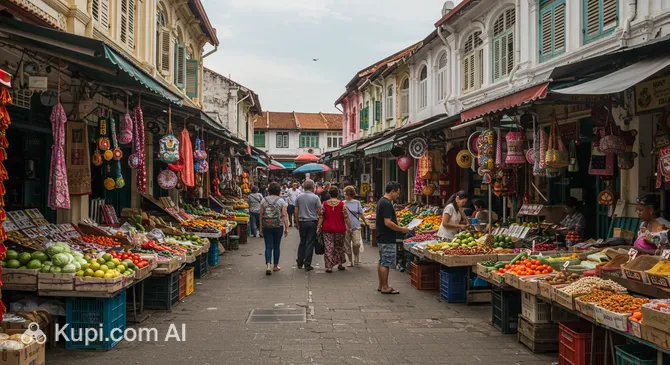
The dining culture here revolves around "hawker centers" and open-air food courts where you can sample multiple dishes in one sitting. One popular spot to experience this vibrant atmosphere is New World Park, which offers a wide selection of local favorites in a comfortable setting. For those interested in local ingredients and traditional snacks, a morning visit to the bustling Chowrasta Market provides an authentic glimpse into the daily life of Penangites.

If you prefer a sit-down meal in a setting that reflects the city's history, Tek Sen Restaurant is a beloved institution serving delicious home-style Chinese dishes. Alternatively, you can explore the aromatic streets of Penang Little India, where the air is filled with the scent of spices and freshly fried snacks. For a unique and playful perspective on the local obsession with food, you can even visit the Wonderfood Museum, which displays larger-than-life replicas of the island's most iconic dishes.

Travel Tips

Planning a trip to George Town is exciting, but a few insider tips can make your experience much smoother and more enjoyable. From navigating the tropical heat to understanding local customs, here is some practical advice to help you explore this heritage city like a pro.

  1. Clothing and Gear: Given the tropical climate, pack lightweight, breathable fabrics like cotton or linen to stay cool. Comfortable walking shoes are essential for exploring the cobblestone streets of the heritage zone. If you plan to visit religious sites like temples or mosques, remember to dress modestly by covering your shoulders and knees to show respect.

  2. Transportation: The best way to explore the UNESCO core is on foot or by taking a traditional trishaw for a nostalgic ride. For longer distances, the Rapid Penang bus network is reliable, and the free CAT (Central Area Transit) shuttle bus is perfect for hopping between major attractions in the city center. Ride-hailing apps like Grab are widely used, affordable, and often more convenient than renting a car, which involves navigating heavy traffic and scarce parking.

  3. Finances: The local currency is the Malaysian Ringgit (MYR). While shopping malls and hotels accept credit cards, cash is absolute king in George Town, especially at the famous hawker stalls and night markets. Ensure you carry enough small notes for food and transport. ATMs are plentiful, and tipping is not standard practice, though leaving small change is appreciated.

  4. Health and Safety: George Town is generally safe for tourists, but it is wise to be vigilant against snatch theft by motorcyclists; always walk against traffic and keep your bags away from the roadside. Pharmacies like Watsons and Guardian are easy to find and well-stocked. Stick to bottled or filtered water to stay hydrated in the humidity.

  5. Communication: English is widely spoken and understood, often mixed with local slang known as "Manglish," so you will have no trouble communicating. SIM cards are readily available at the airport and convenience stores like 7-Eleven. Installing apps like Grab (for transport and food delivery) and Google Maps is highly recommended.

  6. Local Etiquette: The city is a melting pot of cultures, so sensitivity is key. Always remove your shoes before entering a private home or a place of worship. When pointing at something or someone, it is polite to use your right thumb with the four fingers folded under, rather than your index finger, which can be seen as rude.

  7. What to Avoid: Avoid using your left hand to pass money, exchange business cards, or eat, as it is considered unclean in Malay and Indian cultures; always use your right hand. Additionally, refrain from public displays of affection, which are frowned upon in this conservative society.

  8. Beat the Heat and Crowds: To enjoy the famous street art murals without waiting in long queues or melting in the midday sun, try to start your walking tours early in the morning, around 7:00 or 8:00 AM. This is also when the local morning markets are most lively and authentic.

With these tips in hand, you are ready to dive into the colorful chaos and charm of George Town. Embrace the heat, indulge in the legendary street food, and enjoy the warm hospitality that makes this city a truly unforgettable destination.

Entertainment & Nightlife

As the sun sets over the Straits of Malacca, George Town transforms from a heritage hub into a lively center of evening entertainment. The nightlife here is distinctively chill and culturally rich, characterized by hidden speakeasies, open-air backpacker bars, and bustling night markets rather than massive, thumping nightclubs. The atmosphere is generally laid-back and welcoming, attracting a diverse mix of locals, expatriates, and travelers who gather to enjoy live music and cool drinks in the tropical warmth.

The epicenter of the city's nightlife is undoubtedly Love Lane and the surrounding Chulia Street. Once known for its connection to the wealthy straits Chinese, Love Lane is now lined with colorful shophouses converted into cafes, bars, and hostels. It is the perfect place to start your evening, hopping from one venue to another while street musicians often perform on the curbside. The crowd is casual, and the dress code is relaxed—shorts and flip-flops are perfectly acceptable in most places.

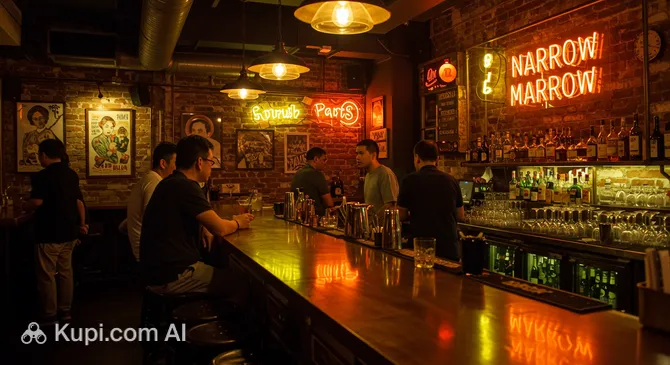
For a unique experience that blends art with nightlife, you should visit Narrow Marrow. Tucked away in a repurposed heritage building, this quirky bar is famous for its rustic industrial decor, delicious tiramisu, and creative cocktails, including drinks made with local toddy (coconut palm wine). It offers a cozy, intimate setting that contrasts with the noisier street-side bars.

Narrow Marrow. Source: Kupi.Binoculars

If you prefer a livelier atmosphere right in the heart of the action, Wheeler's on Love Lane is a staple. While it serves as a cafe during the day, at night it becomes a buzzing spot where travelers congregate to enjoy music, food, and drinks. For those seeking something more alternative, the Hin Bus Depot is a must-visit. This former bus depot turned arts hub often hosts evening events, pop-up markets, and exhibitions, surrounded by trendy bars and eateries that offer a hip, creative vibe.

Beyond the bars, the night markets are a major form of entertainment. The Batu Ferringhi Night Market, located along the northern beach strip, comes alive after dusk with hundreds of stalls selling clothes, souvenirs, and street food. It is a great place to practice your bargaining skills and soak in the chaotic yet fun atmosphere. For a more upscale evening with a view, you might consider sky bars or lounges in high-rise hotels that offer panoramic vistas of the illuminated city.

Safety in George Town is generally good, and the main nightlife areas are well-lit and populated. However, standard precautions apply; stick to main streets and keep an eye on your belongings. Getting around at night is easiest via ride-hailing apps like Grab, which are safe, reliable, and clearly priced. Taxis are available but ensure they use the meter. Most bars stay open until 1:00 AM or 2:00 AM, with weekends being the busiest.

While the nights are for socializing, the city offers plenty of daytime entertainment as well. Families can enjoy the Adventure Zone, a spacious indoor facility with drop slides and play equipment, or explore the various museums that detail the island's history. Whether you are exploring ancient temples by day or sipping cocktails in a heritage shophouse by night, George Town keeps you engaged around the clock.

Parks & Museums

While George Town is famous for its culinary delights and street art, the city also boasts a wealth of green spaces and cultural institutions that offer a deeper understanding of its heritage. From sun-drenched beaches to interactive galleries, there are plenty of spots where visitors can connect with nature or dive into the region's diverse history.

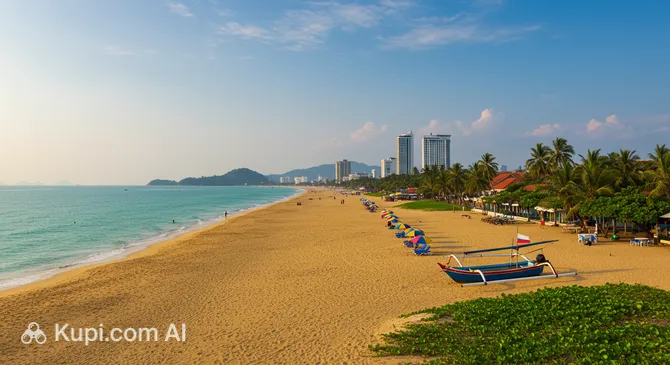
For those seeking a break from the urban bustle, Batu Ferringhi Beach is the most popular stretch of coastline on Penang Island. Located just a short drive from the city center, this long strip of soft white sand is perfect for water sports enthusiasts, offering activities like parasailing and jet skiing. It is also a fantastic place to simply relax by the sea and watch the sunset, surrounded by swaying palm trees and the sound of crashing waves.

Batu Ferringhi Beach. Source: Kupi.Binoculars

Nature lovers should also consider a visit to the Penang Bird Park, located just across the bridge in Seberang Jaya. As the first bird park of its kind in Malaysia, it serves as a sanctuary for over 300 species of birds from around the world, including hornbills, flamingos, and pelicans. The park is beautifully landscaped with natural ponds and waterfalls, allowing visitors to walk through free-flight aviaries where birds roam freely in a habitat that closely resembles their natural environment.

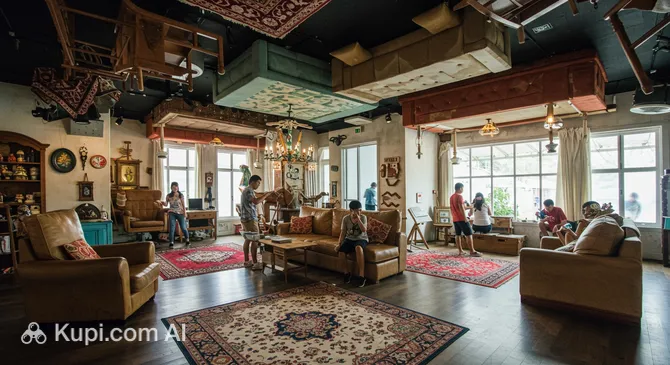
The museum scene in George Town goes beyond traditional history, offering unique and interactive experiences. The Upside Down Museum is a playful attraction that challenges your perception of reality. Here, typical home interiors and street scenes are constructed upside down, allowing visitors to pose for gravity-defying photos. It is a fun, lighthearted stop that is particularly popular with families and groups of friends looking for memorable snapshots.

Upside Down Museum. Source: Kupi.Binoculars

For a more historical perspective, the Straits Oriental Museum provides a fascinating look into the maritime trade history of the region. Housed in a heritage building, this museum displays an impressive collection of shipwreck ceramics and artifacts recovered from the depths of the ocean. It tells the story of the ancient spice routes and the perilous journeys taken by traders centuries ago, highlighting the cultural exchange that shaped Penang.

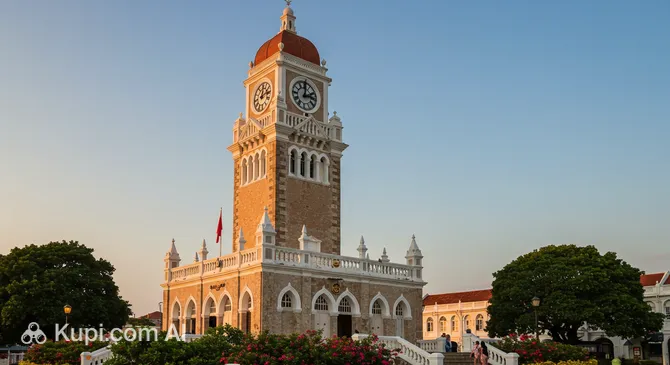
Walking through the city, you will encounter significant historical landmarks that stand as testaments to its colonial past. The Queen Victoria Memorial Clock Tower is one such icon, commissioned in 1897 to commemorate the Diamond Jubilee of Queen Victoria. Standing 60 feet tall—one foot for each year of her reign—it remains a striking architectural feature near the waterfront.

Queen Victoria Memorial Clock Tower. Source: Kupi.Binoculars

Nearby lies the Esplanade, a historic seafront promenade also known as Padang Kota Lama. This open green space is bordered by colonial buildings like the City Hall and offers breezy views of the sea. It is a significant gathering spot for locals and a great place to admire the colonial architecture while enjoying the fresh ocean air.

For an authentic cultural experience, take a leisurely stroll down Armenian Street. This narrow, bustling lane is the heart of the heritage zone, lined with charming shophouses, temples, and art galleries that capture the soul of old George Town.

Getting Around

Navigating George Town is relatively easy and affordable, offering a mix of modern convenience and historical charm. The city does not have a metro or subway system; instead, the primary mode of public transportation is an extensive bus network operated by Rapid Penang. These buses are air-conditioned, reliable, and cover most major routes within the city center, as well as connecting to beaches and other parts of the island. For tourists exploring the UNESCO World Heritage Zone, the CAT (Central Area Transit) shuttle bus is a fantastic option. It is a free service that loops through major attractions, making it incredibly budget-friendly and convenient for sightseeing.

When it comes to paying for bus fares, it is essential to be prepared. If you are paying with cash, you must have the exact change ready, as drivers do not provide change. Fares are calculated based on distance. For a smoother experience, locals and frequent travelers often use a cashless payment card known as Touch 'n Go, which can be purchased at convenience stores and pharmacies. While there are sometimes tourist-specific travel passes available, simply using small cash denominations or the prepaid card is usually sufficient for a short stay.

Operating hours for buses generally run from early morning, around 5:30 AM, until approximately 11:00 PM. To plan your journey, it is highly recommended to use navigation apps like Google Maps or the local provider's app, which offer real-time arrival estimates. Bus stops are widely distributed, but in the busy heritage center, you can often flag down a bus at designated stops or simply hop on the free CAT bus at clearly marked stations.

For those who prefer more direct and private transport, ride-hailing apps are the most popular alternative to traditional taxis. Services like Grab are widely available, safe, and offer fixed fares, eliminating the need to haggle. Traditional taxis are available but often do not use meters, so you would need to negotiate the price before getting in. Additionally, the city is quite bike-friendly, with a public bicycle-sharing system and various private rental shops allowing you to pedal through the street art-filled lanes at your own pace.

George Town also boasts some unique and historic modes of transport that serve as attractions in themselves. The colorful three-wheeled trishaws are a nostalgic way to tour the heritage streets; just be sure to agree on a price with the driver beforehand. Another highlight is the Penang Hill Funicular Railway, which boasts one of the steepest tunnel tracks in the world, whisking visitors up to the peak for panoramic views. Finally, the iconic ferry service connects the city to the mainland at Butterworth, offering a scenic and breezy ride across the strait that has been a staple of local life for decades.

Accommodation

Accommodation in George Town is as diverse as its culture, catering to every type of traveler and budget. The city offers a unique range of options, from charming boutique hotels housed in restored colonial shophouses to modern high-rise luxury suites and backpacker-friendly hostels. Staying in a heritage building within the UNESCO zone is a particularly special experience, allowing you to immerse yourself in the old-world atmosphere with modern comforts.

The most popular area for tourists is the UNESCO World Heritage Zone, where you are within walking distance of famous street art, temples, and hawker stalls. For those who prefer a more modern setting with sea views and shopping malls, the Gurney Drive area is an excellent choice. Alternatively, if you are looking for a relaxing beach getaway while still being accessible to the city, the coastal stretch towards Batu Ferringhi offers expansive resorts.

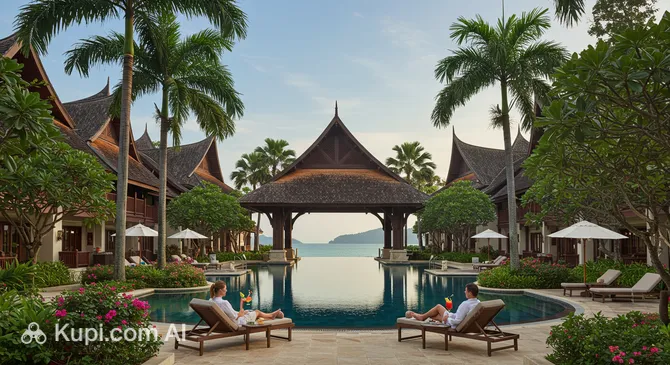
For travelers seeking a luxurious escape by the sea, the Rasa Sayang Resort & Spa is a standout option. Nestled within lush tropical gardens along the coast, this resort exemplifies the high-end hospitality available in the region, blending traditional Malaysian architecture with contemporary elegance.

Rasa Sayang Resort & Spa. Source: Kupi.Binoculars

Prices in George Town are generally very reasonable compared to Western standards. You can find comfortable budget hostels for a very low cost, while mid-range boutique hotels offer great value. Luxury resorts and heritage stays are more expensive but still competitively priced. Most accommodations can be easily booked via major online platforms or direct websites.

Booking Tip: George Town is a year-round destination, but it gets particularly busy during major holidays like Chinese New Year, Hari Raya, and the year-end school holidays (December). During these peak periods, it is highly recommended to book your accommodation at least a month or two in advance to secure your preferred location and rates.

Nearby Cities

For those looking to explore the surroundings, George Town serves as an excellent base for day trips to several interesting nearby locations:

Just across the channel lies Butterworth, the principal town on the mainland side of the state. Easily accessible by the iconic ferry, it offers a different pace of life compared to the island. Visitors often head here to explore the Butterworth Art Walk, which features murals depicting the town's history, or to enjoy fresh and affordable seafood at the local markets. It is also a convenient transport hub for connecting to the rest of the peninsula.

Located about two hours away, Ipoh is a fantastic destination for a full day trip or an overnight stay. Famous for its stunning limestone cave temples and preserved colonial architecture, Ipoh is also a heavyweight in the culinary world. Foodies travel here specifically to taste the original white coffee, fluffy egg tarts, and bean sprout chicken, often debating whether the food rivals that of Penang.

For history enthusiasts, Sungai Petani in the neighboring state of Kedah offers a journey into the ancient past. It is the gateway to the Bujang Valley (Lembah Bujang), an archaeological site containing the ruins of ancient Hindu-Buddhist temples that date back more than a thousand years. This area provides a quiet and educational contrast to the bustling streets of George Town.

City Population Distance (km)
Seberang Jaya 946,092 9
Ipoh 866,772 122
Butterworth 821,652 7
Kota Bharu 491,237 226
Sungai Petani 358,499 31

These nearby destinations offer a glimpse into the diverse culture and landscapes of the region.

Shopping & Souvenirs

Shopping:

Shopping in George Town is a delightful contrast of the old and the new, offering everything from air-conditioned mega-malls to traditional street bazaars. As a major trading hub for centuries, the city has a deep-rooted commercial culture. Visitors can spend the morning haggling for antiques in pre-war shophouses and the afternoon browsing international luxury brands in modern retail complexes. Whether you are looking for fashion, electronics, or unique local handicrafts, the city caters to all tastes and budgets.

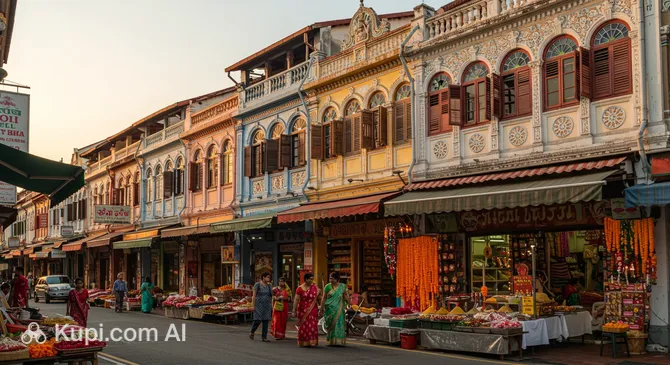
For a culturally immersive shopping experience, head straight to Penang Little India. This vibrant district is a sensory explosion of colors, sounds, and scents. The streets here are lined with shops selling colorful sarees, intricate costume jewelry, and aromatic spices. It is the perfect place to find traditional Indian textiles and brassware. Nearby, the heritage zone around Armenian Street offers a different vibe, with boutique stores and roadside stalls selling handmade souvenirs, local art, and quirky crafts that celebrate the city's street art culture.

Penang Little India. Source: Kupi.Binoculars

If you prefer a modern retail environment, George Town is home to several impressive shopping centers. Gurney Plaza, located along the famous Gurney Drive promenade, is a premier lifestyle mall featuring a wide mix of international fashion labels, dining outlets, and a cinema. It is a favorite among locals and tourists alike for its upscale atmosphere. Another major destination is Queensbay Mall, the largest shopping mall on Penang Island. Situated near the coast, it offers an extensive range of department stores, electronics shops, and entertainment facilities, making it a one-stop hub for families.

For a taste of local life and authentic Penang products, a visit to Chowrasta Market is essential. While the wet market operates in the morning, the dry market section is open throughout the day and is the best place to buy local snacks. Here, you can find the famous Penang pickled fruits (jeruk), nutmeg products, and traditional biscuits. For a more leisurely market experience by the sea, Straits Quay offers a retail marina setting with weekend flea markets often featuring antiques and artisanal goods.

When it comes to souvenirs, George Town has several signature items that make perfect gifts. Nutmeg products, such as medicated oils, balms, and pickled nutmeg, are a regional specialty believed to have healing properties. Foodies should pick up boxes of Tau Sar Pneah (Tambun biscuits), which are savory-sweet mung bean pastries. White Coffee sachets and beautiful hand-painted Batik fabrics are also popular choices to take home.

Most shopping malls in George Town are open daily from 10:00 AM to 10:00 PM. Street markets typically operate early in the morning for fresh produce, while night markets and tourist bazaars come alive after sunset. Major malls and department stores accept credit cards and contactless payments, but cash is still the preferred mode of payment at street stalls, hawker centers, and smaller traditional shops. It is advisable to carry small denominations of Malaysian Ringgit when exploring the heritage districts.

Reached the end of the page?

That means the route is fully explored