Support

Alor Setar

About

Alor Setar, the state capital of Kedah, is a charming city that offers a glimpse into the authentic lifestyle of northern Malaysia. Often celebrated for its peaceful atmosphere and rich cultural heritage, the city serves as both an important administrative center and a fascinating destination for travelers seeking to explore the Malay Peninsula's traditional roots. With its blend of historic architecture and modern development, Alor Setar provides a serene escape from the hustle of larger metropolises.

Geographically, the city is situated in the northwestern part of the country, surrounded by vast expanses of lush green paddy fields that have earned the region the title of Malaysia's "Rice Bowl." The climate is typically tropical, characterized by warm weather year-round, which supports the area's thriving agriculture. Home to a population of approximately 217,000 residents, Alor Setar maintains a close-knit community feel while offering all the amenities of a growing urban center.
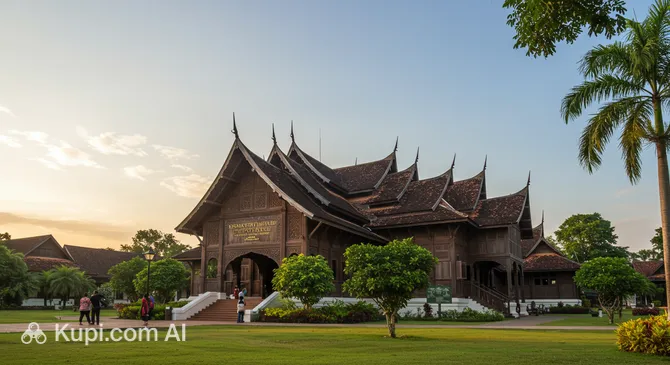
Alor Setar. Source: Kupi.Binoculars

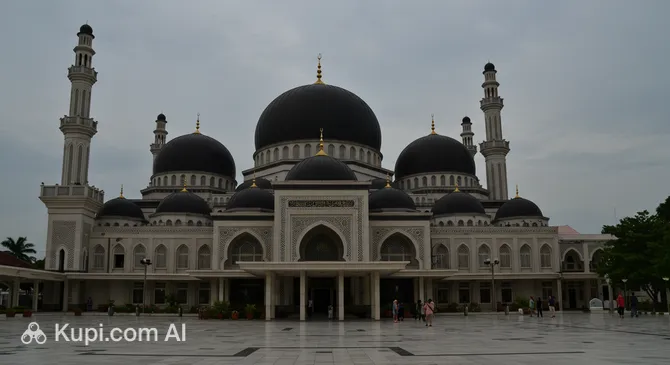
The city boasts a variety of landmarks that reflect its royal status and long-standing traditions. Visitors can delve into the deep history of Alor Setar by visiting the magnificent Zahir Mosque (Masjid Zahir), widely regarded as one of the most beautiful mosques in the world with its striking black domes and intricate Moorish architecture. Another must-see attraction is the Alor Setar Tower (Menara Alor Setar), one of the tallest telecommunications towers in the country, offering panoramic views of the city and the Strait of Malacca from its observation deck.

Whether you are a history buff interested in the Kedah Sultanate or simply looking for a scenic stopover on your way to Langkawi, Alor Setar is a destination that deserves a spot on your itinerary. Its unique combination of royal heritage, natural beauty, and warm local hospitality makes it a delightful place to explore and unwind.
Weather Overview

The climate in this northern region is typically tropical, characterized by consistent warmth and varying humidity levels throughout the year. Before packing, it is helpful to review the detailed weather in Alor Setar, as the city experiences a distinct shift between drier periods and months with frequent rainfall.

Temperatures remain fairly stable year-round, typically ranging from nightly lows of around 24°C to daytime highs that can reach 33°C. March is generally the hottest month, with an average temperature of 29.1°C and highs peaking at 33.3°C. Conversely, December offers slightly milder conditions, with an average temperature of 26.6°C, making it a comfortable time for outdoor exploration.

Rainfall patterns play a significant role in the local weather. The beginning of the year, particularly February, is the driest time, recording only about 8 wet days. However, from April through November, the region enters a much wetter phase; months like May and November can see rain on up to 28 days. Travelers should expect warm sunny days that may be frequently interrupted by showers during this extended wet season.

Interesting Facts

Beyond the popular landmarks, Alor Setar holds fascinating historical secrets and architectural symbolisms that often escape the casual observer. Here are some intriguing facts that make this northern city truly unique:
Zahir Mosque. Source: Kupi.Binoculars
  • Alor Setar holds the rare distinction of being the birthplace of two Malaysian Prime Ministers: Tunku Abdul Rahman, the "Father of Independence," and Tun Dr. Mahathir Mohamad. Visitors can step back in time at the Birthplace of Tun Dr. Mahathir, a well-preserved wooden house that offers an intimate look at his early years.

  • The magnificent Zahir Mosque is not only one of the oldest mosques in the country but also stands on hallowed ground. The site was originally a cemetery for Kedah warriors who died defending the state against the Siamese invasion in 1821.

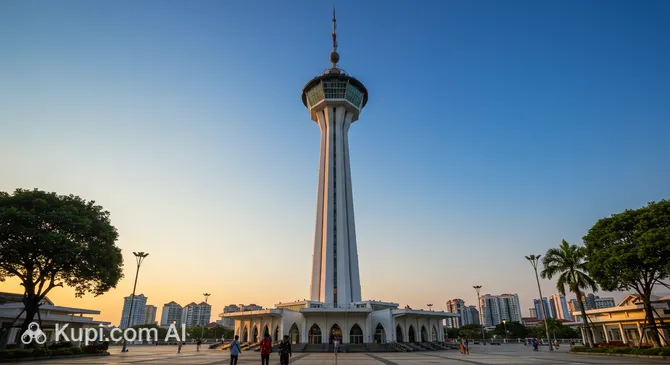
  • The city's skyline is dominated by the Alor Setar Tower, but its shape is not random. The design intentionally mimics a bundle of tied rice stalks, known as serumpun padi, paying architectural homage to Kedah’s reputation as the "Rice Bowl of Malaysia."

  • The name "Alor Setar" is deeply rooted in the local landscape. It combines "Alor," meaning a small stream or channel, and "Setar," referring to the Bouea macrophylla tree (related to the mango family) that historically grew in abundance along the riverbanks.

How to Get There

Reaching this northern Malaysian city is relatively straightforward, with options ranging from direct flights to overland journeys. For a comprehensive look at all available travel methods, you can read more about how to get to Alor Setar. The city is well-connected to the rest of the peninsula, serving as a key transit point for travelers heading to the Thai border or the nearby islands.

The most convenient entry point for air travelers is Sultan Abdul Halim Airport (AOR), which is located directly in Alor Setar, just 8.5 km from the city center. It is a regional hub primarily serving domestic routes, making it an easy option for those connecting from Kuala Lumpur. A taxi or car ride from the terminal to the downtown area takes approximately 35 minutes. For international visitors, a common alternative is to fly into Penang International Airport (PEN) in the city of George Town, situated about 92 km away. While a private car or taxi transfer typically takes around 1.5 hours, travelers opting for buses or public transport should anticipate a journey of 2.5 to 3 hours.

For clarity, here is a summary of the main airports:

Airport Name City Passenger Traffic Km from City
Penang International Airport George Town High 92.2
Hat Yai International Airport Hat Yai Medium 89.0
Langkawi International Airport Kuah Medium 74.2
Sultan Abdul Halim Airport Alor Setar Low 8.5
Narathiwat Airport Narathiwat Low 158.5

Beyond air travel, Alor Setar is well-integrated into the national transport network. The North-South Expressway provides excellent road access for those driving or taking express buses from Kuala Lumpur or Penang. Additionally, the city is a major stop on the KTM Electric Train Service (ETS) line, offering a comfortable and scenic rail journey from southern cities right into the heart of town.

Main Attractions

Alor Setar offers a delightful mix of historical landmarks, spiritual sites, and modern lifestyle hubs. While the city is steeped in royal tradition, it also embraces contemporary developments, providing visitors with a diverse range of experiences. Here are some of the top places to explore during your visit.

For a deep dive into the region's heritage, the Kedah State Museum is an invaluable stop. This extensive museum houses a vast collection of artifacts, manuscripts, and exhibits that chronicle the history of the Kedah Sultanate, one of the oldest in the world. Visitors can wander through galleries displaying traditional musical instruments, royal regalia, and ceramics, gaining a profound understanding of the cultural evolution of this northern state.

Kedah State Museum. Source: Kupi.Binoculars

A prominent feature of the city skyline is the Alor Setar Tower. Standing at 165.5 meters tall, it is one of the highest telecommunications towers in Malaysia. Tourists flock here not just for the architectural marvel, but for the observation deck which offers breathtaking 360-degree views of the city and the surrounding paddy fields. It is an ideal spot to visit at sunset to watch the landscape transform under the golden light.

Alor Setar Tower. Source: Kupi.Binoculars

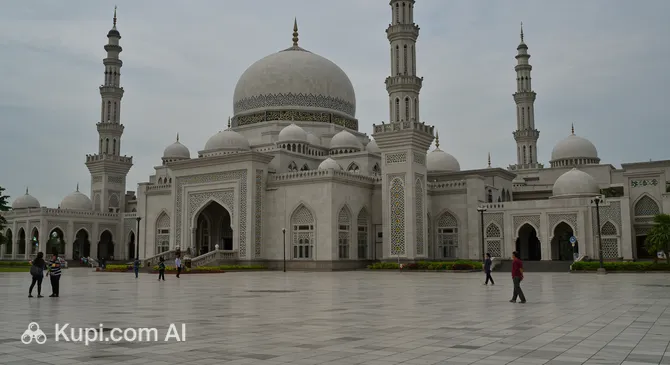
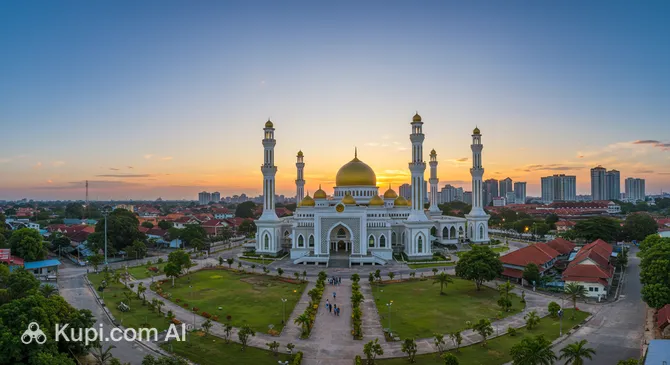
While the Zahir Mosque is historically significant, the Albukhary Mosque is a stunning example of modern Islamic architecture that shouldn't be missed. Part of the larger Albukhary Complex, this mosque is renowned for its pristine white exterior and beautifully landscaped surroundings. The serene atmosphere and intricate design details make it a peaceful retreat and a photographer's delight.

Albukhary Mosque. Source: Kupi.Binoculars

For those looking to enjoy a modern shopping and dining experience, Aman Central stands as the premier lifestyle destination in Kedah. Located strategically in the heart of the city, this sprawling mall offers a wide array of international brands, entertainment options, and eateries. Its glass facade offers a unique view of the Alor Setar Tower across the street, making it a perfect place to relax after a day of sightseeing.

Local Cuisine

The culinary landscape of Alor Setar is a true reflection of its location in the heart of Kedah, Malaysia's "Rice Bowl." The city offers an authentic taste of northern Malay cuisine, characterized by rich herbs, aromatic spices, and a perfect balance of tangy and savory flavors. For food enthusiasts, this is one of the best places to explore traditional dishes that have been passed down through generations, often served in humble, no-frills settings that prioritize flavor above all else.

The undisputed star of the local food scene is Laksa Kedah. This unique version features rice noodles served in a thick, fish-based gravy made from mackerel or sardines. Unlike the creamy Laksa Lemak found in other regions, the broth here does not use coconut milk; instead, it derives its distinctively sour and savory profile from tamarind (asam keping). It is typically garnished generously with fresh herbs (ulam), sliced cucumber, onions, half a boiled egg, and sometimes a spoonful of sambal nyiur (coconut sambal) for added texture. Another must-try specialty is Nasi Daging Air Asam, a hearty dish consisting of rice cooked with beef stock and tender meat slices, served alongside a fiery and tangy tamarind dipping sauce that cuts through the richness of the beef.

When it comes to beverages, the locals know how to beat the tropical heat. You will frequently find stalls selling fresh coconut water and sugarcane juice, which provide instant refreshment. For a sweet treat, try Cendol Pulut, a dessert drink combining green rice flour jelly, coconut milk, palm sugar, and sticky rice. The classic Teh Tarik (pulled tea) remains a staple at breakfast and supper. While alcohol is not commonly served in the many Halal-certified Malay eateries, it is readily available in Chinese restaurants, bars, and major hotels throughout the city.

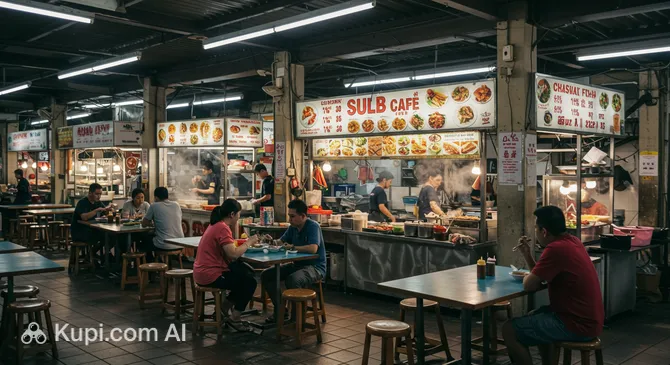
Sulb Cafe. Source: Kupi.Binoculars

The dining culture in Alor Setar is vibrant and communal, ranging from bustling open-air hawker centers (medan selera) to modern cafes. Street food is deeply ingrained in the local lifestyle, with night markets offering an array of grilled meats and traditional cakes (kuih). For those seeking a comfortable environment to relax and enjoy good food, establishments like Sulb Cafe offer a blend of great ambiance and delicious menu options, making them popular spots for both locals and visitors to unwind.

Travel Tips

Welcome to Alor Setar, a city where rich royal heritage meets the laid-back charm of northern Malaysia. To ensure your visit is as smooth and enjoyable as possible, we have compiled a list of essential practical tips to help you navigate the local customs and logistics with ease.

  1. Clothing and Gear: Since Alor Setar is located in a tropical region, pack lightweight, breathable fabrics like cotton or linen to stay cool. However, keep in mind that Kedah is a conservative state; it is respectful to dress modestly by covering your shoulders and knees, especially when visiting religious sites or rural areas. Comfortable walking shoes are a must for exploring the heritage trail, and carrying a compact umbrella is wise for sudden tropical showers.
  2. Transportation: The most convenient way to get around the city is by using ride-hailing apps like Grab, which are reliable and affordable. While there is a local bus service (MyBas), schedules can be infrequent for tourists on a tight itinerary. The city center is relatively compact and walkable, but due to the heat, you might prefer short car rides between major attractions.
  3. Finances: The local currency is the Malaysian Ringgit (MYR). While credit cards are widely accepted in hotels, shopping malls like Aman Central, and modern cafes, cash is king at night markets, hawker centers, and smaller shops. ATMs are plentiful, but it is a good idea to keep smaller denominations handy for street food purchases and tipping, which is appreciated but not mandatory.
  4. Health and Safety: Alor Setar is generally a safe city for travelers, but standard precautions against petty theft should be taken. Pharmacies such as Watsons and Guardian are easily found in shopping centers and are typically open from 10:00 AM to 10:00 PM. For medical emergencies, the Sultanah Bahiyah Hospital is the main public healthcare facility. Don't forget to stay hydrated and wear sunscreen, as the sun can be quite strong.
  5. Communication: Bahasa Malaysia is the official language, but English is reasonably well understood, particularly in the service industry and tourism sectors. Learning a few basic local phrases like "Terima Kasih" (Thank you) and "Apa khabar?" (How are you?) goes a long way in building rapport. SIM cards with 4G data are readily available at convenience stores like 7-Eleven and mobile shops throughout the city.
  6. Local Etiquette: Politeness is highly valued here. Always remove your shoes before entering a Malay home or a mosque. When eating with your hands or passing money and objects to others, use your right hand, as the left is considered unclean. A friendly nod or a smile is a common greeting; for handshakes (salam), wait for the local person to initiate, especially when interacting with the opposite gender.
  7. What to Avoid: Public displays of affection (PDA) are frowned upon in this conservative culture and should be avoided. Additionally, avoid eating or drinking openly in public during the daylight hours of the fasting month of Ramadan out of respect for the local Muslim community, although it is not illegal for non-Muslims to do so.
  8. Weekend Schedule: A unique aspect of Kedah is its official workweek. Government offices, banks, and schools typically observe the weekend on Friday and Saturday, with Sunday being a normal working day. Be sure to check opening hours for official establishments if you plan to visit them on a Friday.

By keeping these practical tips in mind, you will be well-prepared to immerse yourself in the authentic culture and warm hospitality of Alor Setar. Enjoy your journey through the "Rice Bowl of Malaysia" and the unique experiences this historical city has to offer!

Entertainment & Nightlife

Unlike the high-energy party scenes found in Kuala Lumpur or neighboring Penang, the nightlife in Alor Setar is significantly more subdued and relaxed. The city’s evening entertainment revolves primarily around community gatherings, late-night dining, and leisurely strolls rather than pulsating nightclubs. The atmosphere is friendly and safe, reflecting the laid-back charm of Kedah, making it an excellent destination for travelers who appreciate a slower pace and authentic local interactions.

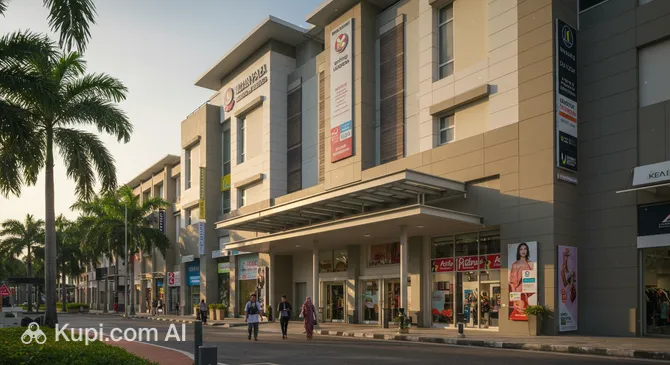
For a modern evening experience, Aman Central is the undisputed hub of activity. Located in the heart of the city along Lebuhraya Darul Aman, this lifestyle destination remains buzzing well into the night. It is not just a place for shopping; the complex houses a cinema, a bowling alley, and karaoke facilities, making it a popular gathering spot for families and young people looking for entertainment. The mall's al fresco dining area also offers a fantastic view of the illuminated Alor Setar Tower, providing a perfect backdrop for a relaxing dinner.

Aman Central. Source: Kupi.Binoculars

If you are looking for a place to unwind with a good drink and conversation, the city’s cafe culture is thriving. Establishments like Sulb Cafe offer a cozy ambiance that is perfect for hanging out late with friends. While Alor Setar is a conservative city where alcohol is not served in most Malay eateries, visitors seeking bars or pubs should head to the Pekan Cina (Chinatown) area. Here, you can find traditional Chinese coffee shops and a few bistros that serve beer and other alcoholic beverages in a casual, low-key setting.

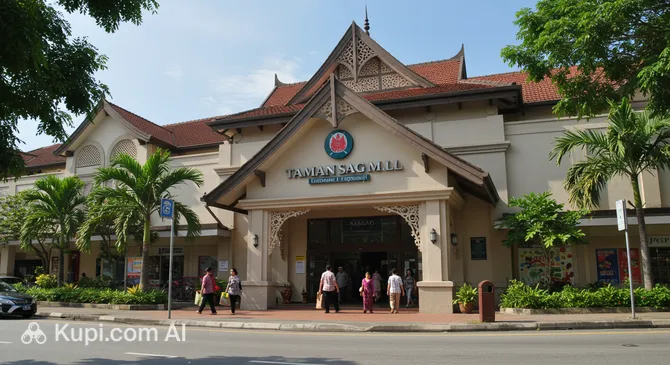
For a more local flavor, exploring the night markets, or Pasar Malam, is a must. These markets rotate locations daily, with the one near Stadium Darul Aman being particularly popular. The streets come alive with vendors selling everything from clothes to an array of mouth-watering street food. Another spot to visit is Taman Saga Mall, which, while smaller, serves the local community and offers a glimpse into the everyday life of residents away from the main tourist trail.

Taman Saga Mall. Source: Kupi.Binoculars

When planning your night out, keep in mind that most shops close by 10:00 PM, though restaurants and mamak stalls often stay open much later. The dress code is generally casual, but it is respectful to dress modestly. The city is safe for night walks, especially in well-lit areas like the Dataran (city square) and around the major malls. Getting around is easy with ride-hailing apps like Grab, which are readily available and affordable, eliminating the need to hail taxis on the street.

While the nights are calm, the city offers plenty of excitement during the day as well. Before the sun sets, you can explore the rich cultural heritage at the state museums, visit the royal galleries, or take a short trip to the outskirts to see the endless green paddy fields that define the landscape of Kedah.

Parks & Museums

While Alor Setar is best known for its royal architecture and paddy fields, the city and its surroundings also offer refreshing green spaces and a wealth of galleries that preserve the region's unique identity. Visitors can easily alternate between exploring the lush outdoors and diving into the deep cultural history stored within the city's museums.

One of the most distinctive natural landmarks in the area is Gunung Keriang (Mount Keriang). Located about 8 kilometers from the city center, this elephant-shaped limestone hill rises dramatically from the flat surrounding rice plains. It is a designated recreational park where nature lovers can hike up to the summit for panoramic views or explore the various caves found within the rock formation. For a more urban green experience, Taman Jubli Emas (Golden Jubilee Park) provides a serene environment for jogging and leisure walks. The park is well-maintained and features a man-made lake, memorials, and murals, making it a favorite spot for locals to exercise and relax in the evenings.

When it comes to museums, the "Rice Bowl of Malaysia" is home to the impressive Kedah Paddy Museum (Muzium Padi). This iconic structure, designed to resemble bushels of harvested rice stalks, is dedicated to the history and technology of rice cultivation. The highlight of the museum is its massive 360-degree mural on the upper level, which depicts the seasonal cycle of the paddy fields in breathtaking detail. It offers visitors a profound appreciation for the agricultural heritage that defines the state's economy and culture.

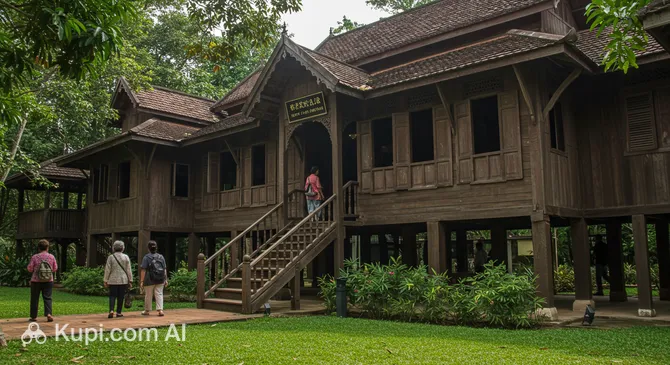
Another significant cultural site is the Birthplace of Tun Dr. Mahathir. This humble wooden home, roofed with nipah palm, has been carefully preserved to reflect the childhood environment of Malaysia's longest-serving Prime Minister. Inside, visitors can view memorabilia, old photographs, and furniture that provide an intimate look at his early life and upbringing in a simpler era.

Birthplace of Tun Dr. Mahathir. Source: Kupi.Binoculars

For those interested in royal history, the Kedah Royal Museum (Muzium Diraja) is a must-visit. Housed in the former palace known as Istana Kota Star, the building itself is a stunning example of local architecture with Thai and colonial influences. The galleries within showcase collections from the Sultanate's past, including royal regalia and personal artifacts of the late Sultan Abdul Halim. Additionally, the Kedah State Museum serves as the primary repository for the state's broader historical timeline, housing everything from archaeological finds to early Malay manuscripts.

In the heart of the city, architectural enthusiasts should not miss the Balai Besar (Great Hall). Built in 1898, this grand wooden hall features intricate carvings and soaring pillars, historically used for royal audiences and state ceremonies. Adjacent to it stands the Balai Nobat, a distinctive octagonal tower that houses the sacred instruments of the Royal Orchestra, which are only played during significant royal events like coronations.

For a truly local experience, try visiting the recreational area around Gunung Keriang in the late afternoon. Not only is the temperature cooler for hiking, but the "crystal market" at the foot of the hill comes alive, where local vendors sell unique crystal rocks found in the nearby caves—a perfect, authentic souvenir from Kedah.

Getting Around

Navigating Alor Setar is relatively straightforward due to its compact size and relaxed pace. The primary mode of public transportation within the city is the myBas bus service. These buses are easily recognizable and cover major routes connecting the city center, residential areas, and key transport hubs like the Sultan Abdul Halim Airport and the Kuala Kedah Ferry Terminal. The network is designed to be commuter-friendly, making it a viable option for visitors who wish to explore the city and its outskirts economically.

For travel to nearby towns or the city's immediate suburbs, the KTM Komuter Utara (Northern Commuter) service is highly efficient. The Alor Setar Railway Station serves as a key stop on this line. While primarily used for regional travel, it is an excellent way to reach neighboring districts quickly and comfortably. The trains are modern, air-conditioned, and run on a regular schedule, providing a scenic and traffic-free alternative to road transport for those venturing slightly further afield.

When it comes to paying for transport, cash remains the most common method for local buses. Tourists are advised to carry small denominations, as bus drivers may not always have ample change for large notes. Fares are calculated based on distance and are generally very affordable. For train services, tickets can be purchased at the station counters or via automated kiosks. While cashless payment options are growing in popularity, having cash on hand is the most reliable strategy for getting around the city's public transit network.

For those seeking convenience and flexibility, ride-hailing apps are the most popular alternative to public transit. Services like Grab are widely available throughout the city and are often preferred by tourists over traditional taxis. Using an app ensures a fixed price before the journey begins, eliminating the need to haggle or worry about unmetered trips. Traditional taxis are also available, particularly at the bus terminal and airport, but it is essential to agree on the fare with the driver before stepping inside if the meter is not used.

A significant advantage of the city is the walkability of its heritage center. Many of the main attractions are located within close proximity to each other around the central square, making it easy to explore on foot. However, given the tropical heat, it is best to plan walking tours for the early morning or late afternoon. For longer distances or during the hottest part of the day, combining walking with affordable ride-hailing services is the most practical way to see the sights.

Accommodation

Accommodation in Alor Setar is generally practical and affordable, catering largely to business travelers, government officials, and tourists passing through to Thailand or Langkawi. While the city does not boast the ultra-luxury resorts found on nearby islands, it offers a solid selection of comfortable mid-range hotels, budget-friendly inns, and clean guesthouses. Recently, there has been a rise in boutique hotels converted from traditional shophouses, offering a more unique and aesthetic stay for those looking for character.

For the most convenient experience, visitors should look for accommodation in the city center, particularly around the major landmarks like the Alor Setar Tower and the heritage district. Staying in this area allows for easy access to the main museums, the Zahir Mosque, and shopping hubs like Aman Central without the need for long commutes. Alternatively, those on a driving trip might prefer hotels located near the North-South Expressway exits, which offer ample parking and quick access to the road network.

Room rates in Alor Setar are significantly lower than in Kuala Lumpur or Penang, making it a budget-friendly destination. A comfortable room in a reputable hotel can often be secured for a very reasonable price. While walk-ins are possible at smaller establishments, it is highly recommended to book in advance using major online travel platforms, especially during Malaysian school holidays and major festivals like Hari Raya, when local tourism peaks and rooms fill up quickly.

Nearby Cities

For those looking to explore the surroundings, Alor Setar serves as an excellent base for day trips to several interesting nearby locations. The region offers a mix of urban heritage, culinary adventures, and coastal charm within a manageable driving distance.

One of the most compelling destinations is George Town, the capital of Penang, located approximately 1.5 hours away. As a UNESCO World Heritage Site, it is world-renowned for its well-preserved colonial architecture, vibrant street art murals, and a multicultural food scene that is often cited as the best in Malaysia. A day trip here allows visitors to wander through historic clan jetties and explore colorful shophouses before returning to the quiet of Kedah.

Closer to the mainland, Butterworth serves as the gateway to Penang Island but has its own attractions. It is known for its excellent seafood restaurants and the scenic ferry ride across the channel. For those willing to travel a bit further south, Ipoh offers a stunning landscape of limestone karst hills and cave temples. It is also famous for its unique "white coffee" and colonial-era old town, making it a rewarding stop for history buffs and foodies alike.

City Population Distance (km)
Seberang Jaya 946,092 82
Ipoh 866,772 186
Butterworth 821,652 76
George Town 794,313 79
Kota Bharu 491,237 207

These nearby destinations offer a glimpse into the diverse culture and landscapes of the region, providing travelers with ample opportunities to enrich their Malaysian experience.

Shopping & Souvenirs

Shopping in Alor Setar offers a delightful blend of modern convenience and traditional charm, reflecting the city's status as a cultural hub in northern Malaysia. While it may not rival the high-end luxury scene of Kuala Lumpur, the city provides a unique retail experience where gleaming shopping complexes stand just a short distance from historic market halls. Visitors can expect to find everything from international fashion brands to authentic local handicrafts, making it a rewarding destination for those looking to buy both necessities and cultural keepsakes.

The main shopping districts are concentrated around the city center, particularly along the bustling Lebuhraya Darul Aman. This area serves as the commercial heart of Alor Setar, where major malls and shophouses are clustered. Walking through these streets, tourists can easily transition from air-conditioned comfort to exploring smaller, family-run businesses that have operated for generations. The connectivity between these retail hubs allows for a convenient shopping spree without the need for extensive travel.

For a comprehensive modern shopping experience, Aman Central is the premier destination in the state of Kedah. Situated directly across from the Alor Setar Tower, this massive lifestyle mall houses a wide array of international and domestic brands, a cinema, and numerous dining options, making it a favorite hangout for locals and tourists alike. Another notable spot is Taman Saga Mall, which caters more to the daily needs of the community and offers a different, more localized perspective on the city's retail scene.

No shopping trip to Alor Setar is complete without visiting its famous markets, with Pekan Rabu (Wednesday Market) being the undisputed highlight. Despite its name, this iconic multi-story complex is open daily and serves as an incubator for local Malay entrepreneurs. It is the best place to immerse yourself in the local culture, offering stalls piled high with traditional apparel, spices, and local delicacies. Additionally, the city's rotating night markets (Pasar Malam) provide a vibrant atmosphere where you can hunt for affordable clothes, accessories, and street food under the stars.

When it comes to souvenirs, Alor Setar is famous for its traditional food items and handicrafts. Visitors often bring back Kuih Bahulu (traditional sponge cakes) and Dodol (sticky toffee-like sugar palm confection), which are specialties of the region. The city is also known for Ikan Pekasam, a fermented fish delicacy that is a staple in Kedah cuisine. For non-food items, traditional Malay attire such as Baju Kurung and Songkok found at Pekan Rabu make for meaningful and high-quality gifts.

Most shopping malls in Alor Setar operate from 10:00 AM to 10:00 PM daily. Traditional markets like Pekan Rabu typically open earlier, around 8:00 AM, and close by early evening, though hours can vary on Fridays due to the weekly prayers. While credit cards and e-wallets are widely accepted in shopping malls and established restaurants, cash is essential when visiting markets, hawker stalls, and smaller shops. It is advisable to carry smaller denominations of the Malaysian Ringgit for smoother transactions in these traditional settings.

Tourists should note that unlike the nearby island of Langkawi, Alor Setar is not a duty-free zone. However, visitors may still be eligible for the Tourist Refund Scheme (TRS) on sales tax at participating large retailers if they meet the spending criteria and present a valid passport. It is always worth checking with the customer service desk at major department stores to see if tax-free shopping is available for your purchases.

Reached the end of the page?

That means the route is fully explored