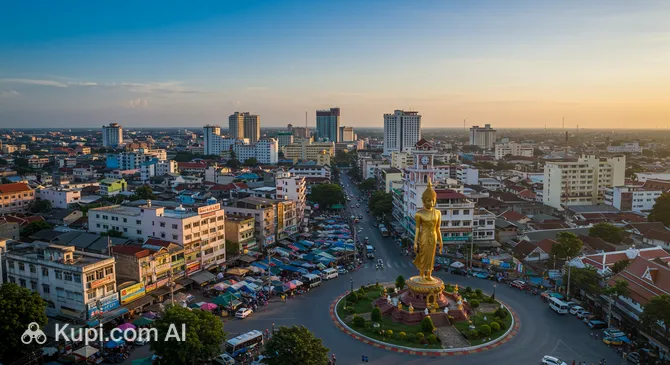
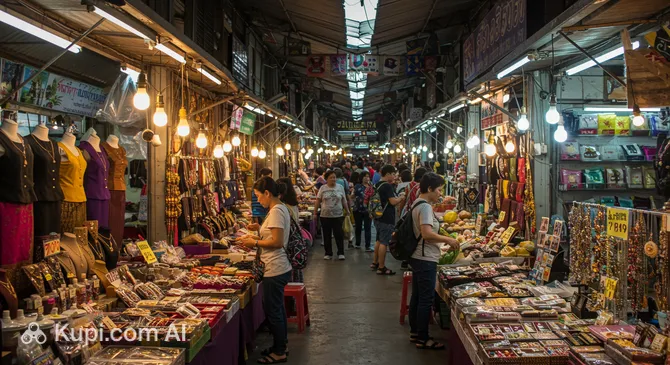
Hat Yai is the vibrant commercial heartbeat of Southern Thailand and a bustling gateway that seamlessly blends modern urban energy with traditional charm. Located in the Songkhla province near the Malaysian border, this dynamic city is often mistaken for the provincial capital due to its size and economic significance. With a population of approximately 159,000 people, it serves as a major hub for trade, transportation, and tourism in the region.
While the city is famous today for its lively markets and shopping districts, the history of Hat Yai reveals its humble beginnings as a small village that grew rapidly alongside the development of the southern railway line. This transformation turned it into a melting pot of cultures, where Thai, Chinese, and Malay influences converge to create a unique local atmosphere, particularly visible in its architecture and culinary scene.
Hat Yai. Illustration.
Source: Kupi.com AI
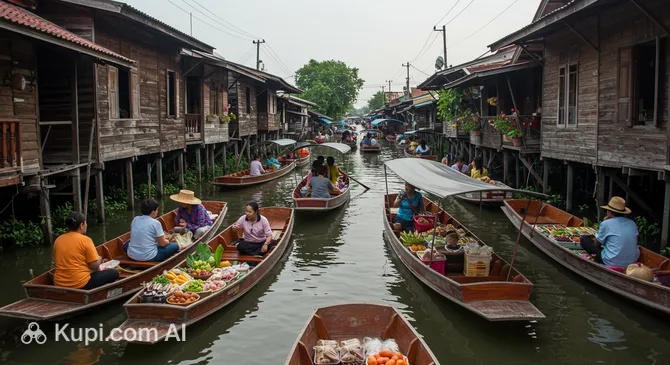
Travelers are drawn to Hat Yai for its diverse attractions. Shopaholics and foodies will find paradise at the Kim Yong Market, known for its imported goods and delicious local snacks. For panoramic views, the Hat Yai Municipal Park is a must-visit, featuring a standing Buddha statue and a cable car ride that offers breathtaking vistas of the city below. Another highlight is the Khlong Hae Floating Market, where vendors sell food from traditional boats, offering a picturesque and authentic Thai experience.
Whether you are passing through on your way to the islands or planning a dedicated shopping trip, Hat Yai offers a welcoming environment filled with flavorful discoveries. It is a destination that invites visitors to explore its busy streets, taste its renowned street food, and experience the warm hospitality of the south.
Weather Overview
Hat Yai experiences a tropical climate characterized by consistent warmth and humidity throughout the year, making it a destination that can be visited in any season. The city generally maintains steady average temperatures ranging from 26°C to 29°C, ensuring a warm atmosphere regardless of when you arrive. To help you pack appropriately for your trip, it is helpful to review the detailed forecast for the weather in Hat Yai.
Expect warm days year-round with occasional rain, though the intensity and frequency of showers vary significantly by month. The hottest period typically occurs in April and May, where maximum temperatures can climb to around 32.5°C. Conversely, the months of December and January offer slightly milder conditions, with average temperatures dropping to around 26°C, providing a somewhat cooler respite for travelers exploring the city.
Precipitation patterns show a distinct wet season towards the end of the year. November is typically the wettest month, recording the highest frequency of rainy days, often with precipitation occurring on nearly every day. If you prefer drier conditions for sightseeing, February and March are statistically the best choices, featuring the lowest rainfall amounts and fewer wet days compared to the rest of the year.
Average monthly temperature
Average monthly precipitation
Interesting Facts
Beyond its reputation as a commercial hub, Hat Yai holds a collection of unique stories and landmarks that often escape the casual observer's eye. From architectural oddities to culinary fame, the city offers several intriguing details for the curious traveler.
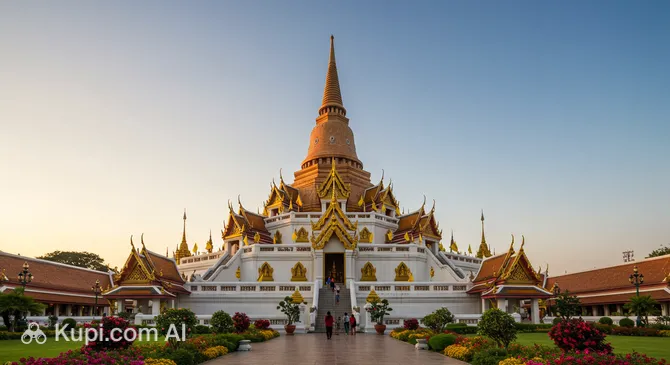
The city is home to a truly rare architectural marvel, Phra Maha Chedi Tripob Trimongkol. This pagoda is constructed almost entirely from stainless steel rings, making it the first of its kind in the world and creating a dazzling, shimmering effect when the sunlight hits its metallic surface.
Hat Yai claims a significant milestone in national transportation history within Hat Yai Municipal Park. It hosts the very first cable car system in Thailand, which was established to provide visitors with a scenic and convenient way to travel between the various religious statues located on the hilltops.
The name "Hat Yai" itself is deeply rooted in local botany and folklore. It is widely believed to be a shortened version of "Mahat Yai," referring to a large Mahat tree (a relative of the jackfruit tree) that once stood prominently in the area where the city eventually grew.
While fried chicken is a common dish globally, the city has its own legendary version known as "Gai Tod Hat Yai." This specific style, characterized by a marinade of coriander seeds, cumin, and white pepper, and served with a heap of crispy fried shallots, originated here and became so popular that it is now sold by vendors across the entire country.
Phra Maha Chedi Tripob Trimongkol. Illustration.
Source: Kupi.com AI
Traveler photos:
How to Get There
As the primary commercial and transport hub of Southern Thailand, reaching Hat Yai is straightforward with multiple convenient options. Whether you prefer the speed of air travel or the scenic route by train, the city is well-connected to the rest of the country and neighboring Malaysia. You can explore all ways to reach the city to decide which mode of transport best suits your itinerary.
The most direct entry point is Hat Yai International Airport (IATA: HDY). Situated just 12 km from the city center, it is a major gateway serving millions of passengers annually. The airport handles numerous daily flights from Bangkok and other regional hubs. Once you arrive, a taxi or shuttle bus can take you to the downtown area in approximately 40 minutes.
For travelers coming from Malaysia, Sultan Abdul Halim Airport (IATA: AOR) in the city of Alor Setar is a viable alternative. Located about 90 km from Hat Yai, this option requires crossing the international border, so you should account for immigration procedures. The total travel time by road from this airport is typically around 2.5 to 3 hours.
Another regional option is Trang Airport (IATA: TST) in the neighboring province of Trang. Although it is about 110 km away, it serves as a backup for those exploring the wider region. A transfer from Trang to Hat Yai generally takes about 3 hours by car or bus.
For clarity, here is a summary of the main airports:
Hat Yai is also a critical node in Thailand's railway network. The city's main station, Hat Yai Junction, is located right in the heart of the town and serves as a major stop for the State Railway of Thailand's southern line. It connects the city with Bangkok to the north and the Malaysian border at Padang Besar to the south. Traveling by train offers a comfortable and scenic journey, with sleeper services available for the long trip from the capital.
Main Attractions
Hat Yai offers a diverse array of sights ranging from spiritual landmarks to modern entertainment hubs, reflecting its status as a melting pot of cultures. Beyond the popular municipal park and floating markets, the city hides several other gems that are well worth exploring during your stay.
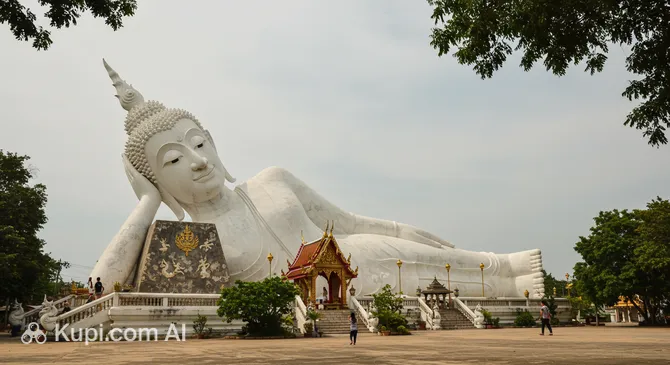
One of the most revered spiritual sites in the area is Wat Hat Yai Nai. This temple is famous for housing Phra Phuttha Hattha Mongkhon, a colossal reclining Buddha statue that measures 35 meters in length and 15 meters in height. It is widely regarded as one of the largest reclining Buddhas in the world, attracting pilgrims and tourists who come to admire its sheer scale and serene expression. The temple grounds offer a peaceful escape from the city's bustle and provide a glimpse into the deep-rooted Buddhist traditions of the region.
Wat Hat Yai Nai. Illustration.
Source: Kupi.com AI
Traveler photos:
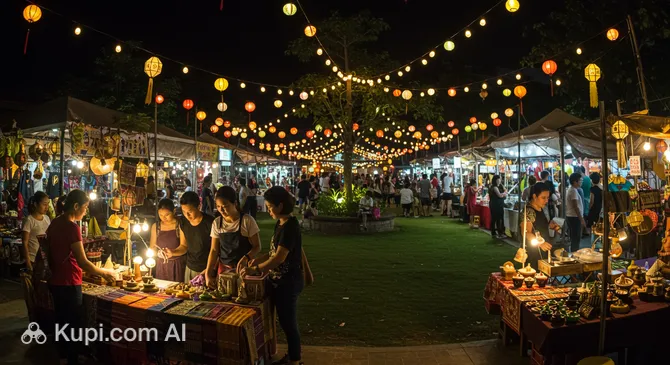
For a modern twist on the local shopping scene, the Greenway Night Market is a favorite destination for both local youth and international visitors. Unlike traditional wet markets, this lifestyle hub is clean, organized, and packed with stalls selling trendy fashion, accessories, and vintage goods. It is particularly known for its vibrant food court, which offers a wide array of international and Thai dishes, making it a perfect spot to spend an evening hunting for souvenirs and enjoying a hearty meal in a lively atmosphere.
Greenway Night Market. Illustration.
Source: Kupi.com AI
Traveler photos:
Travelers looking for entertainment and unique photo opportunities should visit the Magic Museum Hat Yai. This attraction is designed to trick the eye, featuring a collection of 3D paintings and interactive art installations that create fun optical illusions. It is an excellent place for families and groups of friends to pose for creative pictures, engage with the exhibits, and enjoy a lighthearted break from historical sightseeing. The museum also often features magic shows that add an element of wonder to the visit.
Magic Museum Hat Yai. Illustration.
Source: Kupi.com AI
Traveler photos:
Reflecting the city's strong Chinese heritage, Wat Chue Chang stands out with its intricate architecture and vibrant colors. This Chinese temple is meticulously decorated with dragon motifs and ornate carvings, serving as a center of faith for the local Thai-Chinese community. A visit here provides insight into the multicultural fabric of Hat Yai and offers a visually stunning backdrop for those interested in religious art and design.
Local Cuisine
The culinary landscape of Hat Yai is a delicious reflection of its multicultural heritage, blending the fiery heat of Southern Thai cuisine with distinct Chinese and Malay influences. Food is a way of life here, and the city offers a gastronomic adventure that runs from early morning until late at night. Whether you are dining in a humble shophouse or exploring a bustling street stall, the variety of flavors is sure to captivate your palate.
No visit to the city is complete without trying the legendary Gai Tod Hat Yai. This signature fried chicken dish is famous across the country, distinguished by its marinade of coriander seeds, cumin, and white pepper, and served with a generous topping of crispy fried shallots and sticky rice. Another culinary staple, thanks to the city's strong Chinese roots, is Dim Sum. It is a local tradition to start the day with small steamer baskets of dumplings and buns, often accompanied by Bak Kut Teh, a savory herbal pork rib soup that is rich in flavor and history.
For those seeking the intense spice that Southern Thailand is known for, dishes like Gaeng Som (sour curry) and Gaeng Tai Pla (fermented fish entrails curry) offer a potent kick. Travelers looking to experience authentic local recipes in a comfortable setting can visit Krua Pa-Yad, a restaurant renowned for its genuine preparation of these bold regional specialties.
To cool down from the tropical heat and spicy food, locals turn to refreshing beverages. Thai Iced Tea (Cha Yen) and traditional roasted coffee (Kopi) are ubiquitous staples. In the evenings, the atmosphere relaxes with a variety of drinks; you can find everything from local beers like Chang and Singha to creative cocktails in the city's lively bars. The nightlife scene often pairs these drinks with "kap klaem," or savory snacks designed to be eaten while drinking.
Khlong Hae Floating Market. Illustration.
Source: Kupi.com AI
Traveler photos:
The true heart of the local food culture, however, beats in its markets. The Khlong Hae Floating Market is a unique venue where vendors sell food directly from traditional boats docked along the canal. It is an incredibly picturesque spot to sample a wide array of snacks, from quail eggs and grilled seafood to refreshing coconut drinks, served in eco-friendly containers like bamboo tubes and clay pots.
Travel Tips
Navigating Hat Yai is an exciting adventure, but a few insider tips can transform a good trip into a great one. Here is some practical advice to help you travel with confidence and ease in Southern Thailand's commercial hub.
Clothing and Gear: Given the tropical climate, pack lightweight, breathable fabrics like cotton or linen to stay cool in the heat and humidity. Comfortable walking shoes are essential for exploring the sprawling markets. If you plan to visit religious sites like Wat Hat Yai Nai, remember to dress modestly; cover your shoulders and knees to show respect. Since rain can occur unexpectedly, especially towards the end of the year, carrying a compact umbrella or a lightweight raincoat is a smart move.
Transportation: The most common way to get around the city is by Songthaew (converted pick-up trucks with two benches). They are cheap and run on fixed routes; simply ring the bell to get off. Tuk-tuks and motorcycle taxis are also widely available, but be sure to agree on a fare before the ride starts. For a more comfortable and fixed-price option, ride-hailing apps like Grab work very well in Hat Yai and are often more convenient for tourists than negotiating with drivers.
Finances: The local currency is the Thai Baht (THB). While credit cards are accepted in shopping malls, hotels, and large restaurants, cash is absolute king in places like Kim Yong Market and the floating markets. ATMs are abundant throughout the city, and currency exchange booths are easy to find in the downtown area. Tipping is not strictly mandatory but is appreciated in restaurants and for massage services; leaving small change or rounding up the bill is a common gesture.
Health and Safety: Hat Yai is generally a safe city for tourists, but standard precautions like watching your bags in crowded markets apply. Pharmacies, including major chains like Watsons and Boots as well as local drugstores, are easy to find and often have English-speaking pharmacists. For serious medical issues, the city has excellent facilities such as Bangkok Hospital Hat Yai. Always drink bottled water and use mosquito repellent, especially if you are dining outdoors in the evening.
Communication: The official language is Thai, but due to the city's proximity to the border, you will also hear Malay and Chinese dialects. English is understood in hotels and major tourist spots, but less so in local street stalls. It is highly recommended to buy a local SIM card at the airport or any 7-Eleven for data access. Downloading a translation app and having a map app handy will make navigating and ordering food much smoother.
Local Etiquette: The traditional Thai greeting is the Wai (pressing palms together at chest level), which is a polite way to say hello or thank you. Thais are generally very non-confrontational, so keeping a cool head and a smile (the "Jai Yen" or cool heart concept) goes a long way. Always remove your shoes before entering a private home, a temple building, and even some smaller shops or massage parlors.
What to Avoid: In Thai culture, the head is considered the most sacred part of the body, so never touch anyone's head, not even children. Conversely, the feet are considered the lowest and dirtiest part; avoid pointing your feet at people or religious images, and never step over someone or something. Also, show the utmost respect for the Thai Royal Family; negative comments or jokes about the monarchy are strictly prohibited and illegal.
Market Timing: A specific tip for Hat Yai involves the famous Khlong Hae Floating Market. Unlike some daily markets in other parts of Thailand, this one typically operates only from Friday to Sunday in the late afternoon and evening. Plan your weekend itinerary around this to ensure you don't miss out on the unique boat-vendor experience.
With these practicalities sorted, you are all set to immerse yourself in the vibrant energy of Hat Yai without worry. Enjoy the delicious food, the bustling markets, and the warm, welcoming hospitality that defines this southern city!
Entertainment & Nightlife
When the sun sets, Hat Yai transforms into a bustling hub of entertainment, drawing visitors from across the region to its vibrant nightlife and leisure centers. The city is renowned for its energetic atmosphere, offering a mix of modern shopping complexes, lively pubs, and laid-back bars that cater to diverse tastes. Whether you are looking to dance the night away or enjoy a quiet evening with live music, the city has plenty of options to keep you entertained.
For those seeking a classic nightlife experience, Post Laser Disc Pub is a long-standing favorite. Known for its retro vibe and live bands playing international and Thai hits, it remains a staple of the local party scene. If you prefer a more contemporary setting, The Library Hatyai offers a chic industrial-loft atmosphere, perfect for enjoying cocktails and socializing with a trendy crowd.
Travelers looking for a more local flavor should check out Kiss Wan Dang, a popular spot that often features spirited live performances and a lively Thai-style pub environment. Alternatively, for a relaxed evening with good food and drinks, Homeless Bar & Grill provides a cozy, open-air setting where you can unwind and enjoy the cool evening breeze.
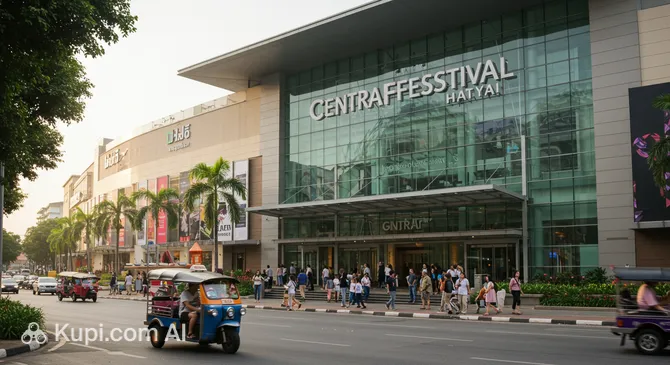
Beyond the bars, shopping malls serve as major entertainment destinations in Hat Yai, providing a cool escape from the tropical heat. Central Hatyai is the city's premier lifestyle complex, housing a cinema, numerous restaurants, and a wide array of international brands. It is a one-stop spot for families and groups looking to combine shopping with leisure activities.
Central Hatyai. Illustration.
Source: Kupi.com AI
Traveler photos:
Another key player in the retail and entertainment scene is the Diana Shopping Complex. As one of the city's older and more established malls, it retains a loyal following and offers a variety of goods at competitive prices. For a more traditional browsing experience, Santisuk Market is famous for its narrow alleys packed with imported electronics, clothes, and snacks, making it an exciting place to hunt for bargains and soak up the busy commercial spirit of the town.
To round off your entertainment experience, consider indulging in a traditional Thai massage. The city is dotted with reputable massage parlors and spas, particularly around the downtown area, offering a perfect way to relax and rejuvenate after a day of exploring the markets and malls.
Parks & Museums
While Hat Yai is primarily celebrated as a commercial and shopping destination, the city also offers surprising pockets of greenery and cultural learning centers. Beyond the busy markets, travelers can find serene hilltop parks with panoramic views and unique museums that offer entertaining and educational experiences for visitors of all ages.
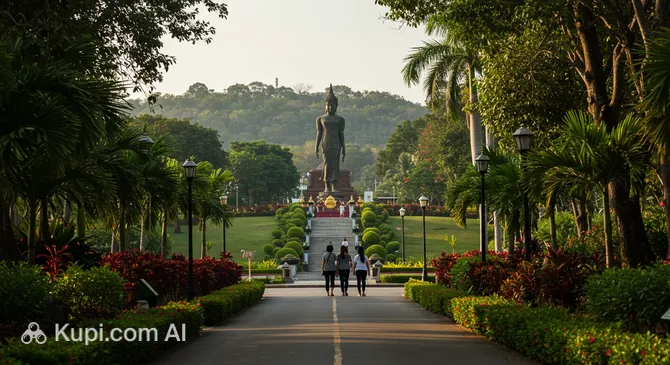
The crown jewel of the city's green spaces is the expansive Hat Yai Municipal Park. Located about 6 kilometers from the city center, this park is not just a place for a leisurely stroll but a major recreational complex situated on a hill. It is beautifully landscaped with flowering gardens and features several significant religious statues, including a large standing Buddha and a towering statue of Guan Yin, the Goddess of Mercy. The park's elevated position provides a cool breeze and a peaceful atmosphere, making it a favorite spot for locals to exercise and relax.
Hat Yai Municipal Park. Illustration.
Source: Kupi.com AI
Traveler photos:
Within the park grounds, the Kho Hong Hill Viewpoint offers the most spectacular vistas in the region. Accessible by road or the park's cable car, this vantage point allows visitors to see the entire city of Hat Yai sprawled out below, extending all the way to the coastline of Songkhla on a clear day. It is particularly magical during sunset when the sky changes colors and the city lights begin to twinkle, offering a perfect photo opportunity.
For nature lovers willing to venture a bit further, the Tone Nga Chang Wildlife Sanctuary is a must-visit natural wonder located about 25 kilometers from the city. It is home to the stunning Tone Nga Chang Waterfall, one of the most beautiful waterfalls in Southern Thailand. The name translates to "Elephant Tusk Falls," referring to the shape of the water splitting into two streams at the third tier. The lower levels are easily accessible and perfect for a refreshing swim in the natural pools surrounded by lush tropical jungle.
On the cultural front, the city offers unique attractions like the Magic Museum Hat Yai. While not a historical museum in the traditional sense, it is a center of performing arts and visual illusions that reflects the fun-loving side of modern Thai culture. The museum features 3D paintings, shadow plays, and magic shows that engage visitors in an interactive way, making it an excellent stop for families looking for entertainment that transcends language barriers.
Those interested in the natural history of the region should visit the Princess Maha Chakri Sirindhorn Natural History Museum, located within the Prince of Songkla University. This facility houses an impressive collection of specimens showcasing the biodiversity of the Thai-Malay peninsula, including detailed exhibits on local geology, plants, and marine life. It provides a deeper educational context to the natural beauty seen in the surrounding parks and sanctuaries.
For a truly local experience, visit the Hat Yai Municipal Park in the late afternoon, around 5:00 PM. This is when the heat subsides, and the park comes alive with locals jogging, practicing aerobics, and enjoying picnics, offering a genuine glimpse into the daily life and community spirit of Hat Yai residents.
Getting Around
Public transport in Hat Yai is distinct from the elaborate metro systems found in larger capital cities. Instead of trains or subways, the city relies on a network of road-based vehicles that are efficient, affordable, and offer a truly local experience. The most ubiquitous form of transport is the Songthaew, a converted pick-up truck with two bench seats in the back and a roof overhead. These vehicles operate on fixed routes, often distinguished by their color, with blue ones typically circulating within the downtown area and other colors connecting to surrounding districts.
For more direct, door-to-door service, Tuk-tuks are widely available throughout the city. Unlike the three-wheeled vehicles famous elsewhere, Hat Yai's tuk-tuks often resemble small, four-wheeled minivans or compact trucks. They are ideal for carrying shopping bags or traveling in small groups. Motorcycle taxis, recognizable by the drivers' orange vests, are another popular option for solo travelers needing to get somewhere quickly, particularly during rush hour traffic.
The payment system is straightforward and almost exclusively cash-based. There are no electronic travel cards or city passes for public transport here. For Songthaews, the fare is fixed and very low; you simply hop on, press the buzzer when you want to get off, and pay the driver through the passenger window. For Tuk-tuks and motorcycle taxis, prices are not metered, so it is essential to negotiate and agree on a fare before starting your journey to avoid misunderstandings later.
For tourists seeking a more modern and hassle-free alternative, ride-hailing applications like Grab are highly recommended. Using an app eliminates the language barrier and provides a fixed price upfront, which can be particularly reassuring for those unfamiliar with local rates. Traditional metered taxis exist but are less common to hail on the street compared to the airport; booking them via phone or app is usually necessary.
Travelers who prefer complete independence often choose to rent a motorbike or a car. Rental shops are plentiful in the city center and near the train station. Riding a scooter is a popular way to explore the area at your own pace, but ensure you have a valid driving license and always wear a helmet. Traffic in the city can be busy, but it is generally more manageable than in larger metropolitan hubs.
Regarding operating hours, Songthaews typically run from early morning until around 6:00 PM or 7:00 PM. After dark, their frequency drops significantly, and you will likely need to rely on tuk-tuks or Grab for transportation. When using songthaews, it is helpful to have small bills and coins ready, as drivers may not always have change for large banknotes.
While the city does not have a mass transit rail system, it boasts a special transport feature within the Hat Yai Municipal Park: a Cable Car. This system connects the different hilltops within the park, allowing visitors to travel between the Phra Buddha Mongkol Maharaj statue and the Brahma shrine without a strenuous hike. It offers a scenic ride with panoramic views of the city and is a highlight for many visitors, serving as both a functional mode of transport within the park and a tourist attraction in its own right.
Accommodation
Hat Yai offers a diverse range of accommodation options that cater to every type of traveler, from backpackers seeking budget-friendly hostels to families looking for comfortable mid-range hotels and luxury resorts. The city is well-developed to handle its steady stream of visitors, ensuring that whether you are here for a quick shopping trip or a leisurely exploration of Southern Thailand, you will find a place that suits your needs and wallet.
The most popular area for tourists to stay is undoubtedly the city center, particularly the streets surrounding the train station and the Lee Gardens Plaza. Staying here puts you within walking distance of major shopping hubs like Kim Yong Market and the vibrant nightlife districts. For those who prefer a quieter environment away from the busy downtown traffic, the outskirts of the city offer more spacious resorts and boutique hotels, providing a peaceful retreat after a day of sightseeing.
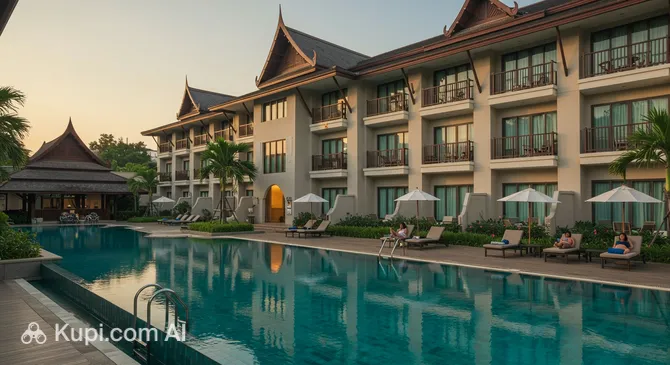
If you are looking for specific recommendations that combine comfort with local hospitality, the city has several notable establishments. Hatyai Paradise Hotel & Resort is a great choice for travelers who appreciate a resort-style atmosphere within the city limits. Another excellent option is the Tonaoi Grand Hotel, which offers modern amenities and is well-regarded for its service and design.
Hatyai Paradise Hotel & Resort. Illustration.
Source: Kupi.com AI
Traveler photos:
Regarding costs, accommodation in Hat Yai is generally very affordable compared to other major Thai tourist destinations like Phuket or Bangkok. You can find clean and comfortable guesthouses for a very low price, while even high-end hotels remain reasonably priced. Most bookings can be easily made through major online travel platforms, which often offer better rates than walk-in inquiries.
Booking Tip: Hat Yai is a favorite weekend getaway for tourists from neighboring Malaysia and Singapore. Consequently, hotels in the city center can fill up very quickly on weekends and during public holidays in both Thailand and Malaysia. It is highly recommended to book your room well in advance if you plan to visit during these peak times to secure your preferred location and rate.
Nearby Cities
For those looking to explore the surroundings, Hat Yai serves as an excellent base for day trips to several interesting nearby locations:
Just a short drive away lies Songkhla, the provincial capital known for its relaxed coastal atmosphere. Unlike the commercial bustle of Hat Yai, Songkhla offers a charming Old Town filled with historic Sino-Portuguese architecture and street art. Visitors can stroll along Samila Beach to see the iconic Golden Mermaid statue or explore the Tang Kuan Hill for a panoramic view of the sea and the city.
Another fantastic option is Trang, a city celebrated for its unique culinary culture and natural beauty. Famous for its morning roast pork and dim sum, it is a haven for food lovers. Beyond the city center, Trang serves as a gateway to stunning islands and the famous Emerald Cave, making it a perfect spot for those who want to combine cultural exploration with nature.
For history enthusiasts, Nakhon Si Thammarat is one of the most ancient cities in Thailand. It is home to Wat Phra Mahathat Woramahawihan, a major Buddhist pilgrimage site with a distinctive chedi. The city provides a deep dive into Southern Thai traditions, including the art of shadow puppetry, offering a rich cultural experience.
City
Population
Distance
Ban Phru
23 518
8 km
Rattaphum
17 257
23 km
Ban Mak Khaen
—
24 km
Thung Tam Sao
16 344
24 km
Songkhla
63 834
24 km
These nearby destinations offer a glimpse into the diverse culture and landscapes of the region.
Shopping & Souvenirs
Hat Yai is widely recognized as a premier shopping destination in Southern Thailand, attracting visitors from neighboring countries and beyond with its diverse retail landscape. The city is particularly famous for its affordable imported goods, ranging from electronics and cosmetics to snacks and fabrics. Whether you are looking for high-end fashion in air-conditioned malls or hunting for bargains in bustling street alleys, the shopping scene here is vibrant and full of variety.
The heart of the city's traditional trade beats in the downtown area, specifically around Niphat Uthit roads. Here, you will find the legendary Kim Yong Market, a sprawling maze of stalls known for selling imported fruits, nuts, dried foodstuffs, and chocolates at wholesale prices. Just a short walk away is the Santisuk Market, another bustling district famous for its narrow lanes packed with vendors selling watches, perfumes, shoes, and electrical appliances. It is a place where bargaining is expected, and patient shoppers can find excellent deals on brand-name goods and local replicas.
Santisuk Market. Illustration.
Source: Kupi.com AI
Traveler photos:
For those who prefer a modern retail experience, the city boasts several large shopping centers. Central Hatyai stands out as the largest and most upscale lifestyle complex, housing international fashion brands, a large department store, and a cinema. It is the go-to spot for luxury items and comfortable indoor shopping. Another staple of the local retail scene is the Diana Shopping Complex. This long-standing mall offers a more localized mix of goods, including clothing, mobile phones, and a supermarket, often at prices slightly lower than the newer luxury malls.
Diana Shopping Complex. Illustration.
Source: Kupi.com AI
Traveler photos:
Night markets are an essential part of the shopping culture in Hat Yai. The Greenway Night Market is a favorite among the younger crowd, offering a clean and organized environment to shop for trendy clothes, vintage fashion, and handmade accessories. Unlike the wet markets, this lifestyle zone is perfect for an evening stroll, combining shopping with a wide selection of street food. Another unique venue is the Khlong Hae Floating Market, where you can buy local handicrafts and souvenirs directly from boat vendors, although it is primarily known for its food.
When searching for souvenirs to bring back home, look for the region's specialty food items. Cashew nuts and dried fruits are incredibly popular and widely available in the markets. Southern Thailand is also known for its high-quality shrimp paste and curry pastes, which make excellent gifts for foodies. Additionally, affordable textiles, such as Batik fabrics and comfortable cotton clothing, are great value buys that reflect the local culture.
Regarding practicalities, shopping malls typically open from 10:00 AM to 9:00 PM or 10:00 PM daily. Traditional markets like Kim Yong operate from early morning (around 6:00 AM) until late afternoon, while night markets usually kick off around 5:00 PM. While credit cards are widely accepted in department stores and malls, cash is essential for street markets and smaller shops. ATMs are plentiful if you need to withdraw Thai Baht.
Tourists visiting Thailand may be eligible for a VAT Refund. Major department stores and shopping malls in Hat Yai often participate in the "VAT Refund for Tourists" scheme. If you spend a minimum amount (usually 2,000 THB per store) and show your passport, you can request the necessary forms to claim a 7% tax refund at the airport upon your departure from the country.