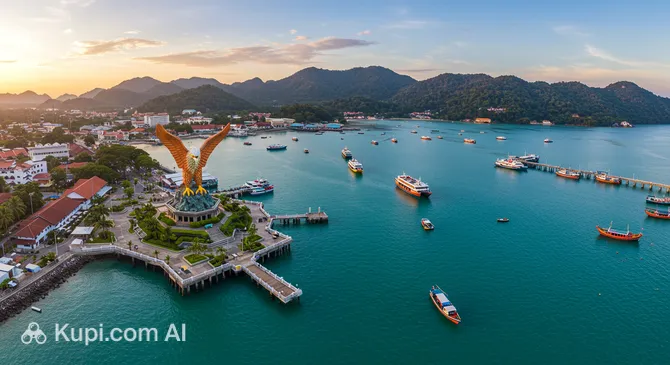
Kuah is the vibrant district capital of Langkawi and often the very first port of call for visitors arriving by ferry to this legendary archipelago. Located in the state of Kedah, this bustling town offers a distinct mix of commercial energy and laid-back island charm. As a key destination in Malaysia, it serves not only as a transportation hub but also as a center for shopping and cultural exploration.
Kuah. Illustration.
Source: Kupi.com AI
Geographically situated on the southeastern tip of the main island, Kuah enjoys a warm, tropical climate that makes it accessible throughout the year. The town is home to a population of approximately 30,000 people, creating a lively yet manageable atmosphere for travelers. While it has modernized significantly, the history of Kuah is rooted in its origins as a humble fishing village, a past that contrasts fascinatingly with its current status as a duty-free haven.
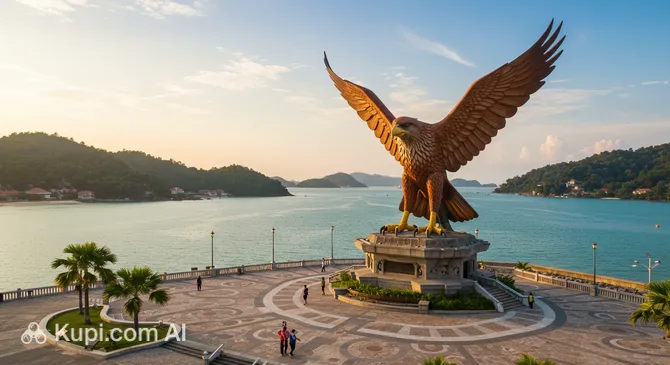
One of the most striking features of the city is Dataran Lang, or Eagle Square, where a massive statue of a reddish-brown eagle stands poised for flight over the bay, welcoming guests arriving by sea. Beyond this iconic landmark, Kuah is famous for its duty-free shopping, offering an array of chocolates, perfumes, and kitchenware at attractive prices. Whether you are strolling through the scenic Lagenda Park or hunting for bargains, Kuah provides a perfect introduction to the wonders of Langkawi.
Weather Overview
Travelers planning a trip to this island hub can expect a tropical climate defined by consistent warmth and distinct seasonal rainfall patterns. Temperatures remain remarkably stable throughout the year, with average monthly temperatures hovering between 26.9°C and 28.8°C. The heat is generally manageable, with daily maximums rarely exceeding 32°C and minimums staying around a pleasant 25°C, ensuring a comfortable atmosphere for outdoor exploration regardless of when you visit.
The year typically begins with a dry spell, making the early months an ideal time for beach activities and sightseeing. February is usually the driest month, recording just 1mm of precipitation and approximately 5 wet days. However, the weather shifts significantly as the year progresses; from April through November, the region experiences its wet season. During this period, rain becomes a daily companion, with November seeing up to 28 wet days. For a more detailed forecast to help you plan your daily itinerary, it is helpful to consult the current weather in Kuah before your arrival.
Average monthly temperature
Average monthly precipitation
Interesting Facts
Beyond the main attractions, Kuah holds many fascinating secrets and legends that are woven into the very fabric of the city. Here are some intriguing details that reveal the mythical and historical depth of this island capital.
Eagle Square. Illustration.
Source: Kupi.com AI
Traveller photos:
The "Gravy" Legend: The name "Kuah" literally translates to "gravy" or "sauce" in the Malay language. According to local folklore, the town formed at the exact spot where a giant pot of curry was spilled during a titanic battle between two giants, Mat Raya and Mat Cincang, whose forms are said to have become the island's mountains.
A Visual Pun: The massive statue at Eagle Square is not merely a decorative landmark; it represents the etymology of "Langkawi" itself. The name is derived from the Malay words "helang" (eagle) and "kawi" (a reddish-brown stone), which explains why the monument depicts a reddish-brown Brahminy Kite poised for flight.
A Museum of Myths: Adjacent to the jetty lies Legenda Park, a unique open-air museum dedicated entirely to the archipelago's folklore. The park features sculptures and landscaping that narrate stories of heroic giants, mythical birds, and princesses, preserving the region's oral traditions in physical form.
The Seven-Generation Curse: The history of the area is deeply tied to the legend of Mahsuri's Tomb. Locals believe that the island suffered from a curse of bad luck for seven generations following the execution of the innocent Mahsuri; the town's modern prosperity and duty-free status are often attributed to the lifting of this curse in the late 20th century.
How to Get There
Reaching this island destination is a seamless experience, with options ranging from direct flights to scenic ferry rides. Whether you are flying in from a major international hub or hopping over from the mainland, you can find more details in our comprehensive guide on how to get to Kuah. The town is well-connected, serving as the primary gateway for visitors exploring the archipelago.
The most direct entry point is Langkawi International Airport (LGK), which serves as the main aviation hub for the island. Although the data lists it as being in Kuah, it is situated approximately 12.3 km from the town center. A taxi or shuttle ride from the terminal to the heart of the city typically takes around 40 minutes, depending on traffic. This facility handles a significant volume of passengers annually, making it a bustling medium-sized airport that connects the island to major cities like Kuala Lumpur and Singapore.
For those traveling from further afield or planning a multi-stop itinerary, Penang International Airport (PEN) in George Town is a major alternative. Located about 124 km away, it does not offer a direct road link to Kuah due to the sea separation. Travelers arriving here usually catch a connecting short flight or take a ferry from Penang to the Kuah Jetty. Similarly, Sultan Abdul Halim Airport (AOR) in Alor Setar (approx. 64 km away) serves as a convenient transit point for those who prefer to arrive on the mainland and take a ferry from the nearby Kuala Kedah terminal.
For clarity, here is a summary of the main airports:
As Kuah is located on an island, there is no direct railway station within the city itself. Travelers who prefer rail transport typically take the train to stations on the mainland, such as those in Alor Setar or Arau. From these rail hubs, you can easily transfer to the respective ferry terminals at Kuala Kedah or Kuala Perlis, where regular boat services will transport you directly to the Kuah Jetty.
Main Attractions
Attractions:
While Kuah is famous for its duty-free shopping, the town also boasts a variety of scenic and cultural landmarks that are well worth exploring. From interactive animal encounters to stunning architectural feats, the city provides diverse experiences for families, nature lovers, and sightseers alike.
The most recognizable symbol of the island is undoubtedly Eagle Square (Dataran Lang). Located right by the ferry terminal, this sprawling waterfront plaza offers magnificent views of the Kuah Bay. It is a favorite spot for an evening stroll, where visitors can enjoy the cool sea breeze and watch ferries gliding across the water against a backdrop of mountains. The beautifully landscaped fountains and bridges make it a perfect location for capturing memorable holiday photos.
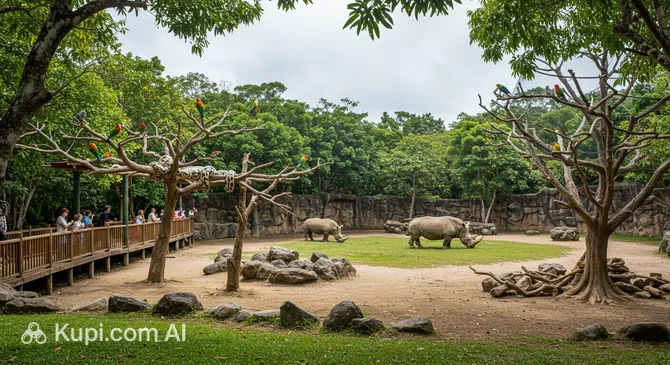
For families traveling with children, the Langkawi Wildlife Park is a must-visit destination. This award-winning park is renowned for its fully covered walkways, allowing for a comfortable visit regardless of the weather. The park emphasizes interactive experiences, where guests can get up close to feed various animals, including birds, mammals, and reptiles. It serves as an educational yet fun excursion, providing insight into the diverse fauna of the region.
Langkawi Wildlife Park. Illustration.
Source: Kupi.com AI
Traveller photos:
Dominating the skyline is the impressive MAHA Tower, a relatively new addition to the city's attractions. Standing at 138 meters tall, this telecommunications and observation tower offers the highest vantage point in Kuah. Visitors can ascend to the sky deck to enjoy breathtaking panoramic views of the archipelago and the Andaman Sea. The tower creates a striking silhouette, especially when illuminated at night, and serves as a modern counterpoint to the island's natural beauty.
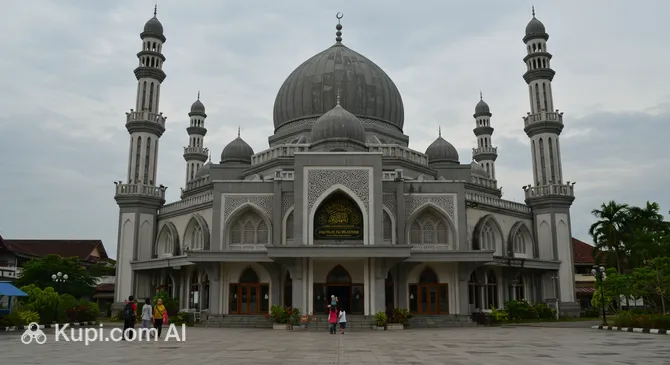
Those interested in local culture and architecture should visit the Al Hana Mosque. As the largest mosque in Kuah, it features a distinctive design that blends Moorish and Uzbek architectural styles, topped with peach-colored domes and gold-plated motifs. Located conveniently near the waterfront, it offers a serene atmosphere and a glimpse into the spiritual life of the local community amidst the bustling town center.
Al Hana Mosque. Illustration.
Source: Kupi.com AI
Traveller photos:
As the sun sets, a magical experience awaits at Dream Forest Langkawi. This immersive night attraction transforms the rainforest into a luminous wonderland using multi-sensory technology, projection mapping, and mesmerizing lighting. The trail guides visitors through stories based on local legends and mythology, creating an enchanting environment that feels like stepping into a fairy tale.
Local Cuisine
The culinary landscape of Kuah is a delightful reflection of Langkawi’s cultural diversity and its status as a historic fishing hub. As the commercial center of the island, the city offers a mouthwatering mix of Malay, Chinese, Indian, and Thai flavors, all underpinned by an abundant supply of fresh seafood from the Andaman Sea. Food here is unpretentious yet incredibly flavorful, ranging from spicy curries found in humble hawker centers to elaborate seafood feasts served in restaurants perched over the water.
Seafood is undoubtedly the star of the local dining scene. Visitors should not miss the opportunity to try Ikan Bakar, or grilled fish, which is typically marinated in a blend of spices and sambal (chili paste) before being wrapped in banana leaves and grilled over charcoal. Another signature dish to look out for is Laksa Kedah, a rice noodle dish served in a thick, sour, and spicy fish gravy that is distinct to this state. For those who prefer rice, Nasi Kandar—steamed rice served with a variety of curries and side dishes—remains a popular and hearty choice for lunch or dinner.
The dining culture in Kuah is vibrant and community-oriented, best experienced at the local Pasar Malam (Night Market). Held in Kuah town typically on Wednesday and Saturday evenings, this bustling market is a sensory overload where locals and tourists alike gather to hunt for street food. Here, you can sample freshly grilled satay, murtabak (stuffed pancake), and an array of colorful local desserts known as kuih. It is the perfect place to eat like a local and enjoy high-quality food at very affordable prices.
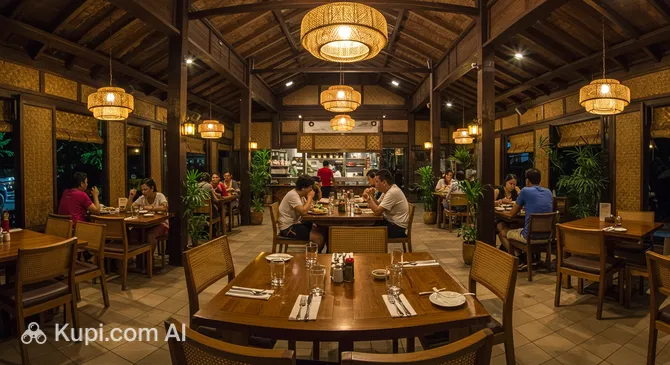
For a more sit-down experience, the city offers numerous establishments that cater to diverse tastes. If you are looking for a blend of local and international flavors, Food Paradise Restaurant & Bistro is a welcoming spot to explore various dishes. Meanwhile, seafood lovers seeking a unique setting might enjoy Maha Cave and GM Farm Seafood Restaurant, where the freshness of the catch is paramount.
Food Paradise Restaurant & Bistro. Illustration.
Source: Kupi.com AI
Traveller photos:
When it comes to beverages, Kuah stands out from the rest of Malaysia due to its duty-free status. This makes alcohol, including beer and wine, significantly more affordable here than on the mainland, leading to a relaxed culture of enjoying sunset drinks by the marina. For non-alcoholic options, fresh coconut water and tropical fruit juices are ubiquitous. You can also enjoy a refreshing drink with a view at places like Tayfun's Kitchen at Poseidon, Royal Langkawi Yacht Club (Poolside), which offers a scenic backdrop for a relaxing evening.
Travel Tips
To help you make the most of your visit to this bustling island capital, we have compiled a list of essential practical advice. Whether you are here for the duty-free shopping or using Kuah as a base to explore the wider archipelago, these tips will ensure a smooth and enjoyable experience.
Clothing and Gear: Given the tropical climate, pack lightweight, breathable fabrics like cotton or linen to stay cool. Since rain can occur unexpectedly, especially during the wet season, carrying a compact umbrella or a lightweight poncho is highly recommended. If you plan to visit religious sites like the Al Hana Mosque, remember to dress modestly; cover your shoulders and knees to show respect. Comfortable walking shoes are a must for exploring areas like Eagle Square and the local parks.
Transportation: Kuah does not have a metro or extensive public bus system. The most convenient way to get around the city is by using ride-hailing apps like Grab, which are reliable and affordable. Taxis are also available, particularly at the ferry terminal, but agree on a price or ensure the meter is used. For those wishing to explore the rest of Langkawi independently, renting a car or scooter is a popular option, though you should drive carefully and carry a valid international driving permit.
Finances: The local currency is the Malaysian Ringgit (MYR). While credit cards are widely accepted in hotels, shopping malls, and duty-free outlets, cash is essential for small purchases, street food, and night markets. ATMs are plentiful in Kuah, especially around the banks in the town center and at the Jetty Point complex. Tipping is not strictly mandatory in Malaysia, but leaving small change or rounding up the bill is appreciated in restaurants.
Health and Safety: Kuah is generally very safe for tourists. However, mosquitoes can be a nuisance and carry tropical diseases, so applying insect repellent is crucial, especially in the evenings. Pharmacies are readily available in shopping centers like Langkawi Parade and are usually open during standard business hours. Be cautious around wild monkeys in parks; they can be aggressive if they see food, so keep snacks hidden and do not feed them.
Communication:English is widely spoken and understood in Kuah, making communication easy for most travelers. The official language is Malay (Bahasa Melayu), and locals appreciate it if you use simple phrases like "Terima Kasih" (Thank you) or "Apa Khabar?" (How are you?). SIM cards with generous data packages can be easily purchased at the arrival jetty or convenience stores upon arrival.
Local Etiquette: Malaysians are warm and polite people. When greeting, a smile and a nod are often sufficient, though a handshake is common among men; wait for a Muslim woman to extend her hand first. Always remove your shoes before entering a private home or a mosque. When eating with your hands or passing objects to others, strictly use your right hand, as the left is traditionally considered unclean.
What to Avoid: Malaysia has extremely strict drug laws, including severe penalties for possession and trafficking; never carry or consume illegal substances. Additionally, while Kuah is a duty-free zone with cheap alcohol, public intoxication is frowned upon. Avoid drinking alcohol in public spaces outside of designated bars or restaurants, and always behave respectfully towards the local conservative customs.
Market Days: To experience the true local flavor, plan your evenings around the Pasar Malam (Night Market). In Kuah, this lively market typically takes place on Wednesday and Saturday nights. It is the best place to find authentic local street food at bargain prices, but be sure to arrive early (around 6:00 PM) for the freshest options before items sell out.
By keeping these practical tips in mind, you will be well-prepared to navigate the unique blend of island relaxation and commercial buzz that defines Kuah. Enjoy your time exploring the local culture, savoring the food, and soaking in the legendary atmosphere of Langkawi!
Entertainment & Nightlife
Entertainment and Nightlife:
Unlike the high-energy beach party scene found in nearby Pantai Cenang, the nightlife in Kuah offers a more relaxed and authentic island experience. As the sun sets, the town shifts gears from a bustling commercial hub to a laid-back destination where locals and travelers unwind. The atmosphere here is driven largely by the island's duty-free status, making it an excellent place to enjoy beverages at a fraction of the cost found elsewhere in Malaysia. The evening scene is centered mostly around the town center (Pekan Kuah) and the scenic waterfront areas near the jetties.
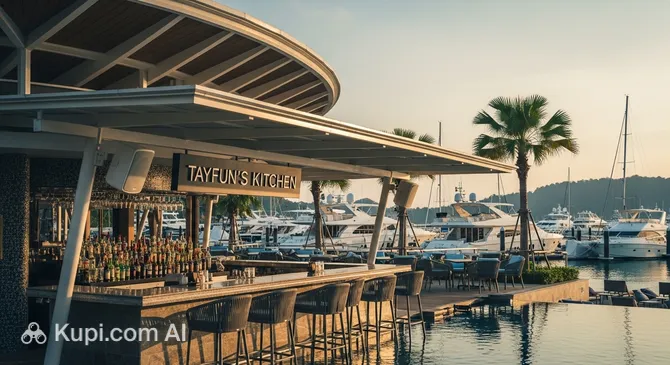
For those seeking a sophisticated evening with a view, the area around the Royal Langkawi Yacht Club is the place to be. Here, you can sip cocktails while overlooking the marina and the Andaman Sea. A prime example is Tayfun's Kitchen at Poseidon, Royal Langkawi Yacht Club (Poolside). This venue offers a breezy, open-air setting that is perfect for a romantic evening or a quiet night out with friends, allowing you to enjoy the cool sea breeze away from the noise of the main streets.
Tayfun's Kitchen at Poseidon, Royal Langkawi Yacht Club (Poolside). Illustration.
Source: Kupi.com AI
Traveller photos:
If you prefer a more lively and interactive night out, karaoke is a favorite pastime among the locals in Kuah. Establishments like Galaxy Family Karaoke provide private rooms where groups can sing their hearts out in comfort. These venues are typically family-friendly, well-maintained, and stay open late, offering a fun glimpse into modern Malaysian urban entertainment culture. The crowd here is usually a mix of local residents and tourists looking for casual fun.
Galaxy Family Karaoke. Illustration.
Source: Kupi.com AI
Traveller photos:
Beyond bars and clubs, the night markets (Pasar Malam) remain a central pillar of evening entertainment. While primarily known for food, the bustling atmosphere, bright lights, and vibrant crowds make for an entertaining stroll. It is a safe and sensory-rich environment where you can observe local life up close. When venturing out at night, Kuah is generally very safe for walking, particularly in well-lit areas like the waterfront and main commercial strips. However, as public transport winds down early, it is advisable to have a ride-hailing app like Grab installed to ensure an easy return to your accommodation.
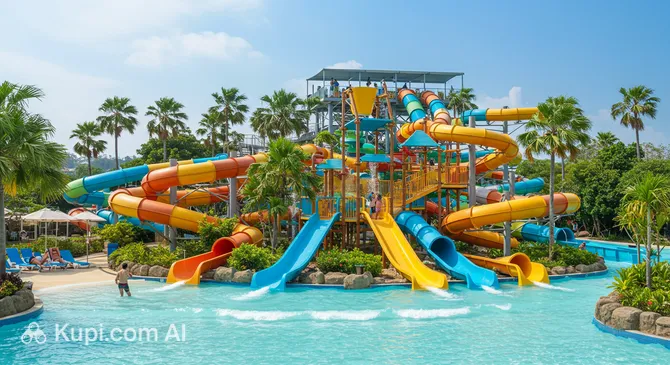
During the daylight hours, the entertainment options in Kuah cater to thrill-seekers and shoppers alike. Families looking to beat the tropical heat should head to Splash Out Langkawi. This water park features a variety of slides and pools inspired by maritime legends, providing hours of excitement for children and adults. It is one of the premier daytime attractions in the city and a great way to cool off.
Splash Out Langkawi. Illustration.
Source: Kupi.com AI
Traveller photos:
For those who prefer indoor entertainment combined with retail therapy, Teow Soon Huat Duty Free is a major shopping complex that often serves as a leisure hub. Apart from offering an extensive range of duty-free goods, the complex houses restaurants and supermarkets, making it a convenient stop for a relaxing afternoon away from the sun. Whether you are splashing in water parks or hunting for bargains, Kuah ensures your days are just as engaging as your nights.
Parks & Museums
While Kuah is often recognized for its bustling jetties and retail opportunities, the city possesses a surprising wealth of green spaces and cultural institutions that narrate the island's heritage. Beyond the shopping complexes, visitors can find tranquility in lush recreational parks and gain deeper insight into local legends through well-curated historical sites and museums.
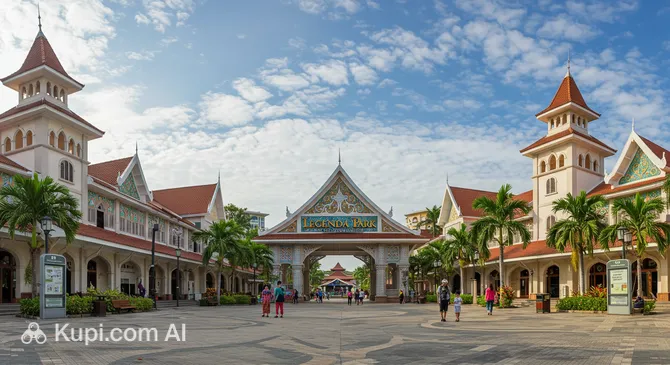
Adjacent to the famous Eagle Square lies Legenda Park (Taman Lagenda), a beautifully landscaped open-air museum and recreational area. Spanning over 50 acres, this park is designed to showcase the myths and folklore of Langkawi through colorful statues and monuments. It is an ideal spot for a leisurely afternoon walk, where you can admire the manicured gardens, lotus ponds, and sculptures depicting stories of heroic giants and mythical birds, all while enjoying views of the waterfront.
Legenda Park. Illustration.
Source: Kupi.com AI
Traveller photos:
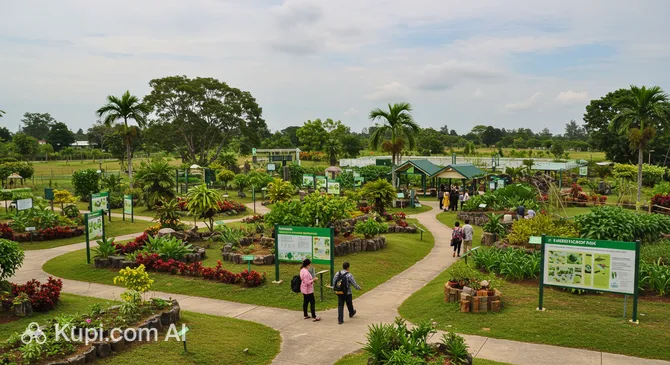
For a more immersive nature experience, the MARDI Agro Technology Park Langkawi offers a fascinating look at the local agricultural industry. Located at the foot of the Gunung Raya mountain, this sprawling fruit farm allows visitors to tour orchards filled with tropical fruits like durian, rambutan, and mangosteen. The park provides guided tram rides and fruit-tasting sessions, making it an educational and delicious excursion for families interested in the island's botany.
MARDI Agro Technology Park Langkawi. Illustration.
Source: Kupi.com AI
Traveller photos:
Nature lovers seeking a cool retreat should head to Lubuk Semilang Recreation Park. Situated within the Gunung Raya Forest Reserve, this park is a favorite among locals for its refreshing stream and natural pools known as the "Booker" waterfalls. The shaded picnic areas and jungle trails provide a peaceful escape from the tropical heat, offering a raw and authentic encounter with Langkawi's rainforest ecosystem.
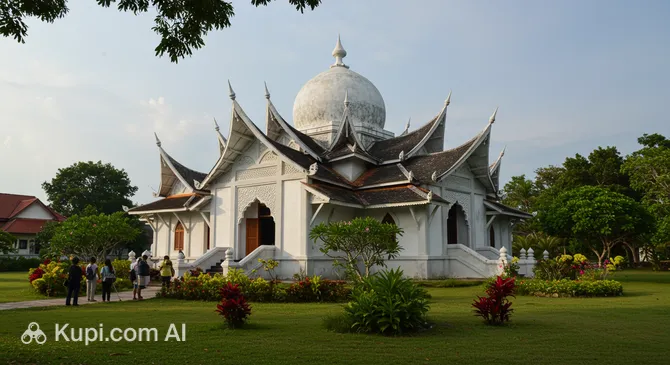
Delving into the history of the region, Mahsuri's Tomb (Kota Mahsuri) stands as the most poignant cultural landmark in the area. This complex is dedicated to the legendary maiden Mahsuri, whose execution is said to have cursed the island for seven generations. The site functions as a museum, featuring a traditional Malay house, a theater for cultural performances, and galleries displaying dioramas and artifacts that retell her tragic tale, providing essential context to the island's folklore.
Mahsuri's Tomb. Illustration.
Source: Kupi.com AI
Traveller photos:
Another significant cultural venue located just a short drive from the town center is the Galeria Perdana. This impressive museum was established to house the vast collection of awards, souvenirs, and gifts received by Malaysia's former Prime Minister, Tun Dr. Mahathir Mohamad, and his wife. The exhibits range from exquisite crystal and silverware to musical instruments and automobiles, showcasing intricate craftsmanship from all over the world in a building with stunning oriental architecture.
For a lesser-known experience, consider visiting the Maha Cave and GM Farm Seafood Restaurant area. While primarily a dining destination, the site features a small, accessible cave that offers a quick but interesting geological diversion, allowing you to appreciate the island's limestone formations in a quiet, rustic setting.
Getting Around
Travelers accustomed to extensive public transportation networks might find the system in Kuah quite different from major metropolitan areas. The city, like the rest of the island, does not have a metro, tram, or railway system. Furthermore, there is no scheduled public bus service operating within the town center or connecting the main tourist attractions. As a result, getting around relies almost entirely on private vehicles, taxis, and ride-hailing services.
The most convenient and popular method of transport for visitors is ride-hailing. The Grab app is widely used throughout the city and offers a safe, reliable, and transparent way to travel. Prices are fixed before you book, eliminating the need to haggle, and the service is generally cheaper than traditional taxis. It is highly recommended to download the app and set up your account prior to arrival, as it serves as the primary substitute for a public transit network.
Traditional taxis are also readily available, particularly at key transit hubs like the Kuah Jetty and major shopping complexes. Unlike in many other cities, taxis here often operate on a fixed-price coupon system when departing from the ferry terminal, or they may not use a meter. It is standard practice to agree on the fare with the driver before starting your journey if a coupon counter is not available. Payment for these rides is typically in cash, so it is advisable to carry smaller denominations of the local currency.
For those who prefer more independence, renting a vehicle is a very common alternative to public transport. The city is filled with rental agencies offering everything from compact cars to scooters. Renting a motorbike is a budget-friendly way to navigate the town's streets, while a car provides comfort against the tropical heat. If you choose this option, remember that traffic flows on the left side of the road, and you should always carry a valid driving license.
While not a mode of transport for getting around the city itself, the Kuah Jetty serves as the central hub for water transport. It connects the town to the mainland and neighboring islands via a network of high-speed ferries. The terminal is well-organized, and tickets can be purchased at counters inside the complex or online in advance. This is the primary entry and exit point for most visitors arriving by sea.
Walking is an option for short distances within the commercial center, particularly between the ferry terminal, Eagle Square, and nearby duty-free malls. However, the tropical heat and humidity can make walking long distances exhausting during the day. The town's infrastructure is car-centric, so sidewalks may not always be continuous outside the main tourist zones. For most trips beyond the immediate waterfront area, securing a ride is the most practical choice.
Accommodation
Accommodation in Kuah caters primarily to travelers seeking convenience and value, offering a practical alternative to the high-end beach resorts found in Pantai Cenang or Datai Bay. As the commercial and administrative capital of Langkawi, the town is dotted with a wide array of options ranging from budget-friendly guesthouses and backpacker hostels to comfortable mid-range business hotels. Many of these establishments are situated within walking distance of duty-free shopping malls and local eateries, making them ideal for visitors who prioritize accessibility and local culture over direct beach access.
The most popular area to stay is undoubtedly the town center, particularly near the waterfront and the ferry terminal. This location is perfect for transit travelers arriving by sea or those planning to take early ferries to neighboring islands. Staying here places you right in the heart of the action, close to the iconic Eagle Square and the vibrant night markets. For those seeking a quieter atmosphere, the outskirts of Kuah offer more secluded retreats nestled against the backdrop of the island's lush hills, providing a peaceful escape while remaining just a short drive from the city's amenities.
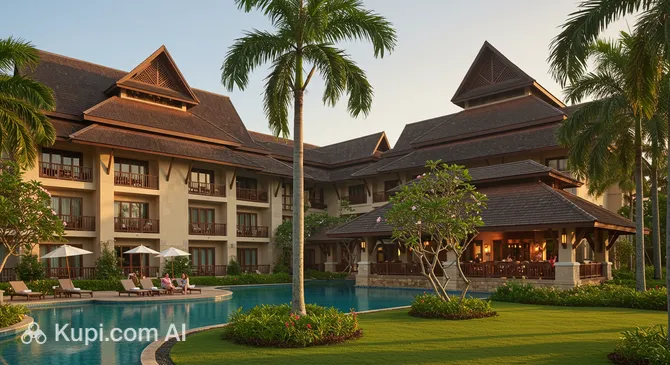
While Kuah is known for its city hotels, there are unique properties that blend comfort with nature. A notable example is A Rock Resort, which stands out for its distinctive setting amidst rocky landscapes and greenery. This type of accommodation offers a resort-style experience without the steep price tag often associated with the island's beachfront properties, allowing guests to enjoy swimming pools and modern facilities in a serene environment.
A Rock Resort. Illustration.
Source: Kupi.com AI
Traveller photos:
Price-wise, Kuah is generally more affordable than the tourist-heavy coastal strips, making it an excellent base for budget-conscious travelers and families. Standard rooms in mid-range hotels are often very reasonably priced, leaving you with more budget for shopping and tours. However, it is important to note that prices can spike during peak travel periods, such as Malaysian school holidays or major events like the Langkawi International Maritime and Aerospace Exhibition (LIMA). To secure the best rates and ensure availability, it is highly recommended to book your accommodation online at least a few weeks in advance, especially if you are visiting between November and March.
Nearby Cities
For those looking to explore the surroundings, Kuah serves as an excellent base for day trips to several interesting nearby locations:
George Town is undoubtedly the most popular destination within reach. Located on Penang Island, this UNESCO World Heritage Site is celebrated for its well-preserved colonial architecture, vibrant street art, and status as Malaysia's food capital. A short flight or a ferry ride connects visitors to its bustling streets, where heritage shophouses sit alongside modern cafes.
Further inland on the mainland lies Ipoh, a city that has gained a reputation for its charming old town and stunning limestone cave temples. Known for its culinary delights, particularly "Ipoh White Coffee" and bean sprout chicken, it offers a nostalgic glimpse into the country's tin-mining history and is perfect for a short cultural getaway.
These nearby destinations offer a glimpse into the diverse culture and landscapes of the region, providing excellent opportunities to extend your travel itinerary beyond the islands of Langkawi.
Shopping & Souvenirs
For many visitors, Kuah is synonymous with duty-free shopping. As the commercial capital of Langkawi, the city enjoys a tax-free status that makes it a haven for bargain hunters. Tourists flock here specifically to stock up on imported goods that are significantly cheaper than on the Malaysian mainland. The retail landscape is dominated by stores selling chocolates, perfumes, cosmetics, luggage, and kitchenware, making it the primary shopping destination for the entire archipelago.
The heart of the shopping action is located in the town center, often referred to as Pekan Kuah. Here, the streets are lined with rows of shophouses and dedicated duty-free complexes. Another key area is the Kuah Jetty, which houses the Jetty Point Complex. This is often the first and last stop for travelers arriving by ferry, offering a convenient spot to grab last-minute gifts or chocolates before departing.
When it comes to specific shopping destinations, the Haji Ismail Group (HIG) is a legendary name in Kuah. The Haji Ismail Group Main Outlet is arguably the most popular spot for buying imported chocolates at unbeatable prices. From Daim and Pepero to Ferrero Rocher, the variety is immense. They also have a section dedicated to high-quality kitchenware and household items, which are surprisingly popular purchases among domestic tourists.
Haji Ismail Group Main Outlet. Illustration.
Source: Kupi.com AI
Traveller photos:
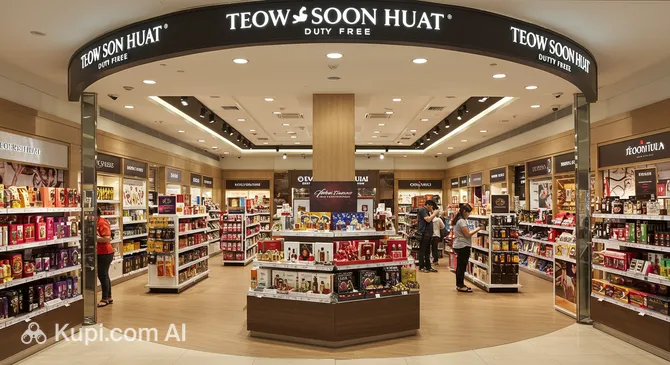
Another major player in the retail scene is the Haji Ismail Group Shopping Center (Kuah), which complements the main outlet with even more variety. For a more comprehensive mall experience, visitors often head to Teow Soon Huat Duty Free, located within the Langkawi Parade Megamall. This complex offers a comfortable air-conditioned environment with a supermarket, department store, and numerous boutiques selling clothing, alcohol, and cigarettes.
Teow Soon Huat Duty Free. Illustration.
Source: Kupi.com AI
Traveller photos:
For a more traditional shopping experience, the local markets offer a vibrant alternative to the modern malls. While the Night Market (Pasar Malam) is famous for food, it is also a great place to find inexpensive clothing, toys, and local accessories. You can haggle slightly here, unlike in the fixed-price duty-free shops. It is an excellent spot to soak up the local atmosphere and find simple, budget-friendly items.
In terms of souvenirs, Kuah offers items that are unique to Langkawi's heritage. Beyond the ubiquitous chocolates, look for Gamat water or oil (sea cucumber extract), a traditional local remedy believed to heal cuts and bruises. Batik fabrics with island-inspired motifs and hand-carved wooden crafts are also popular choices. These items can often be found in smaller souvenir shops scattered around the town center and near the jetty.
Most shops in Kuah operate daily, typically opening around 10:00 AM and closing by 10:00 PM. Major shopping complexes accept credit and debit cards, but cash is king at smaller stalls and night markets. Since Kuah is a duty-free zone, you do not pay Sales and Service Tax (SST) on designated goods. However, tourists should be aware of customs regulations: to bring duty-free alcohol or cigarettes back to the Malaysian mainland without paying taxes, you generally need to stay on the island for at least 48 hours, and there are strict limits on the quantities you can carry.
We use cookies and services to collect user information. This is essential for the functioning of the site and for marketing purposes. You can find out more in .