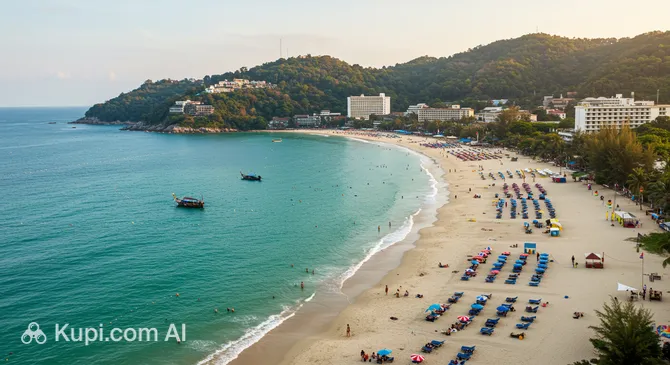
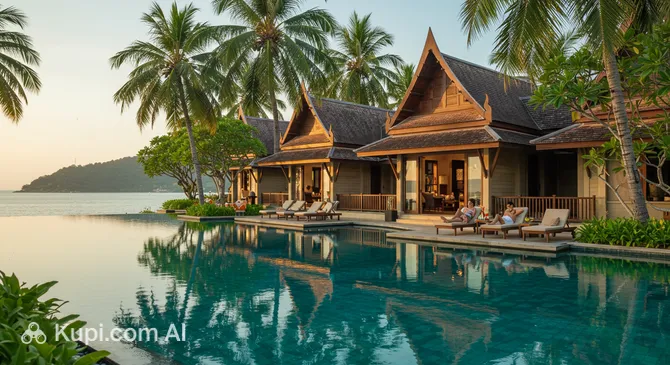
Phuket, often referred to as the "Pearl of the Andaman," is the largest island in Thailand and arguably its most famous beach destination. Renowned for its stunning coastline, vibrant nightlife, and rich cultural tapestry, this province offers a diverse range of experiences for every type of traveler. With a population of approximately 77,610, the city serves as a bustling hub that connects visitors to the island's many wonders, situated in the warm, inviting waters of the Andaman Sea.
Phuket. Illustration.
Source: Kupi.com AI
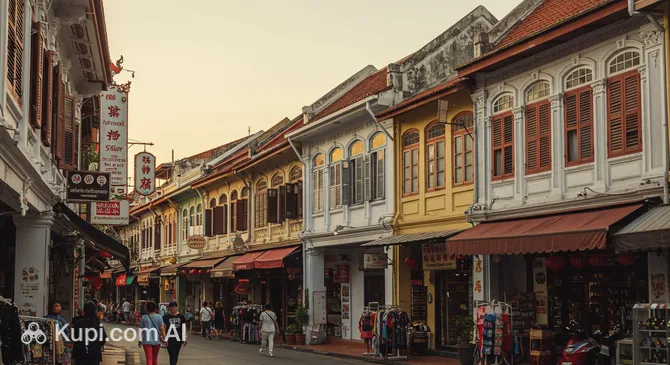
Beyond its turquoise waters and powdery white sands, the island possesses a fascinating heritage. A walk through the Old Town reveals well-preserved Sino-Portuguese shophouses and colorful shrines that reflect the unique history of Phuket. This area stands in charming contrast to the modern resorts, offering a glimpse into the island's past as a major tin-mining center and a melting pot of cultures.
Travelers are drawn to iconic spots like the lively Patong Beach, known for its entertainment, the more serene Kata and Karon beaches, and the majestic Big Buddha landmark that watches over the island from the Nakkerd Hills. Whether you are seeking a relaxing tropical getaway, culinary adventures featuring fresh seafood, or exciting water sports, Phuket promises an unforgettable journey filled with warmth and hospitality.
Weather Overview
Phuket enjoys a warm, tropical climate that makes it a popular destination throughout the year. The island experiences consistent temperatures, with daily averages hovering between 26.9°C and 28.3°C. April is typically the warmest month, seeing average highs of around 29.6°C, while the end of the year brings slightly cooler, yet still very comfortable, conditions.
When planning your trip, it is helpful to consider the distinct seasonal patterns. The weather in Phuket is generally characterized by a dry season and a wet season. The clearest skies are found from December to March; February is usually the driest month, with only about 6 wet days recorded. In contrast, the period from May to November sees increased rainfall, with October being the wettest month, experiencing precipitation on up to 28 days.
Expect warm temperatures year-round with a mix of sunny dry spells in the winter months and frequent, refreshing showers during the green season. Even during the rainier months like September and October, the island remains warm, making it a lush escape for travelers who don't mind occasional downpours.
Average monthly temperature
Average monthly precipitation
Interesting Facts
Beyond the famous beaches and vibrant nightlife, Phuket holds many fascinating secrets rooted in its rich cultural and historical past. The island's heritage goes far deeper than tourism, offering surprising stories that many visitors miss.
Old Town Phuket. Illustration.
Source: Kupi.com AI
Traveler photos:
A Tin Mining Legacy: Long before it became a global holiday destination, the island was a major center for tin production. This booming industry attracted Chinese and Portuguese merchants, leaving behind the stunning Sino-Portuguese architecture that defines Old Town Phuket today.
The Meaning of "Bukit": The name "Phuket" is widely believed to be derived from the Malay word "Bukit," which translates to "hill." This is an apt description, considering that approximately 70% of the island's terrain is mountainous.
Thailand's First Rubber Tree: While rubber plantations are now a common sight across the country, the very first rubber tree in Thailand was planted here in 1903. This historic tree still stands in the Thalang district, marking the beginning of a vital agricultural industry.
Vegetarian Festival Origins: The island's famous Vegetarian Festival has a unique origin story dating back to 1825. It began when a visiting Chinese opera troupe fell ill and adopted a strict vegetarian diet to honor the Nine Emperor Gods, miraculously recovering and sparking a tradition that continues with vibrant processions.
How to Get There
Reaching this island paradise is relatively straightforward, thanks to its popularity as a global tourist destination. While most visitors choose to fly directly, there are various options depending on your starting point and travel preferences. For a complete overview of routes and transport modes, you can read more about how to get to Phuket.
The primary gateway to the island is Phuket International Airport (HKT). It is a busy hub handling a large volume of international and domestic flights annually. Located approximately 27 km from the city center, the journey to the main town or popular beach areas typically takes around 60 minutes by taxi or airport bus. The airport is well-equipped and serves as the most convenient entry point for the majority of travelers.
Another option is to fly into Krabi Airport (KBV), situated in the city of Krabi. While this airport is not on the island itself, it is approximately 70 km away. Travelers arriving here can arrange a transfer to Phuket, which generally takes about 2 hours by road. This can be a good alternative if you plan to explore the magnificent limestone cliffs of Krabi before heading to the island.
For clarity, here is a summary of the main airports:
The city of Phuket does not have a railway station, as there are no train lines running directly to the island. Travelers who prefer rail transport typically take a train from Bangkok to Surat Thani station on the mainland. From Surat Thani, you can transfer to a bus or minivan to complete the journey, which usually takes an additional 4 to 5 hours. This combined train-and-bus route is a popular choice for backpackers and those wishing to see the countryside.
Main Attractions
Phuket is a treasure trove of experiences, ranging from spiritual landmarks and natural wonders to vibrant entertainment hubs. Whether you are looking for cultural immersion or lively nightlife, the island's diverse attractions ensure there is something for everyone to enjoy.
One of the most revered and visible landmarks on the island is the Big Buddha. Sitting atop the Nakkerd Hills between Chalong and Kata, this massive white marble statue stands 45 meters tall and offers 360-degree panoramic views of the southern part of the island. It is a place of peace and reflection, where visitors can marvel at the sheer scale of the statue while enjoying the cool breeze and breathtaking scenery.
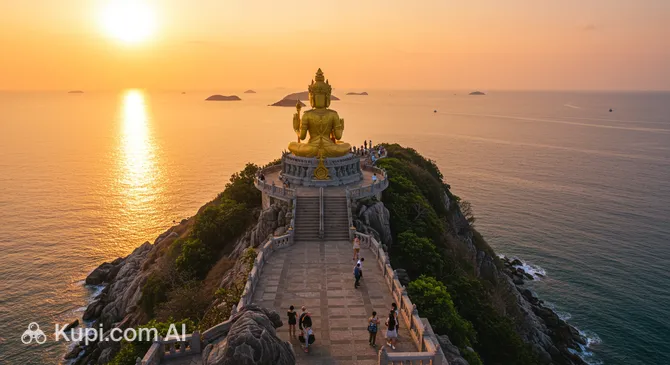
For those chasing the perfect sunset, Promthep Cape is the undisputed favorite. Located at the southernmost tip of Phuket, this scenic viewpoint provides dramatic vistas of the ocean crashing against the rocky cliffs. It is a popular spot for photographers and romantics alike, especially in the late afternoon when the sky transforms into a canvas of orange and purple hues.
Promthep Cape. Illustration.
Source: Kupi.com AI
Traveler photos:
If you are seeking energetic nightlife, a visit to Bangla Walking Street in Patong is a must. As the sun sets, this street comes alive with neon lights, loud music, and a bustling crowd. It is the heart of the island's party scene, lined with an array of bars, clubs, and entertainment venues that keep the energy high until the early hours of the morning.
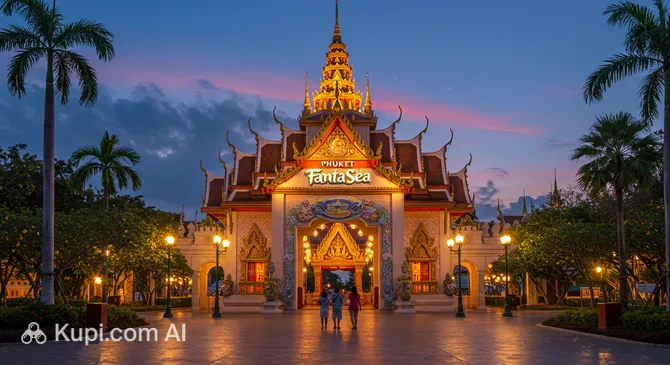
For a unique cultural theme park experience, travelers often head to Phuket FantaSea on Kamala Beach. This sprawling complex is famous for its grand buffet and a theatrical show that blends Thai mythology with acrobatics and special effects. It offers a carnival-like atmosphere with colorful shops and games, making it an entertaining evening destination for families.
Phuket FantaSea. Illustration.
Source: Kupi.com AI
Traveler photos:
Another spectacular vantage point is the Karon Viewpoint, often referred to as the "Three Beaches Hill." From here, you can see the crescent-shaped bays of Kata Noi, Kata, and Karon beaches lined up in a row. The view is one of the most iconic images of Phuket and serves as a perfect backdrop for memorable holiday photos.
Local Cuisine
Phuket is a true paradise for food lovers, celebrated as a UNESCO City of Gastronomy for its unique culinary heritage. The local cuisine is a distinctive blend of Southern Thai spices, Chinese influences, and Malay flavors, creating a palette that is often richer and more intense than in other parts of the country. Visitors can expect an abundance of fresh seafood, aromatic curries, and savory noodle dishes that reflect the island's multicultural history.
One dish you simply must try is Mee Hokkien, a savory stir-fried noodle dish with prawns, pork, squid, and egg, steeped in a rich soy sauce broth. It serves as a delicious testament to the island's Chinese ancestry. Another local favorite is Massaman Curry, which tends to be sweeter and milder than other Thai curries, often prepared with chicken and potatoes. For those who enjoy spicy food, the Southern Thai sour curry known as Gaeng Som offers a fiery kick that pairs perfectly with an omelet and hot steamed rice.
To quench your thirst in the tropical heat, nothing beats a fresh young coconut or a glass of Cha Yen (Thai iced tea), a sweet and creamy orange drink found on almost every corner. In the evenings, the local drinking culture centers around relaxed beach bars and vibrant night spots. You can enjoy local beers like Singha and Chang, or try cocktails made with locally distilled spirits such as Chalong Bay Rum, which is crafted from pure sugarcane.
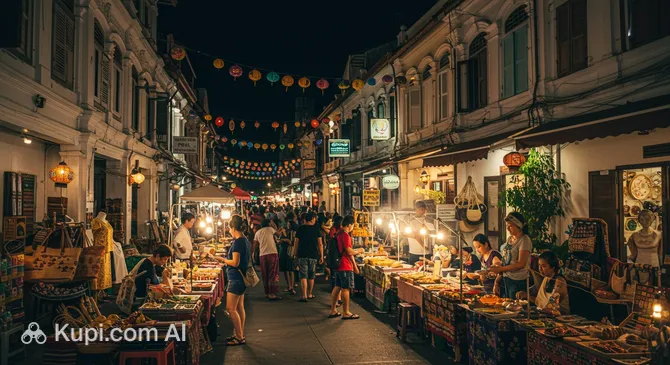
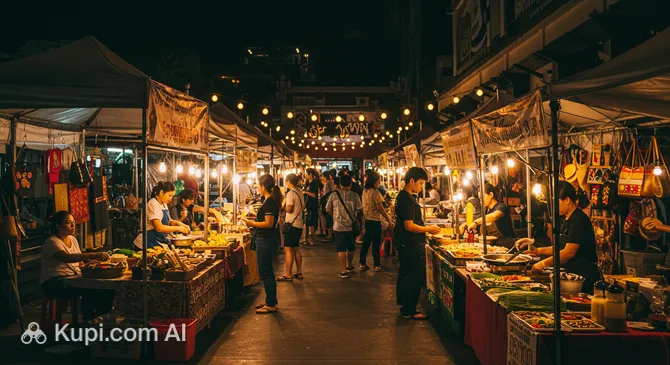
The best way to experience the island's food culture is by diving into its bustling street food scene. Night markets are the heart of dining here, offering a vast array of snacks at affordable prices. The famous Phuket Old Town Sunday Night Market, also known as Lard Yai, transforms the historic Thalang Road into a lively walking street filled with food stalls selling everything from grilled meats to traditional desserts.
Phuket Old Town Sunday Night Market. Illustration.
Source: Kupi.com AI
Traveler photos:
For a more casual evening near the beach, travelers often head to the Kata Night Market, where you can sample fresh fruit shakes and seafood baskets under a large covered pavilion. If you prefer a dining experience with a view and a sophisticated atmosphere, beach clubs like Nomad Beach Club or the stylish Café del Mar Phuket offer international and fusion menus accompanied by sunset views and music.
Travel Tips
Welcome to Phuket! To ensure your island getaway is as relaxing and hassle-free as possible, we have compiled a list of essential travel tips that will help you navigate the local culture, climate, and logistics with ease.
Clothing and Gear: Given the tropical humidity, pack lightweight, breathable fabrics like cotton or linen. While beachwear is perfect for the coast, you must dress modestly when visiting temples; this means covering your shoulders and knees. A pair of comfortable slip-on shoes is highly recommended, as you will frequently need to remove footwear before entering homes, shops, and religious sites.
Transportation: Public transport is limited to Songthaews (blue open-air buses), which are cheap and run on fixed routes during the day. For more direct travel, avoid haggling with unmetered taxis by using ride-hailing apps like Grab or Bolt, which offer transparent pricing. If you choose to rent a scooter, ensure you have a valid International Driving Permit (IDP) with a motorcycle endorsement, as police checkpoints are common and accidents are frequent.
Finances: The local currency is the Thai Baht (THB). While credit cards are accepted in malls, hotels, and upscale restaurants, cash is king at night markets, street food stalls, and smaller shops. ATMs are ubiquitous, often found outside the many 7-Eleven convenience stores. Tipping is not mandatory but is appreciated; rounding up the bill or leaving loose change is a common gesture.
Health and Safety: Pharmacies are widespread and pharmacists often speak English well, making it easy to find over-the-counter remedies. Always drink bottled water and stay hydrated. Be vigilant about beach safety; if you see red flags flying on the sand, do not swim, as the rip currents can be deceptively strong, especially during the monsoon season.
Communication: English is widely spoken in tourist areas, hotels, and restaurants. However, learning a few basic Thai phrases goes a long way; say "Sawasdee" for hello and "Khop khun" for thank you, followed by "khrap" (if you are male) or "kha" (if you are female). SIM cards with fast data are cheap and can be purchased at the airport or any convenience store upon arrival.
Local Etiquette: The traditional greeting is the Wai, performed by pressing your palms together at chest level and bowing slightly. Thais regard the head as the most sacred part of the body and the feet as the lowest; never touch someone's head, and avoid pointing your feet at people or Buddha statues when sitting.
What to Avoid: Do not disrespect religious icons. It is illegal to take Buddha images out of the country without a permit, and climbing on or posing disrespectfully with statues is strictly prohibited. Additionally, avoid feeding wildlife or riding elephants at unethical camps; look for ethical sanctuaries if you wish to interact with animals.
Additional Tip: Embrace the "7-Eleven culture." These stores are on almost every corner and are open 24/7. They are not just for snacks; they are excellent spots to cool down in the air conditioning, pay utility bills if you are staying long-term, and buy affordable toasted sandwiches that are a favorite late-night snack among locals and tourists alike.
Armed with these practical tips, you are ready to explore the stunning beaches and vibrant streets of Thailand's largest island with confidence. Enjoy the warm hospitality, delicious food, and unforgettable adventures that await you in this tropical paradise!
Entertainment & Nightlife
Phuket is legendary for its electrifying nightlife, offering a spectrum of entertainment that ranges from neon-lit party strips to sophisticated beach clubs and cultural shows. As the sun sets, the island transforms into a vibrant playground where travelers from all over the world gather to celebrate. Whether you are looking for a wild night out, a relaxed evening by the sea, or a spectacular stage performance, the island's after-dark scene has something to match every mood.
The epicenter of the action is undoubtedly Patong, specifically the famous Bangla Road. This walking street is a sensory overload of music, lights, and energy, lined with hundreds of beer bars, live music venues, and nightclubs. The atmosphere here is intense and casual; there is no strict dress code, and the party often spills out onto the street. For a more local and laid-back vibe, Phuket Old Town offers a stark contrast with its crafty cocktail bars, jazz lounges, and heritage architecture, attracting a hipster crowd and those seeking conversation over quality drinks.
Simon Cabaret. Illustration.
Source: Kupi.com AI
Traveler photos:
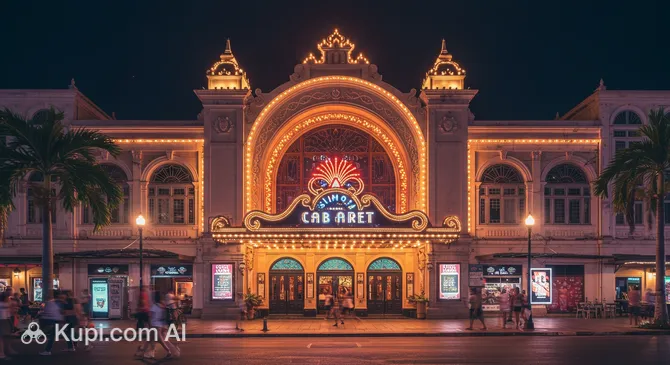
For a dazzling display of costumes, music, and choreography, a visit to the Simon Cabaret is a must. Located near Patong, this world-famous ladyboy cabaret show has been entertaining visitors for decades with its glamorous sets and humorous acts. It is a perfect evening activity for families and couples alike, offering a theatrical experience that highlights the talent and creativity of the local performers.
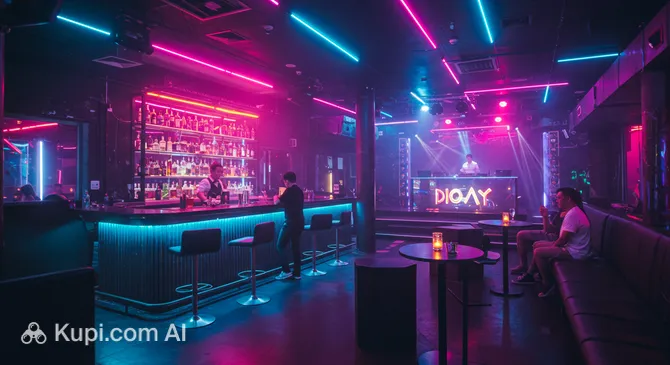
If you prefer pulsing beats and a dance floor, the island boasts several high-energy nightclubs. In the heart of the city, Flame Phuket Town is a popular spot among locals and expats, known for its modern lighting, DJ sets, and lively crowd. For a more relaxed yet stylish evening, you might check out Ryad Phuket Hookah Lounge, which offers a comfortable setting to unwind with friends.
Flame Phuket Town. Illustration.
Source: Kupi.com AI
Traveler photos:
When planning your night out, keep in mind that the action typically starts late. Bars get busy around 9:00 PM, while clubs hit their peak after midnight. Prices vary significantly; a beer in a small bar might cost a few dollars, while cocktails at upscale beach clubs can be comparable to Western prices. Getting around is easy with "Tuk-Tuks" (small red vans), but be sure to negotiate the fare beforehand. For a safer and fixed-price option, using ride-hailing apps like Grab or Bolt is highly recommended, especially late at night.
Safety is generally good in the main tourist areas, but it is wise to stay vigilant. Stick to well-lit streets, keep an eye on your drinks, and avoid carrying large amounts of cash. The tourist police are active in busy zones like Patong to ensure order. Most venues are welcoming, but it is always polite to respect local customs and avoid confrontations.
Beyond the nightlife, the island offers thrilling daytime entertainment. Families and thrill-seekers can spend the day at Andamanda Phuket, a massive water park featuring Thai-themed zones and adrenaline-pumping slides. For a more educational experience, Aquaria Phuket provides a fascinating look at marine life, while the Phuket Museum offers insights into the region's history and culture.
Andamanda Phuket. Illustration.
Source: Kupi.com AI
Traveler photos:
Parks & Museums
While the pristine beaches often steal the spotlight, the city and its surrounding province offer a wealth of green spaces and cultural institutions that provide a deeper understanding of the island's heritage. Exploring the local parks and museums is an excellent way to take a break from the sun and discover the history, nature, and community spirit that define this tropical destination.
One of the most significant public spaces in the city is Saphan Hin. Located at the end of Phuket Road facing the sea, this Seaside park is a favorite recreational spot for locals. It features a mangrove walkway, sports facilities, and a large open area where festivals and fairs are often held. It is also historically significant as the site where the first tin mining dredge in Thailand operated. A visit here offers a glimpse into the daily lives of residents, who come to jog, picnic, and relax by the water in the late afternoon.
For those who enjoy combining nature with a bit of exercise, Monkey Hill Viewpoint (Toh Sae Hill) is a must-visit. As the highest hill in Phuket Town, it offers a steep but rewarding walk up a paved road surrounded by lush jungle. As the name suggests, the area is home to a large population of macaques that are often seen playing in the trees. The summit provides sweeping views of the city skyline and the coast, making it a perfect spot for nature lovers and photographers.
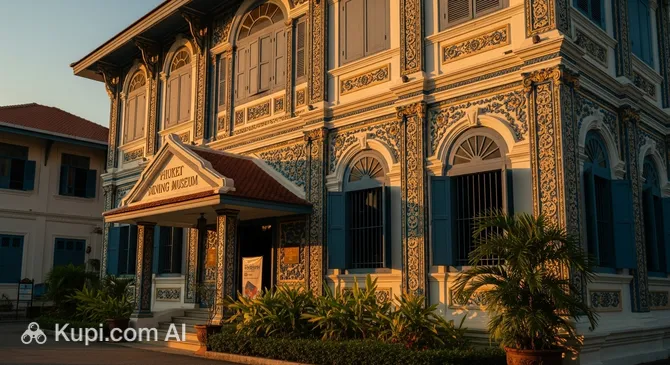
To truly understand the economic foundation of the island, a trip to the Phuket Mining Museum in the Kathu district is highly recommended. Housed in a magnificent Sino-Portuguese style building, the museum details the island's tin mining era, which attracted Chinese laborers and merchants in the 19th century. The exhibits feature realistic dioramas of mines, traditional shophouses, and the lifestyle of the tin barons, offering a fascinating look at how this industry shaped the local culture and architecture.
Phuket Mining Museum. Illustration.
Source: Kupi.com AI
Traveler photos:
Another cultural gem is the Phuket Museum, which focuses on the rich history and diverse ethnic roots of the population. Galleries here often highlight the Peranakan (Baba-Nyonya) heritage, showcasing traditional clothing, jewelry, and household items that reflect the unique blend of Chinese and local influences. It is an educational stop that adds context to the beautiful heritage buildings you might see while walking through the Old Town.
For a different kind of gallery experience that highlights marine biodiversity, Aquaria Phuket serves as a modern, living museum of the ocean. Located within a major shopping complex, it is the largest aquarium in Thailand and features interactive zones that educate visitors about river giants, coastal reptiles, and open ocean species. It is particularly engaging for families, offering a cool, air-conditioned escape where you can marvel at the underwater world.
If you are looking for an authentic encounter with the island's gentle giants, consider visiting an ethical sanctuary like the Hidden Forest Elephant Reserve. Unlike traditional trekking camps, these reserves focus on observation and education, allowing elephants to roam freely in a natural forest environment. It is a heartwarming experience that promotes conservation and offers a respectful way to connect with nature.
Getting Around
Navigating the island is an adventure in itself, as the public transport system here differs significantly from the metro and tram networks found in major capital cities. Instead of underground trains, the roads are ruled by a mix of open-air local buses, modern coaches, and unique small vehicles. The main hub for most public transit is in Phuket Town, from where routes fan out to the various beaches and districts.
The most authentic and affordable way to get around is by using the Songthaews. These are large blue wooden buses converted from trucks, featuring two bench seats in the back. They operate on fixed routes connecting the Old Town to popular beach destinations like Patong, Kata, and Karon. Within the main town area, you will also see smaller Pink Buses (Phothong), which serve as local shuttles looping around the city center and markets. While Songthaews are charming and inexpensive, they can be slow and generally stop running around 6:00 PM.
For travelers moving between the beaches along the west coast without going through the town center, the Phuket Smart Bus is a fantastic modern alternative. This air-conditioned service runs all the way from the airport in the north to Rawai in the south, stopping at major coastal resort areas. It is reliable, comfortable, and operates later into the evening than the traditional blue buses, making it a convenient choice for beach-hopping.
When it comes to payment, cash is king for most local transport. For the blue Songthaews and pink buses, you typically pay the driver or a conductor upon exiting; fares are very low, ranging from 15 to 50 THB depending on the distance. It is advisable to carry small bills and coins. The Phuket Smart Bus offers more modern payment options, accepting cash (exact fare required), QR code payments via banking apps, and the Rabbit Card, which is the same stored-value card used in Bangkok's transport system.
If you prefer a direct route or are traveling late at night, alternatives like Tuk-Tuks and ride-hailing apps are widely available. Note that the Tuk-Tuks here are different from the three-wheeled versions seen elsewhere; they are small four-wheeled red or yellow vans often equipped with loud sound systems and neon lights. They operate as private taxis, but prices can be high, so you must negotiate the fare before getting in. For a fair and transparent price, using apps like Grab or Bolt is highly recommended, as they provide a fixed rate and eliminate the need for bargaining.
For those seeking total freedom, renting a motorbike or car is a popular option. Rental shops are ubiquitous, but safety should be your top priority. Traffic can be unpredictable, and winding hill roads require experience. Ensure you have a valid International Driving Permit (IDP) with a motorcycle endorsement if you plan to ride a scooter, and always wear a helmet to avoid fines and ensure your safety on the road.
Accommodation
Finding the perfect place to stay in Phuket is effortless, as the island offers an impressive variety of accommodation options to suit every lifestyle and budget. The choices range from vibrant backpacker hostels and affordable guesthouses to family-friendly beachfront resorts and ultra-luxurious private pool villas. Whether you prefer the energetic atmosphere of the city or the secluded tranquility of a coastal hideaway, the island's diverse hospitality scene ensures a comfortable stay for all travelers.
The location you choose will largely define your experience. Patong is the go-to area for those who want to be in the heart of the action, offering easy access to nightlife, shopping, and a busy beach. For a more balanced vacation suitable for families and couples, the areas of Kata and Karon provide beautiful beaches with a more relaxed vibe. Travelers interested in culture and history often prefer Old Town Phuket, where charming boutique hotels are set within renovated Sino-Portuguese shophouses. Conversely, the northern beaches like Bang Tao and Mai Khao are home to exclusive resorts, perfect for those seeking luxury and privacy.
For travelers seeking a blend of natural beauty and modern comfort, Dinso Resort & Villas Phuket is a standout choice. Nestled in the hills near Patong, it offers a serene escape with "barefoot luxury" vibes while remaining close enough to the city's entertainment districts. It is an excellent example of how the island's accommodation can provide a peaceful sanctuary amidst the tropical greenery.
Dinso Resort & Villas Phuket. Illustration.
Source: Kupi.com AI
Traveler photos:
If you are looking for world-class opulence, the Phuket Banyan Tree in the prestigious Laguna area is legendary. Known for its traditional Thai architecture and private pool villas, this resort sets the standard for high-end hospitality. It is ideal for honeymooners or anyone wishing to indulge in spa treatments and fine dining within a self-contained luxury community.
Regarding costs, prices fluctuate significantly depending on the season. During the peak tourist months from December to March, rates can double, and popular hotels fill up quickly. It is highly recommended to book your accommodation at least a few months in advance if you plan to visit during this period. The "Green Season" (May to October) offers much lower rates, allowing travelers to stay in luxury resorts for a fraction of the usual price.
Generally, budget travelers can find hostel beds or simple rooms for as little as $10–$30 USD per night. Mid-range hotels typically cost between $40 and $100 USD, while luxury resorts and private villas start from $150 USD and can go up to several thousand dollars. Booking is most conveniently done through major online travel platforms, which often offer flexible cancellation policies, though contacting smaller boutique hotels directly can sometimes yield special offers.
Nearby Cities
For those looking to explore the surroundings, Phuket serves as an excellent base for day trips to several interesting nearby locations:
Located just across the bay, Krabi is a stunning destination renowned for its dramatic limestone karsts, mangrove forests, and emerald waters. It is easily accessible by boat or car and offers a more laid-back atmosphere, with highlights including the famous Railay Beach and the spiritual Tiger Cave Temple, which provides panoramic views of the region.
For a dive into deep cultural heritage, Nakhon Si Thammarat stands as one of the oldest cities in the country. It is a significant spiritual center, home to the ancient Wat Phra Mahathat, and offers visitors a chance to experience authentic Southern Thai traditions, such as the intricate shadow puppet performances known as Nang Talung.
Another fascinating stop is Trang, a province that remains relatively unspoiled by mass tourism. Known for its quiet islands and the Emerald Cave, the city itself is famous for its unique breakfast culture, featuring roast pork and dim sum, reflecting its strong Chinese influence.
City
Population
Distance
Kathu
26 078
7 km
Rawai
16 988
10 km
Patong
19 346
10 km
Ban Charoen Mueang
8 534
10 km
Ko Phi Phi
2 500
45 km
These nearby destinations offer a glimpse into the diverse culture and landscapes of the region.
Shopping & Souvenirs
Shopping:
Shopping in Phuket offers a delightful contrast between sophisticated retail experiences and vibrant local commerce. The island is not just a beach destination; it is a major commercial hub where you can find everything from high-end designer labels to handcrafted artisanal goods. Visitors can spend their days browsing air-conditioned boutiques and their evenings navigating bustling night markets, making it a paradise for those who love to hunt for treasures and bargains alike.
For a unique shopping atmosphere, the historic streets of Old Town Phuket are the best place to start. Walking along Thalang Road and Soi Romanee, you will find charming shophouses converted into boutiques selling local textiles, handmade jewelry, and eclectic art. This area is perfect for finding distinct gifts that reflect the island's Sino-Portuguese heritage, far removed from the mass-produced items found near the beaches.
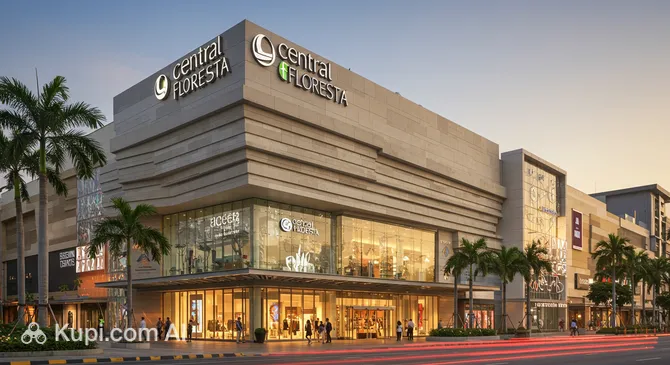
If you prefer a modern retail environment, the city boasts several world-class complexes. The most prominent is Central Phuket, a massive lifestyle hub located on the outskirts of Phuket Town. It is divided into two wings: the "Festival" wing for mainstream brands and the "Floresta" wing, which focuses on luxury fashion and features a stunning indoor floating market. It is the ideal spot to escape the midday heat, catch a movie, or dine at international restaurants.
Central Phuket. Illustration.
Source: Kupi.com AI
Traveler photos:
Another significant destination, particularly for those staying in the northern part of the island, is Robinson Lifestyle Thalang. This spacious mall offers a wide range of department store goods, electronics, and dining options, serving as a convenient one-stop shop for families and long-term visitors who need daily essentials alongside their holiday shopping.
However, the true heart of the local shopping scene lies in its markets. While the famous Sunday Walking Street in the Old Town is a cultural highlight, other venues offer excellent daily shopping. Malin Plaza in Patong is a favorite among tourists for its relaxed vibe and high-quality goods. Unlike some more chaotic markets, it is well-organized and offers a fantastic selection of summer clothing, swimwear, and souvenirs, all accompanied by an impressive array of street food stalls where you can snack while you shop.
Malin Plaza. Illustration.
Source: Kupi.com AI
Traveler photos:
When looking for souvenirs to bring home, the island is famous for its cultured pearls, which are produced locally and sold at competitive prices. Cashew nuts are another specialty product, often available in various flavors ranging from honey-roasted to spicy tom yum. For textile lovers, locally produced Batik fabrics featuring colorful tropical patterns make for beautiful sarongs or wall hangings. Additionally, spa products like coconut oil and herbal balms are popular choices to recreate the Thai wellness experience at home.
Most shopping malls and department stores are open daily from approximately 10:00 AM to 10:00 PM and accept major credit cards. Night markets typically begin setting up around 5:00 PM and run until late; here, cash is the primary mode of payment, and polite bargaining is expected and often fun. Tourists should also be aware of the "VAT Refund for Tourists" scheme. If you purchase goods worth at least 2,000 THB from participating stores (look for the "VAT Refund" sign), you can claim a 7% tax refund at the airport upon departure, provided your total purchases exceed 5,000 THB.