Support

Surat Thani

About

Surat Thani, often referred to as the "City of Good People," is a bustling transportation hub that offers travelers a genuine slice of local culture. While many visitors pass through on their way to the famous islands of the Gulf, this vibrant city in Southern Thailand possesses a unique charm worth exploring. Situated near the mouth of the Tapi River, it serves as an important commercial and administrative center for the province.
Surat Thani. Source: Kupi.Binoculars

With a population of approximately 130,000 residents, the city buzzes with activity without feeling overwhelmingly crowded. The climate is tropical and humid, generally remaining warm throughout the year, which supports the lush greenery surrounding the area. For those interested in the region's background, the history of Surat Thani reveals its long-standing role as a strategic port and cultural melting pot, influencing the traditions and architecture seen today.

The city offers several unique experiences for those who choose to stay a while. The scenic Tapi River is the heart of the city, perfect for a relaxing boat ride or a stroll along the promenade to enjoy the evening breeze. Surat Thani is also famous for its large, succulent oysters, a celebrated local delicacy that seafood lovers simply must try. Additionally, the beautiful City Pillar Shrine stands as a striking example of traditional craftsmanship and remains a spiritual anchor for the local community.

Whether you are stopping over before an island adventure or looking to experience an authentic, non-touristy side of the country, Surat Thani welcomes you with open arms. It is a wonderful place to slow down, enjoy delicious street food, and experience the friendly atmosphere of the south.
Weather Overview

Travelers visiting this region can expect a tropical climate that stays warm and humid throughout the year. The temperatures are remarkably consistent, with the coolest month, December, still maintaining a pleasant average of around 26.1°C. The heat peaks slightly in April, where the average temperature rises to 29.5°C, and daily highs can reach up to 33.4°C. Because of these steady conditions, the weather in Surat Thani allows for outdoor activities in almost any season, provided you are prepared for the rain.

Rainfall patterns vary significantly depending on the time of year. The months of February and March are typically the driest, with rain occurring on only about 8 to 9 days per month. In contrast, the wet season becomes quite pronounced later in the year. From May through November, visitors should anticipate frequent showers, with October being the wettest month, featuring rain on approximately 29 days. Despite the high frequency of wet days during this period, the rain often comes in short, warm bursts, keeping the landscape lush and green.

Interesting Facts

Beyond the main attractions, Surat Thani holds many fascinating secrets that reveal its deep cultural roots and natural bounty. Here are a few unique insights into the "City of Good People" that most travelers might miss.
Ko Lamphu Park. Source: Kupi.Binoculars
  • The city was not always known by its current title. Until 1915, it was called "Ban Don," which means "Village on Higher Ground." King Rama VI bestowed the name Surat Thani, translating to "City of Good People," to honor the devout faith and hospitality of the local residents.

  • Surat Thani is famous across Thailand for producing some of the largest and most succulent oysters in the country. The local conditions at the mouth of the Tapi River are so perfect for aquaculture that the "Big Oyster" is officially part of the provincial motto.

  • Located right in the middle of the Tapi River is Ko Lamphu Park, a charming car-free island accessible by a footbridge. It serves as the city's green lung, offering a peaceful escape where monitor lizards can sometimes be seen basking near the water's edge.

  • This region is the historic birthplace of the "Rongrian" rambutan, one of the most delicious and popular rambutan varieties in Thailand. The very first tree of this variety was planted in the province in 1926 and is still standing today.

How to Get There

Reaching this southern transportation hub is convenient thanks to its status as a major gateway to the Gulf of Thailand's islands. Whether you prefer flying or taking an overland route, there are several options available. For a complete guide on all available transport methods, you can read more about how to get to Surat Thani.

The most convenient entry point is Surat Thani Airport (URT). It is located approximately 22 km from the city center. This airport serves as a busy regional hub, welcoming a significant number of travelers annually. The journey from the terminal to the city center takes about 50 to 55 minutes by taxi or bus.

If direct flights are unavailable, you can fly into Nakhon Si Thammarat Airport (NST), located in the neighboring city of Nakhon Si Thammarat. It is situated about 94 km from Surat Thani. A transfer by road from this medium-sized airport typically takes around 2 hours and 40 minutes. Another alternative is Krabi Airport (KBV) in Krabi, which is approximately 121 km away. While it is a large international hub, the travel time to Surat Thani is longer, taking roughly 3 hours and 20 minutes by car.

For clarity, here is a summary of the main airports:

Airport Name City Passenger Traffic Km from City
Krabi AirportKrabiLarge120.6
Koh Samui AirportKoh SamuiLarge92.1
Surat Thani AirportSurat ThaniMedium21.7
Nakhon Si Thammarat AirportNakhon Si ThammaratMedium94.0
Kawthaung AirportKawthaung133.7

In addition to air travel, Surat Thani is a key stop on the southern railway line connecting Bangkok to the deep south. The city's main railway station is located in the Phunphin district, a short distance from the city center. Trains are a popular choice for travelers seeking a scenic and budget-friendly journey, with overnight sleeper options available from the capital.

Main Attractions

While often viewed as a transit hub, the city possesses a distinct charm with several noteworthy places that offer a glimpse into local life and culture. Visitors taking the time to explore will find lively markets, serene green spaces, and scenic landmarks that define the character of this southern province.

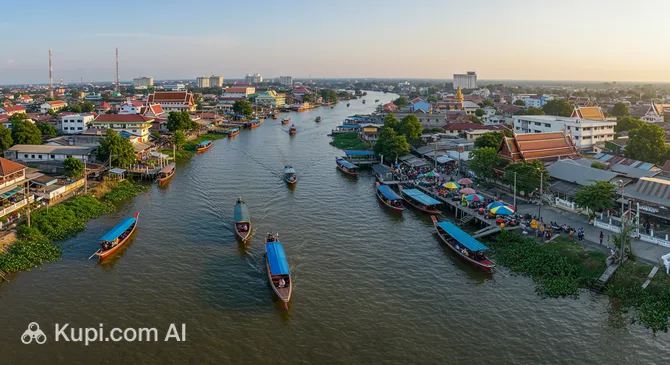
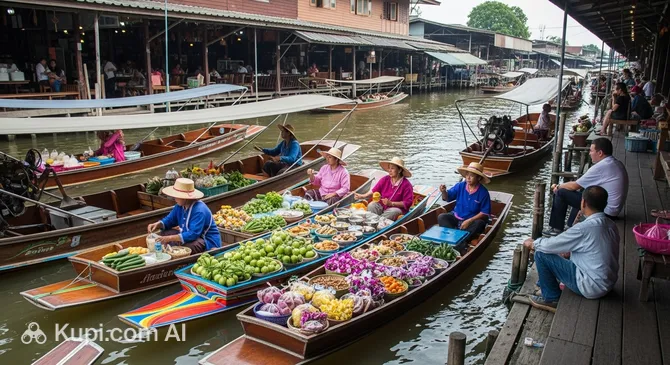
One of the most delightful ways to spend an evening is visiting the Ban Don Floating Market. Located along the riverbank, this atmospheric spot comes alive with vendors selling a wide array of local delicacies, handicrafts, and souvenirs. It is an excellent place for tourists to sample authentic Southern Thai street food while enjoying the cool breeze from the water. The market offers a charming glimpse into the local lifestyle and is a favorite gathering spot for both residents and visitors.

Ban Don Floating Market. Source: Kupi.Binoculars

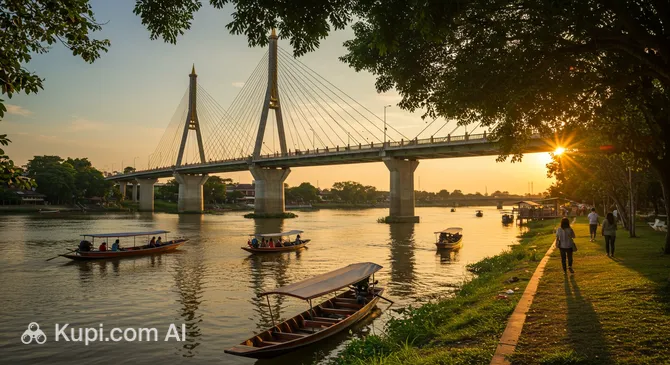
For those who appreciate architecture and scenic views, the Narit Bridge is a must-see landmark. Spanning the Tapi River, this distinct structure connects different parts of the city and serves as a perfect vantage point for watching the sunset. At night, the bridge is often illuminated, creating a beautiful reflection on the water. Walking across or viewing it from the riverside promenade offers a peaceful moment to admire the city's landscape.

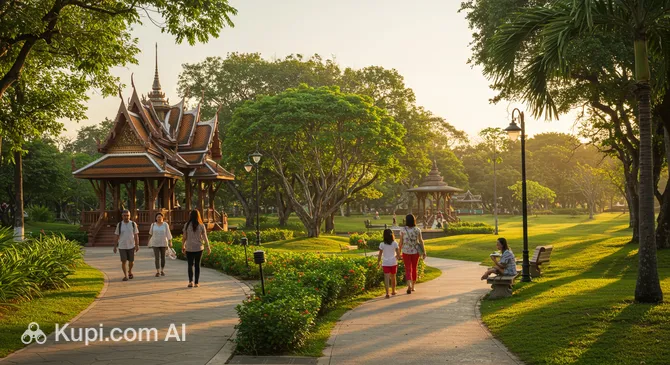
Nature lovers looking for a tranquil escape on the mainland should head to Surat Thani Rama IX Public Park. This expansive green space is meticulously maintained and features jogging paths, exercise areas, and serene ponds. It is a popular location for locals to exercise in the early morning or evening, providing a quiet respite from the urban bustle. The park's relaxed atmosphere makes it an ideal spot for a leisurely stroll or a family picnic.

Surat Thani Rama IX Public Park. Source: Kupi.Binoculars

To experience the daily rhythm of the city, a visit to Kaset 1 Market is highly recommended. This bustling marketplace is where the locals go to shop for fresh produce, seafood, and household goods. Unlike tourist-centric venues, this market offers a raw and authentic look at the region's agricultural bounty. It is a sensory experience filled with colorful fruits, aromatic spices, and the lively sounds of commerce, perfect for travelers seeking genuine cultural immersion.

Local Cuisine

The culinary landscape of Surat Thani is a vibrant reflection of Southern Thai culture, known for its bold spices, fresh ingredients, and distinct flavors. Situated near the coast and the river mouth, the city is a paradise for seafood lovers. The local cuisine is characterized by its intensity, often combining sharp sourness, rich saltiness, and a level of heat that distinguishes it from the milder dishes found in the central regions.

A visit to this province would be incomplete without trying its most famous delicacy: the giant oyster. Surat Thani is renowned for producing some of the largest and creamist oysters in the country, typically farmed in the rich waters of the Tapi River estuary. Locals enjoy them fresh, garnished with fried shallots, chili paste, acacia leaves, and a squeeze of lime. Another signature product is the Chaiya Salted Egg, made from duck eggs and celebrated for its oily, rich yolk. It is commonly served as a side dish to balance spicy curries or used as a savory topping for rice congee.

For a main course, adventurous eaters should sample authentic southern curries. Gaeng Som, a sour orange curry often made with fish and bamboo shoots, and Gaeng Tai Pla, a fermented fish entrail curry, are staples of the local diet. These dishes are incredibly flavorful but can be quite spicy, so they are best eaten with plenty of steamed rice and fresh vegetables to cool the palate.

Day & Night Surat Thani. Source: Kupi.Binoculars

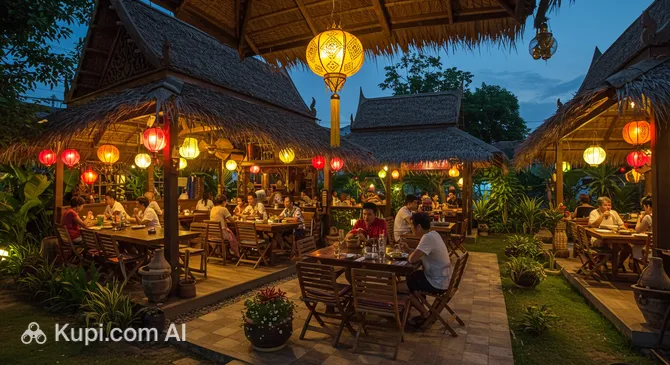
The dining scene in the city caters to all tastes, ranging from bustling night markets to comfortable sit-down establishments. For travelers looking for a reliable spot that serves a mix of Thai classics and local favorites, Lucky Restaurant is a well-known stop. It offers a friendly atmosphere and a diverse menu that makes it easy to explore different dishes. If you prefer a more modern setting with a stylish ambiance, Day & Night Surat Thani is an excellent choice for a relaxed dinner, featuring a blend of Western and Thai cuisine in a beautifully designed space.

To quench your thirst, you can find typical local drinks like Cha Yen (sweet Thai milk tea) and fresh coconut water at almost every corner. In the evenings, the city offers a laid-back nightlife scene where you can unwind. Places like Chom Bar Surat Thani provide a casual environment to enjoy a cold beer or a cocktail while soaking in the local vibe after a day of exploration.

Travel Tips

Welcome to the "City of Good People"! While many travelers rush through Surat Thani to reach the islands, taking a moment to prepare for the local pace of life will make your stopover or visit much more enjoyable. Here are some practical tips to help you navigate the city with ease and confidence.

  1. Clothing and Gear: Light, breathable clothing is essential for the tropical heat; cotton and linen are your best friends. Since rain can occur unexpectedly, especially from May to November, packing a lightweight raincoat or umbrella is wise. For footwear, comfortable sandals or slip-ons are practical, as you will need to remove them often. If you plan to visit the City Pillar Shrine or local temples, remember to dress respectfully by covering your shoulders and knees.
  2. Transportation: The most common way to get around the city is by songthaew (converted pick-up trucks with bench seating), which follow fixed routes and are very affordable. Motorbike taxis and tuk-tuks are available for direct trips, but be sure to agree on the fare before hopping in. Ride-hailing apps like Grab are increasingly reliable here and save you the hassle of negotiation.
  3. Finances: The local currency is the Thai Baht (THB). While hotels and larger restaurants accept credit cards, cash is absolute king at night markets and street food stalls. ATMs are widely available, particularly outside 7-Eleven stores. Tipping is not strictly mandatory, but rounding up the bill or leaving loose change is a kind gesture that is appreciated by service staff.
  4. Health and Safety: Surat Thani is generally a safe city for tourists, but standard precautions apply. Pharmacies are plentiful, with major chains like Boots and Watsons located in shopping centers, often staffed by English-speaking pharmacists. Drink only bottled water, and keep mosquito repellent handy, especially if you are dining outdoors near the river in the evening.
  5. Communication: While staff at transport hubs and major hotels speak English, it is less widely spoken in local markets compared to tourist-heavy islands. Buying a local SIM card at a convenience store or phone shop is highly recommended for maps and translation apps. Learning a few basic Thai phrases like Sawatdee (Hello) and Khop Khun (Thank you) will go a long way in earning smiles from the locals.
  6. Local Etiquette: The traditional greeting is the Wai (pressing palms together at chest level), though a polite nod and a smile are also perfectly acceptable for foreigners. Thais place great importance on being cool-headed; raising your voice or showing anger in public causes a "loss of face" and should be avoided. Always remove your shoes before entering a private home or a temple hall.
  7. What to Avoid: Never point your feet at people or religious images, as the feet are considered the lowest and dirtiest part of the body in Thai culture. Additionally, avoid touching anyone's head, even children, as it is viewed as the most sacred part of the body.
  8. Local Insight: Be aware that Surat Thani's main train station is actually located in the Phunphin district, about 15 kilometers (roughly 20-30 minutes) from the city center. If you have an early train to catch, make sure to arrange your transfer well in advance, as traffic can be unpredictable during rush hours.

By keeping these practical tips in mind, you will be well-equipped to enjoy the authentic southern charm of Surat Thani. Whether you are hunting for the best street food or simply soaking up the riverside atmosphere, a little preparation ensures a smooth and memorable experience.

Entertainment & Nightlife

Surat Thani offers a nightlife experience that is refreshingly authentic and distinct from the tourist-heavy scenes of the nearby islands. Instead of full moon parties and beach clubs, the city comes alive with local Thai-style pubs, live music venues, and bustling night markets. The atmosphere here is laid-back and friendly, with a focus on socializing over shared food and drinks while enjoying live bands playing popular Thai pop and rock songs.

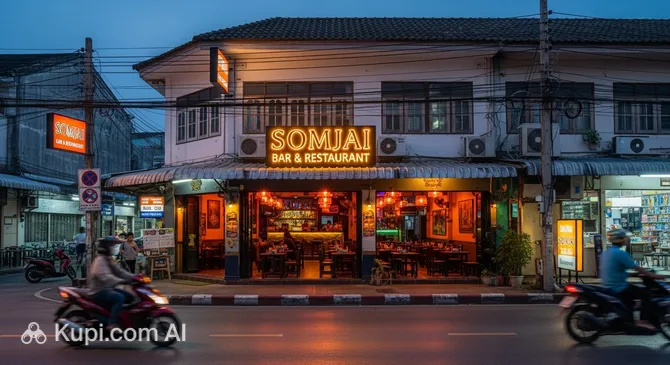
For those looking to enjoy a relaxing evening with a drink in hand, Somjai Bar & Restaurant is a popular choice. It captures the essence of the local social scene, offering a comfortable environment where visitors can unwind. The venue typically attracts a mix of locals and expats, making it a great place to strike up a conversation and observe the city's evening culture.

Somjai Bar & Restaurant. Source: Kupi.Binoculars

If you are in the mood for something more energetic, the city has several spots that stay open late and feature louder music. Popeye Restaurant Vibhavadi is a well-known establishment categorized as a nightclub, where the energy picks up as the night goes on. Venues like this often operate with a "bottle service" culture, where patrons order a bottle of whiskey or rum to share at their table with mixers and ice, accompanied by live stage performances.

Most nightlife action is concentrated in the city center, particularly along the streets branching off from the Tapi River and near the major markets. The dress code is almost universally casual; shorts, t-shirts, and sandals are perfectly acceptable in most bars and clubs. Prices are significantly lower than in Bangkok or Samui, with a large beer often costing a fraction of what you would pay in tourist hotspots.

Regarding safety and transport, Surat Thani is generally safe at night, though the streets can become quiet quickly after midnight. It is advisable to have a ride-hailing app like Grab installed to ensure you can get back to your accommodation easily, as roaming tuk-tuks may be scarce in the late hours. Stick to well-lit areas and be mindful of local stray dogs if walking on smaller side streets.

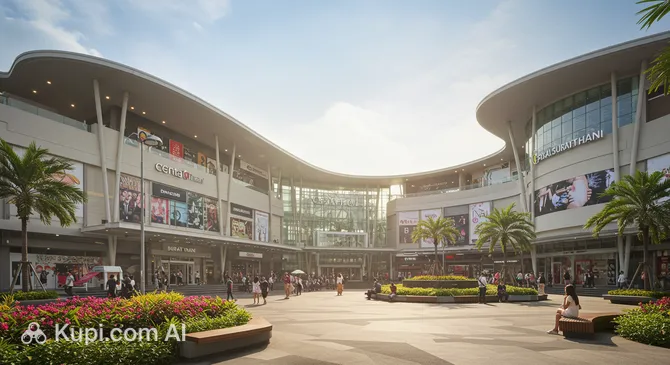
During the day, entertainment options shift towards leisure and shopping. For a break from the heat, travelers often head to Central Surat Thani. This large shopping complex is not just for retail therapy; it houses a modern cinema showing the latest releases and offers a variety of dining and entertainment facilities for families.

Central Surat Thani. Source: Kupi.Binoculars

Whether you are catching a movie to escape the midday sun or sipping a cold beer listening to a local band, Surat Thani provides a genuine glimpse into how Southern Thais enjoy their leisure time.

Parks & Museums

While Surat Thani is often recognized as a bustling transit point, the city surprises visitors with its serene green spaces and deep-rooted cultural heritage. Beyond the busy streets and markets, travelers can find tranquil parks for relaxation and architectural landmarks that tell the story of the region's history and spiritual beliefs.

The city's most beloved green space is undoubtedly Ko Lamphu Park. Situated on a small island in the middle of the Tapi River, this park is completely car-free, making it a peaceful sanctuary away from traffic noise. It is accessible via a footbridge and offers paved paths perfect for jogging or leisurely walking. The park is shaded by large trees and offers excellent views of the riverfront, making it a favorite spot for locals to enjoy picnics or evening aerobics.

Another significant natural area is the Surat Thani Rama IX Public Park. This expansive park is the green heart of the city, featuring a large central pond teeming with fish that visitors can feed. It is meticulously landscaped and serves as a community hub where residents gather for sports and recreation. The atmosphere here is refreshingly local, offering tourists a chance to observe the daily lifestyle of Surat Thani's people in a relaxed setting.

Regarding museums and cultural galleries, the city center itself is more defined by living heritage than by traditional exhibition halls. The most prominent cultural landmark is the City Pillar Shrine (San Lak Mueang). While not a museum in the strict sense, this shrine is a masterpiece of architecture that reflects the province's Srivijaya historical influence. The structure houses the city's spirit and is beautifully illuminated at night, serving as a focal point for local faith and tradition.

For those interested in religious art and history, Wat Dhamma Bucha offers a gallery-like experience through its temple grounds. Located near the city center, this temple features intricate Buddhist architecture and serene courtyards. It provides a quiet space to appreciate the artistic details of Southern Thai temple design and observe local religious practices up close.

Narit Bridge. Source: Kupi.Binoculars

A striking example of modern engineering mixed with scenic beauty is the Narit Bridge. This architectural landmark spans the Tapi River and connects the city center with the calm island of Ko Lamphu. It is not just a thoroughfare but a destination in itself, offering panoramic views of the river and the city skyline, especially captivating during sunset when the sky changes colors over the water.

For a truly authentic experience, take a walk along the Tapi River embankment in the late afternoon. This promenade acts as an open-air cultural venue where the city comes to life. You can watch local fishermen on their long-tail boats, see families enjoying the breeze, and spot the unique traditional architecture of the riverside homes, offering a genuine glimpse into the "City of Good People."

Getting Around

Surat Thani does not have a metro, tram, or complex underground rail system. Instead, the city relies on a straightforward network of road-based transport that is easy to use once understood. The most common and authentic mode of public transportation is the songthaew. These are converted pickup trucks with two rows of bench seating in the back and a roof overhead. They function like local buses, following specific routes around the city and to neighboring districts. The routes are often distinguished by the color of the vehicle, making it relatively easy to identify where they are headed.

The payment system for local transport is almost exclusively cash-based. There are no electronic travel cards, passes, or tap-to-pay terminals for songthaews or local buses. You simply pay the driver directly after you have reached your destination and exited the vehicle. Fares are very affordable, typically ranging from roughly 20 to 50 units of the local currency depending on the distance. It is highly advisable to carry small change and low-denomination banknotes, as drivers often do not have change for large bills.

To use a songthaew, wait along the main road and wave your hand with your palm facing down to signal the driver. If there is space, the driver will stop for you to hop on. There are no fixed stops in many areas, so you can flag them down anywhere safe. When you are approaching your destination, press one of the buzzer buttons located on the ceiling of the passenger area to signal the driver to pull over. Be aware that these vehicles mostly operate during daylight hours, with frequency dropping significantly after 6:00 PM or 7:00 PM.

For a more direct and private option, tuk-tuks and motorbike taxis are widely available throughout the city. Motorbike taxis, identifiable by drivers wearing colored vests, are the fastest way to navigate short distances. Tuk-tuks offer a fun, breezy ride suitable for couples or small groups. However, neither of these usually runs on a meter. You must negotiate and agree on a price with the driver before starting your journey to avoid any confusion or overcharging upon arrival.

For tourists who prefer a hassle-free experience, ride-hailing apps like Grab are fully operational and very popular. Using an app allows you to book a car or bike with a fixed price shown upfront, eliminating the need to haggle or overcome language barriers. This is often the most convenient choice for travelers with luggage or those moving around late at night when public transport is scarce. While traditional car taxis exist, they often decline to use the meter, making apps a more transparent alternative.

A key practical tip for those connecting to the railway network is the specialized orange bus service. Since the main train station is located in the Phunphin district, about 15 kilometers from the city center, these air-conditioned buses provide a reliable link between the station and the central bus terminal (Talad Kaset). They run frequently throughout the day and are the standard method for transferring between the train and the city.

Accommodation

Finding a place to stay in Surat Thani is generally straightforward and affordable compared to the popular tourist islands nearby. The city offers a wide range of accommodation options, catering primarily to travelers in transit as well as those looking to explore the local culture. Visitors can find everything from budget-friendly hostels and simple guesthouses to comfortable mid-range hotels and riverfront resorts.

For most tourists, the most convenient area to stay is the City Center (Talad Kaset area). This location places you within walking distance of the night markets, local restaurants, and the main bus terminals, making it ideal for those catching early connections to the islands or the airport. Alternatively, the Riverside area along the Tapi River offers a more scenic and relaxed atmosphere, perfect for travelers who want to enjoy evening strolls along the promenade and easy access to the floating market.

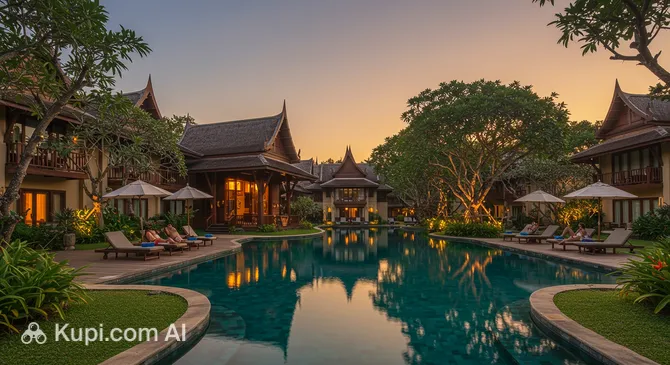
While the city is known for functional transit hotels, there are also properties designed for relaxation. For example, Amazon Resort Surat Thani provides a resort-style experience with lush green surroundings, offering a peaceful retreat from the urban bustle while still being accessible to the city's main facilities.

Amazon Resort Surat Thani. Source: Kupi.Binoculars

The price range for accommodation in Surat Thani is generally very reasonable. Budget travelers can find clean rooms for a fraction of the cost of similar lodgings on Koh Samui or Phuket, while mid-range options often include amenities like swimming pools and breakfast at competitive rates. Booking is typically done through major online platforms, though many smaller guesthouses also accept walk-ins.

Booking Tip: Although accommodation is usually plentiful, the city can fill up quickly during the days leading up to the Full Moon Party on neighboring Koh Phangan. If your travel dates align with this event, or if you are visiting during major Thai holidays, it is highly recommended to book your room in advance to secure the best location and price.

Nearby Cities

For those looking to explore the surroundings, Surat Thani serves as an excellent base for day trips to several interesting nearby locations:

Just a ferry ride away lies Koh Samui, one of Thailand's most famous islands. It is renowned for its palm-fringed beaches, coconut groves, and vibrant nightlife, offering a perfect mix of relaxation and entertainment. For history enthusiasts, Nakhon Si Thammarat is a cultural treasure trove located to the south. As one of the most ancient cities in the country, it is home to the prestigious Wat Phra Mahathat Woramahawihan and offers an authentic look at Southern Thai heritage. Further afield, Krabi attracts nature lovers with its dramatic limestone cliffs, emerald waters, and world-class rock climbing opportunities.

City Population Distance (km)
Nakhon Si Thammarat 106,322 104
Koh Samui 68,994 86
Ban Pak Phun 33,407 98
Thung Song 30,500 95
Krabi 30,499 115

These nearby destinations offer a glimpse into the diverse culture and landscapes of the region.

Shopping & Souvenirs

Shopping in Surat Thani offers a delightful blend of modern convenience and authentic local experiences. While it may not have the high-end luxury boutiques found in the capital, the city provides a genuine opportunity to explore Southern Thai commerce. Visitors can navigate between air-conditioned department stores and vibrant open-air marketplaces, finding everything from international fashion brands to unique regional handicrafts.

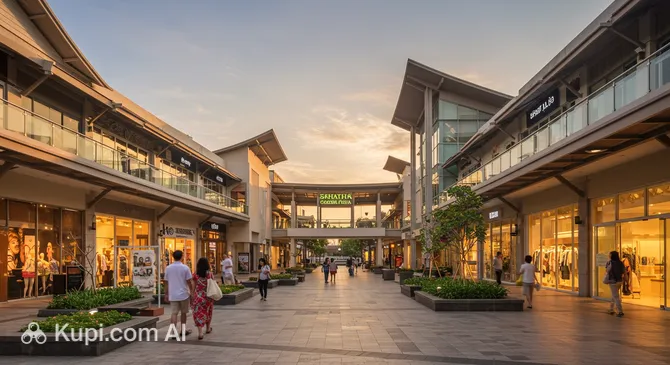
For those seeking a comfortable indoor environment and familiar retail names, the city's shopping malls are the primary destination. Central Surat Thani is the largest complex in the province, housing a wide range of fashion retailers, electronics shops, and restaurants. Located closer to the downtown area is Sahathai Garden Plaza, a favorite among locals. This mall features a department store, a supermarket, and various smaller boutiques selling clothing and accessories at reasonable prices, making it a convenient stop for travelers staying in the city center.

Sahathai Garden Plaza. Source: Kupi.Binoculars

The true heart of the local shopping scene, however, lies in its bustling markets. Ban Don Floating Market is an excellent spot for finding local handicrafts, souvenirs, and traditional snacks in a scenic riverside setting. For a more immersive look at daily life, Kaset 1 Market is where residents go to buy fresh tropical fruits, vegetables, and aromatic spices. Additionally, the nightly San Chao Market is a must-visit for bargain hunters looking for affordable clothes, shoes, and accessories, all accompanied by the aroma of sizzling street food.

When it comes to souvenirs, the province has several signature products that make for perfect gifts. Surat Thani is famous for Chaiya Salted Eggs, which are renowned for their rich, oily yolks and are often sold in convenient, travel-ready boxes. Another prized local item is Phum Riang Silk, a hand-woven fabric with distinctive patterns produced in a nearby coastal district. Dried seafood products and processed oyster snacks are also popular choices for those wishing to bring a taste of the south back home.

Most shopping malls and department stores generally open around 10:00 or 11:00 AM and close by 9:00 PM. While credit cards are widely accepted in these modern establishments, cash is essential when visiting street markets and smaller local vendors. Tourists shopping at major department stores like Central may be eligible for a VAT refund on goods; look for the "VAT Refund for Tourists" sign and remember to present your passport at the customer service desk to process the necessary paperwork.

Reached the end of the page?

That means the route is fully explored