Support

Chumphon

About

Chumphon is a captivating destination that serves as the gateway to the southern provinces of the kingdom. While many travelers pass through on their way to the popular islands of the Gulf, this coastal city offers an authentic atmosphere and a relaxed pace of life that is well worth experiencing. Located on the narrow Kra Isthmus, it boasts a long coastline with pristine beaches and fertile surroundings known for fruit orchards.

Geographically, the city sits in the upper southern region of Thailand, acting as a crucial transport hub connecting the central region to the south. With a population of approximately 33,500 residents, it maintains a friendly, small-town feel despite its strategic importance. The climate is tropical, with a refreshing sea breeze often sweeping in from the Gulf, making it a pleasant stop for those seeking a break from the bustling tourist hotspots.

Visitors interested in the past will find the history of Chumphon quite fascinating, particularly its role as a significant port and its resilience over the centuries. One of the city's most revered landmarks is the shrine of Krom Luang Chumphon Khet Udomsak, a prince honored as the father of the Royal Thai Navy, which attracts people from all over the country to pay their respects.
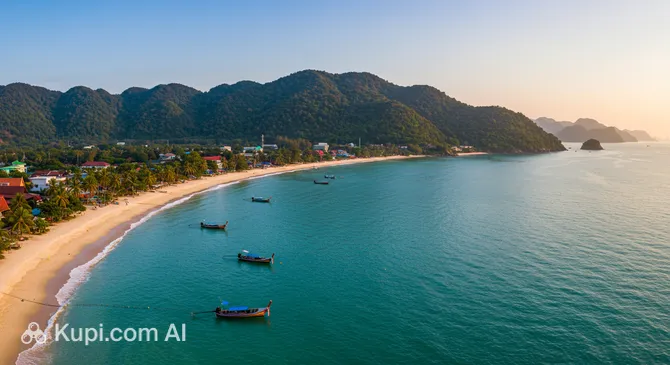
Chumphon. Source: Kupi.Binoculars

Beyond its heritage, the area is blessed with natural beauty. Thung Wua Laen Beach is a highlight, offering soft white sands and clear waters perfect for swimming and relaxation without the large crowds found elsewhere. Additionally, the local night markets provide a fantastic opportunity to taste fresh seafood and traditional southern Thai dishes, which are known for their intense and vibrant flavors.

Whether you are waiting for a ferry to the islands or looking for a quiet coastal retreat, Chumphon welcomes you with open arms. It is an ideal destination for travelers who wish to explore the unspoiled side of the country and enjoy genuine local hospitality.
Weather Overview

Chumphon experiences a tropical climate characterized by consistent warmth and distinct variations in rainfall throughout the year. Average temperatures remain fairly stable, hovering between a low of approximately 25.5°C in December and reaching up to 28.3°C during April, which is typically the hottest month. Expect warm, humid days year-round, with the coolest and most comfortable period usually occurring around the turn of the year.

Precipitation patterns play a major role in the region's seasons, dividing the year into drier and wetter phases. The months of January through March are generally the most favorable for outdoor activities, recording the lowest precipitation and only about 9 to 12 wet days per month. In contrast, the rainy season intensifies significantly from May onwards, peaking in October with rain occurring on up to 29 days. To help plan your activities around these patterns, checking the detailed weather in Chumphon is highly recommended before your trip.

Interesting Facts

Beyond the main attractions, Chumphon holds many fascinating secrets that reveal its unique character and ecological importance. From rare natural phenomena to specific local landmarks, this province offers curious details that go deeper than the typical travel guide.

  • The province is one of the most significant locations in Southeast Asia for observing raptor migration. Between September and November, hundreds of thousands of birds of prey, including buzzards and eagles, fly over the Khao Dinsor viewpoint as they migrate south, attracting birdwatchers from around the globe.
  • Chumphon is famous for a specific variety of fruit known as Kluai Lep Mue Nang, or "Lady Finger Bananas." These small, slender, and exceptionally sweet bananas are a local specialty, and you will often see them sold in large bunches along the roadside highways.
  • For many travelers driving from Bangkok to the south, the journey involves a traditional stop at a legendary service area. Khun Sarai Restaurant is a massive complex that has served as a crucial resting point for decades, signaling to motorists that they have officially entered the southern region.
  • The limestone islands scattered offshore are not just for sightseeing; they are prime nesting grounds for swiftlets. These islands are the source of the highly safe-guarded edible bird's nests used in Chinese cuisine, and some areas are strictly protected to manage the harvesting of this valuable commodity.
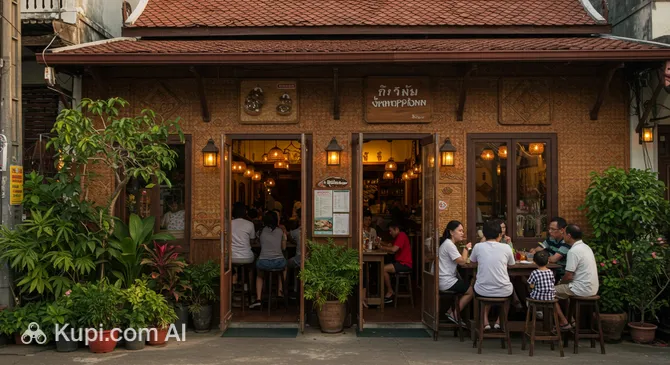
Khun Sarai Restaurant. Source: Kupi.Binoculars

How to Get There

Reaching this coastal province is relatively straightforward, with options ranging from direct flights to scenic train journeys. As a major gateway to the south, the city is well-connected to Bangkok and other key destinations. For a comprehensive guide on all available transport methods, you can read more about how to get to Chumphon to plan your trip effectively.

The most convenient way to arrive is by flying directly into Chumphon Airport (CJM). Located approximately 32 km from the city center, this regional airport primarily serves flights from Bangkok. Upon arrival, the journey to the city center takes about 1 hour and 10 minutes by taxi or shuttle bus. While it is a smaller facility with moderate passenger traffic, it offers the fastest connection for travelers short on time.

Alternatively, travelers can fly into Surat Thani Airport (URT), located in the neighboring city of Surat Thani. This is a larger international airport with more frequent flight schedules and connections. However, it is situated about 160 km away from Chumphon. A transfer from here by taxi or bus is a longer journey, taking approximately 4 hours and 20 minutes, but it can be a viable option if flight availability to Chumphon is limited.

For clarity, here is a summary of the main airports in the vicinity:

Airport Name City Passenger Traffic Km from City
Koh Samui Airport Koh Samui Large 155.2
Surat Thani Airport Surat Thani Large 159.9
Chumphon Airport Chumphon Medium 32.1
Myeik Airport Myeik - 212.5
Kawthaung Airport Kawthaung - 85.0

Beyond air travel, Chumphon is a significant hub on the Southern Railway Line. Trains from Bangkok’s Krung Thep Aphiwat Central Terminal depart regularly, offering both express and rapid services that allow travelers to enjoy the countryside views. Buses and minivans also operate frequently from the Southern Bus Terminal in Bangkok, providing a budget-friendly alternative for reaching the city center.

Main Attractions

Chumphon offers a delightful mix of natural wonders, historical sites, and local landmarks that reflect the authentic charm of Southern Thailand. From pristine coastlines to sweeping viewpoints, the city and its surroundings provide a variety of memorable experiences for travelers seeking both relaxation and exploration.

One of the most beloved natural attractions is Thung Wua Laen Beach. Often referred to as "Running Bull Beach," this stretch of coastline is famous for its fine white sand and crystal-clear waters. Unlike the crowded beaches found in more commercialized tourist destinations, it offers a peaceful atmosphere ideal for swimming, sunbathing, and enjoying fresh seafood at the small restaurants lining the shore.

For a panoramic perspective of the region, a trip to Khao Matsee Viewpoint is highly recommended. Located on a hill near the estuary, this spot offers a stunning 360-degree view of the fishing villages, the winding river, and the vast ocean. It is particularly popular at sunset, where visitors can enjoy a coffee while watching the sky turn vibrant shades of orange and pink over the Gulf of Thailand.

Nature enthusiasts should explore Mu Ko Chumphon National Park, which encompasses a rich variety of ecosystems ranging from lush mangrove forests to offshore islands. The park is a haven for biodiversity and offers excellent opportunities for snorkeling among coral reefs or walking along the wooden boardwalks to observe the unique flora and fauna of the mangrove swamps.

A significant cultural and historical site is the Shrine of Krom Luang Chumphon Khet Udomsak located at Hat Sai Ri. This monument honors the Prince of the Royal Thai Navy and is deeply revered by Thai people. Set against the backdrop of a beautiful curved beach and featuring a large museum ship, it is a place where visitors can learn about local history and pay their respects in a serene setting.

For those traveling along the main highway or looking to experience a legendary local stopover, Khun Sarai Restaurant is a landmark in its own right. This immense dining complex is more than just a place to eat; it is a bustling hub that has served travelers for decades. Known for its wide selection of authentic Thai dishes and southern curries, it also features a large souvenir market where you can buy local snacks and products.

Local Cuisine

The culinary landscape of Chumphon is a vibrant reflection of Southern Thai culture, known for its bold spices and abundant seafood. Being a coastal province with a thriving fishing industry, the freshness of the ingredients is unmatched. Visitors can expect dishes that pack a punch with heat from bird's eye chilies, aromatic turmeric, and the rich creaminess of coconut milk, offering an authentic taste of the south that is distinct from the milder flavors found in central Thailand.

Among the must-try dishes is Gaeng Som, a fiery sour yellow curry usually prepared with fresh fish, bamboo shoots, or papaya. It is a staple of the region and offers a distinctively sharp and spicy flavor profile. Another local favorite is Pad Sataw, or stir-fried stink beans with shrimp. While the beans have a unique and pungent aroma, when cooked with spicy shrimp paste (kapi), they create a delicious and savory combination that adventurous eaters often adore.

For breakfast, the locals often prefer a lighter yet savory start with Dim Sum, a tradition influenced by the region's Chinese heritage. Steamed dumplings, buns, and pork ribs are widely available in morning tea shops. Alternatively, Khanom Jeen, fresh rice noodles served with a variety of spicy curries and a large platter of fresh vegetables and herbs, makes for a hearty local meal at any time of day.

Chumphon is also one of the country's premier coffee-growing regions, particularly known for its Robusta beans. Coffee lovers should not miss the chance to try the local brew, often served strong and sweetened with condensed milk to balance the intensity. For a refreshing non-alcoholic option, fresh coconut water is readily available, sourced directly from the vast orchards that surround the city.

The dining scene ranges from bustling night markets, where you can sample street food snacks like grilled squid and fried chicken, to established roadside venues. Travelers passing through often stop at Khun Sarai Restaurant, a massive dining complex that offers a comprehensive selection of these southern specialties, making it a convenient place to experience the province's culinary diversity in one sitting.

Travel Tips

Visiting Chumphon offers a wonderful opportunity to experience the authentic Southern Thai lifestyle, far removed from the commercialized atmosphere of major tourist hubs. To help you navigate the city with ease and enjoy a hassle-free trip, here are some practical tips to keep in mind while planning your adventure.

  1. Clothing and Gear: The climate is tropical and humid, so pack lightweight, breathable fabrics like cotton or linen. Since you will likely visit temples or shrines, bring clothing that covers your shoulders and knees to respect local customs. Comfortable slip-on shoes or sandals are essential, as you will frequently need to remove them before entering homes, shops, and religious sites.
  2. Transportation: The most authentic way to get around the city and reach nearby beaches like Thung Wua Laen is by using songthaews (converted pick-up trucks with bench seating). They are affordable and run on fixed routes. For more flexibility, you can rent a scooter, but ensure you have a valid international driving license and always wear a helmet.
  3. Finances: The local currency is the Thai Baht (THB). While hotels and some larger restaurants accept credit cards, cash is absolutely necessary for night markets, small eateries, and local transport. ATMs are widely available throughout the city, typically located outside convenience stores and banks.
  4. Health and Safety: Chumphon is generally a safe city for travelers. However, mosquitoes can be a nuisance, especially around dusk, so carrying a good insect repellent is highly recommended. Pharmacies are easy to find in the town center for basic medical needs. As with most of Thailand, it is best to drink bottled water rather than tap water.
  5. Communication: While English is understood at the train station, ferry piers, and major hotels, it is less common in local markets. Downloading a translation app can be very helpful. Locals appreciate it if you learn a few basic phrases, such as "Sawatdee" (Hello) and "Khop Khun" (Thank you). SIM cards with 4G/5G data are easily purchasable at convenience stores upon arrival.
  6. Local Etiquette: The traditional greeting is the Wai (pressing palms together at chest level), and it is polite to return the gesture if offered. The head is considered the most sacred part of the body, so never touch someone's head. Conversely, the feet are considered the lowest, so avoid pointing them at people or religious images when sitting.
  7. What to Avoid: Avoid public displays of anger or raising your voice. In local culture, maintaining a "cool heart" (jai yen) is vital, and losing your temper causes a loss of face for everyone involved. Also, avoid public displays of affection, which are generally frowned upon in more conservative provincial areas.
  8. Local Insight: Chumphon is a major coffee-growing region, particularly famous for its Robusta beans. Do not miss the chance to try the local style of coffee, which is often roasted with special ingredients and served strong with sweetened condensed milk—a true taste of the province.

By following these simple guidelines, you will be well-prepared to embrace the relaxed pace and genuine hospitality that Chumphon has to offer. Whether you are exploring the vibrant night markets or waiting for a ferry to the islands, these tips will help you connect better with the local culture and make your stay memorable.

Entertainment & Nightlife

Entertainment in Chumphon is refreshing and authentically Thai, offering a stark contrast to the high-energy party scenes of Bangkok or Phuket. The nightlife here is laid-back and centers mostly around socializing, dining, and enjoying live music in a relaxed setting. Instead of neon-lit clubs and go-go bars, you will find friendly pubs, bustling night markets, and venues where locals and travelers mingle effortlessly.

The heart of the evening action is undoubtedly the Chumphon Night Market located along Krom Luang Chumphon Road. As the sun sets, this street transforms into a vibrant hub of activity. It is the perfect place to start your evening, surrounded by the delicious aromas of grilling satay and pad thai. The atmosphere is casual and family-friendly, with stalls selling everything from clothing to handicrafts. It is bustling but rarely overcrowded, allowing you to soak in the local culture at a comfortable pace.

For those seeking a drink and some music, the area surrounding the Train Station and That Taphao Road is the main nightlife district. Here, you can find several bars and pubs that stay open late. Farang Bar is a well-known spot among backpackers and expats, offering a welcoming vibe, cold beers, and a chance to swap travel stories. Another popular venue is Papa 2000, which often features live bands playing a mix of Thai pop and Western rock covers. These places usually have a rustic, open-air style and do not enforce a strict dress code—shorts and t-shirts are perfectly acceptable.

Prices in Chumphon are very reasonable compared to major tourist destinations. A large local beer typically costs a fraction of what you would pay on the islands. Most bars open around 6:00 PM and close by midnight or 1:00 AM. Getting around at night is relatively easy; motorbike taxis are stationed at key intersections, but it is always wise to agree on a fare before hopping on. The city is generally safe for night walks, though it is best to stick to well-lit main streets and avoid wandering into unlit alleys.

While the nights are quiet, daytime entertainment offers a few cultural diversions. If you have time to spare before your evening outings, you can visit the Chumphon National Museum to delve into the province's history and archaeology. For a more modern experience, the Ocean Shopping Mall provides a cool escape from the heat, complete with a cinema where you can catch the latest movies, offering a simple yet pleasant way to spend an afternoon.

Parks & Museums

While Chumphon is widely recognized for its coastline, the city and its surroundings also possess a wealth of green spaces and cultural institutions that offer a deeper understanding of the region's heritage. For travelers looking to step away from the beach for a day, the local parks and museums provide a serene and educational escape, showcasing everything from royal development projects to ancient archaeological finds.

One of the most scenic natural areas is the Nong Yai Tang Chang Public Park. This expansive site is part of a royal initiative developed to manage water resources and prevent flooding, following the philosophy of the late King Rama IX. Today, it serves as a beautiful recreational space featuring large ponds, wooden walkways that meander over the water, and lush greenery. It is particularly famous for its resident deer population, which roams freely in designated areas, allowing visitors to get close to these gentle animals in a peaceful setting.

For those interested in the ecological diversity of the province, the mangrove nature trails within the Mu Ko Chumphon National Park are a must-visit. Although the park covers the islands, the headquarters on the mainland features a well-maintained wooden boardwalk that winds through a dense mangrove forest. It is an excellent spot for nature walks, bird watching, and learning about the vital coastal ecosystem that protects the shoreline from erosion.

To dive into the local history, the Chumphon National Museum is the premier cultural venue in the city. The museum houses a comprehensive collection of artifacts ranging from prehistoric tools and beads found in the area to items from the Dvaravati and Srivijaya periods. A significant portion of the exhibition is dedicated to the impact of Typhoon Gay in 1989, a pivotal event in the province's modern history, offering a moving insight into the resilience of the local people.

Another unique historical site is the HTMS Chumphon, a decommissioned torpedo boat permanently docked at the foot of the Prince of Chumphon Shrine at Sai Ri Beach. This impressive vessel, which once served in the Royal Thai Navy, has been converted into an open-air museum. Visitors can walk around the ship and explore its exterior, gaining a sense of the maritime history that is so central to this coastal province's identity.

For an authentic local experience, consider visiting Wat Chao Fa Sala Loi, located a short drive from the city center. This temple is revered by locals for the legacy of Luang Pu Song, a monk believed to possess holy virtues. The temple grounds are peaceful and feature a large, ancient tree that adds to the spiritual atmosphere, offering a quiet glimpse into the devout Buddhist culture of the region.

Getting Around

Navigating Chumphon is a straightforward and authentic experience, quite different from the complex transit networks found in larger metropolises. As a relatively compact provincial city, it does not have a metro, tram, or extensive public bus system. Instead, the local transport network relies primarily on road-based options that are informal, affordable, and easy to use once you understand how they operate.

The most common form of public transport is the Songthaew. These are converted pickup trucks with two bench seats in the back and a roof overhead. They serve as the city's main "buses," running on fixed routes that connect the city center with key locations such as the train station, markets, and popular beaches like Thung Wua Laen and Sai Ri. You can identify their destination by the color of the truck or the placards displayed on the front, though asking the driver is always the safest bet.

For shorter distances within the town center or for solo travelers, motorbike taxis are the fastest option. Drivers typically wear brightly colored vests (usually orange or green) and congregate at street corners, outside convenience stores, and near the train station. They are perfect for quick hops across town, but remember to ask for a helmet. Tuk-tuks are also available, though less ubiquitous than in the capital; they are best suited for travelers with luggage or small groups.

The payment system in Chumphon is entirely cash-based. There are no travel cards, digital passes, or ticket machines. For Songthaews, the fare is fixed and generally very low; you simply hop in, press the buzzer on the ceiling when you want to get off, and pay the driver through the passenger window upon exiting. For motorbike taxis and tuk-tuks, there are no meters, so you must negotiate and agree on a price before starting your journey to avoid misunderstandings.

Tourists should be aware of the operating hours, which can be limited compared to bigger cities. Songthaews typically run from early morning until around 6:00 PM. If you are planning to stay at the beach until after sunset, you will likely need to arrange alternative transport back, such as a private taxi or a pre-arranged ride, as public options disappear in the evening.

Given the relaxed nature of the public transport schedule, many visitors prefer the freedom of renting a scooter. Rental shops are easy to find near the train station and in the city center. This option allows you to explore the coastline and nearby attractions at your own pace. However, ensure you have a valid international driving license and are comfortable riding in local traffic conditions.

While ride-hailing apps are gradually making their way into provincial areas, their availability here can be sporadic compared to major tourist hubs. It is often more reliable to ask your hotel or guesthouse to call a local taxi or arrange a driver for you if you need a private car for a day trip or an airport transfer.

Accommodation

Accommodation in Chumphon is diverse yet refreshingly affordable, catering primarily to travelers passing through to the islands and those seeking a quiet coastal retreat. The options generally range from simple guesthouses and budget hostels to comfortable mid-range hotels and beachfront resorts. Unlike the highly commercialized tourist hubs of Thailand, the lodging scene here feels more authentic and laid-back, with a focus on value for money rather than ultra-luxury experiences.

For most visitors, the choice of where to stay depends largely on their itinerary. The City Center is the most convenient area for those arriving by train or bus and planning to catch a ferry the next morning. Staying here places you within walking distance of the night markets, the train station, and various street food stalls. It is the practical choice for transit travelers who value accessibility over scenic views.

On the other hand, if you have more time and wish to enjoy the province's natural beauty, the beach areas are highly recommended. Thung Wua Laen Beach and Sai Ri Beach offer a selection of bungalows and resorts right on the sand. These areas are perfect for relaxation, allowing you to wake up to the sound of the ocean, though they are located about 15 to 20 kilometers from the town center, requiring a taxi or rental scooter for access.

The price range for accommodation in Chumphon is generally lower than in destinations like Phuket or Koh Samui. You can easily find clean, air-conditioned rooms in the budget to mid-range category. While walk-in bookings are often possible, especially in the city center, it is increasingly common to use major online booking platforms to secure the best rates and check reviews.

Booking Tip: Although Chumphon is rarely fully booked, it is wise to reserve your room in advance if you are visiting during major Thai holidays or the peak travel season (December to April). Additionally, if you are arriving late at night by train, having a confirmed booking near the station can save you the hassle of wandering around with luggage in the dark.

Nearby Cities

For those looking to explore the surroundings, Chumphon serves as an excellent base for day trips to several interesting nearby locations:

One of the most charming destinations within reach is Prachuap Khiri Khan. Situated to the north, this relaxed coastal town is celebrated for its scenic "Three Bays" and the peaceful atmosphere that pervades its seafront promenade. A highlight for many visitors is the Wing 5 airbase, where you can encounter and feed the friendly, spectacle-eyed dusky leaf monkeys that inhabit the area.

For a change of scenery from the coast to the mountains, a trip towards Ban Bang Rin in Ranong province is highly recommended. Located just across the Kra Isthmus, this area is famous for its natural hot springs and lush rainforests. It offers a rejuvenating escape where travelers can soak in mineral-rich waters surrounded by mist-covered hills.

Heading south, the city of Surat Thani offers a bustling urban experience. Often known as the hub of the south, it provides an authentic look at local Thai life with its vibrant night markets and the majestic Tapi River. It is a great place to sample diverse southern street food and experience the energetic pace of a major provincial capital.

City Population Distance (km)
Surat Thani 130703 162
Koh Samui 68994 155
Hua Hin 59369 239
Prachuap Khiri Khan 54018 154
Ban Bang Rin 23144 90

These nearby destinations offer a glimpse into the diverse culture and landscapes of the region.

Shopping & Souvenirs

Shopping in Chumphon is a low-key but delightful experience that focuses more on local produce and traditional markets than on high-end luxury retail. Visitors will not find sprawling mega-malls here; instead, the city offers a chance to discover authentic Thai products, fresh tropical fruits, and unique regional souvenirs at reasonable prices.

One of the most famous items to buy in this province is the Lady Finger Banana (Kluai Lep Mue Nang). These small, sweet bananas are a signature product of the region. You can find them sold fresh in large bunches or processed into various snacks like dried bananas or banana chips, which make for excellent edible souvenirs. Alongside fruit, the province is a major producer of Robusta coffee. Coffee lovers should look for locally roasted beans or instant coffee packs from Chumphon brands to take home a taste of the south.

For a lively shopping atmosphere, the evening markets are the place to be. While often centered around food, the Chumphon Night Market also features stalls selling clothing, accessories, and handicrafts. It is a great spot to browse for inexpensive T-shirts, sarongs, or small gifts while soaking in the local culture.

Travelers driving along the main highway often make a stop at Khun Sarai Restaurant. Although primarily a dining complex, it houses a vast souvenir market that is perfect for last-minute shopping. Here, you can find a wide array of local OTOP (One Tambon One Product) goods, including the famous bananas, curry pastes, and preserved seafood, all conveniently packaged for travel.

If you need modern necessities, electronics, or branded goods, the Ocean Shopping Mall in the city center is the main destination. As the primary department store in town, it provides a supermarket, cinema, and various retail shops, offering a comfortable air-conditioned break from the tropical heat.

Reached the end of the page?

That means the route is fully explored