Support

Hua Hin

About

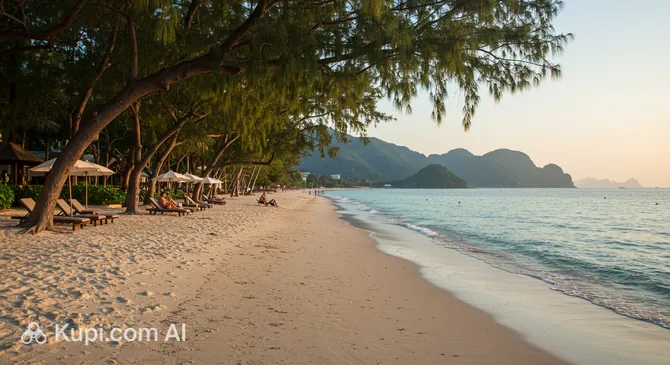
Hua Hin is a captivating destination that perfectly blends the charm of a traditional fishing village with the sophistication of a modern resort. Located in the Prachuap Khiri Khan province, this seaside city has long been a favorite getaway for both locals and international travelers seeking a relaxing escape alongside the ocean.

Situated on the western coast of the Gulf of Thailand, the city enjoys a tropical climate with pleasant sea breezes that make it an attractive destination year-round. With a population of approximately 59,000 residents, it maintains a lively yet unhurried pace. The history of Hua Hin is deeply intertwined with the Thai royal family, who established their summer palaces here in the early 20th century, transforming it into the country's original beach resort.

Hua Hin. Source: Kupi.Binoculars

Visitors are often drawn to the city's unique mix of attractions and activities. The iconic Hua Hin Railway Station, with its striking red and yellow Victorian-style architecture, stands as a beautiful testament to the area's heritage. The long, sandy beach offers plenty of opportunities for sunbathing, horseback riding, and water sports, particularly kiteboarding. For those interested in local culture and cuisine, the vibrant Night Market provides an authentic taste of delicious street food and lively shopping.

Whether you are looking to explore historical sites, enjoy fresh seafood by the water, or simply unwind in a tranquil setting, Hua Hin offers a memorable experience. It is a wonderful choice for a holiday that successfully combines cultural discovery with seaside leisure.

Weather Overview

Hua Hin enjoys a tropical climate that makes it a popular beach destination throughout the year. For a more detailed breakdown of conditions for your specific travel dates, you can check the current weather in Hua Hin. Generally, the city experiences consistent warmth, with distinct variations in rainfall rather than extreme temperature changes.

The year typically starts with a dry and pleasant period from December to March. During these months, average temperatures range from 25.7°C to 29.1°C, and rain is very scarce, with only 3 to 6 wet days per month. April is usually the hottest month, with average highs reaching 34.5°C. From May onwards, the wet season sets in, bringing frequent showers that last through October. During this time, while it remains warm, you might encounter up to 24 wet days in a month. Expect warm temperatures year-round with dry, sunny winters and frequent rainfall during the summer and early autumn months.

Interesting Facts

Beyond the main attractions, Hua Hin holds many fascinating secrets that reveal its deep royal heritage and vibrant local culture. This coastal city is more than just a beach destination; it is a place full of history and unique quirks waiting to be discovered.

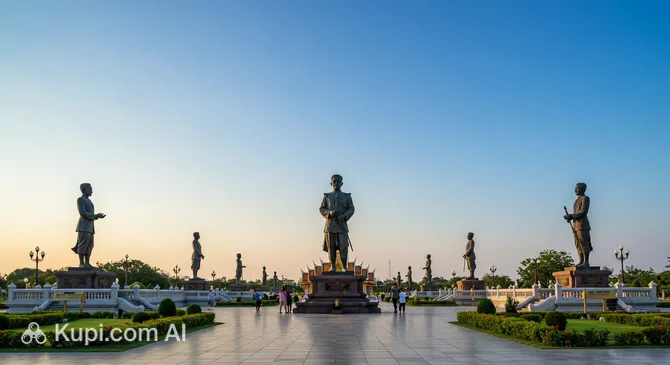
Rajabhakti Park. Source: Kupi.Binoculars
  • The city is home to the Klai Kangwon Palace, a summer royal residence built in 1929. Its name beautifully translates to "Far from Worries," reflecting the peaceful atmosphere that King Rama VII intended for this seaside retreat, which remains an official royal residence today.

  • History enthusiasts will be amazed by Rajabhakti Park, a grand site honoring past Thai monarchs. The park features seven gigantic bronze statues of prominent kings from different periods of Thai history, each standing nearly 14 meters tall against a dramatic mountain backdrop.

  • At the southern end of the main beach stands Khao Takiab Temple, widely known as "Monkey Mountain." The hill is inhabited by hundreds of macaque monkeys and offers a steep climb that rewards visitors with one of the best panoramic views of the city and the coastline.

  • Hua Hin has emerged as the unofficial kiteboarding capital of Asia. Thanks to its shallow waters and consistent winds, particularly from November to April, the beach attracts water sports enthusiasts from all over the world to ride the waves of the Gulf of Thailand.

  • For a dive into the local creative scene, the Hua Hin Artists Village (Baan Sillapin) is a must-visit cultural hub. Founded by a local watercolor artist, this leafy compound contains galleries, studios, and workshops, showcasing the region's thriving artistic community.

How to Get There

Reaching this seaside resort is relatively straightforward, offering several convenient options for travelers. While many visitors choose to travel by road from Bangkok, flying is also a possibility. For a comprehensive overview of all transport methods, you can read more about how to get to Hua Hin to plan your journey effectively.

The city is served by its own local aviation hub, Hua Hin Airport (HHQ). Located just 7.5 km from the city center, it offers the most direct access, with a quick taxi ride taking approximately 30 minutes. Although it is a small airport with limited flight schedules, it provides a convenient entry point for those connecting from specific domestic or regional locations.

For most international travelers, the primary gateway is via Bangkok. Suvarnabhumi Airport (BKK), located in the capital, is the country's main international hub and sits approximately 151 km from Hua Hin. The journey by taxi or private transfer typically takes around 3 to 4 hours, depending on traffic. Alternatively, Don Mueang International Airport (DMK), also in Bangkok and situated about 164.5 km away, serves as a major hub for budget airlines. Travelers arriving here can also reach the coast by taxi, bus, or minivan in a similar timeframe.

For clarity, here is a summary of the main airports near the region:

Airport Name City Passenger Traffic Km from City
Suvarnabhumi Airport Bangkok Large 151.1
Don Mueang International Airport Bangkok Large 164.5
Utapao Airport Pattaya Medium 114.5
Hua Hin Airport Hua Hin Small 7.5

Besides air travel, the city is well-connected by land. Regular bus services and minivans operate frequently from Bangkok's bus terminals. Additionally, the historic railway station in the city center welcomes trains from the capital, offering a scenic and classic way to arrive at this royal resort destination.

Main Attractions

Hua Hin offers a delightful variety of attractions that cater to every type of traveler, from bustling markets and scenic viewpoints to modern water parks. The city's charm lies in its ability to offer authentic local experiences alongside world-class leisure facilities.

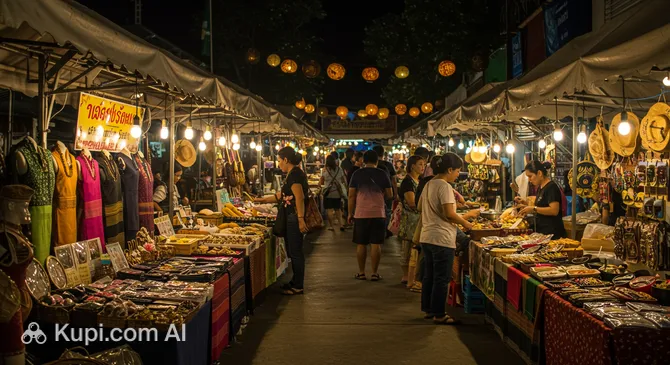
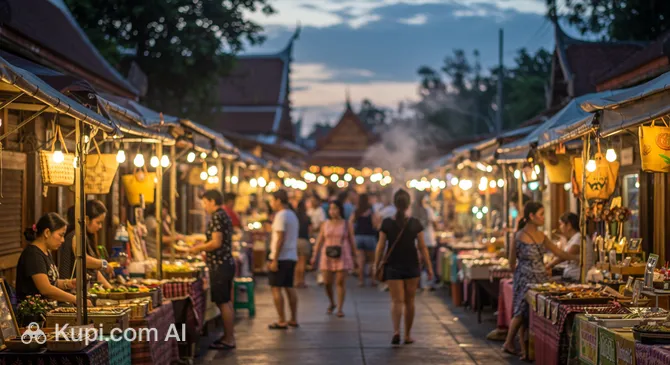
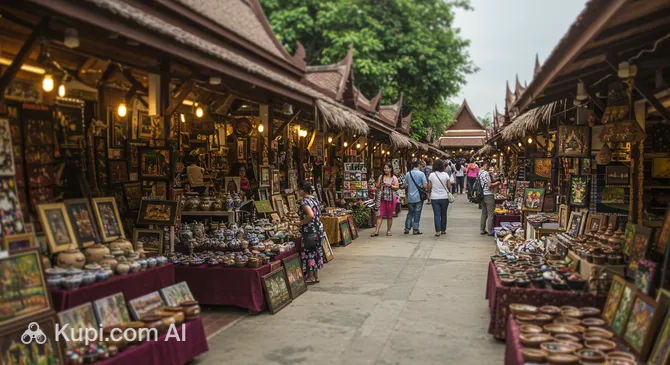
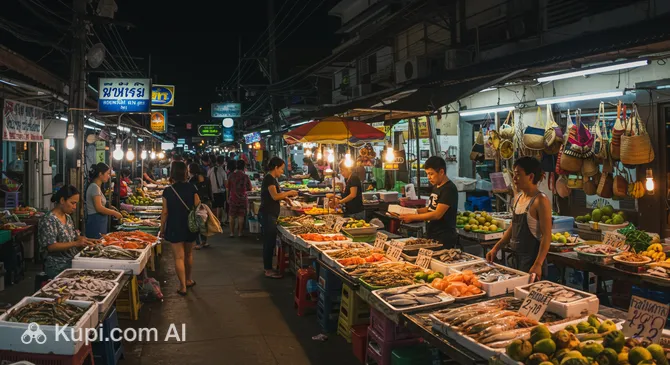
One of the most essential experiences in the city is a visit to the Hua Hin Night Market. Located in the center of town, this lively street market comes alive after sunset. It is a fantastic place for tourists to immerse themselves in the local atmosphere, offering an array of stalls selling clothes, crafts, and souvenirs. However, the real highlight here is the seafood; numerous street-side restaurants serve fresh, grilled catches at reasonable prices, making it a culinary haven for food lovers.

Hua Hin Night Market. Source: Kupi.Binoculars

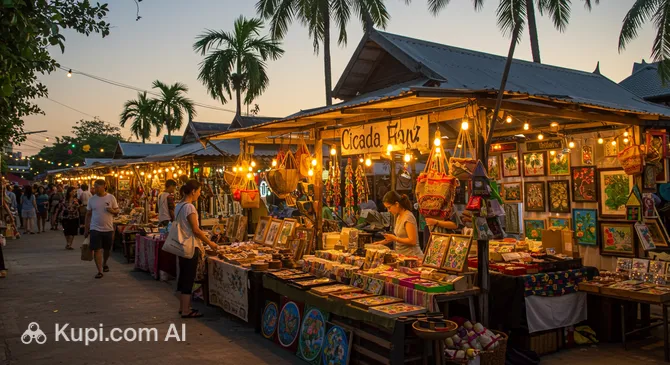
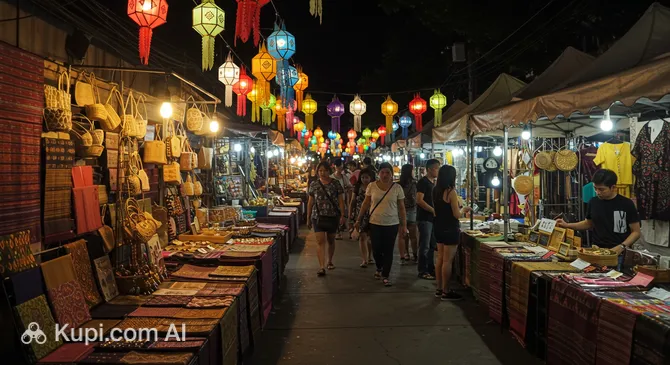
For a more artistic and sophisticated evening, the Cicada Market is a perfect choice. Open on weekends, this market is situated in a beautiful garden setting and focuses on art, handmade crafts, and creative goods. Unlike the traditional night market, the atmosphere here is more relaxed, often featuring live music, open-air theater performances, and art exhibitions. It is an excellent spot to find unique souvenirs and enjoy a diverse selection of international and local dishes in the designated dining zone.

Cicada Market. Source: Kupi.Binoculars

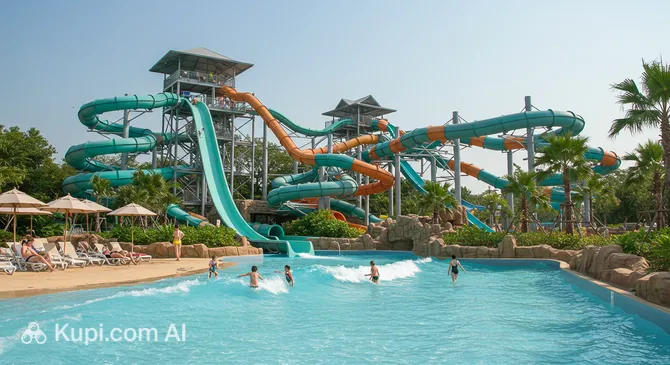
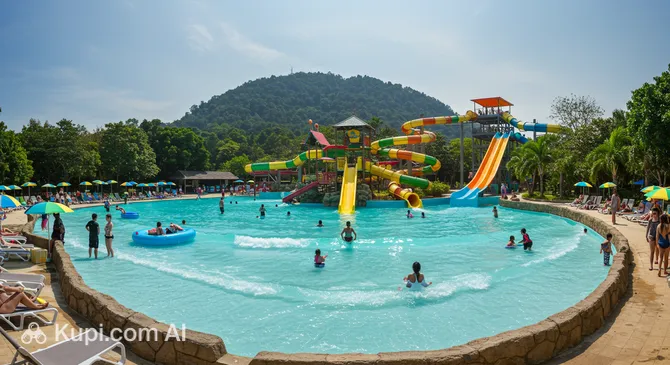
Families and thrill-seekers will find plenty of excitement at Vana Nava Water Jungle. As one of the region's premier water parks, it is designed with a "water jungle" theme, integrating lush tropical landscaping with high-tech rides. Tourists enjoy it for its impressive variety of slides, including the largest waterslide in Thailand, as well as its surf zone and kid-friendly areas. It provides a refreshing break from the beach and a full day of entertainment.

Vana Nava Water Jungle. Source: Kupi.Binoculars

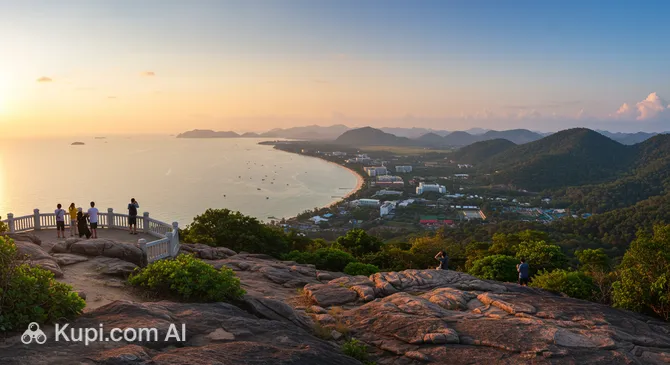
To capture the best panoramic views of the royal resort city, a trip to Khao Hin Lek Fai is highly recommended. Known locally as "Flintstone Hill," this viewpoint is located just a few kilometers west of the city center. It offers several observation decks that look out over the city layout, the Gulf of Thailand, and the surrounding golf courses. The area is also home to friendly monkeys and peaceful walking paths, making it a great spot for nature lovers and photographers, especially during sunrise or sunset.

Khao Hin Lek Fai. Source: Kupi.Binoculars

Local Cuisine

Local Cuisine:

As a historic seaside resort, Hua Hin is synonymous with exceptional seafood. The city’s culinary identity is deeply rooted in its fishing village origins, offering visitors the chance to enjoy the freshest catches from the Gulf of Thailand. From premium dining establishments to humble street stalls, the local food scene is vibrant, spicy, and incredibly diverse, blending traditional Thai flavors with the abundance of the ocean.

A visit here is not complete without indulging in the local seafood specialties. Grilled river prawns, steamed blue crabs, and squid are staples found on almost every menu. These dishes are typically served with Nam Jim Seafood, a spicy and sour dipping sauce made from lime, garlic, and chili that perfectly complements the natural sweetness of the fresh meat. Another regional favorite is Hor Mok, a fragrant steamed fish curry custard wrapped in banana leaves, which offers a soft texture and rich, aromatic spices.

For those who love exploring street food, the city offers excellent night markets dedicated to gastronomy. While the famous Night Market in the center is well-known, Tamarind Market is a fantastic alternative specifically focused on food. Located just south of the city center, this open-air venue features live music and rows of vendors selling everything from pad thai and grilled skewers to international snacks. It provides a relaxed, garden-like atmosphere perfect for an evening meal.

Tamarind Market. Source: Kupi.Binoculars

Travelers looking for authentic local recipes in a sit-down setting should visit Ko Mak Restaurant Hua Hin. This establishment is highly regarded for its traditional dishes and use of high-quality ingredients, offering a genuine taste of Hua Hin's culinary heritage. Another legendary spot is Sook Sook Pochana Hua Hin, a vintage restaurant that has been serving classic Thai-Chinese seafood dishes for decades, beloved by both locals and visitors for its nostalgic charm and consistent flavors.

To finish your culinary journey on a sweet note, be sure to try the city's renowned Mango Sticky Rice. Hua Hin is famous for this dessert, often prepared with perfectly ripe mangoes and rich coconut milk. Whether enjoyed at a market stall or a seaside cafe, it is the perfect refreshing treat to cool down after a day in the tropical sun.

Travel Tips

Welcome to Hua Hin! To help you make the most of your stay in this charming royal seaside retreat, we have compiled a set of practical tips that cover everything from navigating local transport to understanding cultural nuances, ensuring your trip is as smooth as it is memorable.

  1. Clothing and Gear: Given the tropical climate, pack lightweight, breathable fabrics like cotton or linen to stay cool. Comfortable sandals are ideal for the beach, but bring sturdy walking shoes for exploring. If you plan to visit temples like Khao Takiab, remember that modest dress is required; you must cover your shoulders and knees. A universal power adapter and high-SPF sunscreen are also essential items to carry.
  2. Transportation: The most authentic and affordable way to get around is by using the local Songthaews (green pickup trucks with bench seating). They run regular routes along the main road and cost very little (usually around 10–20 THB). For more direct travel, ride-hailing apps like Grab are widely available and safe. Car rental gives you freedom but be aware that local driving habits can be unpredictable.
  3. Finances: The local currency is the Thai Baht (THB). While credit cards are accepted in hotels and shopping malls like Market Village, cash is king at the famous night markets and street food stalls. ATMs are ubiquitous, often found outside 7-Eleven stores. Tipping is not mandatory but is appreciated in restaurants and for massages; rounding up the bill or leaving 20–50 THB is a kind gesture.
  4. Health and Safety: Hua Hin is generally very safe, but tourists should be cautious of stray dogs in quieter areas and monkeys at temple sites, which can be aggressive if they see food. Pharmacies are plentiful and often have English-speaking staff. For serious medical issues, private hospitals like Bangkok Hospital Hua Hin offer excellent international-standard care.
  5. Communication: English is widely spoken in tourist areas, hotels, and restaurants, though learning a few basic Thai phrases like "Sawasdee" (Hello) and "Khop Khun" (Thank you) will earn you warm smiles. SIM cards with data packages are easily purchasable at convenience stores or shopping centers upon arrival, ensuring you stay connected.
  6. Local Etiquette: The traditional greeting is the Wai (pressing palms together at chest level), which is a polite way to return a greeting. The head is considered the most sacred part of the body, so never touch someone's head. Conversely, feet are considered the lowest, so avoid pointing them at people or religious images, and always remove your shoes before entering a home or temple.
  7. What to Avoid: Hua Hin has close ties to the Thai Royal Family, with the royal palace located right in the city. It is strictly forbidden to show disrespect towards the Royal Family or their images. Additionally, avoid drinking tap water; stick to bottled water, which is cheap and readily available everywhere.
  8. Local Insight: Be aware that Hua Hin is a popular weekend getaway for Bangkok residents. Traffic can become significantly heavier from Friday evening to Sunday afternoon, and popular seafood restaurants may require reservations during these times. Plan your travel and dining schedule accordingly to avoid the weekend rush.

By keeping these practical tips in mind, you will be well-prepared to embrace the relaxed pace and rich culture of Hua Hin. Enjoy your journey through this delightful coastal city, where royal heritage meets the soothing rhythm of the sea!

Entertainment & Nightlife

While the beaches are the main draw, Hua Hin offers a diverse range of entertainment options that go beyond the sand and sea. From adrenaline-pumping water parks to sophisticated lifestyle malls and relaxing beach clubs, there is plenty to keep visitors occupied throughout the day and into the evening.

For a day of family fun away from the saltwater, Black Mountain Water Park is a fantastic choice. Located a short drive inland, this park is known for its high safety standards and modern equipment. It features a massive wave pool, a lazy river for relaxation, and a dedicated wakeboarding park for those looking to test their skills on the water. It offers a slightly more laid-back atmosphere compared to other water parks in the region.

Black Mountain Water Park. Source: Kupi.Binoculars

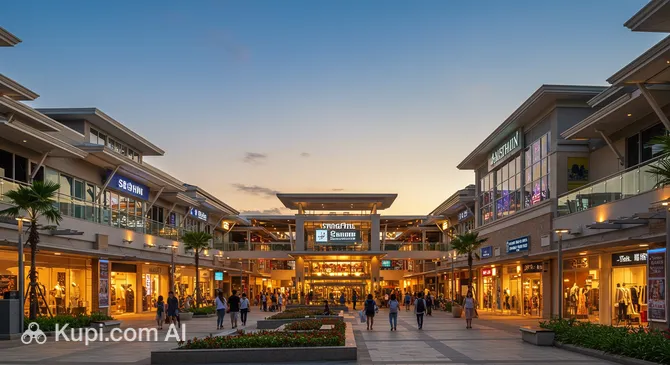
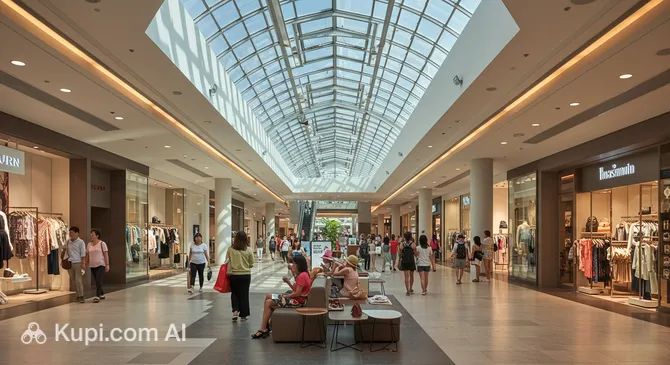
Shoppers and movie buffs will appreciate the city's modern retail complexes, which serve as major entertainment hubs. Market Village Hua Hin is the town's original large-scale shopping center, offering a mix of international brands, a bowling alley, and a cinema. For a more upscale experience, Bluport Hua Hin provides a resort-themed atmosphere with luxury boutiques and a gourmet food hall, making it a perfect escape from the midday heat.

Market Village Hua Hin. Source: Kupi.Binoculars

As evening approaches, the entertainment scene shifts towards relaxed socializing by the ocean. The coastline is dotted with stylish venues like Let's Sea, a chic beach bar and restaurant that captures the essence of a tropical holiday. It is an ideal spot to enjoy a sunset cocktail and soak in the ambiance of the Gulf of Thailand without the noise of a rowdy club.

Additionally, Hua Hin is renowned as a premier golfing destination in Thailand. The area boasts several world-class courses designed to challenge players of all levels, set against the stunning backdrop of rolling hills and ocean views, attracting sport enthusiasts from around the globe.

Parks & Museums

While Hua Hin is best known for its long stretches of sand, the city also boasts a refreshing selection of green spaces and cultural venues. Beyond the beach resorts, visitors can discover tranquil parks, historic temples, and creative hubs that offer a deeper insight into the local lifestyle and artistic heritage.

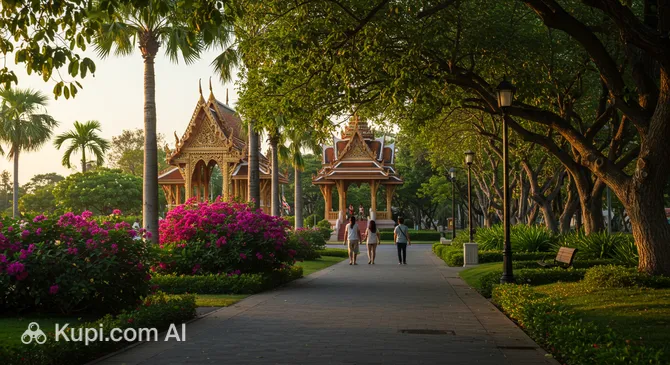
For those seeking a relaxing outdoor experience beloved by locals, Queen's Park (19 Rai) is a perfect choice. Located along the coast just north of the city center, this public park features a large open space equipped with fitness zones, playgrounds, and seaside promenades. It is a fantastic spot for a morning jog or an evening stroll, offering a peaceful atmosphere where you can watch fishing boats on the horizon while enjoying the fresh sea breeze.

Queen's Park (19 Rai). Source: Kupi.Binoculars

Nature lovers looking for a quieter alternative to the main city beach should head to Suan Son Pradiphat Beach. Also known as the Sea Pine Garden, this area is managed by the Royal Thai Army but is open to the public. The beach is lined with rows of casuarina trees that provide ample shade, making it an ideal location for picnics and relaxation away from the crowds. The water here is generally shallow and calm, which is great for families with young children.

Suan Son Pradiphat Beach. Source: Kupi.Binoculars

On the cultural front, the Hua Hin Artists Village (Baan Sillapin) stands out as a vibrant center for creativity. Set in a lush, garden-like compound, this gallery and studio space showcases the works of local and international artists. Visitors can admire diverse collections ranging from paintings to sculptures, watch artists at work, or even participate in workshops. It is a charming place that highlights the artistic soul of the region.

Hua Hin Artists Village. Source: Kupi.Binoculars

Another significant cultural site is the Mrigadayavan Palace, often referred to as the "Palace of Love and Hope." Built in the early 1920s by King Rama VI, this golden teakwood seaside palace is a marvel of Thai-Victorian architecture. Although it serves as a museum today, its airy corridors and elevated walkways were originally designed to capture the cooling ocean breeze, offering a fascinating glimpse into the royal lifestyle of the past.

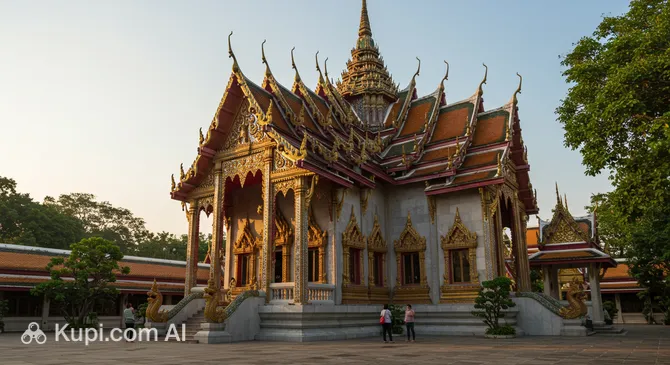
For a touch of spiritual history, Wat Hua Hin is the most important Buddhist temple in the town center. Also known as Wat Ampharam, it serves as a spiritual anchor for the community. The temple grounds feature intricate traditional architecture and golden structures that glisten in the sunlight, providing a serene environment for reflection amidst the bustling city streets.

Wat Hua Hin. Source: Kupi.Binoculars

Insider Tip: If you visit Queen's Park (19 Rai) in the late afternoon, you will witness it coming alive with local energy. It is a prime spot to see community aerobics classes in action or to browse the small pop-up stalls that often appear, selling local snacks and refreshments as the sun goes down.

Getting Around

Navigating Hua Hin is remarkably simple and relaxed compared to the bustling streets of larger metropolises. The city does not have a metro, tram, or complex public bus network. Instead, the local transport system relies primarily on Songthaews, which are modified pickup trucks with two bench seats in the back and a roof overhead. These open-air vehicles are the most authentic and affordable way to travel along the main coastal strip.

The most prominent line is the Green Songthaew, which runs a regular route along Phetkasem Road, the city's main artery. This route connects the airport in the north to Khao Takiab in the south, passing key locations like the Night Market, Market Village, and Bluport. There are also Orange and White Songthaews that serve routes heading further inland or to neighboring districts, but for most tourists, the Green line covers the majority of popular attractions and beaches.

The payment system is strictly cash-based, and fares are incredibly low. A standard trip within the main city limits typically costs a fixed rate of around 10 to 20 THB per person. There are no travel cards, passes, or ticketing apps for these local trucks. You simply pay the driver directly after you reach your destination and exit the vehicle. It is highly recommended to carry small change and coins, as drivers may not always have change for large banknotes.

Using a Songthaew is easy and requires no prior booking. To catch one, simply stand by the side of the road and wave your hand when you see a green truck approaching. To get off, press one of the electric buzzers located on the ceiling of the passenger area. The driver will pull over at the nearest safe spot. These trucks generally operate from early morning, around 6:00 AM, until approximately 7:00 PM or 9:00 PM, depending on the season. After these hours, service becomes infrequent, and you will likely need to rely on other forms of transport.

For direct transfers or travel to areas off the main road, Tuk-tuks and motorbike taxis are widely available. Hua Hin's tuk-tuks are often larger than their Bangkok counterparts and are perfect for carrying luggage or groups. However, they do not run on meters, so you must negotiate and agree on a fare with the driver before starting your journey. Prices are significantly higher than Songthaews but offer door-to-door convenience.

Modern alternatives are also gaining popularity. The Grab app is the most reliable way to book private cars or taxis if you prefer a fixed price and the comfort of air conditioning. This is particularly useful for late-night travel or trips to distant water parks. Additionally, renting a motorbike is a favorite option for many visitors who want total freedom, though you must ensure you have a valid international driving permit and always wear a helmet for safety.

While not a mode of intra-city transport, the historic Hua Hin Railway Station deserves a mention as a functioning transport hub. It connects the city to the rest of the rail network and serves as a central landmark. Many visitors find that the city center is compact enough to explore on foot, especially in the cooler evening hours when the markets come alive.
Accommodation

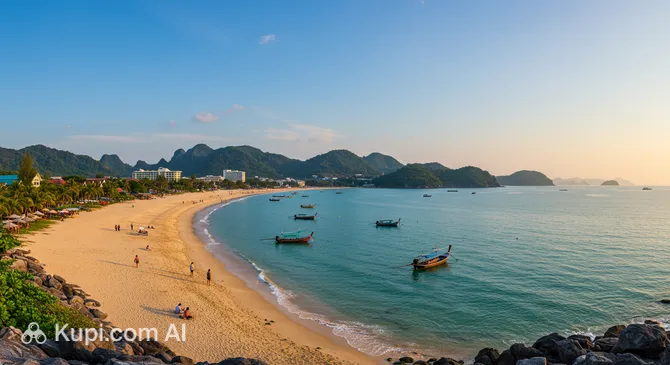
Finding the perfect place to stay in Hua Hin is relatively easy, as the city caters to a wide spectrum of travelers and budgets. The accommodation landscape ranges from humble, budget-friendly guesthouses and hostels in the town center to sprawling, world-class luxury resorts that line the pristine beachfront. Whether you are a backpacker looking for a social atmosphere or a family seeking a private pool villa, this royal seaside destination has something to offer.

The most popular area to stay is arguably the City Center, particularly near the Night Market and the Railway Station. Staying here puts you within walking distance of excellent street food, local transport, and lively nightlife. For those who prioritize direct beach access and a resort-style experience, the coastline stretching north and south of the center is the ideal location. Alternatively, the Khao Takiab area to the south offers a quieter, more laid-back village vibe, making it a favorite among couples and those looking to escape the weekend crowds.

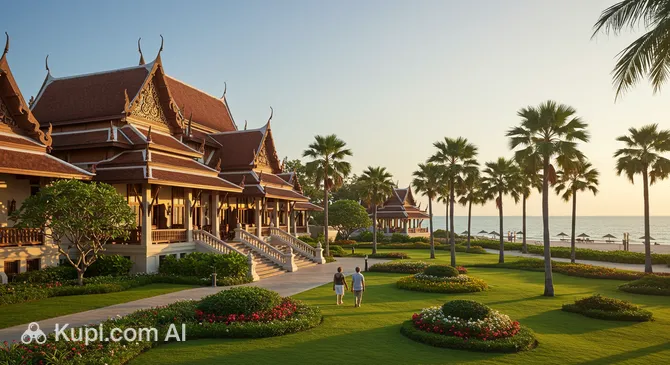
The city is home to several historic and renowned properties that have defined its reputation as a luxury getaway. One of the most distinguished examples is the Dusit Thani Hua Hin. This grand resort is famous for its elegant colonial-style architecture, expansive tropical gardens, and large ornamental pond, offering a regal atmosphere right on the beachfront. It remains a top choice for travelers seeking traditional Thai hospitality combined with modern comfort.

Dusit Thani Hua Hin. Source: Kupi.Binoculars

Another notable option for visitors is the Hua Hin Resort, which provides a comfortable base for exploring the region's attractions. Many of these coastal establishments offer extensive amenities, including swimming pools, spas, and on-site dining, allowing guests to enjoy a complete holiday experience without leaving the hotel grounds.

Booking Tip: Hua Hin is a favorite weekend escape for Bangkok residents, meaning occupancy rates soar from Friday to Sunday. It is highly recommended to book your accommodation in advance if you plan to visit during the weekend or public holidays. Weekdays are generally quieter and may offer better rates.

In terms of pricing, budget travelers can find comfortable rooms for as little as 500–1,000 THB per night in the town center. Mid-range hotels typically range from 1,500 to 3,500 THB, while luxury beachfront resorts can start from 4,000 THB and go significantly higher depending on the season and room type. Booking is most conveniently done through major online travel platforms, though many smaller guesthouses also accept direct bookings via social media or phone.

Nearby Cities

While Hua Hin is a fantastic destination in its own right, its location on the upper Malay Peninsula makes it a convenient base for exploring other parts of Thailand. The surrounding region offers a diverse mix of destinations, from the bustling eastern seaboard accessible across the gulf to the quieter, scenic provincial capitals nearby. Travelers can easily plan day trips or onward journeys to experience more of the local culture and geography.

For those interested in venturing beyond the city limits, here is a list of nearby cities, along with their population and distance from Hua Hin:

City Population Distance (km)
Pattaya 115,840 108
Laem Chabang 88,271 120
Samut Sakhon 60,103 114
Prachuap Khiri Khan 54,018 87
Ban Wat Lak Hok 41,884 108

Among these destinations, Pattaya is particularly notable. Although it lies on the opposite side of the Gulf of Thailand, a direct ferry service connects it to Hua Hin, cutting the travel time significantly compared to driving around the coast. Closer to home, the provincial capital, Prachuap Khiri Khan, offers a more laid-back atmosphere with beautiful bays and is just a short drive south, making it perfect for a cultural excursion.

Shopping & Souvenirs

Shopping in Hua Hin offers a delightful mix of traditional Thai charm and modern convenience. The city caters to all tastes, ranging from sophisticated air-conditioned malls featuring international brands to bustling open-air markets where bargaining is part of the fun. Whether you are looking for high-end fashion, unique handicrafts, or local snacks, the shopping scene here is vibrant and accessible. The city's retail landscape is anchored by two major shopping complexes located along the main Phetkasem Road. Market Village Hua Hin is the long-standing favorite, providing a comprehensive shopping experience with a large supermarket, electronics stores, and a wide array of fashion outlets. It serves as a central hub for both locals and tourists who need to stock up on essentials or enjoy a casual day of browsing.
Bluport Hua Hin. Source: Kupi.Binoculars
For a more upscale atmosphere, Bluport Hua Hin is the premier destination. Designed with a resort-mall concept, it features a stylish interior, luxury boutiques, and a gourmet food hall. It is an excellent place to find high-quality clothing, cosmetics, and lifestyle products in a cool, comfortable setting, making it a perfect escape from the tropical heat. However, the true soul of shopping in Hua Hin lies in its markets. For a glimpse into the daily life of locals, a morning visit to Chatchai Market is a must. Recognizable by its distinctive curved roof structure, this historic fresh market was built in 1926. While it is primarily known for fresh produce and seafood, the surrounding streets are lined with shops selling dried goods, cheap clothing, and kitchenware, offering a truly authentic Thai shopping experience.
Chatchai Market. Source: Kupi.Binoculars
If you are hunting for unique bargains and second-hand treasures, the Pae Mai Tuesday Market is a hidden gem. Located near the driving range just off the main road, this expansive flea market opens in the late afternoon. It is less touristy than other spots and offers everything from vintage clothes and accessories to plants, tools, and local amulets at very reasonable prices.
Pae Mai Tuesday Market. Source: Kupi.Binoculars
When it comes to souvenirs, Hua Hin is famous for its **printed cotton**, particularly the "Khommaphat" fabric, which features intricate floral and traditional Thai patterns. This fabric is often made into shirts, bags, and tablecloths. Another popular buy is **dried seafood**, such as squid and fish, which is a specialty of the region. Visitors also frequently purchase handmade crafts, coconut oil products, and spa goods from the creative stalls at Cicada Market. Most shopping malls generally operate daily from **10:00 AM to 10:00 PM**, while night markets typically start setting up around 5:00 PM and run until late. Payment methods vary by location; malls and larger stores accept major credit cards, but **cash is essential** for street markets and smaller vendors. Tourists should also be aware of the **VAT Refund** scheme. If you purchase goods from stores displaying the "VAT Refund for Tourists" sign, you may be eligible to claim back the 7% value-added tax upon your departure from Thailand. You will need to present your passport when making the purchase and keep the receipts and forms to process the refund at the airport.

Reached the end of the page?

That means the route is fully explored