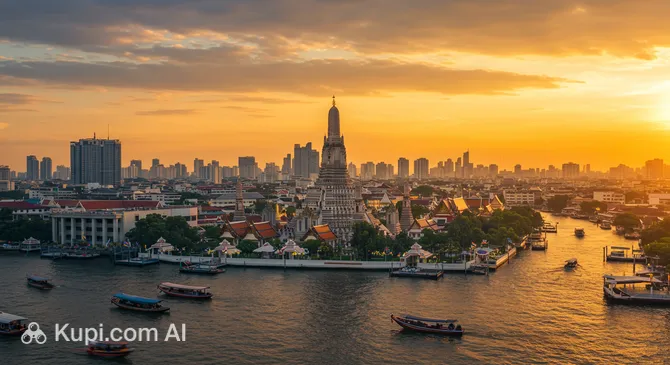
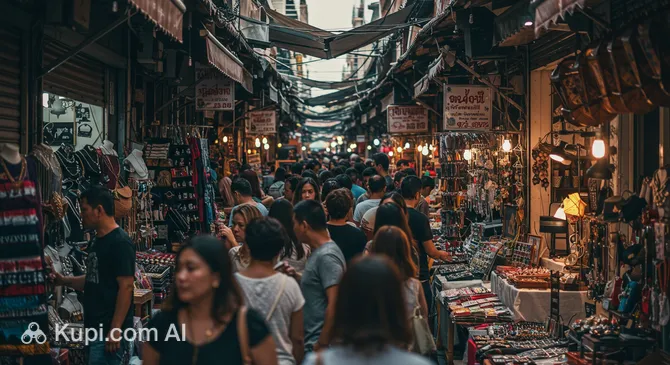
Bangkok, the vibrant capital of Thailand, is a city that never sleeps, offering a fascinating blend of ancient traditions and modern dynamism. Known locally as Krung Thep, or "City of Angels," it serves as the country's spiritual, cultural, and commercial center. The atmosphere here is electric, characterized by bustling streets, glittering temples, and a skyline that constantly evolves.
Geographically, the city is situated in the Chao Phraya River delta in central Thailand, a location that has historically made it a crucial hub for trade and transport. It is a massive metropolis with a population of approximately 18 million people, creating a dense and energetic urban environment. The climate is tropical, generally warm and humid year-round, which adds to the city's lively outdoor culture.
Bangkok. Illustration.
Source: Kupi.com AI
Exploring the history of Bangkok reveals its journey from a small trading post to one of Southeast Asia's most important cities. This rich heritage is best experienced at iconic landmarks such as the spectacular Grand Palace and the riverside Temple of Dawn, Wat Arun. These architectural marvels stand in stark contrast to the modern shopping malls and high-rise buildings that define the city's contemporary face.
Beyond its historical sites, Bangkok is world-renowned for its legendary street food scene, where travelers can taste authentic local flavors on nearly every corner. Whether you are navigating the scenic canals on a long-tail boat or exploring the vibrant night markets, Bangkok promises an unforgettable adventure full of color, flavor, and discovery.
Weather Overview
Bangkok experiences a tropical climate characterized by heat and humidity throughout the year, though distinct seasons bring noticeable changes in rainfall and temperature. For a deeper dive into seasonal trends and packing advice, you can consult the detailed guide to weather in Bangkok. Generally, the city remains warm, with average monthly temperatures rarely dipping below 26°C.
The most comfortable time to visit is typically from November to February, when the weather is relatively dry and slightly cooler; December and January are the driest months, seeing as few as 2 to 3 wet days and minimum temperatures around 22°C. The heat peaks in April, with average highs reaching 35°C. From May through October, the rainy season takes over, bringing frequent showers and up to 26 wet days per month in late summer, so travelers should expect warm days mixed with regular downpours.
Average monthly temperature
Average monthly precipitation
Interesting Facts
Beyond the main attractions, Bangkok holds many fascinating secrets and records that often go unnoticed by visitors. From its ceremonial title to its vibrant street life, here are some unique insights into the "City of Angels."
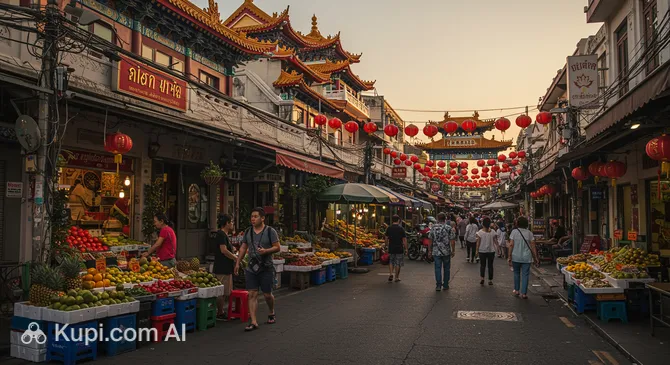
Chinatown. Illustration.
Source: Kupi.com AI
Traveler photos:
The World's Longest Name: While the world knows it as Bangkok, the city's full ceremonial name is listed in the Guinness Book of World Records as the longest place name on Earth. It consists of 169 characters and poetically describes the city as the "City of Angels, Great City of Immortals," among other glorious titles.
One of the Largest Chinatowns: The city is home to one of the biggest and most vibrant Chinese communities outside of China. Located in the Yaowarat area, Chinatown is a bustling maze of gold shops, traditional medicine stalls, and incredible street food vendors that comes alive at night.
Temples in Your Pocket: If you look closely at Thai Baht coins, you will notice they all feature temples located in Bangkok. For example, the 1-baht coin depicts the magnificent Temple of the Emerald Buddha, while other denominations showcase various iconic religious sites across the capital.
The Hottest City: According to the World Meteorological Organization, Bangkok is frequently cited as the world's hottest city by mean average temperature. The tropical climate ensures that it stays warm year-round, barely cooling down even during the "winter" months.
Venice of the East: In the mid-19th century, the city was defined by its extensive network of canals, or khlongs, rather than roads, earning it the nickname "Venice of the East." Although many have been paved over, you can still explore the remaining waterways to glimpse traditional life on the water.
How to Get There
As one of the most visited cities in the world, the Thai capital is incredibly well-connected, welcoming millions of travelers annually. Whether you are arriving from a neighboring country or flying halfway across the globe, reaching this metropolis is generally straightforward. For a comprehensive guide on all available transport options, routes, and tips, you can read more about how to get to Bangkok.
The city is primarily served by two major international hubs. The main gateway for long-haul international flights is Suvarnabhumi Airport (IATA: BKK). Located approximately 28 km from the city center, it handles a massive volume of passenger traffic and offers a wide range of services. A journey by taxi or bus from here to downtown typically takes around 60 to 70 minutes, depending on traffic. The second key hub is Don Mueang International Airport (IATA: DMK), which is situated about 21 km from the center. This airport is largely dedicated to low-cost carriers and domestic flights. Travel time to the city center is usually around 50 minutes.
For clarity, here is a summary of the main airports and nearby aviation hubs:
Beyond air travel, Bangkok serves as the central node for Thailand's railway and bus networks. The city is accessible by train from almost every province, as well as from neighboring countries like Malaysia. Buses are another popular and budget-friendly option, with major terminals connecting the capital to destinations throughout the region. While travel times by land can be longer, they offer a scenic way to see the Thai countryside before arriving in the bustling heart of the city.
Main Attractions
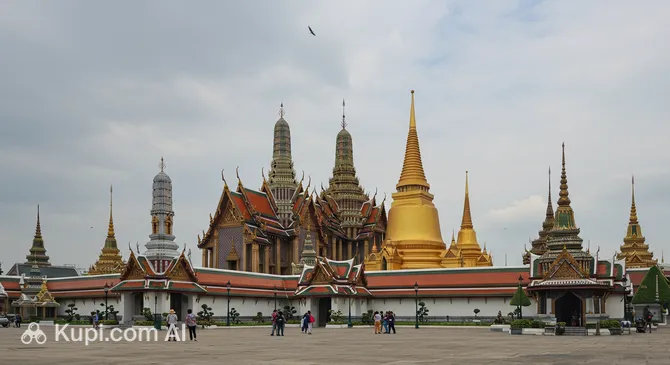
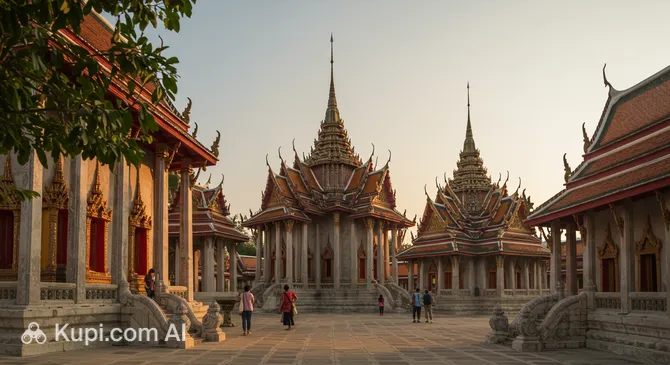
Exploring Bangkok traditionally begins at its spiritual and historical heart. Behind the walls of the dazzling Grand Palace complex lies the Temple of the Emerald Buddha—the most sacred site in Thailand. Here, amid gilded pagodas and fantastic sculptures of guardian spirits, rests an ancient Buddha statue carved from a single block of green jadeite. The complex's architecture is breathtaking, with incredible detail and vibrant colors embodying the finest traditions of Thai craftsmanship.
Temple of the Emerald Buddha. Illustration.
Source: Kupi.com AI
Traveler photos:
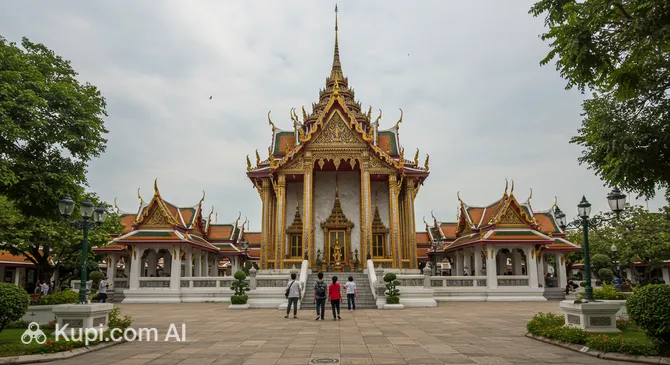
Not far from the palace complex is another significant landmark—the Bangkok City Pillar Shrine. It is believed that the very 'soul' of the capital resides here. Travelers come to see the ancient pillar erected by King Rama I when the city was founded and to observe traditional rituals. The atmosphere here is filled with the scent of incense and the sincere faith of locals seeking protection and prosperity from the city’s spirits.
Bangkok City Pillar Shrine. Illustration.
Source: Kupi.com AI
Traveler photos:
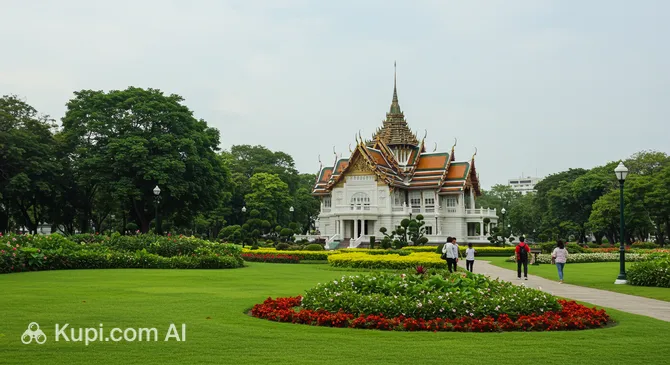
If you want to take a break from the bustling streets of the metropolis, head to Suan Luang Rama IX Park. It is the city's largest green oasis, created in honor of the King's 60th birthday. The park is divided into themed zones featuring gardens from around the world, with its centerpiece being an elegant golden-roofed pavilion set in the middle of a lake. It’s an ideal spot for leisurely strolls, outdoor yoga, or watching the setting sun reflect on the water’s surface.
Suan Luang Rama IX Park. Illustration.
Source: Kupi.com AI
Traveler photos:
A visit to the city wouldn’t be complete without seeing Wat Pho, home to the famous 46-meter-long Reclining Buddha, and the majestic Wat Arun on the banks of the Chao Phraya River. In the evening, when the lights of the Mahanakhon skyscraper flicker on—with its famous glass skywalk—or panoramic views open up from renowned rooftop bars, the capital appears in a completely different light. The contrast between ancient shrines and futuristic high-rises is what makes a trip to this city truly unforgettable.
Local Cuisine
Bangkok is widely considered one of the world's greatest food cities, offering a culinary landscape that is as diverse as it is delicious. The local cuisine is defined by its bold use of five fundamental flavors: spicy, sour, sweet, salty, and bitter. For visitors, the city serves as a massive open-air dining room where the aroma of sizzling woks and grilling meats fills the air, inviting you to taste authentic Thai dishes at any time of day.
Among the must-try dishes, Pad Thai stands out as the most famous staple, a stir-fried noodle dish often garnished with peanuts, lime, and fresh bean sprouts. For those who enjoy a spicy kick, Tom Yum Goong is an essential experience; this hot and sour shrimp soup is fragrant with lemongrass, galangal, and kaffir lime leaves. Another favorite is Som Tum, a spicy green papaya salad that perfectly encapsulates the vibrant and zesty profile of Northeastern Thai cuisine. To finish on a sweet note, do not miss Mango Sticky Rice, a beloved dessert made with coconut milk and ripe mangoes.
When it comes to beverages, the city offers refreshing options to combat the tropical heat. Thai Iced Tea (Cha Yen) is a sweet, creamy, and orange-colored drink that is popular among locals and tourists alike. Fresh coconut water is available on nearly every corner, served directly from the fruit. For alcoholic options, local beers like Singha and Chang are the standard accompaniments to a spicy meal, while the city's growing bar scene offers creative cocktails using local fruits and herbs.
Chocolate Ville. Illustration.
Source: Kupi.com AI
Traveler photos:
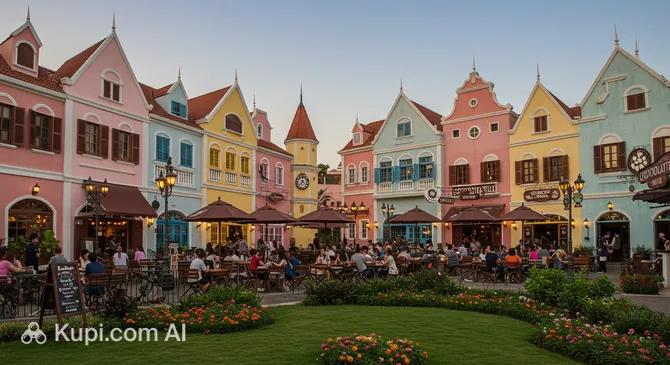
The food culture in Bangkok is dominated by its legendary street food, which can be found everywhere from humble carts to bustling night markets. However, the city also boasts unique dining venues that offer more than just a meal. For a picturesque "dining in the park" atmosphere, travelers often visit Chocolate Ville, a sprawling open-air restaurant designed like a European village. Seafood lovers seeking a view of the water might enjoy Kodtalay The Riverfront Seafood Buffet, which combines fresh catches with the scenic backdrop of the Chao Phraya River.
Travel Tips
Welcome to the energetic streets of Bangkok! To help you navigate the bustling markets, intricate transport networks, and rich cultural norms of the Thai capital, we have compiled these essential travel tips to ensure your trip runs smoothly.
Clothing and Gear: The weather is tropical, so pack lightweight, breathable fabrics like cotton or linen to handle the heat and humidity. However, modesty is key at religious sites; you must cover your shoulders and knees to enter the Grand Palace and temples. Slip-on shoes are highly recommended, as you will need to remove footwear frequently before entering temples, homes, and even some shops.
Transportation: Traffic in the city is notorious, so utilize the BTS Skytrain and MRT Metro to bypass gridlock during peak hours. For door-to-door service, ride-hailing apps like Grab or Bolt are often more reliable than hailing street taxis, as they ensure a fixed price. The Chao Phraya Express Boats are also a scenic and traffic-free way to reach the historic district.
Finances: The local currency is the Thai Baht (THB). While credit cards are accepted in malls and hotels, cash is essential for street food vendors, tuk-tuks, and small markets. ATMs are everywhere but typically charge a withdrawal fee (around 220 THB), so it is wise to withdraw larger sums at once. Tipping is not mandatory, but rounding up the bill or leaving loose change is appreciated.
Health and Safety: Pharmacies are abundant, with chains like Boots and Watsons easily found and often open late. Do not drink tap water; always rely on cheap and readily available bottled water. While the city is generally safe, be cautious of overly friendly strangers approaching you near tourist sites claiming that the Grand Palace is "closed" for a holiday—this is a common scam to divert you to gem shops.
Communication: Thai is the official language, and while English is widely understood in tourist hubs, learning basic phrases like "Sawasdee" (Hello) and "Khop Khun" (Thank you) creates a great impression. Purchase a tourist SIM card at the airport or any 7-Eleven store upon arrival to ensure you have high-speed data for maps and translation apps.
Local Etiquette: The traditional greeting is the Wai (pressing palms together near the chest with a slight bow). The head is considered the most sacred part of the body, so never touch someone's head or hair. Conversely, the feet are considered the lowest; avoid pointing your feet at people or Buddha statues, and never step over someone or something on the ground.
What to Avoid: strict laws protect the dignity of the Royal Family in Thailand. Avoid making any negative or disrespectful comments about the Monarchy or defacing images of the King (including on currency), as this can lead to serious legal consequences. Additionally, avoid raising your voice or showing aggression; keeping a "cool heart" (Jai Yen) is central to Thai culture.
Cool Down at 7-Eleven: It may sound trivial, but the ubiquitous 7-Eleven convenience stores are a traveler's best friend in Bangkok. They are open 24/7, provide a blast of air conditioning, and sell everything from toasted sandwiches and SIM cards to toiletries, making them perfect for a quick, budget-friendly pit stop.
With these practical tips in hand, you are ready to embrace the chaotic charm of Bangkok with confidence. Enjoy the delicious street food, the warm hospitality, and the endless discoveries that await you in this incredible city!
Entertainment & Nightlife
Entertainment and Nightlife:
When the sun sets, Bangkok transforms into one of the most exciting nightlife destinations in Asia. The city offers a dizzying array of options, from sophisticated rooftop lounges and thumping nightclubs to bustling night markets and live music venues. The atmosphere is electric and incredibly diverse, catering to backpackers, luxury travelers, and locals alike. Key nightlife districts include Sukhumvit Road (particularly Soi 11 for international vibes and Thong Lo for the trendy, upscale local crowd), the neon-lit streets of Silom, and the legendary party zone of RCA (Royal City Avenue), which is lined with massive clubs.
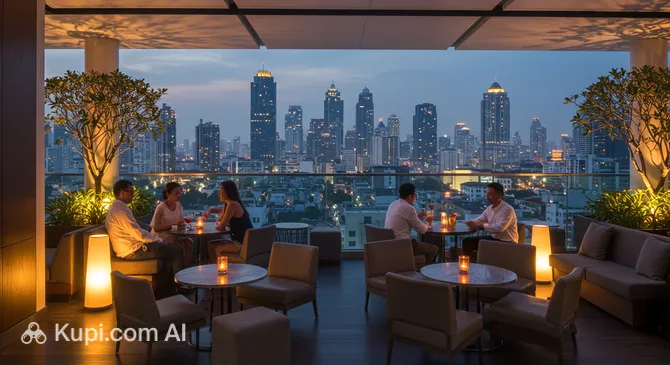
For those seeking a view from the top, the city is famous for its sky-high drinking spots. A standout venue is the Mahanakhon Bar, located atop the iconic pixelated skyscraper. Here, you can sip cocktails while enjoying a stunning panoramic backdrop of the glittering metropolis. Dress codes at such venues are strictly enforced—smart casual is the rule, so leave the flip-flops and sleeveless shirts at home.
Mahanakhon Bar. Illustration.
Source: Kupi.com AI
Traveler photos:
If you prefer live music and a soulful atmosphere, the city has a vibrant jazz and blues scene. The Saxophone Pub & Restaurant near Victory Monument is a legendary institution that has been hosting talented local and international musicians for decades. The interior, resembling a cozy cavern, creates an intimate setting perfect for music lovers. For a more theatrical and unique night out, you might explore the Abandoned Mansion, a speakeasy-style bar with a 1930s gangster theme, offering creative drinks and live jazz in a cinematic basement setting.
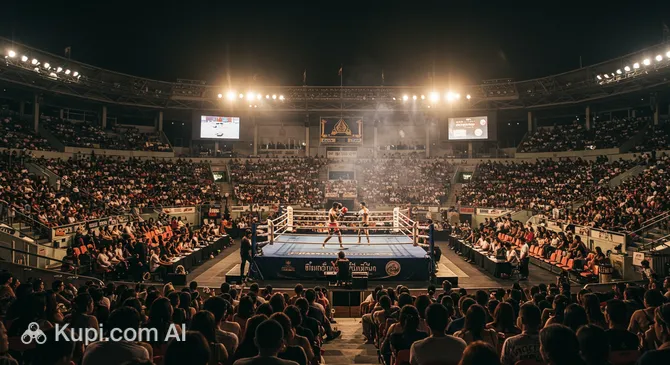
For a dose of adrenaline and culture, spending an evening watching Muay Thai is a must. The Rajadamnern Stadium is the oldest boxing stadium in Thailand and hosts high-energy fights that attract cheering crowds. It is an authentic way to experience the country's national sport in its spiritual home. Matches are typically held several nights a week, and the energy inside the arena is palpable.
Rajadamnern Stadium. Illustration.
Source: Kupi.com AI
Traveler photos:
Practical Nightlife Tips: Most bars and clubs stay open until 2:00 AM, though some areas may close earlier or later depending on current regulations. Always carry a copy of your passport or a photo of it on your phone, as security guards frequently check IDs at club entrances. Prices vary wildly; a beer on the street might cost 100 THB, while a cocktail at a rooftop bar can exceed 500 THB.
Getting Around and Safety: At night, the BTS Skytrain and MRT run until midnight. After that, ride-hailing apps like Grab or Bolt are the safest and most convenient way to get around, ensuring you do not have to haggle with taxi drivers who might refuse to use the meter. Bangkok is generally safe for night walks in major tourist areas, but always keep an eye on your drink and belongings, and avoid unlit alleys.
While the night belongs to the party-goers, the city offers plenty of daytime excitement as well. Families and thrill-seekers can spend the day at Siam Amazing Park, a massive amusement and water park complex. Alternatively, escape the heat by diving into the underwater world at Bangkok Ocean World, located in the heart of the Siam shopping district.
Parks & Museums
Parks and Museums:
While the city is famous for its bustling streets and concrete skyline, Bangkok also offers serene green spaces and world-class cultural institutions that provide a welcome respite from the urban energy. The capital's parks are vital lungs for the city, while its museums preserve the rich tapestry of Thai history, art, and tradition, offering visitors a deeper understanding of the local heritage.
For those seeking tranquility and botanical beauty, Suan Luang Rama IX Park is the largest green space in the city. Built to commemorate the 60th birthday of King Rama IX, this expansive park features distinct gardens representing countries from around the world, a large lake, and well-maintained walking paths. It is a favorite spot for locals to exercise and relax. Closer to the historic center lies Sanam Luang, an open field in front of the Grand Palace used for royal cremations and annual ceremonies. While less of a garden, its historical significance and open skies make it a landmark for kite flying and evening strolls.
Suan Luang Rama IX Park. Illustration.
Source: Kupi.com AI
Traveler photos:
Nature lovers willing to venture slightly to the outskirts should visit the Bang Pu Recreation Center. Located along the coast, this mangrove conservation area is famous for the thousands of migratory seagulls that flock there during the cooler months (November to April). Visitors can walk along the Sukta Bridge to feed the birds and enjoy a refreshing sea breeze, offering a unique natural experience just a short drive from the city center.
To dive into the artistic soul of the nation, the Museum of Contemporary Art Bangkok (MOCA) is a must-visit. This stunning five-story building houses the country's most comprehensive collection of modern painting and sculpture, showcasing the evolution of Thai art with works that blend traditional themes with modern techniques. For a more historical perspective on a grand scale, the Ancient City (Muang Boran) offers an incredible open-air museum experience. Shaped like a map of Thailand, it features scaled-down replicas of the country's most famous temples, palaces, and ruins, allowing you to "travel" across the entire kingdom in a single day.
Ancient City. Illustration.
Source: Kupi.com AI
Traveler photos:
Beyond the main museums, the city is dotted with significant shrines and monuments. The Bangkok City Pillar Shrine, located near the Grand Palace, houses the city's foundation pillar and is believed to house the guardian spirit of Bangkok. It is a deeply spiritual place where locals come to pray for good fortune. Another architectural gem is the Sri Maha Mariamman Temple (Wat Khaek) in the Silom district. This vibrant Hindu temple, adorned with colorful statues of deities, stands as a testament to the city's religious diversity and offers a striking contrast to the surrounding skyscrapers.
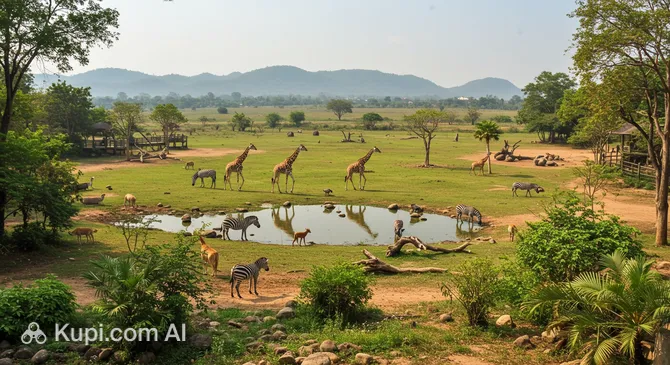
Families and wildlife enthusiasts can enjoy a day at Safari World, a vast open zoo and leisure park. It is divided into a Safari Park, where you can drive through habitats housing lions, giraffes, and zebras, and a Marine Park featuring shows and exhibits. It provides an entertaining day out, especially for those traveling with children who want to see animals up close.
Safari World. Illustration.
Source: Kupi.com AI
Traveler photos:
For a truly authentic experience, try visiting the parks in the early morning or late afternoon when the heat subsides. You will often find groups of locals practicing Tai Chi, aerobics, or yoga, creating a communal atmosphere that welcomes participation. Exploring the smaller, community-focused temples along the canals also offers a quiet glimpse into daily spiritual life away from the tourist crowds.
Getting Around
Navigating the sprawling metropolis of Bangkok is an adventure in itself, offering a diverse range of options that span from futuristic skytrains to traditional river boats. The most efficient way to beat the city's notorious traffic is by using the rail systems. The BTS Skytrain (elevated train) and the MRT (underground metro) cover most major commercial, entertainment, and shopping districts. These trains are modern, clean, and heavily air-conditioned, providing a cool escape from the tropical heat. Additionally, the Airport Rail Link offers a fast and affordable connection between Suvarnabhumi Airport and the city center.
For a unique and scenic commute, the city's water transport is a highlight. The Chao Phraya Express Boats ply the main river, stopping at key piers near historic attractions like the Grand Palace and Wat Arun. Distinguished by the color of their flags (orange, blue, yellow, or green), these boats are both a practical mode of transport and a sightseeing experience. For a faster, more local experience, the Khlong (canal) boats, such as those on the Saen Saep Canal, zip through the city's waterways, though passengers should be prepared for a splashy and high-speed ride.
The payment system can be slightly fragmented, as different networks often use separate tickets. For the BTS Skytrain, the stored-value Rabbit Card is highly recommended for tourists; it can be purchased at any station and topped up with cash. Single-journey tickets are also available from vending machines. The MRT uses black plastic tokens for single trips, but conveniently, you can also use contactless credit cards (Visa or Mastercard) directly at the gates to pay for your fare. Fares are generally inexpensive, ranging from approximately 16 to 60 THB depending on the distance.
When rail or boat routes do not reach your destination, taxis and ride-hailing apps are excellent alternatives. Taxis come in vibrant colors like pink, yellow, and green; always insist that the driver uses the meter ("meter, please") to avoid overpaying. Alternatively, apps like Grab and Bolt are extremely popular and tourist-friendly, allowing you to book cars or motorbike taxis with a fixed price and no language barrier. The iconic three-wheeled Tuk-tuks are fun for short distances, but they are not metered, so you must negotiate the fare firmly before hopping in.
Public transport typically operates from 06:00 to midnight. Rush hours (07:00–09:00 and 17:00–20:00) can be extremely crowded on the BTS and MRT, so it is wise to travel outside these times if possible. While public buses are available and very cheap, they can be confusing for visitors due to complex routes and a lack of English signage, making the trains and boats the preferred choices for most travelers.
Accommodation
Bangkok offers an incredibly diverse range of accommodation options, catering to every type of traveler and budget. The city is famous for its high standard of hospitality, where you can find everything from vibrant backpacker hostels and budget guesthouses to boutique hotels and ultra-luxurious five-star resorts. Whether you prefer a room in a modern skyscraper with city views or a quiet sanctuary tucked away in a leafy lane, the Thai capital has something to suit your style.
Choosing the right area to stay is key to your experience. Sukhumvit is a top choice for those who want to be in the heart of the action, offering easy access to the Skytrain, shopping malls, and nightlife. For a more scenic and romantic atmosphere, the Riverside area is home to many of the city's most prestigious properties. Travelers interested in history and culture often prefer the Old City (Rattanakosin) or Khao San Road area, which places them within walking distance of the major temples and museums. Meanwhile, Silom and Sathorn are excellent for a mix of business, fine dining, and convenient transport links.
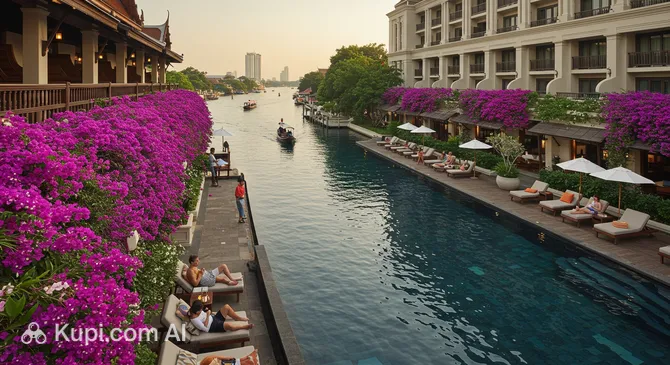
For those seeking a relaxing stay by the water, the city offers exceptional resort-style experiences within the urban environment. You might consider the Hotel at Chao Phraya River, which provides stunning views of the bustling waterway and easy access to river transport. Another excellent option for a tranquil escape is the Villa Deva Resort & Hotel, known for its elegant design and serene atmosphere, offering a resort-like feel in the middle of the metropolis.
Hotel at Chao Phraya River. Illustration.
Source: Kupi.com AI
Traveler photos:
Booking Tips: Accommodation prices in Bangkok are generally very competitive compared to other major global cities. Budget travelers can find comfortable rooms for as little as $20–$30 USD per night, while mid-range hotels typically range from $50 to $100 USD. Luxury experiences are also surprisingly affordable. It is highly recommended to book in advance, especially if you plan to visit during the peak season (November to February) or Songkran (Thai New Year in April). Online booking platforms are the most convenient way to secure reservations, often offering better rates than walk-ins.
Nearby Cities
For those looking to explore the surroundings, Bangkok serves as an excellent base for day trips to several interesting nearby locations:
City
Population
Distance
Bang Phlat
12 482
3 km
Bang Kruai
42 390
6 km
Chong Nonsi
47 872
8 km
Bang Phongphang
28 692
9 km
Bang Krang
23 010
11 km
Among these accessible destinations, Pak Kret is particularly famous for being the gateway to Koh Kret, a charming man-made island in the Chao Phraya River inhabited by the Mon people. Visitors flock here on weekends to browse traditional pottery, taste local sweets, and cycle around the car-free paths. Another worthwhile stop is Samut Prakan, located where the river meets the sea. It is home to the magnificent Ancient City (Muang Boran), an expansive open-air museum featuring replicas of Thailand's most famous architectural wonders, as well as the awe-inspiring Erawan Museum with its giant three-headed elephant statue.
These nearby destinations offer a glimpse into the diverse culture and landscapes of the region.
Shopping & Souvenirs
Shopping in Bangkok is not just a pastime; it is an integral part of the city's culture and a major draw for visitors from around the globe. The Thai capital offers an overwhelming variety of retail experiences, ranging from high-end luxury complexes to chaotic, colorful street markets. Whether you are looking for designer brands, bargain clothing, latest gadgets, or unique handicrafts, the city caters to every taste and budget with unmatched enthusiasm.
The city's main shopping districts are concentrated along the BTS Skytrain lines, making them easily accessible. The Siam area is the undisputed heart of modern retail, home to a cluster of massive malls connected by skywalks. Just a short distance away, the Ratchaprasong district offers even more department stores and lifestyle centers. For a more traditional and frenetic atmosphere, Chinatown (Yaowarat) serves as a bustling hub for gold, textiles, and wholesale goods, offering a stark contrast to the air-conditioned gloss of the city center.
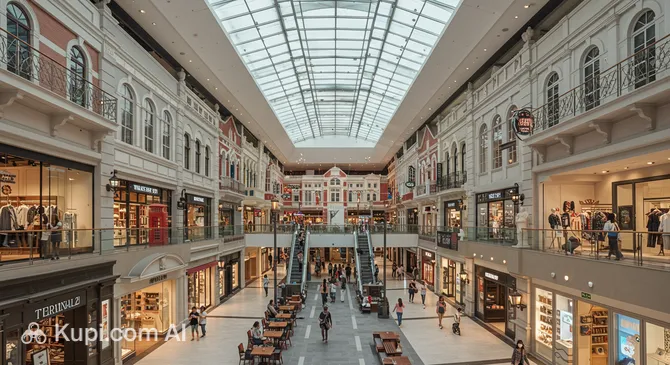
Bangkok is famous for its world-class shopping malls, which are often destinations in themselves. ICONSIAM, located on the Chao Phraya River, is a spectacular landmark that blends luxury retail with an indoor floating market and cultural zones. Another favorite among tourists is Terminal 21 Asok, a unique concept mall where each floor is themed after a famous world city, such as Tokyo, London, or Istanbul. It is also renowned for its vast and affordable food court, making it a perfect stop for both shopping and dining.
Terminal 21 Asok. Illustration.
Source: Kupi.com AI
Traveler photos:
Beyond the malls, the city's markets offer a sensory overload and the chance to practice your bargaining skills. The Chatuchak Weekend Market is legendary, but during the week, you can explore Sampheng Market, a narrow, winding lane packed with wholesale accessories, fabrics, and trinkets. For a vibrant evening experience, night markets like The One Ratchada provide a mix of fashion stalls, live music, and street food. If you prefer something more aromatic and colorful, a visit to Pak Khlong Talat (Flower Market) reveals the city's fresh floral trade in full bloom.
Sampheng Market. Illustration.
Source: Kupi.com AI
Traveler photos:
When it comes to souvenirs, Thailand offers excellent value. Popular items to bring back include Thai silk products, which are renowned for their quality and beauty. Spa products like coconut oil, herbal balms, and aromatic soaps are also top choices. For tasty treats, look for dried mango, durian chips, or exotic curry pastes. Traditional handicrafts, wood carvings, and the ubiquitous "elephant pants" are also fun keepsakes that are easy to find in most markets.
Store hours in Bangkok are generally tourist-friendly. Major shopping malls typically open from 10:00 AM to 10:00 PM daily. Street markets often have different schedules; morning markets can start as early as 6:00 AM, while night markets usually kick off around 5:00 PM and run until midnight. In terms of payment, major malls and department stores accept credit cards, but cash is king at street stalls and smaller markets. Ensure you have small denominations of Thai Baht for easier transactions with vendors.
Tourists visiting Thailand are eligible for a VAT Refund on luxury goods and other purchases. The VAT rate is 7%, and to qualify, you must spend a minimum of 2,000 THB at a participating store in a single day. Look for the "VAT Refund for Tourists" sign, and be sure to ask the staff for the yellow PP10 form and present your passport at the time of purchase. You will then need to show the goods and documents at the customs counter at the airport before your departure flight to claim your refund.