Support

Ranong

About

Ranong is a captivating provincial capital located on the Andaman coast of southern Thailand. Often recognized as a gateway to Myanmar and nearby islands, this city possesses a unique charm defined by its lush, mountainous landscape and a tranquil atmosphere. Known for having the highest rainfall in the country, the region remains incredibly green and fresh throughout the year, earning it a reputation as a haven for nature lovers seeking a quieter side of the kingdom.

With a population of approximately 16,000 residents, the city maintains a cozy, small-town feel despite its importance as a border trade hub. The local culture is a fascinating melting pot of Thai, Chinese, and Burmese influences, evident in the architecture and local cuisine. Travelers can easily discover the rich history of Ranong, which was significantly shaped by the tin mining boom of the 19th and 20th centuries, leaving behind a legacy of heritage buildings and multicultural traditions.
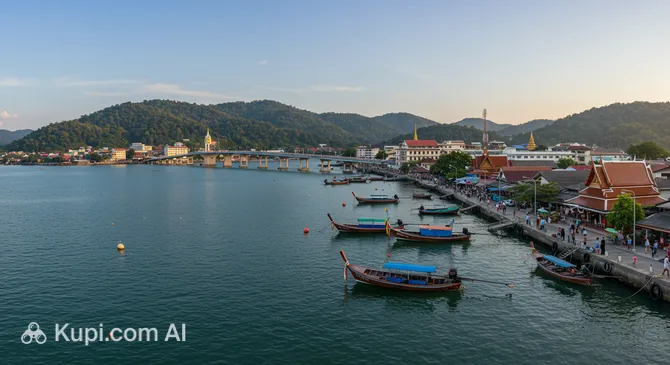
Ranong. Source: Kupi.Binoculars

The city is famous for its natural wellness attractions, most notably the Rakswarin Hot Springs. These natural geothermal pools are situated in a public park and are renowned for their therapeutic mineral waters, free for visitors to enjoy. Another architectural gem is the Rattanarangsan Palace, a stunning teakwood replica perched on a hill, commemorating a royal stay in the late 19th century. Additionally, the city serves as the main jumping-off point for the laid-back island of Koh Phayam, known for its cashew nut plantations and pristine beaches.

Whether you are passing through on your way to the islands or planning a dedicated wellness retreat, Ranong offers a refreshing escape from the busier tourist trails. Its misty mountains, friendly community, and rejuvenating hot springs invite you to slow down and experience the authentic beauty of the southern coast.
Weather Overview

Ranong experiences a tropical monsoon climate that keeps the region warm and humid throughout the year. Due to its location on the Andaman coast, the province is known for having a prolonged rainy season, often referred to as "eight months of rain, four months of sun." Before booking your trip, it is advisable to consult the forecast for the weather in Ranong to ensure your travel plans align with the local seasons.

The driest period typically occurs from December to March, making it the most popular time for visiting nearby islands. During these months, the number of rainy days is minimal, ranging from just 6 to 12 days per month. In contrast, the wet season is quite intense, spanning from May to October. During this time, travelers should be prepared for frequent showers, as rain is recorded on approximately 27 to 29 days each month, with September seeing the highest precipitation levels.

Temperatures remain fairly consistent regardless of the season. The coolest month is generally December, with an average temperature of 25.6°C, while April is the hottest, averaging 28.1°C. Expect warm tropical heat year-round, with daily highs reaching up to 31.1°C in March and slightly cooler, breezier conditions during the peak of the rainy season.

Interesting Facts

Beyond its reputation for rainy weather and wellness, Ranong holds fascinating secrets that highlight its unique geology and cultural heritage. From rare water properties to curious landscapes, there is much more to this border city than meets the eye.
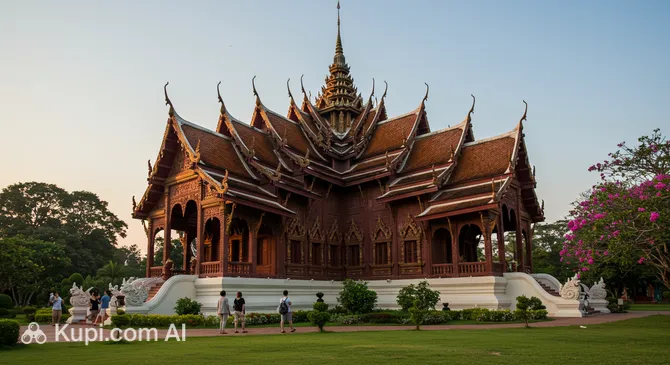
Rattana Rangsarn Palace. Source: Kupi.Binoculars
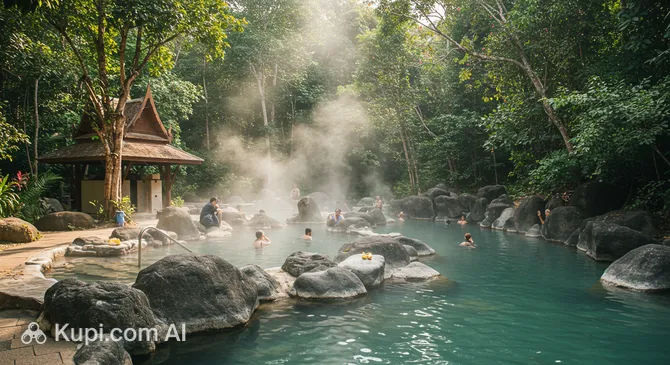
  • The famous Raksawarin Hot Springs are distinct among Thailand's geothermal sites because they are completely free of sulfur. This means visitors can enjoy the therapeutic mineral waters without the pungent "rotten egg" odor typically associated with natural hot springs.

  • Ranong is home to a strange geological phenomenon known as Phu Khao Ya, or the "Grass Hill." This completely treeless mountain is covered only in thick grass, which changes from lush green in the rainy season to golden brown in the dry months, creating a landscape that resembles a miniature savanna.

  • The city's architectural pride, the Rattana Rangsarn Palace, is actually a meticulous teakwood replica. The original structure was built in 1890 specifically to accommodate King Rama V during his royal visit, marking the first time a Thai monarch stayed in the province.

  • The region's history is deeply rooted in the tin mining boom of the 19th century, a legacy preserved at the Thein Suek 100-Year-Old House. This heritage home still contains original appliances and memorabilia from the era when Ranong was a wealthy mining hub.

How to Get There

Reaching this scenic province on the Andaman coast is an adventure that offers several routes depending on your starting point and travel preferences. While the city is tucked away in a mountainous region, it remains accessible via road and air connections from major hubs. You can read more about how to get to Ranong to help plan the most convenient journey for your itinerary.

Although Ranong has its own small airport, many travelers choose to fly into larger regional hubs nearby. One of the closest options is Surat Thani Airport (URT), located in the city of Surat Thani, approximately 107 km away. From here, a transfer by taxi or bus typically takes around 3 hours. Another convenient entry point is Chumphon Airport (CJM) in Chumphon, situated about 114 km from Ranong. The drive from this airport usually takes just over 3 hours, offering a scenic route across the isthmus.

For those arriving from international destinations, Phuket International Airport (HKT) is a significant gateway. Located in Phuket, roughly 208 km from Ranong, this large airport offers extensive flight connections. The journey by road from Phuket is longer, taking approximately 5.5 hours, but it allows you to travel up the beautiful Andaman coastline.

For clarity, here is a summary of the main airports:

Airport Name City Passenger Traffic Km from City
Phuket International Airport Phuket Very High 208.0
Koh Samui Airport Koh Samui High 162.7
Surat Thani Airport Surat Thani Medium 107.0
Chumphon Airport Chumphon Low 114.2
Kawthaung Airport Kawthaung - 14.6

If you prefer ground transport, it is important to note that Ranong does not have its own railway station. The closest train connection is in the neighboring province of Chumphon. Travelers can take a train from Bangkok to Chumphon and then transfer to a bus or minivan for the remaining two-hour drive to Ranong. Direct buses from Bangkok’s Southern Bus Terminal are also a popular and budget-friendly choice, offering both day and overnight services directly to the city center.

Main Attractions

Attractions:

Ranong offers a delightful mix of natural wonders and cultural heritage sites that reflect its unique history as a tin-mining hub and a wellness destination. From therapeutic waters to architectural marvels, the city's landmarks provide visitors with a chance to unwind and explore the authentic local lifestyle. Here are some of the top places to visit during your stay.

One of the most celebrated spots in the province is the Raksawarin Hot Springs. Located within a lush public park, these natural geothermal pools are famous for their purity and lack of sulfur, ensuring a pleasant experience without the strong odor often associated with hot springs. Visitors can relax in the free public foot baths or pay a small fee to access private mineral pools and spa facilities. The surrounding park, with its shaded walkways and river views, is also a favorite spot for locals to picnic and enjoy the outdoors.

Raksawarin Hot Springs. Source: Kupi.Binoculars

For a glimpse into the region's royal connections, the Rattana Rangsarn Palace is a must-see landmark. Perched atop a hill in the city center, this beautiful structure is a replica of the original teakwood palace built in 1890 to accommodate King Rama V. Today, it serves as a museum displaying historical photos, royal memorabilia, and period furniture. The palace grounds offer a peaceful atmosphere and a commanding view of the city, making it a perfect location for photography and learning about Ranong's prestigious past.

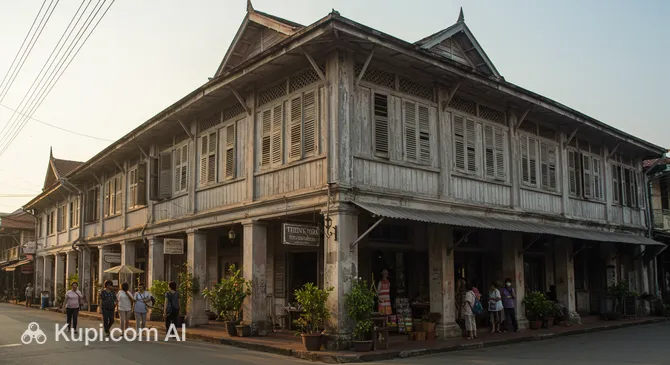
History enthusiasts will find the Thein Suek 100-Year-Old House to be a fascinating time capsule. This heritage home, which has survived through generations, stands as a testament to the city's prosperous tin-mining era. Inside, visitors can explore a collection of antiques, household items, and personal artifacts that tell the story of the Chinese-Thai family who lived there. It provides an intimate look at the domestic life and cultural traditions that have shaped the local community over the last century.

Thein Suek 100-Year-Old House. Source: Kupi.Binoculars

Local Cuisine

Ranong’s culinary scene is a vibrant reflection of its multicultural heritage, merging fiery Southern Thai flavors with distinct Burmese and Chinese influences. Being a coastal province on the Andaman Sea, the seafood here is exceptionally fresh and serves as the star ingredient in many local delicacies. Visitors can expect bold spices, aromatic herbs, and a variety of dishes that distinguish this border city from other parts of the country.

A quintessential start to the day in Ranong involves a traditional Dim Sum breakfast. Influenced by the local Chinese community, early risers flock to tea houses to enjoy small bamboo baskets of steamed dumplings, often paired with Bak Kut Teh, a savory herbal pork rib soup. Another provincial signature that tourists should not miss is the Thap Li Steamed Bun (Salapao Thap Li). Famous throughout Thailand but originating here, these buns are known for their incredibly soft, fluffy dough and generous fillings, such as minced pork with salted egg.

For those seeking the intense heat of Southern Thai cuisine, dishes like Gaeng Som (sour yellow curry with fish and bamboo shoots) and Kua Kling (dry spicy meat curry) are staples. The proximity to Myanmar also introduces unique flavors, such as Burmese-style curries and tea leaf salads, which can be found in local markets. To cool down, locals often sip on traditional Kopi, a strong roasted coffee sweetened with condensed milk, or rich Burmese milk tea. The region is also proud of its natural mineral water, bottled directly from local sources, which is a refreshing non-alcoholic choice.

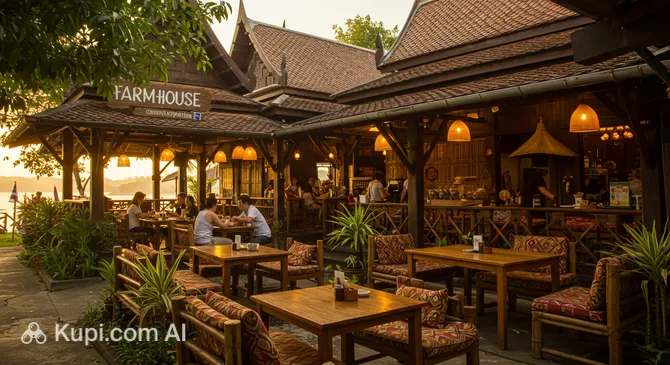
FarmHouse Hotel Ranong. Source: Kupi.Binoculars

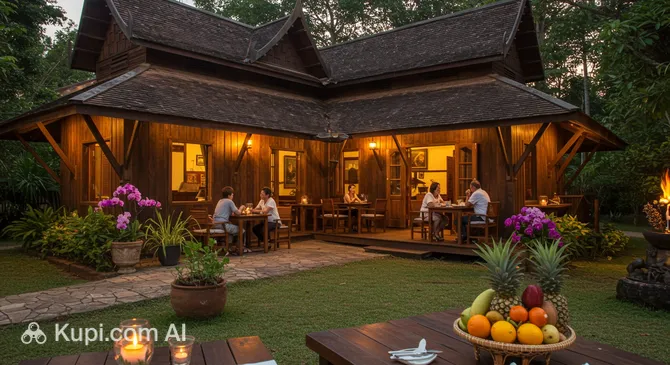
The dining atmosphere in Ranong ranges from lively night markets offering affordable street food to charming restaurants set in heritage buildings. The markets are the best place to sample grilled skewers, fresh fruit, and made-to-order stir-fries. For a more comfortable dining experience that highlights authentic local recipes, the restaurant at the FarmHouse Hotel Ranong is a celebrated venue. It is well-regarded for serving high-quality traditional dishes in a setting that reflects the rustic charm of the province.

Travel Tips

Visiting Ranong offers a unique glimpse into authentic life in Southern Thailand, but being prepared for its distinct climate and local customs will make your trip much smoother. Here is a collection of practical tips to help you navigate the "City of Rain" with ease and confidence.

  1. Clothing and Gear: Since Ranong is known as the wettest province in the country, a sturdy raincoat or poncho is an absolute must, regardless of when you visit. Pack lightweight, quick-drying clothes to handle the humidity, and bring comfortable slip-on sandals, as you will need to remove them frequently when entering temples or shops. If you plan to visit the hot springs, bring modest swimwear and a separate towel.
  2. Transportation: The most common way to get around the city center is by Songthaew (wooden converted pickup trucks). They follow specific routes and are very affordable; simply ring the buzzer when you want to get off. Motorbike taxis are also widely available for short trips. While renting a scooter gives you the freedom to explore the surrounding mountains, ensure you have an international driving permit and are comfortable driving on potentially wet and slippery roads.
  3. Finances: The local currency is the Thai Baht (THB). While hotels and larger restaurants generally accept credit cards, cash is king in Ranong, especially at night markets, local eateries, and small convenience stores. ATMs are plentiful around the city center, but it is wise to carry small bills for transport and street food vendors. Tipping is not mandatory, but rounding up the bill or leaving loose change is appreciated.
  4. Health and Safety: Pharmacies are easy to find in the town center and usually have pharmacists who can speak basic English. Given the lush, rainy environment, mosquito repellent is essential to protect against bites, especially at dawn and dusk. The city is generally very safe for tourists, but always exercise caution when walking on wet pavements or driving on winding mountain roads.
  5. Communication: The primary language is Thai. In Ranong, English proficiency is generally lower than in major tourist hubs like Phuket, though hotel staff and younger locals often understand basic English. Buying a local SIM card with data (available at convenience stores like 7-Eleven) is highly recommended for using translation apps and navigation. Learning basic phrases like Sawasdee (Hello) and Khop Khun (Thank you) will go a long way.
  6. Local Etiquette: Local culture places great importance on respect. Always remove your shoes before entering a home, temple, or even some businesses and massage shops. When greeting locals, the traditional Wai (pressing palms together at chest level) is a polite gesture. Dress modestly when visiting religious sites—cover your shoulders and knees to show respect.
  7. What to Avoid: Never touch anyone on the head, as it is considered the most sacred part of the body in local culture. Avoid raising your voice or showing visible anger in public; maintaining a "cool heart" (Jai Yen) is key to positive social interactions. Additionally, avoid pointing your feet at people or religious images, as feet are considered the lowest part of the body.
  8. Additional Tip: Embrace the local wellness culture properly. When visiting the public hot springs, strictly follow the hygiene rules: shower thoroughly before entering the pools and do not wear shoes in the wet areas. Visiting in the early morning or late evening allows you to avoid the midday heat and join the locals in their daily relaxation ritual.

With these tips in hand, you are ready to explore the lush landscapes and warm hospitality of Ranong without worry. Embrace the slower pace of life, enjoy the refreshing rains, and create unforgettable memories in this charming corner of the kingdom.

Entertainment & Nightlife

Unlike the high-energy party scenes found in Phuket or Bangkok, the entertainment and nightlife in Ranong are defined by a laid-back, authentic charm. The city does not have booming nightclubs or neon-lit strips; instead, it offers a relaxed atmosphere where evenings are best spent enjoying live acoustic music, socializing in open-air bars, or exploring vibrant night markets. The vibe here is welcoming and casual, making it easy for travelers to mingle with friendly locals and expatriates.

The epicenter of evening activity is undoubtedly Ruangrat Road. This historic street, lined with beautiful Sino-Portuguese architecture, comes alive after sunset. Here, you will find a variety of small bars, retro-style pubs, and converted shophouses serving cold beers and cocktails. The soundtrack to a night on Ruangrat Road is typically a mix of Thai folk songs, classic rock covers, and indie pop, performed by talented local bands. The dress code is universally casual, and the venues usually stay open until around midnight or 1:00 AM.

For a more refined evening experience, the Farmhouse is a popular choice among visitors. While primarily known for its excellent cuisine, its ambiance makes it a perfect spot for a relaxing night out with drinks. The venue often features live music in a cozy setting that reflects the heritage of the province, allowing guests to unwind in style after a day of exploring.

Farmhouse. Source: Kupi.Binoculars

If you are looking for a unique way to spend your evening that focuses on wellness rather than partying, a visit to the Raksawarin Hot Springs is highly recommended. The public area is often open until late in the evening, allowing you to soak in the therapeutic mineral waters under the stars. It is a favorite pastime for locals to gather here after work to relax and chat, offering a tranquil alternative to the bar scene.

Night markets are another staple of entertainment in the city. The Ranong Walking Street, typically held on weekends during the high season near the municipality area, transforms the road into a bustling festival of street food, handicrafts, and local performances. It is the best place to sample cheap eats, buy souvenirs, and soak up the community spirit.

Practical Advice for Nightlife:

  • Best Time to Go: The nightlife kicks off around 8:00 PM. Heritage street bars are busiest on Friday and Saturday nights.
  • Getting Around: Public Songthaews usually stop running in the early evening (around 6:00 PM or 7:00 PM). If you plan to stay out late, it is essential to arrange a motorbike taxi or have the contact number for a private taxi service, as flagging down transport at night can be difficult.
  • Safety: Ranong is very safe, even at night. However, the streets can be dimly lit, so stick to main areas like Ruangrat Road and avoid walking alone in remote outskirts.
  • Prices: Entertainment is very affordable here. A large local beer typically costs between 80 to 120 THB in a bar, and street food snacks are often under 50 THB.

While the city is quiet by day, there are still plenty of daytime entertainment options for culture and nature lovers. Visitors can explore local museums to learn about the tin-mining history, visit calm Buddhist temples, or take day trips to nearby waterfalls and national parks. The entertainment pace in Ranong is slow, encouraging you to take your time and appreciate the natural beauty and historical roots of this unique southern province.

Parks & Museums

Ranong is a city where lush tropical nature and rich historical heritage coexist seamlessly. Visitors can easily transition from exploring verdant parks and unique geological landscapes to discovering the fascinating stories of the province's tin-mining past and royal connections. Whether you are looking for a peaceful stroll under the canopy of ancient trees or a deep dive into local culture, the city offers diverse spaces to satisfy your curiosity.

The crown jewel of the city's green spaces is the area surrounding the Raksawarin Hot Springs. Designated as a public arboretum, this park is not just about the thermal waters; it is a beautifully maintained sanctuary filled with towering trees and shaded walkways. It serves as the community's "green lung," where locals come to jog, picnic by the river, and relax in the pavilions. The park's bridge offers a lovely vantage point for photography, making it a perfect spot to unwind amidst nature without leaving the city limits.

For a completely different natural experience, Phu Khao Ya, or the "Grass Hill," is a must-visit geological wonder located just a short drive from the town center. Unlike the typically dense jungle of the region, this rolling hill is entirely treeless and covered in grass that changes color with the seasons—lush green during the rains and golden brown in the dry months. It is an ideal place for an easy hike, offering panoramic views of the surrounding mountains and a unique, savanna-like atmosphere that is rare in Thailand.

Immersing yourself in the local history is best done at the Rattana Rangsarn Palace. Perched on a hill overlooking the city, this magnificent teakwood structure is a replica of the original palace built for King Rama V in 1890. Today, it functions as a museum that showcases the province's royal history through period furniture, photographs, and informative exhibits. The polished wooden floors and open-air design reflect the architectural elegance of the era, providing a glimpse into the grandeur of the past.

Another significant cultural site is the Thein Suek 100-Year-Old House, which serves as a living museum of Ranong's tin-mining legacy. This heritage home has been preserved by the descendants of a prominent mining family and is filled with original artifacts, from antique appliances to family heirlooms. A visit here offers an intimate look at the Sino-Thai culture that shaped the region's economy and community, with the owners often present to share personal stories behind the collection.

For those interested in older history, the Ranong Governor’s Residence (Juan Chao Mueang Ranong) offers a walk through the ruins of the old administrative center. While much of the original structure is gone, the remaining walls and gates provide a tangible link to the early days of the city's founding. To see a different side of Ranong's ecology, take a trip to the Ranong Biosphere Reserve in the mangrove forests nearby. It is a UNESCO-recognized site where you can navigate through complex root systems and observe diverse wildlife, offering a quiet escape into one of the world's most vital ecosystems.

Getting Around

Navigating Ranong is a straightforward and authentic experience, as the city does not rely on complex metro or large bus systems found in major metropolises. Instead, the public transport network is small-scale, user-friendly, and centered around local vehicles that reflect the town's laid-back character. For most tourists, getting around involves a mix of shared trucks, motorbike taxis, and rental vehicles.

The primary mode of public transportation is the Songthaew. In Ranong, these are quite special; unlike the standard converted pickup trucks seen elsewhere, many here are custom-built wooden buses painted in bright colors. These distinct vehicles ply fixed routes connecting the city center with key locations such as the bus terminal, the pier for boats to Koh Phayam, and the popular hot springs. They are considered a cultural icon of the province and offer an open-air, breezy ride that is perfect for the tropical climate.

For shorter, more direct trips, motorbike taxis are widely available and convenient. You can easily spot them by the drivers wearing brightly colored vests at designated street corners or near markets. They are the fastest way to navigate through traffic or reach specific destinations that are off the main Songthaew routes. While they are generally safe for short distances, always ensure a helmet is provided before starting your journey.

The payment system in Ranong is exclusively cash-based. There are no travel cards, apps, or digital passes for local transport. Fares for Songthaews are fixed and very affordable, typically ranging from 15 to 20 THB per ride depending on the distance. You pay the driver directly after you exit the vehicle. For motorbike taxis, prices are usually distance-based; it is standard practice to agree on the fare with the driver before hopping on to avoid misunderstandings.

Tourists who prefer more independence often choose to rent a scooter. Rental shops are plentiful in the town center and near the pier area. Having your own bike allows you to explore the surrounding waterfalls and the "Grass Hill" at your own pace. However, be mindful that traffic laws are strictly enforced, and you must carry a valid driving license with an international permit. Car rentals and private taxis are also available, primarily for airport transfers or day trips to neighboring districts.

A few practical tips will help you use the transport system smoothly. Songthaews typically operate from early morning until around 6:00 PM or 7:00 PM. After sunset, public transport becomes scarce, so you may need to rely on private taxis or arrange a ride in advance if you are out late. To catch a Songthaew, simply wave your hand when you see one approaching; to get off, press the buzzer located on the roof or ceiling of the passenger area.

Accommodation

Accommodation:

Finding a place to stay in Ranong is a delightful experience that reflects the city's authentic and unpretentious character. Unlike the massive luxury resort developments found in other southern tourist hubs, the accommodation landscape here is dominated by charming boutique hotels, family-run guesthouses, and wellness-focused retreats. Whether you are looking for a budget-friendly hostel for a quick stopover or a comfortable resort to enjoy the mineral waters, the city offers a range of options that are generally great value for money.

The most popular area for tourists to stay is the City Center, particularly around Ruangrat Road. Staying here places you in the heart of the historical district, surrounded by Sino-Portuguese architecture, local cafes, and the vibrant evening street life. It is the most convenient location for travelers who want to explore the cultural sights and enjoy the local culinary scene on foot. Many of the hotels in this area are converted heritage buildings that offer a unique, nostalgic atmosphere.

For those visiting specifically for health and relaxation, the area surrounding the Raksawarin Hot Springs is an excellent choice. Several hotels and resorts in this zone capitalize on the geothermal activity by piping natural mineral water directly into private bathtubs in the guest rooms. This allows visitors to enjoy a therapeutic soak in the privacy of their own accommodation. Alternatively, staying near the Saphan Pla (Fishing Pier) is practical for travelers planning to catch an early morning boat to Koh Phayam or Koh Chang, though the amenities there are more basic compared to the town center.

Booking and Prices:

Accommodation in Ranong is quite affordable compared to major destinations like Phuket or Krabi. Budget travelers can find comfortable guesthouses and hostels ranging from 300 to 600 THB per night. Mid-range boutique hotels typically cost between 800 and 1,500 THB, while higher-end resorts with wellness facilities may range from 2,000 THB upwards.

While walk-ins are often possible during the rainy season (May to October), it is highly recommended to book in advance during the peak dry season from December to March. During these months, the best boutique hotels and rooms with hot spring access tend to fill up quickly due to the influx of both international tourists and Thai visitors.

Nearby Cities

For those looking to explore the surroundings, Ranong serves as an excellent base for day trips to several interesting nearby locations.

Located just a short drive across the isthmus, Chumphon is the closest major neighbor and a fantastic destination for a day trip. This coastal city faces the Gulf of Thailand and is renowned for its long, quiet beaches and excellent snorkeling spots. It offers a distinct atmosphere compared to the Andaman coast, making it a popular stop for travelers heading to the Gulf islands or simply seeking fresh seafood and sea views.

Further to the east lies Surat Thani, a bustling provincial capital often referred to as the "City of Good People." While frequently used as a transit hub, the city itself boasts authentic local culture, vibrant night markets, and historic temples. It serves as the primary gateway to the famous Koh Samui, a world-class island destination known for its stunning palm-fringed beaches, luxury resorts, and lively entertainment, which can be visited as part of a longer excursion from the mainland.

City Population Distance (km)
Surat Thani 130,703 119
Nakhon Si Thammarat 106,322 223
Koh Samui 68,994 159
Chumphon 33,516 84
Ban Pak Phun 33,407 217

These nearby destinations offer a glimpse into the diverse culture and landscapes of the region.

Shopping & Souvenirs

Shopping in Ranong offers a distinctively local experience that contrasts sharply with the high-end retail scenes of Bangkok or Phuket. As a border city and a major fishing hub, the commercial landscape here is defined by bustling markets, traditional shophouses, and an abundance of local produce rather than luxury boutiques. Visitors will find that the best purchases are often authentic regional specialties, ranging from fresh seafood products to handicrafts influenced by the cultural mix of the area.

The heart of the city's retail activity can be found along Ruangrat Road. This historical street is not only the center of nightlife but also a charming daytime destination lined with Sino-Portuguese buildings housing small family-run businesses. Here, travelers can browse through shops selling gold, traditional clothing, and general goods. It is a pleasant area to walk around, offering a glimpse into the daily commerce of the town amidst heritage architecture.

For those looking for modern conveniences and branded items, Ranong does not have large luxury malls, but it is served by standard hypermarkets. Lotus's Ranong and Big C Supercenter are the primary shopping complexes where you can find groceries, electronics, clothing, and pharmacies. These centers also feature food courts and smaller independent stalls, providing a cool, air-conditioned break from the tropical heat.

The true spirit of shopping in Ranong, however, lies in its vibrant markets. The Ranong Walking Street, held on weekends during the high season, is the most popular spot for tourists. While it is famous for food, it is also a great place to find handmade clothes, accessories, and local crafts. For a more gritty and authentic experience, the area around the Saphan Pla (Fishing Pier) is essential. This is the hub of the local fishing industry, where you can buy high-quality dried seafood directly from the producers at excellent prices.

When it comes to souvenirs, Ranong has several signature products that make for perfect gifts. The province is famous for its cashew nuts (known locally as Ga-Yee), which are roasted to perfection and available in various flavors. Due to the city's location on the Andaman Sea, dried squid, shrimp, and fish are also top purchases, prized for their freshness and quality. Additionally, visitors often look for pearls and jewelry, which are frequently traded across the border, as well as locally made batik fabrics featuring southern Thai patterns.

Most shops in the city center generally operate from around 09:00 AM to 08:00 PM. However, fresh markets start very early in the morning, while the Walking Street comes alive only after sunset. Cash is the primary method of payment throughout the city, especially in markets, small souvenir shops, and local eateries. While the large hypermarkets and some hotels accept credit cards, it is advisable to carry sufficient Thai Baht for most of your daily transactions.

Regarding tax refunds, the VAT Refund for Tourists scheme is available in Thailand, but in Ranong, it is mostly applicable at the large chain stores like Big C or Lotus's if they display the "VAT Refund for Tourists" sign. Small local shops and market vendors generally do not participate in this program, so it is best not to expect tax-free shopping for traditional souvenirs and local crafts.

Reached the end of the page?

That means the route is fully explored