Support

Kangar

About

Welcome to Kangar, the serene and charming capital of the Perlis state. Located in the northernmost part of Malaysia, this city serves as a vital administrative center and a peaceful gateway to the Thai border. Unlike the bustling metropolises of the south, Kangar offers a relaxed atmosphere where traditional heritage blends seamlessly with the daily rhythms of local life.

Geographically, the city is situated amidst vast, lush green paddy fields, which define the landscape of the region. With a population of approximately 49,000 residents, it retains a cozy, small-town vibe that makes it easy to navigate and explore. The climate is typically tropical, providing warm and sunny weather that is perfect for sightseeing throughout the year.

Kangar. Source: Kupi.Binoculars

For those keen on understanding the roots of this unique settlement, the history of Kangar offers a glimpse into the cultural evolution of Northern Malaysia. The city is home to significant landmarks such as the Alwi Mosque, a stunning example of Mughal architecture that stands as a major icon of the state. Visitors can also enjoy wandering through the town center, where colonial-era shophouses sit alongside vibrant modern street art.

Whether you are here to sample the famous Laksa Perlis or to use the city as a base for exploring the surrounding limestone hills and caves, Kangar promises a delightful experience. It is an ideal destination for travelers seeking an authentic and unhurried journey through one of the country's most scenic regions.

Weather Overview

The climate in Kangar is typically tropical, offering warm conditions year-round with distinct variations in rainfall. Temperatures remain quite consistent, with monthly averages ranging from a pleasant 26.5°C in December to a high of 28.9°C in March. The early months of the year are generally the hottest, with maximum temperatures peaking at around 32.8°C.

Rainfall patterns shift significantly throughout the seasons. February is usually the driest month, recording only about 6 wet days, making it an excellent time for outdoor exploration. In contrast, the period from April to November sees a marked increase in humidity and rainfall frequency, with rain occurring on up to 27 days per month during the peak of the wet season.

Travelers planning a trip during the wetter months should expect frequent showers, although the weather stays warm with minimum temperatures rarely dropping below 24°C. To help you choose the best time for your visit and pack appropriate clothing, check the detailed forecast and weather in Kangar.

Interesting Facts

Beyond the main attractions, Kangar holds many fascinating secrets that reveal its deep connection to nature and history. Discover the lesser-known stories that define this quiet northern capital.

  • The city's name is widely believed to originate from a species of hawk known locally as the "Kangor." According to folklore, these majestic birds were frequently seen perched on a tall tree near the river port where the early settlement was founded, eventually lending their name to the town.

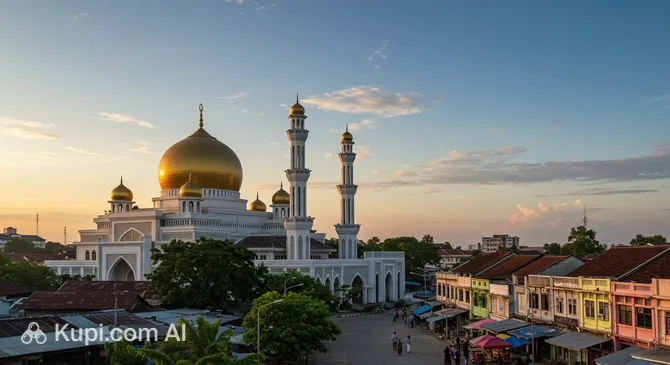
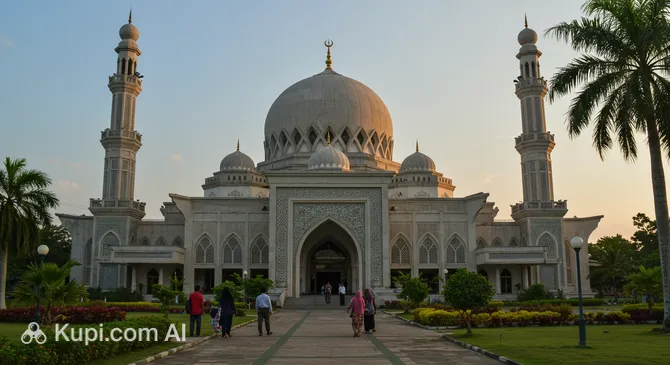
  • Completed in 1933, the Alwi Mosque is one of the few mosques in the country gazetted as a National Heritage site. Its distinct architecture features classic Mughal influences that stand out elegantly against the city's simpler skyline.

  • Unlike many other state capitals where the administrative and royal centers are combined, Kangar serves strictly as the administrative hub of Perlis. The royal town is actually located nearby in Arau, a separation that gives Kangar a distinctively functional yet laid-back atmosphere.

  • Historically, the Perlis River was the lifeline of the city, serving as the main highway for trade boats traveling from the coast. Before modern roads were developed, the riverbanks of Kangar were the busiest parts of town, bustling with merchants and traders.

Alwi Mosque. Source: Kupi.Binoculars

How to Get There

Reaching the capital of Perlis is relatively straightforward, with several transport options connecting it to the rest of the peninsula. While the city itself is tucked away in the north, the surrounding infrastructure ensures a smooth journey. You can find more about how to get to Kangar and the specific routes available on our detailed transport page.

The city of Kangar does not have its own airport, but you can fly into Sultan Abdul Halim Airport (IATA: AOR) in the city of Alor Setar, which is about 35 km from Kangar. This is the closest and most convenient domestic hub for travelers. From the airport, a taxi or bus ride typically takes around 75 minutes. For those arriving from further abroad, Penang International Airport (IATA: PEN) in George Town serves as a major gateway. Located approximately 127 km away, the transfer by road from Penang takes about 3.5 hours.

For clarity, here is a summary of the main airports:

Airport Name City Passenger Traffic Km from City
Penang International Airport George Town Large 126.8
Hat Yai International Airport Hat Yai Medium 58.4
Langkawi International Airport Kuah Medium 53.4
Sultan Abdul Halim Airport Alor Setar Regional 35.4
Trang Airport Trang Small 134.5

Although Kangar does not have a railway station within the city limits, it is well-connected by the national rail network via the nearby town of Arau. Visitors can take the ETS (Electric Train Service) to the Arau Railway Station, which is located just about 10 km east of Kangar. From Arau, local taxis and buses are readily available to complete the short journey to Kangar's city center. Additionally, long-distance express buses from major cities like Kuala Lumpur arrive directly at the Kangar Bus Terminal (Terminal Bukit Lagi).

Main Attractions

Kangar may be a quiet state capital, but it offers a delightful mix of cultural heritage, natural beauty, and culinary experiences. The city's attractions reflect its laid-back pace, allowing visitors to explore historical landmarks and scenic spots without the rush of larger tourist hubs.

One of the most iconic sights in the city is the Alwi Mosque. A standout example of Mughal architecture, this majestic structure was completed in the 1930s and remains a focal point of Kangar's skyline. Its golden domes and elegant minarets are not only visually stunning but also hold significant historical value as a National Heritage site. Visitors are often captivated by its intricate design and the sense of serenity that surrounds the compound.

For those seeking a connection with nature, Tasik Melati Recreational Park is a perfect escape located just a short drive north of the town center. This small but picturesque wetland is famous for its calm lakes filled with lotus flowers and a network of elevated wooden walkways that connect small man-made islands. It is an ideal spot for a leisurely morning walk or a sunset stroll, offering beautiful views of the nearby limestone hills.

History buffs should make their way to the Kota Kayang Museum, situated near the limestone outcrops of Perlis. The museum is housed in a culturally significant area that once served as a royal center and a fortified harbor. Inside, the galleries display a fascinating collection of archaeological artifacts, royal regalia, and exhibits that narrate the rich history of the Perlis Sultanate and the region's development over centuries.

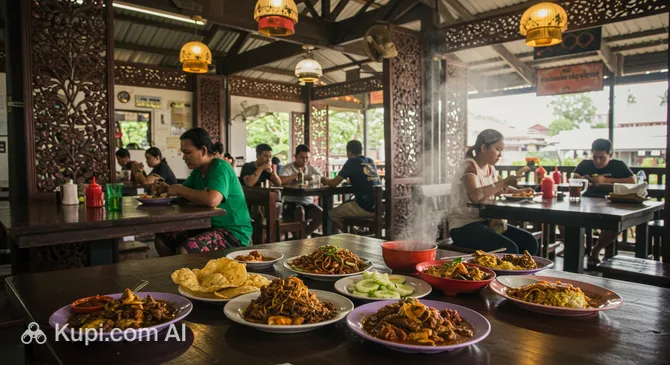
Suri Authentic Malay Cuisine Restaurant. Source: Kupi.Binoculars

To truly experience the local culture, exploring the culinary scene is a must. Suri Authentic Malay Cuisine Restaurant offers travelers a chance to taste traditional dishes in a welcoming setting. It is a great place to sample authentic local flavors and enjoy the warm hospitality that Kangar is known for, making it a rewarding stop for food enthusiasts passing through the city.

Local Cuisine

The culinary landscape of Kangar is a delightful reflection of its geographical location, blending authentic Northern Malay flavors with subtle influences from neighboring Thailand. The food here is known for being spicy, aromatic, and unpretentious, often relying on fresh ingredients sourced from the surrounding paddy fields and the nearby coast. For visitors, dining in Kangar is an affordable and flavorful adventure that offers a true taste of the Perlis lifestyle.

The absolute must-try dish in the city is Laksa Perlis. Distinct from the sourer Penang version or the creamy curry laksa found elsewhere, this local specialty features a thick, savory gravy made from mackerel or eel, rich with aromatic herbs. It is typically served with rice noodles and garnished with sliced onions, cucumber, and chilies. Another signature favorite is Ikan Bakar (grilled fish), which is best enjoyed with a side of air asam, a tangy tamarind dipping sauce that perfectly complements the smoky flavor of the fresh seafood.

If you are visiting between April and June, you are in for a special treat with the famous Harumanis Mango. Grown exclusively in Perlis, this variety is prized across Malaysia for its exceptional sweetness, creamy texture, and fragrant aroma. It is often eaten fresh or served with sticky rice, making it a seasonal highlight that draws food lovers to the region.

When it comes to beverages, the locals prefer refreshing natural drinks to combat the tropical heat. A unique local specialty is Nira Nipah, a sweet and translucent juice tapped from the mangrove palm, often served over ice. While standard Malaysian favorites like Teh Tarik (pulled milk tea) are ubiquitous, alcohol is less common due to the conservative nature of the state. However, beer and other alcoholic drinks can still be found in Chinese restaurants and licensed hotels catering to tourists.

The food culture in Kangar is relaxed and community-oriented. Locals typically dine at open-air warungs (stalls) or hawker centers, where the atmosphere is casual and friendly. Night markets, known as Pasar Malam, are also central to the dining scene, offering a wide array of street food ranging from grilled satay to colorful traditional kuih (cakes). These bustling markets are the perfect places to observe local life while sampling small bites on the go.

Travel Tips

Visiting Kangar offers a unique opportunity to experience the authentic, unhurried lifestyle of Northern Malaysia, but a little preparation goes a long way in this quiet state capital. To help you navigate the local customs and make the most of your trip to Perlis, here is a list of practical advice designed for a smooth and enjoyable journey.

  1. Dress for the Climate and Culture. Kangar is hot and humid year-round, so lightweight, breathable fabrics like cotton or linen are essential. However, Perlis is a relatively conservative state. While casual wear is acceptable, it is respectful to dress modestly by covering your shoulders and knees, especially when visiting rural areas or religious sites like the Alwi Mosque. Always remove your shoes before entering a mosque or a local home.
  2. Getting Around the City. Kangar does not have a metro or tram system, and public buses can be infrequent and difficult for tourists to navigate. The most convenient way to get around is by using ride-hailing apps like Grab, which are reliable and affordable here. If you plan to explore the scenic paddy fields and limestone hills on the outskirts, renting a car or a scooter provides the best freedom and flexibility.
  3. Cash is King. While hotels and larger supermarkets accept credit cards, cash is absolutely necessary for daily experiences. Most of Kangar's best food is found at small warungs (stalls) and night markets where digital payments may not be available. Ensure you carry enough Malaysian Ringgit (MYR) in smaller denominations. ATMs are readily available in the town center and at banks.
  4. Stay Protected from the Elements. The tropical sun can be intense, so carry high-SPF sunscreen, a hat, and a reusable water bottle to stay hydrated. Since Kangar is surrounded by nature and paddy fields, mosquitoes can be common, particularly around dusk. Bring a good insect repellent to protect yourself from bites and potential tropical ailments like dengue fever. Pharmacies such as Guardian or Watsons are easily found in the town center for any medical supplies.
  5. Language and Communication. Bahasa Malaysia is the primary language spoken in Kangar. While English is understood in hotels and by younger locals, it is less widely spoken here than in Kuala Lumpur. Learning a few basic phrases like "Terima Kasih" (Thank you) or "Apa Khabar?" (How are you?) will be warmly received and can help break the ice. A local SIM card (Maxis or Celcom usually have good coverage in the north) is recommended for maps and translation apps.
  6. Mind Your Manners. Malaysians are generally very polite and friendly. When greeting someone, a smile and a nod are often sufficient; if you shake hands, it is polite to bring your hand to your heart afterward. Always use your right hand for eating, passing money, or giving objects to others, as the left hand is considered unclean in local culture.
  7. Respect Local Sensitivities. Avoid public displays of affection (PDA), such as hugging or kissing in public, as this is frowned upon in this conservative region. Additionally, if you visit during the fasting month of Ramadan, try to avoid eating or drinking openly in public during daylight hours out of respect for those who are fasting.
  8. Seasonal Delights. If your trip falls between April and June, do not miss the chance to buy Harumanis mangoes. This specific variety is grown only in Perlis and is famous for its incredible sweetness and aroma. You will see stalls selling them all over the city; buying a few is a great way to support local farmers and taste something truly unique to Kangar.

By keeping these tips in mind, you will be well-equipped to enjoy the serene beauty and warm hospitality that Kangar has to offer. Embrace the slower pace of life here, indulge in the spicy local flavors, and enjoy your adventure in Malaysia's northern gem!

Entertainment & Nightlife

Nightlife in Kangar is distinctly different from the bustling party scenes found in Kuala Lumpur or Penang. As the capital of a conservative state, the city does not have a vibrant clubbing or bar culture. Instead, the evening entertainment revolves around community gatherings, vibrant night markets, and late-night culinary adventures. The atmosphere is laid-back, family-oriented, and centered on socializing over good food rather than loud music or dancing.

The heart of the local nightlife is undoubtedly the Pasar Malam (Night Market). These open-air markets rotate locations depending on the day of the week, with popular spots often popping up near residential areas like Taman Sena or around the stadium. Here, the streets come alive after sunset with rows of stalls selling everything from clothes and gadgets to an endless array of street food. It is the best place to mingle with locals, enjoy the cool evening breeze, and soak in the authentic sights and sounds of Perlis.

For a more sit-down dining experience to start your evening, Suri Authentic Malay Cuisine Restaurant is a fantastic choice. It offers a comfortable setting to enjoy traditional dishes before heading out for a stroll. If you are willing to take a short 15-minute drive, the coastal town of Kuala Perlis is a major nightlife destination for foodies. The waterfront there is lined with Ikan Bakar (grilled fish) restaurants where you can dine on fresh seafood while looking out towards the lights of Langkawi Island.

Travelers looking for alcohol or a pub-style environment will find options very limited due to local regulations. Most eateries are halal and do not serve alcohol. However, you can find beer and other drinks at non-halal Chinese restaurants or coffee shops, often located in the older commercial rows of the town center. Some hotel lounges may also offer a quiet place for a drink, but the vibe remains low-key and conversational rather than energetic.

During the day, entertainment in Kangar is equally relaxed. Visitors can explore local shopping centers like The Store or the Giant Hypermarket for daily needs and souvenirs. While there are no large theme parks, the city serves as a gateway to cultural exploration, with museums and recreational parks providing ample leisure activities before the sun goes down.

When venturing out at night, Kangar is generally very safe. Violent crime is rare, and walking around the town center or well-lit market areas is secure. However, the streets can get quiet early, often by 10:00 PM, except for the 24-hour "Mamak" stalls where locals watch football and chat until late. Taxis are scarce at night, so it is highly recommended to have a ride-hailing app like Grab installed on your phone to ensure you can get back to your accommodation easily.

Parks & Museums

While Kangar is primarily known as a quiet administrative hub, it surprises visitors with a delightful selection of green spaces and cultural landmarks. The city's layout integrates natural limestone formations with manicured gardens, while its historical sites offer a window into the unique heritage of the Perlis state. For travelers, this means easy access to scenic recreational areas and educational venues without the crowds found in larger tourist cities.

Tasik Melati Recreational Park is the most popular green lung in the vicinity, located just a short drive north of the town center. This picturesque park is centered around a series of shallow lakes filled with blooming lotus flowers. Visitors can navigate the wetlands via an extensive network of elevated wooden walkways, making it an excellent spot for leisurely strolls and photography. The park is surrounded by limestone hills, providing a dramatic backdrop for morning joggers and families enjoying a picnic.

For those seeking a refreshing dip in nature, the Bukit Ayer Forest Eco Park offers a cool retreat. Although situated a bit further from the city core, it is a favorite weekend getaway for locals. The park features a tropical dipterocarp forest with cascading waterfalls and natural pools suitable for swimming. It also provides camping grounds and trekking paths, allowing visitors to experience the lush biodiversity of Northern Malaysia firsthand.

History enthusiasts should not miss the Kota Kayang Museum, which serves as the primary custodian of the region's past. Housed near a historic man-made canal, the museum complex itself is an archaeological site. The galleries inside display artifacts ranging from Neolithic tools to royal regalia of the Perlis Sultanate. It offers a comprehensive narrative of the state's formation, its relationship with neighboring Kedah and Thailand, and the daily lives of its early inhabitants.

In terms of architecture, the city boasts several landmarks that reflect its Islamic and colonial heritage. The Alwi Mosque remains the most significant architectural icon in Kangar. Its Mughal-inspired design, featuring classic domes and minarets, sets it apart from other religious buildings in the region. Beyond the mosque, a walk through the older commercial districts reveals rows of pre-war shophouses that have been revitalized with vibrant street art, depicting scenes of local culture and rural life.

Another point of interest is Dataran Dato' Sheikh Ahmad, the city's main square. Dominated by a clock tower, this open space is often the venue for official state events and gatherings. It serves as a central landmark for navigation and is beautifully illuminated at night, offering a pleasant environment for an evening walk after dinner.

For a truly local experience, look for the entrance to Gua Cenderawasih within the limestone hill of Bukit Lagi, right in the city center. This lesser-known spot involves a short hike up concrete steps leading to a small cave and a vantage point. It offers a unique perspective of Kangar from above and is a hidden gem for those willing to do a little climbing for a view.

Getting Around

The public transport system in Kangar is relatively simple and functional, designed primarily to connect the administrative capital with neighboring towns rather than to provide high-frequency intra-city travel. Unlike larger metropolises, there is no metro, tram, or light rail network here. The backbone of public transportation is the bus service, which operates reliable routes linking the city center to key logistics hubs such as the ferry terminal in Kuala Perlis and the railway station in Arau.

The main local bus operator is known as myBAS Perlis. These buses are modern, air-conditioned, and cover several strategic routes throughout the state. The central hub for all bus operations is Terminal Bukit Lagi (Kangar Bus Terminal), located conveniently within the city. This terminal serves as the arrival and departure point for both the local stage buses and long-distance express coaches coming from other parts of the peninsula.

Regarding the payment system, the process is straightforward for visitors. Fares for the myBAS services are calculated based on the distance traveled and are generally very affordable. While the country is moving towards cashless systems, it is highly advisable for tourists to carry small denominations of cash to pay the driver directly upon boarding. Although some buses may accept the "Touch 'n Go" travel card, cash remains the most reliable method for short-term visitors to ensure a smooth journey.

For those seeking more flexibility and comfort, ride-hailing applications are the most popular alternative. Grab is widely available in the city and provides a hassle-free way to navigate without worrying about language barriers or negotiating prices. Traditional taxis are also available and can typically be found waiting at the bus terminal or near major landmarks. If you choose to take a standard taxi, be sure to agree on the fare with the driver before stepping inside, as meters are rarely used in this region.

Travelers should be aware that public transport operating hours are generally limited to daylight and early evening hours. Buses do not run late into the night, so if you are planning a late dinner or an evening out, it is best to rely on ride-hailing services. Additionally, since the city center is quite compact, many shops and restaurants are within comfortable walking distance, making a leisurely stroll a viable option for exploring the immediate downtown area.

Accommodation

Accommodation in Kangar is primarily designed to cater to practical travelers, families on road trips, and visitors conducting official business. The city does not host large international luxury hotel chains or sprawling resorts. Instead, the hospitality landscape is dominated by a solid selection of budget to mid-range hotels, clean and functional inns, and family-run guesthouses. This unpretentious range of options ensures that visitors can find comfortable places to rest without stretching their budget.

For those prioritizing convenience, staying in the city center is the most strategic choice. Hotels in this area are often within walking distance of local restaurants, convenience stores, and the main bus terminal, making it easy to get around without a car. Alternatively, travelers seeking a more scenic and authentic experience should consider the numerous homestays located on the outskirts of the town. These accommodations are frequently set amidst lush paddy fields or near limestone hills, offering a peaceful retreat and a closer look at the traditional lifestyle of Perlis.

The cost of staying in Kangar is generally very affordable compared to Malaysia's major tourist hubs like Penang or Kuala Lumpur. Most properties fall into the budget to mid-range price categories. While walk-ins are often accepted at smaller budget inns, it is highly recommended to book in advance through major online travel platforms, especially if you are visiting during Malaysian school holidays or public holidays when domestic tourism peaks.

Nearby Cities

For those looking to explore the surroundings, Kangar serves as an excellent base for day trips to several interesting nearby locations:

City Population Distance (km)
Seberang Jaya 946,092 119
Ipoh 866,772 226
Butterworth 821,652 113
George Town 794,313 114
Kota Bharu 491,237 228

One of the most popular destinations for a day trip is George Town, the vibrant capital of Penang. Located approximately a two-hour drive away, this UNESCO World Heritage Site is renowned for its well-preserved colonial architecture, colorful street art, and legendary street food scene. Visitors can wander through the historic streets, visit clan jetties, and indulge in some of the best culinary delights Malaysia has to offer.

Just across the bridge from the island lies Butterworth, a major transport hub that offers its own unique attractions. It is home to the Penang Bird Park, the first and largest bird park of its kind in Malaysia, making it a fantastic stop for families and nature lovers. Additionally, the town is known for its excellent seafood restaurants and serves as the gateway to the ferry service that connects the mainland to Penang Island.

These nearby destinations offer a glimpse into the diverse culture and landscapes of the region.

Shopping & Souvenirs

Shopping in Kangar offers a relaxed and authentic experience, distinct from the high-paced commercialism of Malaysia's larger cities. The retail scene here is primarily focused on daily necessities, local textiles, and fresh produce, reflecting the modest lifestyle of the Perlis state. While you will not find luxury boutiques or sprawling international complexes, the city provides a charming opportunity to explore traditional shophouses and community-centric businesses that have served the locals for generations.

The heart of the city's commercial activity is centered around Jalan Kangar and the surrounding streets near the main bus terminal. This area is lined with a mix of old and new shophouses selling everything from fabrics and clothing to hardware and electronic goods. It is a walkable district where visitors can browse through local textile shops, which are particularly known for selling affordable and colorful Malay apparel, including baju kurung and headscarves.

For a more modern shopping environment, Kayangan Square stands out as the primary mall in the city center. It serves as a popular hangout spot for locals and offers a variety of fashion outlets, a supermarket, and fast-food chains in an air-conditioned setting. Another key retail landmark is The Store, a well-established department store that provides a wide range of household items, groceries, and clothing, making it a convenient stop for travelers needing to restock on supplies.

The true highlight of shopping in Kangar, however, lies in its vibrant markets. The Pasar Malam (Night Market) is an essential part of the local culture, rotating to different locations daily, such as near the stadium or Taman Sena. These markets are bustling with energy, offering an array of affordable clothes, accessories, and toys alongside the famous street food. For fresh local produce, the Pasar Besar Kangar (Main Market) is the place to go in the morning, where farmers sell fresh fruits, vegetables, and local spices.

When it comes to souvenirs, food items are the most popular purchases. If you are visiting between April and June, the legendary Harumanis mango is the ultimate gift to bring back; its sweetness and texture are unrivaled in the region. Other local specialties include traditional snacks like kuih bahulu (fluffy egg cakes) and dodol (sticky toffee-like sugar palm treat), which are readily available at local markets and specialty shops. Locally produced shrimp paste (belacan) is another savory item that Perlis is famous for.

Most shops and malls in Kangar typically operate from 10:00 AM to 10:00 PM. However, smaller independent boutiques and street stalls may close earlier, around 6:00 PM or 7:00 PM. Visitors should be aware that on Fridays, many Muslim-owned businesses may close briefly between 1:00 PM and 2:30 PM for Friday prayers. Cash is the preferred payment method at markets, hawker stalls, and smaller shops, so it is advisable to carry sufficient Ringgit. Credit cards and e-wallets are generally accepted at supermarkets, hotels, and the larger stores within Kayangan Square.

It is important to note that Kangar is not a duty-free zone. Unlike the nearby island of Langkawi or the border town of Padang Besar, standard taxes apply to goods purchased here. Tourists looking for duty-free bargains often take a day trip to Padang Besar, located about 35 kilometers north on the Thai border, but for authentic local goods and a peaceful atmosphere, Kangar's own shops are well worth exploring.
Reached the end of the page?

That means the route is fully explored