Support

Narathiwat

About

Narathiwat is a captivating destination that offers a distinct glimpse into the rich cultural tapestry of the Deep South. Its name, which translates to "the residence of good people," reflects the welcoming atmosphere and the harmonious blend of Thai and Malay traditions found here. As a coastal city, it provides a serene environment away from the bustling tourist crowds found elsewhere, allowing visitors to experience an authentic and tranquil side of the region.

Geographically, the city is situated in the southernmost part of Thailand, resting along the shores of the Gulf of Thailand and bordering Malaysia. The city is home to a population of approximately 41,000 people and serves as an important administrative and commercial hub for the province. The climate is tropical, often influenced by seasonal monsoons that bring lush greenery to the surrounding landscapes.
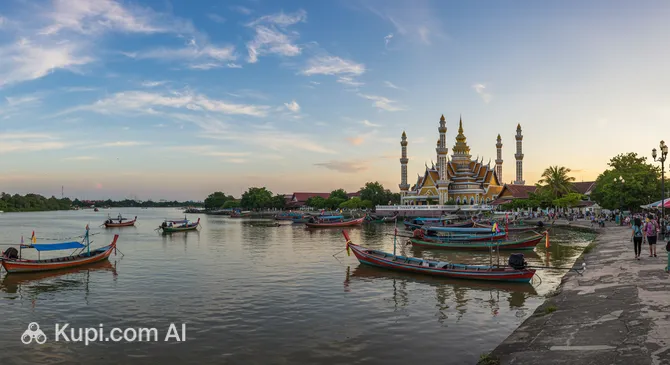
Narathiwat. Source: Kupi.Binoculars

The area is steeped in heritage, with a unique architectural landscape that tells the story of its past. Exploring the history of Narathiwat reveals a fascinating intersection of cultures, visible in its religious sites and traditional wooden houses. This cultural depth makes a stroll through the city streets a rewarding experience for those interested in local traditions and lifestyles.

Among the city's highlights is Hat Narathat, a beautiful long beach lined with pine trees that is a favorite spot for locals to relax and picnic. Another significant landmark is Wat Khao Kong, home to the Phra Phuttha Thaksin Ming Mongkhon, one of the largest golden seated Buddha images in the south. These sites, combined with the vibrant local markets selling batik fabrics and southern delicacies, make the city a memorable stop.

Whether you are passing through on your way to the border or looking to explore a less-traveled corner of the country, Narathiwat invites you to discover its scenic beauty and warm hospitality. It is a destination that promises a peaceful yet culturally enriching journey.

Weather Overview

Visitors to this southern province can expect a tropical climate characterized by consistent warmth and frequent precipitation. The weather in Narathiwat remains generally hot throughout the year, with average temperatures hovering between 25°C and 28°C. May is typically the warmest month, seeing daily highs of around 31.8°C, while December and January are slightly cooler, with averages dipping to approximately 25.4°C.

Rainfall is a regular occurrence, distributed across many days each month, so it is wise to be prepared for showers. November is the wettest month in terms of frequency, experiencing precipitation on about 29 days, although the recorded accumulation is often light. In contrast, March offers the driest conditions with roughly 15 wet days. Overall, travelers should anticipate warm days with regular chances of rain, making lightweight, breathable clothing and rain gear essential packing items.

Interesting Facts

Beyond its scenic coastlines and cultural landmarks, Narathiwat holds fascinating details that define its unique identity in the Deep South. Here are some intriguing facts that highlight the city's rich heritage and distinct character.

  • A Royal Name Change: The city was not always known by its current auspicious title. Until 1915, it was simply called "Bang Nara," named after the river that flows through it. King Rama VI bestowed the name Narathiwat, meaning "the residence of good people," during a royal visit to honor the community's gentle nature.

  • Floating Works of Art: Narathiwat is the heart of the Kolek boat culture. Unlike standard fishing vessels, these boats are meticulously hand-painted with vibrant, intricate designs that blend Thai, Malay, and Javanese motifs. They are considered some of the most beautiful maritime crafts in the region and are often celebrated in annual boat racing festivals.

  • The Sweetest Harvest: The city is renowned as the primary marketplace for the famous "Tanyong Mat" Longkong. This variety of fruit is widely considered the best and sweetest in Thailand, with a unique dry skin and fragrant scent that draws fruit lovers from across the country during the harvest season.

  • A Unique Linguistic Landscape: While strolling through the local markets, you are just as likely to hear Yawi spoken as you are standard Thai. Yawi is a local Malay dialect that reflects the area's deep historical roots, adding a distinct auditory layer to the city's cultural atmosphere.

How to Get There

Reaching this southern province is an adventure in itself, offering travelers a chance to see the changing landscapes of the Malay Peninsula. Whether you prefer the speed of air travel or the scenic route by land, there are several options available. You can find more details on how to get to Narathiwat to plan your journey effectively.

The most direct way to arrive is via Narathiwat Airport (NAW), which serves as the primary domestic gateway. Flights typically connect from Bangkok, making it a convenient choice for those traveling from the capital. The airport is located approximately 37 km from the city center. A journey by taxi or shuttle bus generally takes around 1 hour and 15 minutes, allowing you to settle into the local pace shortly after landing. Although it is a smaller airport with an annual passenger traffic of about 191,000, it provides essential links for the region.

For travelers approaching from Malaysia or those looking for alternative flight connections, Sultan Ismail Petra Airport (KBR) in Kota Bharu is another viable option. It is located about 55 km from Narathiwat. However, since this airport is in Malaysia, the transfer involves crossing the border, which adds to the travel time. The drive, including the border crossing logistics, typically takes around 1 hour and 45 minutes. This airport is busier, handling over 1.2 million passengers annually, and offers more frequent connections within Malaysia.

For clarity, here is a summary of the main airports:

Airport Name City Passenger Traffic Km from City
Sultan Ismail Petra Airport Kota Bharu Large 54.9
Sultan Mahmud Airport Kuala Terengganu Medium 169.9
Sultan Abdul Halim Airport Alor Setar Medium 154.5
Narathiwat Airport Narathiwat Small 37.1
Pulau Redang Airport Redang Island Small 141.9

For those who enjoy rail travel, the Southern Line of the State Railway of Thailand offers a scenic route down the peninsula. While the city of Narathiwat does not have its own railway station right in the town center, visitors can disembark at the nearby Tanyong Mat Station in the Ra-ngae district. This station serves as the main rail hub for the province. From Tanyong Mat, you can take a local songthaew (shared taxi) or a private taxi to reach Narathiwat city, a journey that usually takes about 30 to 40 minutes. The train ride from Bangkok is long but comfortable, especially on overnight sleeper trains.

Main Attractions

Narathiwat offers a unique blend of cultural and natural sites that reflect its position as a melting pot of Thai and Malay heritage. While the province is often less explored than others, its attractions provide authentic experiences for those who venture here. From golden temples to serene pine-fringed beaches, the area is full of hidden gems waiting to be discovered.

One of the most prominent landmarks is Phra Phuttha Thaksin Ming Mongkhon, located at Wat Khao Kong just a few kilometers from the city center. This magnificent seated Buddha statue is covered in golden mosaic tiles that shimmer in the sunlight, making it visible from a distance. It is recognized as one of the most beautiful and largest Buddha images in Southern Thailand. Visitors are drawn here not only for the spiritual atmosphere but also to admire the intricate craftsmanship and the peaceful hillside setting that offers a quiet retreat from the town.

For those seeking relaxation by the sea, Hat Narathat is a must-visit destination. Unlike typical tropical beaches lined with coconut palms, this sandy stretch is unique for its dense forest of pine trees, which provides ample shade and a cool breeze. It is a favorite recreational spot for locals, making it an excellent place to observe daily life, enjoy a picnic, or sample local street food from nearby vendors. The calm ambiance makes it perfect for a leisurely stroll along the coast.

A short trip to the nearby Bacho district reveals the architectural marvel of the 300-Year-Old Mosque, also known as Masjid Wadi Al-Husein. This historical site is renowned for its traditional construction, which utilizes wood entirely without the use of iron nails. The design is a fascinating fusion of Thai, Chinese, and Malay architectural styles, featuring a terracotta roof and intricate wood carvings. It stands as a testament to the region's rich history and cultural harmony, offering photography enthusiasts and history buffs a captivating subject.

Another cultural highlight is the Ban Yakang community, often considered the center of Batik production in the province. Here, tourists can watch local artisans meticulously apply wax and dye to create vibrant, patterned fabrics that are emblematic of the region. Visiting the village offers a chance to buy high-quality, hand-made souvenirs directly from the makers and to learn about the traditional techniques that have been passed down through generations.

Local Cuisine

The culinary landscape of Narathiwat is a vibrant reflection of its multicultural heritage, blending the spicy zest of Southern Thai cuisine with the rich, aromatic flavors of Malay cooking. Due to the predominantly Muslim population, the food scene here is largely Halal, offering a distinct gastronomic journey compared to other parts of Thailand. The dishes are characterized by the liberal use of turmeric, coconut milk, and fresh herbs, creating a palate that is both intense and comforting.

A must-try dish that defines the local breakfast culture is Nasi Dagang. This hearty meal consists of reddish rice steamed with coconut milk and fenugreek seeds, typically served with a rich fish curry and pickled vegetables. Another signature delicacy is Khao Yam, a fragrant rice salad tossed with an array of finely chopped herbs, toasted coconut, and dried shrimp. The secret to its unique flavor is Budu, a fermented fish sauce that Narathiwat is famous for producing; it adds a savory depth that binds the ingredients together perfectly.

For street food enthusiasts, the city offers an abundance of snacks that are perfect for grazing while exploring. Kai Ko Lae is a local favorite, featuring chicken marinated in a thick, sweet-and-spicy red curry paste and grilled over charcoal until smoky and tender. You will also find Keropok, or crispy fish crackers, everywhere. As a coastal city, Narathiwat utilizes its fresh catch to make these savory treats, which are often sold in large bags at markets and make for an excellent souvenir.

When it comes to beverages, the local tea culture is a central part of daily life. Locals often gather at tea shops to enjoy Cha Chak, a southern-style pulled tea that is frothy, sweet, and creamy. It can be enjoyed hot or iced and pairs wonderfully with Roti or sticky rice treats. While alcohol is available in some hotels and specific establishments catering to tourists, it is less common in general dining areas due to religious observances. Instead, fresh fruit juices and iced herbal drinks are the standard refreshments to beat the tropical heat.

To truly experience the food culture, visitors should head to the local night markets or the stalls near Hat Narathat beach. These bustling spots come alive in the evening, offering an open-air dining experience where you can sit at plastic tables and sample a variety of dishes at affordable prices. The atmosphere is communal and relaxed, allowing you to dine alongside locals and immerse yourself in the authentic rhythm of Narathiwat.

Travel Tips

Visiting Narathiwat offers a unique opportunity to experience a culturally distinct and authentic side of the kingdom, far removed from the typical tourist trail. To ensure your journey through this fascinating province is as smooth and enjoyable as possible, here are some practical tips to help you navigate the local lifestyle and customs.

  1. Dress Conservatively: While the climate is tropical and humid, requiring lightweight and breathable fabrics, modesty is highly valued in this predominantly Muslim region. Avoid wearing revealing clothing such as tank tops, short skirts, or swimwear outside of designated beach areas. Both men and women should aim to cover their shoulders and knees when exploring the city or visiting villages to show respect for local norms.

  2. Getting Around: Public transport within the city mainly consists of motorcycle taxis and songthaews (converted pickup trucks). There is no metro or extensive bus system. Ride-hailing apps like Grab may have limited availability compared to Bangkok, so it is often easier to flag down a local driver. Always agree on the fare before starting your journey to avoid misunderstandings.

  3. Cash is King: The local currency is the Thai Baht (THB). While hotels and some larger supermarkets may accept credit cards, the majority of shops, local restaurants, and night markets operate exclusively with cash. ATMs are widely available in the city center near banks and convenience stores, so it is wise to withdraw money upon arrival and keep small denominations handy for street food.

  4. Health and Safety: Pharmacies are available in the town center, with some open late, though 24-hour options are rare. In terms of safety, it is best to stay within the main city areas and popular tourist spots. Avoid traveling alone at night in remote outskirts and always follow the advice of your hotel staff regarding safe routes. As with anywhere in the tropics, apply mosquito repellent regularly, especially during dusk.

  5. Language Barriers: English is not widely spoken outside of major hotels. The primary languages are Central Thai and a local Malay dialect known as Yawi. Learning a few basic Thai phrases or having an offline translation app on your phone can be incredibly helpful for basic interactions. A friendly smile often bridges the gap when words fail.

  6. Respect Local Etiquette: The traditional Thai greeting is the Wai (pressing palms together), but in this region, a polite nod or a handshake (if initiated by the other person) is also common. Always remove your shoes before entering a home, a mosque, or a temple. When handing money or objects to someone, use your right hand, as the left hand is considered unclean in local culture.

  7. Cultural Taboos: Avoid public displays of affection, such as hugging or kissing, as this is frowned upon in conservative society. Additionally, never touch someone on the head, which is considered the most sacred part of the body, and avoid pointing your feet at people or religious images, as feet are considered the lowest part of the body.

  8. Alcohol Consumption: Unlike other popular Thai destinations, finding alcohol can be difficult due to religious restrictions. It is generally not sold in convenience stores or regular restaurants in the city center. If you wish to drink, it is best to do so within the privacy of your hotel or at specific establishments catering to tourists, rather than in public spaces.

By keeping these simple guidelines in mind, you will be well-prepared to embrace the warm hospitality and rich heritage of Narathiwat. Respecting the local traditions will not only make your trip smoother but will also open doors to genuine connections with the friendly locals who call this beautiful province home.

Entertainment & Nightlife

Entertainment in Narathiwat differs significantly from the high-energy nightlife found in Thailand's popular resort towns. Instead of bustling club strips and neon-lit go-go bars, the evening atmosphere here is defined by a relaxed, culturally rich vibe centered around social dining, night markets, and riverside relaxation. The city sleeps relatively early, and the nightlife is more about community interaction than partying, reflecting the local Muslim traditions and the town's peaceful character.

The main hub of activity after dark is the area along the Bang Nara River. As the sun sets, the promenade becomes a pleasant place for a stroll, with cool breezes coming off the water. This district is where you will find a concentration of local eateries and tea shops. The atmosphere is laid-back and family-friendly, with locals gathering to discuss the day's events over frothy glasses of Cha Chak (pulled tea) rather than alcohol. For visitors, this is the best way to soak up the authentic local spirit.

For those seeking a more conventional evening out with amenities such as air conditioning, live music, or alcohol, options are limited but available. The Imperial Narathiwat Hotel is a primary landmark in the city center and serves as a social anchor for travelers. It typically houses a lobby lounge or karaoke facilities where guests can enjoy a drink in a comfortable, safe setting. It is one of the few places in town where the atmosphere resembles a standard hotel bar, making it a reliable choice for tourists.

Another popular spot for an evening meal with a view is the Rim Nam Restaurant. Located right by the river, it offers an open-air dining experience that is bustling in the evenings. While it is primarily a restaurant, the ambiance makes it a great place to linger late into the evening, enjoying fresh seafood and the twinkling lights reflecting on the water. The dress code throughout the city is casual but modest; even at night, it is respectful to dress conservatively, covering shoulders and knees.

The most vibrant "nightlife" experience, however, is undoubtedly the local night market. Often set up near the city center or along the main roads, these markets come alive around 6:00 PM. Here, you can wander through rows of vendors selling grilled meats, sweet rotis, and vibrant fabrics. It is loud, colorful, and full of life. Prices are incredibly affordable, with most snacks costing only a few Baht. It is the perfect place to grab a late dinner and observe the local culture in full swing.

Regarding safety, Narathiwat is generally welcoming, but it is wise to exercise caution at night. Stick to well-lit, populated areas like the main markets and the immediate vicinity of major hotels. Avoid wandering into unlit side streets or traveling to the outskirts of the city late at night. For transportation, motorcycle taxis are the most common way to get around, but they can be scarce after 9:00 PM. It is highly recommended to arrange your return transport in advance or ask your hotel or restaurant to call a trusted driver for you.

During the day, entertainment options are quieter and more cultural. While the city does not have large amusement parks or multiplex cinemas, you can visit the Narathiwat City Museum to learn about the region's history or enjoy a peaceful afternoon at the Princess Sirindhorn Park. These venues offer a serene escape before the town transitions into its tea-sipping, market-browsing evening rhythm.

Parks & Museums

Narathiwat offers a refreshing balance of untouched natural beauty and deep-rooted cultural heritage, making it a fascinating destination for travelers who enjoy both the outdoors and history. The city and its surroundings are dotted with lush green spaces, unique ecosystems, and institutions that preserve the diverse traditions of the Deep South.

For nature lovers, Ao Manao-Khao Tanyong National Park is a standout destination located just a short drive from the city center. This park is renowned for its long, curved beach bordered by a forest of pine trees, offering a much more secluded and tranquil atmosphere than Thailand's more famous resort towns. Visitors can explore the nature trails that wind through the coastal forest, climb the rocky outcrops for panoramic views of the Gulf of Thailand, or simply relax in the shade. The park is also adjacent to the royal residence, adding a sense of grandeur to the scenic landscape.

Another ecological marvel is the Sirindhorn Peat Swamp Forest, often referred to as the To Daeng Peat Swamp Forest. It is the last remaining large peat swamp forest in Thailand and a crucial sanctuary for biodiversity. A well-maintained nature trail allows visitors to walk safely over the waterlogged ground on a wooden boardwalk, passing through a tunnel of trees and dense vegetation. It is an excellent spot for birdwatching and seeing rare plant species that thrive in this unique wetland environment, offering an educational glimpse into a rare tropical ecosystem.

To understand the local identity, a visit to the Narathiwat City Museum is essential. Housed in the beautifully restored Old Provincial Hall, the museum provides a comprehensive overview of the province's history, spanning from prehistoric times to the present day. The exhibits are divided into sections that showcase the region's ethnic diversity, including the harmonious coexistence of Thai Buddhist, Muslim, and Chinese communities. Displays of traditional clothing, household tools, and a mock-up of a gold mine help bring the local stories to life for visitors.

For a deeper dive into the spiritual heritage of the region, the Museum of Islamic Cultural Heritage (located at the Saman Mit Wittaya School in the nearby Yi-ngo district) is a treasure trove of history. This facility is famous for housing a collection of ancient hand-written Qurans and Malay manuscripts, some of which are centuries old. The intricate calligraphy and illuminations on these texts are masterpieces of art, reflecting the high level of scholarship and craftsmanship that has existed in this region for generations.

Among the significant architectural landmarks is the Thaksin Ratchaniwet Palace. While it serves as a royal residence, the outer grounds are often open to the public when the Royal Family is not in residence. The palace is situated on Tanyong Mountain and features beautifully landscaped gardens that blend indigenous southern plants with decorative species. The architecture itself is a stunning example of modern Thai design adapted to the tropical climate, incorporating local artistic elements.

For an authentic local experience, head to the coastal village of Ban Thon. While not a formal museum, this "living gallery" allows you to watch artisans crafting the famous Kolek boats and weaving delicate sedge mats. It is a rare opportunity to see these traditional skills practiced in their original setting, and the villagers are often happy to demonstrate their craft to interested travelers.

Getting Around

Navigating Narathiwat is a straightforward and authentic experience, quite different from the complex transit networks found in Thailand's larger metropolises. The city does not have a metro, skytrain, or traditional city bus system. Instead, the public transport network relies heavily on informal, locally operated vehicles that are well-suited to the town's compact size and relaxed pace. For visitors, getting around is generally inexpensive and offers a chance to engage directly with the local way of life.

The backbone of local transportation is the Songthaew. These are converted pickup trucks with two rows of bench seating in the back and a roof for shade. They operate on fixed routes along the main roads, connecting the city center with outlying districts, the bus terminal, and popular spots like Hat Narathat beach. There are no designated bus stops in the strict sense; you simply wave one down from the roadside. To exit, press the buzzer located on the ceiling or roof frame to signal the driver to stop.

For faster, point-to-point service, motorcycle taxis are the most convenient option. You will find drivers wearing colored vests waiting at street corners, near markets, and outside the hospital or hotels. They are ideal for short trips or navigating narrow lanes where larger vehicles might struggle. While they are efficient, safety is paramount; always request a helmet if one is not offered, and hold on tight as the local driving style can be spirited.

A more leisurely and nostalgic way to travel short distances is by Samlor (pedicab). These three-wheeled, pedal-powered vehicles are slowly disappearing but can still be found near fresh markets and older parts of town. They are perfect for carrying groceries or for tourists who want to take in the street scenes at a slow pace without the noise of an engine. It is a charming, eco-friendly alternative that supports older local drivers.

The payment system across all modes of transport in Narathiwat is exclusively cash. There are no travel cards, passes, or digital ticketing systems for local transit. Prices are very affordable. A ride on a Songthaew typically costs a small fixed fee (often around 10–20 THB) regardless of the distance within the city limits. For motorcycle taxis and Samlors, you must agree on the fare with the driver before the journey begins. It is highly recommended to carry small notes (20, 50, or 100 THB) and coins, as drivers often do not have change for large bills.

Regarding operating hours, public transport here follows the rhythm of the sun. Songthaews and motorcycle taxis are plentiful during the day, starting from early morning (around 6:00 AM) to serve students and market-goers. However, service frequency drops significantly after sunset. By 8:00 PM or 9:00 PM, finding a Songthaew can be difficult. If you plan to stay out late, it is wise to arrange transportation in advance or get the phone number of a reliable motorcycle taxi driver.

Alternatives such as metered taxis are virtually non-existent on the streets for hailing. Ride-sharing apps have very limited coverage compared to the capital, so relying on them can be frustrating. For those who prefer independence, renting a motorbike is a popular choice. Several guesthouses and shops in the city center offer daily rentals. This gives you the freedom to explore at your own leisure, but ensure you have a valid driving license and are comfortable riding in local traffic conditions.

Accommodation

Accommodation in Narathiwat is primarily functional and affordable, catering to business travelers, government officials, and cultural tourists rather than luxury seekers. You will not find sprawling 5-star international resorts or ultra-modern boutique chains here. Instead, the city offers a selection of reliable mid-range hotels, budget guesthouses, and simple inns that provide clean and comfortable bases for exploration. The emphasis is often on warm hospitality and value rather than opulence.

The most convenient area to stay is the City Center, particularly the streets surrounding the Bang Nara River. Staying in this district puts you within easy walking distance of the vibrant night markets, local tea shops, and the main songthaew routes, making it simple to get around without your own vehicle. For those seeking a more tranquil environment, there are a few options located closer to Hat Narathat beach. These spots offer a peaceful setting amidst the pine trees and sea breeze, though they are slightly removed from the town's main dining and shopping hubs.

In terms of specific options, the city is anchored by a few well-established hotels that provide standard amenities such as air conditioning, swimming pools, and on-site restaurants. The Imperial Narathiwat Hotel is widely recognized as the premier address in town, frequently hosting events and serving as a social hub for visitors who prefer a full-service experience. Beyond the larger establishments, travelers can find numerous family-run guesthouses. These smaller venues often offer a more personal touch, although amenities may be basic and English proficiency among staff can vary.

Booking Tips: While it is often possible to find a room by simply walking in, especially at smaller guesthouses, it is advisable to book in advance if you plan to stay at the main hotels. This is particularly important during local festivals or government holidays when occupancy rates can spike. Major online booking platforms list the larger hotels, but many smaller, budget-friendly places may still rely on direct phone bookings or social media pages.

Price Range: Travelers will find Narathiwat to be exceptionally budget-friendly compared to Thailand's major tourist destinations. A comfortable room in a top-tier local hotel costs significantly less than a standard room in Bangkok or Phuket. Budget travelers can find basic accommodation for very low rates. It is important to note that while the main hotels accept credit cards, smaller guesthouses and inns almost exclusively require cash, so ensure you have sufficient Thai Baht on hand upon arrival.

Nearby Cities

Narathiwat serves as an excellent starting point for exploring the unique cultural and geographical landscape of Southern Thailand. The province is bordered by several other fascinating regions, each offering its own distinct atmosphere, from bustling commercial hubs to serene historical towns. A short journey from the city allows travelers to experience the diversity of the Deep South, where Thai, Chinese, and Malay influences blend seamlessly.

The closest major neighbor is Yala, located approximately 69 km away. Known for its meticulously planned city center and cleanliness, Yala offers a peaceful urban environment surrounded by mountains. For those seeking a more vibrant city experience, Hat Yai is the region's primary commercial and transportation center. Although it is about 172 km away, it is a popular destination for shopping, dining, and connecting to international flights. Nearby, the historic coastal city of Songkhla offers charming old town architecture and seaside relaxation.

Here is an overview of the nearby cities, including their distances and population sizes, to help you plan your regional travels:

City Distance (km) Population
Yala 69 61,250
Ban Tha Khlong 101 77,243
Hat Yai 172 159,130
Songkhla 173 63,834
Trang 284 60,591

Shopping & Souvenirs

Shopping in Narathiwat provides a delightful immersion into the local culture rather than a high-end retail experience. The city is not known for luxury brands or sprawling international complexes; instead, it charms visitors with its traditional shophouses, bustling fresh markets, and unique local craftsmanship. Travelers can expect to find high-quality handmade goods, particularly textiles, alongside a wide array of southern Thai snacks. The prices are generally very affordable, often significantly lower than in the country's major tourist hubs.

The main commercial activity is concentrated in the city center, particularly along Phu Pha Phakdi Road and the streets surrounding the iconic Clock Tower. This area serves as the town's heartbeat, lined with gold shops, pharmacies, and general stores housed in traditional buildings. A stroll down these streets offers a mix of modern necessities and traditional items, making it the best place to observe the daily commerce of the province.

For those seeking a more modern, air-conditioned shopping environment, options are limited but functional. The most prominent local venue is the Super Department Store, a long-standing establishment in the town center that sells everything from clothing and cosmetics to household goods. Additionally, larger hypermarkets such as Big C and Lotus's are located on the outskirts of the city, providing standard supermarket amenities and familiar retail chains for travelers needing essentials.

Markets are the true soul of shopping in Narathiwat. The Morning Market (Talad Chao) is a vibrant spectacle that starts before dawn, where locals trade fresh produce, spices, and breakfast treats. It is an excellent place to see the variety of tropical fruits and seafood available in the region. In the evenings, the Night Market near the city center or along the riverbank comes alive. Here, you can browse through stalls selling inexpensive clothing, accessories, and an abundance of street food, offering a lively atmosphere to end the day.

When it comes to souvenirs, Narathiwat is famous for its exquisite Batik textiles. Unlike the mass-produced versions found elsewhere, the local Batik is often hand-painted with intricate patterns inspired by Malay and Thai designs. You can buy these as fabric lengths, sarongs, or ready-made shirts. Other popular items include miniature Kolek boats, which are colorful, hand-carved replicas of the region's traditional fishing vessels. Food souvenirs are also a must, particularly Budu (a savory fermented fish sauce) and Keropok (crispy fish crackers), both of which are local specialties.

Opening hours in Narathiwat are generally conservative. Standard shops typically open around 09:00 and close by 18:00 or 19:00. The Super Department Store and hypermarkets stay open later, usually until 21:00. Payment is predominantly made in cash (Thai Baht). While the larger supermarkets and hotels accept credit cards, small boutiques, market vendors, and souvenir stalls deal exclusively in cash, so it is essential to carry small denominations.

Tax-free shopping and VAT refunds are not commonly available in Narathiwat's local shops. The "VAT Refund for Tourists" scheme is typically found only in major international chains or large department stores in Bangkok and Phuket. Therefore, visitors should not expect to claim tax back on purchases made within the local markets or small businesses in this province.

Reached the end of the page?

That means the route is fully explored