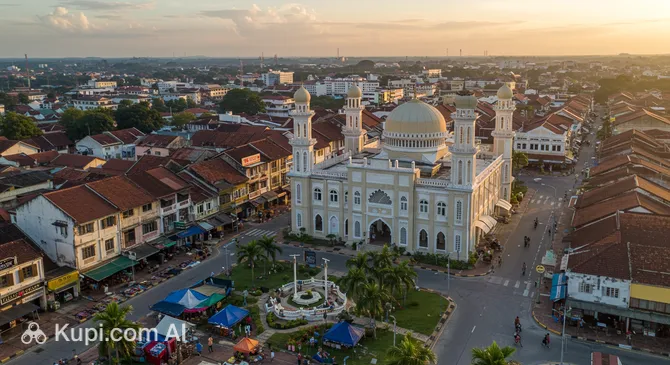
Kota Bharu serves as the vibrant state capital of Kelantan and acts as a fascinating gateway to the traditional heartland of the east coast. Located in the northeastern corner of Peninsular Malaysia, near the border with Thailand, this city offers a distinct atmosphere that sets it apart from the more westernized areas of the country. With a population of approximately 491,000 residents, it is a bustling hub that sits near the mouth of the Kelantan River, blending urban energy with deep-rooted cultural traditions.
To truly understand the region, one must explore the history of Kota Bharu, which is reflected in its numerous museums and former royal residences. The city is renowned for preserving age-old customs, from kite flying to shadow puppetry, making it a living museum of Malay heritage. The architecture here often features unique designs that showcase strong Islamic influences and intricate local craftsmanship.
Kota Bharu. Illustration.
Source: Kupi.com AI
Among the city's top attractions is the famous Siti Khadijah Market, a colorful and lively spot where local women trade fresh produce, traditional snacks, and beautiful batik textiles. Visitors are also drawn to the Istana Jahar, a museum dedicated to Kelantanese royal ceremonies and rituals. Whether you are here to sample the unique local cuisine, which carries subtle Thai flavors, or to immerse yourself in a culturally rich environment, Kota Bharu promises an authentic and unforgettable experience for every traveler.
Weather Overview
Kota Bharu experiences a tropical climate characterized by consistent warmth and humidity throughout the year. Visitors can expect steady temperatures, with monthly averages ranging from a comfortable 25.8°C in January to a peak of 28.8°C in May. The days are generally hot, with maximum temperatures frequently climbing above 30°C, while nights remain mild, rarely dropping below 23.5°C.
Rainfall is a constant feature of the region, though its intensity varies by season. The weather in Kota Bharu is notably wettest towards the end of the year; November and December see the highest frequency of precipitation, with rain occurring on up to 29 days a month. In contrast, February and March tend to be the driest periods, offering slightly more sunshine and fewer wet days for outdoor exploration.
Average monthly temperature
Average monthly precipitation
Interesting Facts
Beyond the main attractions, Kota Bharu holds many fascinating secrets that reveal its deep historical significance and unique cultural fabric. This city is not just a transit point but a guardian of stories that shaped the nation, offering visitors a glimpse into the past that is rarely seen elsewhere.
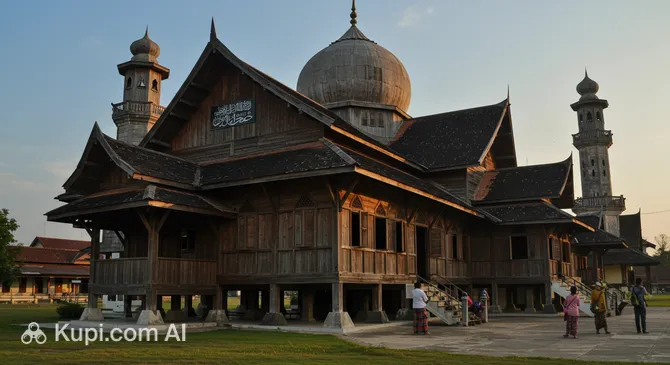
Kampung Laut Mosque. Illustration.
Source: Kupi.com AI
Traveler photos:
A Pivotal Moment in History: Kota Bharu was the site of the first Japanese landing in Malaya during World War II. Japanese troops arrived at Pantai Dasar Sabak just minutes before the attack on Pearl Harbor, effectively marking the start of the Pacific War in the region.
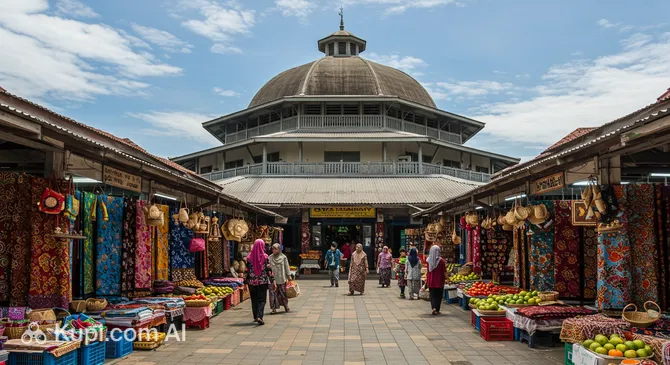
A Market Run by Women: The iconic Siti Khadijah Market is named after the wife of the Prophet Muhammad, who was known for her entrepreneurial success. The name is a tribute to the local women who have traditionally dominated the trading scene here, running the vast majority of the stalls.
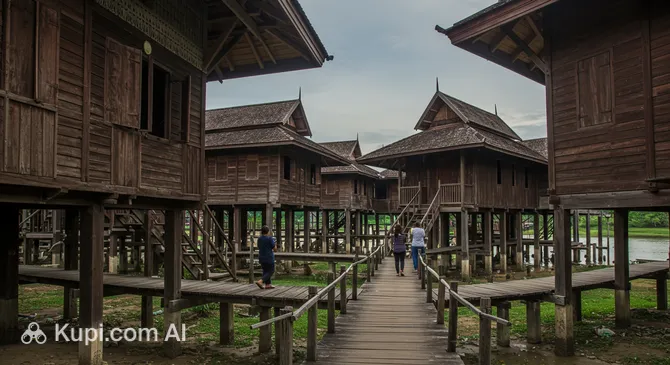
Architecture Without Nails: The historic Kampung Laut Mosque is an engineering marvel of the Malay world. Believed to be one of the oldest surviving mosques in the country, this wooden structure was built entirely without the use of nails, relying instead on traditional interlocking timber techniques to withstand the elements for centuries.
Celebrating Diversity: Despite being known as a conservative Islamic hub, the city honors its multicultural history at Cheng Ho Square. This landmark is dedicated to the famous Chinese Muslim admiral Zheng He (Cheng Ho), symbolizing the long-standing friendship and trade relations between the local sultanate and China.
How to Get There
Reaching the capital of Kelantan is relatively straightforward, with air travel being the most popular and time-efficient option for most visitors. Whether you are arriving from Kuala Lumpur or other parts of the region, the city is well-connected to the national transport network. For a comprehensive guide on all available transport modes and routes, you can read more about how to get to Kota Bharu.
The primary gateway to the city is Sultan Ismail Petra Airport (IATA: KBR). Located directly in Kota Bharu, it sits just 7.6 km from the city center. This bustling regional hub handles a significant volume of travelers annually, making it the busiest airport on the east coast of Peninsular Malaysia. The journey from the airport to downtown is quick, typically taking around 30 minutes by taxi or ride-hailing service. For those exploring the wider region, another option is Sultan Mahmud Airport (IATA: TGG), situated in the city of Kuala Terengganu. However, please note that this airport is approximately 126 km away from Kota Bharu, requiring a transfer time of about 3.5 hours by road.
For clarity, here is a summary of the main airports in the vicinity:
Travelers preferring a scenic overland journey often choose the train. Although the city of Kota Bharu does not have its own railway station within the city limits, it is well-served by the nearby Wakaf Bharu railway station. Located just across the Kelantan River, it is the primary disembarkation point for visitors heading to the state capital. This station is a key stop on the famous Jungle Railway (East Coast Line), which offers picturesque views of Malaysia's interior rainforests. From Wakaf Bharu, a taxi or bus ride to the Kota Bharu city center takes approximately 15 to 20 minutes.
Main Attractions
A visit to Kota Bharu is incomplete without exploring the iconic Siti Khadijah Market. This bustling four-story octagonal building is the commercial heartbeat of the city and a photographer's dream. It is famously dominated by female traders who sell everything from fresh tropical produce to colorful traditional cakes. Tourists are particularly drawn to the upper floors, which offer a bird's-eye view of the vibrant activity below and house stalls selling batik, silk, and silver handicrafts, making it the perfect place to find authentic souvenirs.
Siti Khadijah Market. Illustration.
Source: Kupi.com AI
Traveler photos:
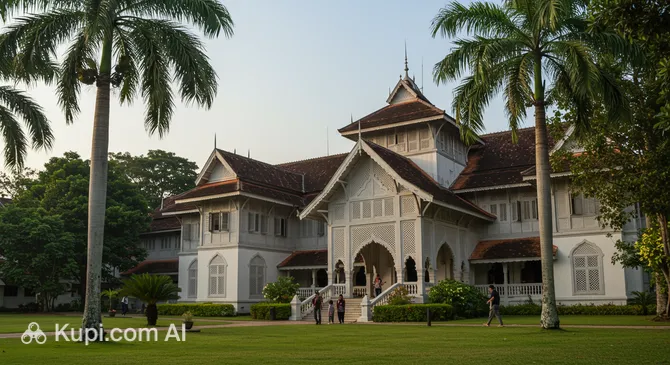
For a deep dive into the region's royal heritage, the Istana Jahar is an essential stop. Built in 1887, this former palace has been converted into the Museum of Royal Traditions and Customs. The building itself is a masterpiece of traditional Malay architecture, featuring intricate wood carvings and designs that showcase the skill of local craftsmen. Inside, visitors can view exhibits on royal weddings, birth rituals, and ceremonial weaponry, providing a fascinating insight into the lifestyle of the Kelantanese sultanate.
Istana Jahar. Illustration.
Source: Kupi.com AI
Traveler photos:
Another significant landmark is the Sultan Muhammad II Mosque (State Mosque). Originally built in the 19th century and renovated in the 1920s, this mosque is known locally as Masjid Muhammadi. It serves as the state's center for Islamic propagation and is admired for its colonial-influenced architecture, which differs from the typical dome structures found elsewhere. Its serene atmosphere and historical importance make it a key site for understanding the spiritual foundations of the city.
Sultan Muhammad II Mosque (State Mosque). Illustration.
Source: Kupi.com AI
Traveler photos:
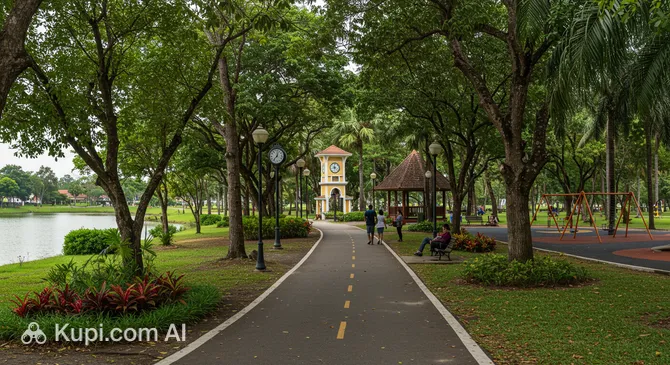
Those seeking a peaceful retreat from the city center should visit Tengku Anis Municipal Park. This sprawling green space is a favorite among locals for jogging, picnics, and family outings. The park features beautifully landscaped gardens, a deer park, and tranquil ponds, offering a refreshing break for travelers. It is an excellent spot to observe local life and enjoy the tropical greenery that characterizes the Kelantan landscape.
Tengku Anis Municipal Park. Illustration.
Source: Kupi.com AI
Traveler photos:
Local Cuisine
The culinary landscape of Kota Bharu is legendary across Malaysia, offering a distinct flavor profile that sets it apart from the rest of the country. Kelantanese cuisine is famous for its generous use of santan (coconut milk) and a penchant for sweetness, often balancing spicy and savory notes with sugar or palm sugar. The food culture here is vibrant and deeply rooted in tradition, with breakfast being a particularly significant meal where locals indulge in hearty rice dishes to start the day.
The undisputed star of the local food scene is Nasi Kerabu. This visually striking dish features blue rice, naturally colored with butterfly pea flowers, served with a mountain of fresh local herbs, salted egg, fish crackers, and often fried chicken or fish. It is tied together with budu, a fermented fish sauce that provides a potent kick of umami. Another must-try is Nasi Dagang, often called the "Trader's Rice," consisting of reddish rice steamed with coconut milk and served with a rich, savory fish curry known as gulai ikan tongkol.
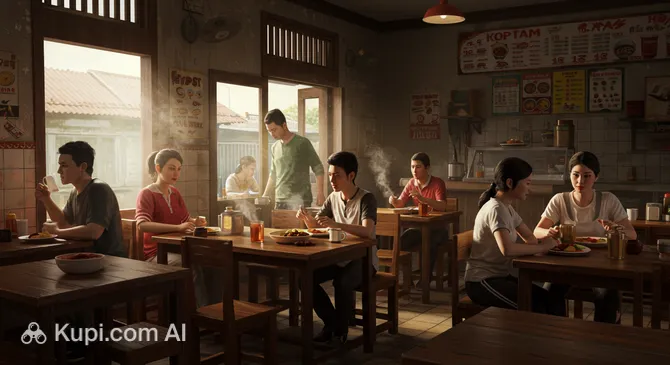
For an authentic local dining experience, a visit to Kopitiam Kita is essential. This legendary coffee shop is celebrated for its bustling atmosphere and its signature dish, Roti Titab—thick toast topped with homemade kaya (coconut jam) and a half-boiled egg. It is a favorite breakfast spot where you can also sample a variety of pre-packed traditional dishes sourced from the best home cooks in the region.
Kopitiam Kita. Illustration.
Source: Kupi.com AI
Traveler photos:
Those with a sweet tooth will find paradise in Kota Bharu's vast array of Kuih-muih (traditional cakes). The central market and street stalls are filled with treats like Akok, a wrinkled, custard-like cake made from eggs and palm sugar, and Tahi Itik, a sweet duck-egg white dessert. These delicacies are best explored at the bustling markets, where the colors and scents of freshly cooked food create an immersive gastronomic adventure.
When it comes to beverages, the locals prefer sweet, refreshing drinks to combat the tropical heat. Teh Tarik (pulled milk tea) is a staple, often served extra frothy and sweet. Fresh coconut water and colorful cordials like Sirap Bandung (rose syrup with milk) are also widely available. Travelers should note that due to the conservative culture of Kelantan, alcohol is not part of the traditional dining scene and is generally difficult to find in standard eateries, with the focus remaining firmly on the rich and diverse non-alcoholic offerings.
Travel Tips
Welcome to Kota Bharu, a city where deep-rooted traditions and warm hospitality await at every corner. To help you navigate the unique cultural landscape of this conservative yet vibrant state capital, here are some essential practical tips for a smooth and enjoyable journey.
Clothing and Gear: Since Kota Bharu is the capital of a conservative Islamic state, dressing modestly is highly recommended. For both men and women, it is best to cover shoulders and knees; women may find a lightweight scarf useful for visiting religious sites. Pack loose, breathable fabrics like cotton or linen to stay cool in the tropical heat, and bring comfortable walking shoes for exploring the markets. Don't forget a universal travel adapter (Type G) and a sturdy umbrella, especially if visiting during the monsoon season.
Transportation: The most convenient way to get around the city is by using ride-hailing apps like Grab, which are reliable and affordable. While there are local buses (Cityliner), schedules can be unpredictable for tourists. The city center is relatively compact and walkable, but due to the heat, short taxi rides are often preferred. Renting a car is an option for exploring the wider Kelantan region, but parking in the busy market areas can be challenging.
Finances: The local currency is the Malaysian Ringgit (MYR). While hotels and larger shopping malls accept credit cards, cash is king at places like the Siti Khadijah Market and local eateries. Ensure you carry enough small notes for street food and trishaw rides. ATMs are widely available throughout the city, and money changers can be found in the town center, offering competitive rates.
Health and Safety: Kota Bharu is generally a safe city for travelers, but standard precautions against petty theft should be taken in crowded areas. Pharmacies like Watsons and Guardian are common in shopping centers and usually open until 10 PM. For medical emergencies, the Hospital Raja Perempuan Zainab II is the main public hospital. Always stay hydrated and stick to bottled or filtered water.
Communication: Bahasa Malaysia is the official language, and the local Kelantanese dialect can be distinct even to other Malaysians. However, English is reasonably well-spoken in hotels, tourist spots, and by younger locals. Learning a few basic phrases like "Terima Kasih" (Thank you) will be warmly received. SIM cards with 4G data are easily purchasable at the airport or convenience stores like 7-Eleven.
Local Etiquette: Politeness is paramount here. When greeting someone of the opposite gender, a nod and a smile with your hand placed over your heart is the respectful alternative to a handshake. Always remove your shoes before entering a local home or a mosque. Use your right hand for eating, passing money, or giving gifts, as the left hand is considered unclean in traditional culture.
What to Avoid: Public displays of affection (PDA) are frowned upon and should be avoided to respect local sensibilities. Additionally, be mindful that alcohol is not widely available and is generally restricted to specific non-Muslim establishments; consuming alcohol in public spaces is strictly inappropriate.
Weekend Schedule: A crucial detail for planning is that the official weekend in Kelantan is Friday and Saturday. This means that government offices, banks, and many shops may be closed or have limited hours on Fridays, while Sunday is a regular working day. Plan your banking and administrative needs accordingly.
By keeping these tips in mind, you will be well-prepared to embrace the authentic charm of Kota Bharu without any hassles. Respecting the local customs will not only ensure a smoother trip but also open doors to genuine interactions with the friendly locals who call this heritage-rich city home.
Entertainment & Nightlife
Entertainment and Nightlife:
Nightlife in Kota Bharu offers a cultural experience that is distinctly different from the westernized entertainment scenes found in Kuala Lumpur or Penang. Visitors should be aware that due to the conservative Islamic nature of Kelantan, there are no nightclubs, dance clubs, or bars in the traditional sense. Alcohol is generally not sold in public restaurants or convenience stores, and the evening social scene revolves entirely around food, night markets, and family-oriented activities. The atmosphere is bustling yet wholesome, with locals gathering to shop and dine late into the night.
The heartbeat of the city's evening entertainment is undoubtedly its famous night markets, known locally as Pasar Malam. The most renowned of these is the wholesale market at Wakaf Che Yeh, located about 7 kilometers from the city center. This massive market comes alive after sunset and stays open until the early hours of the morning, selling everything from fresh fruits and clothing to local snacks. It is a loud, colorful, and immersive experience where bargaining is the norm and the crowd is a mix of local families and traders.
For those seeking a more modern and air-conditioned environment, the city offers several shopping complexes that remain open into the evening. Kota Bharu Mall (KB Mall) is a popular destination where locals hang out to catch a movie at the cinema, enjoy bowling, or shop at international brand outlets. It serves as a central hub for youth and families looking for entertainment away from the heat of the outdoors. The area around the mall is lively, with bright lights and a steady stream of traffic creating a vibrant urban vibe.
Kota Bharu Mall. Illustration.
Source: Kupi.com AI
Traveler photos:
Dining is the primary form of late-night recreation here. While local street food is king, there are also growing options for international cuisine. For instance, Samurai Yakiniku Restaurant offers a Japanese dining experience that is popular among residents for dinner gatherings. The dress code for an evening out in Kota Bharu is casual but modest; it is respectful to avoid revealing clothing, even when not visiting religious sites.
Regarding safety, Kota Bharu is generally safe for night walks, particularly in well-lit areas like the city center and around major markets. However, as the public transport system winds down early, it is highly recommended to use ride-hailing apps like Grab or call a taxi to get around at night. Avoid walking alone in poorly lit alleys or the quiet outskirts of the city.
While the nights are dedicated to markets and food, daytime entertainment in the city leans towards cultural enrichment. Visitors can explore the rich heritage of the region through its numerous museums, or enjoy outdoor activities at local parks. Although there are no large-scale amusement parks, the city's charm lies in its traditional puppetry shows (Wayang Kulit) and cultural performances that occasionally take place during festivals, offering a glimpse into the artistic soul of Kelantan.
Parks & Museums
Kota Bharu is widely recognized as the cradle of Malay culture, and this heritage is proudly displayed through its impressive collection of museums, galleries, and well-preserved natural areas. For tourists, the city offers a unique opportunity to walk through living history, where green spaces often double as communal hubs and museums provide intimate glimpses into the region's royal and wartime past.
While the city center is bustling, visitors looking for a natural retreat often head to the famous Pantai Cahaya Bulan (Moonlight Beach). Located approximately 10 kilometers north of the city, this sandy stretch is lined with Casuarina trees and serves as a favorite recreational spot for locals. It is an excellent place for a breezy afternoon picnic, and you will often see colorful kites, or wau, soaring in the sky. Another significant green space is the Tengku Anis Municipal Park, a lush urban sanctuary known for its botanical variety and exercise paths, offering a refreshing break from the tropical heat.
For a deeper dive into the region's artistic legacy, the Kampung Laut Cultural Heritage Site is a must-visit destination. This developed area is dedicated to preserving the architectural and cultural history of Kelantan. It serves as the new home for the historic Kampung Laut Mosque and features galleries that showcase traditional building techniques and local arts. It is a fantastic spot to understand the craftsmanship that defines the state's identity.
Kampung Laut Cultural Heritage Site. Illustration.
Source: Kupi.com AI
Traveler photos:
History enthusiasts should not miss the War Museum, also known as Bank Kerapu. Housed in a historic building that was used by the Japanese secret police during World War II, the museum displays a collection of wartime memorabilia, photographs, and artifacts that tell the somber yet important story of the Japanese occupation in Malaya. Nearby, the Handicraft Village and Craft Museum (Kampung Kraftangan) offers a lighter cultural experience, where visitors can observe skilled artisans creating silverware, batik, and wood carvings.
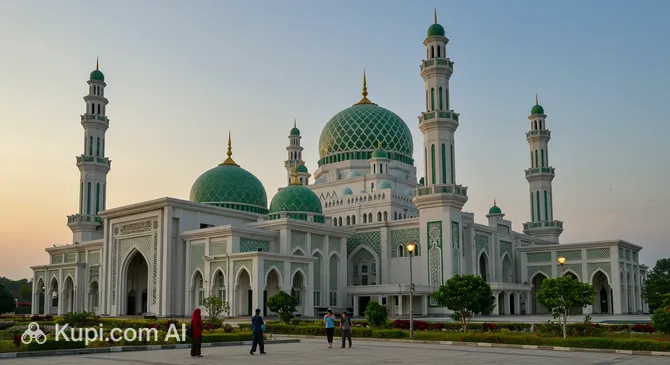
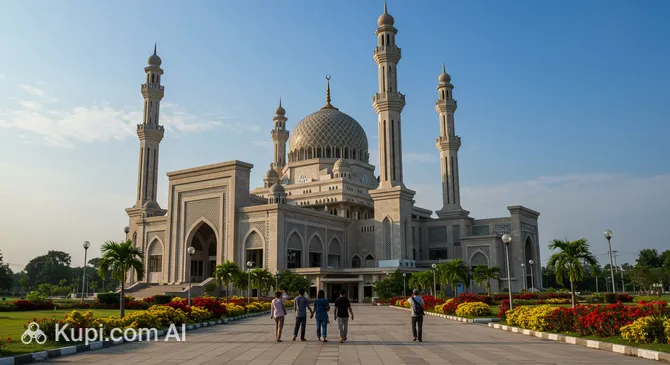
In terms of religious architecture, the Sultan Ismail Petra Mosque in Kubang Kerian is a stunning landmark worth visiting. Renowned for its majestic appearance, this mosque showcases intricate Mughal and Middle Eastern architectural influences, distinguished by its beautiful blue domes and towering minarets. It stands as a magnificent symbol of Islamic art in the region and offers a peaceful atmosphere for admiration and photography.
Sultan Ismail Petra Mosque. Illustration.
Source: Kupi.com AI
Traveler photos:
For an authentic insider experience, try to catch a cultural performance at the Gelanggang Seni (Cultural Centre). Here, you can witness traditional activities that are rarely seen elsewhere, such as gasing (top spinning), silat (martial arts), and giant kite-flying demonstrations. It is a place where the community comes together to keep their ancestors' traditions alive, offering tourists a genuine connection to the local way of life.
Getting Around
Public transport in Kota Bharu is relatively modest compared to larger metropolitan hubs. The city does not have a metro, tram, or light rail system. Instead, the local transportation network relies primarily on road-based options, including buses, taxis, and ride-hailing services. For most tourists, getting around involves a mix of walking within the compact city center and using vehicles for longer distances.
The main public bus service is operated by Cityliner. These distinctive red buses connect the city center with surrounding districts and key towns in Kelantan. The central hub for local buses is the terminal located near the Siti Khadijah Market. While affordable, bus frequencies can be somewhat irregular, and schedules are not always strictly adhered to. It is important to note that bus operations typically wind down early, with most services stopping around 7:00 PM.
For payment on buses, cash is the standard method. There are no sophisticated smart card systems for tourists on these local routes. You purchase your ticket directly from the driver upon boarding. It is highly advisable to carry small denominations of the local currency, as drivers often have limited change for large notes. Fares are generally very low, making it an economical way to travel if you are not in a rush.
A popular and often more convenient alternative for visitors is ride-hailing. The Grab app is widely used in Kota Bharu and provides a reliable, safe, and transparent way to travel. You can book a car easily from your smartphone, pay via the app or in cash, and avoid the language barrier involved in explaining destinations. Traditional taxis are also available, usually found waiting at the airport or designated stands. However, many do not use meters, so you must negotiate and agree on the fare before starting your journey.
One of the most charming and unique features of Kota Bharu’s transport scene is the traditional trishaw, locally known as the beca. These three-wheeled, pedal-powered vehicles are often brightly decorated and serve as a nostalgic way to navigate the city center's short distances. They are particularly useful for trips between the central market, museums, and nearby hotels. Prices are not fixed, so friendly bargaining is expected and is part of the experience.
For those who prefer total independence, renting a car is a viable option, especially if you plan to explore the beaches or rural areas outside the city limits. Car rental agencies are available at the airport and in the town center. However, be aware that traffic can be congested around the market areas during peak hours. Motorbike rentals are less common but can sometimes be arranged through guesthouses.
Practical advice for tourists includes planning your travel during daylight hours, as public transport options dwindle significantly at night. If you need to travel late in the evening, rely on ride-hailing apps or arrange transport through your hotel. Always ensure you have an active internet connection to access maps and booking apps, which will make navigating the city much smoother.
Accommodation
Where to Stay:
Accommodation in Kota Bharu is generally affordable and unpretentious, reflecting the city's laid-back and traditional character. Visitors will not find an abundance of ultra-luxury international resorts here; instead, the city offers a wide selection of budget guesthouses, comfortable mid-range hotels, and a few higher-end establishments that cater to business travelers and families. The hospitality landscape is defined by its warmth and value for money, making it easy for travelers to find a place that suits their needs without breaking the bank.
The most convenient area for tourists to stay is the City Center (Pusat Bandar). Choosing a hotel in this district places you within walking distance of major attractions like the famous Siti Khadijah Market, the royal museums, and the street art lanes. Staying centrally also means easy access to local eateries and the bus terminal. Alternatively, some visitors prefer the area around Wakaf Che Yeh, located a few kilometers from the center. This area is famous for its bustling late-night market, making it a lively spot to stay if you have your own transport or don't mind taking a short taxi ride into town for daytime sightseeing.
For those seeking modern comforts, the city center features several high-rise hotels that offer amenities such as swimming pools, banquet halls, and river views. These are typically the best options for families or those looking for a standard hotel experience. On the other end of the spectrum, backpackers and solo travelers will find plenty of locally run lodges and "ruma tumpangan" (guest houses). These are often simple but clean, providing an authentic insight into local life and often situated in converted shop-houses.
Price Range and Booking: Accommodation prices in Kota Bharu are generally lower than in Kuala Lumpur or Penang. Budget rooms can be found for very low rates, while even the best hotels in town are considered reasonably priced by international standards. While major hotels can be booked via standard online platforms, many smaller guesthouses and homestays still operate on a cash-basis or direct booking system via phone or messaging apps.
Booking Tip: Be mindful that the weekend in Kelantan falls on Friday and Saturday. Consequently, hotels can fill up quickly on Thursday and Friday nights with domestic tourists and business travelers returning home. It is advisable to book your accommodation in advance if your trip coincides with these days or during Malaysian school holidays, when the city becomes a popular transit point for families heading to the nearby islands.
Nearby Cities
For those looking to explore beyond the east coast, Kota Bharu serves as a strategic starting point for traveling to other major hubs in the peninsula. While the journey to the west coast involves crossing the scenic Titiwangsa mountain range and takes significant travel time, these locations make for excellent next stops or weekend getaways rather than quick day trips.
George Town is a standout option for culture enthusiasts. As a UNESCO World Heritage Site, it is celebrated for its well-preserved colonial architecture, vibrant street art, and legendary street food scene. Ipoh, the capital of Perak, is another fascinating stop known for its stunning limestone cave temples and delicious local cuisine, particularly its famous white coffee. For those interested in a mix of history and nature, these cities provide a perfect contrast to the coastal charm of Kelantan.
These nearby destinations offer a glimpse into the diverse culture and landscapes of the region, making them well worth the journey for travelers planning a multi-stop itinerary across Malaysia.
Shopping & Souvenirs
Shopping in Kota Bharu offers a distinctively cultural experience that contrasts with the glitzy mega-malls found in Malaysia's larger western cities. The city is renowned as a treasure trove for traditional Malay craftsmanship, making it one of the best places in the country to purchase authentic textiles, silverware, and handcrafted items. While you can find modern conveniences, the true charm of shopping here lies in the bustling local markets and heritage boutiques where age-old trading customs are still very much alive.
For those looking to explore local commerce, the area surrounding the central market is the most vibrant district. Jalan Temenggong is particularly famous and is often referred to as the "Gold Street" or textile hub of the city. Here, rows of shophouses display an impressive array of gold jewelry featuring intricate Kelantanese designs, as well as high-quality fabrics ranging from fine silk to cotton. It is the perfect place to hunt for dress materials, scarves, and traditional accessories.
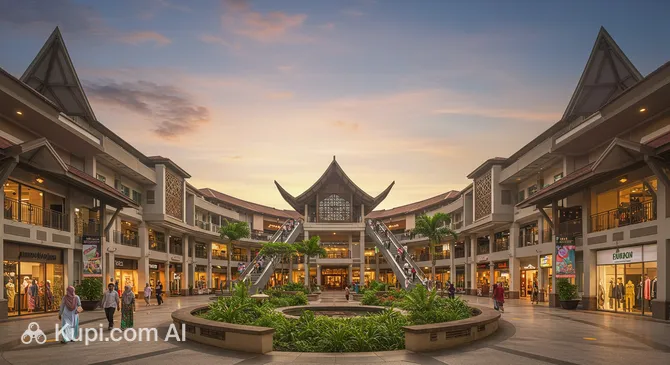
Although the city focuses heavily on traditional trade, there are modern complexes for those seeking air-conditioned comfort and branded goods. Kota Bharu Mall, commonly known as KB Mall, is the premier shopping destination in town, housing a department store, a supermarket, and various international and local retail chains. Another notable spot is the Kota Bharu Shopping Mall (The Store), which offers a wide range of affordable clothing, household items, and groceries, catering largely to the needs of the local community.
Kota Bharu Shopping Mall. Illustration.
Source: Kupi.com AI
Traveler photos:
Markets are the lifeblood of shopping in Kelantan. The iconic Siti Khadijah Market is not just a tourist attraction but a serious shopping venue. While the ground floor is dedicated to fresh produce, the upper levels are a paradise for shoppers looking for batik, songket (gold-threaded fabric), and traditional attire at competitive prices. For a different vibe, the Bazar Tok Guru nearby is excellent for finding ready-made garments and local handicrafts.
When it comes to souvenirs, visitors are spoilt for choice. The most popular item to bring home is Batik, which is produced locally and available in vibrant, hand-painted designs. Songket, a luxurious fabric woven with gold or silver threads, is another prized purchase. Other unique items include silverware from local artisans, intricate wood carvings, and the colorful Wau (traditional Malay kites). Food items like Keropok Lekor (fish crackers) and Dodol (sticky toffee) also make for delicious edible gifts.
Store hours in Kota Bharu generally run from 10:00 AM to 10:00 PM for malls and larger shops. However, it is crucial to remember that the weekend in Kelantan falls on Friday and Saturday. Many smaller shops and government-linked establishments may close for Friday prayers (roughly 12:30 PM to 2:30 PM) or remain closed for the entire day. While shopping malls and hotels accept credit cards and e-wallets, cash is the preferred method of payment in markets, small boutiques, and food stalls.
Unlike designated duty-free zones such as Langkawi or Labuan, Kota Bharu does not offer specific tax-free shopping status for tourists. Goods are sold with standard taxes included, and the tourist refund scheme is generally not a prominent feature in the local retail landscape. Visitors should expect to pay the displayed price, though bargaining is common and expected in markets and smaller independent shops.