Support

Ipoh

About

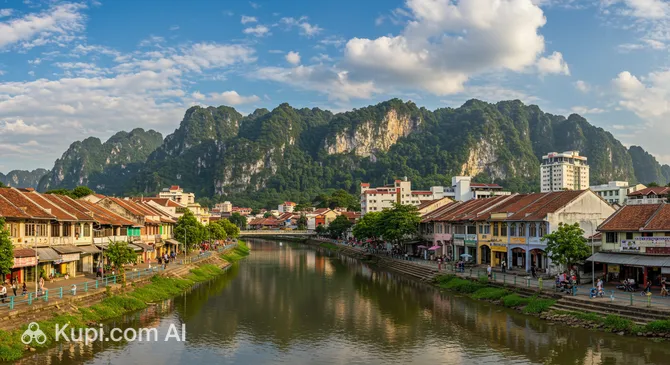
Ipoh is a captivating destination that perfectly blends old-world charm with modern vibrancy. As the capital city of the state of Perak in Malaysia, it has gained a well-deserved reputation as a foodie paradise and a gateway to stunning natural landscapes. Known for its laid-back atmosphere, the city offers a refreshing escape from the bustle of larger metropolises, inviting visitors to explore its unique heritage at a relaxed pace.
Ipoh. Source: Kupi.Binoculars

Geographically, the city is nestled within the Kinta Valley, surrounded by dramatic limestone karst hills that create a picturesque backdrop. With a population of approximately 866,772 residents, it stands as one of the country's significant urban centers. The climate is typically tropical, remaining warm and humid throughout the year, which contributes to the lush greenery that frames the urban area.

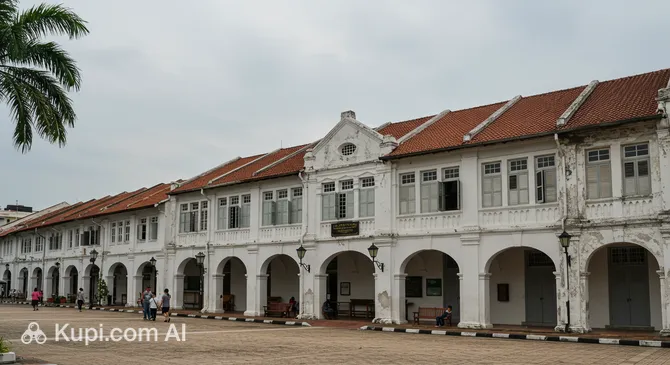
The fascinating history of Ipoh is deeply rooted in the tin mining boom of the 19th century, which brought immense wealth and development to the region. This rich heritage is visible today in the elegant British colonial architecture that lines the streets of the Old Town, including the majestic Railway Station, often referred to as the "Taj Mahal of Ipoh."

Travelers are drawn to the city's distinct attractions, particularly the magnificent cave temples carved directly into the limestone cliffs, such as Sam Poh Tong and Kek Lok Tong. Another must-visit spot is Concubine Lane, a vibrant alleyway teeming with souvenir shops, cafes, and stalls where you can taste the famous Ipoh White Coffee and delicious local street food.

Whether you are a history buff, a nature lover, or a culinary enthusiast, this charming city has something special to offer. A visit to Ipoh promises a memorable journey filled with culture, flavor, and breathtaking scenery.
Weather Overview

Travelers visiting this region will experience a consistent tropical climate characterized by steady warmth and significant humidity. Since rain showers can occur frequently, checking the detailed forecast for the weather in Ipoh is recommended before heading out on your daily adventures.

The city maintains stable temperatures year-round, with average daily highs reaching approximately 30°C and nighttime lows generally staying above 21.5°C. Precipitation is a regular feature of the local climate; even in the relatively drier month of July, you can expect around 16 wet days, while November sees rain on up to 29 days.

Interesting Facts

Beyond the main attractions, Ipoh holds many fascinating secrets and local legends that add depth to its character. Uncover these lesser-known details to truly appreciate the city's unique heritage and cultural nuances.
  • The Secret Ingredient: Locals firmly believe that the mineral-rich hard water from the surrounding limestone hills is the reason why Ipoh's bean sprouts are exceptionally plump and crunchy compared to those found elsewhere. This same water is also credited with giving the local coffee and tea their distinctive smooth texture.

  • City of Millionaires: During the peak of the tin mining industry in the early 20th century, the city was incredibly wealthy and was known as the "City of Millionaires." At one point, it was rumored to have the highest concentration of Mercedes-Benz cars in the entire region.

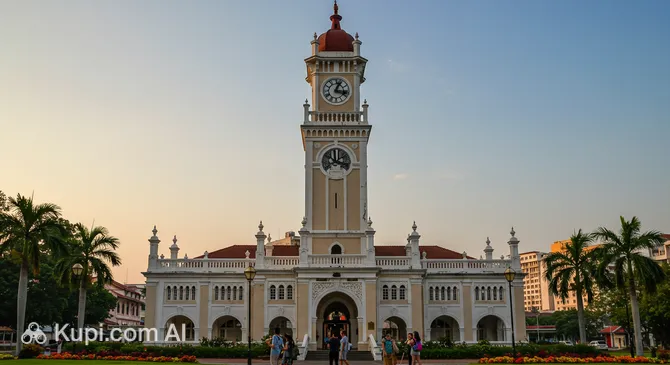
  • A Monument to Civilization: The historic Birch Memorial Clock Tower is adorned with four panels illustrating the growth of civilization. These panels feature 44 famous figures from world history, ranging from ancient philosophers to explorers and artists.

  • Cave Art Gallery: While many temples are known for their statues, the Perak Cave Temple is particularly renowned for its interior walls, which are decorated with an extensive collection of colorful murals and exquisite calligraphy, effectively turning the cavern into a natural art gallery.

  • The Three Lanes: The famous tourist spot known as Concubine Lane was historically part of a trio of lanes—including Wife Lane and Second Concubine Lane—which were reportedly gifted by a wealthy mining tycoon to his three partners.

Birch Memorial Clock Tower. Source: Kupi.Binoculars

How to Get There

Reaching this charming city in Perak is relatively straightforward, with options to suit various travel preferences. Whether you prefer flying directly to the doorstep or landing at a major international hub and enjoying a scenic drive, there are several ways to begin your journey. You can find more about how to get to Ipoh and detailed transport advice on our dedicated page.

The most convenient entry point is the local Ipoh Airport (IPH), situated just 4 km from the city center. While it is a smaller regional hub, it offers direct access to the city, with a short taxi ride taking approximately 15-20 minutes. For international travelers, the primary gateway is often the massive Kuala Lumpur International Airport (KUL), located in Kuala Lumpur about 216.9 km away. From there, a taxi or bus transfer to Ipoh typically takes around 3 hours depending on traffic. Alternatively, you can fly into Penang International Airport (PEN) in George Town, which is roughly 117.4 km from Ipoh, with a ground travel time of about 1.5 to 2 hours.

For clarity, here is a summary of the main airports serving the region:

Airport Name City Passenger Traffic Km from City
Kuala Lumpur International Airport Kuala Lumpur Large 216.9
Penang International Airport George Town Medium 117.4
Sultan Abdul Aziz Shah Airport Kuala Lumpur Medium 170.8
Sultan Abdul Halim Airport Alor Setar Small 191.4
Ipoh Airport Ipoh Small 4.0

If you are considering rail travel, the Electric Train Service (ETS) is a highly efficient and popular choice. Many travelers connect through the major regional hub, KL Sentral Station (XKL), located in Kuala Lumpur approximately 175.7 km from Ipoh. The modern ETS train from KL Sentral to Ipoh takes about 2.5 hours, offering a comfortable and scenic journey.

Below is the information for the nearest major railway hub:

Station City Passenger Traffic Km to Center
KL Sentral Station Kuala Lumpur Large 175.7

Main Attractions

Ipoh offers a delightful mix of colonial heritage, natural wonders, and cultural depth. While the city is famous for its food, its architectural and natural landmarks are equally compelling. Visitors can easily spend days exploring the historic buildings in the Old Town or venturing into the limestone caves that fringe the city limits.

One of the most iconic sights is the KTM Ipoh Square. This area is dominated by the majestic railway station, a stunning example of British colonial architecture often referred to as the "Taj Mahal of Ipoh" due to its Moorish domes and turrets. Designed by Arthur Benison Hubback, the station is not just a transport hub but a symbol of the city's rich history during the tin mining era. It is a favorite spot for photography, especially in the evening when the building is beautifully illuminated.

KTM Ipoh Square. Source: Kupi.Binoculars

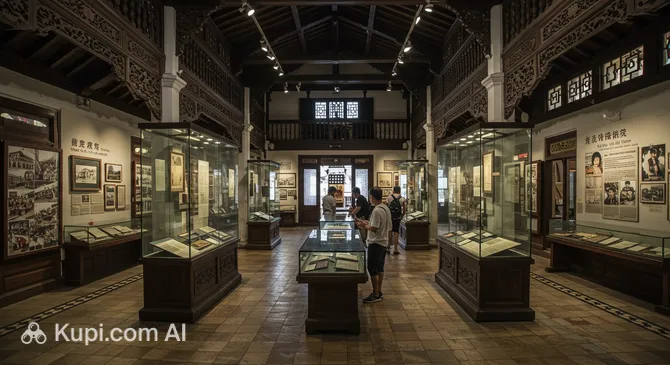
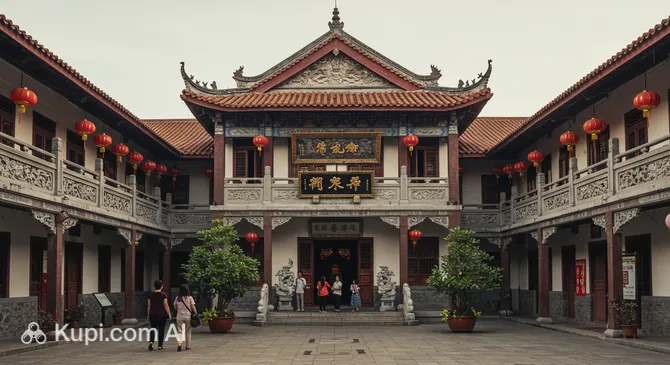
For a deep dive into local history, Han Chin Pet Soo is a fascinating stop. This museum was originally a secluded club for wealthy Hakka tin miners and has been preserved to tell the story of the tin mining industry and the somewhat shadowy activities of the past, including opium smoking and gambling. It provides a unique and immersive glimpse into the lives of the miners and the secret societies that once operated in the region.

Han Chin Pet Soo. Source: Kupi.Binoculars

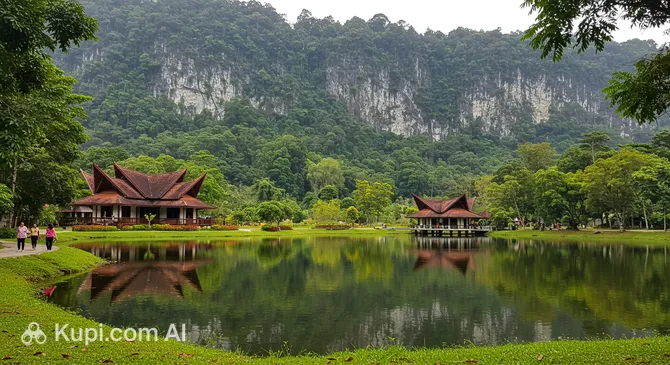
Nature lovers should not miss Gunung Lang Recreational Park. Situated just north of the city center, this park is centered around a scenic lake framed by towering limestone hills. The main attraction here involves taking a short boat ride across the lake to reach the park area, which features a mini zoo, lookout towers, and a man-made waterfall. It is a peaceful retreat perfect for families and those looking to enjoy Ipoh's dramatic karst landscape.

Gunung Lang Recreational Park. Source: Kupi.Binoculars

Another spiritual and cultural highlight is the Sam Poh Tong Temple. Recognized as the oldest cave temple in the country, it is carved directly into a limestone hill. Beyond its impressive entrance and altar, visitors can walk through the cave to discover a hidden open-air courtyard at the back. This serene space houses a tortoise pond, surrounded by steep vertical cliffs, creating a tranquil atmosphere that feels worlds away from the city.

Local Cuisine

Ipoh is widely celebrated as one of Malaysia’s top culinary destinations, often rivaling the more famous food scenes of Penang and Kuala Lumpur. The city's gastronomy is deeply influenced by its rich Chinese heritage, particularly Cantonese and Hakka traditions, blended seamlessly with Malay and Indian flavors. Food here is not just sustenance; it is a way of life, with locals often willing to travel across town or queue for arguably the best bowl of noodles or freshest pastries.

A trip to this city is incomplete without tasting its most iconic dish: Bean Sprout Chicken (Nga Choy Kai). This simple yet delicious meal consists of poached chicken served with soy sauce and sesame oil, accompanied by a plate of fat, crunchy bean sprouts. These sprouts are locally grown using water from the surrounding limestone hills, which is said to give them their unique texture and sweetness. Another must-try is Kai Si Hor Fun, a comforting bowl of flat rice noodles served in a clear chicken and prawn broth, topped with shredded chicken and prawns.

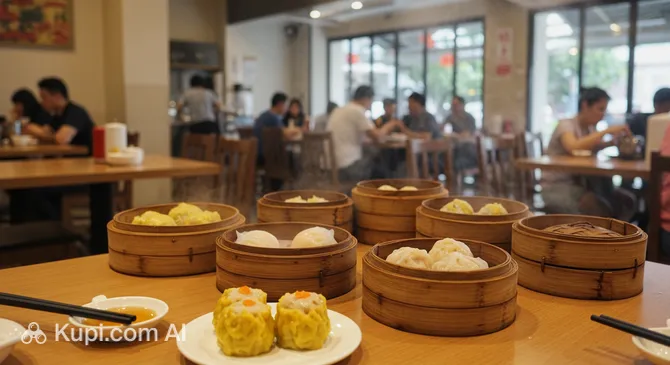
Morning rituals in Ipoh often revolve around dim sum, where families gather to enjoy steamer baskets filled with dumplings and buns. The culture of "yum cha" (drinking tea) is strong here, with numerous establishments opening early to cater to the breakfast crowd. You can experience this bustling atmosphere at places like Yum Cha House Dim Sum, which offers a wide variety of these bite-sized delights.

Yum Cha House Dim Sum. Source: Kupi.Binoculars

When it comes to beverages, Ipoh White Coffee is the city's most famous export. Unlike standard roast coffee, the beans here are roasted with palm oil margarine, resulting in a brew that is exceptionally smooth, aromatic, and devoid of the usual bitterness. It is typically served with condensed milk, creating a creamy and rich drink that is perfect for starting the day or enjoying as an afternoon pick-me-up at a traditional kopitiam (coffee shop).

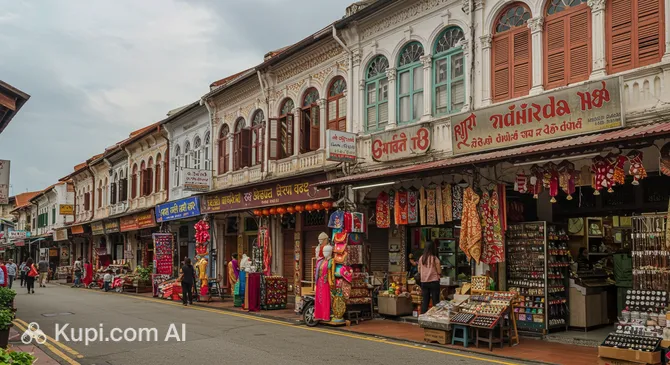
Beyond the Chinese staples, the city offers a diverse culinary landscape. Visitors can head to Little India Ipoh to find an array of spices, banana leaf rice, and savory snacks like vadai and thosai. The area is vibrant and aromatic, providing a distinct contrast to the noodle stalls of the Old Town.

Little India Ipoh. Source: Kupi.Binoculars

For those seeking a dining experience steeped in history, Durbar at FMS offers a glimpse into the colonial past. As one of the oldest operating bars and restaurants in the country, it serves classic Hainanese chicken chops and other colonial-era dishes in a setting that retains its old-world charm with antique timber fittings and ceiling fans.

Travel Tips

Welcome to Ipoh, a city where heritage architecture meets incredible culinary experiences. To ensure your exploration of the limestone caves and bustling "kopitiams" is as smooth and enjoyable as possible, we have compiled these essential practical tips for your journey.

  1. Clothing and Gear: Given the tropical climate, lightweight and breathable fabrics like cotton or linen are ideal for staying cool in the heat and humidity. Comfortable walking shoes are a must for exploring the Old Town and hiking up to cave temples. If you plan to visit religious sites like the Sam Poh Tong Temple, remember to dress modestly; cover your shoulders and knees to show respect.

  2. Transportation: While there are local buses, they can be infrequent and tricky for tourists to navigate. The most convenient way to get around is by using ride-hailing apps like Grab, which are affordable and reliable. For the historic Old Town area, walking is the best option as many murals and heritage buildings are clustered close together.

  3. Finances: The local currency is the Malaysian Ringgit (MYR). While hotels and shopping malls accept credit cards, cash is absolute king when dining at hawker stalls, street markets, and traditional coffee shops. ATMs are widely available throughout the city. Tipping is not mandatory in Malaysia, but leaving small change or rounding up the bill is appreciated.

  4. Health and Safety: Ipoh is generally a safe city for travelers, but standard precautions against petty theft should be taken in crowded areas. Pharmacies like Watsons, Guardian, and Caring are common and stocked with essentials. It is advisable to drink bottled or filtered water rather than tap water to avoid stomach upsets.

  5. Communication: English is widely spoken and understood, especially in tourist areas and service establishments, reflecting the city's colonial history. The official language is Bahasa Malaysia; learning a simple phrase like "Terima Kasih" (Thank you) goes a long way with locals. You can easily purchase a SIM card with a data plan at convenience stores like 7-Eleven or mobile shops upon arrival.

  6. Local Etiquette: Malaysians are warm and friendly. It is customary to remove your shoes before entering a private home or a place of worship. If you are eating traditional food with your hands, always use your right hand, as the left is considered unclean in local culture. A smile is the universal greeting here.

  7. What to Avoid: Avoid pointing at people or objects with your index finger, as this is considered rude. Instead, locals often use their thumb with the four fingers folded underneath to gesture. Also, avoid public displays of affection, which are generally frowned upon in more conservative areas.

  8. Early Bird Advantage: Ipoh is very much a morning city, especially when it comes to food. Famous dim sum restaurants and hawker stalls often sell out of their signature dishes by late morning. To get the best fresh pastries and avoid long queues, try to start your culinary adventures as early as 7:00 or 8:00 AM.

By keeping these simple tips in mind, you will be well-prepared to navigate the charming streets of Ipoh with confidence. Enjoy the delicious food, the friendly smiles, and the relaxed pace of life in this wonderful Malaysian gem!

Entertainment & Nightlife

Entertainment and Nightlife:

While Ipoh is often celebrated for its daytime heritage and culinary delights, its nightlife scene has evolved into a charming mix of relaxed vibes and hidden gems. Unlike the high-octane party atmosphere of Kuala Lumpur, the evenings here are more about speakeasy bars, acoustic music, and vibrant night markets. The city transforms as the sun sets, with the historic Old Town serving as the epicenter for trendy bistros and watering holes housed in restored pre-war buildings.

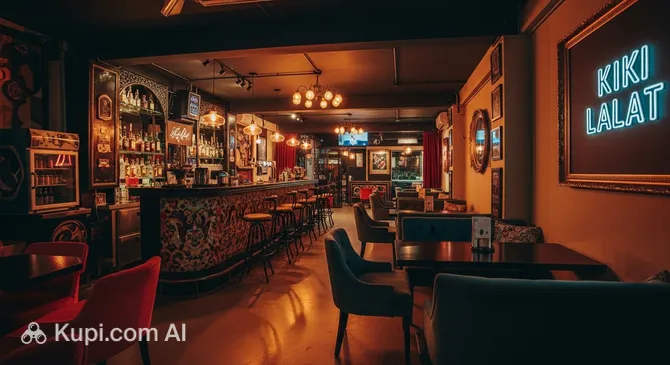
For a unique taste of the local social scene, adventurous travelers should head to Kiki Lalat. Located in the heart of the Old Town, this quirky and rustic bar is a favorite among the creative crowd. It is particularly known for serving tuak (a traditional fermented rice wine) alongside a selection of craft beers. The atmosphere is unpretentious and intimate, making it an excellent spot to strike up a conversation with locals.

Kiki Lalat. Source: Kupi.Binoculars

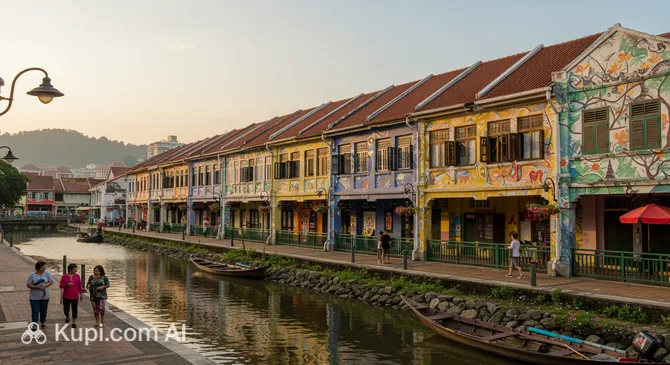
If you prefer an open-air experience, the Kinta Riverwalk is a fantastic destination for an evening stroll. Inspired by the famous riverfronts of larger cities, this area comes alive at night with colorful LED trees and illuminated bridges reflecting off the water. It is a lively district where you can enjoy the cool night breeze, listen to buskers, and find small stalls selling snacks and trinkets. It offers a safe and family-friendly environment for a night out.

Kinta Riverwalk. Source: Kupi.Binoculars

Karaoke is a beloved pastime in Malaysia, and Ipoh is no exception. For a fun night of singing with friends, Enco Karaoke offers modern facilities with private rooms and a vast song selection. It is a popular venue for late-night entertainment, allowing groups to unwind in comfort. Alternatively, those seeking a more club-like atmosphere can check out Karaoke Ipoh Parade located within one of the city's main shopping malls.

Practical Advice for Nightlife:

  • Timing: Most bars and entertainment venues in Ipoh close earlier than in the capital, typically around 1:00 AM or 2:00 AM. It is best to head out around 9:00 PM to make the most of the evening.
  • Dress Code: The vibe is generally casual. Smart casual attire is suitable for almost all bars and clubs; you rarely need to dress up formally.
  • Getting Around: Public buses stop running in the evening. The safest and most convenient way to travel at night is by using ride-hailing apps like Grab. Taxis are available but can be harder to flag down on the street late at night.
  • Safety: Ipoh is relatively safe, but it is always wise to stick to well-lit areas like the Old Town and Kinta Riverwalk. Avoid walking alone in dark, quiet alleyways after midnight.

Before the sun goes down, the city offers plenty of daytime diversions to fill your itinerary. Culture enthusiasts can explore the Ho Yan Hor Museum to learn about the origins of the famous herbal tea, or visit the Geology Museum to understand the unique rock formations that define the region's landscape. Families might also enjoy a visit to the Pavilion Petting Zoo for a fun afternoon with animals.

Parks & Museums

Beyond its culinary fame and limestone caves, Ipoh offers a refreshing array of green spaces and cultural institutions that allow visitors to connect with the city's heritage and natural beauty. From manicured gardens to educational galleries, these spots provide a deeper understanding of the region's history and a chance to unwind amidst nature.

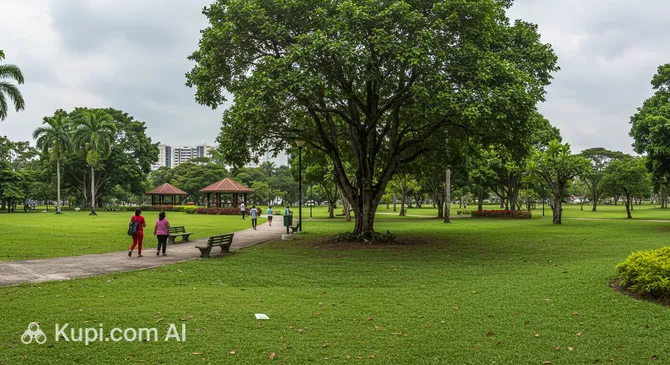
For a peaceful retreat right in the city center, D. R. Seenivasagam Park is a favorite among locals for morning jogs and evening strolls. The park is renowned for its beautiful Japanese Garden, which features a serene carp pond, a small wooden bridge, and lush bamboo groves that create a tranquil atmosphere. It also offers ample recreational facilities, including a playground and open fields, making it an excellent spot for families to relax after a day of sightseeing.

Nature enthusiasts looking for a more active experience should head to Kledang Hill. Rising approximately 800 meters above sea level, this hill is a popular hiking destination that offers various trails ranging from paved roads to jungle treks. Reaching the summit rewards hikers with panoramic views of Ipoh and the surrounding valley, which are particularly breathtaking during sunrise or sunset. It is a fantastic way to experience the tropical rainforest environment just a stone's throw from the urban area.

D. R. Seenivasagam Park. Source: Kupi.Binoculars

To delve into the personal stories behind Ipoh's commercial success, the Ho Yan Hor Museum is a must-visit cultural gem. Housed in the original home of the brand's founder, Dr. Ho Kai Cheong, this museum chronicles the fascinating journey of the famous Chinese herbal tea that originated in Ipoh in the 1940s. Visitors can explore the preserved pre-war shophouse, learn about the medicinal properties of the tea, and enjoy a complimentary tasting session at the end of the tour.

Ho Yan Hor Museum. Source: Kupi.Binoculars

Another significant educational venue is the Geology Museum, established in 1957. As Perak was once the center of the world's tin mining industry, this museum plays a crucial role in preserving that geological heritage. The exhibits showcase an extensive collection of minerals, fossils, and precious stones found in Malaysia, along with detailed displays explaining the tin mining methods that shaped the city's economy and landscape.

Ipoh is also celebrated for its vibrant street art scene, which has turned the city walls into an open-air gallery. While the Old Town is famous for its murals, the dedicated Mural Art Lane in the New Town area offers a concentrated display of creativity. Located along a back alley near the river, this lane features dozens of colorful paintings depicting scenes of traditional Malaysian life, childhood games, and cultural festivals, providing endless photo opportunities.

Mural Art Lane. Source: Kupi.Binoculars

For a quirky and lesser-known cultural experience, seek out the Kong Heng Book Tunnel. Tucked away near the popular Kong Heng Square, this narrow passageway is lined with second-hand books and vintage curiosities suspended from the ceiling and stacked on shelves. It is an atmospheric little nook that captures the nostalgic and artistic spirit of modern Ipoh.

Getting Around

Navigating Ipoh is a slightly different experience compared to larger metropolises, as the city does not currently have a metro, tram, or light rail system. The primary form of public transportation consists of a network of local buses known as myBAS, operated by Perak Transit. These buses cover major routes connecting the city center with residential areas and key landmarks, making them a viable option for travelers who prefer public transit.

The central hub for local buses is the Medan Kidd Bus Station, located near the Old Town and the railway station. While the network is functional, frequencies can vary, and buses may not run as often as in bigger cities. For tourists, the most relevant routes usually loop around the heritage district and connect to the long-distance bus terminal, Terminal Amanjaya, located on the outskirts of the city.

When it comes to payment, the system is relatively traditional. For most local buses, you will need to pay with cash upon boarding. It is highly advisable to carry small denominations and coins, as drivers often cannot provide change for large notes. While some modern initiatives are being tested, cash remains the most reliable method for visitors. Fares are generally very affordable, calculated based on the distance traveled.

For a more convenient and flexible way to explore, ride-hailing apps are the most popular choice among both locals and tourists. The Grab app is widely used throughout the city; it provides a safe, comfortable, and reasonably priced alternative to waiting for buses in the tropical heat. Traditional red-and-white taxis are also available, but it is recommended to either ensure the driver uses the meter or agree on a fare before starting your journey.

A special feature designed specifically for visitors is the Ipoh Hop-On Hop-Off (HOHO) bus service. Typically operating on weekends and public holidays, this open-top bus follows a dedicated tourist route that stops at major attractions, including the Old Town, various cave temples, and recreational parks. It is an excellent way to see the scattered sights without the hassle of navigating the local route network.

Finally, the historic core of the city, particularly the Old Town, is best explored on foot. Many of the famous murals, heritage buildings, and coffee shops are clustered within walking distance of each other. However, be mindful of the midday sun and stay hydrated while wandering the charming streets.

Accommodation

Where to Stay:

Finding the perfect place to stay in Ipoh is relatively easy, as the city offers a wide spectrum of accommodation options to suit every budget and travel style. The choices range from charming boutique hotels housed in refurbished colonial shophouses to backpacker-friendly hostels and modern high-rise apartments. Whether you prefer the nostalgia of the heritage district or the convenience of modern facilities, there is something for everyone.

The most popular area for tourists is undoubtedly the Old Town. Staying here places you right in the heart of the action, within walking distance of famous street art, heritage buildings, and legendary coffee shops. For those who prefer more space and easier parking, the New Town (just across the river) offers a wider selection of modern hotels and is known for its vibrant evening dining scene. Travelers looking for a resort-style experience or proximity to the cave temples might consider staying on the outskirts of the city, where the atmosphere is quieter and more scenic.

For visitors seeking a comfortable retreat slightly away from the bustling city center, Meru Suites is an excellent example of the available accommodation. This option typically provides spacious apartment-style living, making it particularly suitable for families or groups who appreciate having extra room and amenities like a swimming pool while still being accessible to the city's attractions.

Meru Suites. Source: Kupi.Binoculars

Booking Tip: Ipoh is an extremely popular weekend getaway for Malaysians, especially those driving up from Kuala Lumpur. Consequently, hotels in the city center can fill up very quickly on Fridays, Saturdays, and public holidays. It is highly recommended to book your accommodation at least a few weeks in advance if you plan to visit during these peak times to secure your preferred location and rate.

In terms of pricing, the city is generally very affordable compared to other major Malaysian tourist hubs like Penang or Kuala Lumpur. Budget travelers can find comfortable hostel beds or simple guesthouses for very reasonable rates, while mid-range boutique hotels offer great value for money. Even luxury options are often competitively priced. Most accommodations can be easily booked through major online travel platforms, though some smaller heritage guesthouses may prefer direct booking via social media or their websites.

Nearby Cities

For those looking to explore the surroundings, Ipoh serves as an excellent base for day trips to several interesting nearby locations:

City Population Distance (km)
Kuala Lumpur 8,911,000 176
Seberang Jaya 946,092 114
Klang 878,000 177
Butterworth 821,652 120
George Town 794,313 122

Among the most popular choices for a day trip is George Town, located approximately two hours away on Penang Island. As a UNESCO World Heritage Site, it is famous for its well-preserved colonial architecture, vibrant street art, and a culinary scene that rivals Ipoh's own. Visitors can wander through the historic streets, visit the clan jetties, and enjoy the unique blend of cultural influences.

For a change of pace, the nation's capital, Kuala Lumpur, is easily accessible via the modern electric train service (ETS). This bustling metropolis offers world-class shopping, the iconic Petronas Twin Towers, and cultural landmarks like the Batu Caves. It provides a dynamic contrast to the more laid-back atmosphere of Perak, making it a worthwhile excursion for those seeking big-city energy.

These nearby destinations offer a glimpse into the diverse culture and landscapes of the region.

Shopping & Souvenirs

Shopping in Ipoh offers a delightful blend of traditional charm and modern convenience. While the city may not have the massive luxury retail scene of the capital, it excels in providing authentic local products, heritage crafts, and unique culinary souvenirs. The experience ranges from browsing through nostalgic shophouses in the Old Town to enjoying the air-conditioned comfort of contemporary shopping complexes.

For a shopping experience steeped in history, the Old Town is the place to start. The area around Concubine Lane is teeming with small boutiques and stalls selling everything from handcrafted jewelry and antiques to quirky keepsakes. Just a short distance away, Little India Ipoh offers a vibrant explosion of color and culture. Here, visitors can find beautiful sarees, traditional textiles, and aromatic spices, making it a perfect spot to hunt for culturally rich items.

Travelers looking for international brands, cinema, and general retail therapy will find several well-equipped malls in the city. Kinta City Mall is a long-standing favorite among locals, housing a department store, a supermarket, and various fashion outlets. Another major destination is Station 18 Mall, located a bit further from the center, which offers a comprehensive shopping experience with numerous dining options and entertainment facilities.

Kinta City Mall. Source: Kupi.Binoculars

Markets play a significant role in the local lifestyle. The Gerbang Malam Night Market is a must-visit for bargain hunters. Open every evening, this bustling street market features rows of stalls selling clothes, accessories, gadgets, and toys. It is a lively place to practice your bargaining skills and soak up the local atmosphere after the sun goes down.

When it comes to souvenirs, Ipoh is famous for its edible treats. The city's signature Heong Peng (fragrant biscuits) with their flaky crust and sweet malt filling are an essential buy. Packs of authentic Ipoh White Coffee are also popular gifts to take home. Additionally, the region is renowned for its sweet and juicy pomelos, which are often sold in bunches at specialized stalls near the cave temples.

Most shopping malls and department stores operate daily from 10:00 AM to 10:00 PM. While credit cards and e-wallets are widely accepted in malls and larger establishments, cash is still the preferred method of payment at night markets, street stalls, and smaller traditional shops. Visitors should note that Malaysia currently does not operate a broad tourist tax refund scheme for goods purchased in Ipoh, so the price you see is typically the final price.

Reached the end of the page?

That means the route is fully explored