Support

Malacca

About

Welcome to Malacca (often spelled Melaka), a city that effortlessly blends rich heritage with modern vibrancy. As one of the most historically significant sites in Southeast Asia, this UNESCO World Heritage city offers a unique atmosphere where centuries-old traditions meet contemporary life. Its strategic position on the busy Straits of Malacca has made it a cultural melting pot for hundreds of years, resulting in a fascinating mix of architectural styles and culinary delights.

Located on the southwestern coast of the Malay Peninsula, the city serves as the capital of the coastal state of the same name in Malaysia. With a population of approximately 455,300 residents, it maintains a lively yet manageable pace for travelers. The climate is typically tropical, featuring warm and humid weather year-round, which makes it a lush and green destination perfect for exploration at any time.
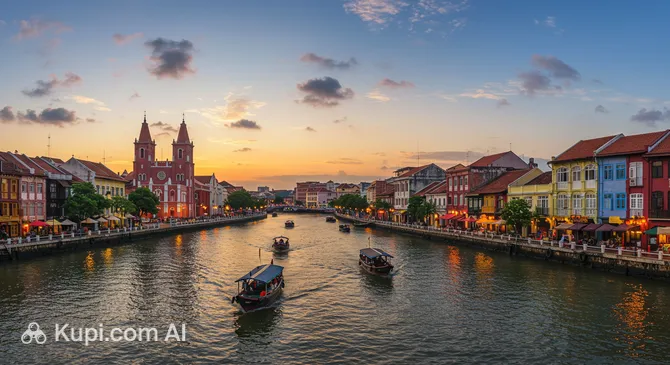
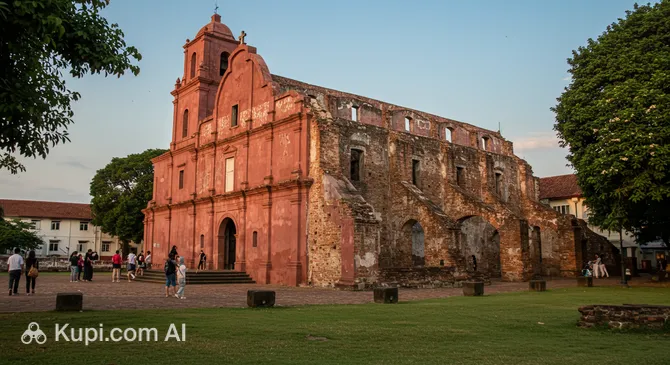
Malacca. Source: Kupi.Binoculars

The city's past is visible on every corner, from ancient forts to colonial churches. To truly understand the depth of this multicultural tapestry, one should delve into the history of Malacca, which tells the story of the Malay Sultanate and subsequent Portuguese, Dutch, and British influences. This diverse background has given rise to the unique Peranakan (Straits Chinese) culture, which is celebrated in local museums and the distinctive Nyonya cuisine.

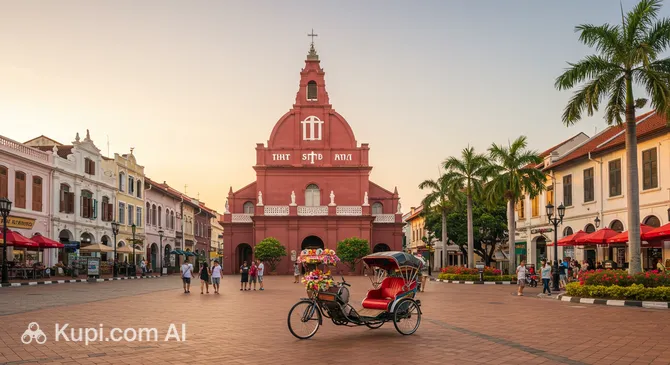
Travelers are drawn to iconic landmarks such as the terracotta-red Christ Church and the Stadthuys in Dutch Square. A walk through the ruins of A Famosa, a former Portuguese fortress, offers a glimpse into the colonial era. For a more vibrant experience, the bustling Jonker Street comes alive on weekends with a night market full of street food, antiques, and souvenirs, making it the heart of the city's social life.

Whether you are a history buff, a foodie, or simply looking for a charming getaway, Malacca promises an unforgettable journey. Its walkable historic center and welcoming atmosphere make it an essential stop on any Malaysian itinerary.
Weather Overview

Malacca experiences a tropical climate characterized by consistent warmth and high humidity, making it a destination that can be visited throughout the year. The temperatures are remarkably stable, with monthly averages ranging from 26.8°C to 28.0°C. Visitors can expect daily highs to reach up to 30.1°C during the warmer months of February and March, while nighttime lows rarely drop below 24.7°C.

Rainfall is a significant part of the local weather pattern. While February is the driest month with approximately 13 wet days, rain becomes much more frequent for the rest of the year, peaking in November with around 28 wet days. Because showers are common, it is advisable to check the current weather in Malacca before your trip. Generally, you should expect warm conditions year-round with a high chance of rain, so carrying an umbrella or light raincoat is always recommended.

Interesting Facts

Beyond the well-trodden paths of Jonker Walk and the historic center, Malacca holds a treasure trove of fascinating stories and legends that add depth to its charm. Here are some intriguing facts that reveal the unique character of this UNESCO World Heritage city.

  • The city owes its name to a tree and a courageous mouse deer. According to popular legend, Parameswara, the founding prince, was resting under a Melaka tree when he saw a small mouse deer kick one of his hunting dogs into the river. Impressed by the small animal's bravery, he decided to build his kingdom on that very spot and named it after the sheltering tree.

  • The iconic terracotta-red buildings of Dutch Square were not always that color. Originally, the Dutch painted these structures white. It is widely believed that the British later repainted them red, possibly to mask the reddish splashes from the local laterite soil or simply to reduce the blinding glare of the white walls under the tropical sun.

  • The historic gateway of A Famosa exists today only due to a stroke of luck and a famous intervention. In the early 19th century, the British administration ordered the demolition of the entire Portuguese fortress. The gate, known as Porta de Santiago, was saved from destruction only because Sir Stamford Raffles, the founder of Singapore, happened to visit and passionately advocated for its preservation.

  • Remarkably, the Cheng Hoon Teng Temple, which is the oldest functioning traditional Chinese temple in Malaysia, was built without a single metal nail. The intricate structure relies entirely on complex timber brackets and traditional Chinese joinery techniques to hold the heavy roof in place.

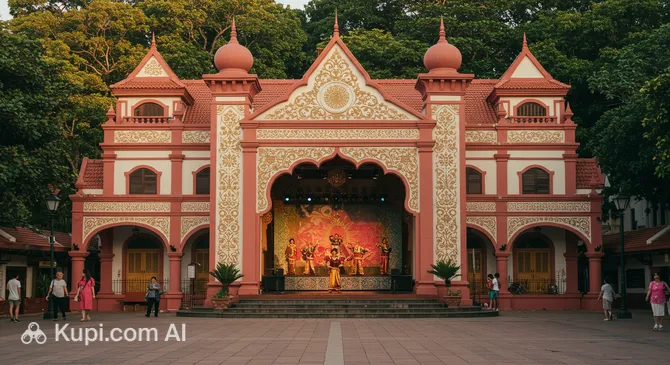
Dutch Square. Source: Kupi.Binoculars

How to Get There

Planning a trip to this UNESCO World Heritage city is the first step toward an unforgettable adventure. While the city is well-connected by road, understanding your arrival options is key to a smooth journey. You can find detailed information on all available transport methods, including buses and driving routes, by reading more about how to get to Malacca.

The city of Malacca does not have its own major international hub, so most travelers fly into Kuala Lumpur International Airport (IATA: KUL). Located in Kuala Lumpur, approximately 86 km from Malacca, it is the primary entry point for international visitors. From the airport, you can take a direct bus or a taxi, with the journey typically taking around 1.5 to 2.5 hours depending on traffic. Alternatively, for those approaching from the south, Senai Airport (IATA: JHB) in Johor Bahru is another viable option, situated about 169 km away. The transfer from there usually takes between 2.5 and 3 hours by road.

For clarity, here is a summary of the main airports:

Airport Name City Passenger Traffic Km from City
Kuala Lumpur International Airport Kuala Lumpur Very Large 86.0
Senai Airport Johor Bahru Medium 169.2
Sultan Syarif Kasim II International Airport Pekanbaru Medium 211.1
Sultan Abdul Aziz Shah Airport Kuala Lumpur Medium 130.0
Sultan Haji Ahmad Shah Airport Kuantan Small 205.2

If you prefer traveling by train, it is important to note that the city of Malacca does not have a railway station within the city limits. However, you can arrive at the major transport hub, KL Sentral Station (IATA: XKL), in the city of Kuala Lumpur, which is about 122 km from Malacca. From this central station, you can easily transfer to an express bus or hire a taxi to complete your journey, which generally takes about 2 to 3 hours.

Below is the information for the nearest major railway hub:

Station City Passenger Traffic Km to Center
KL Sentral Station Kuala Lumpur Very Large 121.8

Main Attractions

Malacca is a city where history comes alive, offering a diverse array of sites that reflect its multicultural past. Beyond the famous red Dutch buildings and the bustling night market, visitors can explore captivating museums, ancient ruins, and scenic waterways that define the character of this UNESCO World Heritage site.

Perched at the summit of a gentle hill, St. Paul's Church offers both a lesson in history and a breathtaking view of the city and coastline. Originally built in 1521 by a Portuguese captain, it is one of the oldest church ruins in Southeast Asia. Tourists make the climb to see the open-air sanctuary, which houses intricate Dutch tombstones and a statue of St. Francis Xavier, who was once buried here. The breeze at the top provides a refreshing break while you soak in the panoramic vistas.

St. Paul's Church. Source: Kupi.Binoculars

To truly understand the unique cultural fabric of the city, a visit to the Baba & Nyonya Heritage Museum is essential. Located on Heeren Street, this museum comprises three beautifully restored townhouses that were once the home of a wealthy Peranakan family. Stepping inside transports you back to the late 19th century, with opulent blackwood furniture, elaborate costumes, and hand-painted tiles that tell the story of the Straits Chinese community. It is a fascinating immersion into a lifestyle that blended Chinese traditions with local Malay influences.

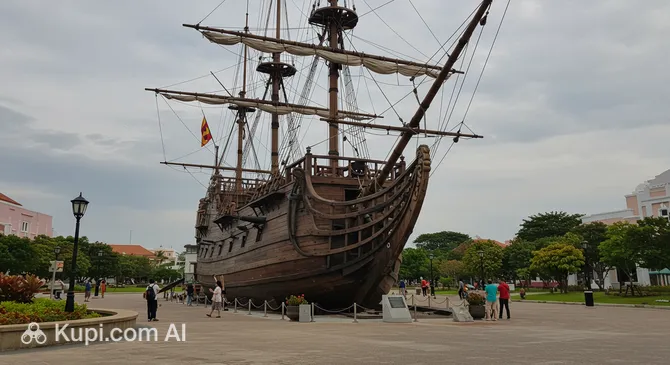
One of the most distinctive landmarks in the city is the Maritime Museum (Flor de la Mar). Housed within a massive replica of a Portuguese carrack that sank off the coast of Malacca, the museum stands tall near the river mouth. It is intriguing not just for its ship-shaped architecture, but for its exhibits detailing the maritime history of the Malacca Sultanate and the era of European colonization. Climbing aboard gives visitors a sense of the scale of these historic vessels.

Maritime Museum (Flor de la Mar). Source: Kupi.Binoculars

For a more relaxing experience, take a ride on the Melaka River Cruise. This boat tour winds its way through the heart of the city, offering a different perspective on the historical buildings, old bridges, and vibrant murals that line the riverbanks. It is particularly enchanting in the evening when the riverside is illuminated, creating a magical atmosphere that contrasts with the busy streets during the day.

Local Cuisine

Malacca is widely regarded as one of Malaysia's premier food destinations, celebrated for its unique Peranakan (Nyonya) cuisine—a flavorful fusion of Chinese ingredients and Malay cooking techniques. This rich culinary heritage offers a gastronomic experience you won't find anywhere else. To sample authentic Nyonya dishes like Ayam Pongteh (braised chicken in bean paste) or spicy Nyonya Laksa, visitors often flock to heritage restaurants such as Atlantic Nyonya, where traditional recipes have been passed down through generations.

One of the city's most iconic signature dishes is the Chicken Rice Ball. Instead of serving the rice loose, local hawkers roll it into smooth, bite-sized spheres that are boiled in chicken broth for extra flavor. Another must-try is Satay Celup, a communal dining experience where you dip skewers of raw meat, seafood, and vegetables into a boiling pot of rich, spicy peanut sauce right at your table.

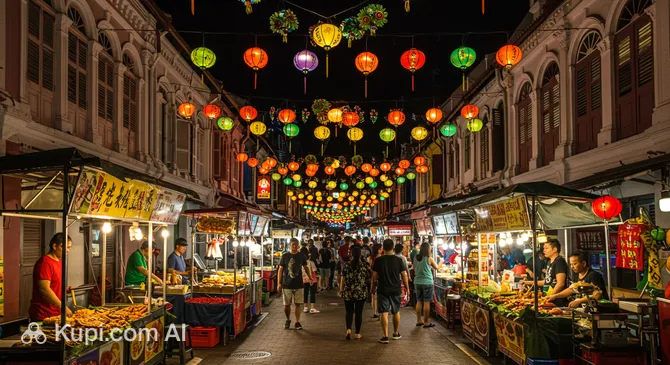
The heart of the city's street food culture beats strongest at the Jonker Street Night Market. On weekends, this bustling thoroughfare transforms into a foodie's paradise, offering everything from grilled seafood to savory radish cakes. It is the perfect place to graze your way through the local specialties while soaking in the vibrant atmosphere of the historic district.

Jonker Street Night Market. Source: Kupi.Binoculars

When it comes to drinks and desserts, no trip is complete without trying Cendol. This sweet, icy treat consists of shaved ice, green rice flour jelly, and coconut milk, all drenched in Gula Melaka (local palm sugar), which gives it a distinctively deep, caramel-like flavor. For those seeking a refreshing break from the heat, fresh coconut shakes are also incredibly popular.

In the evenings, the riverside comes alive with a more relaxed vibe. While Malacca is steeped in tradition, it also offers modern spots for nightlife. You can enjoy a cold beer or a cocktail at venues like Tipsy Bridge, which offers a great view of the river, or visit Baba Kaya Malaysian Cuisine for a mix of good food and ambience. Whether you are dining on a plastic stool by the roadside or in a restored heritage shophouse, the food scene here is sure to be a highlight of your journey.

Travel Tips

Exploring the historic streets of Malacca is a delightful experience, but a little preparation goes a long way in ensuring a smooth trip. To help you navigate the local customs and logistics, here are some practical tips for your visit to this charming city in Malaysia.

  1. Clothing and Gear: Given the tropical heat and humidity, pack lightweight, breathable fabrics like cotton or linen. Comfortable walking shoes are essential, as the best way to explore the heritage area is on foot. If you plan to visit religious sites like mosques or temples, ensure you have attire that covers your shoulders and knees to show respect.

  2. Transportation: The core historical area is compact and pedestrian-friendly. For longer distances, the most convenient option is using ride-hailing apps like Grab, as traditional taxis may not always use meters. The colorful, music-blasting trishaws are a fun tourist experience for short trips, but be sure to negotiate the price firmly before hopping on.

  3. Finances: The local currency is the Malaysian Ringgit (MYR). While credit cards are accepted in hotels and larger shopping malls, cash is king at the famous night markets and small local eateries. ATMs are widely available, but it is wise to carry smaller denominations for street food purchases. Tipping is not mandatory, though leaving loose change is appreciated.

  4. Health and Safety: Malacca is generally very safe for tourists. However, the heat can be intense, so stay hydrated and wear sunscreen. Pharmacies like Guardian or Watsons are easy to find for basic medical supplies. Since it is a tropical area, carrying mosquito repellent is recommended, especially for evening strolls along the river.

  5. Communication: Bahasa Malaysia is the national language, but English is widely spoken and understood, especially in tourist areas. Learning a few local phrases like Terima kasih (Thank you) will warm the hearts of locals. SIM cards with data plans are affordable and can be purchased at convenience stores like 7-Eleven.

  6. Local Etiquette: Malaysians are warm and polite. Always remove your shoes before entering a private home or a place of worship. If you are eating with your hands or passing money to someone, always use your right hand, as the left is considered unclean in local culture.

  7. What to Avoid: Avoid pointing at people or objects with your index finger, as this is considered rude; instead, gesture with your thumb resting on a closed fist. Also, refrain from excessive public displays of affection, which are frowned upon in this conservative society.

  8. Timing Your Visit: If you want to experience the famous Jonker Street Night Market, plan your trip over the weekend (Friday to Sunday). However, be aware that traffic congestion in the city center can be heavy during these times, so walking or staying within the heritage zone is your best bet.

By keeping these practical points in mind, you can focus on soaking up the rich history and vibrant atmosphere of the city. Enjoy your time exploring the unique sights and sounds of Malacca!

Entertainment & Nightlife

While Malacca is celebrated for its rich history, the city transforms into a vibrant hub of activity once the sun sets. The nightlife here offers a distinct charm, shifting from the laid-back ambiance of riverside cafes to the energetic pulse of modern entertainment districts. It is less about the frantic pace of a metropolis and more about atmospheric experiences, making it perfect for travelers who enjoy a mix of culture and leisure.

The most famous spot for evening entertainment is the bustling night market on Jonker Walk, but this is strictly a weekend affair. For those seeking nightlife throughout the week, the Melaka Raya district is the commercial heart of the city's after-dark scene. This area is lined with karaoke lounges, pubs, and dance clubs where the atmosphere is lively and the crowd is a mix of locals and tourists. The dress code is generally casual, though some of the more upscale bars in Melaka Raya appreciate smart casual attire.

For a truly unique evening experience, catching a performance at Encore Melaka is highly recommended. This state-of-the-art theatre boasts a 360-degree rotating auditorium and presents a visually spectacular show that narrates the city's historical journey through music and dance. It provides a sophisticated start to the night before you head out for drinks or supper.

Encore Melaka. Source: Kupi.Binoculars

If you are looking for a place to enjoy live music and a high-energy vibe, BLISS Livehouse is a popular venue in the city. It attracts a fun-loving crowd and is a great spot to socialize. For something a bit different, you might visit Budi, a bar that offers a more artistic and intimate setting, often favored by those who appreciate a unique ambiance over a crowded dance floor. Another notable mention is Ram Cafe, which bridges the gap between a dining spot and a nightlife venue, perfect for a late evening meal with friends.

When exploring at night, the main tourist areas like the riverside and Jonker Street are generally well-lit and safe for walking. However, if you are venturing further into Melaka Raya or returning to your hotel late, it is advisable to use a ride-hailing app like Grab. This is often safer and more convenient than trying to flag down a taxi on the street. Prices for drinks and entertainment are generally reasonable compared to the capital, making a night out here quite affordable.

Before the night begins, the city offers plenty of daytime entertainment to keep you occupied. Families can spend hours at the Melaka Zoo, which is home to a variety of local wildlife, or explore the immersive zones at Malaysia Heritage Studios. History enthusiasts will also enjoy wandering through the ruins of A Famosa, which stands as a silent witness to the city's colonial past.

Parks & Museums

Beyond the bustling streets and famous red architecture, the city offers tranquil green spaces and specialized museums that delve deeper into its storied past. Exploring these venues allows visitors to connect with the natural beauty of the region and understand the social history that shaped this unique destination.

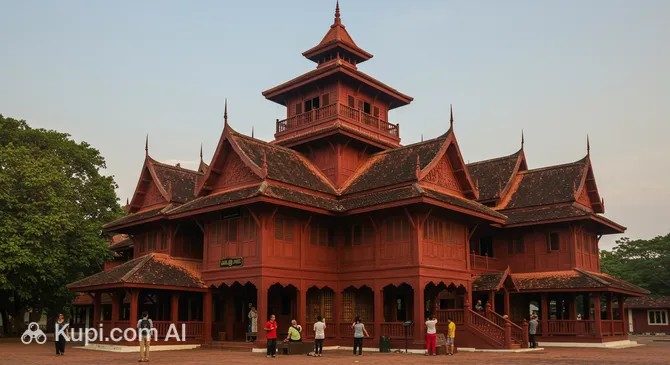
For a deep dive into the golden era of Malay history, the Melaka Sultanate Palace Museum is a must-visit. Located at the foot of St. Paul's Hill, this magnificent wooden structure is a faithful replica of the 15th-century palace of Sultan Mansur Shah. Remarkably, it was constructed using traditional methods without a single metal nail. Inside, visitors can explore dioramas and exhibits that depict the legendary court intrigues and cultural customs of the Malacca Sultanate.

Melaka Sultanate Palace Museum. Source: Kupi.Binoculars

Another intriguing cultural site is the Malaysia Prison Museum. Housed within the walls of a former prison built in 1860, this museum offers a sobering yet fascinating look into the history of the penal system in the country. Visitors can walk through old prison cells, view historical artifacts, and learn about the daily lives of prisoners and wardens in the past. It provides a unique perspective that stands in stark contrast to the city's more decorative attractions.

Nature lovers should head a bit outside the city center to the Melaka Butterfly and Reptile Sanctuary in Ayer Keroh. This lush, landscaped garden is home to hundreds of fluttering butterflies, as well as a variety of reptiles, including snakes and lizards. It is a family-friendly spot where you can walk through open aviaries and enjoy the tropical flora. For those seeking a coastal breeze, Tanjung Bidara Beach offers a quieter alternative to the busy city, featuring sandy shores and calm waters perfect for a relaxing picnic.

In terms of architectural landmarks, the Tan Beng Swee Clock Tower is a significant sight near the Dutch Square. Although it blends seamlessly with the surrounding Dutch colonial buildings due to its red color, it was actually built by a wealthy Chinese family in honor of their patriarch. Nearby, you can admire the intricate craftsmanship of the Cheng Hoon Teng Temple, the oldest functioning traditional Chinese temple in Malaysia, renowned for its elaborate wood carvings and porcelain decor.

For an authentic local experience that few tourists find, consider a trip to the Jasin Hot Springs Water Park. Located about 30 kilometers from the city, this spot is popular with locals who come to soak in the mineral-rich waters. It is a great way to unwind and recharge your muscles after a day of walking through the historic heritage zones.

Getting Around

Navigating Malacca is relatively straightforward, as the city's historic core is compact and best explored on foot. However, for reaching destinations further afield or traveling to and from the main bus terminal, the city offers a functional public transport network. There is no metro or subway system here; instead, the primary mode of public transit consists of a bus network operated mainly by Panorama Melaka. These buses connect the central transit hub, Melaka Sentral, to major tourist areas such as the Dutch Square and other neighborhoods.

The bus system is an economical way to get around, but it requires some patience as schedules can sometimes be irregular. The most popular route for visitors is Bus 17, which loops from Melaka Sentral to the historic center and back. When using these buses, payment is typically made in cash directly to the driver upon boarding. There are no complex travel cards or digital passes for tourists, so it is essential to carry small denominations of the local currency, as drivers often cannot provide change for large notes.

For those seeking more comfort and convenience, ride-hailing apps are the preferred alternative to public buses. Services like Grab are widely available, efficient, and offer transparent fixed pricing, which eliminates the language barrier and the need to haggle. Traditional taxis are also plentiful, but they frequently do not use meters. If you choose to hail a regular taxi on the street, it is crucial to negotiate and agree on the fare before starting your journey to ensure a fair price.

A distinctive feature of the city's transport scene is the colorful trishaw, locally known as the "beca." These three-wheeled vehicles are impossible to miss, decorated with elaborate artificial flowers, flashing lights, and often blasting popular music. While they are more of a novelty tourist attraction than a practical commuting tool, taking a short ride in one is a memorable experience. They are perfect for hopping between nearby heritage sites, but be sure to settle on a price with the rider beforehand.

Travelers should also be aware that traffic congestion can be heavy in the city center, especially on weekends and public holidays. During these peak times, walking is often the fastest way to move between attractions in the heritage zone. Additionally, while there is a Monorail system along the river, it has a history of intermittent operation and is best viewed as a scenic leisure ride rather than a reliable mode of public transport.

Accommodation

Where to Stay:

Finding the perfect place to stay in Malacca is part of the adventure, as the city offers a delightful mix of accommodation styles that reflect its rich heritage. Visitors can choose from a wide range of options, including charming boutique hotels housed in restored pre-war shophouses, modern high-rise hotels with pool decks, and budget-friendly hostels perfect for backpackers. For a truly authentic experience, many travelers prefer the "heritage stays" within the UNESCO zone, where antique furnishings and traditional architecture create a nostalgic atmosphere.

The most popular area for tourists is undoubtedly the historic center near Jonker Walk. Staying here puts you within walking distance of the main attractions, night markets, and the river, though it can be a bit noisy on weekends. For a quieter but still central experience, the riverside area offers scenic views and a more relaxed vibe. Alternatively, the Melaka Raya district is a commercial hub located just south of the heritage zone; it is packed with shopping malls, nightlife venues, and a variety of mid-range hotels, making it a convenient base for those who want easy access to modern amenities.

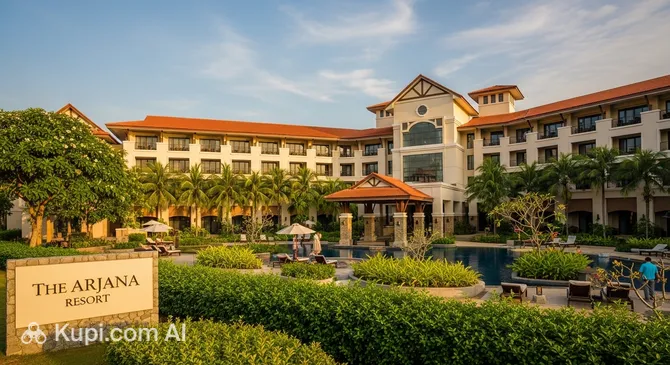
If you are looking for a getaway that focuses on relaxation and leisure, the region also offers resort-style accommodations. For instance, The Arjana Resort provides a peaceful environment suited for families and travelers seeking a break from the city bustle. Similarly, Villa D'Acqua Homestay offers a distinct experience, often featuring amenities that cater to those looking for a comfortable and spacious retreat.

The Arjana Resort. Source: Kupi.Binoculars

Accommodation prices in Malacca are generally very reasonable. Budget travelers can find comfortable dormitory beds or simple rooms for a low cost, while mid-range boutique hotels offer excellent value for money. Luxury options are available but are significantly cheaper than in major capitals like Kuala Lumpur. Regardless of your budget, it is highly recommended to book in advance, especially if you plan to visit during weekends, public holidays, or the peak tourist season, as the best heritage properties tend to fill up quickly.

Nearby Cities

For those looking to explore the surroundings, Malacca serves as an excellent base for day trips to several interesting nearby locations. While the city itself is steeped in history, the region offers a variety of urban adventures and cultural experiences just a short drive away.

The most popular destination is undoubtedly Kuala Lumpur, the vibrant capital of Malaysia. Located about two hours north, it offers a striking contrast to the relaxed pace of Malacca. Visitors can marvel at the iconic Petronas Twin Towers, explore the colorful Batu Caves with their massive golden statue, or indulge in world-class shopping and dining. It is a bustling metropolis that showcases the modern face of the nation.

Another fascinating stop is Shah Alam, the state capital of Selangor. It is best known for the Sultan Salahuddin Abdul Aziz Shah Mosque, often called the "Blue Mosque" due to its magnificent blue and silver dome. As one of the largest mosques in Southeast Asia, it is an architectural masterpiece surrounded by a serene lake garden, making it a perfect spot for photography and cultural appreciation.

For food enthusiasts, the royal town of Klang is an essential visit. Famous as the birthplace of Bak Kut Teh (a herbal pork rib soup), it offers a rich culinary heritage. Beyond the food, Klang has a vibrant Little India district and several heritage buildings that reflect its status as a royal city, offering a glimpse into the traditional lifestyle of the region.

City Population Distance (km)
Kuala Lumpur 8,911,000 122
Klang 878,000 130
Petaling Jaya 638,516 127
Kuantan 607,778 216
Shah Alam 584,340 127

These nearby destinations offer a glimpse into the diverse culture and landscapes of the region, allowing travelers to easily expand their Malaysian adventure beyond the historic streets of Malacca.

Shopping & Souvenirs

Shopping in Malacca

Shopping in Malacca is a delightful journey that mirrors the city's unique blend of history and modernity. Visitors can expect a diverse retail experience, ranging from hunting for rare antiques in pre-war shophouses to browsing international fashion brands in contemporary air-conditioned complexes. The city is particularly famous for its heritage crafts, making it one of the best places in Malaysia to find culturally significant souvenirs that tell a story.

The heart of the city's shopping scene is undoubtedly Jonker Walk (Jalan Hang Jebat). This historic street is lined with centuries-old buildings housing art galleries, souvenir shops, and antique dealers. During the day, it is the perfect place to browse for unique artifacts, coins, and vintage furniture. The surrounding streets, such as Jalan Tun Tan Cheng Lock (Heeren Street), also offer high-quality Nyonya kebaya (traditional blouses) and beaded shoes, which are prized for their intricate craftsmanship.

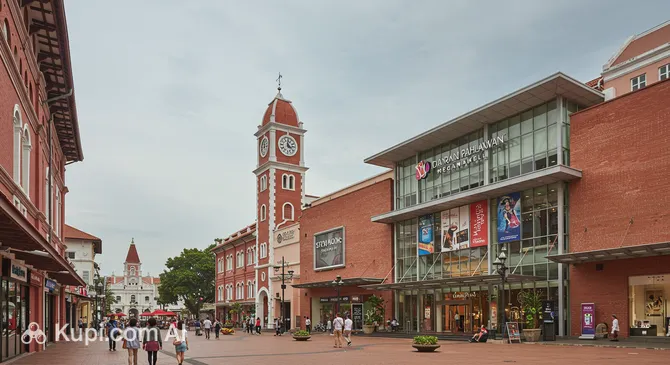
For those seeking a more modern shopping experience, the city boasts several large malls that offer comfort and variety. The most prominent is Dataran Pahlawan Melaka Megamall, located right in the middle of the heritage zone near the A Famosa fortress. It houses a mix of international brands, local boutiques, and a large food court. Another option frequented by locals is Bandaraya Melaka Mall, which provides a wide range of retail outlets, a cinema, and family-friendly entertainment, making it a practical stop for daily needs and leisure.

Dataran Pahlawan Melaka Megamall. Source: Kupi.Binoculars

No shopping trip here is complete without visiting the famous Jonker Street Night Market. Held every Friday, Saturday, and Sunday evening, this market transforms the street into a vibrant pedestrian mall. It is an excellent spot to bargain for inexpensive souvenirs, quirky t-shirts, handicrafts, and local snacks. The atmosphere is energetic, often accompanied by live music, making it as much a cultural experience as a shopping one.

When it comes to souvenirs, Malacca offers items that are distinct to its Peranakan heritage. Look for Kasut Manek (hand-beaded slippers), which are beautiful and functional works of art. Food items are also popular gifts; boxes of Dodol (a sticky, sweet toffee-like treat) and blocks of authentic Gula Melaka (palm sugar) are must-buys. For art lovers, local artists often sell paintings depicting the city's riverside and red colonial buildings.

Most shopping malls in the city are open daily from 10:00 AM to 10:00 PM. Street shops in the heritage area, however, tend to have shorter hours, often closing around 6:00 PM on weekdays, though they stay open much later during the weekend night market. Major shopping centers and hotels accept credit cards and e-wallets, but cash is essential for street markets and smaller family-run businesses.

Regarding taxes, Malaysia does not currently have a Value Added Tax (VAT) refund scheme for tourists on the same scale as some other countries, following the replacement of GST with the Sales and Service Tax (SST). While tax-free shopping is generally limited to designated duty-free zones (like airports or islands such as Langkawi), it is always worth asking larger retailers if they offer any specific tourist privileges or discounts.

Reached the end of the page?

That means the route is fully explored