Support

Batam

About

Welcome to Batam, a dynamic island city that serves as one of the most vital gateways to the enchanting archipelago of Indonesia. Located in the Riau Islands province, this bustling metropolis is strategically positioned just a short ferry ride away from Singapore and Malaysia, making it a popular destination for international travelers and weekend getaways. With a population of approximately 1.3 million people, Batam buzzes with energy, blending modern urban development with laid-back island charm.
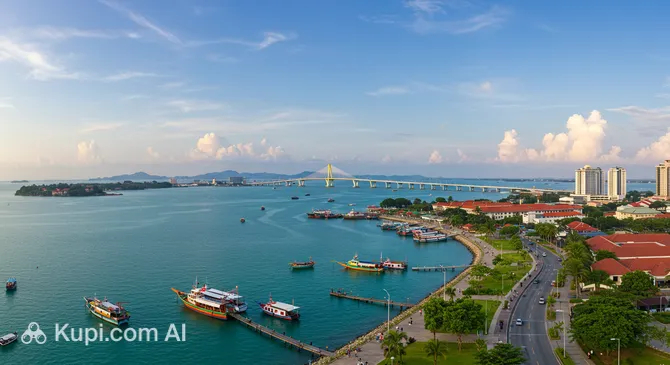
Batam. Source: Kupi.Binoculars

While often recognized today as a major industrial hub and free trade zone, the history of Batam reveals a fascinating transformation from a quiet fishing area into a thriving economic center. The city's rapid growth has created a unique landscape where high-end resorts and sprawling shopping malls coexist with traditional coastal life. Visitors can enjoy a tropical rainforest climate year-round, which is perfect for exploring the outdoors or relaxing by the sea.

Travelers are drawn to Batam for its diverse range of attractions. The iconic Barelang Bridge, a chain of six bridges connecting the islands of Batam, Rempang, and Galang, offers spectacular views and is a favorite spot for photography. The city is also a haven for shoppers and foodies, famous for its duty-free shopping districts like Nagoya and its fresh, affordable seafood served in wooden stilt restaurants over the water. Whether you are looking for a luxurious spa retreat, a round of golf on world-class courses, or a cultural visit to the majestic Maha Vihara Duta Maitreya Temple, Batam has something to offer every type of explorer.

Plan your trip to this vibrant island city and discover a destination where business meets leisure in the most delightful way. Batam awaits with open arms, ready to provide an unforgettable experience filled with warm hospitality and exciting adventures.
Weather Overview

Batam enjoys a warm, tropical climate year-round, making it a great destination for those who love consistent heat and humidity. The average temperature remains remarkably stable, typically hovering between 26°C and 28°C throughout the year. Daytime highs generally reach around 29°C during the warmest month of May, while nightly lows rarely drop below 25°C, ensuring pleasant evenings for outdoor activities.

Precipitation is a constant companion in this region, so it is wise to be prepared for showers regardless of when you visit. The island experiences a significant number of wet days, ranging from a low of 13 days in February to as many as 28 days in months like May and November. To help plan your daily itinerary and packing list, we recommend checking the detailed weather in Batam. Despite the frequent rain, the showers are often short-lived, allowing plenty of time to explore the city's attractions.

Interesting Facts

Beyond the bustling malls and spas, Batam holds many fascinating secrets that surprise even frequent visitors. From historical sanctuaries to unique culinary treasures, the city offers a layer of depth often overlooked by the casual traveler.
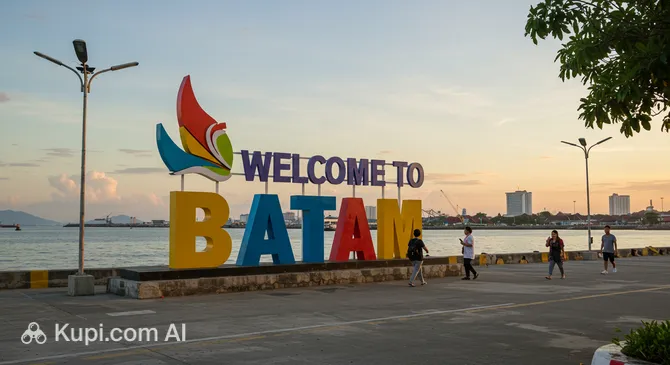
  • A Hollywood-Style Welcome: Perched on Clara Hill facing the ferry terminal, the iconic Welcome to Batam Sign is more than just a photo opportunity. This massive white lettering was constructed to overlook the sea, serving as a distinct landmark reminiscent of the famous Hollywood sign in Los Angeles to greet international arrivals.

  • The Barelang Acronym: The city's most famous architectural marvel is not a single structure but a chain of six bridges connecting three major islands. The name "Barelang" is actually a portmanteau derived from Batam, Rempang, and Galang, symbolizing the unity of this extended island cluster.

  • A Culinary Exclusive: Batam is one of the few places in the world where you can taste the Gonggong, a type of sea snail found in the surrounding waters. This delicacy is so culturally significant that its spiral shell shape has inspired local batik motifs and is considered a culinary icon of the Riau Islands.

  • A Sanctuary of History: Galang Island, connected to Batam by the bridges, once served as a refuge for approximately 250,000 Indochinese asylum seekers between 1979 and 1996. The site, known as "Camp Vietnam," is now preserved as a memorial museum featuring original barracks, places of worship, and the boats used by the refugees.

  • A World of Trickery: For a break from reality, the city hosts The Illusion, a museum dedicated entirely to 3D trick art and optical illusions. It stands out as a quirky attraction where visitors can become part of the artwork, offering a fun contrast to the traditional sightseeing spots.

Welcome to Batam Sign. Source: Kupi.Binoculars

How to Get There

Reaching this vibrant island destination is a straightforward affair, thanks to its strategic location and excellent connectivity. Whether you are arriving directly by air or transiting through neighboring countries, you have several convenient options to choose from. For a comprehensive guide on all transport methods, including ferry schedules and tips, you can read more about how to get to Batam.

The most direct way to arrive is via Hang Nadim International Airport (IATA: BTH). Located right on the island, this airport serves as the primary domestic gateway and handles a significant volume of traffic from major Indonesian cities. It is situated just 7.0 km from the city center, making the transfer to your hotel or business meeting very quick. A taxi or bus ride from the airport typically takes approximately 31 minutes, depending on traffic conditions. As the main local hub with an annual passenger traffic of around 4 million, it offers essential amenities and frequent connections.

Alternatively, many international travelers choose to fly into Changi International Airport (IATA: SIN) in Singapore. Although it is located in a different country, Changi is only about 26 km away in a straight line and serves as a major global hub with massive passenger traffic. From Changi, you can easily take a taxi to the Tanah Merah Ferry Terminal or HarbourFront Centre and board a ferry to Batam, a journey that usually takes between 45 to 60 minutes. Another nearby option is Senai Airport (IATA: JHB) in Johor Bahru, Malaysia. Located about 71 km away, it is a convenient entry point for those traveling overland or by ferry from Malaysia.

For clarity, here is a summary of the main airports:

Airport Name City Passenger Traffic Km from City
Changi International Airport Singapore Huge 25.9
Senai Airport Johor Bahru Large 70.8
Hang Nadim International Airport Batam Medium 7.0
Sultan Syarif Kasim II International Airport Pekanbaru Medium 299.6
Kidjang Airport Tanjung Pinang Small 58.1

Main Attractions

Batam is a vibrant destination that offers a delightful mix of modern entertainment, cultural landmarks, and shopping extravaganzas. While the city is famous for its industrial prowess, its tourism landscape is equally impressive, catering to visitors seeking leisure, spirituality, and retail therapy. From towering shopping complexes to serene places of worship, the city provides a diverse itinerary for every traveler.

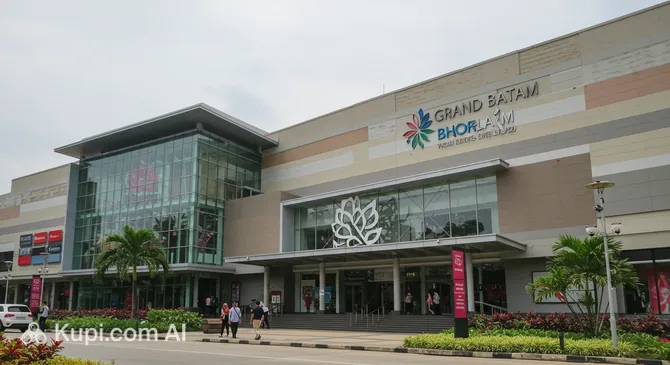
For those who love retail therapy, the Grand Batam Mall is a must-visit destination. As one of the newest and most luxurious shopping centers on the island, it features a sleek, modern design and houses a wide array of international and local brands. Tourists flock here not only for the fashion and electronics but also for the extensive culinary options and a state-of-the-art cinema, making it a perfect spot to escape the tropical heat and enjoy some indoor entertainment.

Grand Batam Mall. Source: Kupi.Binoculars

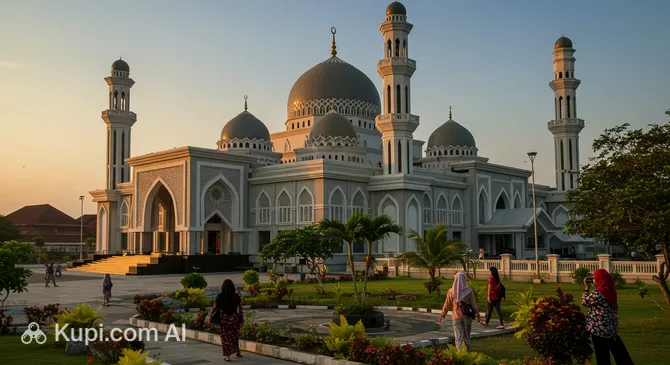
If you are looking for a touch of spiritual serenity combined with architectural beauty, the Jabal Arafah Mosque stands out as a unique landmark. Located in the Nagoya district, this mosque is celebrated for its modern design and peaceful atmosphere. What makes it particularly interesting to tourists is its viewing tower, which offers panoramic views of the cityscape. It is a wonderful place to appreciate the local religious culture while enjoying a quiet moment away from the bustling streets.

Jabal Arafah Mosque. Source: Kupi.Binoculars

Another significant cultural site is the Budhi Bhakti Temple, also known locally as the Tua Pek Kong Temple. This is one of the oldest Buddhist temples in Batam and serves as a testament to the island's Chinese heritage. Visitors are drawn to its traditional architecture, featuring intricate dragon sculptures and a serene courtyard. It provides a fascinating glimpse into the local traditions and offers a picturesque setting that feels worlds away from the city's commercial centers.

Budhi Bhakti Temple. Source: Kupi.Binoculars

Convenience and variety come together at the Mega Mall Batam Centre. Strategically connected to the Batam Centre Ferry Terminal by a bridge, this mall is often the first or last stop for travelers arriving by sea. It is incredibly popular for its vast selection of shops, supermarkets, and eateries. Whether you need to pick up last-minute souvenirs, enjoy a quick meal before your ferry, or spend a day browsing, this mall is an integral part of the Batam travel experience.

Local Cuisine

The culinary landscape of Batam is a mouthwatering reflection of its multicultural heritage, blending authentic Indonesian spices with strong Malay and Chinese influences. As an island city, it is most famous for its abundant and affordable fresh seafood. A quintessential Batam dining experience involves eating at a kelong—a floating restaurant built on stilts over the water. Here, diners can choose live fish, crabs, prawns, and lobsters from tanks to be cooked to perfection, often steamed with lime and garlic or stir-fried in a rich chili or black pepper sauce.

Among the local specialties, Sop Ikan Batam (Batam Fish Soup) is a legendary dish that every visitor must try. Unlike the creamy versions found elsewhere, this soup features a clear, savory broth made with fresh snapper or mackerel, flavored with fried shallots, green tomatoes, and dried shrimp, resulting in a refreshing and distinct taste. Another signature delicacy is the Gonggong (sea snail), usually boiled and served with a spicy sambal dipping sauce. It is a simple yet beloved snack that perfectly captures the flavor of the Riau Islands.

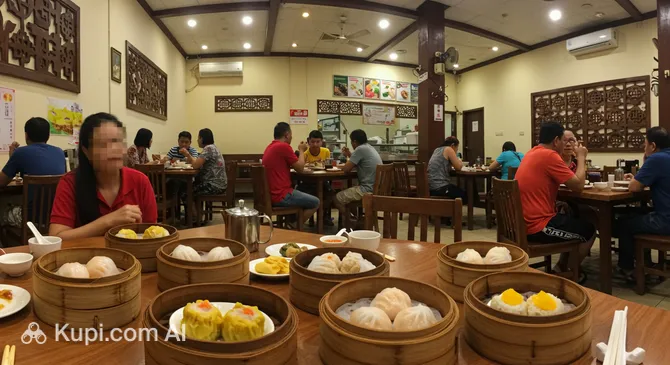
Given the city's proximity to Singapore and its large Chinese-Indonesian community, dim sum is also a popular breakfast and lunch option. For a taste of this tradition, you can visit Si Fang Yuan Dimsum, where steamers filled with dumplings and buns offer a comforting start to the day. The food scene here is incredibly diverse, ranging from these specialized eateries to bustling open-air food courts known as pujasera, where you can sample a variety of local street foods like Otak-otak (grilled fish cake) and Mie Lendir (noodles in peanut gravy) in one sitting.

Si Fang Yuan Dimsum. Source: Kupi.Binoculars

For those with a sweet tooth or looking for a modern café vibe, the city has a growing number of trendy spots. Mula Patisserie is an excellent choice for enjoying artisanal pastries and cakes in a chic setting. If you prefer a more relaxed, local atmosphere for your evening meal, Lakeside Angkringan Bengkong offers a casual dining experience by the water, perfect for unwinding with friends while enjoying simple, flavorful dishes.

When it comes to beverages, the local favorite is undoubtedly Teh Tarik, a frothy "pulled" milk tea that pairs perfectly with spicy food. Fresh tropical fruit juices, particularly avocado (often served with chocolate syrup) and dragon fruit, are also widely available and refreshing in the tropical heat. For nightlife and alcoholic drinks, the city offers a vibrant scene with venues like Angel's Wing Batam, where tourists can enjoy cocktails and live entertainment after a day of exploring.

Travel Tips

To ensure your trip to Batam is as smooth and enjoyable as possible, we have compiled a list of essential travel advice tailored to the local environment. These practical tips will help you navigate the island's unique blend of urban bustle and tropical relaxation with confidence and ease.

  1. Clothing and Gear: Batam is hot and humid year-round, so pack lightweight, breathable fabrics like cotton or linen. Since sudden downpours are common, carrying a compact umbrella or a light rain poncho is highly recommended. While casual wear is acceptable in most places, remember to dress modestly—covering shoulders and knees—when visiting religious sites like the Jabal Arafah Mosque or temples. Comfortable walking shoes are a must for exploring shopping malls and outdoor attractions.

  2. Transportation: Public transportation, such as the Trans Batam bus, exists but can be confusing for first-time visitors. The most convenient way to get around is by using ride-hailing apps like Grab or Gojek, which offer fixed prices and eliminate language barriers. reliable metered taxis (such as Bluebird) are also widely available at malls and ferry terminals. Renting a car is possible, but hiring a car with a local driver is often a more stress-free option given the local traffic habits.

  3. Finances: The official currency is the Indonesian Rupiah (IDR). While credit cards are widely accepted in hotels, large restaurants, and malls like Grand Batam Mall, cash is king at local markets, food courts (pujasera), and small shops. Money changers are abundant, especially near ferry terminals and in the Nagoya district, often offering competitive rates. Tipping is not mandatory but is appreciated; rounding up the bill or leaving a small amount for good service is a kind gesture.

  4. Health and Safety: Batam is generally safe for tourists, but standard precautions apply; keep an eye on your belongings in crowded areas. Tap water is not drinkable, so always stick to bottled or filtered water to avoid stomach issues. Pharmacies (look for "Apotek" or chains like Guardian and Watsons) are easy to find in shopping centers for basic medical supplies. Be sure to pack mosquito repellent if you plan to visit outdoor nature spots or dine at open-air seafood restaurants.

  5. Communication: The official language is Bahasa Indonesia, but English is widely spoken and understood, particularly in the hospitality and tourism sectors due to the influx of visitors from Singapore and Malaysia. Buying a local SIM card (Telkomsel is a reliable provider) is easy upon arrival at the ferry terminal or airport and is recommended for data access. Useful local apps include WhatsApp for communication and Google Maps for navigation.

  6. Local Etiquette: Indonesians are polite and friendly. When greeting locals, a smile and a nod go a long way. If you shake hands, use your right hand, as the left is traditionally considered impure. Always remove your footwear before entering a private home or a place of worship. It is also polite to ask for permission before taking close-up photos of locals.

  7. What to Avoid: Avoid using your left hand to eat, pass money, or hand objects to others, as this can be seen as disrespectful. Additionally, refrain from pointing at people or objects with your foot, and avoid public displays of affection, which are frowned upon in the local culture.

  8. Time Zone Awareness: A crucial tip for travelers arriving from Singapore or Malaysia is to remember the time difference. Batam is in the Western Indonesia Time (WIB) zone, which is one hour behind Singapore and Malaysia. Adjust your watch immediately upon arrival to ensure you don't miss your return ferry or any scheduled appointments.

By keeping these tips in mind, you will be well-prepared to embrace the vibrant culture and warm hospitality that Batam has to offer. Enjoy your journey through this lively island gateway, from its culinary delights to its scenic coastal views!

Entertainment & Nightlife

Batam offers a diverse array of entertainment options that extend well beyond its shopping malls and seafood restaurants. From energetic nightlife venues to serene golf courses and family-friendly parks, the city provides ample opportunities for leisure and recreation suited to all types of travelers.

For those looking to unwind after sunset, the city's nightlife scene is vibrant and varied. Karaoke is a particularly popular pastime here. Thrive KTV, Billiard & Futsal is a favorite spot that combines singing rooms with pool tables and sports facilities, making it an excellent choice for groups seeking a fun and active evening. If you prefer a more laid-back atmosphere to enjoy a drink and conversation, Arch Alley offers a cozy setting with a distinct character.

Thrive KTV, Billiard & Futsal. Source: Kupi.Binoculars

Golf enthusiasts will find Batam to be a premier destination, boasting several high-quality courses designed to challenge players of all skill levels. The Sukajadi Golf Course is conveniently located within a prestigious residential estate. It features a championship 18-hole course that meanders through scenic landscapes, providing a relaxing yet engaging experience right in the heart of the city.

Sukajadi Golf Course. Source: Kupi.Binoculars

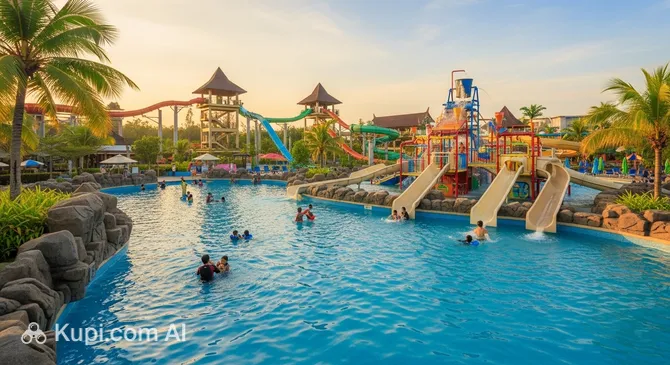
Travelers visiting with family or seeking aquatic fun should not miss Batam Water Park. This attraction is designed to provide hours of entertainment with its slides and pools, offering a refreshing escape from the tropical heat. It is a perfect spot for children and adults alike to splash around and enjoy the sunny weather in a safe environment.

Batam Water Park. Source: Kupi.Binoculars

For a more restorative experience, the island is renowned for its wellness centers. Xoleil Spa Village stands out as a luxurious retreat where visitors can indulge in traditional massages and treatments. Additionally, for a taste of local community life, the Alun Alun Batam Centre is a vast open square that often hosts events and serves as a gathering point for locals, offering a glimpse into the everyday rhythm of the city.

Alun Alun Batam Centre. Source: Kupi.Binoculars

Parks & Museums

Parks and Museums:

While Batam is widely celebrated for its bustling shopping districts and industrial achievements, the city also harbors pockets of greenery and cultural institutions that offer a refreshing change of pace. Visitors willing to look beyond the malls will find charming parks, unique cultural showcases, and architectural landmarks that tell the story of the island's heritage and natural beauty.

For those seeking an outdoor escape, Belalang Adventure offers a unique mix of nature and recreation. Located in a greener part of the city, this agrotourism park allows visitors to engage with the local environment through activities like archery and interacting with small animals. It is a fantastic spot for families or anyone looking to enjoy fresh air and lush surroundings away from the concrete jungle. Another notable green space is the Panbil Nature Reserve, an eco-park known for its deer sanctuary and forest trails, providing a rare glimpse into the island's tropical rainforest ecosystem.

Belalang Adventure. Source: Kupi.Binoculars

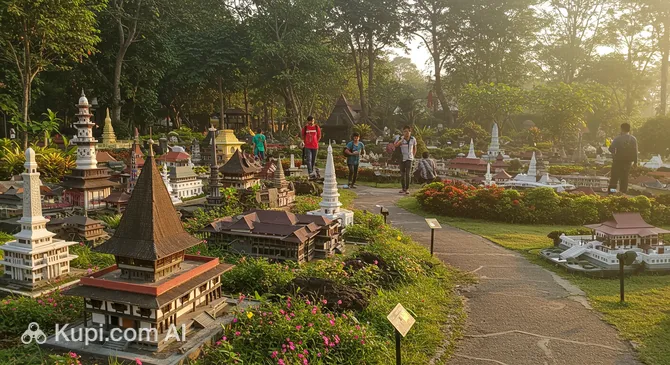
Cultural enthusiasts should not miss the opportunity to visit Miniature House Indonesia. This attraction serves as a cultural window into the vast archipelago, featuring small-scale replicas of traditional houses from various Indonesian provinces. It is an excellent place for tourists to appreciate the diverse architectural styles and heritage of the country in a single location, making it both educational and visually appealing for photography.

Miniature House Indonesia. Source: Kupi.Binoculars

To dive deeper into the local history, the Museum Raja Ali Haji at Dataran Engku Putri is the city's premier historical museum. It chronicles the timeline of Batam from the era of the Riau-Lingga Sultanate to its modern development, housing artifacts and exhibits that explain the region's transformation. In terms of architectural landmarks, Wisma Batamindo stands out with its distinctive design. Located within the Batamindo Industrial Park, this structure is a symbol of the island's economic history and often catches the eye of visitors exploring the area's industrial heritage.

For a truly authentic experience, venture out to one of Batam's Kampung Tua (Old Villages), such as Tanjung Riau or Nongsa. These traditional coastal settlements have existed long before the modern city developed and offer a genuine look at the Malay fishing village lifestyle. Wandering through these areas provides a stark and beautiful contrast to the modern resorts, allowing you to witness the enduring traditions of the local islanders.

Getting Around

Navigating Batam is an adventure in itself, with a public transport system that is functional but distinct from what you might find in larger global metropolises. The city does not have a metro, tram, or train network. Instead, the primary mode of public transportation is the bus system, complemented by a vast fleet of informal minibuses that weave through the streets.

The most reliable and tourist-friendly option is Trans Batam, the government-operated Bus Rapid Transit (BRT) service. These buses are air-conditioned, blue and yellow in color, and operate on fixed corridors connecting major districts like Batam Centre, Nagoya, Sekupang, and the airport. They stop at designated elevated shelters, making them safer and more organized than other local options. For a more authentic, albeit chaotic, local experience, there are Angkots (also known as Bimbar). These are colorful minibuses or vans that ply specific routes but have no fixed schedules or stops; you simply hail them from the roadside and yell "Kiri!" (Left!) to the driver when you want to get off.

When it comes to payment, the systems differ significantly between the two modes. Trans Batam has moved towards a cashless system. You typically cannot pay with cash on board; instead, you must use a prepaid electronic card (such as BRIZZI) or scan a QR code using a local e-wallet app. A single trip is incredibly affordable, costing roughly 4,000 to 6,000 IDR. Cards can be purchased and topped up at major bus terminals or designated counters at larger shelters. In contrast, Angkots operate strictly on cash. Fares are cheap, usually varying by distance, so it is essential to carry small denominations of notes and coins to pay the driver directly upon exiting.

For tourists, relying solely on public buses can be limiting due to frequency and coverage. A highly popular and convenient alternative is using ride-hailing apps like Grab and Gojek. These apps allow you to book a car or a motorcycle taxi (Ojek) with a fixed price, eliminating the need to haggle or navigate complex bus routes. Conventional taxis are also available, with Bluebird being the most reputable company known for using meters honestly. If you plan to explore remote areas or the famous Barelang Bridges, renting a car (often with a driver included) is the most practical solution.

Travelers should note that public transport operating hours are generally limited. Trans Batam buses typically run from 06:00 AM to 06:00 PM, though some popular routes may extend slightly later. Angkots may run later into the evening but can be less safe and harder to find at night. Since there is no historic rail or cable car system within the city center, the most "scenic" transport experience you might encounter is the local pancung (small wooden boat) if you decide to hop to a nearby small island, offering a breezy, salty perspective of the coast.

Accommodation

Finding the perfect place to stay in Batam is relatively easy, as the city offers a wide spectrum of accommodation options tailored to every budget and travel style. Whether you are a backpacker looking for a simple hostel, a business traveler needing a convenient city hotel, or a vacationer seeking a luxurious beachfront resort, the island has it all. The hospitality sector here is well-developed, catering heavily to the weekend influx of visitors from neighboring Singapore and Malaysia.

When choosing a location, it helps to know which district suits your plans. Nagoya (Lubuk Baja) is the vibrant heart of the city, ideal for those who want to be close to shopping malls, food courts, and the bustling nightlife scene. If convenience is your priority, Batam Centre is the administrative hub located near the main ferry terminal, making it perfect for short trips and easy access to large shopping complexes. for travelers seeking tranquility and luxury, the Nongsa area in the northeast offers secluded high-end resorts with private beaches and golf courses, far removed from the city's noise.

For a comfortable and modern stay in a central location, Grand Eska Hotel & Suites is a popular choice among visitors. It combines contemporary amenities with easy access to the city's commercial areas, making it suitable for both families and business travelers.

Grand Eska Hotel & Suites. Source: Kupi.Binoculars

If you prefer a more resort-style experience focused on wellness and relaxation, Xoleil Spa Village offers a serene escape. This property is designed to provide a peaceful atmosphere, often featuring villa-style accommodations and extensive spa facilities that allow guests to unwind completely.

Xoleil Spa Village. Source: Kupi.Binoculars

Accommodation prices in Batam are generally very competitive. Budget travelers can find clean guesthouses or hostels for as little as $15 to $30 USD per night. Mid-range hotels typically range from $35 to $70 USD, while luxury resorts and high-end villas usually start from $80 USD and up. Most bookings can be easily made through major online travel platforms or local Indonesian apps like Traveloka.

Booking Tip: Since Batam is a favorite weekend getaway destination, hotels—especially those in Nongsa and near the ferry terminals—can fill up quickly on Fridays, Saturdays, and public holidays. It is highly recommended to book your accommodation at least a week in advance if you plan to visit during these peak times to secure the best rates and availability.

Nearby Cities

For those looking to explore the surroundings, Batam serves as an excellent base for day trips to several interesting nearby locations:

One prominent destination is Pekanbaru, the capital of the Riau province on the island of Sumatra. Known for its rich Malay heritage and the famous Pasar Bawah market, it offers visitors a chance to dive into traditional culture and shop for local goods like woven fabrics and antiques. Although it is separated by sea, the frequent connections make it an accessible urban escape.

Another intriguing option is Dumai, a major port city located on the eastern coast of Sumatra. It is a vital gateway to the mainland and offers a unique perspective on Indonesia's maritime industry. Visitors here can enjoy the coastal atmosphere and explore local mangrove forests, providing a distinct contrast to the resort vibes of Batam.

For those willing to venture a bit further, Pangkal Pinang on Bangka Island is a delightful spot known for its beautiful beaches and history of tin mining. The city features a blend of Chinese and Malay influences, evident in its architecture and culinary scene, making it a rewarding destination for cultural exploration.

City Population Distance (km)
Pekanbaru 983356 298
Jambi 612162 340
Dumai 264084 301
Pangkal Pinang 218569 428

These nearby destinations offer a glimpse into the diverse culture and landscapes of the region.

Shopping & Souvenirs

Batam is widely recognized as a shopping haven, largely due to its status as a free trade zone. This designation attracts visitors from neighboring Singapore and Malaysia who come to enjoy duty-free prices on a wide range of goods, including electronics, perfumes, and branded fashion. The city offers a diverse retail landscape, featuring everything from sprawling, modern malls to bustling districts filled with local boutiques and souvenir shops.

One of the most convenient destinations for travelers is the Mega Mall Batam Centre. Located directly across from the Batam Centre Ferry Terminal and connected by an overhead bridge, it is often the first stop for visitors arriving by sea. The mall houses a large department store, a well-stocked supermarket, and numerous fashion outlets, making it an ideal spot to pick up essentials or gifts before heading home.

Mega Mall Batam Centre. Source: Kupi.Binoculars

For a more upscale retail experience, Grand Batam Mall in the Penuin district is a top choice. As one of the newest and most modern complexes on the island, it features a sleek design and hosts a variety of international brands and luxury retailers. Shoppers can find the latest fashion trends here, and the mall also offers a wide selection of dining options and a cinema for entertainment.

Another key player in the local shopping scene is Panbil Mall, situated near the Muka Kuning industrial area. While it serves the local residential and industrial community, it is also a great place for visitors to find affordable clothing, accessories, and daily necessities. The mall provides a comfortable, air-conditioned environment and a range of specialty stores that cater to various needs.

Panbil Mall. Source: Kupi.Binoculars

Beyond the modern shopping centers, Batam is famous for its local delicacies and handicrafts. A trip to the island is not complete without purchasing Kue Lapis, a rich layer cake that comes in flavors like prune, cheese, and chocolate. Visitors also frequently look for Batik clothing and fabrics, as well as affordable snacks like kerupuk (crackers). The Nagoya district is particularly renowned for its shops selling these local specialties, along with duty-free chocolates and goods.

Reached the end of the page?

That means the route is fully explored