Support

Tanjung Pinang

About

Welcome to Tanjung Pinang, the vibrant capital of the Riau Islands province. Situated on the southwestern coast of Bintan Island, this city serves as a significant gateway to Indonesia, offering a fascinating blend of cultures and a bustling waterfront atmosphere. With a population of approximately 203,000 residents, it balances the charm of a historical trading port with the energy of a developing modern city, making it an intriguing stop for travelers exploring the archipelago.

The city is renowned for its rich cultural heritage, which is deeply rooted in the Malay traditions of the region. Exploring the history of Tanjung Pinang reveals its past importance as a strategic center for the Johor-Riau-Lingga Sultanate. This historical depth is complemented by a warm, tropical climate that invites visitors to explore its streets and coastal areas year-round.

Tanjung Pinang. Source: Kupi.Binoculars

Travelers are often drawn to the city's unique landmarks and nearby attractions. A short boat ride away lies Penyengat Island, a tentative UNESCO World Heritage site known for the striking yellow Sultan of Riau’s Grand Mosque. Back on the main island, the 500 Lohan Temple (Vihara Ksitigarbha Bodhisattva) offers a surreal experience with its hundreds of life-sized stone statues, each with a unique facial expression. The city is also famous for the Gonggong Building, a landmark shaped like the local sea snail, celebrating the region's delicious seafood cuisine.

Whether you are passing through on your way to luxury resorts or staying to soak up the authentic local lifestyle, Tanjung Pinang offers a memorable experience. We invite you to wander through its lively markets, taste the fresh local seafood, and discover the stories hidden within this captivating coastal city.
Weather Overview

The climate in Tanjung Pinang is typically tropical, offering warm and humid conditions year-round that are perfect for island exploration. Temperatures remain remarkably consistent, generally ranging from lows of around 26°C to highs reaching up to 29°C. May is often the warmest month with an average of 28.0°C, while January and December are slightly cooler, though the difference is minimal.

Rainfall is a frequent occurrence, contributing to the region's lush greenery. When planning your trip, it is helpful to check the detailed weather in Tanjung Pinang, as precipitation is common throughout the year. November tends to be the wettest month with rain recorded on up to 30 days, whereas February offers a brief respite with fewer rainy days, making it the driest period for outdoor activities.

Interesting Facts

Beyond the main attractions, Tanjung Pinang holds many fascinating secrets that reveal its deep cultural roots and quirky local character.
Gong Gong Building. Source: Kupi.Binoculars
  • The city has a unique culinary icon, the Gonggong sea snail, which is so beloved that a dedicated landmark, the Gong Gong Building, was constructed in its honor. This spiral-shaped structure serves as a tourism information center and symbolizes the city's strong maritime identity.

  • Tanjung Pinang celebrates the power of education with the Pencil Monument, a distinctive structure built in the 1960s. Unlike typical war memorials, this monument was erected to commemorate the region's successful efforts to eradicate illiteracy among its population.

  • Local legend claims that the famous yellow Grand Mosque on nearby Penyengat Island was built using egg whites mixed into the mortar. It is said that the Sultan's subjects donated thousands of eggs to strengthen the structure, which still stands firm today as a testament to their dedication.

  • The city is often referred to as the "City of Gurindam" because it was the historic center of Malay literature. The first modern Malay grammar book was written here, and the island is the birthplace of the "Gurindam Dua Belas," a famous set of twelve didactic poems that are central to Malay heritage.

How to Get There

Planning a trip to the Riau Islands involves choosing the best route to its capital. For a comprehensive guide on transportation options, you can read more about how to get to Tanjung Pinang on our detailed page. The city is accessible via its own domestic airport as well as through major international hubs in neighboring cities and countries, connected by an extensive network of ferries.

The most direct air route is through Kidjang Airport (IATA: TNJ), also known as Raja Haji Fisabilillah Airport. Located directly in Tanjung Pinang, this facility primarily serves domestic flights and is the most convenient option for travelers already in Indonesia. The airport is situated approximately 7.4 km from the city center. Reaching the downtown area is quick and straightforward; a ride by taxi or bus typically takes about 31 minutes.

For international travelers, the city of Tanjung Pinang does not have its own large international airport, but you can fly into Changi International Airport (IATA: SIN) in Singapore, which is about 71.7 km away. As one of the busiest aviation hubs in the world, it offers connections from virtually anywhere. Another excellent alternative is Hang Nadim International Airport (IATA: BTH) in the city of Batam, located roughly 45 km from Tanjung Pinang. Both of these airports are separated from the city by water, so travelers typically complete the final leg of their journey via a scenic ferry ride.

For clarity, here is a summary of the main airports:

Airport Name City Passenger Traffic Km from City
Changi International Airport Singapore Very Large 71.7
Senai Airport Johor Bahru Large 119.4
Hang Nadim International Airport Batam Large 45.0
Sultan Thaha Airport Jambi Medium 297.1
Kidjang Airport Tanjung Pinang Small 7.4

Main Attractions

While Tanjung Pinang is often a gateway to other islands, the city itself boasts several attractions that offer a glimpse into local life, leisure, and entertainment. From scenic waterfronts to modern conveniences, here are some of the key places to visit during your stay.

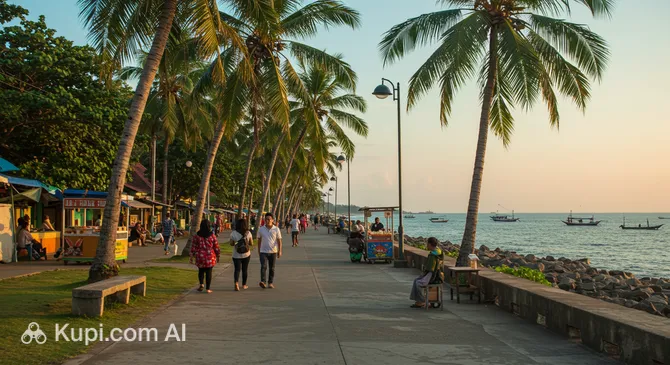
One of the most popular recreational areas in the city is Tepi Laut Park. Located along the coastline, this waterfront promenade serves as a vibrant community hub where locals gather to enjoy the cool sea breeze and spectacular sunsets. It is an excellent spot for a leisurely evening stroll, offering panoramic views of the ocean and easy access to nearby landmarks, making it a perfect introduction to the city's coastal charm.

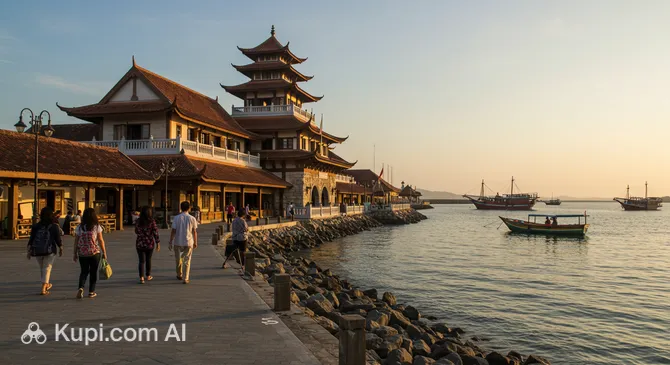
Tepi Laut Park. Source: Kupi.Binoculars

For those seeking a modern shopping and entertainment experience, Tanjungpinang City Center is the place to go. As a major commercial hub, this mall provides a comfortable, air-conditioned retreat from the tropical heat. Visitors can explore a variety of retail stores, catch a movie at the cinema, or enjoy a wide range of dining options, making it a convenient stop for families and travelers needing amenities.

Tanjungpinang City Center. Source: Kupi.Binoculars

Culinary enthusiasts should not miss the opportunity to dine at Manabu Bintan. This restaurant is well-regarded for its inviting atmosphere and a diverse menu that fuses local ingredients with international flair. It stands out as a top choice for a memorable dinner, offering high-quality service and delicious dishes that highlight the evolving food scene in Tanjung Pinang.

Manabu Bintan. Source: Kupi.Binoculars

If you are looking to unwind after a day of exploration, Second Home Bar & Bistro offers a cozy and welcoming environment. Popular among both residents and tourists, this venue is known for its relaxed vibe, refreshing drinks, and often features live music. It is a great place to socialize and experience the friendly nightlife culture of the city.

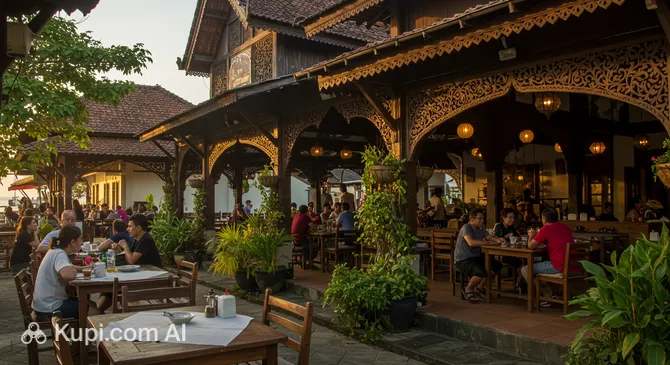
Second Home Bar & Bistro. Source: Kupi.Binoculars

Local Cuisine

Kitchen:

The culinary landscape of Tanjung Pinang is a delightful reflection of its maritime heritage and multicultural history. As a coastal city, it offers an abundance of fresh seafood that is both high in quality and affordable. The local cuisine is heavily influenced by Malay, Chinese, and Indian traditions, creating a fusion of flavors that excites the palate. Visitors can expect a dining scene that ranges from bustling open-air night markets (known locally as Pujasera) to cozy cafes and modern eateries.

One cannot talk about food in this city without mentioning Gonggong, the edible sea snail that has become the culinary icon of the Riau Islands. Typically boiled and served with a spicy chili or pineapple dipping sauce, it is a must-try delicacy found in many local seafood restaurants. Another favorite snack is Otak-otak, a grilled fish cake made with coconut milk and spices, wrapped in banana leaves. The smoky aroma of these grilling parcels often fills the streets, tempting passersby to stop for a quick and savory bite.

For a true local experience, the city's traditional coffee shops, or kopitiams, are the perfect places to start the day. Here, you can enjoy a cup of thick, aromatic coffee paired with Kaya Toast or Nasi Lemak. As the sun sets, the food scene shifts to vibrant hawker centers where vendors serve freshly caught fish, crabs, and prawns cooked in various styles, from sweet and sour to black pepper sauce.

While traditional flavors dominate, the city also caters to diverse tastes. Establishments like Manabu Bintan and Second Home Bar & Bistro offer contemporary dining experiences with varied menus. For travelers craving a taste of home or a familiar international standard, Pizza Hut is available, providing a convenient and comfortable option for families looking for classic pizzas and pasta dishes amidst their culinary adventures.

Pizza Hut. Source: Kupi.Binoculars

Travel Tips

To ensure your visit to Tanjung Pinang is as smooth and enjoyable as possible, a little preparation goes a long way. Whether you are here for the heritage sites or the seafood, keeping these practical tips in mind will help you navigate the city with ease and confidence.

  1. Clothing and Gear: Due to the tropical climate, pack lightweight, breathable fabrics like cotton or linen to stay cool in the humidity. Comfortable walking shoes are essential for exploring the city streets and waterfronts. If you plan to visit religious sites, such as the Grand Mosque on Penyengat Island, remember to dress modestly; shoulders and knees should be covered. Don't forget to bring a universal travel adapter (Type C or F) and a compact umbrella or raincoat, as sudden showers are common.

  2. Transportation: The most convenient way to get around the city is by using ride-hailing apps like Gojek or Grab, which offer both car and motorbike taxi options at fixed prices. Public minivans, known locally as Angkot, ply various routes but can be confusing for first-time visitors. If you are comfortable riding a scooter, rentals are available, but ensure you have an international driving permit and always wear a helmet.

  3. Finances: The official currency is the Indonesian Rupiah (IDR). While credit cards are accepted in major hotels, malls like Tanjungpinang City Center, and modern restaurants, cash is king elsewhere. You will need small denominations for street food stalls, local markets, and traditional transport. ATMs are widely available throughout the city. Tipping is not strictly mandatory, but rounding up the bill or leaving a small amount is a kind gesture for good service.

  4. Health and Safety: Tap water in Indonesia is generally not potable, so stick to bottled or filtered water for drinking and brushing your teeth. Pharmacies, often marked as Apotek, are easy to find for basic medical supplies. The city is generally safe for tourists, but it is wise to keep an eye on your belongings in crowded areas like the ferry terminal or night markets to avoid petty theft.

  5. Communication: The main language is Bahasa Indonesia. While staff at hotels and ferry terminals often speak English, it is less common in traditional markets. Learning a few basic phrases like "Terima Kasih" (Thank you) and "Selamat Pagi" (Good morning) will be warmly received. For connectivity, purchase a local SIM card (Telkomsel has good coverage) at the airport or ferry terminal upon arrival; you will need your passport for registration.

  6. Local Etiquette: Politeness is highly valued in local culture. When greeting people, a handshake is common, often followed by touching your hand to your chest as a sign of respect. Always use your right hand for eating, giving, or receiving items, as the left hand is traditionally considered unclean. If you are invited into a local home or enter a mosque, remember to remove your footwear at the door.

  7. What to Avoid: Avoid public displays of affection, such as kissing or excessive hugging, as this is considered inappropriate in the local conservative culture. Also, never touch anyone on the top of their head, even children, as the head is regarded as the most sacred part of the body.

  8. Ferry Schedules: Since Tanjung Pinang is a major gateway to the Riau Islands, ferry schedules to nearby destinations like Batam or Singapore are crucial. Be aware that schedules can sometimes change due to weather conditions or tides. It is advisable to buy your tickets in advance or arrive at the terminal early, especially on weekends and public holidays.

By following these simple guidelines, you will be well-prepared to embrace the laid-back rhythm of Tanjung Pinang. We hope these tips help you create wonderful memories as you explore the history, culture, and flavors of this unique island city.

Entertainment & Nightlife

Entertainment and Nightlife:

The nightlife in Tanjung Pinang is distinctively laid-back compared to the high-energy party scenes found in other parts of Southeast Asia. Instead of thumping superclubs, the evening entertainment here revolves around socializing, dining, and singing. The city comes alive after sunset with a relaxed atmosphere where locals and tourists mingle in open-air markets, waterfront promenades, and cozy venues. Karaoke, or KTV, is a favorite local pastime, and you will find numerous family-friendly karaoke lounges scattered throughout the city, offering private rooms for groups to sing the night away.

For a quintessential local experience, head to the bustling night markets. Areas like Akau Potong Lembu and Rimba Jaya are legendary spots where the nightlife is centered around food and community. These open-air food courts operate late into the night, serving everything from grilled seafood to refreshing desserts. It is the perfect place to grab a cold beer or fresh juice, soak in the lively chatter, and observe the local culture in its most authentic form. The dress code is universally casual; shorts and t-shirts are the norm.

If you are looking for a more modern setting to enjoy a drink, Second Home Bar & Bistro is a popular choice. It offers a comfortable environment with a selection of beverages and often features live music performances. It is a great spot to unwind after a day of exploring, meeting the needs of travelers seeking a familiar bar atmosphere. The crowd here is a mix of expatriates and locals, creating a friendly and welcoming vibe.

For those who prefer indoor entertainment or a late-night shopping spree, the city's malls remain active into the evening. Tanjungpinang City Center is the premier destination, housing a cinema where you can catch the latest blockbuster movies. It is a safe and cool environment to spend the evening. Another option is Ramayana Tanjung Pinang, a well-known department store that offers a variety of goods and often serves as a landmark for evening activity in its district.

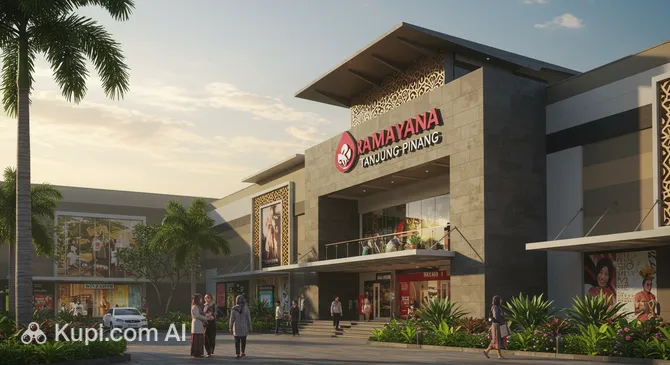
Ramayana Tanjung Pinang. Source: Kupi.Binoculars

Practical advice for enjoying the night includes using ride-hailing apps like Grab or Gojek to get around, as they are reliable and safe for late-night transport. Taxis are also available but ensure the meter is used or a price is agreed upon beforehand. The city is generally safe for night walks, especially in well-lit areas like the Tepi Laut waterfront, but standard travel precautions should always be taken. Prices for entertainment are quite reasonable, with a night out costing significantly less than in neighboring Singapore.

While the nights are for relaxing, daytime entertainment in Tanjung Pinang offers a mix of history and leisure. You can visit the unique Pencil Monument, a symbol of the region's commitment to education, or explore local museums to learn about the Riau Sultanate. Whether day or night, the city offers a charming pace of life that encourages visitors to slow down and enjoy the moment.

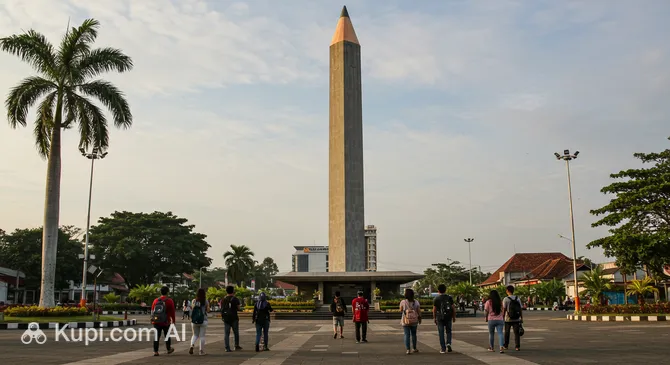
Pencil Monument. Source: Kupi.Binoculars

Parks & Museums

While Tanjung Pinang is often recognized for its bustling ports and seafood, the city also offers serene green spaces and cultural institutions that preserve its rich heritage. Visitors can find a pleasant balance between relaxing in coastal parks and diving into the history of the Riau Sultanate through its museums and monuments.

The most prominent outdoor space in the city is Tepi Laut Park, a beautifully landscaped waterfront promenade that serves as the city's "living room." It is a favorite spot for both locals and tourists to enjoy the cool ocean breeze, watch stunning sunsets, and take leisurely walks along the coast. For families seeking more active recreation, the nearby Areca Water Park offers lush surroundings and water-based fun, providing a refreshing escape from the tropical heat.

For those interested in the region's history, the Sultan Sulaiman Badrul Alamsyah Museum is a key stop. Housed in a former Dutch colonial school, this museum showcases a diverse collection of artifacts, including ceramics, traditional weapons, and historical photographs that narrate the story of Tanjung Pinang's evolution. Another cultural landmark is the Gong Gong Building. While primarily a tourism information center, its unique architecture shaped like the local sea snail makes it a modern cultural icon and a must-visit site for photo opportunities.

The city's dedication to its intellectual history is immortalized by the Pencil Monument. This distinctive structure is not just a quirky landmark but a meaningful symbol of the region's successful fight against illiteracy and its commitment to education. Nearby, the historic island of Penyengat acts as an open-air museum, where visitors can explore ancient palace ruins and royal tombs just a short boat ride from the main city.

For a truly authentic experience, take a trip to the village of Senggarang. This settlement is famous for its centuries-old Chinese temples and traditional wooden houses built on stilts over the water, offering a quiet and atmospheric glimpse into the lives of the local Chinese-Indonesian community.

Getting Around

Navigating Tanjung Pinang is an adventure in itself, as the city does not rely on a large-scale public transport system like a metro, tram, or extensive municipal bus network. Instead, the local transport infrastructure is informal, flexible, and deeply integrated with the city's geography. For tourists, getting around involves a mix of colorful minivans, convenient ride-hailing apps, and, uniquely, small boats that connect the various parts of this coastal settlement.

The backbone of local public transportation is the Angkot (Angkutan Kota), which are small minivans that ply specific routes throughout the city. These vehicles are color-coded—typically red, green, or yellow—to indicate their destination. There are no fixed stops or printed schedules; to catch one, you simply wave your hand from the side of the road. When you are close to your destination, tell the driver to stop. While this system is incredibly affordable, it can be confusing for first-time visitors who do not speak the local language, so having a map app handy is recommended to track your progress.

For a more comfortable and hassle-free experience, ride-hailing applications are widely considered the best option for tourists. Apps like Grab and Gojek operate extensively in the city, offering both car and motorbike taxi services (known as Ojek). This system eliminates the language barrier and the need to negotiate prices, as the fare is fixed and displayed on your phone before you book. You can pay via the app using a linked card or pay the driver in cash at the end of the trip.

Given the city's archipelago nature, water transport is not just a novelty but a necessity. To visit nearby districts located on separate islands, such as the historic Penyengat Island or the settlement of Senggarang, travelers use traditional motorized wooden boats known as Pongpong or Sampan. These boats depart from small jetties along the waterfront. Tickets are purchased directly at the pier, and prices are generally fixed for shared rides, though you can also charter a whole boat for a higher fee if you prefer privacy.

Regarding payment, cash is king for almost all forms of traditional transport. Whether you are taking an Angkot, a conventional taxi, or a Pongpong boat, you will need small denominations of the local currency. Drivers rarely have change for large bills. There are no travel passes, smart cards, or day tickets for the public transport network; you simply pay for each ride individually. If you rent a scooter—a popular choice for those with an international driving permit—you will likely pay the daily rental fee in cash as well.

Travelers should be aware that public transport, particularly Angkots, typically operates from early morning until late afternoon or early evening. After sunset, the frequency of minivans drops significantly, and you will need to rely on taxis or ride-hailing apps. If you choose to take a conventional unmetered taxi, it is crucial to negotiate and agree on the fare before getting into the vehicle to avoid overcharging.

Accommodation

Finding the perfect place to stay in Tanjung Pinang is relatively straightforward, with options that cater primarily to budget-conscious travelers and those seeking comfortable mid-range city hotels. Unlike the northern part of Bintan Island, which is known for its exclusive luxury resorts, the provincial capital focuses more on practical and affordable accommodation. Visitors can expect to find a wide selection of simple guesthouses, standard business hotels, and converted shophouse lodgings that offer good value for money.

For most tourists, the most convenient area to stay is near the waterfront and the ferry terminal. This location places you within walking distance of the bustling markets, local eateries, and the jetty for boats to Penyengat Island. Staying here allows you to immerse yourself in the lively atmosphere of the old town. Alternatively, the newer districts near major shopping malls offer more modern hotel buildings with spacious rooms and updated amenities, suitable for business travelers or families who prefer a quieter environment away from the harbor's hustle.

Accommodation prices in Tanjung Pinang are generally very affordable, especially when compared to the resort areas of Lagoi or neighboring Singapore. Budget travelers can find clean and basic rooms for a very low cost, while mid-range hotels often provide excellent service, air conditioning, and breakfast for a reasonable rate. It is advisable to book your accommodation in advance through major online platforms, particularly if you are visiting during weekends or public holidays, as the city often sees an influx of visitors from Malaysia and Singapore.

Nearby Cities

For those looking to explore the surroundings, Tanjung Pinang serves as an excellent base for day trips to several interesting nearby locations. While the city itself is rich in history, the region offers diverse experiences ranging from bustling metropolitan islands to luxurious resort enclaves, all easily accessible by ferry or a short drive.

Batam is the most popular destination for a quick getaway. Located just a short ferry ride away, it is the largest city in the Riau Islands province and a vibrant hub of activity. Travelers often visit Batam for its expansive shopping malls, affordable spa treatments, and lively seafood restaurants. The city offers a more modern and fast-paced atmosphere compared to the laid-back charm of Tanjung Pinang, making it an exciting contrast for a day of exploration.

For a completely different vibe, the Lagoi area, also known as Bintan Resorts, is situated on the northern coast of the same island. Although not a separate city, this exclusive tourism zone is a world apart, featuring manicured gardens, pristine beaches, and high-end resorts. It is home to the Crystal Lagoon at Treasure Bay, Southeast Asia's first man-made seawater lagoon. A drive of approximately one hour from Tanjung Pinang transports visitors to this manicured paradise, perfect for water sports and relaxation.

Another fascinating option is Singapore. While it is a different country, its proximity makes it a feasible day trip for those with the appropriate travel documents. Regular high-speed ferries connect the terminals, allowing visitors to experience the futuristic skyline, world-class gardens, and diverse culinary scene of the Lion City before returning to the quiet evenings of Bintan.

City Population Distance (km)
Palembang 1,535,952 432
Batam 1,300,000 52
Pekanbaru 983,356 339
Jambi 612,162 349

These nearby destinations offer a glimpse into the diverse culture and landscapes of the region, providing travelers with a variety of options to enhance their stay in the Riau Islands.

Shopping & Souvenirs

Shopping in Tanjung Pinang offers a delightful mix of traditional charm and modern convenience, making it a unique experience for visitors. While the city may not be a high-end fashion capital like nearby Singapore, it is a haven for travelers looking for affordable local goods, authentic snacks, and daily necessities. The city's status within a Free Trade Zone often means that certain imported items, such as chocolates and household goods, can be found at competitive prices, adding an extra layer of appeal to a retail therapy session here.

For those seeking a comfortable and contemporary shopping environment, the city boasts a few key destinations. Tanjungpinang City Center is the largest and most modern mall in the area. It serves as a one-stop destination where you can find a well-stocked supermarket, various fashion boutiques, and a cinema, all within a cool, air-conditioned setting that provides a welcome respite from the tropical heat. Another prominent spot is Ramayana Tanjung Pinang, a department store that is a favorite among locals for its wide range of budget-friendly clothing, shoes, and accessories.

Beyond the malls, the heart of the city's commercial life beats in the Old Town (Kota Lama) area, particularly along streets like Jalan Merdeka and Jalan Teuku Umar. This district is lined with traditional shophouses that have been trading for generations. Here, tourists can wander through bustling lanes filled with stores selling textiles, electronics, and gold jewelry. It is also the best place to find the bustling traditional markets, where the sights and smells of fresh produce and local spices create a vibrant atmosphere.

When it comes to souvenirs, Tanjung Pinang is famous for its dried seafood products, which are considered some of the best in the region. Visitors should look for Ikan Bilis (dried anchovies), which are widely available in various grades and are a staple ingredient in local cooking. Another must-buy item is Kerupuk, or traditional crackers. The Kerupuk Gonggong (made from the local sea snail) and Kerupuk Atom (mackerel fish crackers) are delicious, savory snacks that make for excellent gifts to bring back home.

Regarding practicalities, shopping hours vary depending on the venue. Modern malls typically operate from 10:00 AM to 10:00 PM daily. In contrast, traditional markets and smaller shophouses open much earlier, often around sunrise, and may close by late afternoon (around 5:00 PM). While credit cards are widely accepted in shopping malls and larger supermarkets, cash is essential when exploring the traditional markets and street stalls. It is advisable to carry smaller denominations of Indonesian Rupiah (IDR) to make transactions smoother in these local establishments.

Reached the end of the page?

That means the route is fully explored