Support

Jambi

About

Jambi is a dynamic city located in the eastern part of central Sumatra, serving as a vital economic and cultural hub in Indonesia. As the capital of the province with the same name, it sits along the banks of the majestic Batang Hari River, the longest river in Sumatra. This waterway has been the lifeline of the region for centuries, shaping the local lifestyle and facilitating trade throughout the ages.

With a population of approximately 612,000 residents, the city offers a lively blend of modern urban activity and traditional charm. The climate is typically tropical, ensuring warm temperatures year-round, which is perfect for travelers looking to explore the outdoors. Those interested in the past will find the history of Jambi particularly fascinating, as the area was once the center of the ancient Melayu Kingdom, leaving behind a rich legacy that permeates the city's atmosphere.

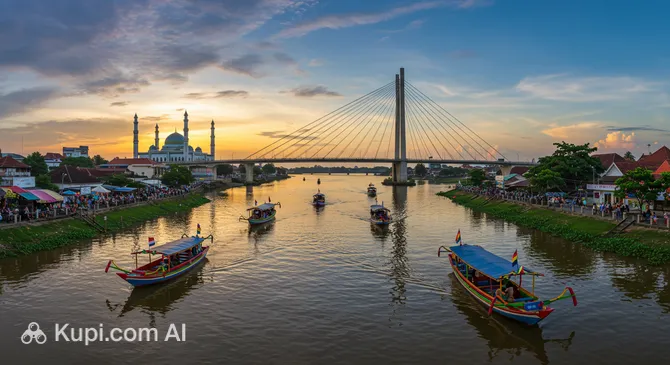
Visitors are often drawn to the iconic Gentala Arasy Bridge, a winding pedestrian bridge that spans the river and connects the city center to the Seberang Jambi cultural district. It offers stunning views, especially at sunset, and features a clock tower museum at its end. Another significant highlight nearby is the renowned Muaro Jambi Temple Compounds, one of the largest and best-preserved ancient Buddhist temple complexes in Southeast Asia. For a taste of local life, the Tanggo Rajo area provides a perfect spot to enjoy local culinary delights right by the riverside.

Whether you are embarking on a trans-Sumatran adventure or seeking a deep dive into ancient culture, Jambi welcomes you with its unique heritage and friendly spirit. It is a destination that promises authentic experiences and a warm welcome to all who visit.

Weather Overview

Travelers planning a trip to this region should prepare for a tropical climate characterized by consistent warmth and high humidity throughout the year. The weather in Jambi remains fairly stable, meaning lightweight, breathable clothing is appropriate regardless of when you visit.

Temperatures typically hover around a comfortable average of 27°C. Daytime highs frequently reach between 30°C and 31°C, while evenings offer a mild reprieve with lows generally settling around 23°C to 24°C. This consistent heat makes the city a year-round destination for those who enjoy tropical warmth.

Rainfall is a significant part of the local climate, with precipitation occurring frequently. The wettest months, such as April and November, can experience rain on up to 28 days of the month. Even during the relatively drier period around July, you can still expect about 18 wet days, so packing a raincoat or umbrella is highly recommended for any outdoor excursions.

Interesting Facts

Beyond the riverfront views and historical sites, Jambi holds fascinating stories and records that often surprise visitors. From ancient legends of its founding to architectural marvels with hidden meanings, here are some unique facts about this Sumatran city.

  • The Legend of the Two Swans: The city’s location was determined by a pair of swans, known locally as Angso Duo. According to legend, the founders released the swans into the Batang Hari River and vowed to build their settlement wherever the birds stopped to rest. The swans chose the current site of the city, earning Jambi the nickname "Tanah Pilih" or "The Chosen Land."

  • A University Larger than Borobudur: While Borobudur is famous for its stone structure, the nearby Muaro Jambi Temple Compounds are built entirely of red brick and cover an area eight times larger. Historical records suggest this massive complex was not just a place of worship but a residential Buddhist university similar to Nalanda in India, attracting scholars from across Asia over a thousand years ago.

  • The Hidden Meaning of Gentala Arasy: The name of the city's iconic pedestrian bridge is actually an acronym. "Gentala" stands for Genah Tanah Lahir (Place of Birth) and honors Abdurrahman Sayoeti, a former governor born in the area. Another interpretation combines "Genta" (bell) and "Arasy" (sky), referring to the clock tower's bell that sounds the prayer call echoing toward the heavens.

  • A City Split by Time: Jambi is unique because crossing the river is like stepping back in time. While the main city is modern, the district known as Seberang Jambi (Jambi Across the River) preserves the atmosphere of an old Malay settlement. Here, residents still live in traditional wooden stilt houses and maintain centuries-old Islamic educational traditions, largely untouched by modern urban development.

How to Get There

Planning a trip to Sumatra requires knowing the best travel options available. For travelers looking for all ways to reach the city, the most direct method is usually by air, although overland journeys offer a scenic alternative for those eager to explore the island's diverse landscapes.

The primary gateway for most visitors is Sultan Thaha Airport (DJB). As the main airport serving the area, it handles a significant number of passengers annually and offers essential connections to major Indonesian hubs like Jakarta. Choosing this airport is generally the most practical option for reaching the city, as it minimizes the need for extensive overland travel compared to arriving in neighboring provinces.

For those exploring the wider region, you might consider arriving at Sultan Syarif Kasim II International Airport (PKU) in Pekanbaru. This is a larger international hub with higher passenger traffic. However, it is located in a different province, and the transfer involves a substantial journey by road. This option is best suited for travelers planning a multi-stop road trip across Sumatra rather than those seeking a quick arrival.

Another alternative is Minangkabau International Airport (PDG) in Padang. Situated in West Sumatra, this airport serves as a starting point for those who wish to experience the island's mountainous terrain. Traveling from Padang to Jambi involves a scenic drive through the countryside, making it a choice for adventurous tourists who have ample time to enjoy the route.

For clarity, here is a summary of the main airports in the region:

Airport Name City Passenger Traffic Km from City
Sultan Syarif Kasim II International Airport Pekanbaru High 241.9
Minangkabau International Airport Padang High 252.0
Sultan Thaha Airport Jambi Medium 135.3
Fatmawati Soekarno Airport Bengkulu Medium 263.2
Lubuk Linggau Silampari Airport Lubuklinggau Low 205.7

Regarding rail travel, there are currently no passenger train services connecting directly to the city center. The railway infrastructure in this part of Sumatra is still developing, and there are no active lines for tourists at this time. Visitors generally rely on the extensive network of intercity buses or private rental cars to navigate the region if they are not flying directly.

If you prefer ground transport, buses connect Jambi to other major cities in Sumatra. While the distances can be long and road conditions variable, bus travel remains a popular and affordable way to see the countryside and experience local travel culture.

Main Attractions

Jambi offers a fascinating mix of historical grandeur and natural beauty, providing travelers with a variety of experiences right within the city and its immediate surroundings. Whether you are a history buff or a nature lover, the local sights provide a deep connection to the rich heritage of Sumatra.

The most significant historical site in the region is the Muaro Jambi Temple Compounds. Located just a short drive from the city center, this vast archaeological complex is one of the largest and best-preserved ancient Buddhist sites in Southeast Asia. Visitors can wander among the mysterious red-brick stupas and temples that date back centuries. The site is expansive and set within a peaceful forest, making it popular to rent a bicycle and ride along the paths connecting the different candis (temples) while soaking in the spiritual atmosphere.

For a scenic escape without leaving the city, Lake Sipin (Danau Sipin) is a must-visit destination. This natural oxbow lake offers a tranquil setting where you can observe the traditional lifestyle of locals living in wooden stilt houses along the water's edge. It is an excellent spot for a leisurely afternoon; you can hire a small boat to paddle around the calm waters, watch local fishermen, or simply relax and enjoy a breathtaking sunset that paints the sky over the lake.

While the pedestrian bridge is a famous landmark, the Gentala Arasy Tower at its end deserves special attention. This impressive clock tower serves as more than just a timekeeper; it houses a museum dedicated to the history of Islamic culture in the province. Inside, tourists can view a collection of ancient manuscripts, artifacts, and historical displays. The base of the tower also provides a fantastic vantage point for viewing the Batang Hari River, especially when the area is illuminated at night.

Families and those interested in local biodiversity often enjoy a trip to Taman Rimba Zoo. Located near the airport, this park allows visitors to see various species of fauna native to Indonesia, including Sumatran tigers and birds. Adjacent to the zoo, you can often find examples of traditional Jambi architecture, such as the Rumah Panggung (stilt house), offering a glimpse into the region's architectural heritage.

Local Cuisine

The local cuisine in Jambi is a delightful reflection of its Malay heritage and its proximity to the Batang Hari River. Gastronomy here is characterized by rich spices, coconut milk, and a heavy emphasis on freshwater fish. For food lovers, the city offers an authentic taste of Sumatra that ranges from savory curries to unique fermented delicacies that you won't easily find elsewhere.

The most iconic dish you must try is Tempoyak. This signature Jambi specialty is made from fermented durian, which creates a creamy, sour, and spicy sauce. It is most commonly cooked with Ikan Patin (silver catfish) fresh from the river. While the idea of fermented fruit might sound unusual to some, the complex flavor profile is a beloved staple of the region. Another local favorite, especially for breakfast, is Nasi Gemuk. Similar to Nasi Lemak, this dish consists of rice cooked in coconut milk and pandan leaves, served with a variety of side dishes like omelets, anchovies, peanuts, and spicy sambal.

For those with a sweet tooth or looking for a lighter snack, look for Kue Padamaran. This traditional green cake is made from rice flour and suji leaf extract, steamed in small boat-shaped banana leaf containers called takir. It has a soft texture and is topped with liquid palm sugar, making it a perfect afternoon treat. You might also encounter Gulai Tepek Ikan, a savory dish consisting of soft fish cakes simmered in a rich, yellowish curry sauce, often reserved for special occasions and weddings but available in specialty restaurants.

When it comes to beverages, the local scene is dominated by refreshing non-alcoholic options. A unique drink to Jambi is Jus Pinang, made from the areca nut. It is often blended with honey and egg yolk and is believed by locals to have health benefits and boost stamina. Coffee culture is also alive and well here; spending time in a traditional kedai kopi (coffee shop) sipping robust Sumatran coffee is a popular pastime. Alcohol is not widely consumed due to local customs, so the nightlife beverage of choice is typically coffee, tea, or fresh fruit juices.

The best way to experience Jambi's food culture is by visiting the Tanggo Rajo area, often referred to by locals as "Ancol." Located along the riverbank near the governor's office, this waterfront promenade comes alive at night. It is an open-air culinary center where tourists and locals gather to enjoy grilled corn (jagung bakar), satay, and warm drinks while enjoying the cool breeze and views of the Batang Hari River. It offers a casual, lively atmosphere that perfectly captures the friendly spirit of the city.

Travel Tips

Visiting Jambi offers a unique glimpse into the authentic lifestyle of Sumatra, and a few practical preparations will ensure your journey is as smooth as it is memorable. These essential tips are designed to help you navigate the local customs, climate, and logistics with the ease of a seasoned traveler.

  1. Clothing and Gear: Given the tropical humidity, pack lightweight, breathable fabrics like cotton or linen to stay cool. Since Jambi is a conservative region with strong Islamic traditions, it is respectful to dress modestly; keep shoulders and knees covered, especially when visiting religious sites or the Seberang Jambi district. Comfortable slip-on shoes are highly recommended, as you will frequently need to remove them before entering homes, mosques, and some traditional shops.
  2. Transportation: The most convenient way to get around the city is by using ride-hailing apps like Gojek or Grab, which offer both car and motorbike taxi options at affordable rates. Public minivans (angkots) exist but can be confusing for visitors without local language skills. For day trips to outlying attractions like the Muaro Jambi Temple Compounds, renting a car with a private driver is the most reliable and stress-free choice.
  3. Finances: The official currency is the Indonesian Rupiah (IDR). While major hotels and modern malls in the city center accept credit cards, cash is king everywhere else. Be sure to carry sufficient small bills for street food stalls at Tanggo Rajo, traditional markets, and small entrance fees. ATMs are widely available in the city, but it is wise to withdraw cash before heading to more remote areas.
  4. Health and Safety: Jambi is generally a safe city for tourists, but standard precautions apply; keep an eye on your belongings in crowded areas. Tap water is not safe to drink, so always stick to bottled or boiled water. Pharmacies, known locally as Apotek, are easy to find, with chains like K-24 often open 24 hours. Don't forget to pack strong insect repellent to protect against mosquitoes, particularly if you plan to visit riverbanks or nature parks near dusk.
  5. Communication: Bahasa Indonesia is the primary language, and English proficiency may be limited outside of the airport and high-end hotels. It is highly useful to download an offline translation app and learn a few basic phrases like "Terima kasih" (Thank you). Buying a local SIM card, preferably from Telkomsel for the best coverage in Sumatra, is recommended upon arrival to stay connected and use navigation maps.
  6. Local Etiquette: The people of Jambi are known for their friendliness, and a smile goes a long way. When greeting locals, a slight bow or placing your hand over your heart is a polite gesture. Always use your right hand for eating, giving, or receiving items, as the left hand is considered unclean in local culture. Additionally, always remove your footwear when entering a private residence or a place of worship.
  7. What to Avoid: Public displays of affection are frowned upon in this conservative society and should be avoided to respect local norms. Also, avoid pointing at people or objects with your index finger; it is more polite to gesture with your right thumb. While alcohol is available in specific venues, drinking in public spaces is not culturally appropriate.
  8. Local Insight: For an authentic evening experience, head to the Ancol area (Tanggo Rajo) along the riverfront after sunset. Most stalls and activities here only fully come to life in the evening. It is the perfect time to mingle with locals, enjoy the cool river breeze, and try the famous roasted corn while watching the lights reflect off the Batang Hari River.

By keeping these practicalities in mind, you will be well-equipped to embrace the warm hospitality and rich culture of Jambi. Enjoy your exploration of this fascinating "Chosen Land" and the hidden treasures it has to offer!

Entertainment & Nightlife

Nightlife in Jambi is distinctively relaxed and centers more on social gatherings and culinary experiences than on the high-energy clubbing scenes found in larger metropolises like Jakarta. The city comes alive after sunset, with locals flocking to open-air venues to enjoy the cooler evening air. The atmosphere is generally casual and friendly, making it easy for travelers to mingle with residents and experience the authentic rhythm of Sumatran urban life.

The heartbeat of the city's evening entertainment is undoubtedly the Tanggo Rajo area, often referred to locally as "Ancol." Located along the banks of the Batang Hari River, this waterfront promenade transforms into a bustling night market as dusk falls. It is the perfect place to soak in the local vibe, where rows of tented stalls serve roasted corn (jagung bakar) and refreshing drinks. The crowd here is diverse, ranging from families to groups of young friends, and the dress code is entirely casual. It is best to visit around 8:00 PM when the area is most vibrant and the lights from the Gentala Arasy Bridge reflect beautifully on the water.

For those seeking a more modern and upscale setting, the city offers several trendy cafes and lounges that stay open late. Venues like Simon & Sons provide a chic atmosphere with a mix of Western and Indonesian comfort food, making them popular spots for a relaxed evening out. Another favorite is Dine & Chat, which offers a cozy environment perfect for unwinding after a day of sightseeing. Coffee culture is huge here, and many local coffee shops remain open well into the night, serving strong Sumatran brews that fuel lively conversations.

While Jambi is not famous for wild nightclubs, there are entertainment options for those looking to sing or dance. Family karaoke lounges are extremely popular and can be found throughout the city, offering private rooms and extensive song lists. For a drink in a more sophisticated setting, hotel bars and lounges, such as the one at the BW Luxury Jambi, provide a safe and comfortable environment where alcohol is available, which might be harder to find in standard street-side eateries due to local customs.

During the day, the entertainment options cater largely to families and culture enthusiasts. Kampoeng Radja is a well-known outbond and amusement park located in the city outskirts, featuring swimming pools, flying foxes, and various rides that appeal to children and teenagers. Alternatively, Jambi Paradise offers a scenic recreational park with water activities and photogenic gardens, making it a pleasant stop for a relaxing afternoon before the evening festivities begin.

When exploring Jambi at night, safety is generally not a major concern in popular areas, but it is wise to stay in well-lit and crowded districts. Public transportation becomes scarce late at night, so the most reliable way to get around is by using ride-hailing apps like Gojek or Grab. These services are affordable, safe, and widely available, allowing you to move easily between your hotel and the riverfront or dining venues without the hassle of negotiating with traditional taxi drivers.

Parks & Museums

While Jambi is often celebrated for its riverfront lifestyle and trade history, the city also maintains a collection of green spaces and cultural institutions that offer a deeper look into its heritage. For travelers, exploring these parks and museums provides a welcome balance to the bustling markets and helps contextualize the rich history of the Melayu Kingdom and the region's struggle for independence.

Hutan Kota Muhammad Sabki (Muhammad Sabki City Forest) is the city's primary green lung, covering roughly 11 hectares. It offers a refreshing escape from the tropical heat, with dense canopy trees, paved jogging tracks, and gazebos perfect for picnics. It is an excellent spot for nature lovers to observe local plant species and enjoy a quiet morning walk. Another botanical highlight is Taman Anggrek Sri Soedewi, a dedicated orchid garden located near the governor's office. This garden showcases a variety of rare and beautiful orchids, including species native to Jambi, making it a colorful and educational stop for botany enthusiasts.

To understand the cultural fabric of the province, a visit to Museum Siginjei (formerly the Jambi State Museum) is essential. This facility houses a comprehensive collection of ethnographical, archaeological, and biological artifacts. The highlight for many is the display of traditional costumes, ancient ceramics, and replicas of the royal regalia, including the famous Keris Siginjei, which symbolizes the power of the Jambi sultans. It provides a thorough narrative of the region's evolution from prehistoric times to the modern era.

Another significant institution is the Museum Perjuangan Rakyat Jambi (Jambi People's Struggle Museum). Dedicated to the local fight for independence against colonial rule, the museum displays dioramas, weapons, and historical documents. The exterior is easily recognizable by the decommissioned military aircraft and vehicles parked on the grounds, which often capture the interest of history buffs and children alike.

For those interested in historical architecture beyond the famous temples, Rumah Batu Olak Kemang offers a glimpse into the past. Located in the Seberang Jambi district across the river, this structure is believed to be the first stone house in the area, built by a local prince. Its architecture is a unique fusion of local, Chinese, and European styles, standing as a silent witness to the multicultural influences that have shaped the city over centuries.

For a truly authentic experience, try visiting the orchid garden in the early morning when the flowers are freshest and the air is cool. Afterwards, a short trip across the river to see the old architecture in Seberang Jambi provides a stark, peaceful contrast to the modern city center, allowing you to step back into a simpler time.

Getting Around

Navigating Jambi is an authentic experience that relies heavily on road-based transportation, as the city does not currently have a metro, tram, or train system. The backbone of local public transport consists of Angkots (Angkutan Kota), which are colorful minibuses that ply specific routes throughout the city. These vehicles are distinctively painted—often in yellow, red, or blue—to indicate their specific destination. While they are the most affordable way to move around, they do not have fixed schedules, simply departing when they have enough passengers.

In recent years, the city has introduced a more modern bus service known as Trans Siginjai. These air-conditioned buses offer a higher level of comfort compared to traditional minibuses and operate on fixed corridors. They are particularly useful for travelers wishing to reach key locations on the outskirts, such as the university area or the road leading toward the Muaro Jambi Temple Compounds. Unlike the angkots, these buses stop only at designated shelters, making the journey slightly more predictable.

The payment system for public transport is straightforward and predominantly cash-based. There are no travel cards or digital passes for the angkots; you simply pay the driver directly when you reach your destination. Fares are very inexpensive, typically ranging from 4,000 to 6,000 IDR per trip. It is essential to carry small bills and coins, as drivers may not always have change for large denominations. For Trans Siginjai buses, tickets are purchased on board or at the terminal, also usually with cash, at a similarly low flat rate.

For most international tourists, the most practical and stress-free alternative is using ride-hailing applications. Services like Grab and Gojek are widely available and extremely popular. These apps allow you to book a car or a motorbike taxi (known locally as an Ojek) with a fixed price stated upfront, eliminating the need to haggle or navigate language barriers. They accept both cash and in-app digital payments, offering a convenient door-to-door service that public buses cannot match.

A unique and culturally significant mode of transport in Jambi is the Ketek boat. These small, traditional wooden boats operate on the Batang Hari River and are the primary way to cross from the main city waterfront to the Seberang Jambi district if you are not walking across the pedestrian bridge. A ride on a Ketek is not just transportation but a scenic experience, costing a nominal fee of a few thousand rupiahs per person.

Travelers should be aware that public transport, particularly angkots, operates mainly during daylight hours, roughly from 6:00 AM to 6:00 PM. After sunset, the frequency of buses drops significantly, and they may stop running altogether. If you plan to be out late enjoying the night market or dining, it is highly advisable to rely on ride-hailing apps or arrange a private taxi to ensure a safe return to your accommodation.

Accommodation

Accommodation in Jambi has developed significantly in recent years, offering a range of options that cater primarily to business travelers and families. The city provides a solid selection of lodging, ranging from budget-friendly guesthouses and "ruko" (shophouse) hotels to modern mid-range establishments and a few upscale luxury hotels. While it lacks the sprawling resorts found in Bali, visitors will find clean, comfortable, and highly affordable places to stay.

The most convenient area for tourists to base themselves is the City Center (Pasar Jambi) and the nearby Thehok district. Staying here places you within easy reach of shopping malls like WTC Batanghari, local eateries, and the main government offices. Another popular option is the area near the Batang Hari River. Hotels in this vicinity often offer river views and quick access to the Tanggo Rajo promenade, making it easy to enjoy the evening food stalls and the view of the Gentala Arasy Bridge.

For travelers seeking high standards of comfort and amenities, the city boasts several well-regarded properties. BW Luxury Jambi is often cited as one of the premier choices, featuring elegant rooms and extensive facilities. Similarly, Swiss-Belhotel Jambi and ASTON Jambi Hotel & Conference Center are popular for their reliable service, swimming pools, and modern breakfast buffets, making them excellent bases for a relaxing stay.

Booking Tip: Jambi is not typically overrun with tourists, so finding a room is usually easy. However, the city can get busy during major national holidays, particularly Idul Fitri (Eid al-Fitr), and when large government events are being held. It is advisable to book your accommodation at least a week in advance during these peak times to secure your preferred hotel.

In terms of pricing, Jambi is a very wallet-friendly destination. Budget rooms can be found for as little as 150,000 to 250,000 IDR per night. Mid-range hotels typically charge between 400,000 and 700,000 IDR, while the top-tier hotels rarely exceed 1,000,000 IDR per night. Most properties are listed on major international booking platforms like Agoda and Booking.com, as well as the popular Indonesian app Traveloka, which often offers the best local rates.

Nearby Cities

Jambi's central location on the island of Sumatra makes it a strategic starting point for travelers wishing to explore the diverse cultures and landscapes of the surrounding provinces. While the distances might seem short on a map, the journey to these neighboring cities often involves winding routes through lush highlands and plantations, offering a scenic adventure for those willing to hit the road.

To the west lies Padang, the capital of West Sumatra. Famous worldwide for its spicy cuisine, particularly Nasi Padang, this coastal city serves as the gateway to the Minangkabau highlands. The journey from Jambi to Padang is a popular route for overland travelers, transitioning from the lowlands up into the stunning mountain ranges that define the western coast of the island.

Heading north, you will find Pekanbaru, a major economic hub in the Riau province. Known for its clean streets and significant oil and palm oil industries, it offers a more modern urban feel compared to other Sumatran cities. It is also a key transit point for those heading towards the Malacca Strait or neighboring countries.

For those interested in colonial history and coastal charm, Bengkulu to the southwest is an intriguing destination. Once a British outpost, it is home to the historic Fort Marlborough and offers access to quiet beaches on the Indian Ocean side of Sumatra. Closer to the provincial border, Lubuklinggau serves as an important transit city, often used as a stopover for travelers crossing between the southern and central parts of the island.

Here is an overview of the nearby cities, their populations, and their approximate distances from Jambi:

City Name Population Distance (km)
Pekanbaru 983,356 246
Padang 914,970 238
Bengkulu 360,495 256
Lubuklinggau 208,225 206
Keluang 200,000 209

Travelers should note that road conditions in Sumatra can vary, and travel times are often longer than expected based on distance alone due to terrain and traffic. Planning ahead and allowing extra time for journeys between these cities is highly recommended.

Shopping & Souvenirs

Shopping:

Shopping in Jambi offers a distinct mix of experiences, ranging from bustling traditional markets that have served the community for generations to modern air-conditioned malls. While the city may not be a massive retail metropolis like Jakarta, it provides everything a traveler might need, along with unique local products that reflect the rich culture of Sumatra. Visitors can enjoy the convenience of contemporary retail centers or dive into the authentic atmosphere of local trade where bargaining is part of the daily rhythm.

The primary commercial hub of the city is the Pasar Jambi district. Located centrally and adjacent to the riverfront, this area is a hive of activity where rows of shophouses sell textiles, electronics, and gold jewelry. It is the beating heart of the city's trade, where the old and new converge. Walking through these streets offers a glimpse into the daily lives of the locals and provides ample opportunity to hunt for affordable clothing and household goods.

For those seeking a modern shopping experience, WTC Batanghari (Wiltop Trade Center) is the most prominent destination. Situated right on the banks of the Batang Hari River, it is more than just a mall; it is a social gathering spot where visitors can shop for branded fashion, watch movies, or dine with a view of the water. Another popular option is Jambi Town Square, locally known as Jamtos. This mall is a favorite among the younger crowd and families, offering a wide department store, a supermarket for stocking up on supplies, and a variety of national restaurant chains.

No visit to Jambi is complete without experiencing Pasar Angso Duo. As one of the largest traditional markets in Sumatra, it is a legendary site where the city's pulse is most palpable. The market is famous for its sheer size and the freshness of its produce. While it can be chaotic and muddy, it is the best place to find fresh tropical fruits, vegetables, and local spices at unbeatable prices. For the most authentic experience, visit in the early morning when the market is at its liveliest.

When searching for souvenirs, Batik Jambi is the top recommendation. Unlike Javanese batik, the local style features distinct motifs such as Angso Duo (two swans) and Durian Pecah (broken durian), often in vibrant red, yellow, and blue colors. You can find high-quality fabrics in the specialized boutiques across the river in the Seberang Jambi district, which is the center of batik production. Food souvenirs are also popular; look for Lempok Durian (a sweet durian toffee) or Krupuk Kemplang, a savory fish cracker that makes for a perfect savory snack to bring home.

Regarding practicalities, modern shopping malls typically operate from 10:00 AM to 10:00 PM daily. Traditional markets like Angso Duo start much earlier, often before dawn, and wind down by the afternoon. While malls and large supermarkets accept major credit cards and digital payments (QRIS), cash is absolutely essential when visiting traditional markets, street stalls, or smaller souvenir shops. ATMs are widely available throughout the city center.

Tourists should be aware that the Tax-Free refund scheme (VAT refund) is generally not available in Jambi city stores. This service is typically limited to specific retailers in major international gateways like Jakarta or Bali. Therefore, visitors should not expect to claim tax refunds on purchases made within Jambi and should plan their budget accordingly.
Reached the end of the page?

That means the route is fully explored