Support

Bengkulu

About

Bengkulu. Source: Kupi.Binoculars

Bengkulu is a captivating coastal city located on the southwestern coast of the island of Sumatra, Indonesia. Known for its laid-back atmosphere and rich cultural heritage, the city serves as the capital of Bengkulu Province. With a population of approximately 360,000 residents, it acts as a significant economic and administrative hub while maintaining a welcoming charm that appeals to travelers seeking an authentic experience away from the busiest tourist trails.

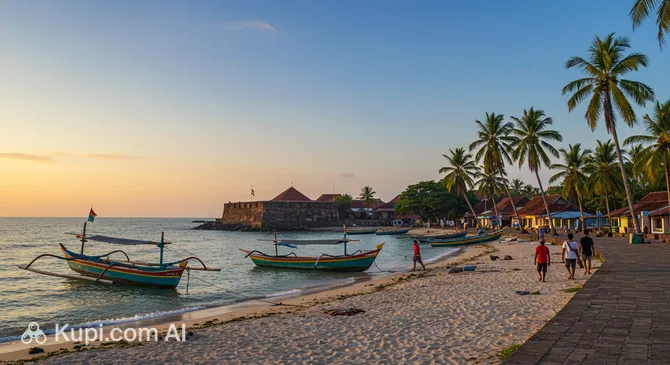
The city boasts a unique position facing the vast Indian Ocean, offering stunning seascapes and a tropical climate that is generally warm and humid year-round. Exploring the history of Bengkulu reveals a fascinating past, particularly its time as a British outpost in the 17th and 18th centuries, which has left an enduring architectural legacy on the cityscape.

Among the city's top attractions is the imposing Fort Marlborough, considered one of the strongest British forts built in the East, which stands as a testament to the colonial era. Another site of great historical importance is the House of Exile of Bung Karno, where Indonesia's founding father, Sukarno, lived during his exile. For those who prefer natural beauty, Pantai Panjang offers kilometers of pristine white sand and crashing waves, making it a perfect spot for sunset strolls.

Whether you are a history enthusiast eager to uncover colonial stories or a nature lover looking to relax by the sea, Bengkulu provides a memorable destination. Its blend of historical intrigue and coastal beauty makes it a worthwhile stop on any Sumatran itinerary.

Weather Overview

Visitors to this coastal city should prepare for a tropical climate that remains warm and humid throughout the year. The temperatures are remarkably consistent, with daily averages staying around 26°C to 27°C. Daytime highs typically reach up to 29°C, particularly in months like May, while the evenings cool down slightly to around 23°C or 24°C, making for comfortable nights.

Rainfall is a significant feature of the local climate, occurring frequently regardless of the season. You can expect rain on approximately 21 to 26 days each month, so it is advisable to keep an umbrella or raincoat handy at all times. To help plan your activities around the forecast, viewing the detailed weather in Bengkulu is highly recommended before your trip.

Interesting Facts

Beyond its scenic coastlines and colonial architecture, Bengkulu holds fascinating secrets that link it to global history and rare natural wonders. This city offers a treasure trove of unique stories that often surprise visitors exploring Sumatra.

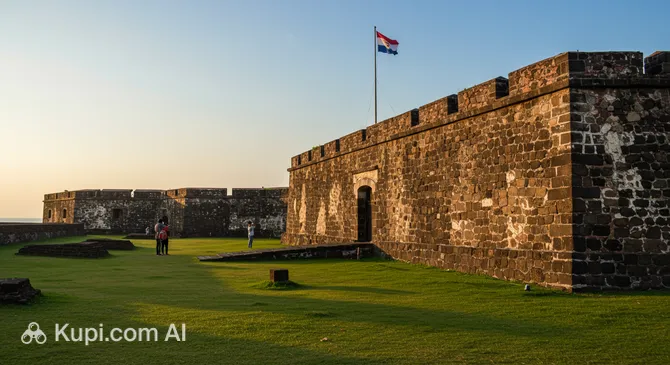
Fort Marlborough. Source: Kupi.Binoculars
  • The Singapore Connection: One of the most significant geopolitical trades in history involved this city. Under the Anglo-Dutch Treaty of 1824, the British ceded their colony of Bencoolen (now Bengkulu) to the Dutch in exchange for the island of Singapore, reshaping the destiny of Southeast Asia.

  • Land of the Giant Flower: The region is famously known as "The Land of Rafflesia" because the Rafflesia arnoldii, the largest individual flower in the world, was first discovered in the nearby jungles in 1818. Named after Sir Thomas Stamford Raffles and Dr. Joseph Arnold, this rare bloom remains a symbol of the province.

  • A Mighty Fortress: The city is home to Fort Marlborough, which is reputed to be the second-largest fortress ever built by the British East India Company in the East. remarkably, the structure has survived centuries of earthquakes and tsunamis, standing as a resilient monument to the past.

  • The Tabot Tradition: Bengkulu hosts the unique Tabot Festival, a vibrant 10-day celebration that traces its roots to Sipahi soldiers from Madras, India, who were brought here by the British. The festival blends local wisdom with South Asian influences to commemorate the grandson of the Prophet Muhammad.

  • Origin of the Flag: The city holds a special place in national pride as the home of Fatmawati, the wife of Indonesia's first president. It was here that she hand-sewed the original Red and White flag (Sang Saka Merah Putih) that was raised during the country's proclamation of independence. Visitors can learn more about her life at the House of Fatmawati Soekarno.

How to Get There

Reaching this coastal city is straightforward, with air travel being the most convenient option for the majority of visitors. Whether you are arriving from Jakarta or exploring other parts of Sumatra, you can find more about how to get to Bengkulu and the specific routes available to suit your itinerary.

The primary gateway is Fatmawati Soekarno Airport (IATA: BKS), which is conveniently located within the city limits, just 11.7 km from the downtown area. It is a regional hub that handles regular domestic flights. Once you land, a taxi or bus ride to the city center typically takes about 40 minutes, making it the most direct and hassle-free entry point for travelers.

For those who might be traveling through the wider region, Lubuk Linggau Silampari Airport (IATA: LLJ) is another option, though it is located in the neighboring city of Lubuklinggau. The airport is approximately 92 km away from Bengkulu. Travelers choosing this route should be prepared for an overland journey of around 2.5 to 3 hours by taxi or bus to reach their final destination.

Visitors planning a more extensive trip across Sumatra might also fly into Sultan Mahmud Badaruddin II Airport (IATA: PLM), an international airport situated in Palembang. However, it is important to note that this airport is about 288 km away. The transfer from Palembang to Bengkulu involves a significant road trip, often taking roughly 7.5 to 8 hours, so this option is best suited for those who intend to explore the scenic overland route rather than those seeking a quick arrival.

For clarity, here is a summary of the main airports:

Airport Name City Passenger Traffic Km from City
Fatmawati Soekarno Airport Bengkulu Medium 11.7
Lubuk Linggau Silampari Airport Lubuklinggau Small 92.1
Sultan Thaha Airport Jambi Medium 283.6
Sultan Mahmud Badaruddin II Airport Palembang Large 288.5

Main Attractions

Bengkulu is a city where history and nature intertwine seamlessly. From colonial fortresses to sweeping coastlines, the city offers a variety of sites that tell the story of its past while providing scenic spots for relaxation. Below are some of the most significant places to explore.

One of the most iconic landmarks in the city is Fort Marlborough. Constructed by the British East India Company between 1713 and 1719, this massive fortress is considered one of the strongest British forts in the East. It stands on a strategic hill facing the Indian Ocean, offering visitors not only a lesson in colonial history but also spectacular views. Inside, you can explore the well-preserved cells, ammunition rooms, and a courtyard containing historical gravestones, making it a fascinating stop for history buffs.

Fort Marlborough. Source: Kupi.Binoculars

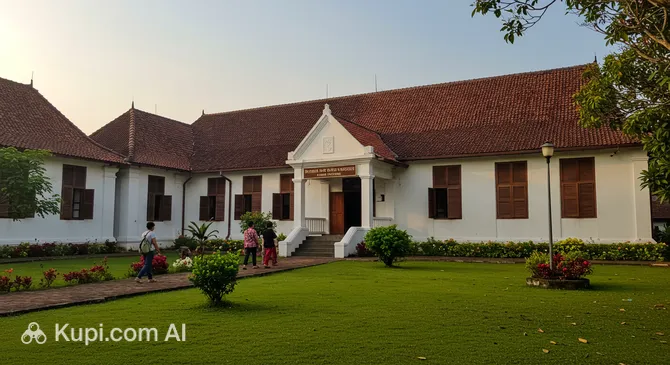
For a deeper dive into Indonesia's struggle for independence, a visit to Soekarno's Exile House is essential. This modest residence was the home of Indonesia's first president, Sukarno, during his exile by the Dutch colonial government from 1938 to 1942. The house has been preserved as a museum, displaying original furniture, his extensive book collection, and the bicycle he used to navigate the city. It offers a personal and intimate glimpse into the life of the founding father during a pivotal time in his life.

Soekarno's Exile House. Source: Kupi.Binoculars

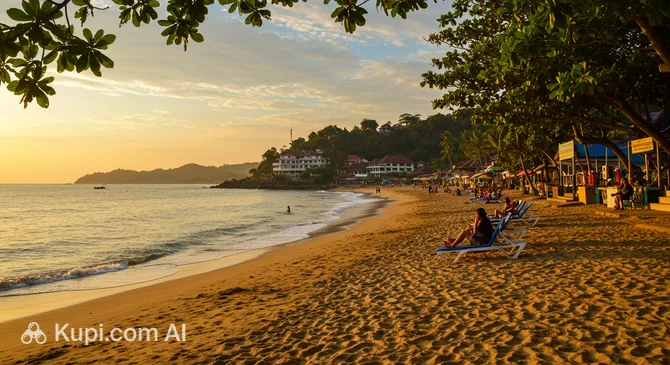
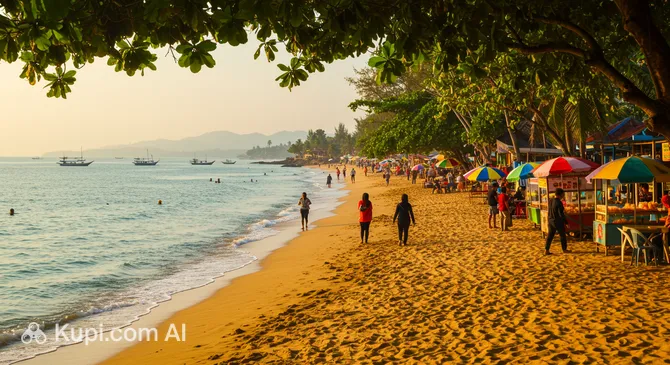
Nature enthusiasts will find their paradise at Pantai Panjang Beach. True to its name, which translates to "Long Beach," this coastline stretches for approximately 7 kilometers along the city's edge. Unlike many other tropical beaches, it is lined with casuarina and pine trees rather than coconut palms, creating a unique and shady atmosphere perfect for picnics and jogging. While the waves can be strong, the wide expanse of white sand makes it the city's premier spot for watching breathtaking sunsets.

Pantai Panjang Beach. Source: Kupi.Binoculars

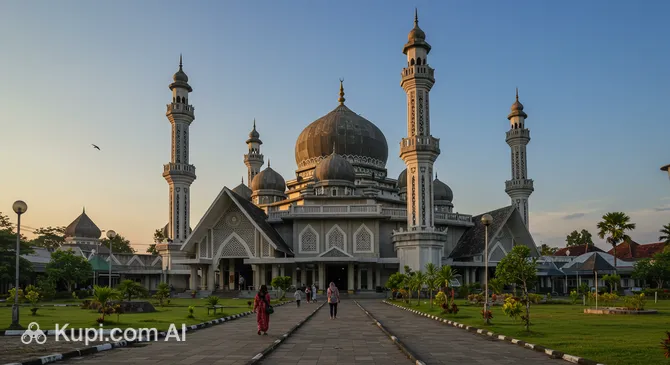
Another architectural gem is the Jamik Mosque of Bengkulu. This active place of worship is celebrated for its distinctive design, which was conceptualized by Sukarno himself during his time in the city. The roof structure is a unique blend of Javanese, Sumatran, and Chinese styles, moving away from the traditional dome usually seen in mosques. Its cultural significance and artistic beauty make it a must-visit for those interested in religious architecture.

Jamik Mosque of Bengkulu. Source: Kupi.Binoculars

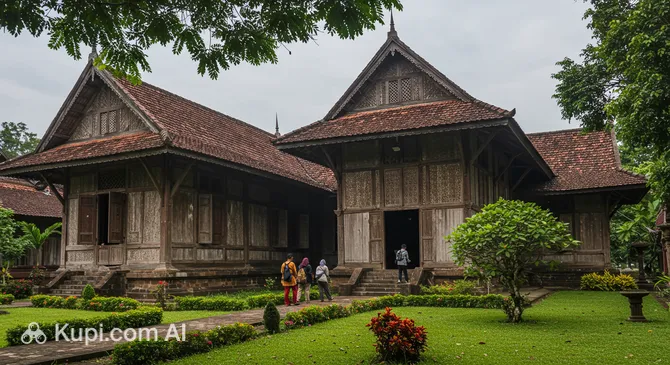
Finally, the House of Fatmawati Soekarno holds a special place in the hearts of locals. This traditional wooden stilt house belonged to Fatmawati, a national heroine and the wife of President Sukarno. It is famous as the site where she hand-sewed the first Red and White flag of Indonesia, which was raised during the Proclamation of Independence in 1945. Visitors can see memorabilia and photographs that celebrate her legacy and contribution to the nation.

House of Fatmawati Soekarno. Source: Kupi.Binoculars

Local Cuisine

The culinary landscape of Bengkulu is a delightful reflection of its coastal geography and rich cultural history. Local food here is characterized by the bold use of spices, fresh seafood, and unique fermentation techniques that distinguish it from other Sumatran cuisines. For food lovers, the city offers a savory journey ranging from spicy curries to refreshing tropical beverages.

One dish that stands out as a true icon of the province is Pendap. This traditional delicacy consists of spiced fish—often mackerel or snapper—wrapped in multiple layers of taro leaves and boiled for hours. The result is a rich, savory dish where the fish absorbs the aromatic paste of garlic, chili, galangal, and turmeric, while the taro leaves become tender and edible. Another favorite is Tempoyak, a condiment made from fermented durian. In Bengkulu, it is commonly cooked into a tangy and spicy fish curry, typically using catfish (ikan patin), creating a flavor profile that is both creamy and pungent.

When it comes to beverages, the city is famous for Sirup Kalamansi. Made from the locally abundant calamansi citrus fruit, this syrup is usually served as an iced drink (Es Jeruk Kalamansi). It offers a perfect balance of sweet and sour, making it incredibly refreshing in the tropical heat. Coffee enthusiasts will also appreciate the local Bengkulu Robusta coffee, which is grown in the distinctive highlands of the province and is known for its strong, full-bodied aroma.

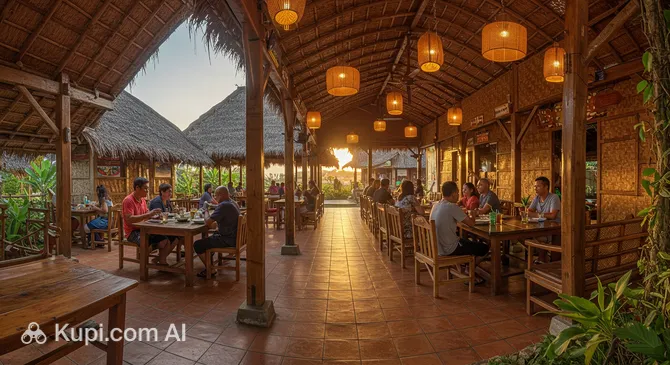
Kampung Kecil. Source: Kupi.Binoculars

The dining scene in Bengkulu caters to all styles, from casual street food to comfortable family restaurants. For a relaxed evening, locals and tourists often head to the stalls lining the coast near Pantai Panjang to enjoy grilled corn or seafood while watching the sunset. For a more established dining experience, you can visit Kampung Kecil, a popular spot known for its traditional bamboo architecture and extensive menu of Indonesian favorites. If you prefer a variety of modern options in one place, the food courts at Bencoolen Mall offer a mix of local snacks and international fast food chains.

Those looking for unique souvenirs often bring home a bottle of Kalamansi syrup or a package of Lempuk Durian, a sweet, toffee-like cake made from durian fruit. Whether you are adventurous enough to try fermented dishes or prefer the freshness of grilled seafood, Bengkulu's gastronomy is sure to leave a lasting impression.

Travel Tips

Welcome to Bengkulu! To ensure your journey through this historic coastal city is as smooth and enjoyable as possible, we have compiled a list of essential travel advice. These practical tips will help you navigate local customs, logistics, and daily life with the confidence of a seasoned traveler.

  1. Clothing and Gear: Given the warm and humid tropical climate, pack lightweight, breathable fabrics like cotton or linen to stay cool. Since rain is frequent throughout the year, carrying a compact umbrella or a light raincoat is highly recommended. If you plan to visit religious sites like the Jamik Mosque, remember to dress modestly; shoulders and knees should be covered, and a scarf is useful for women to cover their heads.

  2. Transportation: The most convenient way to get around the city is by using ride-hailing apps like Grab or Gojek, which offer both car and motorbike taxi options at fixed prices. Public minivans, known locally as Angkot, are colorful and cheap but can be confusing for first-time visitors due to complex routes. For exploring attractions outside the city center, renting a car with a local driver is the most stress-free option.

  3. Finances: The official currency is the Indonesian Rupiah (IDR). While credit cards are accepted in major hotels and shopping centers like Bencoolen Mall, cash is absolute king in local markets, small eateries (warungs), and for transport. ATMs are widely available in the city center, but it is wise to carry small denominations for tips and street purchases.

  4. Health and Safety: Bengkulu is generally safe for tourists, but standard precautions apply. Avoid drinking tap water; always opt for sealed bottled water. As a tropical destination, mosquitoes can be a nuisance and carry diseases, so applying a strong insect repellent is essential, especially during dawn and dusk. Pharmacies are known as Apotek, and many in the city center are well-stocked with basic medical supplies.

  5. Communication: The main language is Bahasa Indonesia. While staff at major hotels may speak English, it is less common among taxi drivers and street vendors. downloading an offline translation app or learning basic phrases like "Terima kasih" (Thank you) will go a long way. For mobile data, purchasing a local SIM card from a provider like Telkomsel ensures the best coverage in Sumatra.

  6. Local Etiquette: Indonesians are incredibly friendly and polite; a smile is the best way to start any interaction. When greeting people, a handshake is common, often followed by touching your hand to your chest as a sign of respect. Always remove your shoes before entering a private home or a mosque. Using your right hand for eating, giving, or receiving items is the cultural norm.

  7. What to Avoid: refrain from using your left hand for eating or handing over money, as it is considered unclean in local culture. Additionally, avoid public displays of affection, such as kissing or hugging, as Bengkulu is a relatively conservative province where modesty is valued.

  8. Sunset Ritual: Do as the locals do and head to Pantai Panjang in the late afternoon. It is not just a beach visit; it is a daily social event where residents gather to jog, eat roasted corn, and watch the sun dip below the Indian Ocean. It is the perfect time to mingle and experience the city's relaxed vibe.

By keeping these tips in mind, you will be well-prepared to embrace the unique charm and history of Bengkulu. We hope your adventure in this "Land of Rafflesia" is filled with wonderful discoveries and warm hospitality!

Entertainment & Nightlife

The nightlife scene in Bengkulu is distinctively laid-back and centers heavily around social gatherings rather than high-energy clubbing. Unlike the bustling party hubs found in other parts of Southeast Asia, the evening atmosphere here is defined by open-air cafes, live acoustic music, and a vibrant street food culture. The most bustling area after dark is undoubtedly the stretch of road along Pantai Panjang Beach. As the sun sets, this area transforms into a lively social strip where locals and visitors alike gather to enjoy the cool ocean breeze.

Along the coastline, you will find numerous "warungs" (small stalls) and beach clubs that stay open late into the night. These venues typically offer casual seating on mats or beanbags right on the sand, creating a relaxed ambiance perfect for conversation. Live bands often perform popular Indonesian pop songs and acoustic covers, adding to the festive mood. For those who enjoy singing, karaoke is a favorite local pastime. Establishments like Ayu Ting-Ting Family KTV provide private rooms where groups of friends can enjoy music and snacks in a comfortable, air-conditioned environment.

Ayu Ting-Ting Family KTV. Source: Kupi.Binoculars

For a mix of dining, shopping, and entertainment, modern complexes such as Bencoolen Mall are popular evening destinations. Here, you can catch the latest movies at the cinema or enjoy late-night dining at various restaurants. Another excellent spot for a family-friendly evening is Berkas Beach Park. This revitalized area offers a pleasant promenade for night walks, illuminated by colorful lights and surrounded by food vendors selling local snacks like grilled corn and fresh coconut.

Berkas Beach Park. Source: Kupi.Binoculars

Practical Advice: The best time to experience the city's nightlife is on Friday and Saturday nights when the beach area is most vibrant. The dress code is generally casual; t-shirts, jeans, and modest attire are the norm, and there is no need to dress up formally unless you are attending a specific event. Prices are very affordable, with local snacks and drinks costing just a few dollars. For transportation, it is safest and most convenient to use ride-hailing apps like Grab or Gojek to get around at night, as public transport becomes scarce after dark.

Safety: Bengkulu is generally safe for night walks, especially in crowded areas like the Pantai Panjang strip. However, it is advisable to stay in well-lit, populated zones and avoid walking alone on deserted stretches of the beach late at night. Always keep an eye on your belongings in busy crowds.

During the daylight hours, the city offers a different kind of entertainment focused on history and culture. Visitors can explore the well-preserved rooms of colonial-era buildings or enjoy panoramic views of the city from the View Tower near the town square. For families, the local museums provide an educational escape from the heat, offering insights into the region's pivotal role in Indonesia's independence.

Parks & Museums

Bengkulu offers a refreshing mix of open green spaces and rich cultural institutions that allow visitors to connect with both the region's natural beauty and its storied past. From pine-shaded coastal parks to museums housing pivotal artifacts of Indonesian independence, the city provides ample opportunities for leisure and learning.

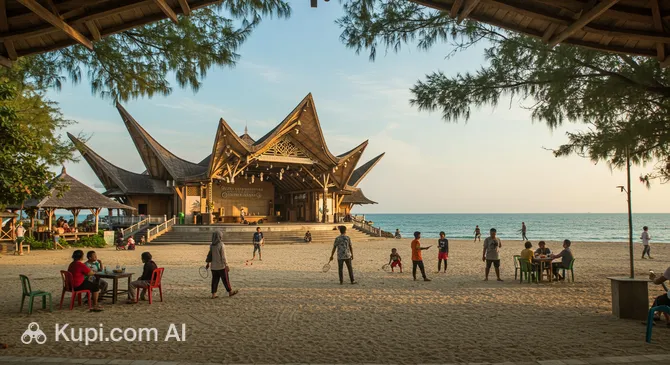
For those seeking outdoor recreation, the Pantai Panjang Sport Center is a hub of activity located just steps from the ocean. This area is designed for health and fitness enthusiasts, featuring jogging tracks, volleyball courts, and open spaces where locals gather for morning gymnastics. It serves as a perfect complement to the adjacent beach, allowing visitors to enjoy the sea breeze while staying active.

Pantai Panjang Sport Center. Source: Kupi.Binoculars

Another excellent spot for relaxation is Berkas Beach Park. While it is a popular evening destination, during the day it functions as a pleasant community park. The area is landscaped with pathways and seating areas shaded by trees, making it an ideal location for families to have a picnic or simply enjoy the coastal atmosphere without the intensity of the open sand. The park's design integrates seamlessly with the natural coastline, offering a clean and organized environment for leisure.

When it comes to museums, the city is deeply connected to the founding of the nation. Soekarno's Exile House is a modest yet powerful museum that preserves the domestic life of Indonesia's first president during his internment. Inside, visitors can examine personal effects, including his bicycle, books, and household furniture, which provide an intimate look at his years of struggle and contemplation in Bengkulu.

History buffs should also explore the galleries within Fort Marlborough. While the structure itself is a monument, the interior rooms house a collection of historical documents, maps, and artifacts from the British East India Company era. These exhibits explain the strategic importance of the spice trade and the geopolitical shifts that occurred in the region, offering context to the massive stone walls that surround you.

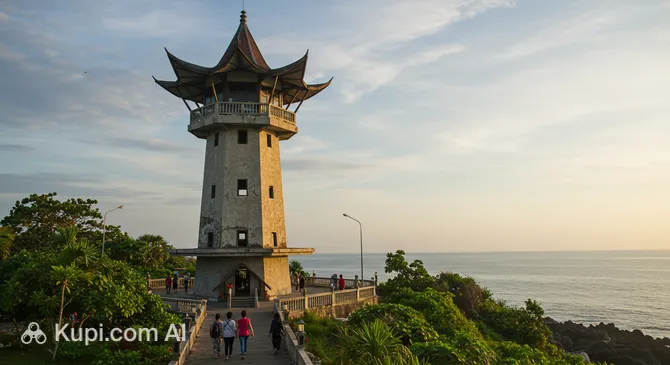
In terms of landmarks, the View Tower stands as a prominent architectural feature near the city square. Rising above the surrounding buildings, this tower was built to provide panoramic views of the cityscape and the nearby Governor's office. It serves as a modern marker in the city center and is a recognizable meeting point for locals.

View Tower. Source: Kupi.Binoculars

Another significant site is the House of Fatmawati Soekarno. This traditional wooden house on stilts is not just a residence but a repository of national history. It contains the original sewing machine used to stitch the first Red and White flag of Indonesia, making it a pilgrimage site for those wishing to honor the country's heritage.

For an authentic experience away from the city center, consider a trip to Danau Dendam Tak Sudah (Lake of Eternal Grudge). Despite its ominous name, this nature reserve is a tranquil sanctuary filled with rare orchids and endemic flora. It offers a peaceful retreat for birdwatching and enjoying the lush tropical scenery that defines the province's interior.

Getting Around

Navigating Bengkulu is a relatively straightforward experience, though the city does not possess the complex rapid transit systems found in larger metropolises like Jakarta. There is no metro, tram, or train service within the city limits. Instead, the public transport network relies primarily on road-based options, offering a mix of traditional minibuses and modern digital solutions that cater to both locals and visitors.

The backbone of local public transportation is the Angkot (Angkutan Kota), which are colorful minibuses that ply specific routes throughout the city and its suburbs. These vehicles are easily recognized by their distinct colors—often blue, yellow, green, or red—which indicate their specific destination. Angkots do not have fixed stops; passengers can hail one simply by waving their hand from the side of the road and can request to get off anywhere along the route by saying "Kiri" (left) to the driver.

For payment, the system remains traditional and cash-based. There are no travel cards or digital passes for the Angkot network. The fare is generally flat and very affordable, typically costing around IDR 4,000 to IDR 5,000 per trip. It is highly advisable to carry small denominations of Indonesian Rupiah, as drivers may not always have change for large bills. You pay the driver directly when you exit the vehicle.

For tourists who prefer comfort and convenience, ride-hailing apps are the most popular alternative. Services like Grab and Gojek are widely available and operate efficiently across the city. These apps allow you to book both cars (Gocar/GrabCar) and motorbike taxis (GoRide/GrabBike). The major advantage for travelers is the fixed pricing model, which eliminates the need to negotiate fares, and the ability to track your journey in real-time. Payment can be made via cash or through the app's digital wallet.

Conventional taxis are also available but are less frequently seen cruising the streets compared to ride-hailing vehicles. They are mostly found waiting at strategic locations such as Fatmawati Soekarno Airport, major hotels, and shopping centers. If you choose a regular taxi, ensure the driver uses the meter or agree on a fare before starting the trip to avoid misunderstandings.

For those seeking more independence, renting a motorbike is a common choice. Rental shops are scattered around the city center and near popular tourist areas. This option offers the flexibility to explore coastal roads and hidden spots at your own pace. However, ensure you have a valid international driving permit and always wear a helmet, as traffic conditions can be unpredictable.

Becaks (cycle rickshaws) may still be found in certain older parts of town or near markets. While they are not suitable for long distances, they offer a leisurely and nostalgic way to travel short stretches while soaking in the local atmosphere. Negotiating the price beforehand is essential when using this mode of transport.

Generally, public transport operates from early morning, around 06:00 AM, until early evening, roughly 06:00 PM or 07:00 PM. After sunset, the frequency of Angkots drops significantly, making ride-hailing apps or taxis the only reliable options for getting around at night.
Accommodation

Travelers visiting Bengkulu will find a welcoming range of accommodation options that cater primarily to budget-conscious tourists and those seeking mid-range comfort. The city is not known for high-end international luxury chains; instead, the hospitality scene is dominated by locally managed hotels, charming guesthouses, and comfortable three-to-four-star establishments. These accommodations typically offer good value for money, with essential amenities such as air conditioning and Wi-Fi being standard across most reputable properties.

When choosing where to stay, two main areas stand out for their convenience and atmosphere. The most popular zone for leisure travelers is along the Pantai Panjang coastal strip. Hotels here often feature sea views and provide immediate access to the beach, making it easy to enjoy morning walks or the vibrant culinary scene that comes alive at sunset. Alternatively, the City Center—particularly around the Suprapto and Simpang Lima districts—is ideal for those who prefer to be close to historical landmarks like Fort Marlborough, as well as major shopping centers and government offices.

The cost of accommodation in Bengkulu is generally very affordable. Budget travelers can find clean rooms in homestays or "losmen" for as little as IDR 150,000 to IDR 250,000 per night. Mid-range hotels, which often include breakfast and swimming pools, typically range from IDR 400,000 to IDR 800,000. While you can often find a room by walking in, it is advisable to book in advance through major online travel platforms, especially if you plan to visit during the annual Tabot Festival or national holidays, when the city experiences a significant influx of visitors.

Nearby Cities

For those looking to explore the surroundings, Bengkulu serves as an excellent base for day trips to several interesting nearby locations. While the vast size of Sumatra means that major provincial capitals are best suited for overnight stays or short visits, there are accessible options for those seeking a change of scenery.

The most practical destination for a day trip is Lubuklinggau. Located roughly an 86-kilometer drive through the mountains, this city offers a refreshing escape with natural attractions such as Bukit Sulap, a large hill that provides panoramic views of the region and features an inclinator (funicular) for easy access. Another highlight is the Temam Waterfall, often referred to as a "Mini Niagara" due to its wide, curtain-like flow, making it a popular spot for photography and picnics.

For travelers willing to embark on a longer journey for a short holiday, the city of Palembang offers a rich cultural experience. Although it requires a significant drive, it is famous as the oldest city in Indonesia and the home of the iconic Ampera Bridge. Culinary enthusiasts often make the trip just to taste the authentic Pempek (savory fish cakes) right from its source. Similarly, Jambi offers historical depth with the ancient Muaro Jambi Temple Complex, one of the largest archaeological sites in Southeast Asia.

City Population Distance (km)
Palembang 1,535,952 294
Bandar Lampung 1,166,761 378
Padang 914,970 379
Jambi 612,162 256
Lubuklinggau 208,225 86

These nearby destinations offer a glimpse into the diverse culture and landscapes of the region, ranging from highland nature retreats to bustling historical river cities.

Shopping & Souvenirs

Shopping in Bengkulu offers a delightful mix of modern convenience and traditional charm. While the city may not be a sprawling retail metropolis like Jakarta, it provides a unique opportunity to discover authentic Sumatran crafts and local delicacies. Visitors can explore everything from air-conditioned shopping centers to bustling street markets where the vibrant local culture is on full display.

For those who enjoy browsing through rows of local shophouses, Jalan Soeprapto is the city's primary shopping street. This historic district is the commercial heartbeat of the town, lined with stores selling clothing, electronics, and accessories. It is an excellent place to find local textiles and interact with friendly shopkeepers. Walking down this street gives you a sense of the daily rhythm of the city, away from the more sanitized environment of modern malls.

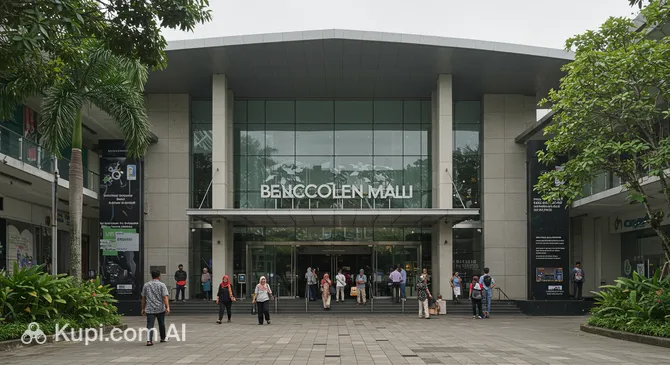
If you prefer a modern retail experience, the city has a few key destinations. Bencoolen Mall, often referred to as BenMall by locals, is the most popular hangout spot. Uniquely located right next to the beach, it allows you to combine a shopping spree with a seaside view. Inside, you will find a supermarket, national fashion chains, and a cinema. Another central option is Mega Mall Bengkulu, which features a large department store and various smaller boutiques offering affordable goods.

Bencoolen Mall. Source: Kupi.Binoculars

To experience the authentic pulse of the city, a visit to a traditional market is a must. Pasar Panorama is the largest and most vibrant market in Bengkulu. Here, the senses are overwhelmed by the sights and smells of fresh spices, tropical fruits, and vegetables. It is the best place to buy fresh produce if you are self-catering, or simply to observe the lively trade that takes place every morning. Be prepared for a crowded and energetic atmosphere.

When it comes to souvenirs, Bengkulu is famous for Kain Besurek, a distinctive batik fabric characterized by motifs resembling Arabic calligraphy mixed with the Rafflesia flower. It is a cultural icon of the province and makes for a beautiful, lightweight gift. Food souvenirs are also highly recommended; look for Lempuk Durian (a sweet durian cake) or bottles of Sirup Kalamansi, the region's signature citrus syrup, which are widely available in souvenir shops around the city center.

Most shopping malls and modern stores operate from 10:00 AM to 10:00 PM daily. Traditional markets, however, are busiest in the early morning, often starting as early as 05:00 AM and winding down by midday. While credit cards are accepted in malls, supermarkets, and hotels, cash is essential for street markets, small souvenir shops, and local eateries. Ensure you carry enough Indonesian Rupiah in smaller denominations for these transactions.

Regarding tax-free shopping, tourists should note that the VAT refund scheme in Indonesia is typically available only at registered retailers in major international gateways like Jakarta or Bali. In a smaller city like Bengkulu, tax-free shopping services are generally not available, so visitors should not expect to claim VAT refunds on local purchases.

Reached the end of the page?

That means the route is fully explored