Support

Lubuklinggau

About

Welcome to Lubuklinggau, a dynamic city located in the province of South Sumatra. Known for its strategic position as a transit hub connecting various regions, this destination offers a unique blend of urban energy and stunning natural landscapes. Whether you are traveling across Indonesia or looking for a distinct local experience, the city provides a welcoming atmosphere for all visitors.

Geographically, the city is situated in the western part of the province and serves as a gateway to the highlands. With a population of over 200,000 residents, it is a bustling center of activity that continues to grow. The climate is typically tropical, making it a lush and green environment year-round. For those interested in the origins and development of this regional center, the history of Lubuklinggau reveals its transformation from a small settlement into an important administrative and economic node.
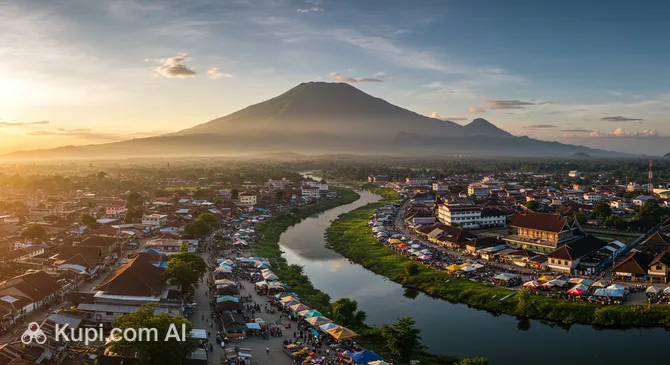
Lubuklinggau. Source: Kupi.Binoculars

Nature lovers will find plenty to admire here. One of the most iconic landmarks is Bukit Sulap, a large hill that dominates the skyline and offers panoramic views of the city; it is also known for its incline elevator, which provides easy access to the top. Another must-visit spot is the Temam Waterfall, often referred to as "Little Niagara" due to its wide, curtain-like flow, which lights up beautifully at night. These natural wonders make the city more than just a stopover.

Whether you are passing through on a longer journey or planning a specific trip to explore South Sumatra, Lubuklinggau invites you to discover its scenic beauty and friendly local culture. It is a delightful place to pause, explore, and create new travel memories.

Weather Overview

Lubuklinggau features a tropical climate defined by consistent warmth and frequent rainfall throughout the year. The weather remains stable across the seasons, with average monthly temperatures generally staying between 24.5°C and 25.7°C. Days are typically warm, with maximum temperatures reaching up to 29.6°C in October, while nights are pleasant with lows rarely dropping below 20.9°C.

Precipitation is a steady companion in this region, and visitors should expect rain during most months. The city experiences a high number of wet days, particularly in December and January, when rain can occur almost daily. The period from July to September is relatively drier in terms of frequency, with fewer rainy days compared to the rest of the year. For a detailed forecast to help you plan your outdoor activities, you can check the weather in Lubuklinggau before your trip.

Interesting Facts

Beyond its scenic landscapes and bustling streets, Lubuklinggau holds several intriguing details that often escape the casual observer. From historical engineering feats to the mystical origins of its landmarks, there is much more to uncover in this South Sumatran city.

  • The "Magic" Hill: The city's famous landmark, Bukit Sulap, literally translates to "Magic Hill." Local folklore suggests the name comes from the hill's tendency to seemingly change shape or vanish completely when shrouded in the thick morning mist, playing tricks on the observer's eyes.

  • A Colonial Waterfall: The Watervang Dam is not just a scenic spot but a piece of history. Constructed by the Dutch colonial government in 1941 to irrigate local rice fields, this weir on the Kelingi River creates a beautiful artificial cascade that has become a favorite recreational area for residents.

  • End of the Line: Lubuklinggau serves as a vital historical transit point due to its railway station. Built in the early 1930s, it stands as the westernmost terminus of the South Sumatra railway network, marking the final stop for trains traveling from Palembang before travelers switch to road transport to reach the western coast.

How to Get There

Reaching this destination is relatively straightforward, with options ranging from direct flights to overland journeys through the scenic landscapes of South Sumatra. For travelers planning their route, you can find more details on how to get to Lubuklinggau, including various transport combinations. The city is well-connected to major regional hubs, making it accessible for both domestic and international visitors.

The most convenient entry point is Lubuk Linggau Silampari Airport (LLJ), located directly in the city, just 6.8 km from the center. Travelers arriving here can reach the downtown area in approximately 30 minutes by taxi or car. Although it is a smaller airport with lower passenger traffic, it offers the distinct advantage of landing right at your destination, saving significant travel time compared to other options.

Alternatively, visitors can fly into Fatmawati Soekarno Airport (BKS) in the neighboring city of Bengkulu. This airport is about 84.9 km away from Lubuklinggau. The overland journey from Bengkulu takes roughly 2.5 hours, offering a drive through the mountainous terrain of the Bukit Barisan range. Another major option is Sultan Mahmud Badaruddin II Airport (PLM) in Palembang. While it is a large international hub with high passenger traffic, it is located approximately 209.6 km away, requiring a travel time of around 5.5 hours by road to reach Lubuklinggau.

For clarity, here is a summary of the main airports:

Airport Name City Passenger Traffic Km from City
Sultan Mahmud Badaruddin II Airport Palembang Large 209.6
Sultan Thaha Airport Jambi Medium 203.5
Fatmawati Soekarno Airport Bengkulu Medium 84.9
Lubuk Linggau Silampari Airport Lubuklinggau Small 6.8

In addition to air travel, Lubuklinggau is a key railway terminus in South Sumatra. The city is connected by a daily train service from Palembang, which is a popular choice for those who prefer a scenic rail journey over a long drive. Buses and shared travel cars are also widely available from neighboring provinces, providing flexible options for budget-conscious travelers.

Main Attractions

Bukit Sulap is undoubtedly the most iconic natural landmark in the city, rising majestically to watch over the urban landscape. This lush hill offers a refreshing escape with its cool air and verdant surroundings, making it a favorite spot for nature enthusiasts. It is particularly famous for its incline elevator, a funicular train that transports visitors up the steep slopes. Reaching the summit rewards travelers with spectacular panoramic views of Lubuklinggau and the surrounding highlands, which are especially breathtaking during sunrise or sunset.

Another spectacular site is Temam Waterfall, widely known among locals as "Little Niagara" due to its elongated, curtain-like shape. Located about 11 kilometers from the city center, this waterfall spans approximately 25 meters in width and drops 12 meters into a natural pool. The area is well-developed for tourism, featuring a suspension bridge that allows visitors to view the falls from above. It becomes even more enchanting at night when colorful LED lights illuminate the cascading water, creating a magical atmosphere.

Masjid Agung As-Salam stands as a symbol of religious tourism and architectural beauty in the heart of the city. This grand mosque is renowned not only for its spiritual significance but also for its stunning outdoor plaza. The grounds feature a magnificent "curtain fountain" and unique lighting towers designed to look like date palm trees. In the evenings, the mosque area comes alive with lights and activity, serving as a peaceful gathering place for families and visitors to enjoy the city's vibrant culture.

For a blend of history and recreation, Watervang is a fascinating stop. This weir on the Kelingi River was originally constructed by the Dutch colonial government in 1941 for irrigation purposes. Today, it serves as a scenic recreational park where the water cascading over the dam creates a soothing, artificial waterfall effect. The shaded banks and calming sounds of the river make it an ideal location for a relaxing picnic or a leisurely walk, offering a glimpse into the region's colonial past while enjoying nature.

Local Cuisine

The culinary scene in Lubuklinggau is a vibrant reflection of South Sumatran culture, characterized by rich spices, savory broths, and a love for bold flavors. Food here is more than just sustenance; it is a spicy and aromatic adventure. The local cuisine shares many similarities with the neighboring city of Palembang but maintains its own distinct charm, often utilizing fresh freshwater fish and locally grown ingredients like durian and chili.

One dish you simply cannot miss is Tempoyak. This unique regional specialty is made from fermented durian, which creates a creamy, sour, and pungent paste. In Lubuklinggau, it is most commonly cooked as a rich curry with freshwater fish, such as catfish (patin) or carp. The fermentation process transforms the fruit's sweetness into a savory tang that pairs perfectly with steaming white rice. Another staple is Pindang, a hot and sour fish soup seasoned with turmeric, lemongrass, and basil leaves. It strikes a refreshing balance between spicy and tangy, making it a favorite comfort food among locals.

For a lighter bite or a savory snack, the city offers excellent Pempek. While this fish cake delicacy is famous throughout the province, the versions found here—especially Pempek Panggang (grilled fish cake)—are beloved for their smoky flavor and chewy texture. These are typically served with Cuko, a dark, sweet, and spicy vinegar-based sauce that packs a punch. If you have a sweet tooth or need to cool down, try Es Kacang Merah, a dessert drink featuring red kidney beans, shaved ice, syrup, and condensed milk.

The food culture in Lubuklinggau is casual and community-oriented. As the sun sets, the city comes alive with various night markets and street food stalls, particularly around the city center and near the major mosques. Locals often enjoy dining at lesehan establishments, where guests sit on mats around low tables, creating a relaxed and communal atmosphere. Whether you are exploring a bustling market or sitting in a humble roadside warung, the warmth of the hospitality is as memorable as the spice in the food.

Travel Tips

Visiting Lubuklinggau offers a chance to experience authentic South Sumatra, but a little preparation goes a long way in a city that is less commercialized than major tourist hubs. These practical tips will help you navigate the local customs and logistics smoothly, ensuring a hassle-free journey.

  1. Clothing and Gear: Due to the tropical climate, lightweight and breathable fabrics like cotton are essential to stay cool. Since rain can occur unexpectedly, especially in the afternoons, carrying a compact umbrella or raincoat is highly recommended. If you plan to visit religious sites like Masjid Agung As-Salam, dress modestly by covering your shoulders and knees.
  2. Transportation: The most common way to get around is by angkot (public minivans), which follow specific routes across the city. For more convenience, ride-hailing apps like Gojek or Grab are available and are perfect for booking motorcycle taxis (ojek) or cars. If you plan to explore the surrounding waterfalls, renting a car with a driver is the most comfortable option.
  3. Finances: The official currency is the Indonesian Rupiah (IDR). While credit cards are accepted in major hotels and supermarkets, cash is king in Lubuklinggau. Be sure to carry sufficient cash for street food, traditional markets, and small entrance fees. ATMs are widely available in the city center for withdrawals.
  4. Health and Safety: Tap water is not potable; always drink bottled or boiled water to avoid stomach issues. As the city is surrounded by nature, mosquito repellent is a must to protect against insect bites. Pharmacies, known locally as Apotek, are easy to find for basic medical supplies, with chains like Kimia Farma being reliable options.
  5. Communication: Bahasa Indonesia is the primary language spoken here. English proficiency may be limited outside of high-end hotels, so downloading an offline translation app is very helpful. Buying a local SIM card, preferably from Telkomsel for the best coverage in Sumatra, will ensure you stay connected.
  6. Local Etiquette: Politeness is highly valued in local culture. Always use your right hand when eating, shaking hands, or giving and receiving money, as the left hand is considered unclean. It is also customary to remove your footwear before entering someone's home or a mosque.
  7. What to Avoid: Avoid public displays of affection, such as hugging or kissing in the streets, as the region is socially conservative. Additionally, never touch an adult or child on the head, as it is regarded as the most sacred part of the body in local culture.
  8. Additional Tip: If you plan to ride the incline elevator at Bukit Sulap, try to visit on a weekday morning if possible. It can get quite crowded with local families on weekends, and arriving early ensures you get the best views without a long wait.

By keeping these suggestions in mind, you will be well-equipped to enjoy the warm hospitality and natural beauty of the city. Embrace the relaxed local pace of life, and your time in this charming part of Sumatra will be a memorable adventure.

Entertainment & Nightlife

Nightlife in Lubuklinggau is defined by a vibrant social culture rather than a high-energy clubbing scene. The city comes alive after sunset, shifting its focus to culinary exploration, live acoustic music, and the Indonesian tradition of "nongkrong"—hanging out with friends for hours over coffee and snacks. The atmosphere is welcoming, safe, and generally family-friendly, making it easy for visitors to mingle with locals and experience the authentic rhythm of the city.

The main artery of evening entertainment is Jalan Yos Sudarso. This bustling thoroughfare stretches across the city and is lined with bright neon signs, modern coffee shops, and karaoke lounges. It is the perfect place to take a night walk, as the street remains active well into the night. Another major hub is the area around Taman Kurma (Date Palm Park), located at the Masjid Agung As-Salam complex. In the evening, the unique pillars shaped like date palms light up in various colors, creating a festive environment where crowds gather to enjoy street food and the cool night air.

For a specific venue that offers a unique nighttime experience, Temam Waterfall is a must-visit. Unlike typical natural sites that close at dusk, this attraction stays open and features colorful LED lighting that illuminates the cascading water, turning the "Little Niagara" into a glowing spectacle. If you prefer indoor entertainment, Lippo Plaza Lubuklinggau offers a modern escape with its cinema complex, arcade centers, and a variety of restaurants that stay open late, providing a comfortable setting for a movie or a late dinner.

During the daylight hours, entertainment options shift towards culture and recreation. History buffs can explore the Subkoss Garuda Sriwijaya Museum, which houses artifacts related to the struggle for independence in South Sumatra. Families often flock to the local water parks to cool off, while the city's parks offer green spaces for leisurely afternoon strolls before the evening crowd arrives.

When venturing out at night, it is best to dress casually but modestly to respect local customs. The peak hours for nightlife are typically between 7:00 PM and 11:00 PM. Prices are very affordable, with coffee and meals costing significantly less than in Indonesia's major tourist hubs. The city is generally safe for tourists, especially in well-lit areas like the city center. To get around safely and conveniently, it is recommended to use ride-hailing apps or official taxis rather than walking long distances alone late at night.

Parks & Museums

Lubuklinggau offers a refreshing blend of urban green spaces and deep-rooted historical heritage, making it a city that caters to both nature lovers and history buffs. Beyond its bustling transit routes, the city maintains several lush areas for recreation and preserves its past through significant cultural landmarks. Visitors can easily alternate between a relaxing morning walk in a park and an educational afternoon exploring the region's struggle for independence.

One of the most popular green spaces for locals and tourists alike is Taman Olahraga Silampari (TOS). This expansive sports park serves as the city's communal heart, featuring well-maintained jogging tracks, open grassy areas, and recreational facilities. It is a fantastic place to witness the daily life of residents, who gather here for morning aerobics or evening strolls. The park is surrounded by food stalls offering local snacks, making it a perfect spot to relax and refuel after a workout while enjoying the open air.

While Bukit Sulap is famous for its panoramic views, it also functions as a vital natural sanctuary. As part of the buffer zone for the Kerinci Seblat National Park, this area is rich in biodiversity. Visitors walking the trails near the foot of the hill can often spot long-tailed macaques and various bird species. The dense vegetation provides a cool, oxygen-rich environment that offers a welcome escape from the tropical heat, effectively acting as the city's primary green lung.

For those interested in the region's history, the Subkoss Garuda Sriwijaya Museum is an essential stop. This museum is dedicated to the local struggle for independence in South Sumatra, specifically focusing on the 1940s revolutionary period. Housed in a heritage building, the collection includes historical photographs, traditional weapons, communication equipment, and dioramas that vividly retell the stories of local heroes. It provides deep insight into the strategic importance of Lubuklinggau during the fight for Indonesian sovereignty.

In terms of architectural heritage, the Lubuklinggau Railway Station stands as a significant historical site. Built during the Dutch colonial era in the early 20th century, the station features classic colonial architecture that has been well-preserved. It marks the western end of the South Sumatra railway line and remains a nostalgic landmark for railway enthusiasts and history lovers, symbolizing the city's long-standing role as a transportation hub.

For a truly authentic experience, try visiting the Kampung Warna Warni (Colorful Village) located along the banks of the Kelingi River. This revitalized neighborhood features houses painted in vibrant colors and offers a cheerful atmosphere for a walking tour. It is a great place to take unique photos and interact with friendly locals who have transformed their riverside community into a living art gallery.

Getting Around

The public transport system in Lubuklinggau is primarily road-based and informal, differing significantly from the structured metro or tram networks found in capital cities. The backbone of local mobility is the angkot (angkuan kota), a fleet of public minivans that serve as the main mode of collective transport. These minivans follow specific routes across the city and are easily recognizable by their color-coding, which indicates their destination. They are an affordable and authentic way to navigate the urban area, connecting residential districts with markets, the city center, and transit hubs.

For shorter distances or navigating smaller streets, ojeks (motorcycle taxis) are the most agile option. They can weave through traffic and reach areas that four-wheeled vehicles cannot. In addition to motorcycles, you may still see becaks (traditional pedicabs) in certain parts of the city. These three-wheeled vehicles offer a slower, more leisurely pace and are typically used for short trips around markets or neighborhoods, providing a nostalgic way to experience the local streetscape.

Payment for traditional public transport is almost exclusively in cash. There are no electronic travel cards or integrated ticketing systems for angkots or becaks. Fares for angkots are generally fixed and very low, while prices for informal ojeks and becaks should be negotiated before the journey begins. It is essential to carry small denominations of the local currency, as drivers often do not have change for large bills. When using modern alternatives like taxis, meters may be used, but agreeing on a price beforehand is also common practice if the meter is not active.

Digital platforms have modernized transport in the city, offering a convenient alternative for tourists. Ride-hailing apps such as Gojek and Grab are widely available and highly recommended for visitors. These apps allow you to book both motorcycle rides and private cars with fixed prices, eliminating the language barrier and the need for negotiation. This is often the most stress-free way to travel, especially if you are unfamiliar with the angkot routes.

A unique feature of the city's transport infrastructure is the Lubuklinggau Railway Station. While not a metro system, it is a historic and vital hub that serves as the western terminus of the railway line from Palembang. The station is located centrally and functions as a key entry and exit point for the region. For travel outside the city limits or to neighboring provinces, intercity buses and travel minibuses (shuttles) depart from designated terminals, offering connections to the wider highlands.

Practical advice for using local transport includes being aware of operating hours. Angkots typically run from early morning until late afternoon, roughly 6:00 AM to 6:00 PM, with frequency dropping significantly after sunset. If you are traveling at night, it is safer and more reliable to use a ride-hailing app or arrange transport through your hotel. To stop an angkot, simply wave your hand from the roadside; to exit, mention your stop to the driver ("Kiri" is the local word for "left," indicating you want to pull over). Always keep your belongings close and secure when using public vehicles.

Accommodation

Accommodation in Lubuklinggau generally caters to transit travelers, business visitors, and those exploring South Sumatra's natural attractions. The city offers a practical range of lodging options, primarily consisting of budget guesthouses (known locally as wisma), functional business hotels, and comfortable mid-range establishments. While you will not find ultra-luxury five-star international resorts here, the available 3-star and 4-star hotels provide modern amenities, cleanliness, and warm local hospitality at very reasonable prices.

The most convenient area to stay is along the city's main thoroughfare, Jalan Yos Sudarso. Choosing a hotel on or near this street places you in the heart of the action, with easy access to restaurants, convenience stores, and the vibrant night markets. For travelers with early morning flights or short layovers, looking for accommodation near Silampari Airport is a strategic choice, although the compact nature of the city means the airport is never too far from the center.

For those seeking the most comfortable experience the city has to offer, Grand Zuri Lubuklinggau is widely considered the top choice. It features upscale amenities such as a swimming pool and fitness center, making it suitable for families and business travelers alike. Another popular option is Famvida Hotel (formerly known as Hotel Dafam), which is well-regarded for its reliable service and strategic location. Travelers looking for a modern, stylish, and budget-friendly atmosphere often prefer Burza Hotel, which offers a unique industrial-minimalist design.

Booking Tip: While rooms are usually available for walk-ins on regular weekdays, the city can get fully booked during major Indonesian holidays, particularly during Idul Fitri (Lebaran). During this period, thousands of people travel across Sumatra to visit family, so it is highly recommended to secure your reservation at least a few weeks in advance.

Prices in Lubuklinggau are generally very affordable compared to major tourist destinations in Indonesia. Budget rooms can be found for as little as $15 to $20 USD per night, while the best hotels in the city typically range from $35 to $60 USD. The most effective way to book is through major online travel platforms like Traveloka or Tiket.com, which often offer the best local rates, though international sites like Booking.com and Agoda are also widely used.

Nearby Cities

For those looking to explore the surroundings, Lubuklinggau serves as an excellent base for day trips to several interesting nearby locations. The city's strategic position near the border of the Bengkulu province and the heart of South Sumatra allows travelers to experience a variety of landscapes, from coastal towns to historic river cities.

The most accessible destination for a scenic getaway is Bengkulu. Located just across the Bukit Barisan mountain range, this coastal city is rich in British colonial history. Key attractions include the massive Fort Marlborough, built in the 18th century, and the exile house of Indonesia's first president, Soekarno. The drive itself offers breathtaking views of lush rainforests, and upon arrival, visitors can relax on the beaches facing the Indian Ocean.

For those willing to travel a bit further for a short visit, Palembang is the vibrant capital of South Sumatra. It is the oldest city in the country and famously known for the iconic Ampera Bridge that spans the Musi River. As the birthplace of the region's culinary star, Pempek, it is a must-visit for foodies wanting to taste the dish at its source. Another interesting option is Jambi, which offers a deep dive into ancient history with the Muaro Jambi Temple Compounds, one of the largest archaeological sites in Southeast Asia.

City Population Distance (km)
Palembang 1,535,952 216
Bandar Lampung 1,166,761 354
Padang 914,970 380
Jambi 612,162 206
Bengkulu 360,495 86

These nearby destinations offer a glimpse into the diverse culture and landscapes of the region, making them perfect extensions to your stay in Lubuklinggau.

Shopping & Souvenirs

Shopping in Lubuklinggau offers a distinct mix of experiences, ranging from modern air-conditioned malls to bustling traditional markets that have served the community for decades. Whether you are looking for branded fashion, daily necessities, or unique local handicrafts, the city provides ample opportunities to find what you need while exploring the local lifestyle.

For a modern retail experience, Lippo Plaza Lubuklinggau is the city's premier destination. Located on the main thoroughfare of Jalan Yos Sudarso, this mall serves as a lifestyle hub for residents and visitors alike. It houses major national retailers such as Matahari Department Store for fashion and Hypermart for groceries and daily essentials. The complex is also home to a cinema and a family entertainment center, making it a popular spot for leisure. Another well-known establishment is JM Linggau, a local department store that offers a wide variety of clothing and household goods at competitive prices, often favored by locals for budget-friendly shopping.

To witness the authentic pulse of the city, a visit to Pasar Inpres is essential. Situated near the railway station, this is the largest traditional market in town and a hive of daily activity. Here, vendors sell everything from fresh tropical fruits and vegetables to spices and textiles. It is the best place to observe local commerce in action. The market is particularly vibrant in the morning, and unlike in modern malls, bargaining is a standard practice here. Visitors are encouraged to negotiate prices politely, especially when purchasing unpriced items like clothing or bulk spices.

When it comes to souvenirs, Lubuklinggau has developed its own unique cultural identity. The city is famous for Batik Durian, a specific style of batik fabric that features motifs of the durian fruit, which is abundant in the region. This distinct textile makes for a meaningful keepsake or gift. Food souvenirs are also highly popular, particularly traditional South Sumatran snacks.

  • Kemplang: Savory fish crackers that are grilled or fried, known for their crunchy texture and often served with a spicy chili paste.
  • Lempok Durian: A sweet, chewy confection similar to dodol, made entirely from durian fruit and sugar, reflecting the city's reputation as a producer of this "king of fruits."
  • Kopi Bubuk: Locally processed Robusta coffee powder, which is a staple in the highlands of South Sumatra.

Most souvenir shops and bakeries can be found along Jalan Yos Sudarso, making it easy to combine a shopping trip with a culinary tour. While credit cards are widely accepted in Lippo Plaza and larger stores, it is advisable to carry sufficient cash (Indonesian Rupiah) when visiting traditional markets or smaller souvenir stalls, as digital payment options may be limited.

Reached the end of the page?

That means the route is fully explored