Support

Palembang

About

Welcome to Palembang, the bustling capital of South Sumatra and a city that beautifully bridges the past and the present. As one of the oldest cities in Indonesia, it offers a unique atmosphere defined by its riverine geography and vibrant local culture. Situated along the banks of the majestic Musi River, Palembang is a dynamic metropolis with a population of over 1.5 million people, serving as a vital hub for trade and tourism in the region.
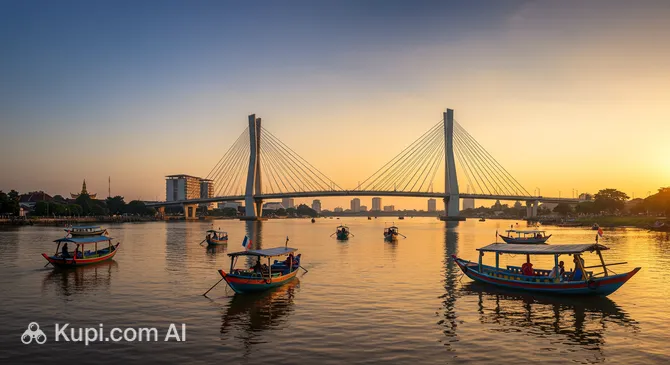
Palembang. Source: Kupi.Binoculars

The city holds a prestigious place in Southeast Asian chronicles, having once served as the capital of the powerful Srivijaya Kingdom. Visitors interested in the deep roots of this region can explore the fascinating history of Palembang, which reveals its transformation from a maritime empire to a modern urban center. This rich heritage is reflected in the local architecture and traditions that have survived through the centuries.

Today, Palembang is perhaps best known for the iconic Ampera Bridge, which illuminates the night sky and serves as a proud symbol of the city. A boat tour along the river offers a glimpse into the traditional floating life that still thrives here, while the tranquil Kemaro Island provides a legendary setting with its pagoda and temples. Food lovers will also delight in the city's culinary fame, particularly for pempek, a savory fish cake delicacy that is a must-try for any traveler.

Whether you are drawn by ancient legends, scenic river views, or mouth-watering cuisine, Palembang promises an unforgettable experience. It is a destination where history comes alive amidst the energy of modern life, making it a perfect stop for your next adventure.
Weather Overview

Palembang features a tropical climate characterized by consistent warmth and high humidity throughout the year. Visitors can expect hot days and pleasant nights regardless of the season, making it a destination suitable for travel at any time. To plan your activities and packing list effectively, it is helpful to review the current weather in Palembang before your arrival.

Temperatures in the city are remarkably stable, generally ranging from nightly lows of around 24°C to daytime highs between 30°C and 32°C. Rainfall is a frequent occurrence, with the wettest period spanning from October to April, often seeing rain on up to 29 days per month. Even during the relatively drier months of August and September, showers are still common, occurring on approximately 15 to 16 days, so carrying an umbrella is always recommended.

Interesting Facts

Beyond the main attractions, Palembang holds many fascinating secrets and historical distinctions that often surprise visitors. Dig deeper into the city's unique character with these intriguing details:

  • Palembang is widely recognized as the oldest city in Indonesia. Its foundation dates back to June 16, 682 AD, based on the ancient Kedukan Bukit Inscription, marking its origins as the capital of the mighty Srivijaya maritime empire.

  • The city was historically nicknamed the "Venice of the East" by Western travelers. This title was inspired by the hundreds of traditional floating houses, known as rakit, that lined the Musi River, where residents lived and traded directly on the water.

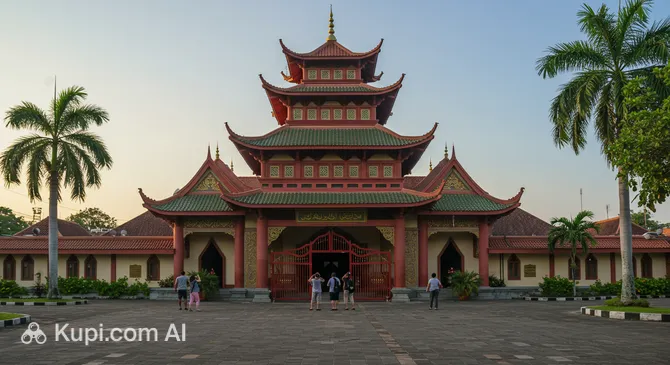
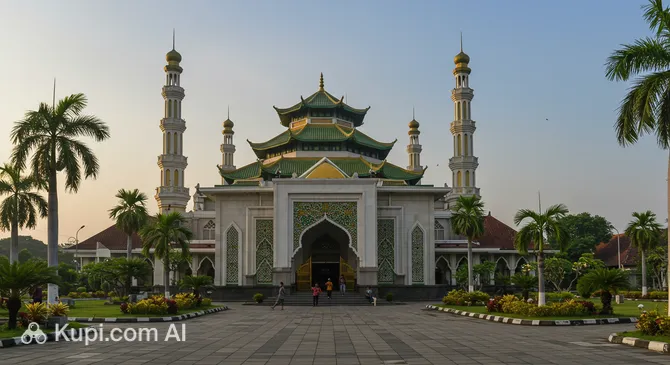
  • A unique architectural gem is the Al Islam Muhammad Cheng Hoo Sriwijaya Mosque. This place of worship features a striking blend of Chinese, Malay, and Arabic designs, built to honor the famous Chinese Muslim admiral Zheng He who visited the region.

  • Local folklore is deeply entwined with the Kemaro Island Pagoda. Legend says the island formed over the graves of a Chinese prince and a Palembang princess who drowned together in the river, making it a popular pilgrimage site for couples seeking lasting love.

  • Palembang is home to the Al-Quran Al-Akbar, often cited as the largest wooden Quran in the world. This massive religious artwork consists of huge sheets of trembesi wood carved with verses, standing five stories tall in a stunning display of craftsmanship.

Al Islam Muhammad Cheng Hoo Sriwijaya Mosque. Source: Kupi.Binoculars

How to Get There

Reaching this vibrant city in South Sumatra is relatively straightforward, with air travel being the most popular and convenient method for international and domestic tourists alike. Whether you are arriving from Jakarta or other parts of the archipelago, you can find more about how to get to Palembang and plan your journey effectively.

The primary gateway to the city is Sultan Mahmud Badaruddin II Airport (PLM). Located approximately 12 km from the city center, it is a significant international airport handling a large volume of passengers annually. A taxi ride from the airport to downtown Palembang typically takes around 40 minutes, depending on traffic conditions. The airport is well-equipped and serves as the main hub for travelers visiting the region.

While Palembang is the main destination, some travelers might consider airports in neighboring cities, although they are considerably further away. Depati Amir Airport (PGK) is located in Pangkal Pinang, about 176 km away, and Sultan Thaha Airport (DJB) serves the city of Jambi, roughly 194 km from Palembang. These airports are major regional hubs but would require significant additional travel time to reach Palembang compared to flying directly into the city's own airport.

For clarity, here is a summary of the main airports in the wider region:

Airport Name City Passenger Traffic Km from City
Sultan Mahmud Badaruddin II Airport Palembang High 12.0
Depati Amir Airport Pangkal Pinang High 176.3
Radin Inten II Airport Bandar Lampung Medium 254.6
Sultan Thaha Airport Jambi Medium 194.2
Lubuk Linggau Silampari Airport Lubuklinggau Low 209.4

Beyond air travel, Palembang is well-connected by land transport. The city is a key stop on the Trans-Sumatra Highway, making it accessible by bus from major cities on the island. Additionally, the Kertapati Railway Station serves as the terminus for trains arriving from Bandar Lampung and Lubuklinggau, offering a scenic alternative for those who prefer rail travel.

Main Attractions

Palembang is a city where history is etched into every corner, offering visitors a fascinating journey through the legacy of the Srivijaya Kingdom and the Palembang Darussalam Sultanate. The city's main attractions are conveniently clustered near the Musi River, making it easy to explore several key sites in a single trip.

One of the most significant landmarks is the Great Mosque of Palembang (Masjid Agung Sultan Mahmud Badaruddin I). Built in the 18th century, this architectural masterpiece is renowned for its unique blend of styles, featuring a three-tiered roof influenced by Chinese pagodas, European pillars, and traditional Indonesian elements. It remains a vibrant center of worship and a peaceful retreat from the bustling city streets.

Great Mosque of Palembang. Source: Kupi.Binoculars

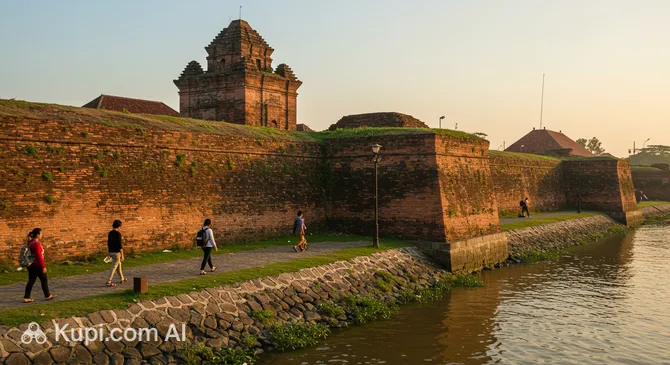
Located right on the northern bank of the Musi River, the Kuto Besak Fortress is an iconic symbol of the city's resistance and royal heritage. Unlike many other fortresses in Indonesia that were built by colonial powers, this stronghold was constructed by the local sultanate. Today, the open plaza in front of the fortress is a favorite gathering spot for locals and tourists alike, especially at sunset when the view of the river and the Ampera Bridge is truly spectacular.

Kuto Besak Fortress. Source: Kupi.Binoculars

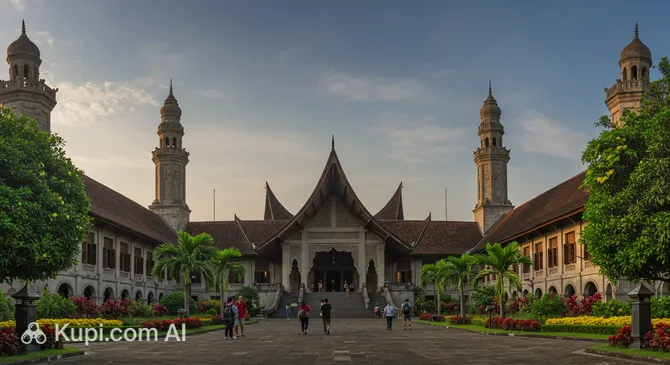
Just a short walk from the fortress, you will find the Sultan Mahmud Badaruddin II Museum. Housed in a grand building that blends Dutch colonial and local Palembang architecture, the museum offers a deep dive into the region's past. Inside, visitors can admire a vast collection of artifacts, including traditional textiles (Songket), ancient weaponry, and coins from the Srivijaya and Dutch eras, providing context to the rich history of South Sumatra.

Sultan Mahmud Badaruddin II Museum. Source: Kupi.Binoculars

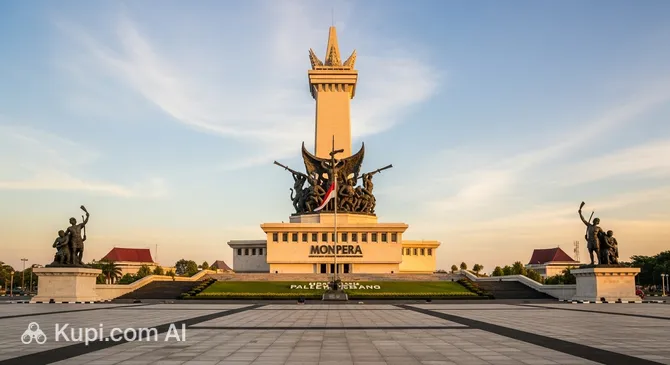
For those looking to capture a panoramic view of the city, Monpera (Monument of the People's Struggle) is a must-visit. This striking vertical monument commemorates the independence battle of the people of South Sumatra. It houses a museum detailing the struggle for freedom, and visitors can climb to the observation deck on the top floor for a commanding view of the cityscape and the winding river below.

Monpera (Monument of the People's Struggle). Source: Kupi.Binoculars

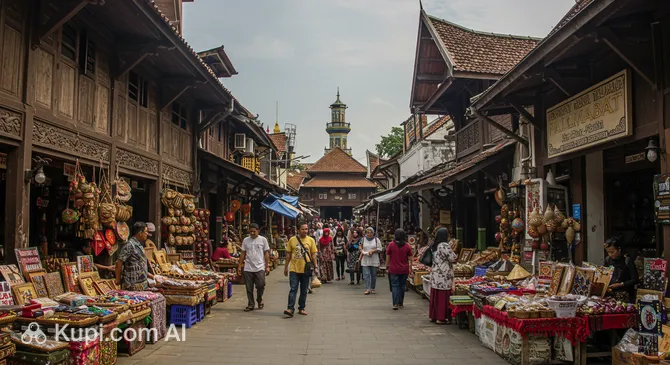
To experience the living culture of the city, a visit to Hadrami Village Al Munawar is highly recommended. This historic settlement along the riverbank is inhabited by descendants of Arab traders who settled here centuries ago. The village is famous for its well-preserved, centuries-old houses featuring distinctive architecture, and it offers a charming atmosphere where you can learn about local traditions and enjoy authentic Arabian-influenced coffee.

Hadrami Village Al Munawar. Source: Kupi.Binoculars

Local Cuisine

Palembang is widely regarded as one of the true culinary capitals of Indonesia, offering a gastronomic experience that is as bold and dynamic as its history. The local cuisine is heavily influenced by the abundance of fresh catch from the Musi River, resulting in a distinct focus on savory fish-based delicacies. The flavors here are known for being rich, spicy, and tangy, creating a memorable palate for any food enthusiast.

The undisputed star of Palembang's food scene is Pempek. This savory fish cake is made from ground fish meat and tapioca, shaped into various forms, and deep-fried or boiled. It is invariably served with a dark, rich sauce called cuko, which combines palm sugar, chili, garlic, and vinegar for a perfect balance of sweet, sour, and spicy. While you can find pempek throughout the archipelago, tasting it in its city of origin is an entirely different experience, with countless shops and street stalls perfecting their own secret recipes.

Beyond pempek, the city offers a variety of other must-try dishes. Tekwan is a comforting soup featuring fish balls, mushrooms, and vermicelli in a shrimp-based broth. For those who enjoy spicy food, Pindang Patin is a highlight; it is a clear, spicy, and sour fish soup usually made with catfish and flavored with pineapple, basil, and chili. Another favorite is Mie Celor, a noodle dish served in a thick, creamy gravy made from coconut milk and dried shrimp, often enjoyed as a hearty breakfast.

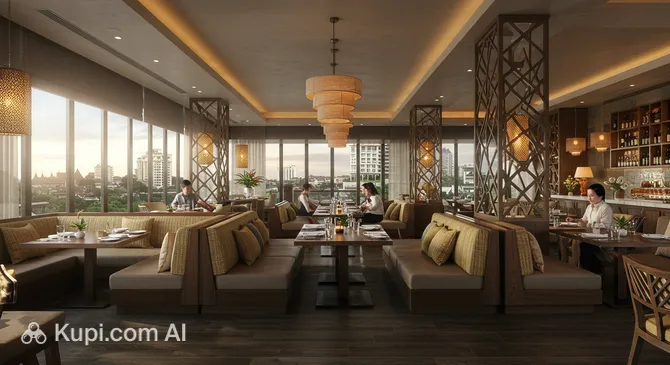
Harper Restaurant Palembang. Source: Kupi.Binoculars

To cool down in the tropical heat, locals often turn to Es Kacang Merah, a refreshing dessert drink made with shaved ice, red beans, syrup, and condensed milk. Coffee culture is also growing, with many local shops serving robust Sumatran brews. While traditional dining spots focus on non-alcoholic beverages like iced tea and fresh juices, visitors looking for a place to relax with a wider range of drinks in the evening can visit establishments such as Nobu Bistro, which offers a modern atmosphere.

The dining culture in Palembang ranges from casual riverside warungs (stalls) to upscale restaurants. For a comfortable sit-down meal where you can sample a variety of local and international flavors, the Harper Restaurant Palembang is a popular choice among travelers. Alternatively, those who prefer a mix of shopping and dining can explore the food courts and outlets within Palembang Indah Mall, which provide a convenient way to taste different local snacks in one location.

Travel Tips

Preparing for a trip to Palembang ensures you can focus on its rich heritage and culinary delights without worry. Here are some practical tips to help you navigate the capital of South Sumatra with ease and confidence.

  1. Clothing and Gear: Given the tropical heat and humidity, pack lightweight, breathable fabrics like cotton or linen to stay cool. However, remember that Palembang is a culturally conservative city; it is respectful to dress modestly by covering your shoulders and knees, especially when visiting religious sites or traditional areas like Kampung Al Munawar. Comfortable walking shoes are essential, and bringing a universal adapter for Type C or F power outlets is recommended.
  2. Transportation: Palembang is home to Indonesia's first Light Rail Transit (LRT) system, which provides a convenient and air-conditioned link between the airport and the city center. For getting around town directly, ride-hailing apps like Grab and Gojek are extremely popular, reliable, and affordable. While traditional minibuses (angkot) are ubiquitous, they can be confusing for visitors who do not speak the local language.
  3. Finances: The official currency is the Indonesian Rupiah (IDR). While credit cards are widely accepted in hotels, modern malls, and upscale restaurants, cash is absolute king at street food stalls, traditional markets, and smaller shops. ATMs are plentiful throughout the city. Tipping is not mandatory, but rounding up the bill or leaving small change is a widely appreciated gesture of gratitude.
  4. Health and Safety: Palembang is generally a safe destination, but it is wise to remain vigilant with your belongings in crowded places like the 16 Ilir Market. Pharmacies, known as Apotek (such as Kimia Farma or K-24), are easy to find for minor medical needs. Crucially, never drink tap water; always stick to sealed bottled water to ensure your health during your stay.
  5. Communication: The main language is Indonesian (Bahasa Indonesia), and while staff at major hotels often speak English, it is less common among street vendors and drivers. It is highly useful to download an offline translation app and purchase a local SIM card (Telkomsel offers reliable coverage) to stay connected. Learning simple phrases like "Terima Kasih" (Thank you) will be warmly received by the locals.
  6. Local Etiquette: Politeness is highly valued in local culture. Always use your right hand for eating, shaking hands, or exchanging money, as the left hand is considered impolite. When entering a private home or a mosque, remember to remove your shoes. Smiling is a universal language here, and a friendly attitude will help you interact smoothly with residents.
  7. What to Avoid: Avoid public displays of affection, such as hugging or kissing, as this is considered inappropriate in the local culture. Additionally, try to avoid raising your voice or showing visible anger in public situations, as maintaining harmony and "saving face" is important in social interactions.
  8. Souvenir Tip: If you wish to bring home the city's famous Pempek (fish cake), visit a specialized shop and ask them to "vacuum pack" your purchase. Local vendors are experts at packaging these delicacies specifically for travel, ensuring they remain fresh for your journey home or to your next destination.

With these practical tips in hand, you are well-prepared to explore the "Venice of the East" comfortably and respectfully. Enjoy the warm hospitality of the Palembang people and the unforgettable adventures that await you along the Musi River!

Entertainment & Nightlife

Palembang offers a diverse range of entertainment options that cater to shopaholics, nature lovers, and night owls alike. Beyond its historical monuments, the city pulses with modern energy, featuring bustling shopping centers, expansive recreational parks, and a lively nightlife scene that keeps the city awake long after sunset.

For those looking to indulge in retail therapy, the Palembang Trade Center Mall is a go-to destination. This sprawling complex is one of the city's most popular hangouts, offering a wide mix of fashion outlets, electronics stores, and dining facilities. If you are searching for something more traditional, specifically the region's famous Songket textiles, the Dekranasda Multipurpose Hall is the perfect place to admire and purchase high-quality local craftsmanship directly from artisans.

Outdoor enthusiasts will find plenty to do at the Jakabaring Sport City, a massive complex that has hosted international sporting events. A highlight here is the Jakabaring Sport City Lake for Water Skiing, where visitors can enjoy the scenic waterfront or engage in various water sports. It is an excellent spot for a late afternoon walk to enjoy the open space and fresh air away from the city center's traffic.

Families traveling with children should not miss the Pusri Deer Park. Located within the Pusri fertilizer complex area, this green space allows visitors to interact closely with tame deer in a shaded, relaxing environment. For a more whimsical experience, the Palembang Doll Palace (Istana Boneka) offers a unique collection that fascinates visitors of all ages with its colorful and culturally diverse exhibits.

As the evening approaches, Palembang's nightlife begins to stir. Karaoke is a favorite pastime for locals, and places like Detones Family Karaoke provide a fun, family-friendly environment to sing your heart out. For a more laid-back evening with good food and drinks, Canton Park offers a trendy atmosphere perfect for socializing. Meanwhile, those seeking a vibrant clubbing experience can head to Grand Masterpiece to enjoy music and entertainment late into the night.

Parks & Museums

Beyond the bustling riverbanks and historic fortifications, the city offers several green retreats and cultural institutions that allow visitors to unwind and delve deeper into the region's heritage. Palembang's parks provide a welcome respite from the tropical heat, while its museums serve as custodians of the area's illustrious past, ranging from the Srivijaya Empire to the colonial era.

One of the most popular green spaces in the city is Kambang Iwak Family Park. Originally built during the Dutch colonial period as a recreational garden for the elite, it has evolved into a beloved public space for all residents. Centered around a large lake, the park is lined with ancient shade trees and features a jogging track that comes alive in the early mornings and late afternoons. It is an excellent spot to observe local life, enjoy a leisurely walk, or sample street food from nearby vendors.

For a quieter atmosphere, visitors can explore POLDA Park. This recreational area is centered around a large retention basin and offers a serene environment for relaxation. It is a favorite spot for locals who enjoy fishing or simply sitting by the water to escape the city noise. The park's open layout and calm waters make it a pleasant detour for those exploring the city's interior.

Another notable urban landmark is the Palembang Fountain Circle. Situated at a major intersection, this site functions as both a traffic roundabout and an aesthetic focal point. While it is more of a visual landmark than a park for picnicking, the water features and surrounding landscaping add a refreshing touch to the cityscape, particularly when illuminated at night.

While the museums near the river are well-known, history enthusiasts should not miss the Balaputradewa Museum (State Museum of South Sumatra). Located a bit further from the city center, this museum is a treasure trove of the province's history. Its highlight is the authentic Rumah Limas, a traditional Palembang wooden house that is so culturally significant it is depicted on the Indonesian 10,000 Rupiah banknote. The museum also houses a collection of megalithic statues and artifacts from the pre-Islamic era.

To truly understand the scale of the ancient maritime empire, a visit to the Sriwijaya Kingdom Archaeological Park (TPKS) is highly recommended. This expansive site preserves the network of ancient man-made canals and gardens that once formed the center of the Srivijaya civilization. It offers a more atmospheric and archaeological perspective compared to the city's other galleries, allowing visitors to walk through the landscape where powerful kings once ruled.

Insider Tip: If you visit Kambang Iwak Park on a Sunday morning, you will experience the vibrant "Car Free Day" atmosphere. The streets around the park are closed to vehicles, filling up with locals exercising, community groups gathering, and endless rows of stalls selling delicious Palembang snacks.

Getting Around

Navigating Palembang is an experience that bridges the gap between modern infrastructure and traditional charm. The city is proud to host the first operational Light Rail Transit (LRT) system in Indonesia, which serves as the backbone of public transportation. This modern train line spans approximately 23 kilometers, connecting the Sultan Mahmud Badaruddin II Airport directly to the Jakabaring Sport City, passing through the city center. It is a fast, air-conditioned, and scenic way to travel, offering elevated views of the cityscape and the Musi River.

For ground transportation, the Trans Musi Bus Rapid Transit (BRT) offers a reliable and affordable alternative. These buses operate on designated corridors and stop at specific shelters throughout the city. They are generally more comfortable and safer than the smaller, ubiquitous minibuses known as angkot. Angkots are color-coded based on their routes and can stop anywhere to pick up or drop off passengers. While they are extremely cheap and cover almost every corner of the city, the routes can be confusing for first-time visitors, and they often lack air conditioning.

Given Palembang's geography, water transport is not just a tourist attraction but a vital mode of daily commute. Traditional wooden boats, known locally as ketek, and faster speedboats ply the Musi River. They are the primary way to reach destinations like Kemaro Island or simply to cross from the Ulu to the Ilir side of the city. You can find these boats docked near the Ampera Bridge and the 16 Ilir Market area.

The payment system varies significantly by mode of transport. The LRT and Trans Musi buses have largely moved to cashless systems. You will need a prepaid electronic money card (e-money) issued by major banks (such as Mandiri E-money, BCA Flazz, BNI TapCash, or BRI Brizzi) or a dedicated transit card. These can be purchased and topped up at the airport station, local banks, or widespread convenience stores like Indomaret and Alfamart. A single trip on the LRT is very affordable, typically costing between 5,000 to 10,000 IDR depending on the distance. In contrast, angkot and river boats operate strictly on cash; it is best to carry small denominations to pay the driver or boatman directly.

For tourists seeking convenience, ride-hailing apps are highly recommended. Services like Grab and Gojek are extremely popular and reliable in Palembang. You can order a car or a motorbike taxi (ojek) directly from your smartphone, which eliminates the language barrier and provides a fixed price upfront. Conventional taxis, such as Bluebird, are also available and can be hailed on the street or booked via phone, utilizing a meter for fair pricing.

When planning your travel, keep in mind that the LRT operates from early morning, around 5:00 AM, until early evening, with the last train usually departing around 7:00 PM or 8:00 PM. If you plan to stay out late, ride-hailing apps or taxis will be your best option. For river transport, prices for ketek boats are often negotiable, especially if you are hiring one for a tour rather than a simple crossing, so it is wise to agree on a price before stepping aboard.

Accommodation

Where to Stay:

Finding the perfect place to stay in Palembang is relatively easy, as the city offers a wide range of accommodation options to suit every budget and preference. Whether you are looking for the comfort of a luxury hotel with river views, a functional business hotel, or a budget-friendly guesthouse, the city is well-equipped to host travelers. Prices in Palembang are generally very reasonable compared to other major Indonesian tourist hubs like Bali or Jakarta, allowing visitors to enjoy high-quality stays at affordable rates.

For most tourists, the best area to stay is in the city center on the Ilir (northern) side of the Musi River, particularly along or near Jalan Jenderal Sudirman. Staying in this area places you in the heart of the action, with easy access to culinary hotspots, shopping centers, and major landmarks like the Ampera Bridge and the Great Mosque. This district is bustling and convenient, making it simple to find transport or walk to nearby attractions.

Alternatively, if you prefer a quieter environment or are visiting for a specific event, the Jakabaring area in the southern part of the city is a good choice. This district is home to the massive Jakabaring Sport City complex and offers modern accommodation options that are often newer and more spacious, though slightly removed from the traditional city center's hustle and bustle.

Booking Tips: While accommodation is generally plentiful, it is highly recommended to book your room in advance if you plan to visit during major holidays such as Eid al-Fitr or school vacation periods, as hotels can fill up quickly with domestic travelers. Most properties in Palembang are listed on major international booking platforms as well as popular local Indonesian travel apps, which often offer competitive deals and discounts.

In terms of pricing, budget travelers can find clean and comfortable rooms in guesthouses or budget hotel chains for a very low cost. Mid-range options are abundant and typically offer excellent amenities like air conditioning, breakfast, and Wi-Fi. For those seeking luxury, the city boasts several 4-star and 5-star establishments that feature swimming pools, fitness centers, and fine dining, ensuring a relaxing and pampered stay.

Nearby Cities

For those looking to explore the surroundings, Palembang serves as an excellent base for visiting several interesting regional destinations:

Bandar Lampung is a vibrant city located at the southern tip of Sumatra, serving as the main gateway between the island and Java. Thanks to the Trans-Sumatra Toll Road, it has become more accessible for a visit. The city is known for its coastal scenery, access to beautiful beaches like Mutun and Sari Ringgung, and its proximity to the famous Way Kambas National Park, home to the Sumatran elephant sanctuary.

Another fascinating destination is Jambi, situated to the north of Palembang. This city offers a deep dive into ancient history, most notably as the gateway to the Muaro Jambi Temple Complex. This archaeological site is one of the largest and best-preserved ancient university complexes in Southeast Asia, dating back to the Melayu Kingdom. The city itself sits along the Batanghari River, offering a distinct riverine culture similar to Palembang.

For those willing to travel towards the western coast, Bengkulu offers a unique slice of history different from the rest of the region. It was once a British stronghold, and its colonial legacy is preserved in the imposing Fort Marlborough, one of the strongest British forts in the East. The area is also famous ecologically as a habitat for the Rafflesia arnoldii, the largest flower in the world.

City Population Distance (km)
Serang 1,644,899 380
Bandar Lampung 1,166,761 273
Jambi 612,162 308
Cilegon 387,543 365
Bengkulu 360,495 294

These nearby destinations offer a glimpse into the diverse culture and landscapes of the region.

Shopping & Souvenirs

Shopping in Palembang offers a delightful mix of traditional charm and modern convenience. The city is a treasure trove for those interested in authentic Indonesian craftsmanship, particularly textiles and culinary souvenirs. Visitors can navigate between bustling traditional markets located near the riverbanks and contemporary air-conditioned malls that provide a comfortable respite from the tropical heat. Whether you are looking for high-end fashion or bargain local handicrafts, the city caters to a wide range of tastes and budgets.

One of the most famous shopping districts is the area surrounding the 16 Ilir Market (Pasar 16 Ilir). Located right next to the Ampera Bridge on the banks of the Musi River, this multi-story market is the beating heart of Palembang's trade. It is a chaotic but fascinating place where you can find everything from wholesale textiles and clothes to traditional snacks. The streets around the market are also lined with smaller shops selling gold, accessories, and household goods, making it a vibrant area to explore on foot.

For a more modern retail experience, the city boasts several large shopping complexes. Palembang Indah Mall is one of the premier destinations in the city center. It features a wide array of international and local brands, a cinema, and numerous dining options, making it a favorite spot for both locals and tourists to hang out. Another major hub is the Palembang Trade Center Mall, which is known for its extensive range of affordable fashion outlets, electronics, and a large supermarket.

When it comes to souvenirs, Palembang is renowned for its exquisite Songket, a hand-woven fabric threaded with gold or silver. The best place to buy high-quality Songket is at specialized boutiques or the Dekranasda Multipurpose Hall, which showcases the work of local artisans. Aside from textiles, food souvenirs are extremely popular. Travelers often bring home boxes of Pempek (vacuum-packed for travel) or Kemplang, a type of savory fish cracker that is roasted over charcoal.

Most modern shopping malls in Palembang operate daily from 10:00 AM to 10:00 PM. Traditional markets like 16 Ilir start much earlier, often around 7:00 AM, and begin to wind down by 4:00 PM or 5:00 PM. While credit and debit cards are widely accepted in malls, supermarkets, and established souvenir shops, cash is essential when shopping in traditional markets or buying from street vendors. ATMs are plentiful, so withdrawing cash is convenient.

Regarding tax-free shopping, Indonesia does have a VAT Refund for Tourists scheme, but it is primarily available at registered retailers in major international gateways like Jakarta and Bali. In Palembang, finding stores that participate in the tax refund program may be difficult. It is best to look for the "Tax Free" signage at the entrance of high-end stores, but generally, tourists should not expect this service to be widely available in the city.

Reached the end of the page?

That means the route is fully explored