Support

Pangkal Pinang

About

Pangkal Pinang serves as the vibrant capital of the Bangka Belitung Islands province, offering a delightful mix of cultural heritage and coastal charm. As the center of government and commerce for the region, this city acts as the primary gateway for travelers looking to explore the stunning archipelago. It is a place where tradition meets modernity, creating a welcoming atmosphere for tourists from around the globe.

Situated on the eastern coast of Bangka Island in Indonesia, the city enjoys a tropical climate that makes it a pleasant destination year-round. With a population of approximately 218,000 people, it maintains a lively yet relaxed pace of life. The city's strategic location has long made it a hub for trade and migration, resulting in a rich tapestry of Malay and Chinese cultural influences that are evident in its architecture and festivals.
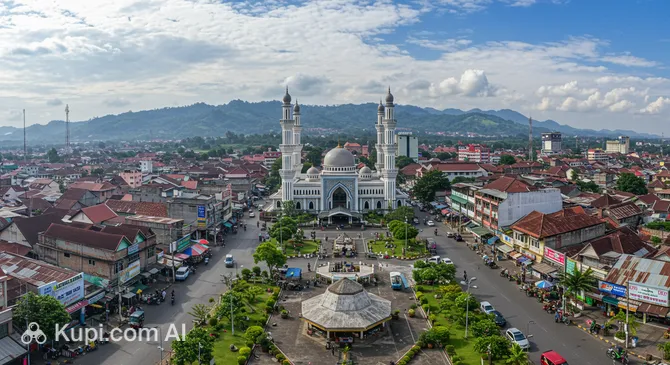
Pangkal Pinang. Source: Kupi.Binoculars

The city's development is deeply intertwined with the tin mining industry, which brought prosperity and diverse communities to the island. Visitors can delve deeper into this industrial heritage and learn about the history of Pangkal Pinang by visiting local landmarks that preserve the stories of the past. The unique blend of cultures is also reflected in the city's culinary scene, which is renowned throughout the country.

Among the top attractions, the Indonesia Tin Museum (Museum Timah) is a must-visit, standing as the only museum of its kind in Asia and housed in a historical building. For those seeking relaxation, Pasir Padi Beach offers a long stretch of white sand and calm waters just a short drive from the city center. Additionally, the Bangka Botanical Garden provides a lush, green retreat perfect for nature lovers and photographers.

Whether you are eager to taste the famous local seafood dish lempah kuning or simply want to enjoy the warm hospitality of the locals, Pangkal Pinang is a destination that promises a memorable experience. We invite you to discover the hidden gems of this captivating city on your next tropical getaway.
Weather Overview

Travelers to the city can expect a consistent tropical atmosphere, with temperatures remaining steady throughout the year. The average temperature generally hovers around 27°C, with daytime highs reaching up to 30°C and comfortable evenings settling near 25°C. This warm weather prevails from January through December, ensuring that visitors can enjoy outdoor activities regardless of when they choose to visit.

Precipitation is a key factor to consider, as the region experiences a high number of wet days, particularly around the turn of the year. December and January are typically the wettest months, often recording rain on up to 30 days, whereas August and September tend to be slightly drier with fewer wet days. For a more comprehensive breakdown of what to expect during your stay, you can view the detailed report on the weather in Pangkal Pinang.

Interesting Facts

Beyond the main attractions, Pangkal Pinang holds many fascinating secrets that reveal its deep historical roots and cultural diversity. From unique geological transformations to culinary origins, the city offers several surprises for the curious traveler.

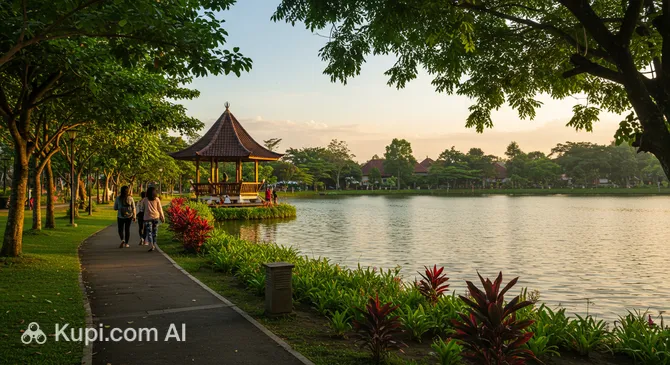
Kolong Park. Source: Kupi.Binoculars
  • The city is home to the Indonesia Tin Museum, which holds the distinction of being the only museum dedicated to tin mining history in the entire Asian continent. It is housed in a colonial-era building that was formerly the residence of the Dutch Tin Mining Administration.

  • Pangkal Pinang is the birthplace of the famous Indonesian sweet pancake often called "Martabak Bangka" elsewhere. Locally known as "Hok Lo Pan," this treat was originally created by the Hakka Chinese community and remains a staple culinary symbol of the region.

  • The local landscape is dotted with "kolongs," which are abandoned tin mining excavation pits that have filled with water over time. Many of these have been creatively transformed into scenic recreational areas and green spaces, such as Kolong Park.

  • The city lives by the motto "Tong Ngin Fan Ngin Jit Jong," which translates to "Chinese and Malays are one." This philosophy of harmony is visibly reflected in the city's layout, where mosques and temples often stand in close proximity to one another, symbolizing centuries of peaceful coexistence.

How to Get There

Planning a trip to the capital of the Bangka Belitung Islands is an exciting prospect, and understanding your arrival options is the first step. While the city is located on an island, it is well-connected to major hubs in Indonesia. For a comprehensive guide on travel options and routes, you can read more about how to get to Pangkal Pinang to ensure a smooth journey.

The most convenient and direct way to reach the city is by flying into Depati Amir Airport (PGK). Located directly in Pangkal Pinang, this airport serves as the primary gateway for tourists visiting Bangka Island. It handles a significant volume of passengers annually, making it a busy and vital transport hub for the region. Since the airport is situated just 4.3 km from the city center, the transfer is quick and easy. A taxi or car ride to the downtown area typically takes approximately 25 to 30 minutes, depending on traffic.

Travelers might also notice Sultan Mahmud Badaruddin II Airport (PLM) on the map. It is a major international airport located in the city of Palembang, roughly 179 km away. However, it is important to note that Palembang is on the neighboring island of Sumatra. Therefore, you cannot take a taxi directly from this airport to Pangkal Pinang; travel between these two cities requires a connecting flight or a ferry crossing across the Bangka Strait.

For clarity, here is a summary of the main airports in the wider region:

Airport Name City Passenger Traffic Km from City
Sultan Mahmud Badaruddin II Airport Palembang Large 178.9
Depati Amir Airport Pangkal Pinang Large 4.3
Sultan Thaha Airport Jambi Medium 280.5
Bulutumbang Airport Tanjung Pandan Medium 194.6

Regarding rail travel, Pangkal Pinang does not currently have a railway station or a train network for public transport. The city's infrastructure relies primarily on road and sea transport. Visitors typically get around using rented cars, motorcycles, or local taxis. If you are arriving from other parts of Bangka Island, utilizing the network of paved roads via bus or private shuttle is the standard method of travel.

Main Attractions

Pangkal Pinang offers a variety of interesting sites that reflect its history as a mining hub and its cultural diversity. From historical museums to vibrant public squares, the city provides travelers with unique insights into the local heritage and lifestyle. Exploring these landmarks allows visitors to connect with the traditions and stories that define the capital of the Bangka Belitung Islands.

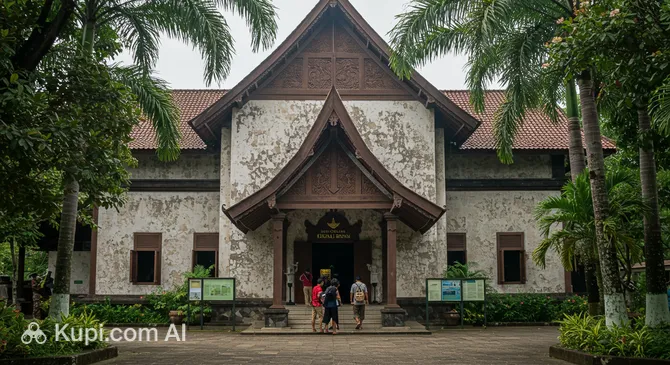
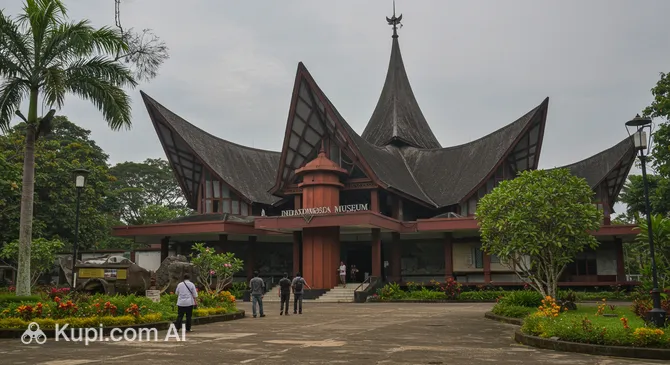
The Indonesia Tin Museum is undoubtedly the city's most significant historical landmark. Housed in a well-preserved colonial building that once served as the residence of the Dutch mining administration, this museum offers a deep dive into the region's tin mining legacy. Visitors can explore various artifacts, including traditional mining tools, geological samples, and historical photographs, making it an educational stop that explains how this industry shaped the island's development.

Indonesia Tin Museum. Source: Kupi.Binoculars

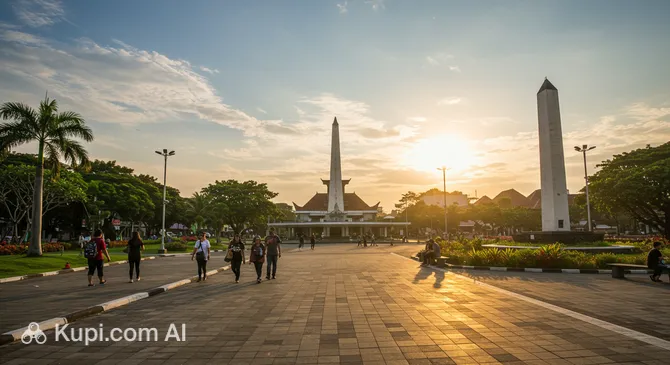
For a taste of local life, a visit to Merdeka Square Park, locally known as Alun-Alun Taman Merdeka, is essential. Located in the heart of the city, this open green space serves as a communal hub where residents gather for exercise, leisure, and community events. Surrounded by important buildings and food stalls, it is a perfect spot to relax in the evening and observe the daily rhythm of the city while enjoying the cool breeze.

Merdeka Square Park. Source: Kupi.Binoculars

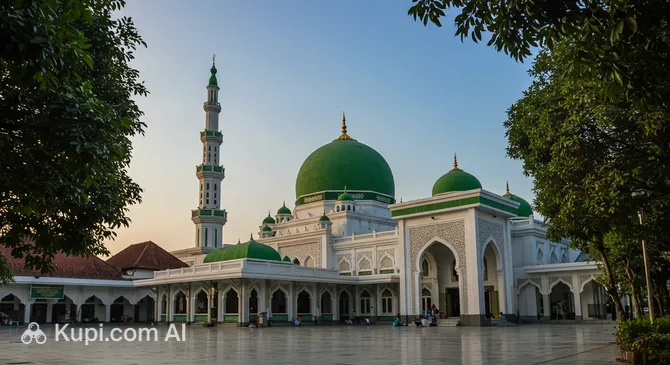
Religious architecture in the city is beautifully represented by the Jami Mosque of Pangkal Pinang. As one of the largest and most prominent mosques in the area, it stands as a testament to the strong Islamic heritage of the province. The mosque features a distinct architectural style that blends local and modern elements, offering a peaceful atmosphere for worship and reflection amidst the bustling city streets.

Jami Mosque of Pangkal Pinang. Source: Kupi.Binoculars

Travelers looking for something quirky and family-friendly might enjoy the Pangkal Pinang Doll Palace. This unique attraction houses a vast collection of dolls from various eras and regions, arranged in creative displays. It is a colorful and whimsical destination that stands out from the typical historical or natural sites, providing a fun diversion for visitors traveling with children or those with an appreciation for collectibles.

Pangkal Pinang Doll Palace. Source: Kupi.Binoculars

Local Cuisine

The culinary landscape of Pangkal Pinang is a delightful reflection of its diverse cultural heritage, blending traditional Malay flavors with strong Chinese influences. As a coastal city, the cuisine is heavily centered around fresh seafood, often prepared with a unique combination of spices that distinguishes it from food found elsewhere in the archipelago. For foodies, the city offers a gastronomic adventure where savory, sour, and spicy notes come together in perfect harmony.

The undisputed star of the local dining scene is Lempah Kuning, a rich and aromatic fish soup that is considered the signature dish of the Bangka Belitung Islands. "Kuning" translates to yellow, referring to the vibrant color of the broth derived from turmeric. Cooked with pineapple slices and chili, the soup offers a refreshing balance of sourness and heat that perfectly complements the fresh catch of the day, usually snapper or grouper. It is a must-try meal that captures the essence of the island's tropical palate.

Another staple of the local diet is noodles, locally known as Mie Bangka. These noodles are typically served with minced chicken or pork, bean sprouts, and a side of clear broth. For those looking to experience the city's vibrant dining atmosphere, visiting a popular spot like the Soekarno Hatta Pangkal Pinang Restaurant provides a comfortable setting to enjoy hearty meals with family and friends.

Soekarno Hatta Pangkal Pinang Restaurant. Source: Kupi.Binoculars

Beyond main courses, the city is famous for its savory snacks, particularly Otak-Otak. These are grilled fish cakes wrapped in banana leaves, which impart a smoky aroma to the tender meat inside. Unlike versions found in other parts of the country, Bangka's otak-otak is usually dipped in a distinctively spicy and sour red chili vinegar sauce (cuka) or a fermented bean sauce (tauco), making it an addictive treat often enjoyed at street stalls or as an appetizer.

When it comes to beverages, the locals love Es Jeruk Kunci, a refreshing iced drink made from small, calamansi-like limes native to the region. It is the perfect thirst-quencher for the humid tropical weather. Coffee culture is also deeply rooted here, with many traditional coffee shops (kopitiams) serving robust local coffee, often accompanied by the city's famous sweet pancakes, known as Martabak Bangka or Hok Lo Pan, which are thick, fluffy, and filled with sugar, sesame seeds, and peanuts.

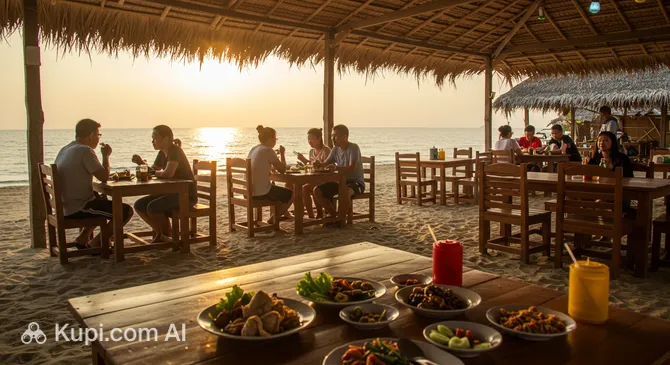
Travelers will find that the food culture in Pangkal Pinang is unpretentious and welcoming. While there are modern establishments and fast-growing chains like Mie Gacoan Pangkalpinang, much of the best food is found in open-air seafood restaurants and night markets. Here, the aroma of grilled fish fills the air, and locals gather to enjoy long, leisurely dinners, making it easy for tourists to immerse themselves in the authentic rhythm of daily life.

Travel Tips

Welcome to Pangkal Pinang! To help you navigate this culturally diverse capital of the Bangka Belitung Islands with ease and confidence, we have compiled a list of essential practical tips for your journey.

  1. Clothing and Gear: Due to the tropical climate with temperatures averaging around 27°C, lightweight and breathable fabrics like cotton or linen are your best friends here. Since the region experiences frequent rainfall, especially between December and January, packing a compact umbrella or a raincoat is highly recommended. If you plan to visit religious sites like the Jami Mosque, remember to dress modestly, covering your shoulders and knees.

  2. Transportation: There is no railway network on the island, so getting around requires road transport. Ride-hailing apps like Grab and Gojek are widely used and are often the most convenient way to travel within the city. For those wanting to explore the coastal roads or outlying beaches at their own pace, renting a scooter or a car is a popular and flexible option.

  3. Finances: The official currency is the Indonesian Rupiah (IDR). While hotels and modern restaurants in the city center accept credit cards, cash is king for local experiences. You will definitely need small denominations to enjoy street food delicacies like otak-otak or to pay for small purchases at traditional markets. ATMs are readily available throughout the city.

  4. Health and Safety: Pharmacies, known locally as Apotek, are easy to find in the city center for basic medical supplies. As with most tropical destinations, mosquitoes can be a nuisance, so carrying a good insect repellent is wise. Always stick to bottled or filtered water for drinking and brushing your teeth to avoid stomach issues.

  5. Communication: The primary language is Bahasa Indonesia. While staff at major hotels may speak English, it is less common in local shops and smaller eateries. Learning a few basic phrases like "Terima kasih" (Thank you) and "Selamat pagi" (Good morning) will go a long way. Buying a local SIM card (Telkomsel has good coverage) is recommended for reliable internet access.

  6. Local Etiquette: Pangkal Pinang prides itself on harmony between Malay and Chinese communities. The locals are generally warm and polite; a smile is the universal greeting here. Always remove your footwear before entering a private home or a mosque. When handing something to someone or eating, strictly use your right hand, as the left is considered impolite.

  7. What to Avoid: Avoid public displays of affection, as the local culture is somewhat conservative. Also, refrain from touching people, especially children, on the head, as this is considered a sacred part of the body in local culture.

  8. Coffee Shop Culture: Don't miss out on the local Kopitiam (traditional coffee shop) culture. It is not just about the coffee; it is a social ritual. Locals gather early in the morning or late afternoon to chat over a cup of strong coffee and a plate of Martabak Bangka. It is the best way to soak up the authentic atmosphere of the city.

By keeping these practical tips in mind, you will be well-prepared to embrace the unique charm and hospitality of Pangkal Pinang. We hope you have a safe, comfortable, and unforgettable adventure exploring this gem of Indonesia!

Entertainment & Nightlife

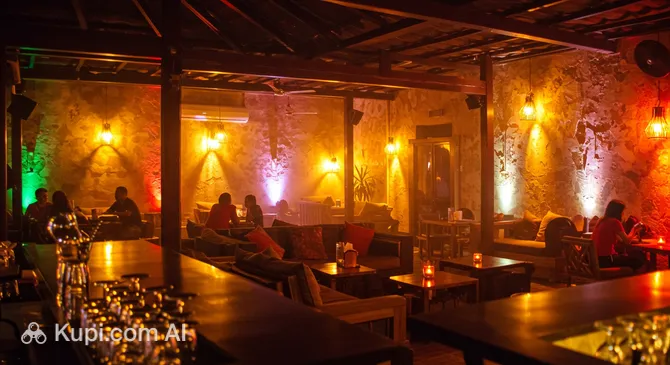
Nightlife in Pangkal Pinang is characterized by a laid-back and social atmosphere rather than a high-energy clubbing scene. As the sun sets, the city's rhythm shifts from commerce to relaxation, with locals gathering in open spaces and cozy venues. The most bustling area in the evening is typically around the city center, particularly near Merdeka Square (Alun-Alun). Here, the streets light up with food vendors and small stalls, creating a vibrant community hub where visitors can enjoy the cool night air and observe local life.

For those seeking a more modern entertainment experience, the city offers several lounges and venues that are popular among residents for music and socializing. Kedai 8 & Indigo Lounge is a notable spot, offering a stylish environment where guests can enjoy live music performances, refreshing drinks, and a comfortable setting for conversation. It attracts a mixed crowd of young professionals and tourists looking to unwind after a day of exploring.

Kedai 8 & Indigo Lounge. Source: Kupi.Binoculars

Karaoke is a favorite pastime in Indonesia, and this city is no exception. Venues like Masterpiece Family Karaoke provide well-equipped private rooms where friends and families can sing their hearts out in a fun, private environment. These establishments are generally open until late at night and offer extensive song lists in multiple languages, making them an accessible and entertaining option for international visitors as well.

Masterpiece Family Karaoke. Source: Kupi.Binoculars

When planning a night out, it is best to head out around 8:00 PM when the venues start to fill up. The dress code is generally casual, though "smart casual" is appreciated in indoor lounges and upscale restaurants. Prices for drinks and entertainment are quite affordable compared to larger Indonesian cities. Getting around at night is safe and convenient; ride-hailing apps like Grab and Gojek are the most reliable way to book a car or motorcycle taxi to and from your destination.

While the city is generally safe for evening strolls, especially in well-lit areas like the city square, it is advisable to use registered taxis or ride-hailing services rather than walking long distances in quieter neighborhoods late at night. Solo travelers should exercise standard precautions, but the welcoming nature of the locals makes Pangkal Pinang a comfortable place to explore after dark.

Before the night begins, daytime entertainment options abound for those looking to escape the heat. Modern shopping centers such as Transmart Pangkal Pinang offer a variety of leisure activities, including cinemas and indoor amusement arcades. These malls serve as excellent transition spots where you can enjoy air-conditioned comfort, grab a meal, or watch a movie before heading out to experience the city's nightlife.

Parks & Museums

Exploring Pangkal Pinang offers a journey through time and nature, where the city's industrial past meets its commitment to green living. The capital of the Bangka Belitung Islands has successfully transformed former mining sites into lush recreational areas, while its museums preserve the rich heritage that shaped the region. Whether you are a history buff or a nature lover, the city provides a variety of spaces to relax and learn.

One of the most fascinating green spaces is Kolong Park. This area is a shining example of environmental reclamation, where a former tin mining pit has been converted into a scenic water park and garden. It serves as a reminder of the island's geological history while providing a cool, breezy spot for locals and tourists to unwind. Visitors can enjoy leisurely walks around the water or simply sit and admire how nature has reclaimed the land.

For those seeking a more expansive natural retreat, the Bangka Botanical Garden (BBG) is a highlight just outside the city center. Although it acts as an agrotourism icon, it functions beautifully as a public park featuring rows of towering pine trees and a distinct red earth road that is a favorite among photographers. The garden showcases the region's agricultural potential with dragon fruit farms and fish ponds, offering a refreshing escape from the urban hustle.

In the heart of the city, Merdeka Square Park remains the central gathering point for the community. While it is bustling in the evenings, a daytime visit allows you to appreciate the open space and the surrounding historical architecture. It is an excellent starting point for a walking tour of the city's heritage sites.

When it comes to museums, the Indonesia Tin Museum is the cultural anchor of the city. Beyond its exhibits on mining technology, the building itself is a historical artifact, having served as the administration center during the colonial era. The museum grounds feature an old steam locomotive and replicas of traditional mining tools, providing a comprehensive look at how the tin industry influenced the social and economic fabric of Bangka Island.

For a completely different cultural experience, the Pangkal Pinang Doll Palace offers a whimsical detour. This gallery displays a vast and eclectic collection of dolls, ranging from vintage pieces to modern figures. It is a quirky attraction that highlights the passion of local collectors and offers a lighthearted break from the more serious historical tours.

Insider Tip: If you visit the Bangka Botanical Garden, try to go in the early morning. The light filtering through the pine trees creates a magical atmosphere perfect for photos, and you can often buy fresh milk produced right on the farm.

Getting Around

The public transport system in Pangkal Pinang is relatively simple and informal compared to major metropolitan hubs. There is no metro, tram, or train network within the city limits. Instead, the local infrastructure relies entirely on road-based transportation. The most traditional and visible form of public transit is the Angkot (Angkutan Kota), which are minivans that operate as shared taxis along specific routes connecting the city center with residential areas and suburbs.

For the Angkot, there is no integrated ticketing system, travel pass, or electronic card. Payment is made strictly in cash directly to the driver when you reach your destination. The fares are extremely affordable, typically costing a few thousand Indonesian Rupiah (IDR) for a standard trip within the city. Tourists are strongly advised to carry small bills and coins, as drivers often do not have change for large denominations.

Using these minivans requires a bit of local interaction. There are no fixed bus stops with timetables; passengers simply wait by the roadside and wave their hand to hail a passing vehicle. To signal that you want to get off, you just say "Kiri" (meaning "left" or "pull over") to the driver. Angkots generally operate from the early morning, around 06:00 AM, until the late afternoon, usually winding down by 06:00 PM. Consequently, they are not a viable option for evening travel.

Due to the informal nature of the route network, most tourists find ride-hailing apps to be the most convenient alternative. Services like Grab and Gojek are dominant in the city, offering both motorcycle taxis (Ojek) for solo travelers and private cars for groups. These apps provide a user-friendly interface in English, fixed upfront pricing, and the option to pay via credit card or digital wallet, eliminating the language barrier and the need to haggle.

For those seeking more independence, motorbike rental is a very popular choice. Rental shops are scattered throughout the city, offering scooters for daily rates that allow you to explore the coastline and hidden spots at your own pace. Conventional taxis are also available, though they are less commonly hailed on the street than in the past; it is generally safer and easier to book them through hotels or by using the aforementioned apps.

Accommodation

Accommodation in Pangkal Pinang caters to a diverse range of travelers, from backpackers seeking simple lodgings to business travelers looking for modern comfort. The city’s hospitality sector is growing steadily, offering a mix of budget-friendly guesthouses, mid-range city hotels, and a few upscale establishments. While it may not have the extensive luxury resort scene found in Bali, visitors will find plenty of clean, comfortable, and affordable options that provide excellent value for money.

For most tourists, staying in the city center is the most convenient option. Hotels located near Merdeka Square Park or along the main thoroughfares like Jalan Sudirman place you within walking distance of local markets, museums, and the vibrant culinary scene. This area is ideal for those who want to explore the city's heritage and enjoy the night markets without needing long commutes. Alternatively, travelers seeking a quieter atmosphere with sea views might consider accommodations near Pasir Padi Beach, located a short drive from the downtown area.

The price range for accommodation is generally very reasonable. Budget travelers can find clean homestays and hostels for as little as IDR 200,000 to IDR 350,000 (approx. $13–$23 USD) per night. Mid-range hotels, which often include amenities like air conditioning, breakfast, and Wi-Fi, typically range from IDR 450,000 to IDR 800,000 (approx. $30–$53 USD). There are also a few higher-end hotels suitable for business and luxury travelers, where rates can go upwards of IDR 1,000,000 ($65+ USD).

Booking your stay is straightforward, with most properties listed on major international online travel platforms as well as popular Indonesian apps like Traveloka and Tiket.com. A helpful booking tip is to plan ahead if you are visiting during major cultural festivals, particularly Chinese New Year (Imlek) or the Cheng Beng festival (Qingming). During these times, the city welcomes a large influx of visitors returning home to pay respects to their ancestors, causing hotels to book out weeks in advance.

Nearby Cities

For those looking to explore beyond the island, Pangkal Pinang serves as a strategic starting point for regional excursions and onward travel. While the city is situated on Bangka Island, its transport connections allow travelers to reach major urban centers in Sumatra and the Riau Islands, offering a distinct change of scenery.

The closest major destination is Palembang, located just across the Bangka Strait. As one of the oldest cities in Indonesia and the former capital of the Sriwijaya Kingdom, it draws visitors to the iconic Ampera Bridge on the Musi River and its authentic pempek fish cakes. It is easily accessible via a short flight or a fast ferry ride.

For a modern twist, Batam offers a bustling mix of business and leisure. Known as a gateway to Singapore, it is famous for duty-free shopping and coastal resorts. Meanwhile, Jambi provides a quieter charm with its riverine landscapes and proximity to ancient archaeological sites like the Muaro Jambi Temple Compounds.

City Population Distance (km)
Palembang 1,535,952 176
Batam 1,300,000 428
Bandar Lampung 1,166,761 373
Jambi 612,162 416
Lubuklinggau 208,225 385

These nearby destinations offer a glimpse into the diverse culture and landscapes of the region, ranging from historical river cities to modern island hubs.

Shopping & Souvenirs

Shopping:

Visitors to Pangkal Pinang will find a shopping scene that perfectly balances modern convenience with traditional charm. While the city may not have the massive luxury malls of a metropolis, it offers a delightful array of options ranging from contemporary shopping centers to bustling local markets filled with regional treasures. Exploring these spots provides a great opportunity to interact with locals and discover the unique products of Bangka Island.

The most sought-after items for tourists are undoubtedly the local food souvenirs, known as oleh-oleh. The region is famous for its seafood-based snacks, particularly Kemplang (savory fish crackers) and Getas. These crispy treats are widely available in specialty shops throughout the city and make for perfect gifts to bring back home. Additionally, the island's high-quality white pepper and aromatic shrimp paste, known locally as Terasi, are culinary staples that food enthusiasts often seek out.

For a comfortable and modern retail experience, Transmart Pangkal Pinang is the premier destination. As a comprehensive lifestyle hub, it combines a large hypermarket for daily necessities with a variety of fashion outlets, restaurants, and entertainment facilities. It is an excellent spot to cool off in the air conditioning, catch a movie, or enjoy a family meal after a day of sightseeing.

Transmart Pangkal Pinang. Source: Kupi.Binoculars

Another key player in the city's retail landscape is Ramayana Pangkalpinang. Located centrally, this well-known department store is a favorite among residents for affordable clothing, shoes, and accessories. It is often bustling with activity and provides a genuine glimpse into the local fashion trends and the daily rhythm of the city's commercial life.

Beyond food and fashion, the city offers unique handicrafts that reflect its cultural heritage. Travelers should look out for Kain Cual, a traditional woven fabric similar to Songket, which features intricate designs and vibrant colors. Given the region's long history as a mining center, visitors can also find exquisite pewter crafts, including decorative items and jewelry, which serve as lasting and meaningful mementos of the "Tin Island."

Reached the end of the page?

That means the route is fully explored