Support

Pagar Alam

About

Welcome to Pagar Alam, a picturesque city nestled in the highlands of South Sumatra. Known for its refreshing climate and lush green landscapes, this destination offers a serene escape from the tropical heat typically found in Indonesia. Situated at the foot of the majestic Mount Dempo, the city is surrounded by rolling hills and dense forests, creating a breathtaking backdrop for travelers seeking nature and tranquility.
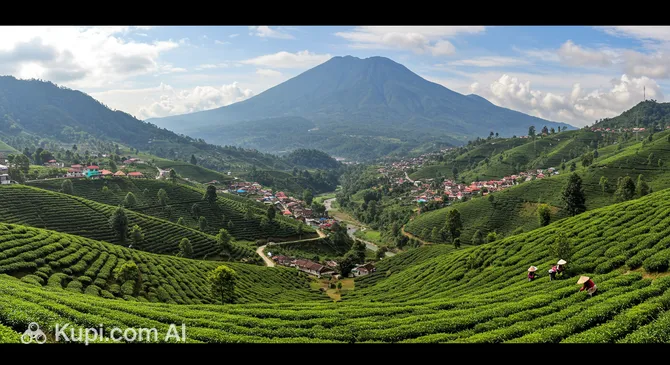
Pagar Alam. Source: Kupi.Binoculars

Beyond its natural splendor, the region possesses a fascinating cultural heritage. The area is renowned for its ancient megalithic sites, scattered across the plateau, which whisper tales of civilizations past. Exploring the history of Pagar Alam reveals a deep connection between the local people and their ancestral lands, adding a layer of mystery and intrigue to your visit.

Visitors are often captivated by the sprawling tea plantations that carpet the slopes of Mount Dempo, offering panoramic views and perfect photo opportunities. The city is also a gateway to numerous stunning waterfalls, such as Curup Embun and Curup Lematang, which are easily accessible and provide refreshing spots for relaxation. For the adventurous, hiking near the volcano or exploring the scenic trails constitutes an unforgettable experience.

Whether you are a history buff, a nature enthusiast, or simply looking for a cool retreat, Pagar Alam welcomes you with open arms. It is a delightful destination that promises both adventure and peace, making it a must-visit spot on your Sumatran itinerary.

Weather Overview

The climate in this highland city is characterized by comfortable, consistent temperatures and frequent rainfall throughout the year. Due to its elevation, the weather remains pleasant, with average temperatures consistently hovering around 22°C. Days are generally warm, reaching highs of approximately 26°C, while nights offer a refreshing cool down to around 18°C.

Travelers should be prepared for rain regardless of when they visit, as the region experiences a significant number of wet days each month, ranging from 21 to 29 days. November tends to see slightly higher precipitation levels, while July is often the month with the lowest rainfall volume. To help pack appropriately for your trip, you can view the detailed weather in Pagar Alam.

Interesting Facts

Beyond the main attractions, Pagar Alam holds fascinating stories and unique features that make it truly special. Here are some intriguing facts about this highland city that often surprise visitors.

  • The name Pagar Alam literally translates to "Nature's Fence," a fitting description for a city completely encircled by the rolling hills and ridges of the Bukit Barisan mountain range, which shelter the valley like a natural fortress.

  • The region is home to the mysterious Pasemah megaliths, an archaeological wonder consisting of thousands of ancient stone carvings and statues scattered across the plateau. These relics date back thousands of years and depict dynamic scenes of humans and animals, offering a glimpse into a lost prehistoric civilization.

  • Mount Dempo is not just a scenic backdrop but the highest peak in South Sumatra, featuring a stunning crater lake at its summit. The lake is known to change colors—shifting between shades of green, blue, and grey—depending on the weather and volcanic activity.

  • The city's famous tea plantations, which cover thousands of hectares, were originally established during the Dutch colonial era in 1929. The high altitude and volcanic soil create the perfect conditions for growing tea with a distinct and renowned flavor profile.

How to Get There

Reaching the highlands of Pagar Alam is an adventure that typically involves a scenic journey through South Sumatra. While the city is tucked away in the mountains, it remains accessible via several major transport hubs in the region. For a comprehensive guide on planning your route, you can read more about how to get to Pagar Alam and choose the option that best suits your itinerary.

Travelers often choose Sultan Mahmud Badaruddin II Airport (PLM) in Palembang as their primary gateway. Located about 207 km from Pagar Alam, this airport handles a large volume of flights and offers good connectivity. From Palembang, the overland journey is a scenic drive that typically takes around 7 to 8 hours, allowing you to witness the changing landscapes of the Sumatran countryside.

For those looking to minimize travel time on the road, Lubuk Linggau Silampari Airport (LLJ) in Lubuklinggau is the closest option, situated roughly 91 km away. The drive from here is significantly shorter, generally taking a few hours. Another convenient alternative is Fatmawati Soekarno Airport (BKS) in Bengkulu, located approximately 101 km from the city. The trip from Bengkulu involves a drive of about 4 to 5 hours through picturesque terrain.

For clarity, here is a summary of the main airports serving the region:

Airport Name City Passenger Traffic Km from City
Sultan Mahmud Badaruddin II Airport Palembang High 206.8
Radin Inten II Airport Bandar Lampung High 253.8
Sultan Thaha Airport Jambi Medium 269.8
Fatmawati Soekarno Airport Bengkulu Medium 100.7
Lubuk Linggau Silampari Airport Lubuklinggau Small 90.9

Main Attractions

Pagar Alam is a treasure trove of natural wonders and historical mysteries. The city's highland location ensures that most attractions are centered around its cool climate, breathtaking landscapes, and rich cultural heritage. Here are some of the top places to explore during your visit.

Mount Dempo
Dominating the skyline, Mount Dempo is the highest volcano in South Sumatra and the crown jewel of Pagar Alam tourism. It is a favorite destination for hikers and nature lovers who are drawn to its challenging trails and the rewarding view of the color-changing crater lake at the summit. Even if you are not planning a full climb to the peak, the base of the mountain offers spectacular views and a refreshing atmosphere that defines the region.

Pagar Alam Tea Plantations
Surrounding the slopes of Mount Dempo lie the vast, emerald-green tea plantations. Dating back to the Dutch colonial era, these plantations are not just agricultural hubs but scenic icons of the city. Visitors can drive through winding roads flanked by endless rows of tea bushes, stop for memorable photos, or visit a local factory to see how the famous local tea is processed. The crisp mountain air and panoramic vistas make it a perfect spot for relaxation.

Curup Embun Waterfall
Among the many waterfalls in the region, Curup Embun is arguably the most famous. Its name, translating to "Dew Waterfall," refers to the fine mist created as water plunges from a significant height into the pool below. The site is easily accessible and offers a tranquil setting for a picnic or a quick dip in the cool waters. The gentle sound of the falling water and the lush surrounding vegetation create a peaceful escape from the bustle of travel.

Megalithic Sites of Pasemah
Pagar Alam is often referred to as an open-air museum due to the abundance of ancient stone relics scattered across the Pasemah Plateau. Sites such as Tegur Wangi feature mysterious statues, dolmens, and stone graves that are thousands of years old. These remnants of a prehistoric megalithic culture are unique to the region and offer a fascinating glimpse into the lives and beliefs of the area's earliest inhabitants.

Tebat Gheban
For a change of pace, visit Tebat Gheban, a beautiful natural lake located not far from the city center. Surrounded by pine trees and offering a direct view of Mount Dempo in the distance, it is a favorite spot for locals to fish and relax. The calm waters reflect the sky and mountains, creating a mirror-like effect that is particularly stunning during sunrise or sunset.

Local Cuisine

The culinary landscape of Pagar Alam is a delightful reflection of its highland culture and South Sumatran heritage. Known for its bold flavors, the local cuisine often features a harmonious blend of spicy, sour, and savory notes that provide a perfect warming contrast to the city's cool mountain air. Visitors can expect fresh ingredients, particularly freshwater fish and locally grown herbs, which play a central role in the traditional Besemah cooking style.

One dish that you simply must try is Pindang Besemah. While Pindang is common throughout South Sumatra, the local version is distinct for its rich use of spices and fresh basil, creating a soup that is both aromatic and refreshing. It is typically prepared with freshwater fish like catfish or carp and seasoned with turmeric, chili, and tamarind. Another rare delicacy is Ikan Semah, a fish found in the swift currents of local rivers. Often reserved for special occasions due to its scarcity, it is prized for its sweet, tender meat and is usually steamed or cooked in a rich curry.

For those with an adventurous palate, Tempoyak is a unique regional specialty made from fermented durian. It is frequently used as a condiment or a base for cooking fish, adding a creamy texture and a pungent, tangy flavor that is beloved by locals. On the sweeter side, look for Kelicuk, a traditional snack made from sticky rice and bananas wrapped in banana leaves. It is a popular companion for morning or afternoon breaks.

Beverages in Pagar Alam are just as noteworthy as the food, largely thanks to the region's fertile soil. The city is a major producer of Robusta coffee, and sipping a cup of freshly brewed, strong local coffee at a roadside stall is a quintessential experience. If you prefer tea, the locally harvested tea from the Mount Dempo plantations offers a fragrant and soothing alternative, often served hot to combat the chill of the highlands.

The food culture here is unpretentious and community-oriented. You will find that the best meals are often served in simple warungs (small family-owned eateries) or restaurants offering lesehan dining, where guests sit on mats around low tables. This style of dining encourages a relaxed atmosphere, allowing you to enjoy the stunning mountain views while savoring the authentic tastes of the highlands.

Travel Tips

To ensure your journey to the highlands of Pagar Alam is as smooth and enjoyable as possible, a little preparation goes a long way. These practical insights will help you navigate the unique local environment, from packing for the cool mountain weather to understanding the cultural nuances of South Sumatra.

  1. Clothing and Gear: Unlike the humid lowlands of Indonesia, Pagar Alam is refreshingly cool, especially at night. Pack light layers such as a sweater or a light jacket to stay comfortable in the evenings. Since rainfall is frequent year-round, a reliable raincoat or umbrella is essential. Comfortable, sturdy walking shoes are a must for exploring the tea plantations and megalithic sites, which often involve uneven terrain. While the dress code is casual, remember to dress modestly (covering shoulders and knees) when visiting villages or religious sites.
  2. Transportation: Public transport within the city is limited primarily to angkots (minivans) and ojeks (motorcycle taxis). For the most freedom to explore scattered attractions like the waterfalls and Mount Dempo, renting a car with a driver or a motorbike is highly recommended. Ride-hailing apps like Grab or Gojek may operate in the city center, but availability can be sporadic in more remote areas, so do not rely on them exclusively for return trips from distant sights.
  3. Finances: The local currency is the Indonesian Rupiah (IDR). While there are ATMs available in the town center, many local warungs, markets, and entrance gates to natural attractions only accept cash. It is wise to withdraw sufficient funds before heading out for the day. Credit cards are generally accepted only at larger hotels or modern convenience stores. Tipping is not mandatory but is appreciated for drivers and guides.
  4. Health and Safety: Pharmacies (known as Apotek) are available in the main city area, but they may not be open 24/7, so bring a basic personal first-aid kit. Pagar Alam is generally very safe for tourists, but exercise caution on hiking trails, which can become slippery after rain. Stick to marked paths, especially around the volcano and waterfalls, to avoid accidents.
  5. Communication: The main language is Bahasa Indonesia, and the local Besemah dialect is widely spoken. English proficiency is limited outside of major hotels and tour operators. It is highly useful to download an offline translation app or learn a few basic phrases like terima kasih (thank you). For mobile data, a Telkomsel SIM card typically offers the most reliable coverage in these highland areas.
  6. Local Etiquette: The people of Pagar Alam are friendly and welcoming. A smile and a nod go a long way when greeting locals. Always use your right hand for eating, giving, or receiving items, as the left hand is considered impolite. If you are invited into a local home or certain traditional buildings, remember to remove your footwear before entering.
  7. What to Avoid: Avoid public displays of affection, such as kissing or excessive hugging, as the local culture is conservative. Additionally, do not disrespect the ancient megalithic sites by climbing on the statues or touching them unnecessarily; these are culturally significant historical artifacts.
  8. Morning Views: To get the best experience of the tea plantations and Mount Dempo, start your day early in the morning (around 6:00 or 7:00 AM). The mountains are often clear at sunrise, but clouds and mist tend to roll in by late morning or early afternoon, obscuring the spectacular views.

By keeping these tips in mind, you will be well-equipped to embrace the serene beauty and rich culture of this highland gem. Pagar Alam offers a refreshing break from the ordinary, and with the right preparation, your visit will be full of wonderful memories and breathtaking sights.

Entertainment & Nightlife

Entertainment in Pagar Alam reflects the city's laid-back, highland character. Unlike the bustling metropolises of Indonesia, the nightlife here is not defined by loud nightclubs or wild parties. Instead, it revolves around the "nongkrong" culture—socializing with friends over locally grown coffee and warm food in the crisp mountain air. The evening atmosphere is serene, friendly, and centered on community gathering spots that come alive as the sun sets behind Mount Dempo.

The heart of the city's evening activity is undoubtedly Alun-Alun Utara (North Square). As darkness falls, this area transforms into a vibrant night market filled with bright lights and local families. It is the perfect place to experience the local vibe, where you can rent colorful, neon-lit pedal cars known as "odong-odong" or simply stroll around enjoying the festive mood. The square is lined with street food stalls selling grilled corn, satay, and hot drinks, making it a culinary haven for budget travelers.

For those seeking a place to sit back and relax, the city offers several popular venues. Besco Roastery is a favorite among locals and visitors alike, offering a cozy ambiance where you can taste the region's famous Robusta coffee, freshly brewed to perfection. Another excellent spot is Pondok Teteh Resto Cafe, which provides a comfortable setting for a late dinner with a variety of local and Indonesian dishes. For a view of the city lights, many head to the area around Tangga 2001, a landmark staircase and open space that serves as a popular hangout spot for young people to chat and enjoy the cool breeze.

Practicality is key when planning a night out in Pagar Alam. The temperature drops significantly after dark, often reaching around 18°C, so it is essential to dress in warm layers or a light jacket. Most venues and markets operate on a cash-only basis, so ensure you have enough Indonesian Rupiah on hand. Public transportation becomes scarce at night; it is highly advisable to arrange a rental car or keep the number of a local ojek (motorcycle taxi) driver handy for your return trip.

In terms of safety, Pagar Alam is generally very secure for evening walks, especially in busy areas like the Alun-Alun. However, street lighting can be dim in the outskirts and near the tea plantations, so it is best to stick to the town center or travel in groups if exploring further afield. While the city is quiet by midnight, the early evenings offer a charming and authentic glimpse into the warm hospitality of the Besemah people.

During the day, entertainment shifts towards nature and agrotourism. Visitors can explore the sprawling tea plantations that offer not just scenic views but also educational tours about tea processing. For a more active experience, the city serves as a base for trekking to majestic waterfalls or visiting the numerous ancient megalithic sites scattered across the plateau, which act as open-air museums of the region's prehistoric past.

Parks & Museums

Pagar Alam is often described as a "city within a garden," where the boundaries between urban life and the surrounding wilderness are beautifully blurred. The city’s landscape is defined by its verdant highlands, offering a wealth of parks and cultural sites that allow visitors to immerse themselves in both the natural beauty and the deep-rooted history of the Besemah people.

Dempo Park is one of the premier recreational spaces in the area, situated at a high altitude that guarantees fresh, cool air and spectacular views. It is a favorite among families and photographers, featuring colorful flower gardens, designated photo spots with the majestic Mount Dempo as a backdrop, and playgrounds for children. The park serves as an excellent vantage point to appreciate the vastness of the tea plantations below without having to trek through rugged terrain.

Another unique green space is Green Paradise, an agro-tourism park that highlights the region's fertile soil and abundant water sources. This area is designed to be a relaxing retreat, featuring crystal-clear spring water pools filled with local fish, surrounded by lush vegetation and bamboo groves. Visitors can feed the fish, enjoy a picnic by the water, or explore the small vegetable gardens that showcase the agricultural lifestyle of the local community.

While Pagar Alam may not possess large, modern indoor museums, the entire region is widely regarded as a sprawling Open-Air Megalithic Museum. The plateau is dotted with ancient stone carvings and statues that function as in-situ galleries of prehistoric art. The Tegur Wangi Site is one of the most significant locations, where visitors can walk among stone statues depicting humans riding elephants and buffaloes, offering a tangible connection to a civilization that thrived thousands of years ago.

For a glimpse into the architectural history of the region, the traditional Rumah Baghi houses stand as cultural landmarks. These wooden stilt houses, with their distinctive curved roofs and intricate carvings, are masterclasses in traditional carpentry, built without the use of nails. Although many are private residences, several serve as living museums where tourists can observe the layout and craftsmanship that have defined Besemah culture for generations.

For a truly authentic experience, look for the Batu Gong site near the city center. It is a smaller, often quieter historical site featuring a stone that resonates with a gong-like sound when struck, surrounded by a peaceful bamboo forest that feels worlds away from the modern era.

Getting Around

Navigating Pagar Alam is a relatively straightforward experience, though it differs significantly from the complex transit systems found in major metropolitan areas. As a small highland city, it does not possess a metro, tram, or large municipal bus network. Instead, the public transport system relies primarily on informal, road-based modes of travel that are well-suited to the region's winding, mountainous terrain.

The most common form of public transportation is the Angkot (Angkutan Kota), which are colorful minivans that follow specific routes throughout the city and its suburbs. These minivans serve as the backbone of local mobility, connecting the city center with residential areas, markets, and some tourist spots. They do not have fixed schedules or designated bus stops; passengers simply wave from the side of the road to hail one and say "Kiri" (Left) to the driver when they wish to disembark.

For destinations that are off the main roads or harder to reach by angkot, Ojeks (motorcycle taxis) are a popular and efficient alternative. You will find traditional ojek drivers waiting at designated corners, known as pangkalan. Ride-hailing apps like Gojek or Grab may also be available, but their coverage can be sporadic in this highland region, especially as you move further away from the town center. If using a traditional ojek, it is customary and necessary to negotiate the fare before starting your journey.

The payment system in Pagar Alam is predominantly cash-based. There are no travel cards, passes, or digital ticketing systems for public transport. Fares for angkots are very affordable and generally fixed based on distance, usually requiring small denominations of the local currency. It is highly advisable to carry plenty of small bills and coins, as drivers often have limited change for larger notes.

For tourists, relying solely on public transport can be limiting, especially when trying to reach the scenic tea plantations, waterfalls, or the base of Mount Dempo, which are often located on the outskirts. Consequently, renting a vehicle is often the most practical choice. Renting a motorbike offers the freedom to explore the narrow mountain roads at your own pace, while hiring a car with a local driver provides comfort and the benefit of local knowledge.

Travelers should also be aware of operating hours. Angkots typically operate from early morning, around 6:00 AM, until late afternoon, roughly 6:00 PM. After sunset, public transport options dwindle rapidly, and finding a ride can be difficult. If you plan to stay out late to enjoy the night market or a cafe, arranging a private pick-up or ensuring you have a rental vehicle is strongly recommended.

Accommodation

Accommodation in Pagar Alam primarily caters to nature lovers and travelers seeking a retreat from the heat, rather than those looking for high-end luxury. The city does not host major international hotel chains; instead, the hospitality landscape is dominated by charming guesthouses, comfortable budget hotels, and scenic villas. These options often provide a more personal and authentic experience, allowing visitors to enjoy the famous highland hospitality of South Sumatra.

When choosing where to stay, travelers generally decide between two main areas: the city center and the slopes of Mount Dempo. Staying in the city center offers convenient access to local markets, banks, and a wider variety of dining options, making it practical for those relying on public transport. However, for the quintessential Pagar Alam experience, the area around the Mount Dempo tea plantations is highly recommended. Here, you can find villas and homestays that offer breathtaking views of the emerald-green hills right from your window, along with the refreshing mountain breeze.

For those planning a trip, it is important to note that accommodation can fill up quickly during weekends and Indonesian public holidays, as the city is a popular getaway for domestic tourists. It is a smart booking tip to reserve your room well in advance if you plan to visit during these peak times. On weekdays, the town is much quieter, and finding a place to stay is generally easier.

The price range for lodging in Pagar Alam is generally very affordable, fitting well within budget to mid-range categories. While some established hotels and larger villas can be booked through major online travel platforms, many smaller homestays and family-run guesthouses still rely on direct booking via phone or messaging apps. It is also worth noting that some smaller accommodations may only accept cash payments, so having enough local currency on hand is advisable upon arrival.

Nearby Cities

For those looking to explore the surroundings, Pagar Alam serves as an excellent base for day trips and short excursions to several interesting nearby locations:

City Population Distance (km)
Serang 1644899 397
Palembang 1535952 208
Bandar Lampung 1166761 271
Jambi 612162 296
Cilegon 387543 382

While some of the larger cities listed above are best suited for overnight stays due to the travel time through the mountains, there are closer destinations that make for perfect day trips. Here are a few recommended spots to enhance your visit to the highlands:

Lahat
Located just a short drive from Pagar Alam, Lahat is often the first stop for travelers exploring the region. It is famous for Bukit Serelo, a unique hill shaped like a thumb that has become an icon of the regency. Like Pagar Alam, Lahat is rich in archaeological history and is home to numerous megalithic sites. The Elephant School (Sekolah Gajah) in the Perangai area is another unique attraction where visitors can see trained elephants in their natural habitat.

Lubuklinggau
Situated to the north, Lubuklinggau offers a mix of urban convenience and natural beauty. The city is renowned for Bukit Sulap, a large hill accessible by an incline train that offers panoramic views of the city and surrounding jungle. Another must-visit is the Temam Waterfall, often referred to as the "Niagara of Indonesia" due to its wide, curtain-like appearance. It is particularly striking in the evening when it is illuminated by colorful lights.

Palembang
As the capital of South Sumatra, Palembang is the cultural and historical heart of the province. Although it requires a longer journey, it is the primary gateway for many visitors. The city is famous for the iconic Ampera Bridge spanning the Musi River and its rich culinary heritage, especially Pempek (fish cake). History enthusiasts can explore the remnants of the powerful Srivijaya Kingdom at the Archaeological Park.

These nearby destinations offer a glimpse into the diverse culture and landscapes of the region, ranging from ancient history to stunning natural formations.

Shopping & Souvenirs

Shopping in Pagar Alam offers a distinctively local experience that contrasts sharply with the mall culture of big cities. Here, commerce revolves around bustling traditional markets and small, family-run shops where the interaction is as important as the transaction. Visitors will not find sprawling shopping centers or international luxury brands; instead, they will discover a treasure trove of agricultural products, traditional crafts, and authentic highland flavors.

The heartbeat of the city's trade is Pasar Dempo Permai, located in the city center. This vibrant market is the go-to place for everything from fresh mountain produce to clothing and daily necessities. It is a sensory experience filled with the aroma of spices and the sound of lively bargaining. For a more specific selection of fresh fruits and vegetables, the morning markets around the terminal areas also offer high-quality local harvest at very affordable prices.

The best souvenirs from Pagar Alam are edible treats that reflect the region's fertile soil. When looking for gifts to take home, consider these local specialties:

  • Besemah Coffee: As one of the premier coffee-producing regions in Indonesia, Pagar Alam is famous for its Robusta beans. You can buy freshly roasted beans or ground powder directly from local roasters or in the markets. The coffee here is known for its strong body and unique aroma, making it a perfect gift for coffee lovers.

  • Mount Dempo Tea: Sourced directly from the plantations that carpet the volcano's slopes, the local black tea is a popular purchase. It is often sold in simple packaging that preserves its fresh, highland flavor and is widely available at souvenir shops near the plantation entrance.

  • Fresh Produce: Thanks to the cool climate, the city produces some of the best avocados (alpukat) and passion fruit (markisa) in the province. They are widely available at roadside stalls, especially along the route to Mount Dempo, and are significantly fresher than what you might find in lowland cities.

  • Traditional Snacks: Look for Kemplang, a savory fish cracker that is a staple in South Sumatra, or sweet treats like Dodol, a sticky toffee-like confection often flavored with durian or pandan.

To navigate the local shopping scene effectively, keep a few practical tips in mind. Cash is essential, as most vendors in traditional markets and small souvenir shops do not accept credit cards. Ensure you carry sufficient Indonesian Rupiah in smaller denominations. Additionally, bargaining is expected in places like Pasar Dempo Permai. Haggling should be done with a smile and politeness; it is often possible to get a lower price, especially if you are buying multiple items. For the freshest produce and the most authentic atmosphere, try to visit the markets early in the morning, between 6:00 AM and 9:00 AM.

Reached the end of the page?

That means the route is fully explored