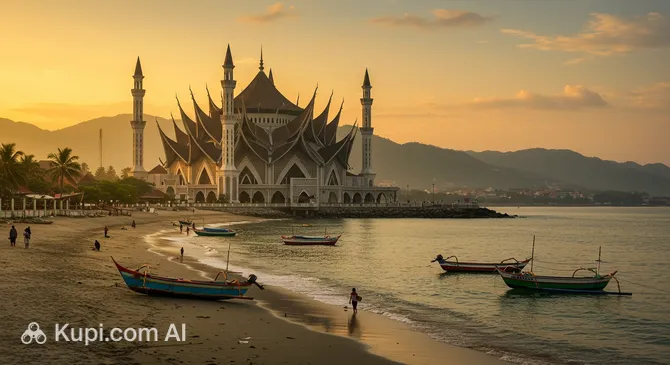
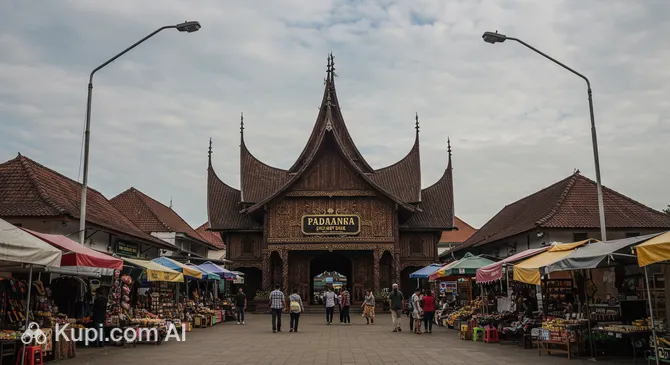
Welcome to Padang, the vibrant capital of the West Sumatra province and a crucial gateway to the Minangkabau Highlands. Situated on the western coast of the island of Sumatra, this bustling city serves as a major economic and cultural hub in Indonesia. With a population of over 900,000 residents, Padang offers a dynamic blend of urban energy, stunning natural landscapes, and deep-rooted traditions that captivate travelers from around the globe.
Padang. Illustration.
Source: Kupi.com AI
Geographically, the city is uniquely positioned between the rolling hills of the Bukit Barisan mountain range and the vast Indian Ocean, providing spectacular sunset views and a warm tropical climate. While the city is modernizing, the history of Padang remains visible in its charming old town, where colonial-era architecture stands as a testament to its past as a significant trading port. Exploring these streets offers a fascinating glimpse into the heritage that has shaped the region's identity.
Padang is perhaps most famous worldwide for its culinary contribution: Nasi Padang. This spicy, flavorful style of serving rice with various dishes is a must-try experience right at its source. Beyond the food, visitors are drawn to Air Manis Beach, home to the legendary stone of Malin Kundang, and the iconic Siti Nurbaya Bridge, which lights up beautifully at night. Whether you are here to indulge in spicy delicacies or to use the city as a jumping-off point for the nearby islands, Padang promises a warm and memorable welcome.
Weather Overview
Planning a trip to West Sumatra requires understanding the local climate, which is distinctively tropical and humid. The weather in Padang remains warm and consistent throughout the year, making it a destination where you can expect steady temperatures regardless of when you visit. Average monthly temperatures generally hover between 24°C and 25°C, with daytime highs typically reaching up to 27.5°C and nights cooling down to a comfortable 22°C.
Rainfall is a constant feature of the city's environment, contributing to the region's lush, green landscapes. Visitors should be prepared for frequent precipitation, as the data indicates a high number of wet days, ranging from 22 to 27 days per month. Whether you travel in May, which sees slightly higher average temperatures, or during the cooler months, keeping an umbrella or raincoat handy is essential. Despite the frequent showers, the warm tropical atmosphere ensures that the city remains inviting for travelers year-round.
Average monthly temperature
Average monthly precipitation
Interesting Facts
Beyond the popular culinary delights and scenic beaches, Padang holds captivating stories that define its cultural soul. Uncover the legends and traditions that make this city truly unique with these fascinating insights.
The city is the setting for a tragic romance often compared to "Romeo and Juliet." The classic Indonesian novel Sitti Nurbaya tells the story of star-crossed lovers, and this literary heritage is immortalized at Siti Nurbaya Park. It is said that the hilltop park is the final resting place of the protagonist, offering both a poignant history and panoramic views of the city.
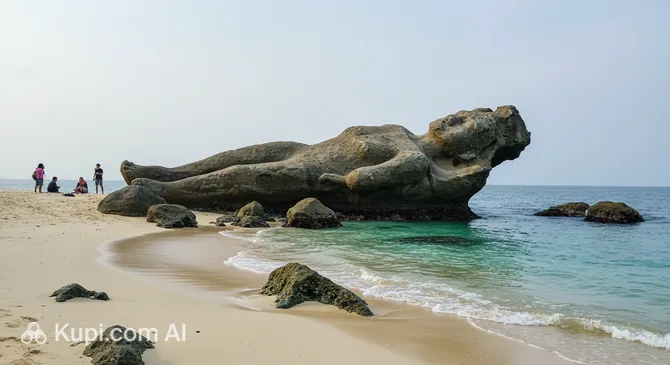
One of Indonesia's most famous folktales is physically manifested on the coast of Padang. The Malin Kundang Stone at Air Manis Beach is believed to be the petrified remains of an ungrateful son who was cursed by his mother. The rock formation bears an uncanny resemblance to a man prostrating in regret, surrounded by the wreckage of his ship.
Padang serves as the gateway to the Minangkabau Highlands, home to the world's largest matrilineal society. In this distinct social structure, ancestral property and land are passed down from mother to daughter, and women play a central role in community decision-making, which is a rare cultural trait in the region.
While the local cuisine is famous worldwide, the traditional serving style known as Hidang is a spectacle in itself. In authentic restaurants, waiters expertly balance dozens of small plates on their arms to serve them all at once at your table. You only pay for the specific dishes you eat, making it a unique and customizable dining experience.
Malin Kundang Stone. Illustration.
Source: Kupi.com AI
Traveler photos:
How to Get There
Reaching the capital of West Sumatra is a straightforward experience, with air travel being the most convenient and popular option for visitors. For a comprehensive guide on all available transport methods, including overland routes, you can read more about how to get to Padang on our detailed page.
The primary gateway to the city is Minangkabau International Airport (PDG). Located approximately 20 km from the city center, this international airport serves as the main hub for travelers arriving from Jakarta, Kuala Lumpur, and other major cities. The journey from the airport to downtown Padang typically takes around 50 minutes by taxi or bus. The airport is unique for its architecture, which mimics the traditional Minangkabau roof design, offering a warm cultural welcome the moment you land.
Alternatively, travelers might consider flying into Sultan Syarif Kasim II International Airport (PKU), located in the city of Pekanbaru. However, please note that this airport is situated about 197 km away from Padang. The overland journey from Pekanbaru to Padang is scenic but long, taking approximately 5 hours and 15 minutes by taxi or private car. This option is generally chosen by those planning a road trip across Sumatra rather than those looking for a direct route to Padang.
For clarity, here is a summary of the main airports:
While Padang is well-connected by air, long-distance railway options for arriving in the city are currently limited compared to Java. The city does not have a major inter-city railway station connecting it to other provinces. However, once you arrive at Minangkabau International Airport, you can utilize the convenient rail link that connects the airport directly to the city center. For those coming from neighboring regions without flying, inter-city buses and shared travel cars are the most common alternatives to reach Padang.
Main Attractions
Padang is a city that seamlessly blends cultural heritage with natural beauty, offering visitors a diverse range of experiences beyond its famous cuisine. From architectural marvels to serene coastal spots, the city's landmarks provide a deep dive into the traditions of the Minangkabau people and the vibrant local life. Here are some of the top places to explore during your visit.
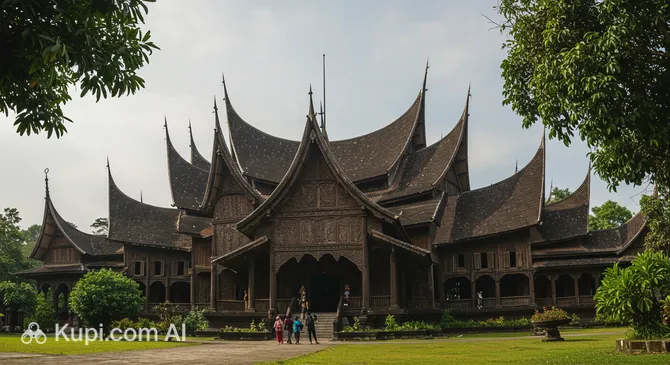
For those interested in history and culture, the Adityawarman Museum is an essential stop. Often referred to as the "Taman Mini" of West Sumatra, this museum is housed in a magnificent structure modeled after the traditional Rumah Gadang (Big House) with its iconic curved roof. Inside, you will find a vast collection of artifacts, traditional costumes, and historical items that preserve the rich heritage of the Minangkabau and Mentawai cultures. It serves as an excellent educational starting point to understand the region's unique matrilineal society.
Adityawarman Museum. Illustration.
Source: Kupi.com AI
Traveler photos:
If you are looking to unwind and enjoy the ocean breeze, head to Padang Beach (Taplau). Known locally as Taplau (an abbreviation for Tapi Lauik, meaning seaside), this stretch of coast is the city's most popular hangout spot. It is particularly famous for its breathtaking sunsets, which paint the sky in vivid hues of orange and purple. The promenade is lined with food stalls selling grilled corn and "langkitang" (river snails), making it a perfect place to mingle with locals and enjoy simple, tasty snacks by the sea.
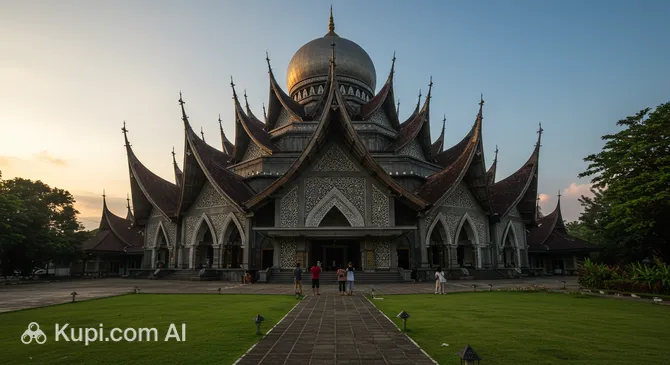
A striking example of modern religious architecture is the Great Mosque of Sheikh Ahmad Khatib Al-Minangkabawi, West Sumatra. Unlike typical mosques with domes, this building features a distinctive roof design that interprets the traditional Minangkabau buffalo horn shape (gonjong) in a contemporary style. The structure is not only visually stunning but also engineered to be earthquake-resistant. Its open-air concept and intricate geometric carvings make it a photographer's delight and a spiritual landmark for the community.
Great Mosque of Sheikh Ahmad Khatib Al-Minangkabawi, West Sumatra. Illustration.
Source: Kupi.com AI
Traveler photos:
To experience the multicultural side of the city, visit the See Hin Kiong Temple located in the Chinatown district known as Pondok. As the oldest Chinese temple in Padang, it stands as a symbol of tolerance and diversity. The temple is adorned with vibrant red decorations and dragon sculptures, creating a colorful contrast to the surrounding buildings. It is a peaceful place to observe local religious practices and explore the historical trade connections that have shaped the city's identity.
Local Cuisine
Padang is widely regarded as a culinary paradise, famous for its rich, spicy, and aromatic food that has gained popularity across the globe. The local cuisine, known as Masakan Padang, is characterized by the generous use of coconut milk and a vibrant blend of spices such as chili, lemongrass, galangal, and turmeric. For food lovers, visiting this city is a pilgrimage to the source of some of Indonesia's most beloved dishes, offering an authentic taste that is far superior to versions found elsewhere.
No culinary journey here is complete without trying Rendang, a slow-cooked beef dish simmered in coconut milk and spices until it becomes tender and caramelized. It is often cited as one of the most delicious foods in the world. Another must-try is Sate Padang, skewers of beef or ox tongue served with a distinctive thick, yellow curry sauce made from rice flour and spices. For those who enjoy texture, Dendeng Balado—thinly sliced, crispy fried beef topped with coarse chili sambal—is a flavorful delight that perfectly balances heat and crunch.
When it comes to beverages, the city offers a unique local specialty called Teh Talua (egg tea). This creamy, frothy drink is made by whisking raw egg yolk with sugar and hot tea, often finished with a squeeze of calamansi lime to mask any egg taste. It is a favorite energy booster among locals. While alcohol is not a prominent part of the traditional dining culture due to local customs, you can find it in select hotels or designated entertainment venues. However, the local scene is predominantly focused on coffee culture and refreshing fruit juices.
The food culture in Padang is communal and vibrant, ranging from air-conditioned restaurants to bustling street stalls. To experience the heart of the city's nightlife and street food scene, you should visit Simpang Kinol. This area comes alive at night, offering a melting pot of Minangkabau and Chinese-Indonesian culinary influences. Here, you can hop from stall to stall, sampling everything from savory noodle dishes to sweet traditional snacks, immersing yourself in the true gastronomic rhythm of the city.
Simpang Kinol. Illustration.
Source: Kupi.com AI
Traveler photos:
Travel Tips
To help you navigate the bustling streets of Padang and fully enjoy your West Sumatran adventure, we have compiled a list of essential travel advice. These practical tips will ensure your journey is smooth, culturally respectful, and full of authentic local experiences.
Clothing and Gear: Given the tropical and often rainy climate, pack lightweight, breathable fabrics like cotton or linen. Since Padang experiences frequent rainfall, carrying a sturdy umbrella or a high-quality raincoat is indispensable. As this is a conservative region with strong Islamic traditions, dress modestly in public areas; ensure your shoulders and knees are covered, especially when visiting villages or religious sites.
Transportation: The most iconic way to get around is by Angkot—brightly colored minivans that blast upbeat music. While they are cheap and plentiful, routes can be confusing for newcomers. For convenience, ride-hailing apps like Gojek or Grab are widely available and reliable for both car and motorbike taxis. If you plan to explore the surrounding highlands, renting a car with a local driver is highly recommended.
Finances: The local currency is the Indonesian Rupiah (IDR). While credit cards are accepted in major hotels and modern malls, cash is absolute king in Padang, especially at traditional restaurants (Rumah Makan) and street stalls. ATMs are widespread throughout the city. Tipping is not mandatory, but rounding up the bill or leaving small change is appreciated for good service.
Health and Safety: Padang is generally safe for tourists, but standard precautions apply. Tap water is not potable; always stick to bottled or boiled water. Pharmacies, known as Apotek (e.g., Kimia Farma), are easy to find and well-stocked. Be mindful of the traffic when crossing streets, as motorcycles can be unpredictable. Since the region is prone to seismic activity, familiarize yourself with your hotel's evacuation routes upon arrival.
Communication: The main language is Indonesian (Bahasa Indonesia), while locals speak the Minangkabau language among themselves. English is spoken at hotels and the airport, but proficiency varies in the city. It is very helpful to buy a local SIM card (Telkomsel has the best coverage in Sumatra) for maps and translation apps. Learning basic phrases like "Terima kasih" (Thank you) will go a long way.
Local Etiquette: The Minangkabau people are known for their hospitality. Always use your right hand for eating, giving, or receiving items, as the left hand is considered unclean. Remove your footwear before entering a home or a mosque. A smile and a polite nod are the best ways to greet locals.
What to Avoid: Public displays of affection (PDA) are frowned upon and should be avoided to respect local norms. Also, avoid drinking alcohol in public spaces; it is not part of the local culture and is generally only available in specific hotels or licensed venues.
Dining Tip: When eating Nasi Padang, you will often find a small bowl of water with a slice of lime on the table. This is kobokan, used for washing your fingers before and after eating, not for drinking. Eating with your hands is the traditional and preferred way to enjoy the texture and flavor of the rice and spices!
Armed with these tips, you are ready to embrace the warmth and vibrancy of Padang. Whether you are navigating the lively markets or savoring the world-famous spicy cuisine, a little preparation will help you connect deeply with this fascinating city and its people.
Entertainment & Nightlife
While Padang is not primarily known for a wild party scene comparable to Bali or Jakarta, the city offers a distinct and enjoyable nightlife experience centered around relaxation, live music, and socializing. The evening atmosphere here is generally laid-back, with a strong focus on café culture, acoustic performances, and karaoke. Visitors will find that the nightlife is less about thumping nightclubs and more about gathering with friends in comfortable lounges or enjoying the cool ocean breeze along the coast.
One of the most popular districts for evening entertainment is the Pondok area, which has a vibrant mix of cultures and venues. For those seeking a more upbeat environment with a modern vibe, Teebox Padang is a well-known destination. This venue serves as a comprehensive entertainment hub, featuring a lounge, live music performances, and facilities that attract a trendy local crowd. It is one of the few places in the city where you can experience a lively atmosphere that extends late into the night.
Karaoke is a favorite pastime in Indonesia, and Padang is no exception. If you want to sing your heart out in a private and comfortable setting, Happy Puppy Thamrin is an excellent choice. This family-friendly karaoke venue offers clean private rooms, a wide selection of songs, and good food service, making it a fun activity for groups of friends or families looking to unwind after a day of sightseeing.
For a more upscale experience by the sea, the Marawa Beach Club has become a major highlight in the city's entertainment scene. Located on the coastline, this stylish venue combines beautiful architecture with a relaxed beach club atmosphere. It is the perfect spot to enjoy a sunset drink, listen to ambient music, and dine in a sophisticated setting. The dress code here is generally smart-casual, and it tends to be busiest during the golden hour and early evening.
When planning your night out, it is important to note that Padang follows conservative local customs. Alcohol is not as widely available as in other tourist destinations in Indonesia and is typically found only in specific licensed hotels, clubs, or bars. The dress code is usually casual but modest; avoid overly revealing clothing even in nightlife spots. Prices are generally affordable, with a night out costing significantly less than in major metropolitan hubs.
Safety in Padang is generally good, but as with any city, it is wise to stay in well-lit areas and avoid walking alone on deserted streets late at night. For transportation, ride-hailing apps like Gojek and Grab are the safest and most convenient way to get between venues and your hotel. They operate around the clock and eliminate the need for bargaining with taxi drivers.
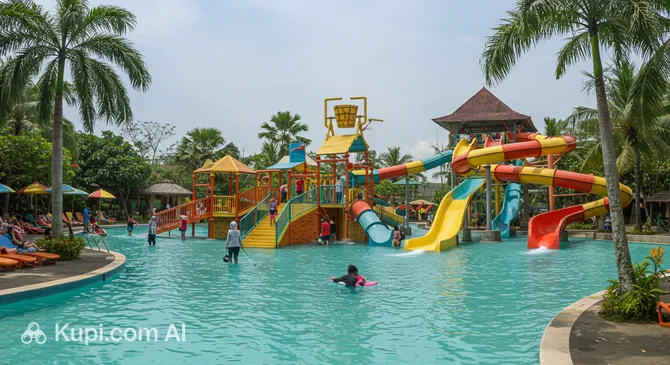
During the day, the city offers family-friendly entertainment options. You can cool off at Arau Mini Waterpark, which provides pools and slides suitable for children and adults alike. For those who prefer indoor activities or shopping, Transmart Padang is a modern complex that often includes a mini amusement area and cinema, offering a break from the outdoor heat.
Arau Mini Waterpark. Illustration.
Source: Kupi.com AI
Traveler photos:
Parks & Museums
Padang is not only a hub of commerce and cuisine but also a city deeply rooted in history and surrounded by natural beauty. Beyond its bustling markets and coastal allure, the city offers tranquil green spaces and educational institutions that preserve the rich heritage of West Sumatra. Exploring its parks and monuments provides a quieter, more reflective perspective on the local culture and the events that have shaped this resilient city.
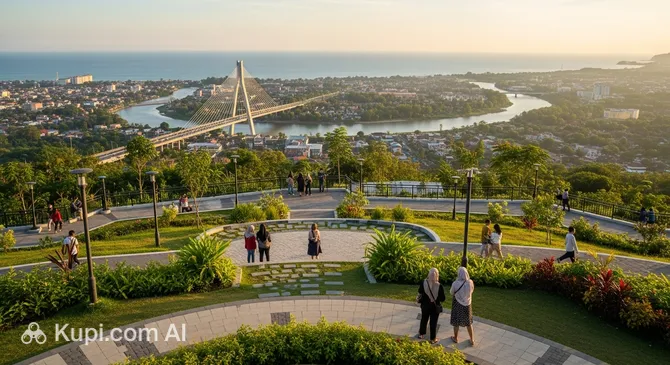
One of the most iconic green spaces is Siti Nurbaya Park (Taman Siti Nurbaya). Located on the slopes of Mount Padang, this lush area is steeped in local folklore, named after the protagonist of a famous tragic love story. It is a fantastic spot for tourists who want to combine a light trek with cultural discovery. The park offers shaded pathways and panoramic views of the city and the coastline, making it a favorite location for watching the sunset. At the summit, you can find the tomb associated with the legend, adding a mystical element to the scenic beauty.
Siti Nurbaya Park. Illustration.
Source: Kupi.com AI
Traveler photos:
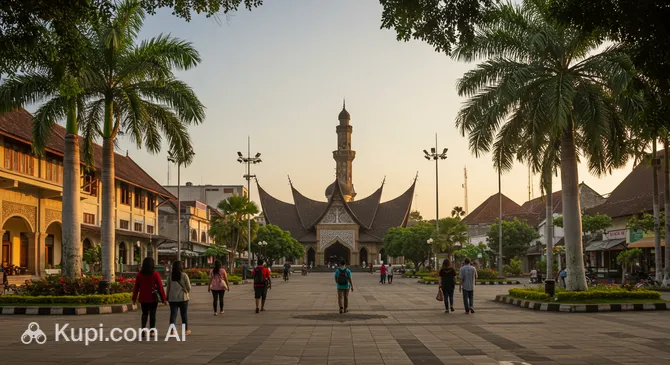
In the heart of the city lies Imam Bonjol Square, a vast open green space dedicated to Tuanku Imam Bonjol, a national hero of the Padri War. This square serves as the city's central gathering point and is surrounded by important government buildings and markets. It is an excellent place to observe local life, especially in the late afternoons when residents come to exercise, relax, or enjoy street snacks. The park's openness provides a welcome break from the urban density, offering a glimpse into the everyday rhythm of Padang's inhabitants.
Imam Bonjol Square. Illustration.
Source: Kupi.com AI
Traveler photos:
When it comes to museums, the Adityawarman Museum stands as the primary custodian of Minangkabau culture. While it is a major architectural landmark, its interior is equally compelling, housing a comprehensive collection of traditional textiles, jewelry, and replicas of traditional dwellings. It acts as a vital educational center where visitors can learn about the unique matrilineal system and the diverse history of West Sumatra's ethnic groups. It remains the most significant museum in the province and a must-visit for cultural enthusiasts.
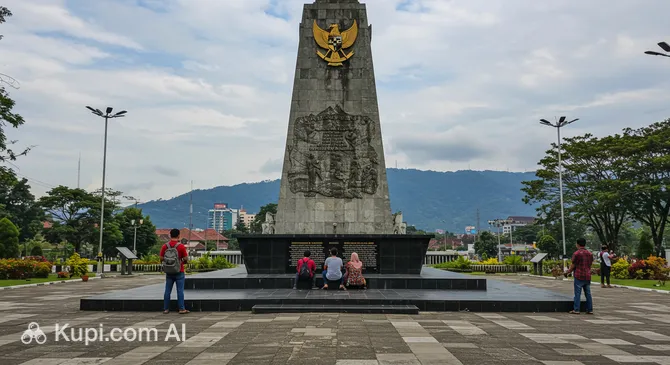
Another poignant site that functions as an open-air memorial is the Padang Earthquake Monument. Built to commemorate the devastating 2009 earthquake, this site is both a tribute to the victims and a reminder of the city's resilience. Located near the coast, the monument features stone carvings and plaques that tell the story of the event and the recovery efforts. It offers a somber but important historical context for understanding the modern development of the city.
Padang Earthquake Monument. Illustration.
Source: Kupi.com AI
Traveler photos:
History buffs should also look out for the city's colonial and independence-era landmarks. The Bagindo Aziz Chan Monument honors the brave mayor of Padang who fought against Dutch colonial forces. Similarly, the Simpang Haru German Railway Monument stands as a testament to the industrial history of the region, commemorating the railway engineers who developed the transportation network in the highlands. These monuments are scattered throughout the city and serve as quick but meaningful stops on a historical tour.
For a truly local experience, try visiting Imam Bonjol Square on a Sunday morning during "Car Free Day." The streets around the park are closed to vehicles, filling up with joggers, cyclists, and vendors selling local breakfast delicacies, offering a lively and authentic atmosphere that few tourists get to see.
Getting Around
Public transport in Padang offers a mix of modern convenience and colorful local culture, making it relatively easy for visitors to navigate the city. The primary mode of modern public transportation is the Trans Padang bus system. These buses operate on designated corridors, providing a comfortable, air-conditioned ride that connects major districts, government offices, and tourist sites. They stop only at specific elevated shelters, known as halte, which ensures a more organized and predictable service compared to other options on the road.
For a more authentic and ubiquitous local experience, you will see fleets of brightly colored minibuses known as Angkot (Angkutan Kota). These are the backbone of the city's transport network, reaching neighborhoods that larger buses cannot access. In Padang, angkots are famous for their vibrant modifications, often featuring flashy paint jobs, lowered suspensions, and loud sound systems blasting upbeat music. Each route is identified by the color of the vehicle—for example, orange, blue, or green—and the specific destination is usually written on the windshield. To stop one, simply wave your hand from the side of the road.
The payment system varies significantly depending on your choice of transport. Trans Padang operates on a strictly cashless basis. You cannot pay the driver with cash; instead, you must use a prepaid electronic money card (such as Brizzi, TapCash, or Flazz) or a QR code payment app widely used in the region. A single trip is very affordable, typically costing around 3,500 IDR. Conversely, angkots operate entirely on cash. You pay the driver directly when you reach your destination. It is advisable to carry small denominations, as drivers may not always have change for large bills.
A special feature of the city's transport infrastructure is the Minangkabau Express, an airport rail link connecting Minangkabau International Airport to the city center at Simpang Haru Station. This train is a reliable and scenic way to travel between the airport and downtown, bypassing potential traffic jams. The carriages are modern and air-conditioned, and tickets can be purchased at the station or via the local railway booking app. It is currently the only major passenger rail service operating within the city limits.
For tourists who prefer direct and hassle-free travel, ride-hailing apps like Gojek and Grab are extremely popular and reliable alternatives. These apps allow you to book both cars and motorcycle taxis (ojek) with fixed prices, eliminating the language barrier and the need to haggle. Conventional taxis are also available, particularly at the airport and major hotels, but using the apps is generally more convenient for getting around town. Car rentals with private drivers are another common option for those planning day trips to the surrounding highlands.
When using public transport, keep in mind that operating hours can be limited. Trans Padang buses generally run from early morning until around 8:00 PM or 9:00 PM. Angkots tend to reduce their frequency significantly after sunset, so it is wise to have an alternative plan if you are out late. If you choose to ride an angkot, be prepared for a cramped but lively journey; it is polite to say "Kiri" (Left) to the driver when you want to get off. This mix of structured buses and free-spirited minibuses gives you the freedom to explore the city at your own pace.
Accommodation
Where to Stay:
Accommodation in Padang caters to a wide variety of travelers, ranging from backpackers seeking authentic local experiences to families looking for modern comfort. The city is predominantly filled with budget-friendly guesthouses (known locally as wisma) and mid-range hotels that offer excellent value for money. While you won't find an abundance of ultra-luxury international chains, the local hospitality is warm, and the facilities are generally clean and well-maintained, ensuring a pleasant stay for visitors.
When choosing a location, most tourists opt for the city center or the coastal areas. Staying in the downtown area places you within walking distance of the bustling markets, government offices, and the best Nasi Padang restaurants. Alternatively, the coastal districts offer refreshing ocean breezes and easy access to the beaches, making them ideal for those who want to watch the sunset every evening. The areas near the Siti Nurbaya Bridge and the historic old town are particularly charming, blending heritage vibes with convenient access to tourist spots.
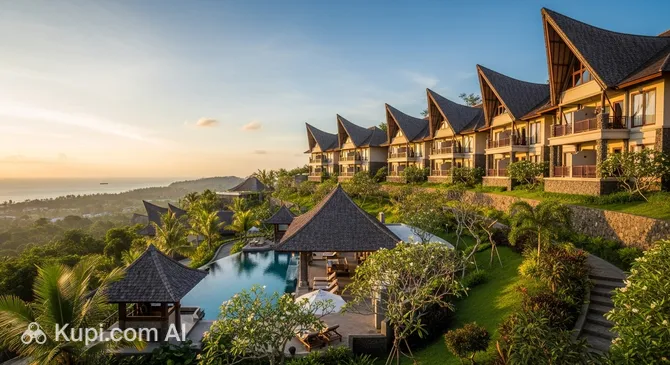
For those looking for a more scenic retreat away from the busy city streets, Air Manis Hillside is a notable option. Located near the famous Malin Kundang Stone, this resort hotel offers a tranquil atmosphere with stunning views of the ocean and the surrounding greenery. It is an excellent choice for travelers who prefer a resort-style experience while still being close to one of the city's major legends.
Air Manis Hillside. Illustration.
Source: Kupi.com AI
Traveler photos:
In terms of pricing, Padang is a very affordable destination. Budget travelers can find comfortable rooms for a fraction of the cost compared to Bali or Jakarta, while mid-range options provide modern amenities like air conditioning and Wi-Fi at reasonable rates. Booking can be done easily through major online travel platforms for larger hotels. However, for smaller homestays, it is sometimes possible to book directly or even find a room upon arrival, though securing your accommodation in advance is highly recommended during the peak travel seasons of Ramadan and Eid al-Fitr (Lebaran), when the city fills up with returning locals.
Nearby Cities
For those looking to explore the surroundings, Padang serves as an excellent base for day trips to several interesting nearby locations:
One of the most popular destinations for a day trip is Bukittinggi, located in the Minangkabau Highlands. A drive of approximately two to three hours takes you from the humid coast to this refreshing hill town, known for its cooler climate and stunning scenery. Visitors flock here to see the iconic Jam Gadang (Clock Tower) and to admire the panoramic views of the Sianok Canyon. It is also a cultural hub where you can explore traditional markets and learn more about the region's history.
For a coastal escape, the city of Pariaman offers a relaxed atmosphere just north of Padang. It is easily accessible by a short train ride, which is a scenic experience in itself as the tracks run parallel to the sea. Pariaman is famous for its sunset views, seafood culinary delights, and the vibrant Tabuik cultural festival held annually. It provides a perfect setting for a leisurely day by the beach without venturing too far.
Heading south, the town of Painan serves as the gateway to the stunning Mandeh Islands, often referred to as the "Raja Ampat of Sumatra." This area is renowned for its calm, blue waters and lush green islets, making it a paradise for snorkeling, boat tours, and swimming. The drive along the coast to reach Painan offers breathtaking ocean vistas, making the journey just as enjoyable as the destination.
City
Population
Distance
Solok
68 602
37 km
Pariaman
85 485
45 km
Painan
14 425
50 km
Padangpanjang
52 422
53 km
Sawahlunto
61 427
57 km
These nearby destinations offer a glimpse into the diverse culture and landscapes of the region.
Shopping & Souvenirs
Shopping in Padang offers a delightful mix of traditional charm and modern convenience. While the city may not have the massive luxury malls found in Indonesia's larger metropolises, it provides a unique retail experience where visitors can find everything from high-quality local handicrafts to contemporary fashion. The shopping scene here is less about international luxury brands and more about discovering authentic Minangkabau culture through its textiles, snacks, and bustling marketplaces.
For a lively street shopping experience, Jalan Permindo is the place to go. Located in the heart of the city, this pedestrian-friendly street is lined with rows of shops selling clothing, shoes, and accessories at affordable prices. It is a favorite spot for locals to update their wardrobes and offers a vibrant atmosphere, especially in the late afternoon. Just a short walk away lies the city's central trading hub, Pasar Raya Padang. This sprawling traditional market is the economic heartbeat of the city, where you can navigate through a maze of stalls selling fresh produce, spices, and daily necessities, offering a raw and authentic glimpse into local life.
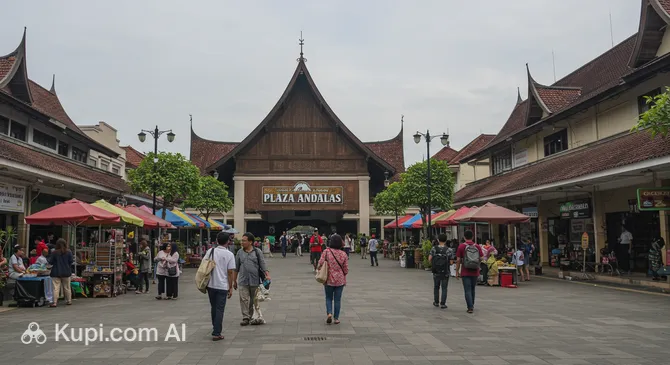
If you prefer air-conditioned comfort and a more organized environment, the city has several modern shopping centers. Plaza Andalas is one of the most prominent malls in the city center. It houses a variety of department stores, supermarkets, and dining outlets, making it a convenient one-stop destination for travelers. Another popular option is Transmart Padang, a modern lifestyle complex that combines shopping with entertainment. For those looking for electronics or specific retail needs, SJS Plaza Padang is another well-known establishment frequented by residents.
Plaza Andalas. Illustration.
Source: Kupi.com AI
Traveler photos:
When it comes to souvenirs, Padang is famous for its culinary gifts, known locally as oleh-oleh. The most iconic item to bring home is Keripik Balado (spicy cassava chips). These crispy, red-glazed snacks are a signature of the region, and you can find specialized souvenir shops dedicated entirely to these treats. Another must-buy is Rendang, which is now available in vacuum-sealed packaging specifically designed for travel, allowing you to take the world's most delicious dish back to your home country. For non-food items, look for Songket, the exquisite traditional hand-woven fabric of West Sumatra, known for its intricate gold and silver threads.
Most modern shops and malls in Padang operate from around 10:00 AM to 10:00 PM daily. Traditional markets like Pasar Raya start much earlier, often at dawn, and begin to wind down by late afternoon. In terms of payment, cash is essential when visiting traditional markets, street stalls, and smaller souvenir shops. However, credit and debit cards are widely accepted in shopping malls, supermarkets, and larger established souvenir centers. While Indonesia does have a VAT refund scheme for tourists, it is generally limited to specific registered retailers in major international gateways like Jakarta and Bali, so it is best not to expect tax-free shopping facilities within Padang itself.