Support

Pekanbaru

About

Welcome to Pekanbaru, the vibrant capital of Riau Province and a bustling metropolis on the island of Sumatra. Known for its cleanliness and orderly urban planning, this city serves as a major economic hub while retaining a distinct cultural charm. It is a place where modern development harmoniously blends with deep-rooted Malay traditions, offering visitors a unique and comfortable travel experience.

Strategically located in western Indonesia, Pekanbaru sits along the banks of the Siak River, which has historically been a vital trade route. With a population approaching one million residents, the city pulses with energy and activity. The climate here is typically tropical, characterized by warm temperatures and humidity year-round, making it a lush and green destination.
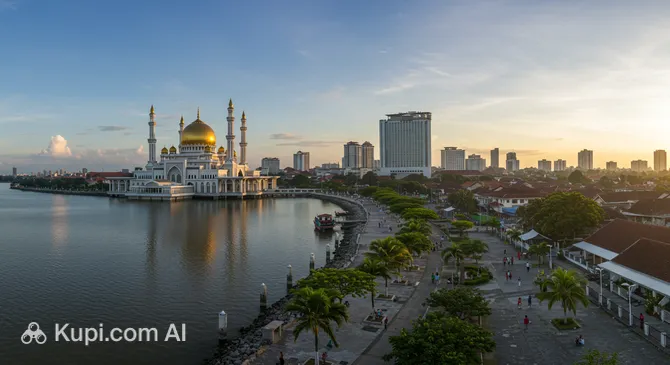
Pekanbaru. Source: Kupi.Binoculars

While often visited for business, the city has plenty to offer leisure travelers as well. Those curious about the region's past can delve into the history of Pekanbaru, tracing its evolution from a modest market town to a significant center of commerce and administration. The local culture is heavily influenced by Malay heritage, which is reflected in the architecture, food, and customs of the people.

One of the city's most iconic landmarks is the An-Nur Great Mosque. Often referred to as the "Taj Mahal of Riau," this stunning architectural masterpiece features a blend of Malay, Turkish, and Indian styles. For shoppers, Pasar Bawah is a must-visit destination; this traditional tourist market is famous for selling antiques, ceramics, carpets, and delicious local snacks like kerupuk and durian pancakes.

Whether you are stopping by for a short transit or planning to explore the wider wonders of Sumatra, Pekanbaru welcomes you with open arms. Its friendly atmosphere, culinary delights, and impressive sights make it a worthwhile stop on your Indonesian journey.
Weather Overview

Pekanbaru experiences a tropical climate defined by consistent warmth and humidity throughout the year. Regardless of when you choose to visit, the city offers steady conditions, making it a year-round destination for travelers who enjoy a lush, equatorial atmosphere.

Temperatures remain remarkably stable, with average daily values hovering between 26°C and 28°C. You can typically expect daytime highs to reach around 30°C to 31°C, while nights cool down comfortably to approximately 23°C to 24°C. May is statistically the warmest month, though the variation across the seasons is minimal, ensuring a predictable thermal experience.

Rainfall is a significant aspect of the local climate. The weather in Pekanbaru is characterized by frequent showers, with the number of wet days ranging from about 18 days in July to as many as 28 days in November and April. Even during the slightly drier months of June and July, rain remains common, so carrying an umbrella or light raincoat is highly recommended for any trip.

Interesting Facts

Beyond its status as a bustling economic center, Pekanbaru holds a collection of fascinating distinctions that often surprise visitors. From record-breaking geography to accolades for urban management, the city's profile goes far deeper than just business and trade.

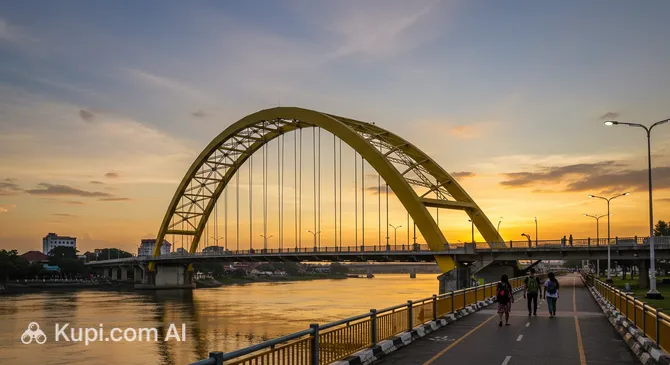
  • The Deepest River: The Siak River, which flows through the heart of the city, is widely cited as the deepest river in Indonesia. Its impressive depth historically allowed large tankers and ships to navigate far inland, establishing the city as a vital trade port. The iconic Siak I Bridge (Leighton Bridge) spans this mighty waterway and serves as a testament to the city's development.

  • A Cleanliness Champion: Unlike many bustling metropolises, Pekanbaru has earned a reputation for exceptional urban hygiene. The city has received the prestigious "Adipura" award multiple times, a national honor bestowed upon the cleanest and best-managed cities in Indonesia, reflecting the local pride in maintaining an orderly environment.

  • Royal Footsteps: Hidden near the riverbanks is the Tuan Kadi Guesthouse, a traditional wooden stilt house of great historical value. This site served as the official resting place for the Sultan of Siak Sri Indrapura whenever he visited the area, offering a tangible link to the region's royal Malay past.

  • Symbol of Heritage: The city honors its cultural roots with the Keris Monument Pekanbaru. This landmark is dedicated to the keris, a traditional asymmetrical dagger that is not only a weapon but also a spiritual symbol of power and identity in Malay culture.

Siak I Bridge (Leighton Bridge). Source: Kupi.Binoculars

How to Get There

Reaching this Sumatran city is relatively straightforward, primarily due to its well-connected airport which serves as the main entry point for most visitors. While overland travel from other parts of the island is possible, flying remains the most efficient method. For a comprehensive guide on all transport options, you can read more about how to get to Pekanbaru on our detailed page.

The most convenient gateway is Sultan Syarif Kasim II International Airport (PKU), located directly in Pekanbaru. It is situated just 5.1 km from the city center, making the transfer very quick. A taxi or bus ride to the downtown area typically takes around 30 minutes. This airport handles a significant volume of passengers and offers domestic connections as well as international flights, particularly from neighboring Malaysia.

If you are traveling overland across Sumatra, you might consider arriving via Minangkabau International Airport (PDG) in the city of Padang. It is located approximately 193 km from Pekanbaru. The journey by road from Padang is scenic but long, taking roughly 5 hours by taxi or private transport. Another major hub in the region is Kuala Lumpur International Airport (KUL) in Kuala Lumpur, Malaysia. Although it is about 249 km away, it serves as a massive international transit point; however, since it is across the Malacca Strait, you would need to take a connecting flight or a ferry to reach Pekanbaru.

For clarity, here is a summary of the main airports:

Airport Name City Passenger Traffic Km from City
Kuala Lumpur International AirportKuala LumpurLarge249.2
Senai AirportJohor BahruLarge277.3
Sultan Syarif Kasim II International AirportPekanbaruMedium5.1
Minangkabau International AirportPadangMedium193.2
Sultan Abdul Aziz Shah AirportKuala LumpurMedium290.3

Regarding rail travel, the options are quite limited as the city is not currently integrated into a passenger railway network on Sumatra. The city of Pekanbaru does not have a railway station, but you can arrive at the KL Sentral Station station in the city of Kuala Lumpur, which is about 292 km from Pekanbaru. However, please note that this station is in Malaysia, across the sea, so it is not a direct entry point by land.

Below is the information for the nearest major railway hub:

Station City Passenger Traffic Km to Center
KL Sentral StationKuala LumpurLarge291.7

Main Attractions

Pekanbaru is a city where religious heritage and modern community spaces blend seamlessly. While it serves as a business hub, it also boasts several landmarks that offer deep insights into the local Malay culture and Islamic traditions. Visitors can explore grand mosques, cultural parks, and lively squares that define the city's character.

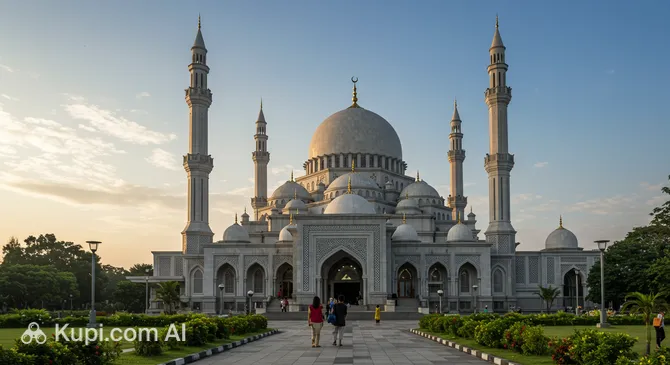
The most striking landmark in the city is undoubtedly the An-Nur Grand Mosque of Riau. Often compared to the Taj Mahal due to its magnificent architecture, this mosque features a fusion of Malay, Turkish, Arab, and Indian styles. It sits within a spacious green complex that is popular for jogging and relaxation, making it a spiritual and recreational center for locals and tourists alike.

An-Nur Grand Mosque of Riau. Source: Kupi.Binoculars

For those interested in history, the Great Mosque of Pekanbaru (Masjid Raya) is a must-visit. As the oldest mosque in the city, originally built in the 18th century, it stands as a testament to the Sultanate of Siak's legacy. Located near the river and the traditional market, it offers a glimpse into the city's past and remains an active place of worship with a serene atmosphere.

To dive deeper into the regional arts, you should visit the Riau Cultural Park. This facility is dedicated to preserving and showcasing the rich Malay heritage of the province. It often hosts art performances, exhibitions, and cultural events, and its architecture reflects the traditional Riau Malay style, providing excellent photo opportunities.

Another prominent site is the Purna MTQ Square Pekanbaru. Originally built to host the National Quran Recital Competition, this area is famous for its distinctive architecture, including a giant astrolabe structure. In the evenings, the square comes alive with food vendors and locals enjoying the cooler air, making it a great spot to experience the city's vibrant nightlife atmosphere.

Families looking for outdoor recreation often head to Putri Kaca Mayang City Park. Located in the heart of the city, this green space offers a refreshing break from the urban bustle. It features jogging tracks, playgrounds, and shaded areas, providing a comfortable environment for a leisurely afternoon walk or a picnic.

Local Cuisine

The culinary landscape of Pekanbaru is a delightful reflection of its Riau Malay heritage, characterized by rich spices, coconut milk, and a strong emphasis on river fish. As the city is situated along the Siak River, freshwater catches are a staple in the local diet. The food here is known for its savory and spicy profiles, often drawing influence from neighboring Minangkabau traditions while maintaining its own distinct Melayu character.

One dish that every visitor must try is Gulai Ikan Patin. This signature curry features Patin, a type of catfish found in the local large rivers, cooked in a vibrant yellow sauce made from turmeric, ginger, galangal, and chili. The meat is tender and fatty, absorbing the complex flavors of the gravy perfectly. Another favorite is Asam Pedas Ikan Baung, a sour and spicy fish stew that offers a refreshing kick, distinguishing itself from the heavier coconut milk curries.

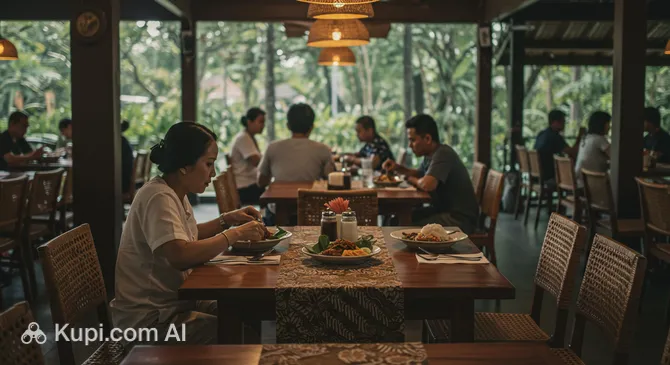
Pekanbaru Restaurant. Source: Kupi.Binoculars

For those who prefer noodles, Mie Sagu is a unique local specialty. Unlike typical wheat noodles, these are made from sago flour, giving them a chewy texture. They are usually stir-fried with bean sprouts, eggs, and anchovies, making for a hearty breakfast or lunch. To satisfy a sweet tooth, look for Bolu Kemojo, a flower-shaped sponge cake often flavored with pandan, or Lempuk Durian, a dense and sweet durian preserve that is a popular souvenir.

No culinary tour is complete without tasting the local beverages. The most famous drink is Es Laksamana Mengamuk, which translates to "The Raging Admiral's Ice." Despite its fierce name, it is a refreshing dessert drink made from diced Kuini mangoes, coconut milk, sugar syrup, and ice. Coffee culture is also deeply rooted here; spending time at a traditional kedai kopi (coffee shop) to enjoy a cup of rich Sumatran coffee is a favorite pastime for locals.

Dining in the city ranges from humble street stalls to comfortable family establishments. You can find authentic Malay flavors at places like Pekanbaru Restaurant, which offers a variety of traditional dishes in a welcoming setting. For travelers looking for a wider array of international and modern food options, the food courts and restaurants within Living World Pekanbaru provide a convenient and air-conditioned environment to enjoy a meal.

Travel Tips

To ensure your visit to Pekanbaru is as smooth and enjoyable as possible, we have compiled a list of essential practical advice. These tips will help you navigate the local customs, climate, and daily logistics of this bustling Sumatran metropolis with confidence.

  1. Clothing and Gear: Given the tropical climate, lightweight and breathable fabrics like cotton or linen are your best friends to handle the heat and humidity. However, Pekanbaru is a conservative city with strong Malay Islamic traditions; therefore, it is respectful to dress modestly. Avoid wearing short shorts or sleeveless tops in public areas. If you plan to visit religious sites like the An-Nur Great Mosque, women should bring a scarf to cover their heads, and everyone must wear clothing that covers the shoulders and knees.
  2. Transportation: The most convenient way to get around is by using ride-hailing apps like Grab or Gojek, which offer both car and motorbike taxi options at fixed prices. Public transport is available in the form of Trans Metro Pekanbaru buses, which are modern and air-conditioned, connecting major routes across the city. Regular taxis (Bluebird is reputable) are also easy to find, but car rental is generally unnecessary for short stays unless you plan to drive out of the city.
  3. Finances: The local currency is the Indonesian Rupiah (IDR). While credit cards are widely accepted in hotels, shopping malls, and modern restaurants, cash is king in traditional markets and smaller eateries. ATMs are plentiful throughout the city. It is wise to carry small denominations for tips, parking fees, or street snacks. Tipping is not mandatory but rounding up the bill or leaving a small amount is appreciated.
  4. Health and Safety: Pharmacies, known locally as Apotek, are easy to find; major chains like Kimia Farma often have long opening hours. As in most tropical destinations, tap water is not safe to drink; always stick to bottled or filtered water. Be mindful of mosquitoes, as dengue fever can be a risk in tropical Indonesia, so carrying and applying insect repellent is highly recommended, especially in the evenings.
  5. Communication: The official language is Bahasa Indonesia. While staff in high-end hotels and business centers may speak English, it is not widely spoken by the general public or street vendors. Downloading an offline translation app is very helpful. We suggest buying a local SIM card (Telkomsel has the best coverage in Sumatra) upon arrival to stay connected. Useful phrases include "Terima kasih" (Thank you) and "Maaf" (Sorry/Excuse me).
  6. Local Etiquette: Politeness is highly valued in Riau Malay culture. Always use your right hand for eating, giving, or receiving items, as the left hand is considered unclean. When entering a local home or a mosque, you must remove your shoes. A smile goes a long way here; locals are generally very friendly and will appreciate a warm demeanor.
  7. What to Avoid: Public displays of affection (PDA), such as kissing or excessive hugging, are frowned upon in this conservative society and should be avoided. Also, avoid raising your voice or showing anger in public, as causing a scene is considered very rude and causes a "loss of face" for everyone involved.
  8. Shopping Tip: Do not miss a trip to Pasar Bawah, the city's oldest market. It is famous for selling goods from abroad, including ceramics, carpets, and accessories, often at competitive prices. It is also the best place to buy local food souvenirs like Keripik Nanas (pineapple chips) or Lempuk Durian. Bargaining is expected here, so don't be afraid to negotiate for a better price with a smile.

By keeping these tips in mind, you will be well-prepared to embrace the unique charm and hospitality of Pekanbaru. We hope your journey through this dynamic city is filled with wonderful discoveries and memorable experiences!

Entertainment & Nightlife

While Pekanbaru is widely known as a center of business and Malay culture, its nightlife scene has grown significantly, offering a variety of entertainment options for evening relaxation. The city's nightlife is generally more laid-back compared to Indonesia's bustling tourist hubs, focusing heavily on live music lounges, karaoke (KTV) establishments, and modern hangout spots that cater to both locals and expatriates.

The most vibrant areas for evening entertainment are typically found along Jalan Jenderal Sudirman and Jalan Riau. These districts are lined with hotels, restaurants, and entertainment venues that stay open late. The atmosphere here is friendly and casual, though some of the more upscale venues may require smart-casual attire. Visitors will find that "live music" is a staple of Pekanbaru's night culture, with local bands performing everything from Top 40 hits to Indonesian pop classics until the early hours of the morning.

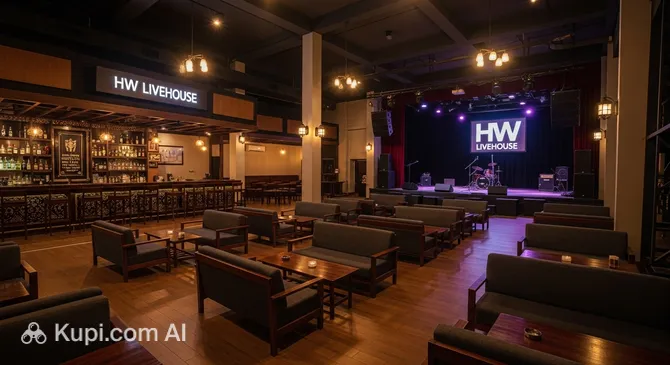
For those looking to experience the modern side of the city's nightlife, HW Livehouse is a popular destination. It is known for its energetic atmosphere and impressive sound system, making it a favorite spot for gathering with friends to enjoy live performances. If you prefer a venue that combines dining with a stylish lounge vibe, Peterseli Kitchen offers a sophisticated setting where you can enjoy excellent food and drinks in a chic environment.

HW Livehouse. Source: Kupi.Binoculars

Karaoke is a beloved pastime in Indonesia, and Pekanbaru is no exception. Grand Dragon Pub & KTV is one of the prominent spots for this, offering private rooms for groups as well as a more public pub area for mingling. For a more relaxed evening with a wide selection of beverages, Bier Haus provides a cozy atmosphere perfect for conversation. Additionally, the city's shopping centers, such as Living World Pekanbaru, often host evening events and have outdoor dining areas that remain lively well into the night.

When planning a night out, the best time to go is usually on Friday or Saturday nights when the venues are most animated. Prices are generally moderate and affordable compared to international standards. Getting around is safe and convenient using ride-hailing apps like Grab or Gojek, which are reliable even late at night. While the city is safe for evening walks in busy areas, it is always advisable to use a taxi for longer distances after dark.

Beyond the nightlife, Pekanbaru offers engaging daytime entertainment for families and leisure travelers. Visitors can cool off at Citraland Waterpark, a fun destination featuring various slides and pools. For a more relaxed day, Kaca Mayang Park provides a pleasant green space in the city center, while the local museums offer a quiet retreat to learn about the region's history before the sun goes down.

Parks & Museums

Beyond its bustling commercial centers, Pekanbaru offers a refreshing array of green spaces and cultural institutions that allow visitors to connect with the region's nature and heritage. The city preserves its Malay roots through dedicated galleries and historical sites, while its parks provide welcome respites from the tropical heat, serving as community hubs for relaxation and recreation.

For those seeking a breath of fresh air, Alam Mayang Nature Park is a favorite local getaway. Located slightly away from the city center, this expansive recreational area is perfect for families and outdoor enthusiasts. It features large fishing ponds, flying fox activities, and paddle boats, all set within a lush, wooded environment. It is an ideal spot to experience the laid-back weekend lifestyle of Pekanbaru's residents.

In the heart of the city, Putri Kaca Mayang City Park serves as a convenient urban oasis. Situated along the main thoroughfare, this park is easily accessible and offers a well-maintained jogging track, fountains, and shaded seating areas. It is particularly lively in the mornings and late afternoons when locals gather to exercise or simply unwind after work.

To understand the depth of Riau's history, a visit to the Sang Nila Utama Museum is essential. This provincial museum houses a comprehensive collection of artifacts ranging from traditional Malay wedding costumes and musical instruments to ancient ceramics and tools. The building itself is an architectural gem, designed in the traditional Riau Malay style with intricate carvings and a distinctive roof structure.

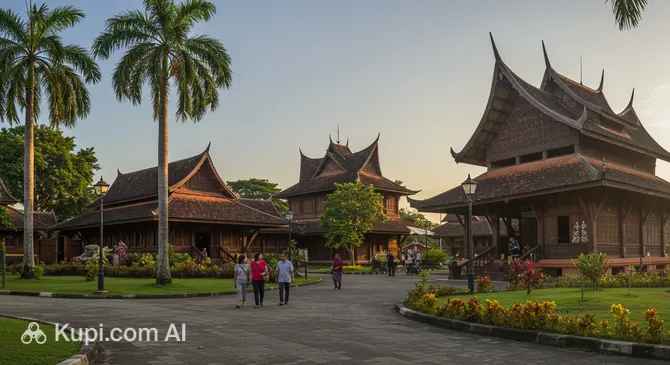
Another significant venue is the Riau Cultural Park. While it serves as a training ground for local arts, it functions as an open-air museum where visitors can admire various traditional houses representing different districts of the province. It is a vibrant space where you might catch rehearsals of traditional dances or martial arts, offering a living display of the region's artistic heritage.

Riau Cultural Park. Source: Kupi.Binoculars

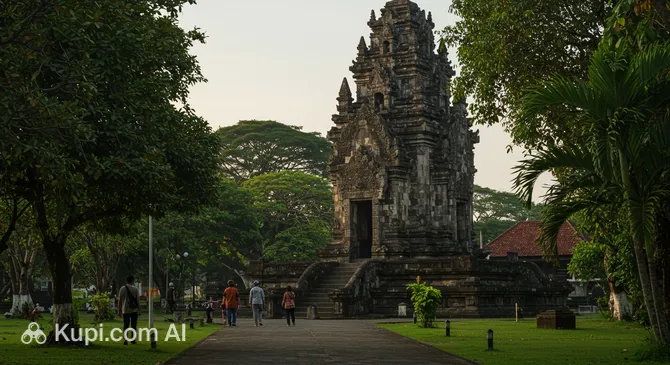
History enthusiasts should not miss the Keris Monument Pekanbaru. Standing tall in the city center, this monument is dedicated to the keris, a traditional dagger that symbolizes heroism and sovereignty in Malay culture. The structure is surrounded by a plaza that is often used for civic events, and its unique design makes it a striking subject for photography.

Keris Monument Pekanbaru. Source: Kupi.Binoculars

Near the banks of the Siak River lies the Tuan Kadi Guesthouse. This beautifully preserved wooden stilt house is a historical landmark that once hosted the Sultan of Siak. Visitors can explore the traditional architecture and enjoy the riverside views, imagining the days when royal boats would dock at the nearby pier.

For a unique architectural experience, consider visiting the Soeman HS Library. Although it is a functioning library, its stunning design, resembling an open book or a rehal (Quran stand), has made it a modern cultural icon of the city. It houses a vast collection of Malay literature and offers a cool, quiet environment to admire contemporary Indonesian architecture.

Getting Around

Navigating Pekanbaru is relatively straightforward, thanks to a mix of modern public buses and convenient ride-hailing services. While the city does not have a metro or tram system, the road-based transport network is sufficient for reaching major attractions, shopping centers, and government districts. For most tourists, a combination of the official bus system and mobile apps offers the best balance of cost and comfort.

The backbone of the public transport system is the Trans Metro Pekanbaru (TMP). These large, air-conditioned buses serve several corridors across the city, connecting the airport, the city center, and residential areas. They operate similarly to a Bus Rapid Transit (BRT) system, stopping only at designated elevated shelters known as halte. The buses are generally comfortable and clean, making them a reliable option for getting around the main streets during the day.

For a more local experience, you can try the Oplet, which is the local term for minibuses (often called angkot elsewhere). These small vans follow specific routes, usually indicated by their color or a sign on the windshield. They are much cheaper than taxis and can stop almost anywhere along their route to pick up or drop off passengers. However, they can be crowded and lack air conditioning, and routes can be confusing for first-time visitors who do not speak the local language.

Regarding payment, cash is still widely used. For the Trans Metro Pekanbaru, you typically purchase a ticket from an attendant at the bus shelter before boarding. The fare is affordable and flat-rate, regardless of the distance traveled. If you choose to ride an Oplet, you pay the driver directly in cash upon exiting; it is essential to carry small denominations, as drivers often do not have change for large bills.

For tourists, the most practical and popular alternative is using ride-hailing apps like Grab or Gojek. These platforms allow you to book both cars (GrabCar/GoCar) and motorbike taxis (GrabBike/GoRide). The advantages are significant: the price is fixed before you book, eliminating the need to haggle, and the app overcomes language barriers by allowing you to set your destination on a map. Conventional taxis, such as Bluebird, are also available and reliable; always ensure the driver uses the meter.

Public transport generally operates from early morning, around 06:00, until the evening, typically winding down by 20:00 or 21:00. If you plan to stay out late enjoying the nightlife, be prepared to use a taxi or a ride-hailing app to get back to your accommodation. Traffic in the city can be dense during rush hours, so allowing extra travel time in the mornings and late afternoons is advisable.

Accommodation

Where to Stay:

Accommodation in Pekanbaru caters to a wide spectrum of travelers, ranging from budget-conscious backpackers to business executives seeking luxury. As a major economic hub on Sumatra, the city is well-equipped with modern facilities. Visitors can choose from high-rise international hotel chains, comfortable mid-range city hotels, and affordable local guesthouses. The general standard of hospitality is high, with many establishments offering air conditioning and Wi-Fi as standard amenities to combat the tropical heat.

The most convenient area to stay is undoubtedly the City Center, particularly along the main thoroughfares such as Jalan Jenderal Sudirman and Jalan Riau. Staying in this vicinity places you within walking distance or a short drive of major attractions like the An-Nur Grand Mosque, as well as key shopping destinations. This area is also teeming with culinary options, making it easy to find dinner after a day of exploring.

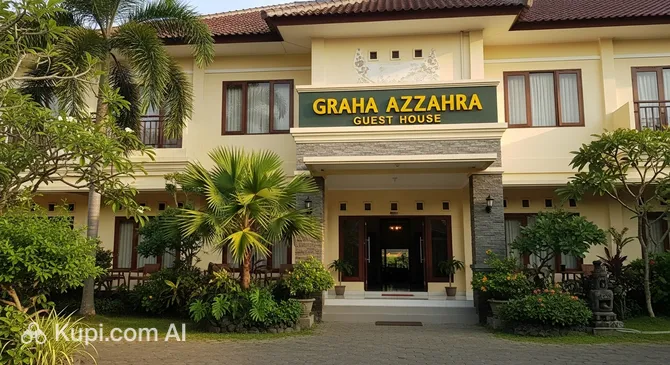
For those seeking a more relaxed and homely environment, there are several guesthouses and smaller lodgings available. One such example is the Graha Azzahra Guest House, which offers a comfortable stay suitable for families or travelers looking for a quieter atmosphere. These types of accommodations often provide a more personal touch compared to larger commercial hotels.

Graha Azzahra Guest House. Source: Kupi.Binoculars

Booking Tip: While it is usually easy to find a room upon arrival, it is highly recommended to book your accommodation in advance if you are visiting during major public holidays, such as Idul Fitri or the school holiday season. During these peak times, occupancy rates spike, and prices may increase.

Generally, the price range for accommodation in Pekanbaru is quite affordable compared to other major Indonesian cities. Budget options can be found for very reasonable rates, often under $20 USD per night, while mid-range hotels typically cost between $30 and $60 USD. Even luxury stays are often surprisingly accessible. Most bookings can be easily made through major international online travel platforms or local Indonesian apps, which often offer competitive deals and discounts.

Nearby Cities

Pekanbaru's strategic location in Riau Province makes it a convenient hub for exploring other significant destinations in western Indonesia. Whether you are looking to visit coastal trade centers, cultural capitals of neighboring provinces, or bustling island cities, several key locations are accessible for your next adventure.

The following table lists major cities within a relatively short distance, offering a mix of overland and inter-island travel opportunities:

City Population Distance (km)
Dumai 264,084 128
Padang 914,970 201
Jambi 612,162 246
Batam 1,300,000 298

Dumai is the closest major city and serves as a vital port town on the coast of the Strait of Malacca, easily reachable by road. For those willing to travel further, Padang offers the rich culinary and cultural heritage of West Sumatra, while Batam provides a modern island escape known for its shopping and proximity to Singapore.

Shopping & Souvenirs

Shopping Overview:

Shopping in Pekanbaru offers a delightful mix of modern convenience and traditional charm, reflecting its status as a major trade hub in Sumatra. Visitors can explore everything from high-end lifestyle centers with international brands to bustling traditional markets filled with local character. Whether you are looking for the latest fashion trends, unique antiques, or authentic regional snacks, the city provides a diverse retail experience that caters to all tastes and budgets.

The city's main commercial activity is concentrated along major thoroughfares such as Jalan Jenderal Sudirman and Jalan Riau. These streets are lined with a variety of standalone boutiques, electronic stores, and textile shops. For a more concentrated shopping experience, the city boasts several modern complexes. Living World Pekanbaru is one of the newest and most popular destinations. It is designed as a lifestyle center, combining shopping with entertainment and culinary options, making it a favorite hangout spot for locals.

Living World Pekanbaru. Source: Kupi.Binoculars

Another prominent retail hub is Ciputra Seraya Mall, often referred to simply as Mall Ciputra. Located centrally, it features a wide range of fashion outlets, a cinema, and a supermarket, providing a comprehensive one-stop shopping environment. These malls offer a cool retreat from the tropical heat and are excellent places to find both Indonesian and international retail chains.

For a more culturally immersive experience, a visit to Pasar Bawah (Lower Market) is essential. Located near the Siak River port, this legendary market is the oldest in the city and is housed in a building with distinctive architecture that blends Malay and Chinese styles. It is famous among tourists for its eclectic array of goods, including antique ceramics, imported carpets, and household items. It is also the go-to place for finding unique second-hand goods and reasonably priced textiles.

When it comes to souvenirs, Pekanbaru has several specialties that are worth bringing home. The region is renowned for Songket, a traditional hand-woven fabric featuring intricate patterns created with gold or silver threads. For edible gifts, look for Bolu Kemojo, a dense, flower-shaped sponge cake usually flavored with pandan, or Lempuk Durian, a sweet, toffee-like treat made from durian fruit. Pineapple chips (Keripik Nanas) are also a popular local snack, reflecting the region's agricultural produce.

Most shopping malls in Pekanbaru operate daily from 10:00 AM to 10:00 PM. Traditional markets like Pasar Bawah typically open earlier, around 8:00 AM, and start to wind down by late afternoon, around 5:00 PM. While credit and debit cards are widely accepted in malls and modern stores, cash is essential when visiting traditional markets or smaller street vendors. Bargaining is common and expected in places like Pasar Bawah, so do not hesitate to negotiate for a better price.

Regarding taxes, Indonesia offers a VAT Refund for Tourists scheme, but it is primarily available at registered retailers in major international gateways. While some large stores in Pekanbaru may participate, it is less common than in Jakarta or Bali. Look for the "Tax Refund for Tourists" signage at the entrance of stores if you plan to make significant purchases, and ensure you have your passport handy to process the necessary documents.

Reached the end of the page?

That means the route is fully explored