Support

Johor Bahru

About

Welcome to Johor Bahru, a vibrant metropolis that serves as the southern gateway to the Malay Peninsula. As the capital of the state of Johor, this bustling city offers a unique blend of modern development and traditional culture, sitting right across the causeway from Singapore. It is a dynamic urban center where heritage buildings stand alongside contemporary shopping malls, creating a fascinating atmosphere for visitors.

Geographically, the city holds a strategic position at the very tip of mainland Asia. Its tropical climate ensures warm weather year-round, making it a lively destination for travelers exploring Malaysia. With a population of approximately half a million people, it is one of the country's most significant economic and cultural hubs, constantly buzzing with energy and activity.

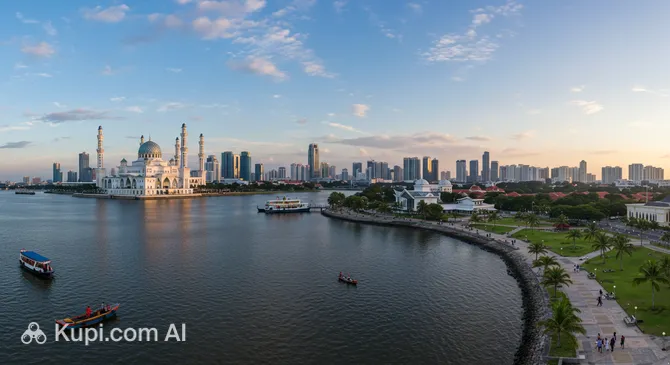
Johor Bahru. Source: Kupi.Binoculars

The city has evolved significantly over the years, transforming from a modest settlement into a major international city. Travelers interested in the past can delve into the fascinating history of Johor Bahru to understand its royal roots and development. The enduring influence of the Johor Sultanate is still visible today in the city's grand architecture and preserved traditions.

Tourists are often drawn to the city's diverse array of attractions. Families frequently visit Legoland Malaysia, a world-class theme park that is the first of its kind in Asia. For those who appreciate architecture, the Sultan Abu Bakar State Mosque offers a stunning example of Victorian and Moorish design styles. Additionally, the glittering Arulmigu Sri Rajakaliamman Glass Temple provides a truly unique spiritual and visual experience.

Whether you are visiting for the incredible street food scenes, the extensive shopping opportunities, or the historical landmarks, Johor Bahru promises a memorable journey. We invite you to explore this southern gem and discover the warm hospitality it has to offer.

Weather Overview

Travelers to this region can expect a consistent tropical climate characterized by warm temperatures and frequent rainfall throughout the year. The weather remains stable, with average temperatures generally hovering between 26°C and 28°C. Daily lows typically stay around 24°C, while daytime highs often reach up to 30°C, making for warm and humid conditions regardless of when you visit.

Precipitation is a significant factor to consider, as rain occurs often across all seasons. The number of wet days is notably high, ranging from about 16 days in February to as many as 29 days in months like May and November. February is usually the driest period, while November tends to see the highest frequency of rain. To help you pack accordingly, we recommend checking the detailed forecast for the weather in Johor Bahru before your trip.

Due to the high likelihood of rain, which can occur on more than 20 days in most months, it is advisable to carry an umbrella or raincoat. Despite the frequent showers, the city remains warm, ensuring that outdoor activities are possible year-round with a bit of planning.

Interesting Facts

Beyond the busy border crossings and modern skyline, Johor Bahru holds fascinating secrets that surprise even frequent visitors. Here are some unique aspects of this southern Malaysian city that go beyond the guidebooks.

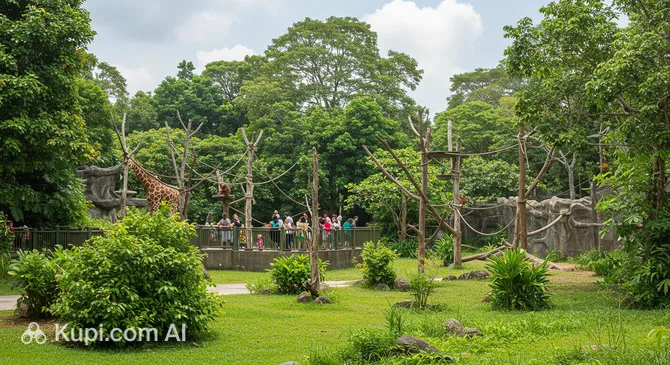
Johor Zoo. Source: Kupi.Binoculars
  • Johor is the only state in Malaysia to maintain its own private army, known as the Royal Johor Military Force (JMF). Established in 1886, this independent military unit serves as the Royal Guard to the Sultan and stands as a distinctive symbol of the state's rich heritage and sovereignty.

  • The city is home to the Johor Zoo, which holds the title of being one of the oldest zoos in the country. It was originally founded in 1928 as a private menagerie for the Royal Family, known as the "Kebun Binatang," before it was eventually opened to the public decades later.

  • Johor Bahru boasts the Arulmigu Sri Rajakaliamman Glass Temple, a glittering architectural marvel recognized as the first glass Hindu temple in the world. The temple is embellished with over 300,000 pieces of colorful glass, covering almost every surface from the pillars to the ceilings.

  • Before acquiring its current name, the city was a humble fishing village known as Tanjung Puteri. It was officially renamed Johor Bahru in 1866 by Sultan Abu Bakar, a visionary ruler who is widely celebrated today as the "Father of Modern Johor."

How to Get There

Reaching this southern metropolis is convenient thanks to its strategic location and excellent connectivity. Whether you are arriving from within Malaysia or crossing the border from Singapore, there are multiple options available. For a detailed breakdown of routes and transport modes, you can read more about how to get to Johor Bahru.

The city is served by its own international gateway, Senai Airport (IATA: JHB), which handles both domestic and international flights. It is located approximately 21 km from the city center, making it the most direct air route. A taxi or bus ride from the airport to the downtown area typically takes about 50 minutes. This airport is a key hub for travelers wanting to land directly in the state of Johor without crossing land borders.

Alternatively, many visitors choose to fly into Changi International Airport (IATA: SIN). Although this major international airport is located in the neighboring city of Singapore, it is only about 29 km away from Johor Bahru. The travel time by road is approximately 65 minutes, though this can vary significantly depending on immigration clearance at the causeway. It serves as a massive global hub with extensive connections.

For clarity, here is a summary of the main airports:

Airport Name City Passenger Traffic Km from City
Changi International AirportSingaporeLarge28.7
Senai AirportJohor BahruMedium20.7
Hang Nadim International AirportBatamMedium55.7
Kidjang AirportTanjung PinangSmall105.3
Sultan Haji Ahmad Shah AirportKuantanSmall261.2

Regarding rail travel, the region is accessible via the major Malaysian railway network. While the local station is the primary stop for the city, the KL Sentral Station (IATA: XKL) in Kuala Lumpur serves as the main transit hub for the entire peninsula. It is located about 295 km from Johor Bahru. Travelers arriving here can expect a subsequent journey taking about 4 hours by road or around 7-8 hours by connecting train services.

Here is the information for the railway station:

Station City Passenger Traffic Km to Center
KL Sentral StationKuala LumpurLarge294.8

Main Attractions

Johor Bahru is a city that effortlessly combines modern entertainment with leisure and culinary delights. For many visitors, the experience begins with the vibrant shopping scene, but the city also offers excellent family-friendly parks and a booming café culture that attracts foodies from near and far.

One of the most accessible and popular stops for tourists is the City Square Mall. Strategically located just steps away from the customs and immigration checkpoint, this bustling shopping center is often the first port of call for travelers entering from Singapore. It features a wide array of fashion boutiques, beauty salons, and a cinema, making it a convenient hub for entertainment and retail therapy.

City Square Mall. Source: Kupi.Binoculars

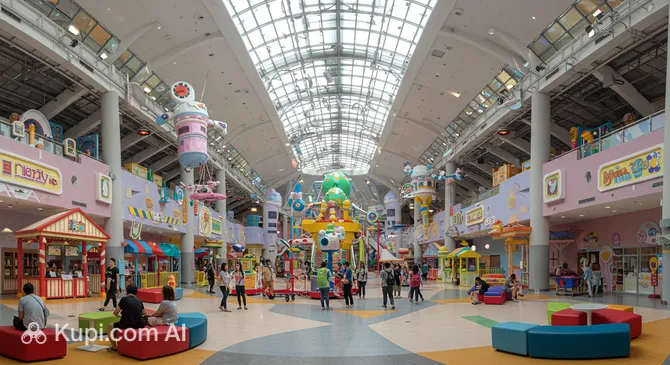
For families traveling with young children, Fanpekka offers a unique and educational experience. Located within the AEON Mall Tebrau City, this indoor theme park is designed around a Finnish concept that emphasizes "learning through play." It features a magical world of castles and obstacle courses where kids can develop problem-solving skills while having fun in a safe, climate-controlled environment.

Fanpekka. Source: Kupi.Binoculars

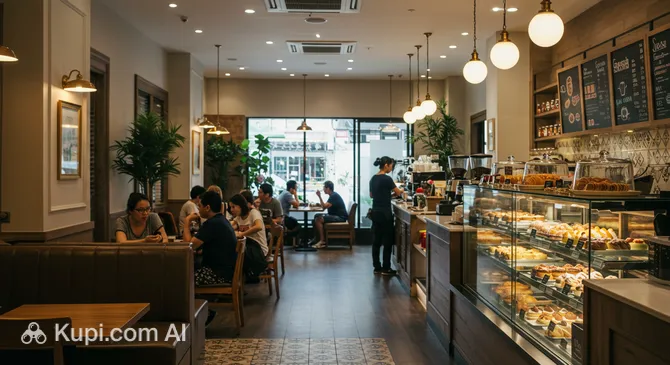
The city's culinary scene has also seen a surge in popularity, with establishments like Nimmies Pastry Cafe leading the trend. Housed in a beautifully renovated mansion with high ceilings and industrial-chic decor, this spot is famous for its artisanal pastries and fusion main courses. It serves as a perfect example of the modern lifestyle destinations that are popping up around the city, offering both great food and "Instagram-worthy" aesthetics.

Nimmies Pastry Cafe. Source: Kupi.Binoculars

Those looking to connect with nature and wildlife can visit the historic Johor Zoo. Located in the heart of the city near the waterfront, it provides an affordable and enjoyable outing for visitors of all ages. The zoo allows guests to see a variety of animals, including lions, camels, and local tropical species, serving as a green refreshing break from the urban hustle.

Local Cuisine

The culinary landscape of Johor Bahru is a delightful reflection of Malaysia's multicultural heritage, heavily influenced by its proximity to the coast and its royal history. Food here is more than just sustenance; it is a way of life. Locals and visitors alike flock to the city's myriad eateries, ranging from humble roadside stalls to upscale restaurants, to savor flavors that are distinct to this southern state.

One dish you simply must try is the famous Laksa Johor. Unlike other versions of laksa found in Malaysia which use rice noodles, this unique dish utilizes spaghetti, a legacy of the Johor Sultanate's historical ties with the West. The pasta is smothered in a thick, rich gravy made from wolf herring (ikan parang), dried prawns, and a blend of aromatic spices, often garnished with fresh vegetables and herbs. It is traditionally eaten with hands, offering a truly authentic gastronomic experience.

Another local favorite is Kacang Pool, a hearty comfort food with roots in Middle Eastern cuisine. It consists of a thick, savory stew made from fava beans and minced meat, topped with a fried egg, chopped onions, and green chilies. Served with a slice of thick toast for dipping, it makes for a filling breakfast or a satisfying late-night snack. For those seeking a lighter bite, Otak-Otak—spiced fish paste grilled in coconut leaves—is a ubiquitous treat often found at street markets.

The city's food culture is vibrant and varied. Traditional kopitiams (coffee shops) are the go-to spots for a breakfast of kaya toast and soft-boiled eggs, washed down with a cup of Kopi (local coffee) or a frothy Teh Tarik (pulled tea). In recent years, a booming café culture has taken over the heritage district, where historic shophouses have been converted into trendy spaces serving artisanal coffee and fusion desserts.

As the sun sets, the dining scene shifts to bustling night markets and hawker centers like the famous Meldrum Walk. Here, the air fills with the aroma of charcoal-grilled satay and fried noodles. While alcohol is less common in traditional Malay eateries, you can find a variety of bars and bistros in the city center offering cold beers and cocktails, catering to the cosmopolitan crowd.

Travel Tips

To ensure your visit to this bustling southern gateway is as smooth and enjoyable as possible, we have compiled a list of essential recommendations. These practical insights will help you navigate the local customs, logistics, and lifestyle of Johor Bahru with the confidence of a seasoned traveler.

  1. Clothing and Gear: Given the tropical heat and humidity, pack lightweight, breathable fabrics like cotton or linen to stay cool. Since sudden showers are common, carrying a compact umbrella or a poncho is a smart move. If you plan to visit religious sites like the Sultan Abu Bakar State Mosque, dress modestly; this means covering your shoulders and knees. Comfortable walking shoes are a must for exploring the city center and heritage trails.

  2. Transportation: While public buses (such as the Muafakat Johor) are available, they can be somewhat confusing for first-time visitors. The most convenient way to get around is by using e-hailing apps like Grab, which offer reliable service and fixed fares. Taxis are also an option, but always insist on using the meter. Renting a car is only recommended if you plan to explore the outskirts, as traffic in the city center can be heavy.

  3. Finances: The local currency is the Malaysian Ringgit (MYR). While credit cards are widely accepted in shopping malls, hotels, and modern cafes, cash is king at hawker centers, night markets, and smaller shops. ATMs are plentiful throughout the city. Tipping is not mandatory in Malaysia, but rounding up the bill or leaving small change is a kind gesture for good service.

  4. Health and Safety: Johor Bahru is generally safe, but like any major city, it is wise to stay vigilant against petty crimes like snatch theft; keep your bags on the side away from the road and avoid wearing flashy jewelry. Pharmacies like Watsons, Guardian, and Caring are easily found in malls and are well-stocked. For emergencies, private hospitals offer excellent medical care, and many clinics operate late into the night.

  5. Communication: The national language is Malay (Bahasa Melayu), but English is widely spoken and understood, especially in service industries and tourist areas. You can easily purchase a SIM card at convenience stores like 7-Eleven or at the airport upon arrival for data connectivity. Free Wi-Fi is standard in most cafes and shopping centers, making it easy to stay connected.

  6. Local Etiquette: Malaysians are warm and friendly. A smile and a nod are common greetings. When entering a local home or a place of worship, always remove your shoes. It is polite to use your right hand for eating, passing objects, or shaking hands, as the left hand is traditionally considered reserved for personal hygiene.

  7. What to Avoid: Avoid pointing at people or objects with your index finger, as this can be considered rude; instead, use your thumb with your four fingers folded underneath. Also, refrain from public displays of affection, as the local culture is somewhat conservative.

  8. Border Crossing Tip: If you plan to cross the causeway to or from Singapore, try to avoid peak hours (mornings towards Singapore, evenings towards Johor) and weekends. The traffic at the immigration checkpoints can be extremely heavy, sometimes taking hours to clear. Checking real-time traffic apps before you head to the border can save you significant time.

Armed with these tips, you are all set to dive into the vibrant energy of Johor Bahru without any hassle. Embrace the local pace, indulge in the street food culture, and enjoy the unique charm that this Malaysian city has to offer!

Entertainment & Nightlife

When the sun sets over the Straits of Johor, Johor Bahru transforms into a lively hub of activity, offering a diverse range of entertainment options that cater to night owls, foodies, and thrill-seekers alike. The city's nightlife scene has evolved significantly, moving beyond simple late-night eateries to include trendy speakeasies, bustling night markets, and vibrant entertainment districts that rival those of larger capitals.

For those seeking a high-energy atmosphere, the Mount Austin area is the undisputed crown jewel of the city's nightlife. Often referred to as a "city within a city," this district is packed with karaoke centers, bubble tea shops, and an impressive array of bars and bistros. The crowd here is predominantly young and stylish, and the venues range from industrial-chic gastropubs to neon-lit dance clubs. It is the perfect place to hop from one venue to another, enjoying live bands or DJ sets that keep the energy high until the early hours.

If you prefer a more cultural and laid-back vibe, the heritage streets around Jalan Dhoby and Jalan Hiok Nee offer a unique charm. By day, these streets are famous for their bakery hopping, but by night, many of the restored shophouses turn into cozy speakeasies and cafes. The atmosphere here is more intimate, making it ideal for conversation over craft cocktails or artisanal desserts. Just a stone's throw away is the famous Pasar Karat (Bazaar JB), a sprawling night market where you can browse for vintage clothing, accessories, and local street food amidst a bustling crowd.

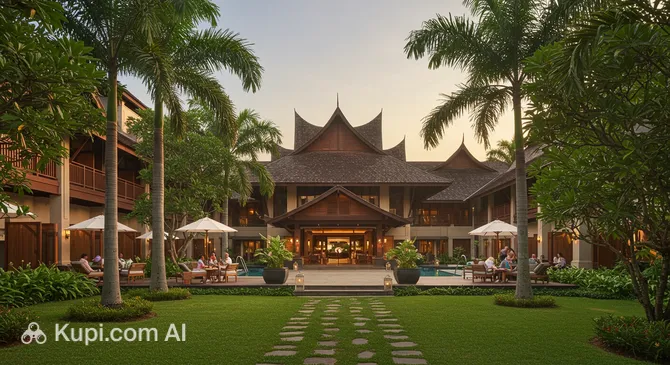
For travelers looking for a refined evening experience away from the city center's hustle, the Pulai Springs Resort offers a serene escape. This resort features dining options that provide a relaxing ambiance, perfect for unwinding after a day of exploration. Whether you are looking for a romantic dinner or a quiet drink in a lush setting, this venue provides a touch of luxury and tranquility.

Pulai Springs Resort. Source: Kupi.Binoculars

Practical Advice for Nightlife:

  • Best Time to Go: The nightlife scene typically picks up after 9:00 PM. Friday and Saturday nights are the busiest and most vibrant.
  • Dress Code: Most bars and clubs in Johor Bahru have a smart-casual dress code. While shorts and flip-flops are fine for night markets, closed shoes and long pants are recommended for clubs.
  • Getting Around: Public transport is limited at night, so it is highly recommended to use e-hailing apps like Grab. They are safe, reliable, and eliminate the need to negotiate fares.
  • Safety: The main nightlife districts like Mount Austin and the city center are generally safe and well-lit. However, always stay aware of your surroundings, stick to main roads, and avoid walking alone in secluded areas late at night.

While the nights are exciting, Johor Bahru also offers plenty of daytime entertainment. Before heading out for the evening, families can enjoy world-class fun at indoor parks like Fanpekka or explore the city's historical museums. Visitors can also catch the latest blockbuster movies at the cinema complexes located within major shopping hubs like City Square Mall, providing a cool respite from the afternoon heat.

Parks & Museums

While often recognized for its shopping and entertainment, Johor Bahru also offers refreshing green sanctuaries and insightful cultural venues that tell the story of its rich heritage. The city has made significant strides in preserving its natural landscapes and history, providing tourists with a balanced mix of urban excitement and serene exploration.

For a breath of fresh air, Hutan Bandar MBJB (City Forest) is a favorite escape among locals. This sprawling recreational park features lush tropical greenery, jogging tracks, and several picturesque lakes. It is particularly popular for families, thanks to its children’s swimming pool and playgrounds. Another notable green space is Taman Merdeka, a park dedicated to the nation's independence. It boasts well-manicured lawns, historical sculptures, and a musical fountain that comes alive at night, offering a peaceful setting for evening strolls.

To understand the cultural fabric of the city, a visit to the Johor Bahru Chinese Heritage Museum is essential. Located in the historic district along Jalan Tan Hiok Nee, this museum is housed in a four-story traditional shop house. It chronicles the history of the Chinese community in Johor, showcasing artifacts and stories of migration, trade, and the unique "Gambier and Pepper" era that shaped the state's economy.

Another architectural gem is the Sultan Abu Bakar Royal Palace Museum (Istana Besar). Although access to the interior can sometimes be restricted due to official functions or renovations, the grounds and the building's exterior are magnificent examples of Renaissance architecture blended with local influences. Standing majestically overlooking the Straits of Johor, it serves as a symbol of the modern Johor Sultanate’s grandeur and history.

For a quick but memorable photo opportunity, head to Laman Mahkota outside the Istana Bukit Serene. Here, you will find the colossal crown arch studded with crystals, which is illuminated spectacularly at night. It is a unique landmark that combines regal pride with a public plaza atmosphere, perfect for wrapping up a day of sightseeing.

Getting Around

Navigating Johor Bahru requires a bit of planning, as the city relies heavily on road-based transportation. Unlike some other major Asian metropolises, there is currently no intra-city metro or light rail system serving the downtown areas. The primary mode of public transport for getting around the city and its suburbs is the bus network, supplemented significantly by taxis and ride-hailing services, which are often the preferred choice for tourists due to their convenience and comfort.

The bus system is operated by several companies, with Causeway Link (often recognized by their cheerful yellow buses) and myBAS being the most prominent for visitors. These buses connect key landmarks, shopping malls like City Square and Paradigm Mall, and the erratic yet vital transport hubs such as JB Sentral and Larkin Sentral. While the network is extensive, frequencies can vary, and routes may sometimes be confusing for first-time visitors. It is highly recommended to use navigation apps like Google Maps or the local app LUGO to check routes and estimated arrival times.

When it comes to payment, the system is a mix of traditional and modern methods. For many local buses, cash is still widely accepted, but you must have the exact fare as drivers do not carry change. For a smoother experience, especially if you plan to travel frequently or cross the border, consider purchasing a ManjaLink card. This contactless smart card is accepted on all Causeway Link buses and offers cashless convenience. Another widely used option is the Touch 'n Go card, a prepaid smartcard that is essential for tolls and parking but is also accepted on selected public transport services.

For most tourists, the most practical and stress-free alternative to buses is ride-hailing. The Grab app is the dominant player here and is extremely popular; it allows you to book a ride with a fixed price, eliminating the language barrier and the need to haggle. Traditional taxis are also available and are color-coded: red taxis are budget-friendly, while blue taxis are executive vehicles that cost more. If you choose a street taxi, always ensure the driver switches on the meter before you start your journey to avoid being overcharged.

A unique feature of the city's transport landscape is the KTM Shuttle Tebrau. While technically an intercity train, this short five-minute train ride is a critical link for travelers heading across the strait to the neighboring Woodlands Checkpoint. It is highly sought after as it bypasses the notorious traffic jams on the causeway. Tickets for this shuttle sell out very quickly, often weeks in advance, so early online booking is essential if you plan to use this service.

Transport services generally operate from around 6:00 AM to 11:00 PM, though this can vary by route. Visitors should be aware that traffic congestion in the city center can be heavy, particularly during rush hours and weekends. Consequently, it is wise to add a buffer to your travel time, especially if you are heading to the airport or a scheduled tour. Walking is an option within the immediate heritage district, but due to the tropical heat and infrastructure designed primarily for cars, it is less feasible for longer distances.

Accommodation

Accommodation in Johor Bahru caters to a wide spectrum of travelers, ranging from budget-conscious backpackers to those seeking luxurious retreats. As a major transit hub and a destination in its own right, the city offers an impressive variety of stays, including affordable guesthouses, modern service apartments, business hotels, and sprawling resorts. Whether you are here for a quick stopover or a leisurely vacation, you will find options that suit your needs and wallet.

For most tourists, the most convenient area to stay is the City Center (JB Sentral). This district places you right next to the customs checkpoint, major shopping malls, and the heritage street, making it ideal for those without a car. If you prefer a trendier vibe with easy access to cafes and nightlife, the Mount Austin area is a fantastic choice, though it is further from the border. Families often look towards the Danga Bay waterfront for scenic views or the Legoland area in Iskandar Puteri for proximity to theme parks.

Travelers looking for a resort-style experience within the state can consider the Pulai Springs Resort. Designed with traditional architectural elements and set amidst lush greenery, it offers a relaxing contrast to the concrete jungle of the city center. It is a well-known establishment that provides extensive facilities, including golf courses and swimming pools, making it a popular choice for staycations and family gatherings.

Booking Tips and Prices:

The cost of accommodation in Johor Bahru is generally lower than in neighboring Singapore, offering great value for money. Budget hostels and basic hotels typically range from MYR 50 to MYR 100 per night. Mid-range hotels with modern amenities usually cost between MYR 150 and MYR 300, while luxury stays and resorts can go upwards of MYR 400. It is highly advisable to book your room in advance, especially if you are visiting on weekends or during Singaporean public holidays, as hotels can fill up quickly with cross-border visitors. Major online booking platforms are widely used and often offer the best rates.

Nearby Cities

For those looking to explore the surroundings, Johor Bahru serves as an excellent base for day trips to several interesting nearby locations. The region offers a mix of coastal retreats, historical towns, and nature escapes that are easily accessible by road.

Just a short drive away lies Kota Tinggi, a town steeped in history and natural beauty. It is famous for the Kota Tinggi Waterfalls, a popular spot for picnics and cooling dips in the fresh mountain water. History buffs will appreciate the town's significance as a former seat of the Johor Sultanate, with several royal tombs and museums located in the vicinity. In the evenings, a boat ride along the river offers the magical experience of seeing thousands of fireflies lighting up the mangrove trees.

For beach lovers, the Desaru Coast is the premier destination on the east coast of Johor. Roughly an hour's drive from the city, it boasts kilometers of pristine sandy beaches facing the South China Sea. Beyond relaxing by the waves, visitors can explore the Desaru Fruit Farm to taste local tropical fruits or enjoy family fun at the massive waterpark. It provides a perfect resort-style atmosphere for a quick getaway from the urban hustle.

Another unique destination is the fishing village of Kukup in the Pontian district. Built entirely on stilts over the water, this village offers a glimpse into the traditional lifestyle of the local fishing community. It is renowned for its fresh and affordable seafood restaurants. Nearby, the Pulau Kukup National Park serves as an important mangrove habitat, featuring boardwalks that allow visitors to walk through one of the largest uninhabited mangrove islands in the world.

City Population Distance (km)
Kuala Lumpur 8,911,000 295
Klang 878,000 311
Petaling Jaya 638,516 302
Kuantan 607,778 263
Shah Alam 584,340 306

These nearby destinations offer a glimpse into the diverse culture and landscapes of the region, ranging from bustling major cities to serene coastal towns.

Shopping & Souvenirs

Shopping:

Shopping in Johor Bahru is a favorite pastime for both locals and visitors, largely due to the favorable exchange rate and the sheer variety of goods available. The city serves as a retail haven where you can find everything from high-end luxury brands to affordable street fashion and quirky local crafts. Whether you are looking for the latest sneakers, traditional fabrics, or simply want to stock up on daily necessities at lower prices, the city offers a diverse retail landscape that caters to every budget.

For a mix of culture and commerce, the Heritage District around Jalan Tan Hiok Nee is a must-visit. This area is not just about history; it is lined with independent boutiques, traditional bakeries, and trendy clothing stores housed in restored pre-war shophouses. It is the perfect place to hunt for unique vintage items or handmade crafts while soaking in the old-world charm. Another vibrant district is Mount Austin, which, while famous for its food, also hosts a variety of lifestyle shops, beauty salons, and concept stores popular with the younger crowd.

The city is home to several world-class shopping complexes that rival those in larger capitals. The most accessible and well-known is City Square Mall, located directly connected to the customs immigration checkpoint. Its strategic location makes it the first stop for many travelers, offering endless rows of fashion retailers, beauty shops, and a cinema. For a more upscale experience, The Mall, Mid Valley Southkey is the largest integrated shopping mall in the southern region. It features a massive Sogo department store and hosts numerous international brands that were previously only available in Kuala Lumpur.

If you are willing to venture a bit further from the city center, the Johor Premium Outlets (JPO) in Kulai is a major draw for bargain hunters. It is the first luxury premium brand outlet in Southeast Asia, offering significant discounts on designer labels such as Coach, Michael Kors, and Nike. It is an open-air complex designed with a pleasant resort-like atmosphere, making it a worthwhile day trip for serious shoppers.

For a more local and atmospheric experience, the night markets are unmissable. The Pasar Karat (Rusty Market) is a sprawling flea market that comes alive every evening in the city center. Here, you can browse through an eclectic mix of goods, including vintage clothing, antiques, cheap accessories, and local street snacks. It is a place where bargaining is expected, and you can often find hidden treasures amidst the hustle and bustle.

When it comes to souvenirs, Johor Bahru is famous for its edible gifts. The most iconic item to bring back is the banana cake from Hiap Joo Bakery, a century-old establishment that still uses a wood-fired oven. Other popular purchases include locally roasted coffee powder, traditional Malay herbal products, and pre-packed pastes for local dishes like Laksa Johor, allowing you to recreate the flavors of your trip at home.

Most shopping malls and retail outlets operate daily from 10:00 AM to 10:00 PM. Payment methods are modern and convenient; credit and debit cards are widely accepted in malls and established stores. E-wallets such as GrabPay and Touch 'n Go are also commonly used. However, if you plan to visit night markets or smaller traditional shops, it is essential to carry sufficient cash (Malaysian Ringgit), as many vendors do not accept digital payments.

Regarding tax-free shopping, Malaysia currently operates under a Sales and Service Tax (SST) system. Unlike the previous GST era, there is no broad tourist refund scheme available for general goods purchased in standard shops. However, prices in Johor Bahru are generally competitive and "net" prices are often displayed, meaning the price you see is the price you pay. Travelers should focus on the overall value and lower cost of living rather than expecting a tax rebate at the airport.
Reached the end of the page?

That means the route is fully explored