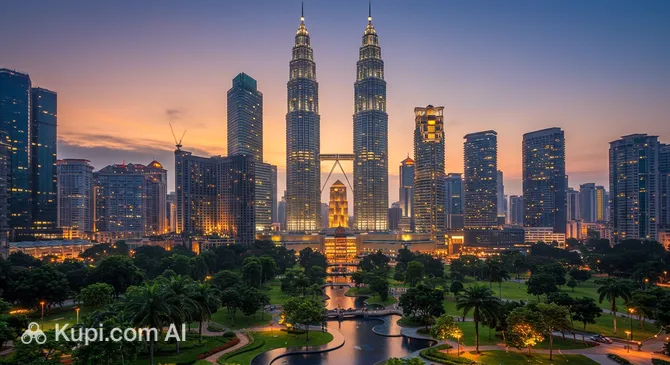
Kuala Lumpur, affectionately known as KL, is the vibrant capital and cultural heartbeat of Malaysia. This bustling metropolis is a stunning study in contrasts, where gleaming skyscrapers stand alongside colonial architecture and leafy banyan trees line the streets. As the country's financial and economic center, it offers a dynamic atmosphere that seamlessly blends traditional Asian culture with modern sophistication.
Kuala Lumpur. Illustration.
Source: Kupi.com AI
Located in the Klang Valley at the confluence of the Gombak and Klang rivers, the city is home to a massive population of approximately 8.9 million people. Its tropical rainforest climate ensures warm weather year-round, making it a lively destination at any time. While the city is famous for its futuristic skyline, visitors can delve into the history of Kuala Lumpur to understand its transformation from a muddy estuary tin-mining settlement into a world-class urban hub.
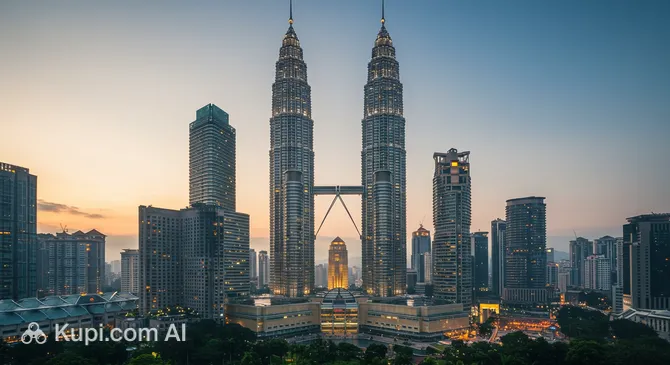
No visit is complete without marveling at the iconic Petronas Twin Towers, which dominate the skyline and serve as a symbol of the nation's ambition. For a taste of culture and nature, the magnificent Batu Caves offer a spiritual retreat set within limestone hills, while the historic Merdeka Square provides a glimpse into the colonial past. Whether you are exploring vibrant street markets or enjoying high-end shopping, Kuala Lumpur invites you to experience its unique energy and warm hospitality.
Weather Overview
Kuala Lumpur experiences a tropical climate that remains consistently warm and humid throughout the year. There is very little variation in temperature, creating a steady environment where the city's vibrant life thrives regardless of the season. Visitors can generally anticipate daily averages hovering around 26°C to 27°C, with daytime highs frequently reaching up to 31°C and nighttime lows dipping comfortably to around 23°C.
Rainfall is a significant part of the local weather pattern, with precipitation occurring on a large number of days each month. The data indicates that you might encounter anywhere from 19 to 29 wet days per month, with November typically seeing the highest frequency of rain. For a detailed breakdown of monthly forecasts and what to pack, you can consult the guide to weather in Kuala Lumpur.
While the months of June and July are relatively drier, they still see a fair amount of precipitation. In general, expect warm tropical days year-round with a very high likelihood of rain, often manifesting as intense but short-lived afternoon showers.
Average monthly temperature
Average monthly precipitation
Interesting Facts
Beyond the main attractions and bustling avenues, Kuala Lumpur holds many fascinating secrets that define its unique character. Here are some intriguing facts about the Malaysian capital that might surprise even seasoned travelers.
The name "Kuala Lumpur" literally translates to "muddy confluence" in Malay. This humble moniker refers to the city's founding site where the Klang and Gombak rivers merge, a historical spot that has transformed from a tin-mining settlement into a global metropolis.
The famous Skybridge connecting the Petronas Twin Towers is an engineering marvel that is not rigidly attached to the main structures. It is designed to slide in and out of the towers to accommodate swaying caused by high winds, preventing the bridge from snapping under stress.
Kuala Lumpur is often cited as one of the lightning capitals of the world. Due to its location in the Klang Valley and tropical climate, the city experiences an exceptionally high frequency of thunderstorms, often resulting in spectacular natural light shows.
It is one of the few cities globally to host a natural rainforest right in its center. The KL Forest Eco Park, located at the base of the Kuala Lumpur Tower, is a protected gazetted forest reserve that has existed since 1906, offering a green lung amidst the concrete jungle.
The limestone forming the iconic Batu Caves is estimated to be around 400 million years old. To reach the main Temple Cave, visitors must climb a steep flight of 272 steps, which were painted in a vibrant array of rainbow colors in 2018.
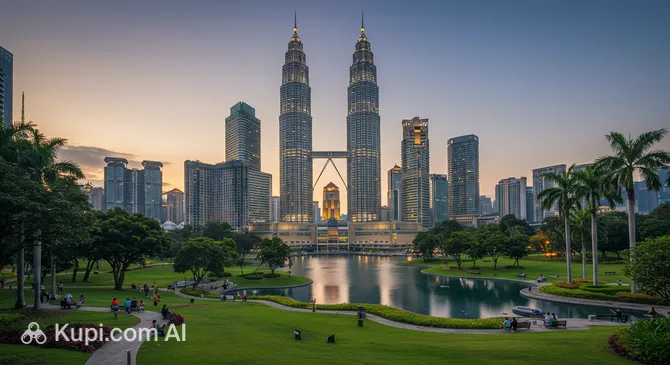
Petronas Twin Towers. Illustration.
Source: Kupi.com AI
Traveler photos:
How to Get There
Reaching the Malaysian capital is straightforward thanks to its status as a major global transport hub. Whether you are arriving by air from across the globe or by train from neighboring regions, the city is well-connected and accessible. For a comprehensive guide on all available transport options, you can read more about how to get to Kuala Lumpur.
The most common entry point for international visitors is the Kuala Lumpur International Airport (KUL). Located approximately 43 km from the city center, it is a massive aviation hub handling a vast number of passengers annually. The journey from the airport to the city by taxi or bus generally takes around 85 minutes, depending on traffic. For regional flights or shorter hops, the Sultan Abdul Aziz Shah Airport (SZB) is a convenient alternative. Situated just 15 km from the downtown area, it allows for a quicker transfer of about 45 minutes.
For clarity, here is a summary of the main airports:
If you prefer traveling by rail, the city is served by the impressive KL Sentral Station (XKL). This state-of-the-art transportation hub is located centrally, just 0.4 km from the heart of the city, making it incredibly convenient for travelers. It serves as the interchange for various rail lines, including the express train from the international airport and intercity trains connecting to other parts of Malaysia.
Kuala Lumpur is a city where modern ambition meets rich tradition, offering visitors a diverse range of experiences. From soaring skyscrapers to ancient limestone hills, the city's landmarks are as varied as they are impressive. Here are some of the top places you should not miss during your stay.
Undoubtedly the most recognizable symbol of the city, the Petronas Twin Towers are a masterpiece of modern architecture. Standing at 451.9 meters tall, these 88-storey twin structures were once the tallest buildings in the world. Tourists flock here to walk across the Skybridge that connects the two towers on the 41st and 42nd floors, offering breathtaking panoramic views of the sprawling metropolis below. At the base, you can also explore the upscale Suria KLCC shopping mall and the beautifully landscaped KLCC Park, perfect for a leisurely stroll.
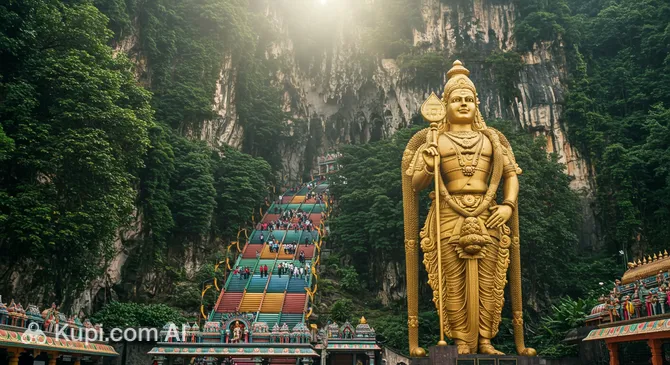
For a spiritual and physical adventure, a visit to Batu Caves is essential. Located just north of the city, this iconic limestone hill features a series of caves and cave temples. The entrance is guarded by a colossal golden statue of Lord Murugan, the tallest of its kind in the world. To reach the main Temple Cave, visitors must ascend a vibrant flight of 272 rainbow-colored steps, often accompanied by playful resident monkeys. Inside, the high cavern ceilings and Hindu shrines create a serene and majestic atmosphere.
Batu Caves. Illustration.
Source: Kupi.com AI
Traveler photos:
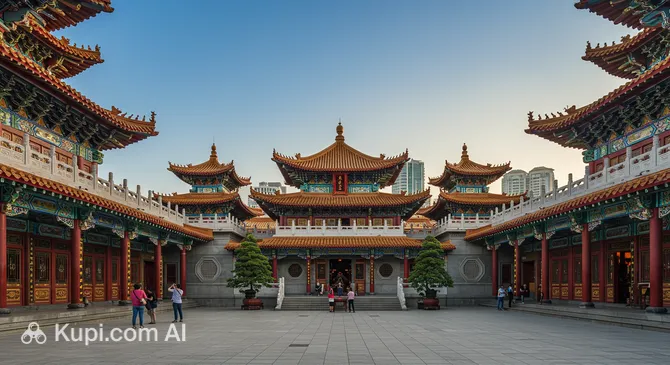
Those seeking a blend of culture and architecture will find the Thean Hou Temple truly enchanting. Situated atop Robinson Heights, this six-tiered temple is one of the oldest and largest in Southeast Asia dedicated to the Chinese sea goddess Mazu. The structure is a stunning example of contemporary architectural design, combining elements of Buddhism, Taoism, and Confucianism. With its intricate carvings, imposing pillars, and hundreds of glowing red lanterns, it offers a picturesque setting and sweeping views of the Kuala Lumpur skyline.
Thean Hou Temple. Illustration.
Source: Kupi.com AI
Traveler photos:
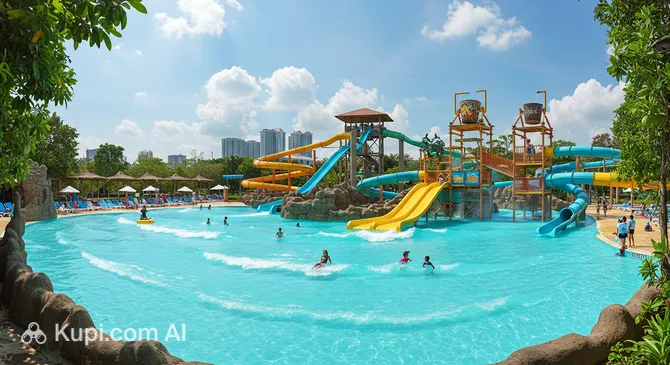
If you are looking for excitement and family-friendly fun, Sunway Lagoon is the ultimate destination. This massive multi-park attraction offers something for everyone, featuring a water park, amusement park, wildlife park, extreme park, and scream park. Whether you want to ride the world's largest water ride, see exotic animals, or brave a haunted house, this theme park provides a full day of entertainment just a short drive from the city center.
Sunway Lagoon. Illustration.
Source: Kupi.com AI
Traveler photos:
Local Cuisine
Kuala Lumpur is a true gastronomic paradise, reflecting the city's multicultural heritage through a vibrant mix of Malay, Chinese, and Indian flavors. The local food scene is legendary, offering everything from humble street stalls to high-end dining, all packed with aromatic spices and bold tastes. For any traveler, exploring the culinary landscape is as essential as visiting the major landmarks.
One dish you absolutely cannot leave without trying is Nasi Lemak. Often considered the national dish, it consists of fragrant rice cooked in coconut milk and pandan leaf, served with spicy sambal, crunchy anchovies, roasted peanuts, and a boiled egg. Another favorite is Satay, skewers of marinated meat grilled over charcoal and served with a rich peanut dipping sauce. For breakfast or a light snack, Roti Canai, a crispy and fluffy Indian-influenced flatbread served with dhal or curry, is a local staple.
When it comes to beverages, the undisputed local favorite is Teh Tarik, or "pulled tea." This hot milk tea is poured back and forth between two mugs to create a thick, frothy top and cool it down to drinking temperature. For something refreshing in the tropical heat, try Cendol, an icy dessert drink made with green rice flour jelly, coconut milk, and palm sugar syrup. While Malaysia is a Muslim-majority country, alcohol is widely available for tourists, particularly in the city center's vibrant nightlife districts.
The food culture in Kuala Lumpur is incredibly diverse. Locals love to eat at "mamak" stalls—open-air establishments that operate late into the night—and bustling hawker centers. However, modern shopping complexes also play a huge role in the dining scene. The Pavilion Kuala Lumpur is renowned not just for shopping but for its massive food precinct, which offers an upscale version of local street food favorites in air-conditioned comfort.
Pavilion Kuala Lumpur. Illustration.
Source: Kupi.com AI
Traveler photos:
For a taste of history alongside your meal, the Central Market is an excellent stop. Originally a wet market, it is now a heritage site where you can find traditional snacks, sweets, and local delicacies amidst arts and crafts stalls. It creates a nostalgic atmosphere that contrasts with the city's modern skyscrapers.
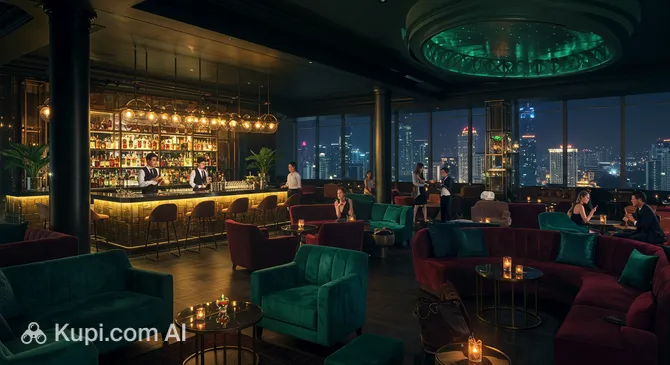
If you are looking for a sophisticated evening with spectacular views, the city's rooftop bars are world-class. Marini’s on 57 offers an Italian dining experience and a rooftop bar with close-up views of the Twin Towers, making it a perfect spot to enjoy a cocktail while soaking in the glittering skyline.
Marini’s on 57. Illustration.
Source: Kupi.com AI
Traveler photos:
Travel Tips
Navigating the bustling streets of Kuala Lumpur is an exciting experience, but a little local know-how goes a long way in ensuring your trip is smooth and enjoyable. These practical tips are designed to help you handle everything from the tropical weather to local customs, allowing you to focus on soaking up the vibrant atmosphere of the Malaysian capital.
Clothing and Gear: Due to the hot and humid tropical climate, pack lightweight, breathable fabrics like cotton or linen. A sturdy umbrella or a raincoat is essential, as sudden downpours are common. While casual wear is acceptable in most places, remember to dress modestly when visiting religious sites like mosques or temples; shoulders and knees must be covered. Comfortable walking shoes are a must for exploring, and you might want to bring a universal travel adapter (Type G) for your electronics.
Transportation: The city boasts an excellent public transport network, including the LRT (Light Rail Transit), MRT (Mass Rapid Transit), and Monorail, which are affordable and beat the notorious traffic jams. For direct transfers, use ride-hailing apps like Grab, which are generally more reliable and convenient than hailing street taxis. Car rental is not recommended for short stays due to heavy congestion and complex road systems.
Finances: The local currency is the Malaysian Ringgit (MYR). While credit cards are widely accepted in shopping malls, hotels, and upscale restaurants, cash is king at street food stalls (hawker centers) and night markets. ATMs are ubiquitous, and money changers in malls often offer competitive rates. Tipping is not mandatory, as a service charge is often included in bills, but rounding up the change is appreciated.
Health and Safety: Kuala Lumpur is generally safe for tourists, but petty crimes like bag snatching by motorcycle riders can occur, so always walk against traffic and keep your bag on the side away from the road. Pharmacies like Watsons and Guardian are easy to find and well-stocked. It is advisable to drink bottled or filtered water rather than tap water to avoid any stomach issues.
Communication: English is widely spoken and understood, often blended into a local creole known as "Manglish," making communication very easy for travelers. The official language is Bahasa Malaysia; learning a simple "Terima Kasih" (Thank you) goes a long way. You can easily purchase a SIM card at the airport or convenience stores upon arrival for reliable 4G/5G data coverage.
Local Etiquette: Malaysians are warm and friendly, but culturally conservative. When greeting, a handshake is common, though some Muslim women may prefer a nod and a smile. Always remove your shoes before entering a local home or a place of worship. When eating with your hands or passing money and objects to others, always use your right hand, as the left is considered unclean.
What to Avoid: Avoid pointing at people or objects with your index finger, as it is considered rude; instead, use your thumb with your four fingers folded underneath. Public displays of affection should be kept to a minimum to respect local sensibilities. Also, never touch an adult's or child's head, as it is viewed as the most sacred part of the body.
The "Freezing" Indoors: A unique quirk of the city is the aggressive air conditioning in malls, cinemas, and public transport. While it may be 32°C outside, it can feel like winter inside. Always carry a light jacket, cardigan, or scarf to stay comfortable when moving between the sweltering outdoors and the chilly indoors.
Armed with these tips, you are ready to dive into the colorful chaos and charm of Kuala Lumpur with confidence. Embrace the local way of life, indulge in the incredible food, and enjoy the warm hospitality that makes this city such a memorable destination.
Entertainment & Nightlife
Entertainment and Nightlife:
When the sun sets, Kuala Lumpur transforms into a dazzling hub of activity, offering a nightlife scene that rivals any major global metropolis. The city caters to every taste, from high-energy nightclubs and sophisticated rooftop lounges to bustling street markets. Whether you are looking to dance until dawn or enjoy a quiet conversation over a crafted cocktail, the Malaysian capital has a spot for you.
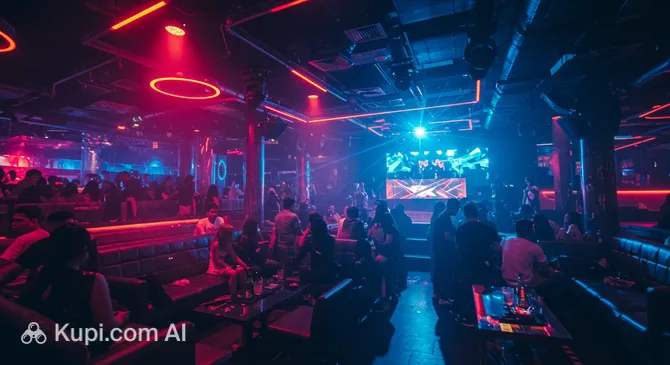
The Golden Triangle, particularly the Changkat Bukit Bintang area, is the pulsating heart of the city's after-dark action. This avenue is lined with restored colonial shophouses that have been converted into lively gastropubs, bistros, and bars, making it a favorite among expatriates and tourists. For a more intense clubbing experience, the TREC KL district is the dedicated entertainment hub. Here, you can find Kyō Kuala Lumpur, a premier nightclub located in the Mandarin Oriental. Known for its sleek industrial design and cutting-edge sound system, it is the go-to destination for underground music lovers.
Kyō Kuala Lumpur. Illustration.
Source: Kupi.com AI
Traveler photos:
If you prefer a more refined atmosphere, the city's speakeasy and cocktail bar scene is flourishing. MO Bar offers an elegant setting where guests can sip on signature drinks while mingling in a chic environment. For fans of craft beer and a relaxed, rustic vibe, Tap Room KL is an excellent choice, tucked away in a bamboo-rich setting that provides a perfect escape from the concrete jungle.
Beyond the bars, the night markets offer a vibrant cultural experience. Petaling Street in Chinatown remains awake late into the night, filled with stalls selling everything from souvenirs to street food. Interestingly, this area has also become a hotspot for hidden bars behind obscure doors. When planning your night out, remember that the dress code for clubs and upscale venues is usually "smart casual"—shorts and flip-flops are generally not permitted. Alcohol prices can be higher than in neighboring countries due to taxes, so budget accordingly.
Safety in Kuala Lumpur is generally good, especially in the main entertainment districts which are well-lit and busy. However, it is always advisable to stay vigilant and avoid walking in dark, deserted alleys. The best way to get around at night is by using ride-hailing apps like Grab, which are safe, reliable, and spare you the hassle of haggling with taxi drivers.
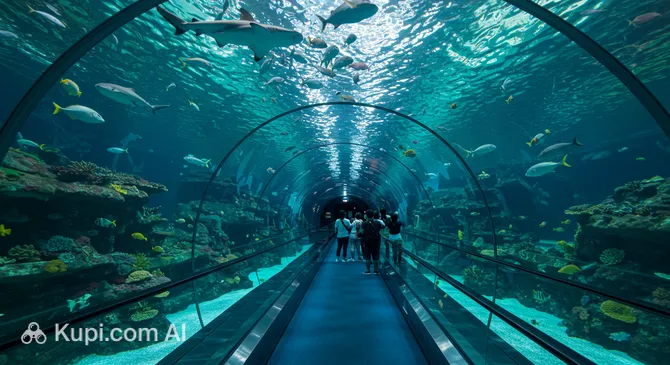
During the daylight hours, the city offers a different array of entertainment. Families and nature enthusiasts should visit Aquaria KLCC, a world-class oceanarium located right in the city center, featuring a spectacular underwater tunnel. For those seeking active fun, NextGen Theme Park provides an exciting indoor edutainment experience with obstacle courses and climbing walls, perfect for escaping the afternoon heat.
Aquaria KLCC. Illustration.
Source: Kupi.com AI
Traveler photos:
From the thumping bass of nightclubs to the serene glide of sharks in an aquarium, Kuala Lumpur ensures that boredom is never an option, day or night.
Parks & Museums
Beyond its gleaming skyscrapers and bustling shopping districts, Kuala Lumpur offers a refreshing abundance of green spaces and a rich tapestry of cultural heritage. The city is surprisingly lush, with tropical rainforests thriving right in its center, while its museums and historical sites provide a fascinating window into the nation's diverse history and artistic traditions.
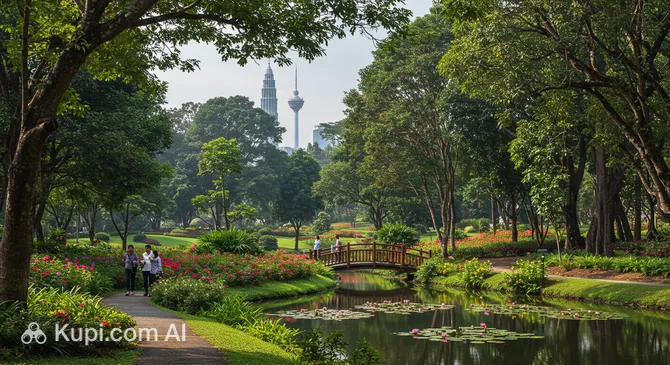
For a serene escape from the urban rush, the Perdana Botanical Garden is the city's premier green lung. Located within the Heritage Park, this sprawling oasis features beautifully landscaped gardens, including a hibiscus garden, an orchid garden, and a sunken garden. It is a perfect spot for a morning jog or a leisurely afternoon walk amidst exotic tropical flora. Visitors can enjoy the peaceful ambiance and the sight of locals practicing tai chi by the lake.
Perdana Botanical Garden. Illustration.
Source: Kupi.com AI
Traveler photos:
In the heart of the city center lies KLCC Park, a masterpiece of urban landscape design located at the foot of the Twin Towers. This 50-acre sanctuary was designed to provide a touch of greenery to the Petronas Twin Towers complex. It features a jogging track, a massive children's playground, and the spectacular Lake Symphony, which hosts daily water fountain shows. It is an ideal place to relax and admire the architectural marvels from a shady, grassy vantage point.
KLCC Park. Illustration.
Source: Kupi.com AI
Traveler photos:
To dive into the local arts scene, the UR-MU Museum (Urban Museum) offers a quirky and contemporary experience. Situated in the Bukit Bintang area, this eccentric art museum showcases a private collection of eclectic artworks, ranging from pop culture pieces to thought-provoking installations. Unlike traditional stuffy museums, UR-MU is designed to be interactive and fun, making it a hit with younger travelers and art enthusiasts looking for something different.
UR-MU Museum. Illustration.
Source: Kupi.com AI
Traveler photos:
For a deeper look at the region's heritage, the Islamic Arts Museum Malaysia is a must-visit. Although not just a city museum, it houses one of the best collections of Islamic decorative arts in the world. The building itself is stunning, with open galleries and intricate domes. Nearby, you can explore the Nasyrul Quran Complex, which is the second-largest Quran production center in the world. It offers visitors a unique insight into the intricate art of manuscript illumination and printing, highlighting the spiritual and artistic dedication behind these holy texts.
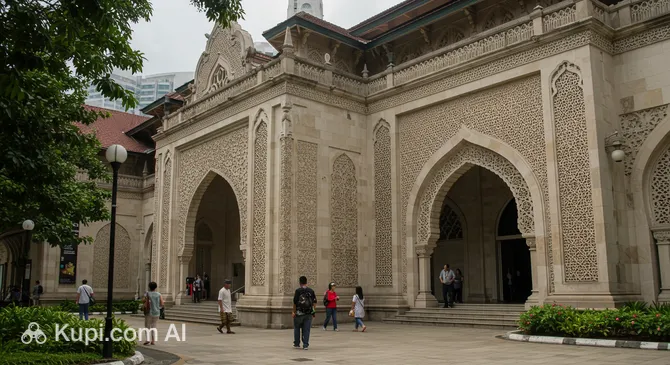
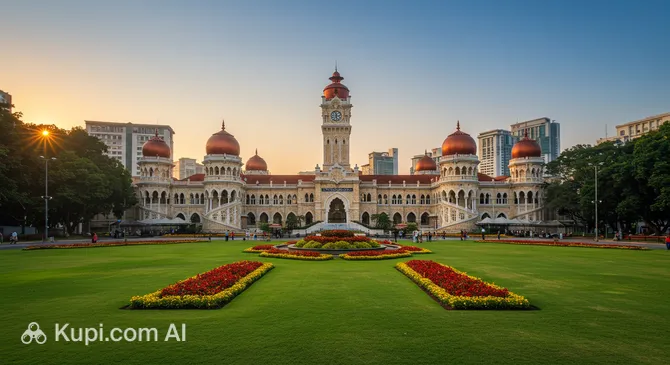
History buffs should head to Merdeka Square (Dataran Merdeka), the historic site where the Union Flag was lowered and the Malayan flag hoisted for the first time in 1957. Surrounded by heritage buildings like the Sultan Abdul Samad Building, the square is a powerful symbol of the country's independence. Just a short distance away is the National Monument Park, home to the Tugu Negara, a bronze sculpture commemorating those who died in Malaysia's struggle for freedom.
Merdeka Square. Illustration.
Source: Kupi.com AI
Traveler photos:
For families or those who love animals, Farm In The City offers a delightful "eden" of nature and animals in a village-style setting. It is a petting zoo where visitors can interact closely with various species, from feeding alpacas to watching free-flying birds, making it a great educational stop.
If you are a hiking enthusiast looking for an off-the-beaten-path experience, consider visiting the Ayer Hitam Forest Reserve. Located on the outskirts of the city, this "hidden" gem offers challenging trails and a chance to immerse yourself in an authentic rainforest environment without leaving the metropolitan area.
Getting Around
Kuala Lumpur boasts a modern, comprehensive, and affordable public transport network that is often the fastest way to navigate the city, allowing visitors to bypass the notorious traffic jams. The backbone of the system is the integrated rail network operated largely by RapidKL, which includes the LRT (Light Rail Transit), MRT (Mass Rapid Transit), and the Monorail. The MRT is particularly modern and spacious, connecting many suburbs to the city center, while the Monorail serves the central shopping and entertainment districts of the "Golden Triangle," offering passengers a scenic, elevated view of the bustling streets below. For travel to the outer suburbs or the Batu Caves, the KTM Komuter trains are the primary option, though they tend to run less frequently than the rapid transit lines.
Complementing the trains is an extensive bus network. RapidKL buses cover routes that the trains do not reach, but traffic congestion can make schedules unpredictable. A fantastic feature for tourists is the Go KL City Bus service. These distinctive purple buses run on several circular loops through the city center, stopping at major attractions like the Petronas Twin Towers, KL Tower, and Chinatown. Best of all, this service is completely free of charge and comes equipped with free Wi-Fi, making it an excellent budget-friendly way to sightsee.
The payment system is largely cashless and integrated. While you can purchase single-journey tokens (blue plastic coins) from ticket machines at stations, the most convenient option for travelers is the Touch 'n Go card. This prepaid smartcard can be bought at convenience stores, pharmacies, or transport hubs and is used to "tap in and tap out" at train gates and on buses. It can also be used for payments at some retail outlets. For tourists planning extensive travel, the KL TravelPass offers unlimited rail rides for two days and includes an airport transfer, which can be a good value depending on your itinerary.
Navigating the system is relatively straightforward. Trains typically run from 06:00 to midnight, with slightly extended hours during major events or holidays. Frequency is high, especially during peak hours (07:00–09:00 and 17:00–19:00), though trains can get very crowded during these times. Signage is in English and Malay, and apps like Google Maps or Moovit provide accurate real-time schedules and route planning. Always remember to keep your token or card handy until you exit the station, as you will need to scan it to leave.
If public transport doesn't get you exactly where you need to go, ride-hailing apps are the preferred alternative to traditional street taxis. Grab is the dominant service; it is safe, reliable, and offers fixed fares, eliminating the need to haggle or worry about unmetered trips. While traditional red-and-white taxis are available, they have a mixed reputation regarding meter usage, so ride-hailing is generally recommended for tourists. Additionally, the city has invested in pedestrian infrastructure, such as the air-conditioned KLCC to Bukit Bintang Walkway, which makes walking between major landmarks comfortable even in the tropical heat.
Accommodation
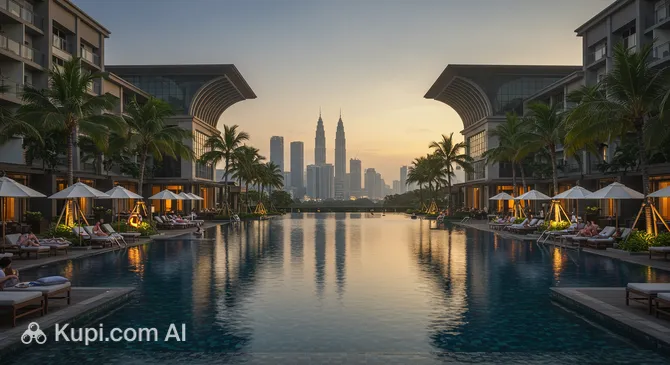
Finding the perfect place to stay in Kuala Lumpur is a delight for travelers, as the city is renowned for offering some of the best value-for-money accommodation in the world. The options range from vibrant backpacker hostels and heritage guesthouses to mid-range boutique hotels and opulent 5-star skyscrapers. Whether you are looking for a room with a view of the iconic skyline or a quiet retreat tucked away in nature, the Malaysian capital caters to every budget and preference.
For those who want to be in the heart of the action, the Bukit Bintang area is the most popular choice. It is the city's premier shopping and entertainment district, packed with malls, restaurants, and easy access to the monorail. Travelers seeking luxury and sophistication often prefer the KLCC area, where many high-end hotels offer breathtaking views of the Petronas Twin Towers. Alternatively, Chinatown (near Petaling Street) is a haven for budget travelers, offering affordable hostels and a rich cultural atmosphere, while the KL Sentral area is ideal for those prioritizing transit convenience.
Beyond the standard city hotels, the region also offers unique resort-style experiences for those willing to venture slightly further. For a luxurious wellness retreat inspired by an 18th-century French castle, you can book a stay at The Chateau Spa & Wellness Resort. Located in the nearby hills, it provides a cool, refreshing escape from the tropical heat of the city center.
The Chateau Spa & Wellness Resort. Illustration.
Source: Kupi.com AI
Traveler photos:
If you prefer a more rustic and nature-oriented accommodation, Qowiy Village Langat offers a charming eco-stay experience. These types of accommodations are perfect for travelers looking to combine a city trip with a brief immersion in Malaysia's lush greenery.
Booking Tips: While accommodation is generally abundant, it is highly recommended to book in advance if you are visiting during major public holidays like Chinese New Year or Hari Raya Aidilfitri, as prices can spike and popular spots fill up quickly. Additionally, be aware that a tourism tax is typically charged per room per night for foreign tourists, which is often payable upon check-in.
Overall, the price range for accommodation in Kuala Lumpur is incredibly competitive. You can find comfortable budget rooms for a very low cost, while luxury experiences that would cost a fortune in other global cities are often surprisingly affordable here. Booking is most commonly done through major online travel platforms, which frequently offer "staycation" deals and discounts.
Nearby Cities
For those looking to explore the surroundings, Kuala Lumpur serves as an excellent base for day trips to several interesting nearby locations:
Just a short distance from the city center lies Klang, a historic town with a distinct character. As the royal capital of the state of Selangor, it is rich in heritage, featuring colonial buildings and a vibrant Little India district. It is perhaps most famous among locals as the birthplace of Bak Kut Teh, a savory herbal meat soup that makes the trip worthwhile for food enthusiasts alone.
For travelers willing to venture a bit further, Ipoh offers a rewarding escape about two hours north. This former tin-mining hub has reinvented itself as a hip destination known for its preserved British colonial architecture, creative street art, and stunning limestone cave temples. It is also a culinary hotspot, celebrated for its smooth "white coffee" and delicious bean sprout chicken.
Closer to the capital, Shah Alam provides a more serene atmosphere characterized by manicured parks and lakes. The city's crown jewel is the Sultan Salahuddin Abdul Aziz Shah Mosque, popularly known as the Blue Mosque. With its massive gleaming blue dome and soaring minarets, it stands as one of the most impressive religious structures in Southeast Asia.
These nearby destinations offer a glimpse into the diverse culture and landscapes of the region.
Shopping & Souvenirs
Shopping in Kuala Lumpur is a serious pastime and a major draw for visitors. The city is consistently ranked as one of the best shopping destinations in Southeast Asia, offering an incredible mix of high-end luxury brands, trendy streetwear, and traditional handicrafts. From air-conditioned mega-malls that offer a cool respite from the tropical heat to vibrant open-air markets, the retail landscape is diverse and exciting.
The epicenter of the city's retail therapy is undoubtedly the Bukit Bintang district, often referred to as the "Golden Triangle." This bustling area is packed with shopping centers connected by convenient pedestrian walkways. Here, you will find the magnificent Pavilion Kuala Lumpur, a premier shopping destination that houses hundreds of international brands and a dedicated precinct for Japanese culture. It is a favorite among fashionistas and those looking for a luxurious shopping experience in the heart of the city.
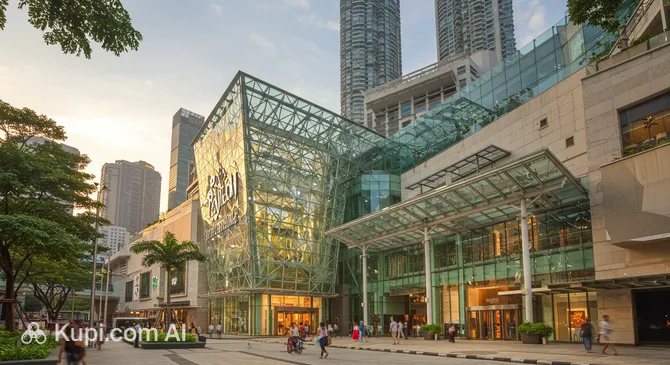
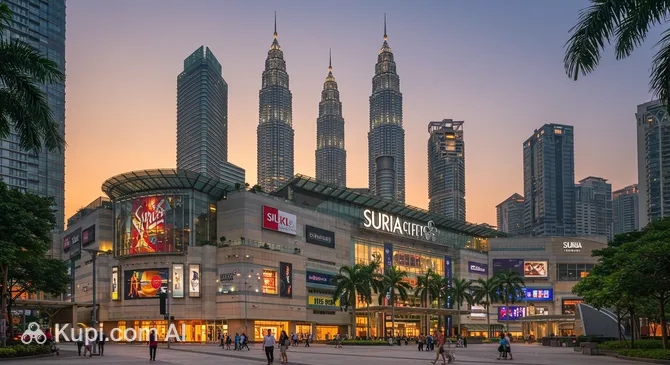
Another iconic shopping spot is Suria KLCC, located at the foot of the Petronas Twin Towers. This six-story mall is not just about luxury fashion; it also features an art gallery, a philharmonic hall, and a science discovery center, making it a lifestyle hub for the whole family. Its location makes it the perfect place to combine sightseeing with a shopping spree.
Suria KLCC. Illustration.
Source: Kupi.com AI
Traveler photos:
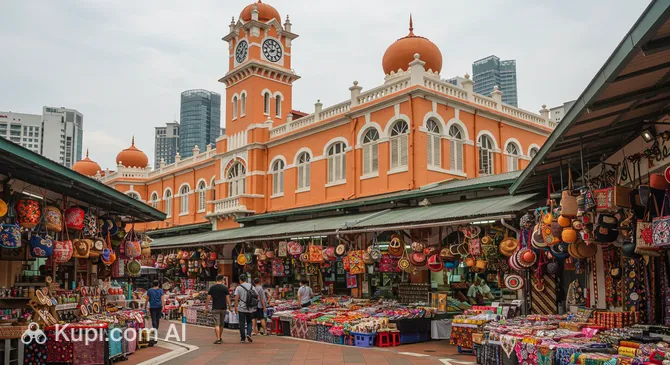
For a more cultural experience, head to the Central Market (Pasar Seni). Housed in a heritage Art Deco building, this market is the best place to find authentic Malaysian handicrafts, such as batik prints, songket fabric, and wood carvings. It offers a stark contrast to the modern malls, providing a charming atmosphere filled with local art and souvenirs. Just a short walk away is Petaling Street in Chinatown, a chaotic and colorful market famous for imitation goods, accessories, and the art of bargaining.
Central Market. Illustration.
Source: Kupi.com AI
Traveler photos:
When hunting for souvenirs, look for items that reflect Malaysia's heritage. Royal Selangor pewter is a world-renowned local brand perfect for high-quality gifts. Batik textiles, available as sarongs, shirts, or scarves, are colorful and distinct. Food items also make great gifts; try "White Coffee" instant packs, durian-flavored chocolates, or "dodol," a sticky sweet toffee-like treat.
Most shopping malls operate daily from 10:00 AM to 10:00 PM. Credit and debit cards (Visa and Mastercard) are widely accepted in malls, department stores, and supermarkets. However, if you are visiting street markets like Petaling Street or smaller food stalls, cash is essential, so be sure to carry some Malaysian Ringgit.
Regarding tax-free shopping, Malaysia currently does not have a Tourist Refund Scheme following the abolition of the GST in 2018. The Sales and Service Tax (SST) applied to goods is generally not refundable for tourists. However, you can enjoy duty-free shopping at international airports and designated duty-free islands like Langkawi if your travels take you there.