Support

Letung

About

Letung is a charming settlement located on Jemaja Island, part of the stunning Anambas archipelago in the Riau Islands province. As a gateway to one of the most pristine frontiers in Indonesia, this town offers travelers a perfect blend of rustic simplicity and breathtaking natural beauty. Far from the bustling crowds of more famous destinations, Letung retains a peaceful atmosphere where time seems to slow down, making it an ideal spot for relaxation.
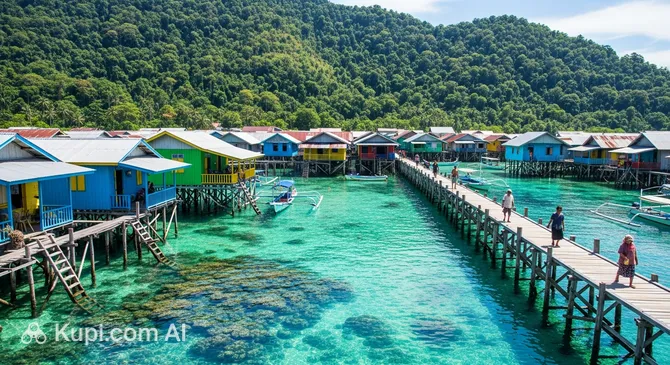
Letung. Source: Kupi.Binoculars

Surrounded by lush greenery and the turquoise waters of the South China Sea, the town enjoys a tropical climate that is perfect for beach lovers and outdoor enthusiasts. With a population of approximately 21,000 residents, it serves as a vital hub for the local community while maintaining a close-knit village vibe. Visitors interested in the local heritage can explore the history of Letung to understand how it evolved from a humble fishing outpost into a welcoming destination for eco-tourism.

The area is renowned for its spectacular coastal landscapes. One of the absolute highlights is the nearby Padang Melang, a magnificent stretch of white sand that spans several kilometers, known for its tranquil waters and scenic coconut trees. The crystal-clear sea around Letung is also a paradise for snorkeling and diving, revealing vibrant coral reefs teeming with marine life. Additionally, the town itself offers a chance to experience authentic island culture and sample fresh seafood at local markets.

Whether you are seeking a solitary retreat on sun-drenched shores or an adventure across untouched islands, Letung is a destination that promises unforgettable memories. It is an inviting escape for those looking to discover the quieter, more serene side of the archipelago.

Weather Overview

Letung experiences a consistent tropical climate, characterized by warm temperatures and varying levels of humidity throughout the year. The average temperature remains remarkably stable, generally hovering between 26°C and 28°C. Nights are pleasant with minimums around 25°C, while daytime highs can reach up to 29°C, particularly in May, which is typically the warmest month.

Rainfall is a common feature of the region, though the frequency changes with the seasons. Travelers should expect warm, humid conditions year-round with frequent showers, especially from October to January when the number of wet days peaks. For those seeking the most sunshine, February and March are statistically the driest months, with significantly fewer rainy days compared to the rest of the year. To help plan your outdoor activities, you can check the current forecast and detailed weather in Letung before your trip.

Interesting Facts

Beyond the main attractions, Letung holds many fascinating secrets that reveal the deep cultural roots and unique geography of Jemaja Island.

  • The nearby Padang Melang Beach is widely cited as having the longest coastline in the entire Riau Islands province. Stretching approximately eight kilometers in a gentle horseshoe shape, the beach is so vast that it actually connects two separate villages, bridging the gap between Letung and Bukit Padi with a continuous ribbon of white sand.

  • Letung is the home of the mystical Gubang Dance, a traditional performance steeped in supernatural folklore. According to local legend, the dance originated when villagers got lost in the dense forest and encountered "Bunian" spirits (mystical forest dwellers), who taught them the rhythmic movements before they could return to the safety of the village.

  • While known for its saltwater coasts, the island hides a refreshing secret in its interior known as the Neraja Waterfall. This three-tiered natural cascade flows year-round within the jungle, providing a rare and cool freshwater oasis that contrasts sharply with the tropical heat of the surrounding beaches.

  • Historically, this region served as a strategic stopover on the ancient "Silk Road of the Sea." Centuries before modern tourism, the sheltered bays around Letung offered refuge to merchant ships navigating the trade routes between China, India, and the rest of the archipelago.

How to Get There

Reaching the remote and beautiful Jemaja Island requires a bit of planning, as there are no direct international flights landing right on the doorstep. Most travelers combine air travel with a sea crossing or a smaller connecting flight. To help you plan your journey efficiently, you can read more about how to get to Letung, including details on ferry schedules and local transport options.

The city of Letung does not have its own major international airport, but you can fly into Changi International Airport (SIN) in Singapore, which is about 263 km away. As one of the busiest aviation hubs in the world, it offers connections from almost anywhere. From Singapore, travelers typically take a ferry to Batam or Bintan, followed by a connecting flight or boat to Letung. Another key gateway is Hang Nadim International Airport (BTH) in the city of Batam, located approximately 272 km from Letung. This airport serves as a major regional hub and is often the primary jumping-off point for flights heading toward the Anambas Islands. Since Letung is separated from these cities by the sea, travel by taxi or bus is not possible for the final leg of the journey.

For clarity, here is a summary of the main airports:

Airport Name City Passenger Traffic Km from City
Changi International Airport Singapore Very High 263.0
Senai Airport Johor Bahru Medium 271.1
Hang Nadim International Airport Batam Medium 272.2
Kidjang Airport Tanjung Pinang Small 263.3
Sultan Haji Ahmad Shah Airport Kuantan Small 290.2

Regarding rail transport, Letung is located on a relatively small island within the Riau Islands archipelago, and there is no railway infrastructure available. Visitors should rely on boats, ferries, and local road transport such as motorbikes or cars to navigate the area once they arrive.

Main Attractions

For travelers venturing to this remote corner of the Anambas archipelago, the attractions around Letung offer a perfect mix of untouched beaches, refreshing natural pools, and island-hopping adventures. The area is defined by its raw, natural beauty rather than commercial theme parks, making it a paradise for nature lovers.

Padang Melang Beach is widely considered the crown jewel of Jemaja Island. Stretching for nearly eight kilometers, it holds the title of the longest coastline in the entire province. The beach is famous for its unique horseshoe shape and the soft, fine white sand that lines the shore. Visitors can relax in small gazebos shaded by towering pine and coconut trees or swim in the calm, shallow waters. It is also the site of the annual Padang Melang Festival, a vibrant celebration of local culture and maritime traditions.

For a change of scenery from the coast, Neraja Waterfall offers a cool, freshwater retreat located in the village of Ulu Maras. A short drive from Letung takes you to this three-tiered cascade, which flows year-round through the lush jungle. The waterfall feeds into natural rock pools that are deep enough for a refreshing dip, providing a stark and pleasant contrast to the tropical heat. According to local legend, this scenic spot was once a bathing place for ancient kings, adding a touch of mystique to its natural charm.

Another must-visit coastal gem is Kusik Beach, situated in the southern part of the island near Rewak Village. Known for its crystal-clear emerald waters and tranquil atmosphere, it is an excellent spot for families and snorkeling enthusiasts. One of its most iconic features is the long wooden jetty that extends out into the sea, offering a perfect vantage point for photography or simply admiring the vibrant coral reefs visible just beneath the surface.

Just a short boat ride away lies Pulau Ayam, or "Chicken Island," an uninhabited islet that makes for an idyllic day trip. Famous for its pristine sands and excellent snorkeling spots, the island offers a true castaway experience. The surrounding waters are teeming with colorful marine life, making it a favorite destination for divers and those looking to escape completely into nature.

Local Cuisine

The culinary scene in Letung is a delightful reflection of its island geography, heavily focused on fresh seafood and rich, spicy Malay flavors. Being a coastal settlement on Jemaja Island, the ingredients are incredibly fresh, often caught just hours before reaching your plate. For food lovers, this means an abundance of fish, squid, and crustaceans prepared with aromatic herbs and spices that define the regional palate.

One dish you absolutely must try is Mie Tarempa. Although it originated from the nearby island of Siantan, it is a staple throughout the archipelago and widely available in Letung. These flat yellow noodles are typically stir-fried with shredded tuna or mackerel, bean sprouts, and a spicy, savory sauce that gives them a reddish hue. You can order them "dry" (goreng), "wet" (kuah), or "moist" (lembab), and they are often served with pickled green chilies for an extra kick.

For a popular local snack, look for Luti Gendang. These are oval-shaped fried breads with a golden, crispy exterior and a soft, fluffy interior, filled with spicy savory fish floss (abon ikan). They are the perfect companion for a morning cup of coffee or an afternoon treat. Seafood enthusiasts should also try Gonggong, a type of sea snail that is boiled and served with a spicy dipping sauce, as well as fresh Ikan Bakar (grilled fish) seasoned with turmeric and sambal.

The beverage culture in Letung revolves around coffee. Locals love to spend time in traditional coffee shops (kedai kopi), sipping on Kopi O (strong black coffee) or coffee with sweetened condensed milk. Given the tropical heat, fresh young coconut water is also a favorite way to cool down. In the evenings, the food scene comes alive around the main jetty and market areas, where small open-air eateries (warungs) serve affordable, authentic home-cooked meals in a relaxed, friendly atmosphere.

Travel Tips

Visiting Letung and the wider Jemaja Island offers a rare glimpse into Indonesia's untouched island life, but its remote nature means a little extra preparation goes a long way. These practical tips are designed to help you navigate the local customs and logistics, ensuring your adventure in this tropical paradise is as smooth and enjoyable as possible.

  1. Clothing and Gear
    Since Letung has a tropical climate, pack lightweight, breathable fabrics like cotton or linen to stay cool. However, remember that this is a conservative area with a predominantly Muslim population; modesty is appreciated. When exploring the town or villages, cover your shoulders and knees. Save swimwear for the beaches. Essential gear includes a universal travel adapter (Type C or F), high-SPF sunscreen, insect repellent, and sturdy reef shoes to protect your feet from sharp coral.

  2. Transportation
    Public transport in the conventional sense (buses or trains) does not exist here. The most common way to get around is by ojek (motorcycle taxi) or by renting a scooter, which gives you the freedom to explore the island's scenic roads at your own pace. For larger groups, it is sometimes possible to charter a car or a pickup truck with a driver through your accommodation. Always agree on the price before starting your journey.

  3. Finances
    Cash is absolute king in Letung. While there are a few ATMs (usually BNI or BRI), they can occasionally be offline or out of cash, and credit cards are rarely accepted outside of specific high-end accommodations. It is highly recommended to withdraw a sufficient amount of Indonesian Rupiah (IDR) in Batam or Tanjung Pinang before you arrive. Budget for meals and transport is generally low, but having small notes is useful for local warungs.

  4. Health and Safety
    Letung is a very safe town with low crime rates, but medical facilities are basic. There is a local clinic (Puskesmas), but for serious emergencies, evacuation to a larger city would be necessary. Pharmacies are small and may not stock specific prescription brands, so bring a fully stocked personal first-aid kit. Drink only bottled or boiled water to avoid stomach issues, and stay hydrated in the heat.

  5. Communication
    Bahasa Indonesia is the primary language, and English is not widely spoken among the local population, though staff at tourist accommodations may know basic phrases. It is very helpful to learn a few words like terima kasih (thank you) and selamat pagi (good morning). For mobile data, Telkomsel is generally the provider with the most reliable coverage on the island; buying a SIM card in a major city before arrival is a good idea.

  6. Local Etiquette
    The people of Letung are incredibly friendly and welcoming. A smile is the universal greeting here. If you are invited into a local's home or enter a mosque, always remove your footwear at the door. When handing over money or objects, use your right hand (or both hands), as the left hand is traditionally considered unclean. Public displays of affection should be kept to a minimum to respect local norms.

  7. What to Avoid
    Avoid walking through the village in bikinis or shirtless; this can be seen as disrespectful. Also, refrain from touching people on the head, even children, as the head is considered the most sacred part of the body in local culture. Be mindful of waste; plastic disposal can be an issue on remote islands, so try to minimize your trash and carry it back with you if bins are not available.

  8. Connectivity Tip
    Be prepared for "island time" regarding digital connectivity. Wi-Fi signals can be slow or intermittent, especially during bad weather. It is best to download offline maps (like Google Maps) and any entertainment you might need beforehand. Treat the lack of constant connection as a chance to truly unplug and immerse yourself in the stunning natural surroundings.

By keeping these simple guidelines in mind, you will be well-equipped to embrace the laid-back rhythm of Letung. The locals are known for their warmth and hospitality, so don't hesitate to ask for help or strike up a conversation—often, these interactions become the most cherished memories of the trip.

Entertainment & Nightlife

Nightlife in Letung is a world away from the thumping bass of nightclubs or neon-lit party strips found in big cities. Instead, the evening entertainment here is defined by a laid-back, rustic charm that revolves around community, conversation, and the stunning natural environment. The atmosphere is incredibly peaceful, with the soundtrack provided by the gentle lapping of waves rather than loud music. For visitors, "going out" usually means joining the locals at a traditional coffee shop, enjoying a late-night meal at a waterfront eatery, or simply marveling at the Milky Way, which is clearly visible due to the lack of light pollution.

The social hub of the town after dark is undoubtedly the local Kedai Kopi (coffee shop). This is where the community gathers to unwind, play chess, and discuss the day's events. Rather than seeking out specific branded venues, visitors can simply head to the busy streets near the main jetty or the market area to find these authentic spots. Here, you can enjoy strong local coffee and immerse yourself in the friendly island vibe. If you are feeling hungry late at night, the open-air warungs in this area are the perfect places to savor freshly caught seafood or a steaming plate of local noodles while soaking in the cool sea breeze.

There is no designated "red-light" or clubbing district in Letung. The activity is concentrated around the main jetty area and the central market streets, which remain lively until around 10:00 PM or 11:00 PM. On weekends or special occasions, the vibe shifts to Padang Melang Beach. During festivals, this area transforms with pop-up stages for live music, traditional dances, and bonfires, but on regular nights, it serves as a tranquil spot for beach walks and stargazing. Travelers should note that alcohol is not widely served in local Muslim-owned establishments; it is primarily available at private resorts or specific Chinese-run venues.

From a practical standpoint, the best time to head out is just after sunset, around 7:00 PM. Prices are incredibly affordable, with a cup of coffee costing just a few thousand rupiahs and meals rarely exceeding modest local rates. Getting around at night requires some planning, as there are no metered taxis. The primary mode of transport is the Ojek (motorcycle taxi). It is advisable to arrange a ride back with your driver beforehand or ask your accommodation to help, as the streets can get very quiet and dark later in the evening.

Safety is one of Letung's strong suits; the town is very safe for night walks, and violent crime is virtually non-existent. However, the roads are not always well-lit, so carrying a flashlight is recommended if you are walking away from the main center. As for daytime entertainment, do not expect shopping malls, cinemas, or amusement parks. The "theater" here is the underwater world of coral reefs, and the "museums" are the historic fishing villages. The island's natural beauty serves as its primary playground, offering endless opportunities for exploration before the sun goes down.

Parks & Museums

In Letung, the concept of a park extends far beyond manicured lawns and paved pathways, encompassing instead the wild, lush jungles and protected marine environments that define Jemaja Island. Similarly, while the town lacks formal museums with ticket counters and audio guides, its streets and historical buildings serve as a living gallery, preserving the rich heritage of the Malay fishing communities that have thrived here for centuries.

The most significant natural "green space" is undoubtedly the vast marine environment surrounding the island, often considered part of the wider Anambas Marine Recreational Park. This protected area functions as a spectacular underwater national park where visitors can explore "gardens" of hard and soft corals rather than flower beds. The clarity of the water allows for exceptional visibility, making it a sanctuary for sea turtles, napoleon wrasse, and schools of colorful reef fish. It is a place where nature is left largely undisturbed, offering a raw and immersive experience for eco-tourists.

For those who prefer terra firma, the island's interior offers a dense, green retreat. The lush hills surrounding Padang Melang and the jungle trails leading toward the Neraja Waterfall serve as the "lungs" of the area. Trekking through these verdant paths allows visitors to immerse themselves in the tropical canopy, providing opportunities to spot local bird species and monkeys. These natural elevations offer a cooler climate and panoramic viewpoints that frame the town against the backdrop of the South China Sea, acting as a natural amphitheater for sunsets.

In terms of cultural heritage, the town's central mosque, often referred to as the Masjid Besar (Great Mosque), stands as a key architectural landmark. As the primary place of worship, it reflects the deep spiritual roots of the local population. The mosque is admired for its spacious, airy design which is perfectly adapted to the tropical climate. While not a museum, it offers visitors a profound insight into the Islamic traditions that shape daily life in the Riau Islands, serving as a community hub where history and faith intersect.

Another cultural highlight is the "Living Museum" of Kampung Letung. The old residential districts, particularly those built on stilts over the water, function as an open-air gallery of traditional maritime architecture. Walking along the wooden boardwalks (jerambah), visitors can observe the unique engineering of Rumah Panggung houses, designed to rise above the tides. This area captures the essence of the town's history as a trading and fishing post, with every weathered plank and moored fishing boat telling a story of resilience and adaptation to the sea.

For a truly authentic experience, take a morning walk to the local fish market near the jetty. It offers a sensory glimpse into the island's economy that no static exhibit could match. Watching the fishermen unload their catch at dawn provides a raw, unfiltered look at the tools and techniques that have sustained the people of Letung for generations.

Getting Around

Navigating Letung requires a shift in expectations for travelers accustomed to the comprehensive public transport networks of major global cities. As a remote settlement on Jemaja Island, the town does not possess a metro system, trams, trains, or a scheduled public bus fleet. Instead, the transport "system" is informal, decentralized, and relies heavily on small private vehicles and boats. Getting around is part of the adventure, offering a more personal interaction with the local community rather than a standardized commute.

The primary mode of public transportation for short distances is the Ojek, or motorcycle taxi. These are not booked via apps but are found gathered at strategic points such as the ferry jetty, the main market, or near larger guesthouses. Ojek drivers are generally local residents using their personal motorbikes to transport passengers for a negotiated fee. They are efficient for navigating the narrow island roads and are the quickest way to get from the harbor to your accommodation upon arrival.

For tourists who prefer independence, renting a scooter or motorbike is widely considered the best way to explore Letung and the surrounding areas. Rental agencies are typically small, family-run businesses, or services offered directly by your homestay or hotel. Prices are affordable, usually calculated on a 24-hour basis. Having your own two-wheeler gives you the freedom to visit distant beaches like Padang Melang at your own pace, stopping whenever you please to admire the view.

Four-wheeled transport is available but less common than motorbikes. There are no metered taxis roaming the streets. Instead, transportation for families or groups is handled through car charters. These vehicles are often SUVs or pickup trucks modified with seats in the back. Unlike a standard taxi, you typically hire the car and driver for a specific trip or a full day. Arrangements should be made in advance through your hotel or a local contact, as you cannot simply hail these vehicles on the street.

Given the island geography, water transport is an essential extension of the road network. Traditional wooden boats, known locally as Pompong, serve as water taxis connecting Letung to nearby islets, secluded coves, or floating fishing villages. These can be chartered at the main jetty. While they are slower than speedboats, they offer a scenic and authentic way to travel, often necessary for reaching the best snorkeling spots or uninhabited islands.

The payment system in Letung is entirely cash-based. There are no travel cards, tap-to-pay terminals, or digital ticketing apps for local transport. Visitors must carry sufficient Indonesian Rupiah (IDR) in small denominations (5,000 to 50,000 notes) to pay drivers directly. It is crucial to agree on the fare before the journey begins to avoid misunderstandings later. Bargaining is acceptable and expected, especially for longer trips or full-day charters.

Tourists should be aware that popular ride-hailing apps widely used elsewhere in Southeast Asia generally do not operate or have very limited availability in this remote area. You must rely on face-to-face arrangements. Additionally, transport availability decreases significantly after sunset. If you plan to stay out late, ensure you have a pre-arranged ride back to your accommodation, as finding an Ojek on the street late at night can be difficult.

Accommodation

Accommodation in Letung is primarily defined by its simplicity, authenticity, and warm local hospitality. Travelers visiting this remote part of the Anambas archipelago should manage their expectations; you will not find sprawling international hotel chains or high-rise luxury resorts here. Instead, the town specializes in cozy guesthouses, known locally as wisma or penginapan, and family-run homestays that offer a genuine connection to the island lifestyle. These establishments are typically clean, comfortable, and equipped with essential amenities like air conditioning and private bathrooms, though hot water is not always guaranteed.

When choosing where to stay, most visitors opt for one of two main areas depending on their priorities. The Letung town center is the most convenient location for logistics. Staying here places you within walking distance of the ferry jetty, local markets, and the vibrant evening food stalls, making it easy to arrange transport or grab a meal. Alternatively, for those seeking tranquility and ocean views, there are a few developing accommodations near Padang Melang Beach. Staying near the coast offers a more resort-like atmosphere where you can wake up to the sound of waves, though you will be further away from the town's main amenities.

Booking accommodation in Letung can sometimes require a bit of "old-school" travel savvy. While a few properties have started appearing on major online travel platforms, many local guesthouses still rely on direct bookings via phone calls or messaging apps like WhatsApp. It is highly recommended to book your room in advance, especially if you are visiting during the peak season or around local festivals, as the limited number of rooms can fill up quickly.

In terms of cost, Letung is a very affordable destination. The price range generally falls into the budget to mid-range category. A night in a standard guesthouse is usually very wallet-friendly, leaving you with more budget to spend on seafood and island-hopping excursions. Be prepared to pay for your stay in cash (IDR) upon arrival, as credit card facilities are rare in these smaller establishments.

Nearby Cities

For those looking to explore the surroundings, Letung serves as an excellent base for day trips to several interesting nearby locations: Although the isolation of Jemaja Island means that "nearby" cities are often a flight or ferry ride away, they offer distinct experiences that complement a visit to the Anambas archipelago.

Batam is the closest major urban hub and serves as the primary gateway to the region. Known for its bustling atmosphere, it stands in stark contrast to the quiet nature of Letung. Visitors often stop here for affordable shopping, vibrant nightlife, and luxurious spa treatments. The city is also a culinary haven, famous for its fresh seafood restaurants built over the water, making it a perfect spot for a short city break before or after your island retreat.

Another fascinating destination is Pontianak, the capital of West Kalimantan. Situated directly on the equator, it is celebrated for the iconic Equator Monument, where you can physically stand between the northern and southern hemispheres. The city is a melting pot of Dayak, Malay, and Chinese cultures, offering unique architecture and a rich culinary heritage, including its famous coffee culture and spicy cuisine.

For those interested in history and culture, Pekanbaru on the island of Sumatra offers a glimpse into the Malay heritage of the Riau province. It serves as a jumping-off point to visit the majestic Siak Sri Indrapura Palace, a historical residence of the Sultanate of Siak. The city itself features impressive mosques, traditional markets, and libraries that preserve the region's literary history.

City Population Distance (km)
Batam 1,300,000 276
Pekanbaru 983,356 547
Pontianak 618,388 525
Jambi 612,162 614

These nearby destinations offer a glimpse into the diverse culture and landscapes of the region.

Shopping & Souvenirs

Shopping in Letung offers a refreshing departure from the commercialized retail experiences found in large cities. There are no high-end luxury boutiques or sprawling department stores here. Instead, visitors will find a humble and authentic selection of small family-run shops, known as warungs or tokos, that cater primarily to the daily needs of the local residents. For tourists, the appeal lies in exploring these modest establishments to discover unique local snacks, fresh tropical produce, and the genuine warmth of the shopkeepers.

The main commercial activity is concentrated in the town center near the jetty. This area serves as the economic heart of the settlement, where rows of simple shophouses line the streets. Here, you can find general stores selling everything from toiletries and flip-flops to mobile phone credit. Walking through these streets provides a glimpse into the slow-paced island life, where commerce is often accompanied by friendly conversation.

Travelers should be aware that there are no shopping malls in Letung. Those expecting air-conditioned plazas with international brands will not find them on Jemaja Island. The retail landscape is traditional and functional, reflecting the remote nature of the location. If you require specific branded items, electronics, or specialized outdoor gear, it is highly advisable to purchase them in Indonesia's larger hubs like Batam or Tanjung Pinang before traveling to the island.

The most vibrant shopping experience can be found at the local traditional market (Pasar). Best visited in the early morning, this market is a sensory delight filled with the sights and smells of the island's bounty. It is the best place to buy fresh tropical fruits like bananas, papayas, and coconuts directly from farmers. The wet market section is particularly lively, showcasing the incredible variety of seafood caught just hours earlier by local fishermen, from large tuna to colorful reef fish.

When it comes to souvenirs, Letung is famous for its savory culinary products rather than handicrafts. The most popular item to bring home is Kerupuk Atom, a round, crunchy fish cracker made from mackerel tuna that is a specialty of the Anambas and Natuna region. Another favorite is Ikan Bilis (dried anchovies), which are prized for their high quality and are often sold in bulk. These edible souvenirs are authentic, affordable, and offer a delicious taste of the island to share with friends back home.

Cash is the only accepted payment method in virtually all shops and market stalls in Letung. Credit cards and digital wallets are not used in the local retail sector. Visitors must ensure they have a sufficient supply of Indonesian Rupiah (IDR) in smaller denominations, as shopkeepers may struggle to provide change for large notes. Store hours are generally from around 8:00 AM to 9:00 PM, though many smaller stalls may close for a midday break or shut down earlier in the evening.

Reached the end of the page?

That means the route is fully explored