Support

Pontianak

About

Pontianak, the capital of the West Kalimantan province, is a vibrant metropolis often referred to as the "Equator City" because it sits precisely on the equator line. This unique geographical feature gives the city a distinct identity and atmosphere, blending urban energy with the laid-back rhythm of river life.

Located in Indonesia on the island of Borneo, Pontianak is situated at the junction of the Landak and Kapuas rivers. The Kapuas is the longest river in the country and serves as the lifeblood of the city. With a population exceeding 600,000, the area is a melting pot of cultures, including Malay, Dayak, and Chinese communities, which is vividly reflected in its diverse architecture and culinary traditions.
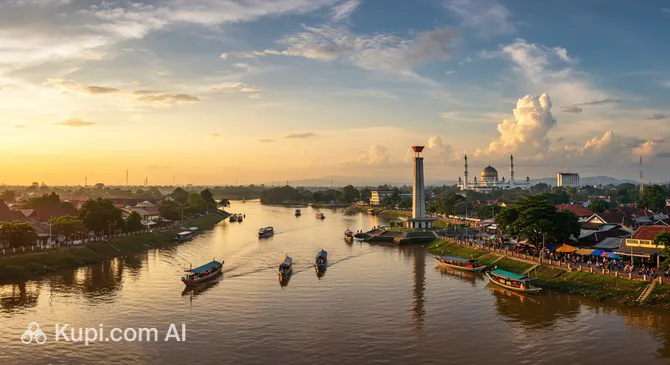
Pontianak. Source: Kupi.Binoculars

The city was founded in 1771 as a trading port and sultanate. Those interested in the history of Pontianak will find the Kadriyah Palace particularly captivating. This yellow wooden palace, built by the founding Sultan Syarif Abdurrahman Alkadrie, offers a fascinating glimpse into the royal heritage of the region. Another major landmark is the Equator Monument (Tugu Khatulistiwa), where visitors can experience the rare phenomenon of standing in both the northern and southern hemispheres simultaneously.

Pontianak is also famous for its thriving coffee shop culture and delicious local food. Spending an evening sipping distinct local coffee while watching boats drift along the Kapuas River is a favorite pastime for locals and tourists alike. Whether you are a history buff or a food lover, Pontianak welcomes you to explore its unique charms and warm hospitality.
Weather Overview

Due to its location right on the equator, the climate in this region is characteristically tropical, remaining warm and humid throughout the year. There are no drastic seasonal changes, making the city a year-round destination, though visitors should always be prepared for frequent showers. For a more detailed breakdown of monthly conditions and forecasts, you can consult the guide to weather in Pontianak.

Temperatures are remarkably consistent, with daily averages hovering around 27°C across all months. You can typically expect daytime highs to reach approximately 30°C, while nights cool down to a comfortable 24°C. Rainfall is a constant companion here; even in the relatively "drier" months like July, there are typically around 18 wet days, while months like November and December can see rain almost every day.

Interesting Facts

Beyond the popular landmarks, Pontianak holds many fascinating secrets and local legends that add depth to its history. From spooky folklore to unique astronomical events, here are some intriguing facts about the city.
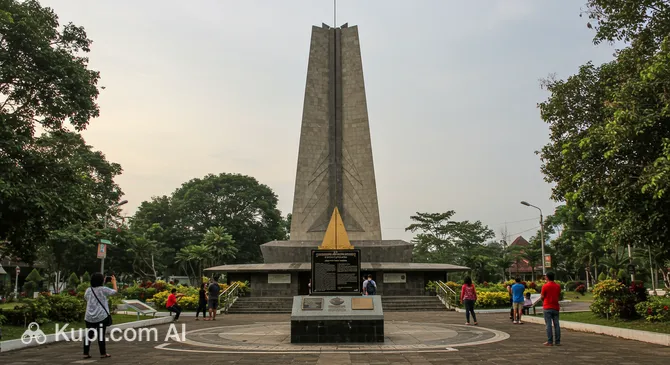
Equator Monument Park. Source: Kupi.Binoculars
  • The city's name has a rather spine-chilling origin. It is widely believed to be derived from "Kuntilanak" (or Pontianak in the local dialect), a mythical vampiric ghost in Malay folklore. Legend says the founding Sultan had to fire cannons to scare away these spirits that haunted the confluence of the rivers before he could establish the settlement.

  • While many visitors know about the Equator Monument Park, few realize the specific phenomenon that occurs there. Twice a year, during the culmination of the sun on the vernal and autumnal equinoxes (around March and September), the sun sits directly overhead at noon, causing the shadows of the monument and surrounding objects to vanish completely for a few minutes.

  • Local lore suggests that the location of the royal administrative center was determined by chance. The Sultan reportedly fired a cannon into the jungle, and the spot where the cannonball landed was chosen for the construction of the Grand Mosque and the Kadriyah Palace.

  • Pontianak is known as the center of Aloe Vera cultivation in Indonesia, but the plants here are distinctively massive. The local soil conditions allow farmers to grow giant Aloe Vera, with individual leaves often weighing over one kilogram, which are then processed into popular local beverages and snacks.

How to Get There

Reaching the "Equator City" is a straightforward experience, with air travel being the most popular and efficient method for the majority of visitors. Whether you are arriving from other parts of the archipelago or neighboring countries, you can find all ways to reach the city and plan your journey accordingly. The region is well-served by aviation hubs that connect it to major destinations.

The primary entry point for most travelers is Supadio International Airport (PNK). Conveniently located within the city of Pontianak itself, it is only about 15.4 km from the city center. This facility handles a medium volume of passenger traffic and serves as the main hub for West Kalimantan. A trip from the terminal to the downtown area by taxi or shuttle bus typically takes approximately 45 minutes, making it the most direct option for tourists.

For those exploring the wider island of Borneo or coming from Malaysia, Kuching International Airport (KCH) is another significant transport hub. However, please note that this airport is located in Kuching, Malaysia, roughly 201 km away from Pontianak. While it is a large international airport with extensive connections, choosing this route requires an overland journey across the border, which generally takes around 5 to 6 hours by bus or private car.

For clarity, here is a summary of the main airports:

Airport Name City Passenger Traffic Km from City
Kuching International AirportKuchingLarge201.0
Supadio International AirportPontianakMedium15.4
Ketapang AirportKetapangSmall209.7

Main Attractions

Pontianak offers a fascinating blend of history, culture, and unique geographical landmarks that make it a compelling destination for travelers. From royal heritage sites to vibrant public spaces along the river, the city's attractions reflect its diverse identity and the harmonious coexistence of its communities.

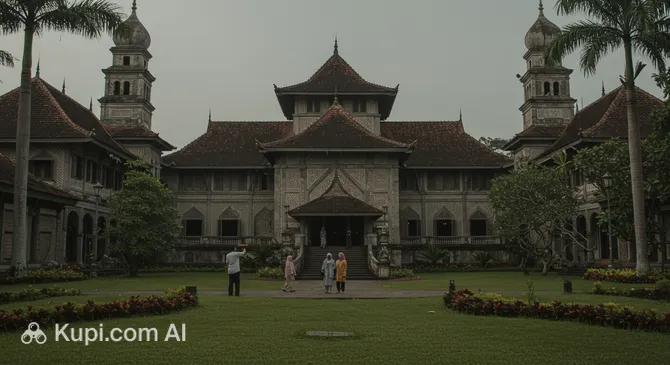
One of the most significant historical sites is the Kadriyah Palace. Built in the late 18th century, this majestic structure served as the seat of the Pontianak Sultanate. Visitors are immediately drawn to its distinctive bright yellow timber architecture, which is a color traditionally associated with Malay royalty. Inside, you can explore a collection of royal heirlooms, antique furniture, and photographs that offer a window into the lives of the founding family and the region's regal past.

Kadriyah Palace. Source: Kupi.Binoculars

No visit to the city is complete without stopping at the Equator Monument Park. This site marks the precise location of the equator, giving tourists the rare opportunity to stand with one foot in the Northern Hemisphere and the other in the Southern Hemisphere. While the original monument is housed inside a larger protective dome, the park itself is a great place to learn about astronomy and witness the shadowless sunlight phenomenon that occurs during the equinoxes.

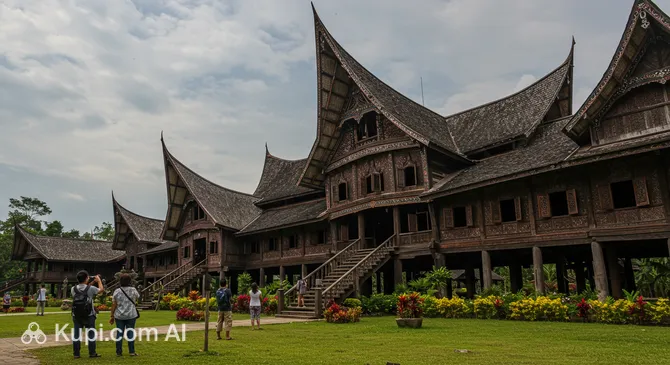
For a deep dive into the indigenous culture of Borneo, the Radakng Longhouse of West Kalimantan is a must-visit. This architectural marvel is a replica of a traditional Dayak longhouse but built on a grand scale, stretching over 138 meters in length. It stands as the tallest traditional house in Indonesia and serves as a center for arts and cultural performances. The intricate wood carvings and massive pillars provide an impressive backdrop for understanding the communal lifestyle of the Dayak people.

Radakng Longhouse of West Kalimantan. Source: Kupi.Binoculars

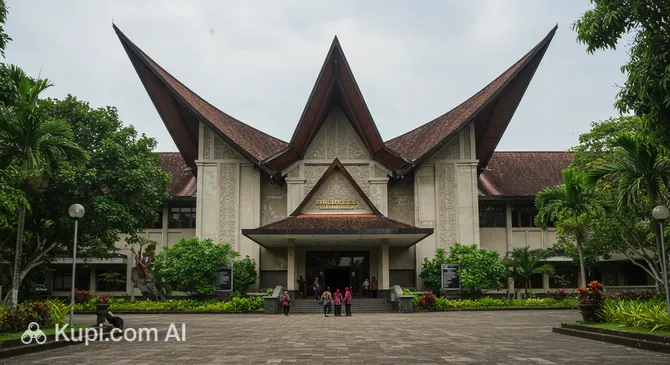
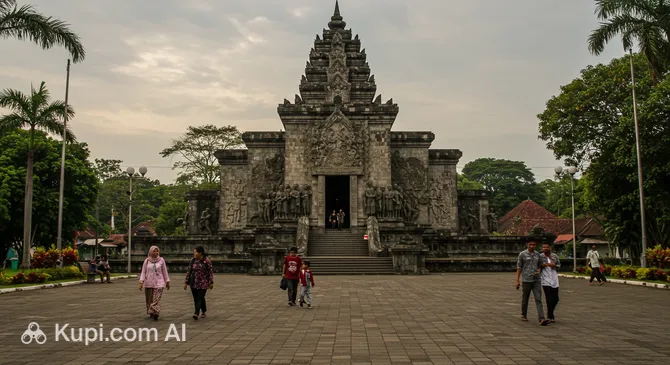
History enthusiasts should also explore the West Kalimantan State Museum. This facility houses a comprehensive collection of artifacts ranging from archaeological finds to ethnographic displays. The exhibits cover the diverse ethnic groups of the province, including the Malay, Dayak, and Chinese communities. It is an excellent educational stop to gain context on the local traditions, ceramics, and historical tools that have shaped the region's development.

West Kalimantan State Museum. Source: Kupi.Binoculars

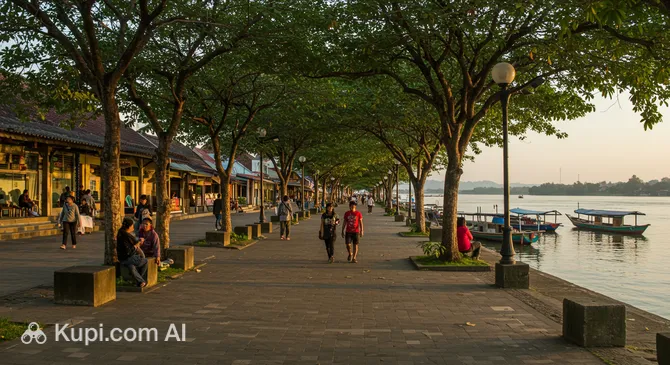
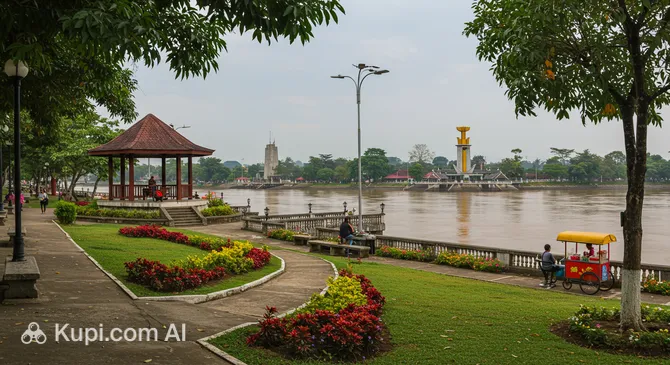
To experience the city's relaxed riverfront atmosphere, head to Kapuas Alun-Alun Park. Located right on the banks of the Kapuas River, this public space is a favorite among locals for evening strolls. The park features a beautiful fountain and well-maintained gardens, offering a refreshing escape from the urban bustle. It is particularly lively at sunset, where you can watch boats glide by and enjoy the cooling breeze from the river.

Kapuas Alun-Alun Park. Source: Kupi.Binoculars

Local Cuisine

Pontianak is widely regarded as one of the best culinary destinations in the archipelago, offering a unique fusion of Malay, Chinese, and Dayak flavors. The city’s food scene is defined by its bold use of spices, fresh seafood from the surrounding rivers, and a vibrant street food culture that keeps the streets lively well into the night. For travelers, exploring the local gastronomy is as essential as visiting the monuments.

One of the most iconic dishes you must try is Bubur Pedas. Despite its name, which translates to "spicy porridge," the heat level is often adjustable. This savory porridge is distinct from other Indonesian varieties; the rice is roasted before being cooked with grated coconut and a plethora of vegetables, including fern tips (pakis), kale, and long beans. Another local favorite, particularly influenced by the Teochew community, is Chai Kue (or Choi Pan). These are delicate steamed dumplings filled with yam, chives, or bamboo shoots, topped with crispy garlic and served with a tangy chili sauce.

When it comes to beverages, the "Equator City" is famous for its refreshing Es Lidah Buaya (Aloe Vera Ice). As a major producer of giant Aloe Vera, the city utilizes the plant's gel to create a sweet, cooling drink that is perfect for the tropical heat. Additionally, the local coffee culture is legendary. Locals spend hours in traditional coffee shops (warung kopi) enjoying strong Robusta coffee, often served with a generous layer of condensed milk, accompanied by traditional snacks like srikaya jam toast.

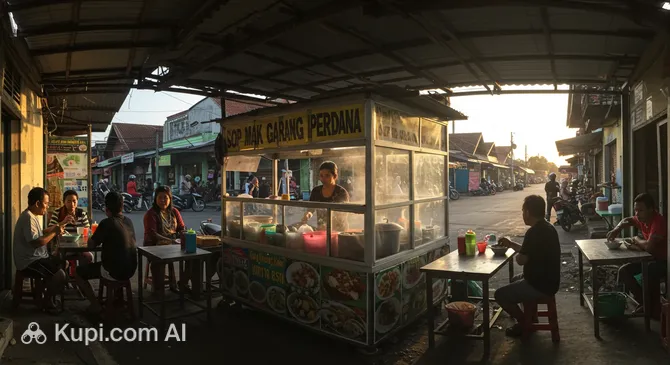
For a taste of the local atmosphere, the city's markets and eateries offer an authentic experience. You can wander through Sudirman Market to see the daily bustle and perhaps find local snacks or fresh fruits. If you are looking for a hearty meal to settle into, places like Sop Mak Garang Perdana are popular among residents for serving rich, flavorful soups that showcase the comfort food style of the region.

Sop Mak Garang Perdana. Source: Kupi.Binoculars

Seafood lovers will also find plenty to enjoy here, with Bakmi Kepiting (crab noodles) being a standout dish. These noodles are typically served with fresh crab claws, fish balls, and shrimp, reflecting the city's proximity to the water. Whether you are dining in a humble street stall or a well-established restaurant, the food in Pontianak is known for being unpretentious, affordable, and incredibly delicious.

Travel Tips

Welcome to Pontianak, the captivating "Equator City" where diverse cultures and river life converge. To help you navigate the tropical climate and embrace the local lifestyle with ease, here are some practical tips to ensure your visit is as smooth and enjoyable as possible.

  1. Clothing and Gear: Since Pontianak is hot and humid year-round, pack lightweight, breathable fabrics like cotton or linen to stay cool. A sturdy umbrella or a raincoat is essential, as sudden tropical downpours are frequent regardless of the season. Comfortable walking shoes are a must for exploring, and if you plan to visit religious sites like the Jami Mosque, remember to dress modestly—covering shoulders and knees is required.

  2. Transportation: Public transportation options like angkot (minivans) can be confusing for first-time visitors. The most convenient and reliable way to get around is by using ride-hailing apps like Grab or Gojek, which offer both car and motorcycle taxi options at fixed prices. Traditional taxis are available but less common on the streets; it is better to book them through your hotel.

  3. Finances: The local currency is the Indonesian Rupiah (IDR). While credit cards are accepted in major hotels, malls, and upscale restaurants, cash is king in Pontianak. You will need small denominations for street food, traditional markets, and local coffee shops. ATMs are widely available throughout the city, and tipping is not mandatory, though rounding up the bill or leaving small change is appreciated.

  4. Health and Safety: Pharmacies, known locally as Apotek, are easy to find; chains like Kimia Farma often operate 24/7 or have extended hours. The tropical climate means mosquitoes can be a nuisance, so bring effective insect repellent. Important: Do not drink tap water; always stick to bottled or boiled water to avoid stomach issues. The city is generally safe, but exercise standard caution with your belongings in crowded areas like the waterfront.

  5. Communication: The official language is Bahasa Indonesia. While staff in hotels and the airport often speak English, it is less widely spoken by street vendors or drivers. Learning a few basic phrases like "Terima kasih" (Thank you) and "Selamat pagi" (Good morning) will go a long way in connecting with the friendly locals. Buying a local SIM card (Telkomsel has good coverage) is recommended for maps and translation apps.

  6. Local Etiquette: Pontianak's residents are known for their hospitality. A smile is the universal greeting here. When giving or receiving money, food, or shaking hands, always use your right hand, as the left is considered unclean in local culture. Additionally, it is customary to remove your footwear before entering a local home or a place of worship.

  7. What to Avoid: Avoid public displays of affection, as the local culture is conservative. Also, be mindful not to touch anyone on the head, including children, as the head is considered the most sacred part of the body in Indonesian culture.

  8. Coffee Shop Culture: Don't miss the local Warkop (coffee shop) experience. In Pontianak, coffee drinking is a way of life. Locals gather early in the morning and late into the night to socialize. Try the legendary coffee at Jalan Gajah Mada; it’s not just about the caffeine, but about soaking in the authentic atmosphere of the city.

By keeping these practical tips in mind, you will be well-prepared to explore everything from the majestic Kapuas River to the historic Kadriyah Palace. Embrace the warmth of the weather and the people, and have a wonderful time discovering the unique charm of Pontianak!

Entertainment & Nightlife

Unlike the high-energy party scenes found in Jakarta or Bali, the nightlife in Pontianak has a distinct, more relaxed character that revolves heavily around social interaction and culinary indulgence. The city comes alive after sunset, but the rhythm is defined by the clinking of coffee glasses and the hum of conversation rather than thumping basslines. For locals, a night out typically means gathering with friends at a traditional coffee shop, enjoying a late-night meal, or singing their hearts out at a karaoke venue.

The epicenter of the city's evening activity is undoubtedly Jalan Gajah Mada. Often referred to as the "Coffee Street" of Pontianak, this district is lined with innumerable warung kopi (coffee shops) that stay open until the early hours of the morning. The atmosphere here is vibrant and casual, with crowds ranging from students to business professionals sitting at roadside tables. The dress code is universally casual; t-shirts and jeans are the norm. If you want to experience the true pulse of the city at night, simply pick a busy shop, order a cup of the robust local brew, and soak in the lively street scene.

For those seeking indoor entertainment, karaoke is a beloved pastime in Indonesia, and Pontianak is no exception. Venues like Happy Puppy Family Karaoke offer a wholesome and fun environment where groups can rent private rooms to sing songs in various languages. These establishments are modern, air-conditioned, and serve food and drinks, making them a popular choice for families and friends looking to unwind in comfort.

Happy Puppy Family Karaoke. Source: Kupi.Binoculars

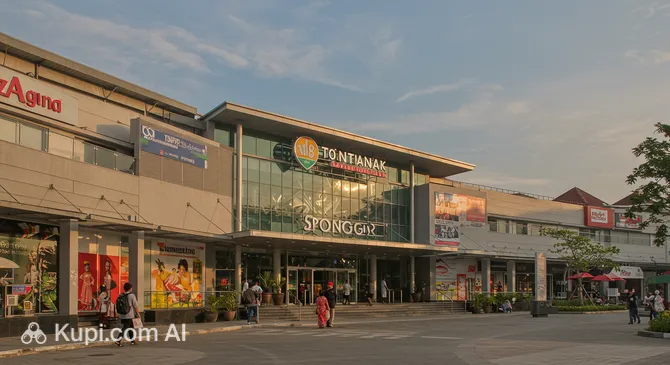
Another hub for evening leisure is the Ayani Megamall. As the largest shopping center in the city, it remains a focal point well into the evening. Beyond retail therapy, it houses a cinema complex and various dining options, providing a cool retreat from the tropical heat. It is a common meeting point for locals before heading out to other locations.

Ayani Megamall. Source: Kupi.Binoculars

If you prefer an open-air atmosphere, Digulis Park transforms into a lively social space in the late afternoon and evening. Located near the university, it attracts a youthful crowd who come to jog, skate, or simply hang out by the fountain. The area around the park is often surrounded by street food vendors selling snacks like grilled corn and sweet drinks, offering a cheap and cheerful way to enjoy the night breeze.

Digulis Park. Source: Kupi.Binoculars

Practical Advice for Night Owls:

  • Best Time: The streets start to fill up around 8:00 PM. Coffee shops often stay busy until 1:00 AM or later.
  • Prices: Entertainment here is very affordable. A cup of coffee might cost less than $1 USD, and an hour of karaoke is reasonably priced, especially on weekdays.
  • Transport: Public transport is scarce at night. The safest and most convenient way to get around is by using ride-hailing apps like Grab or Gojek. They are reliable and eliminate language barriers regarding directions.
  • Safety: Pontianak is generally safe for night walks, particularly in busy areas like Gajah Mada and Tanjungpura. However, stick to well-lit main roads and avoid deserted alleyways.

While the city shines at night with its coffee culture, daytime entertainment offers a different pace. Visitors can explore various cultural landmarks or museums to escape the midday sun. Families might enjoy local water parks or recreational areas, but the primary daytime allure remains the historical and riverfront attractions that define this equatorial city.

Parks & Museums

Beyond its busy river traffic and coffee culture, Pontianak offers several refreshing green spaces and cultural institutions that provide a deeper understanding of the region's heritage. For travelers looking to escape the tropical heat or delve into the artistic and historical background of West Kalimantan, the city's parks and landmarks are excellent stops.

One of the most prominent green areas is Digulis Park, which serves as a vital green lung for the city. While the park itself is a hub for recreation, it is anchored by the imposing Monument of the Eleven Digulists (Tugu Digulis). This structure honors the eleven local heroes who fought for Indonesian independence. The towering bamboo-shaped spires are a striking sight against the skyline, making the area a place of both leisure and historical remembrance.

Monument of the Eleven Digulists. Source: Kupi.Binoculars

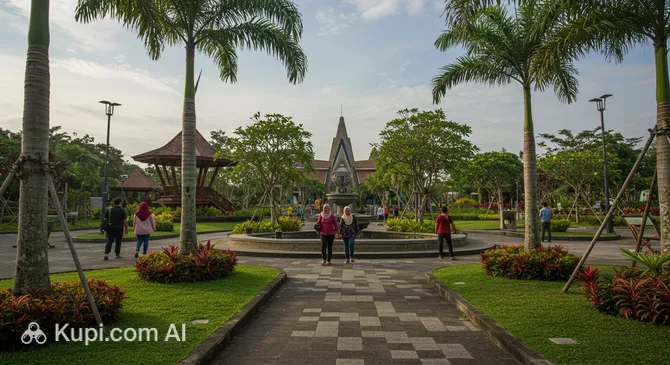
Another favorite recreational spot for locals is Akcaya Park. This well-maintained public space is ideal for those traveling with children or anyone seeking a quiet break from the urban bustle. It features paved pathways suitable for walking and light exercise, as well as open areas where community events are often held. The atmosphere here is distinctly local, offering visitors a chance to observe the daily rhythm of Pontianak's residents as they unwind.

Akcaya Park. Source: Kupi.Binoculars

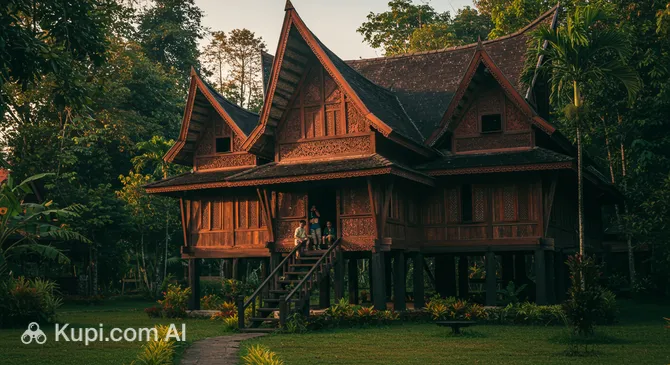
In terms of cultural heritage, the city proudly showcases its diversity through specific architectural landmarks. The Melayu Traditional House (Rumah Adat Melayu) is a magnificent example of Malay architecture. This cultural center stands on stilts with a high roof, designed to reflect the traditional dwellings of the Malay community in West Kalimantan. It frequently hosts cultural events and traditional ceremonies, serving as a living museum that preserves the customs of the local people.

Melayu Traditional House. Source: Kupi.Binoculars

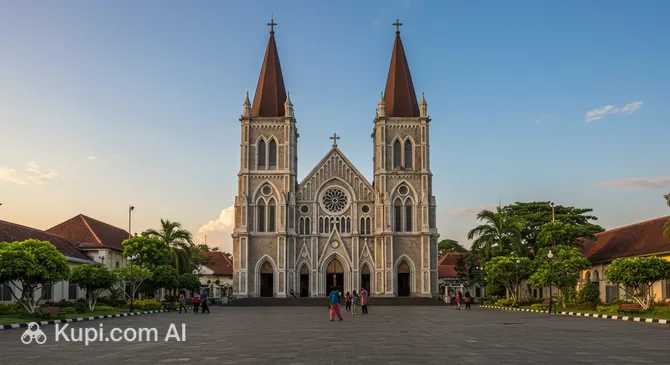
Reflecting the city's religious harmony and architectural grandeur, St. Joseph Cathedral is another significant site to visit. This Catholic church is renowned for its unique design, which blends classic Roman styles with traditional Dayak elements and local craftsmanship. The interior is equally impressive, offering a serene atmosphere that stands in contrast to the busy streets outside, making it a noteworthy stop for admirers of religious architecture.

St. Joseph Cathedral. Source: Kupi.Binoculars

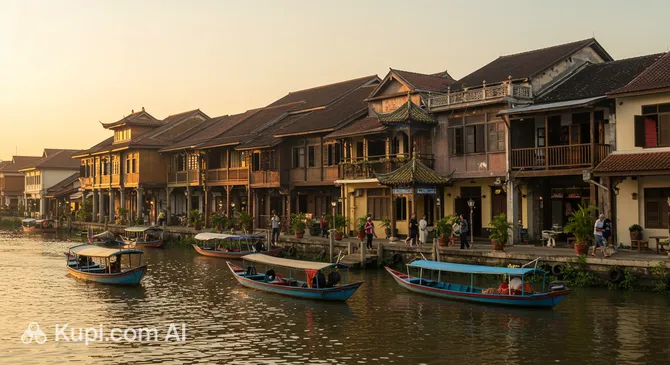
For a truly authentic experience, take a moment to visit the Seng Hie Port area. While not a traditional museum, this historic harbor offers a glimpse into the city's trading past. Watching the traditional boats load and unload goods provides a raw, unfiltered look at the riverine economy that has sustained Pontianak for centuries.

Seng Hie Port. Source: Kupi.Binoculars

Getting Around

Navigating Pontianak requires a bit of adjustment for travelers used to extensive rail networks, as the city does not have a metro, tram, or train system. The public transport framework primarily consists of road-based vehicles and water transport, reflecting the city's geography along the river. The most common form of local collective transport is the Oplet (a type of minibus or angkot). These vehicles follow specific routes and are color-coded to indicate their destination, serving as the backbone of affordable mobility for residents. While a modern bus system known as Trans Pontianak has been introduced to provide comfortable, air-conditioned service on major corridors, its coverage is less extensive than the ubiquitous Oplets.

The payment system for traditional public transport is straightforward and almost exclusively cash-based. There are no complex travel cards or zone-based passes to purchase in advance. Passengers simply pay the driver directly, usually upon reaching their destination. Fares for Oplets and river boats are very low, so it is essential to carry small denominations of the local currency, as drivers often have limited change. For ride-hailing services, which are increasingly popular, payment can be handled digitally through apps or in cash at the end of the ride, offering more flexibility for tourists.

For a stress-free experience, most tourists are advised to use ride-hailing apps like Grab or Gojek. These services are reliable, operate 24/7, and eliminate the language barrier since you can input your destination and see the fixed price beforehand. If you choose to use the Oplets, be aware that they generally operate only during daylight hours and taper off significantly after sunset. Stops are often informal; you simply wave to hail one and tap on the window or roof to signal when you want to get off.

Alternatives to mass transit are plentiful and often more convenient for visitors. Conventional taxis, particularly reputable companies like Bluebird, are available and use meters, ensuring fair pricing. Renting a car with a private driver is a widely favored option for day trips, providing the freedom to explore scattered attractions without the stress of navigating local traffic. While motorbike rentals are available, they are best suited for experienced riders due to the busy and somewhat chaotic nature of the roads.

A unique and essential feature of the city's transport network is its river crossings. Divided by the massive Kapuas River, the city utilizes traditional wooden boats, known locally as Sampans, to ferry passengers between the riverbanks. These boats are not just a tourist novelty but a daily necessity for locals wishing to avoid traffic on the main bridges. Taking a sampan ride, especially near the waterfront parks, offers a quick, breezy, and scenic way to travel that captures the true spirit of this riverine city.

Accommodation

Where to Stay:

Finding a place to stay in Pontianak is generally a hassle-free experience, as the city offers a wide spectrum of accommodation options to suit different budgets and preferences. While it may not have the ultra-luxury resorts found in Bali, the "Equator City" is well-equipped with modern business hotels, comfortable mid-range establishments, and plenty of budget-friendly guesthouses. Whether you are a backpacker looking for a simple bed or a business traveler seeking modern amenities, the city has sufficient infrastructure to host you comfortably.

The most strategic area for tourists to stay is undoubtedly the city center, particularly around Jalan Gajah Mada and Jalan Tanjungpura. Staying in this district places you right in the heart of the action, within walking distance of the famous coffee street, numerous eateries, and shopping centers. This area is vibrant and convenient, ensuring that food and transport are always just a few steps away. Alternatively, for those who prefer a more scenic view, there are hotels located closer to the banks of the Kapuas River, offering pleasant vistas of the water traffic and easy access to the waterfront parks.

For budget-conscious travelers, the city offers numerous "kos" (boarding houses) and budget hotels that provide clean, basic air-conditioned rooms at very affordable rates. Mid-range options are plentiful and often include amenities like swimming pools, breakfast buffets, and meeting rooms, catering largely to the domestic business market. High-end travelers can find several 4-star hotels that offer excellent service, spacious suites, and rooftop dining, though true 5-star luxury properties are less common here compared to Indonesia's major tourist hubs.

Booking Tip: While accommodation is generally easy to find year-round, the city becomes incredibly crowded during major cultural events, specifically Cap Go Meh (the celebration marking the end of Chinese New Year) and the Equinox occurrences in March and September. During these peak times, hotels can sell out weeks in advance, and prices often surge. It is highly recommended to secure your room well ahead of time if your visit coincides with these festivals.

Price Range and Booking: Accommodation in Pontianak is known for being very reasonably priced. You can find decent budget rooms for as little as $15 to $25 USD per night. Mid-range hotels typically fall between $30 and $50 USD, while the city's top-tier hotels rarely exceed $80 to $100 USD per night. Most properties are listed on major international booking platforms as well as popular Southeast Asian travel apps like Traveloka, making it easy to compare rates and reserve online.

Nearby Cities

For those looking to explore the surroundings, Pontianak serves as an excellent base for day trips to several interesting nearby locations. While the vast distances of Borneo often require longer travel times, there are notable destinations within reach that offer a refreshing change of pace from the city's riverine bustle.

The most popular getaway is Singkawang, located approximately a 3 to 4-hour drive north of Pontianak. Often called the "City of a Thousand Temples," it is renowned for its distinct Chinese cultural heritage and the vibrant Cap Go Meh festival. Visitors can wander through the historic Hong Kong Market area, admire the intricate architecture of the numerous viharas, or relax at Pasir Panjang Beach, which offers scenic coastal views and recreational activities suitable for families.

For a shorter trip, the town of Mempawah offers a blend of history and nature. Situated on the route to Singkawang, it is home to the Amantubillah Palace, a remnant of the Mempawah Kingdom that showcases royal Malay architecture. Nature enthusiasts will appreciate the Mempawah Mangrove Park, a conservation area featuring wooden walkways through lush mangrove forests, providing a serene environment for walking and photography.

Another accessible option is the coastal district of Sungai Kakap, located just a short drive from the city center. Famous for its fishing village atmosphere, it is a culinary hotspot where visitors can dine at floating restaurants serving fresh seafood. The area is particularly beautiful at sunset, offering a glimpse into the traditional maritime lifestyle of West Kalimantan's coastal communities.

City Population Distance (km)
Singkawang 230,376 110
Pangkal Pinang 218,569 428
Tanjung Pinang 203,008 553
Sampit 166,773 489
Pangkalan Bun 120,000 389

These nearby destinations offer a glimpse into the diverse culture and landscapes of the region. Whether you are seeking cultural immersion in Singkawang or a culinary adventure by the sea, the areas surrounding Pontianak provide enriching experiences for every traveler.

Shopping & Souvenirs

Shopping in Pontianak offers a delightful mix of modern convenience and traditional trade, reflecting the city's role as a commercial hub for West Kalimantan. While it may not rival the high-end fashion scenes of Indonesia's capital, the "Equator City" provides a unique opportunity to purchase authentic local commodities, textiles, and culinary specialties. Visitors can explore everything from air-conditioned malls to bustling street markets where the vibrant local culture is on full display.

For a contemporary shopping experience, Ayani Megamall is the premier destination. As the largest and most popular shopping center in the city, it houses a wide range of national and international brands, a cinema, and numerous dining outlets. It serves as a comfortable, air-conditioned retreat from the tropical heat and is the best place to find clothing, electronics, and daily necessities in a modern setting.

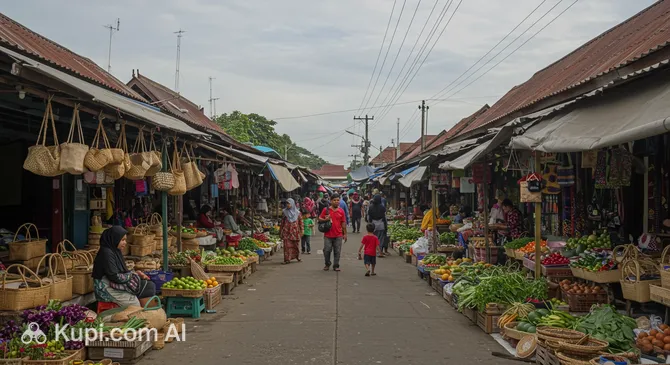
If you prefer a more traditional atmosphere, a visit to Sudirman Market (often locally referred to as Pasar Nusa Indah) is essential. This sprawling commercial district is the heartbeat of the city's trade, offering an overwhelming array of goods ranging from textiles and clothing to household items. It is particularly famous for its fabric shops, where you can find reasonably priced materials and engage in friendly bargaining with shopkeepers.

Sudirman Market. Source: Kupi.Binoculars

The city's main commercial arteries, particularly Jalan Tanjungpura and Jalan Gajah Mada, are excellent areas for casual strolling and window shopping. These streets are lined with shophouses selling gold jewelry, electronics, and regional products. The sidewalks here often bustle with activity, providing a glimpse into the daily lives of the locals.

When it comes to souvenirs, Pontianak is famous for its unique local products. Aloe Vera is a star commodity here; you can buy it in many forms, including sweet jellies, chocolates, and refreshing beverages. Food items are generally the most popular gifts, with Amplang (savory fish crackers) and Lempok Durian (a chewy durian toffee) topping the list. For non-food items, look for Dayak handicrafts such as intricate beadwork and woven baskets, or the traditional Malay textile known as Kain Corak Insang, which features distinct gill-like patterns.

Most shopping malls operate daily from 10:00 AM to 10:00 PM. Traditional markets and street shops, however, often start their day very early and may close by late afternoon. While major malls and established souvenir stores accept credit cards and digital payments, cash is essential when visiting traditional markets or buying from smaller street vendors.

Nearby cities

Reached the end of the page?

That means the route is fully explored