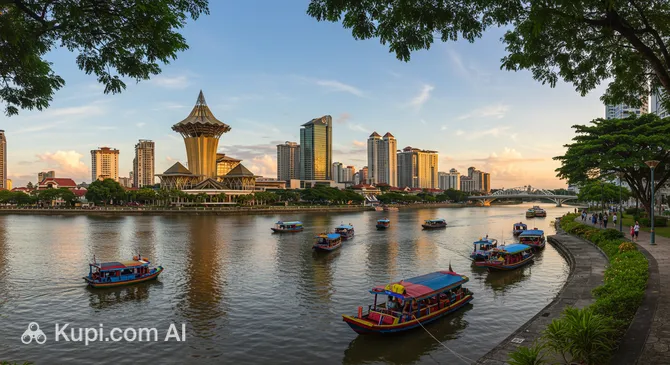
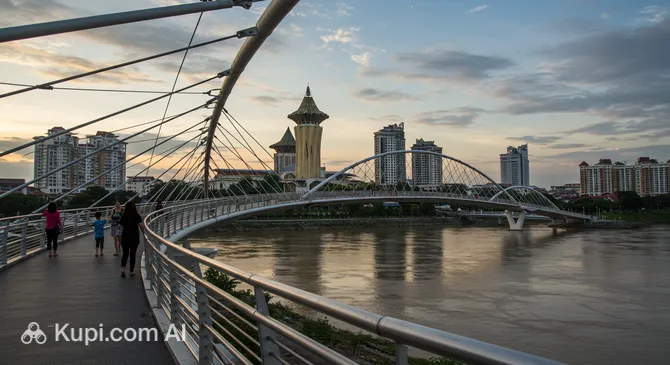
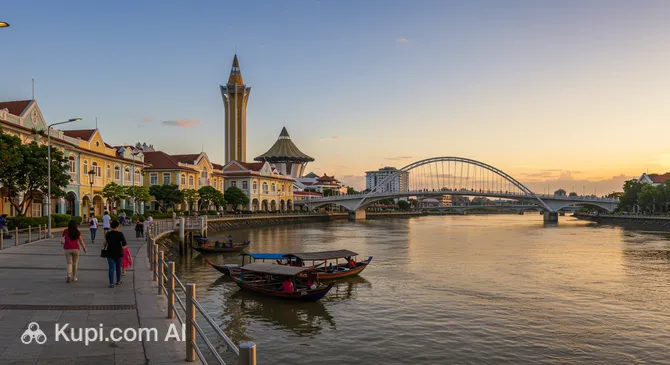
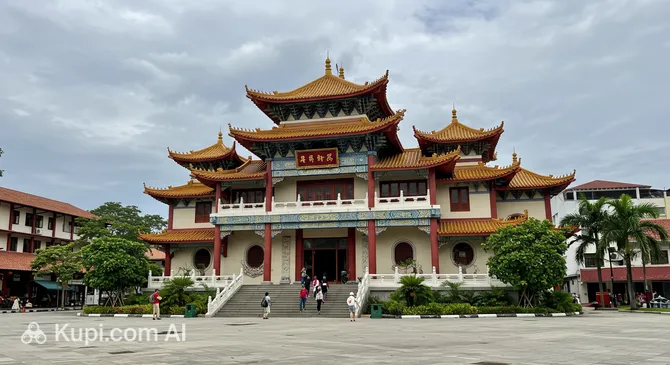
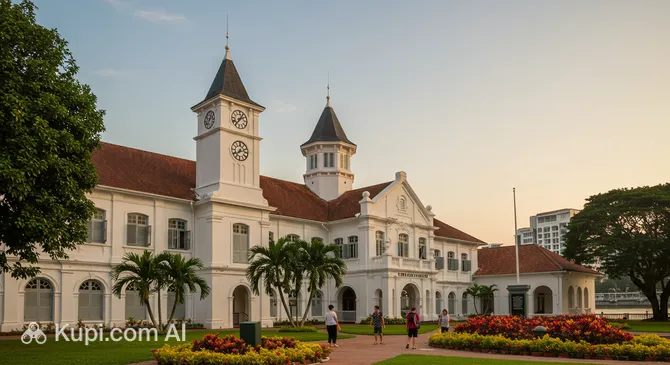
Kuching, the charming capital of Sarawak, is often celebrated as one of the most vibrant and culturally diverse cities in Malaysia. Situated on the banks of the Sarawak River on the island of Borneo, this city offers a unique blend of colonial charm and modern dynamism. With a population of over 325,000, it serves as a major gateway for travelers exploring the rainforests of Borneo, yet it retains a relaxed, safe, and welcoming atmosphere that instantly makes visitors feel at home.
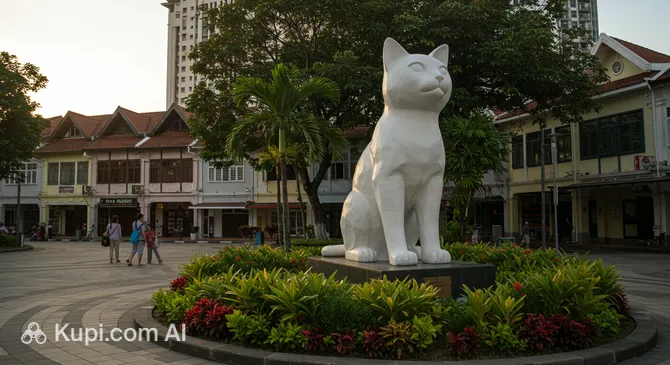
The city is affectionately known as the "City of Cats," a nickname derived from a local wordplay, and you will find numerous feline statues scattered throughout its streets. Beyond its quirky mascots, the history of Kuching is deeply fascinating, marked by the romantic legacy of the White Rajahs and a rich tapestry of indigenous, Chinese, and Malay cultures that coexist harmoniously.
Kuching. Illustration.
Source: Kupi.com AI
Travelers are often drawn to the picturesque Kuching Waterfront, a beautifully landscaped esplanade that comes alive at sunset with views of the Astana and Fort Margherita across the river. Food enthusiasts should not miss the opportunity to taste the renowned Sarawak Laksa, a spicy and tangy noodle soup that the late Anthony Bourdain once called the "Breakfast of the Gods." Whether you are exploring heritage shophouses or planning a trip to the nearby Bako National Park, Kuching promises an unforgettable adventure full of warmth and discovery.
Weather Overview
Kuching features a tropical climate characterized by consistent warmth and high humidity year-round. The weather in Kuching is remarkably stable, with average temperatures generally staying between 26°C and 28°C. Days are typically warm, with maximum temperatures reaching up to 30°C around May, while nights remain pleasant, rarely dropping below 24°C.
Rainfall is a frequent occurrence in this part of Borneo, and visitors should be prepared for showers regardless of when they visit. The region records a high number of wet days throughout the year, ranging from about 21 days in July to nearly every day in December and January. Despite the frequent rain, the showers are often interspersed with sunshine, keeping the city lush and green.
Average monthly temperature
Average monthly precipitation
Interesting Facts
Beyond the main attractions, Kuching holds many fascinating secrets that reveal the depth of its heritage and culture. From global culinary recognition to unique architectural symbolism, here are some intriguing details about the city.
Kuching was the first city in Malaysia to be recognized as a UNESCO Creative City of Gastronomy. This prestigious title celebrates the city's incredible culinary landscape, where indigenous ingredients from the Borneo rainforest blend seamlessly with Malay and Chinese cooking traditions to create distinct local flavors.
While the city is famous for its feline nickname, it is also home to the world's first Cat Museum. Perched on a hill, this quirky institution houses over 4,000 exhibits, including a rare mummified cat from ancient Egypt and feline memorabilia from all over the globe.
The majestic Darul Hana Bridge is more than just a pedestrian crossing; its unique S-shape is deeply symbolic. The curving design represents the harmonious flow of the Sarawak River and serves as a metaphor for the balance and unity among the diverse cultures living on opposite banks.
History enthusiasts might be interested to know that The Brooke Gallery at Fort Margherita is located within a fortress originally built in 1879 to guard the river against pirates. The fort was named as a romantic gesture by the second White Rajah, Charles Brooke, in honor of his wife, Ranee Margaret.
Darul Hana Bridge. Illustration.
Source: Kupi.com AI
Traveler photos:
How to Get There
Reaching the capital of Sarawak is relatively straightforward, with air travel being the most convenient method for most visitors. Since the city is situated on the island of Borneo, flying is the most practical option for those arriving from Peninsular Malaysia or international destinations. For a comprehensive overview of your travel options, you can read more about how to get to Kuching.
The primary gateway to the city is Kuching International Airport (IATA: KCH). Located just 7.7 km from the city center, this modern international airport serves as the main hub for the state. It handles a large volume of passengers annually, connecting the city with Kuala Lumpur, Singapore, and other regional centers. The transfer from the airport to downtown is quick and easy; a taxi or ride-hailing service typically takes about 32 minutes depending on traffic.
For travelers exploring other parts of Borneo, Sibu Airport (IATA: SBW) in the city of Sibu is another regional entry point, though it is located approximately 197 km from Kuching. The overland journey from Sibu takes around 5 hours and 15 minutes, making it a viable option only if you plan to visit central Sarawak first. Additionally, those arriving from the Indonesian side of the island might fly into Supadio International Airport (IATA: PNK) in Pontianak. This airport is about 216 km away, and the trip to Kuching involves a cross-border drive taking roughly 6 hours.
For clarity, here is a summary of the main airports:
Regarding rail travel, it is important to note that Kuching does not have a railway station, and there is no intercity train network connecting the cities of Sarawak. Visitors generally rely on an extensive network of long-distance buses for overland travel between towns, or they rent cars to explore the region at their own pace.
Main Attractions
Kuching offers a delightful mix of history, culture, and nature, making it a fascinating destination for any traveler. The city's attractions range from colonial-era heritage buildings to state-of-the-art museums, all set against the backdrop of the serene Sarawak River. Whether you are interested in exploring indigenous traditions or simply soaking up the riverside atmosphere, the city has plenty to offer.
The beating heart of the city is undoubtedly the Kuching Waterfront. This beautifully landscaped esplanade stretches along the south bank of the Sarawak River and serves as the main gathering place for locals and tourists alike. It is the perfect spot for an evening stroll, offering panoramic views of the Astana and the majestic State Legislative Assembly building across the water. Dotted with food stalls, sculptures, and historic markers, the waterfront captures the relaxed yet vibrant spirit of the city.
Kuching Waterfront. Illustration.
Source: Kupi.com AI
Traveler photos:
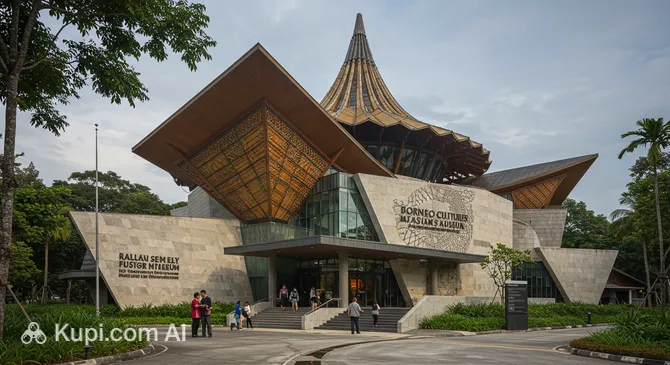
For a deep dive into the region's rich heritage, the Borneo Cultures Museum is an absolute must-visit. As one of the largest museum complexes in Malaysia, its striking modern architecture houses five floors of immersive exhibits. Visitors can explore everything from the history of Sarawak’s diverse ethnic tribes and their crafts to archaeological findings and environmental displays. It provides a comprehensive and engaging look at the island's unique identity.
Borneo Cultures Museum. Illustration.
Source: Kupi.com AI
Traveler photos:
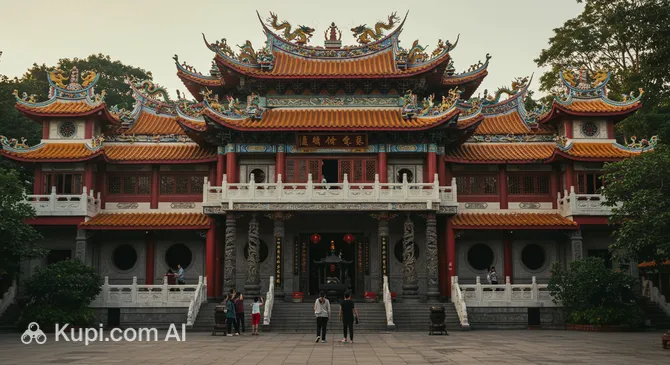
Just a short walk from the waterfront stands the Tua Pek Kong Temple, the oldest Chinese temple in the city. Dating back to the mid-19th century, this colorful and ornate structure survived the Great Fire of Kuching in 1884 and the Japanese occupation during World War II. Its strategic location on a small hillock provides a picturesque contrast to the modern cityscape, and the intricate dragon carvings and vibrant red hues make it a favorite subject for photographers.
Tua Pek Kong Temple. Illustration.
Source: Kupi.com AI
Traveler photos:
Another significant landmark is the Sarawak Museum, founded in 1891 by the Second White Rajah, Charles Brooke. Renowned as the oldest museum in Borneo, its Old Building is designed in the style of a Normandy town hall. While the complex has expanded over the years, it remains a premier institution for ethnographic collections and natural history specimens, famously championed by the naturalist Alfred Russel Wallace. It stands as a testament to the city's long-standing appreciation for science and history.
Local Cuisine
Kuching is a true paradise for food lovers, celebrated for its incredible diversity of flavors that reflect the city's multi-ethnic heritage. As a UNESCO Creative City of Gastronomy, the culinary scene here is a vibrant mix of indigenous Dayak ingredients, Chinese cooking techniques, and Malay spices. Eating is a way of life in Sarawak, and visitors will find that the local cuisine is both affordable and deeply flavorful, ranging from humble street stalls to established family-run eateries.
No trip to the city is complete without trying Sarawak Laksa. Unlike the curry-heavy versions found in Peninsular Malaysia, this signature dish features a complex, aromatic broth made from sambal belacan, sour tamarind, garlic, galangal, and lemongrass, topped with coconut milk. It is typically served with rice vermicelli, omelette strips, chicken, and fresh prawns. Another staple is Kolo Mee, a dry noodle dish tossed in a savory mixture of shallot oil and soy sauce, usually served with minced meat and barbecued pork (char siu), though halal versions are widely available.
For a taste of the local greens, look for Midin, a wild jungle fern that is unique to Sarawak. It has a crunchy texture and is often stir-fried with shrimp paste (belacan) or garlic, making it a perfect side dish. Those with a sweet tooth must try the famous Kek Lapis Sarawak, or Sarawak Layer Cake. These intricate, colorful cakes are baked layer by layer and come in a dazzling array of patterns and flavors, serving as both a delicious treat and a popular souvenir.
When it comes to drinks, the local favorite is Teh C Peng Special. This visually appealing three-layer tea consists of brewed tea, evaporated milk, and a bottom layer of Gula Apong (Nipah palm sugar), which gives it a distinct caramel-like sweetness. For something stronger, you might encounter Tuak, a traditional rice wine brewed by the indigenous Dayak communities, often served during harvest festivals and special celebrations.
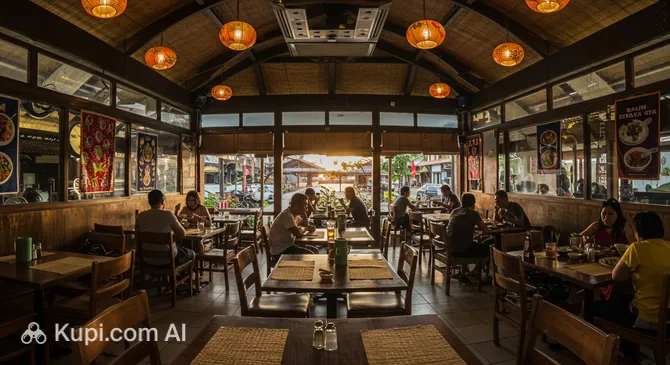
The dining culture in Kuching revolves largely around "kopitiams" (traditional coffee shops) and open-air hawker centers, where locals gather for breakfast, lunch, and dinner. However, the city also offers unique dining venues that blend great food with atmosphere. For instance, Sharing Planet is a well-known spot that offers large portions of Western and local fusion dishes in a relaxed garden setting, making it a favorite for gatherings.
Sharing Planet. Illustration.
Source: Kupi.com AI
Traveler photos:
If you are looking for a place to unwind in the evening, the city has a growing scene of bistros and lounges. Places like Zinc Restaurant & Bar offer a sophisticated ambiance where you can enjoy Mediterranean-inspired cuisine and a selection of beverages. Whether you are snacking on street food at a night market or dining in a restored shophouse, the flavors of Kuching are sure to leave a lasting impression.
Travel Tips
Welcome to the "City of Cats," where adventure meets serenity in the heart of Borneo. To ensure your journey through Kuching is as seamless and enjoyable as possible, we have compiled a list of essential practical tips for your stay.
Clothing and Gear: Due to the tropical heat and high humidity, pack lightweight, breathable fabrics like cotton or linen. Sudden downpours are common, so carrying a compact umbrella or a lightweight poncho is essential. If you plan to visit religious sites, dress modestly by covering your shoulders and knees, and wear comfortable slip-on shoes, as you will need to remove them frequently.
Transportation: The most convenient way to navigate the city is by using ride-hailing apps like Grab, which are affordable, safe, and reliable. Public buses exist but can be infrequent and tricky for tourists to navigate. For a unique local experience, use the traditional penambang (river taxi) boats to cross the Sarawak River from the Waterfront to the villages on the opposite bank for a nominal fee.
Finances: The currency used is the Malaysian Ringgit (MYR). While credit cards are widely accepted in hotels, malls, and modern restaurants, cash is absolute king at hawker centers, "kopitiams," and night markets. ATMs are plentiful, but keep small notes handy for street food and small purchases. Tipping is not standard practice, though leaving loose change is appreciated.
Health and Safety: Kuching is generally a safe city for travelers, but it is wise to drink only bottled or filtered water. As a tropical destination, mosquitoes can be a nuisance, especially near nature reserves or in the evening; applying insect repellent is highly recommended. Pharmacies like Watsons and Guardian are common in shopping malls and can assist with minor ailments.
Communication: English is widely spoken and well-understood in Sarawak, often serving as a common language between different ethnic groups, so you will have little trouble communicating. The official language is Bahasa Malaysia; a simple "Terima Kasih" (Thank you) is a warm gesture. reliable 4G SIM cards from providers like Maxis, Celcom, or Digi can be bought easily at the airport or convenience stores.
Local Etiquette: Sarawakians are known for their politeness. When pointing at objects or giving directions, use your right thumb with the four fingers folded underneath, as pointing with the index finger is considered rude. Always remove your shoes before entering a private home or a place of worship.
What to Avoid: Avoid using your left hand for eating or passing money, as it is traditionally regarded as unclean in Malay and Indian cultures. Additionally, never touch someone on the head, even children, as the head is considered the most sacred part of the body in local spiritual beliefs.
Additional Tip: Beat the heat and the crowds by starting your days early. Local life in Kuching begins at sunrise, and many of the best breakfast spots—famous for Laksa or Kolo Mee—sell out by late morning. Visiting markets like the Satok Weekend Market is also best done in the cool of the early morning.
With these practical tips in hand, you are fully prepared to embrace the warm hospitality and unique rhythm of Sarawak. Enjoy your exploration of Kuching, from its historic colonial streets to its culinary treasures, and have a safe and wonderful trip!
Entertainment & Nightlife
While Kuching is not typically defined by a high-energy clubbing scene like Kuala Lumpur, its nightlife possesses a distinct, laid-back charm that appeals to travelers seeking relaxation and good company. The evening entertainment here revolves around lively bistros, atmospheric heritage bars, and bustling night markets. The city comes alive after dark in a way that is friendly and accessible, with most venues concentrated around the city center, making it easy to hop from one spot to another.
The epicenter of evening activity is undoubtedly the Kuching Waterfront. As the sun sets, this promenade transforms into a vibrant social hub where locals and tourists gather to enjoy the cool river breeze. Street performers and buskers add to the festive mood, and the nightly Darul Hana Musical Fountain show provides a spectacular display of water, light, and music against the backdrop of the State Legislative Assembly. It is the perfect starting point for a night out, offering a safe and picturesque environment for a leisurely walk.
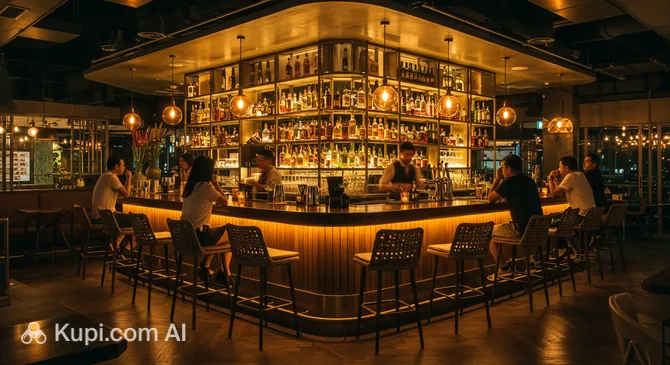
For those looking to enjoy a drink in a more sophisticated setting, the area around Wayang Street and The Old Court House offers several hidden gems. A standout venue in this precinct is Zinc Restaurant & Bar. Known for its rustic-chic decor and extensive beverage list, it is an excellent spot to unwind with a cocktail or a glass of wine while enjoying a quieter, more intimate atmosphere. The dress code in most Kuching bars is smart-casual; flip-flops and shorts are generally acceptable in open-air pubs, but enclosed shoes and long pants are recommended for indoor lounges and hotel bars.
Zinc Restaurant & Bar. Illustration.
Source: Kupi.com AI
Traveler photos:
If you prefer a more commercial entertainment experience, Vivacity Megamall offers a comprehensive range of evening activities. As the largest shopping mall in Sarawak, it houses a modern cinema complex, karaoke centers, and a wide variety of restaurants that stay open late. It is a popular destination for families and groups of friends looking to escape the humidity and enjoy indoor entertainment in comfort.
Vivacity Megamall. Illustration.
Source: Kupi.com AI
Traveler photos:
Night markets are another integral part of the local nightlife culture. While the famous Siniawan Night Market operates on weekends in a heritage town about 20km away, closer to the city center, you can find vibrant food courts like the Metro City Night Market. These spots are bustling with energy, offering everything from grilled meats to local desserts at very affordable prices. It is best to visit these markets between 7:00 PM and 9:00 PM when the atmosphere is at its peak.
Regarding safety, Kuching is considered one of the safest cities in Malaysia for night walks, particularly around the well-lit Waterfront and main tourist districts. However, normal precautions should still be taken in quieter, unlit streets. Public transport winds down early, so the most reliable way to get around at night is by using ride-hailing apps like Grab. Taxis are available but can be harder to flag down on the street after midnight.
During the daylight hours, the entertainment landscape shifts towards cultural and historical exploration. Visitors can spend their time exploring unique institutions like the Cat Museum or the expansive Sarawak Cultural Village. For nature lovers, a day trip to see the orangutans at Semenggoh Wildlife Centre is a popular choice before returning to the city for the evening's festivities.
Parks & Museums
Kuching is a city that seamlessly blends its urban landscape with lush greenery and rich historical narratives. For travelers, this means the opportunity to step away from the bustling streets into serene parks or dive deep into the region's past through its well-curated museums and galleries. The city's commitment to preserving its heritage and nature makes it a delightful destination for cultural explorers and nature lovers alike.
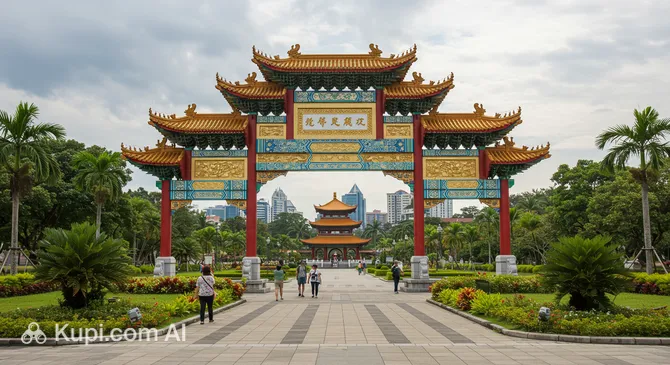
One of the most beautifully designed green spaces in the city is the Malaysia-China Friendship Park. Built to commemorate the diplomatic ties between the two nations, this park is famous for its stunning landscaping, which includes a koi-filled pond, zig-zag bridges, and a majestic statue of Admiral Zheng He. It is a favorite spot for locals to jog or practice tai chi, and the meticulously maintained Chinese and Malaysian gardens offer a peaceful retreat from the city heat.
Malaysia-China Friendship Park. Illustration.
Source: Kupi.com AI
Traveler photos:
For those seeking a nature escape without leaving the city limits, Sama Jaya Forest Park serves as a vital green lung. This urban forest reserve is excellent for a morning walk, featuring well-paved jogging tracks surrounded by towering tropical trees. It is not uncommon to spot urban wildlife here, including squirrels and long-tailed macaques, making it a great introduction to Borneo's biodiversity. Closer to the city center, Reservoir Park offers a historic setting with its calm lakes and hilly terrain, perfect for a leisurely stroll near the museum district.
Kuching's museums are world-class, providing deep insights into the diverse cultures of Sarawak. A standout institution is the Chinese Heritage Museum, housed in the beautifully restored Old Chinese Court building on the waterfront. The museum displays a fascinating collection of artifacts, photos, and costumes that narrate the history of Chinese migration to Sarawak and their significant contribution to the state's development. The exhibits are engaging and provide context to the vibrant Chinatown area nearby.
Chinese Heritage Museum. Illustration.
Source: Kupi.com AI
Traveler photos:
Across the river, history comes alive at The Brooke Gallery at Fort Margherita. This permanent exhibition is located inside an actual 19th-century fortress and tells the incredible story of the White Rajahs of Sarawak. Through rare artifacts and personal letters, visitors can trace the dynastic rule of the Brooke family, who governed Sarawak for over a century. The boat ride across the river to reach the fort adds an element of adventure to the visit.
In terms of architectural heritage, The Old Court House is a magnificent example of colonial design. Built in 1871, this complex once served as the administrative center of the government. Today, it has been transformed into a sophisticated cultural hub hosting cafes, art events, and a reading room. Its whitewashed walls, belian wood floors, and grand verandas make it an architectural gem that perfectly captures the atmosphere of old Kuching.
The Old Court House. Illustration.
Source: Kupi.com AI
Traveler photos:
For a truly authentic experience, try visiting the parks in the late afternoon, around 5:00 PM. This is when the heat subsides, and the parks fill with locals socializing and exercising, offering a genuine glimpse into the daily life of Kuching's residents.
Getting Around
Navigating Kuching offers a different pace compared to many bustling Asian capitals. It is important for visitors to note that the city does not have a subway, light rail, or tram system. Instead, the public transport network relies on a mix of buses and traditional river boats, supported by a very convenient and active ride-hailing culture. While the historic city center is compact and pleasant to explore on foot, reaching attractions on the outskirts will generally require a vehicle.
For tourists, the most convenient and budget-friendly option is the Kuching Metro service. Despite the name, this is a network of modern buses rather than trains. The fleet includes the Electric City Buses, often recognizable by their black and white livery, and the eco-friendly Hydrogen Buses. These services operate on designated loop routes covering key landmarks such as the Waterfront, the Open Air Market, and main shopping districts. Best of all, these specific electric and hydrogen services are currently free of charge for all passengers.
In contrast to the free city loops, there is an extensive network of stage buses that serve the greater Kuching area and suburban districts. These buses, now largely consolidated under the BAS.MY brand, are easily identified by their distinctive pink color. Unlike the Kuching Metro buses, these pink stage buses require payment. Fares are reasonable, and you should be prepared to pay the driver in cash upon boarding, so keeping small denominations of the local currency is essential if you plan to travel further afield using this method.
To navigate the bus system effectively, technology is highly recommended. Since bus frequencies can vary, downloading the Kuching Metro app or the H2 Sarawak app is crucial for tracking the real-time location and arrival times of the free electric and hydrogen buses. For the paid pink stage buses, schedules can be less digitalized, so asking locals or checking at the main bus terminal is often the best strategy.
For a truly local experience, you must try the Penambang, or traditional river taxi. These small, roofed wooden boats ferry passengers across the Sarawak River, connecting the busy Waterfront with Malay villages and the Astana on the northern bank. The ride is short, scenic, and very affordable. Payment is strictly cash (usually a nominal fee around RM1), which you simply hand to the boatman when you embark or disembark.
Given that the public bus network often winds down by late afternoon, ride-hailing apps are the most popular choice for evening travel or for visiting specific attractions like wildlife centers that are off the main bus routes. Services like Grab are ubiquitous, safe, and transparent regarding pricing. Taxis are also available but are less common on the streets; if you do take a taxi, ensure the driver uses the meter or agree on a fare before starting your journey. For those seeking total independence, car rentals are available at the airport, though parking in the heritage district can be limited.
Accommodation
Where to Stay:
Accommodation in Kuching caters to a wide spectrum of travelers, offering everything from charming heritage guesthouses to modern luxury hotels. The city is known for its hospitality and value for money, meaning you can often find high-quality stays at prices significantly lower than in other major Malaysian cities. Whether you prefer the character of a refurbished shophouse or the amenities of a high-rise resort, there is something here to suit every preference and budget.
For most visitors, the best area to stay is the City Center, particularly near the Main Bazaar and the riverfront. Staying here places you within walking distance of major attractions, museums, and the bustling nightlife. Hotels along the river often offer spectacular views of the Astana and the floating mosque, while the backstreets are filled with boutique hostels that provide a cozy, community-focused atmosphere.
Another popular district is Jalan Padungan, located just a short distance from the main waterfront area. This historic street is famous for its culinary scene, lined with traditional coffee shops and bakeries. It is a slightly quieter alternative to the immediate city center but remains very convenient. This area is easily recognizable by the iconic Padungan Cat Statue, a beloved landmark that welcomes visitors to the neighborhood.
Padungan Cat Statue. Illustration.
Source: Kupi.com AI
Traveler photos:
Booking your accommodation is generally straightforward, and online platforms are the most efficient way to secure your room. While walk-ins are possible at some budget guesthouses, it is highly recommended to book in advance, especially if you are visiting during major events like the Rainforest World Music Festival in mid-year. During these peak times, the city fills up quickly, and securing a room early ensures you get the best location and rates.
In terms of pricing, Kuching is very wallet-friendly. Budget travelers can find comfortable dormitory beds or simple private rooms for very reasonable rates, while mid-range hotels offer excellent facilities like swimming pools and breakfast buffets without breaking the bank. Even the city’s top-tier luxury hotels are competitively priced compared to international standards, making it an excellent destination to indulge in a little extra comfort.
Nearby Cities
For those looking to explore the surroundings, Kuching serves as an excellent base for day trips to several interesting nearby locations. While the city itself is captivating, the outskirts offer a wealth of natural wonders and historical towns that are easily accessible by car or bus.
One of the most popular day trips is to the Santubong Peninsula, located about 35 kilometers north of the city. This area is dominated by the majestic Mount Santubong and offers a perfect mix of culture and nature. Visitors can explore the famous Sarawak Cultural Village to learn about the state's diverse ethnic groups or relax on the beaches of Damai. The coastal waters here are also one of the best places to spot the rare Irrawaddy dolphins.
Another fascinating destination is the town of Bau, situated approximately 35 kilometers southwest of Kuching. Known for its rich gold mining history, Bau is now a haven for spelunkers and nature lovers. The Fairy Cave and Wind Cave Nature Reserves are the main highlights, featuring stunning limestone formations and cool breezes that provide a refreshing escape from the tropical heat. The town also has a unique local market and historical temples that reflect its heritage.
These nearby destinations offer a glimpse into the diverse culture and landscapes of the region.
Shopping & Souvenirs
Shopping in Kuching is a delightful exploration of culture and heritage rather than just a commercial transaction. While the city has its fair share of modern conveniences, it is most famous for its thriving trade in indigenous handicrafts, antiques, and local produce. Visitors will find a unique juxtaposition of air-conditioned shopping complexes and historic shophouses where trade has been conducted for generations, offering items that are distinctly Bornean.
For a truly atmospheric experience, head to the Main Bazaar. Located along the waterfront, this row of 19th-century shophouses is the prime destination for hunting down Sarawakian treasures. Here, you can browse through a fascinating array of tribal artifacts, woven mats, and intricate beadwork. Just a short walk away is India Street, a pedestrian-only precinct known for its vibrant textiles, spices, and clothing. It is an excellent place to soak in the local bustle and find great bargains on fabrics in a charming, heritage setting.
If you prefer a modern retail experience with international brands and entertainment, the city has several excellent options. Vivacity Megamall stands out as the largest lifestyle mall in Sarawak, housing a vast selection of fashion outlets, a cinema, and diverse dining choices. For those near the transportation hub, Kuching Central Mall offers a convenient mix of retail shops and services, making it a practical stop for travelers on the go.
Kuching Central Mall. Illustration.
Source: Kupi.com AI
Traveler photos:
To witness the local way of life, a visit to the Satok Weekend Market (now located at Medan Niaga Satok) is essential. Operating from Saturday afternoon through Sunday morning, this sprawling market is a sensory overload of jungle produce, exotic fruits, and local snacks. It is the perfect place to see ingredients you might never have encountered before, such as midin ferns or sago worms, and to pick up inexpensive local treats directly from the farmers.
When it comes to souvenirs, Kuching offers high-quality goods that reflect its cultural identity. The world-famous Sarawak Pepper is a must-buy, available in berries, powder, or even pepper-infused candies. Textile lovers should look for Pua Kumbu, a traditional hand-woven fabric of the Iban people featuring dream-inspired patterns. Additionally, the colorful Kek Lapis Sarawak (layer cake) makes for a delicious and visually stunning gift to bring home.
Shopping hours vary depending on the venue. Large shopping malls typically operate from 10:00 AM to 10:00 PM daily. However, independent boutiques and traditional shophouses along the Main Bazaar often close earlier, usually around 5:00 PM or 6:00 PM, and some may be closed on Sundays. While credit cards and e-wallets are widely accepted in malls and hotels, cash is absolutely necessary when shopping at street markets or smaller family-run stores.
Regarding tax refunds, tourists should note that Malaysia generally does not offer a tourist tax refund scheme in Kuching for standard purchases. The price you see on the tag is typically the final price. However, bargaining is a common and expected practice in markets and some souvenir shops along the Main Bazaar, so do not hesitate to negotiate politely for a better deal.