Support

Sarikei

About

Sarikei is a charming and vibrant town located in the state of Sarawak, East Malaysia. Often affectionately known as the "Pineapple City" due to its abundance of sweet, locally grown pineapples, this riverside town offers a glimpse into the authentic lifestyle of Borneo. With a population of approximately 56,000 residents, Sarikei serves as a significant hub for trade and agriculture, maintaining a friendly, close-knit community atmosphere that welcomes visitors with open arms.

Geographically, the town is situated along the banks of the majestic Rajang River, the longest river in the country. This strategic location has shaped its development and culture, making river transport a key part of daily life. The climate here is tropical, characterized by warm weather and humidity year-round, which creates the perfect environment for the lush greenery and fruit orchards that surround the area.
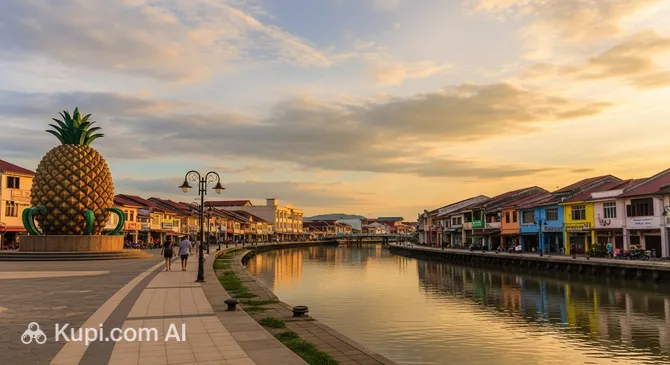
Sarikei. Source: Kupi.Binoculars

Those who delve into the history of Sarikei will discover a narrative deeply intertwined with riverine trade and the mingling of diverse cultures, including Iban, Melanau, and Chinese communities. The town has evolved from a quiet trading post into a bustling agricultural center, famously referred to as the "Food Basket of Sarawak." This heritage is reflected in the architecture of the old shop houses and the traditional longhouses found in the outskirts.

Travelers visiting Sarikei should not miss the iconic Pineapple Statue, a landmark that proudly symbolizes the town's agricultural identity. A stroll along the Sarikei Esplanade offers relaxing views of the river, especially during sunset. For nature lovers, the nearby Sebangkoi Country Park provides a serene escape with its lush jungle trails and waterfalls, perfect for a day of exploration.

Whether you are here to taste the famous local fruits, explore the riverbanks, or simply soak in the slow-paced rhythm of life, Sarikei promises a memorable experience. It is a delightful stop for anyone looking to discover the hidden gems of Sarawak away from the major cities.

Weather Overview

Sarikei experiences a consistent tropical climate, making it a warm destination to visit at any time of the year. The average temperatures are remarkably stable, typically ranging from lows of around 24°C to daytime highs that can reach 31°C in May. Because of this uniformity, the weather in Sarikei remains hot and humid, creating the ideal conditions for the region's famous agricultural produce.

Rainfall is a constant feature of the local climate, with a high number of wet days observed throughout the calendar. December and January are the wettest months in terms of frequency, often recording rain on up to 30 days, while July tends to be the driest period with about 19 wet days. Visitors should expect warm days accompanied by frequent showers, so packing a raincoat or umbrella is highly recommended regardless of when you plan your trip.

Interesting Facts

Beyond the main attractions, Sarikei holds many fascinating secrets that go beyond its fruity nickname. This riverside town is full of cultural nuances and culinary delights that often surprise first-time visitors.
  • More Than Just Pineapples: While the pineapple is the town's official mascot, Sarikei is also renowned for its Limau Madu (Honey Mandarin Oranges). These sweet and juicy citrus fruits are a local treasure, rivaling the pineapple in popularity among Sarawakians and proving that the region's fertile soil is perfect for a variety of crops.

  • A Haven for Prawn Lovers: Culinary travelers often make a special trip here for the Udang Galah (Giant Freshwater Prawns). The local version of prawn noodles is famous throughout the state, featuring massive, river-caught prawns that offer a taste of the Rajang River's bounty, distinct from the seafood found in coastal towns.

  • The Pineapple Festival: The town hosts the annual Pesta Nanas, a vibrant festival that celebrates its agricultural heritage. Far from a simple market, this event features unique competitions—such as crowning the largest or weirdest-shaped pineapple—along with cultural parades and culinary contests that turn the quiet town into a lively carnival.

  • Accessible Longhouse Culture: Unlike many parts of Borneo where visiting a traditional longhouse requires an arduous journey deep into the jungle, Sarikei offers easy access to these communal dwellings. Places like Rumah Nyuka are located relatively close to the town center, allowing visitors to experience authentic Iban architecture and hospitality without a multi-day expedition.

How to Get There

Reaching Sarikei is an adventure that typically begins with a flight to one of the major hubs in Sarawak, followed by a scenic overland journey. As the town is situated along the Rajang River, the road network and river transport are the primary means of final access for visitors. To plan your journey effectively, you can find more about how to get to Sarikei on our detailed page.

The city of Sarikei does not have its own airport, but you can fly into Sibu Airport (SBW) in the city of Sibu, which is about 53 km from Sarikei. This is the most convenient entry point for most travelers. From there, the journey by taxi or bus typically takes approximately 1 hour and 40 minutes. Sibu Airport handles a medium volume of passenger traffic and offers frequent connections to major Malaysian cities.

Another option, particularly for international arrivals, is Kuching International Airport (KCH) located in Kuching. Although it is situated about 149 km from Sarikei, it serves as the primary gateway to the state of Sarawak. The transfer from Kuching involves a longer road trip, taking approximately 4 hours, but the airport provides a wider range of flight schedules and services.

For clarity, here is a summary of the main airports:

Airport Name City Passenger Traffic Km from City
Kuching International Airport Kuching Large 149.2
Sibu Airport Sibu Medium 53.3
Bintulu Airport Bintulu Medium 199.3
Putussibau Airport Putussibau Small 212.8
Mukah Airport Mukah Small 105.6

Main Attractions

While Sarikei is often celebrated for its agricultural abundance, the town and its surroundings offer several captivating sites that showcase the natural beauty and cultural heritage of Sarawak. From serene parks to traditional dwellings, these attractions provide a deeper understanding of the local lifestyle beyond the famous pineapple farms.

Sarikei Lake Park (Taman Tasik Sarikei) is a favorite recreational spot located just a short distance from the town center. Spanning approximately 3 hectares, this beautifully landscaped park centers around a large, tranquil lake. It is an excellent place for visitors to mingle with locals, enjoy a jog along the well-maintained tracks, or simply relax by the water. The park's peaceful atmosphere makes it a perfect family-friendly destination for a leisurely evening stroll.

For those interested in the indigenous culture of Borneo, Rumah Nyuka offers a fascinating glimpse into the lives of the Iban community. This traditional longhouse, situated in Ulu Sarikei, is architecturally significant as it was constructed in 1955 entirely using Belian (ironwood), a timber known for its incredible durability. Housing around 45 families under one roof, it allows travelers to experience the unique communal lifestyle and warm hospitality of the Iban people without needing to venture deep into the remote interior.

Nature lovers should head to Sebangkoi Country Park, located about 30 kilometers from the town. This forest park is a refreshing escape known for its lush greenery and scenic jungle trekking trails. The main highlight is the cool, cascading waterfall where visitors can take a dip in the natural pools. It is a popular spot for picnics and offers a chance to observe the diverse flora of the rainforest in a safe and accessible environment.

To truly understand why Sarikei is called the "Food Basket of Sarawak," a visit to the Sarikei Central Market is essential. This bustling hub is where the region's agricultural wealth is on full display. Tourists can explore rows of stalls selling the town's famous sweet pineapples, exotic jungle produce, and fresh river catches like the giant freshwater prawn. It is a sensory experience that connects you directly with the local culinary culture and daily rhythm of the town.

Local Cuisine

The culinary landscape of Sarikei is a delightful reflection of its diverse cultural heritage, blending Foochow Chinese traditions with Iban and Melanau influences. As the "Food Basket of Sarawak," the town offers an abundance of fresh ingredients, particularly river seafood and tropical fruits, which define the local palate. Dining here is less about fancy restaurants and more about authentic, flavorful experiences found in bustling markets and traditional shophouses.

One dish that stands above the rest in Sarikei is the famous Big Head Prawn Noodles (Mee Udang Galah). Thanks to the town's location along the Rajang River, the freshwater prawns here are massive, succulent, and incredibly fresh. They are typically served atop a bed of noodles in a rich, savory broth or stir-fried with a fragrant dark soy sauce. Another must-try is Kompia, often referred to as the "Foochow Bagel." These chewy, oven-baked pastries can be eaten plain or stuffed with savory minced meat in a rich gravy, making them a perfect breakfast or afternoon snack.

For those looking for a lighter bite, the local style of Rojak is highly recommended. This fruit and vegetable salad is tossed in a thick, shrimp-paste sauce and generously topped with crushed peanuts. In Sarikei, the rojak is often elevated by the inclusion of the town's signature sweet pineapples, adding a refreshing tartness that balances the savory sauce perfectly. It is a popular comfort food enjoyed by locals at all times of the day.

When it comes to beverages, the Three-Layer Tea (Teh C Peng Special) is a quintessential Sarawakian drink to cool down in the tropical heat. It consists of distinct layers of melted palm sugar (Gula Apong), evaporated milk, and strong black tea, which you stir before drinking. On the alcoholic side, visitors lucky enough to attend a festival or visit a longhouse may be offered Tuak, a traditional rice wine brewed by the Iban community. It is a sweet, potent drink that plays a central role in local hospitality and celebrations.

The food culture in Sarikei revolves largely around kopitiams (traditional coffee shops) and open-air markets. Locals typically start their day early, gathering at these spots to chat over noodles and coffee. The Sarikei Central Market is not just a place to buy raw ingredients but also a great spot to find ready-to-eat local delicacies and observe the daily rhythm of the town. Whether you are grabbing a quick bun or sitting down for a seafood feast, the atmosphere is always casual, friendly, and unhurried.

Travel Tips

Welcome to Sarikei, a friendly riverside town where the pace of life is refreshingly slow and the community is tightly knit. To help you navigate your visit smoothly and enjoy the authentic charm of the "Pineapple City," here are some practical tips to keep in mind before you arrive.

  1. Clothing and Gear: Given the hot and humid tropical climate, pack lightweight, breathable fabrics like cotton or linen to stay cool. Since rain is frequent throughout the year, a sturdy umbrella or a high-quality raincoat is an absolute must. Comfortable walking shoes are essential for exploring the parks and waterfront. If you plan to visit religious sites or traditional longhouses, dress modestly by covering your shoulders and knees.
  2. Transportation: Sarikei is a relatively small town, and the center is compact enough to be explored on foot. For longer distances, ride-hailing apps like Grab are often the most convenient option, though availability can vary compared to larger cities. Local taxis are also available; it is advisable to agree on a fare before starting your journey if the meter is not used. Renting a car is generally not necessary unless you plan to explore the wider Sarawak region independently.
  3. Finances: The local currency is the Malaysian Ringgit (MYR). While hotels and larger supermarkets accept credit cards, cash is king in Sarikei, especially at the famous open-air markets, kopitiams (coffee shops), and small stalls. ATMs are readily available in the town center, so it is wise to withdraw enough cash for your daily expenses. Tipping is not mandatory, but leaving small change is appreciated.
  4. Health and Safety: Sarikei is generally a very safe destination for tourists. However, as with any tropical location, mosquitoes can be a nuisance and a potential health risk, so bringing and using a good insect repellent is highly recommended. Pharmacies are available in the town center for basic medical supplies, and Hospital Sarikei provides medical assistance if needed. Tap water is not potable; stick to bottled or boiled water.
  5. Communication: Bahasa Malaysia is the national language, but English is widely understood and spoken, particularly in business and tourism sectors. You will also hear Iban and various Chinese dialects. Locals appreciate it if you learn a few basic phrases like "Terima Kasih" (Thank you) or "Selamat Pagi" (Good morning). SIM cards from major providers like Celcom or Digi can be purchased at convenience stores for reliable mobile data.
  6. Local Etiquette: Sarawakians are known for their hospitality and politeness. When entering a local home or a longhouse, it is customary to remove your shoes at the door. When greeting, a smile and a nod are often sufficient, though a gentle handshake is common. If you are pointing at something, use your thumb with your four fingers folded under, as pointing with the index finger is considered rude.
  7. What to Avoid: Avoid public displays of affection, as the local culture is conservative. Additionally, never touch someone on the head, including children, as the head is considered the most sacred part of the body in local custom.
  8. Market Timing: To experience the true vibe of Sarikei, visit the Central Market early in the morning, ideally between 7:00 AM and 9:00 AM. This is when the produce is freshest, the atmosphere is most lively, and you can secure the best pineapples and river prawns before they sell out.

By keeping these practical tips in mind, you will be well-prepared to embrace the warm hospitality and unique culture of Sarikei. Enjoy your journey through this delightful slice of Borneo, and don't forget to savor the sweetness of the local fruit!

Entertainment & Nightlife

Nightlife in Sarikei is defined by its relaxed, community-focused atmosphere rather than a bustling club scene. As a quiet riverside town, the evening entertainment here revolves largely around dining, socializing at open-air markets, and the local favorite pastime: karaoke. The vibe is casual and friendly, with locals often gathering to unwind after work in a safe and unhurried environment.

The main hub of activity when the sun goes down is the Sarikei Night Market (Pasar Malam), located near the town center. This vibrant market comes alive in the late afternoon and stays open until around 10:00 PM. It is the perfect place to immerse yourself in the local culture, offering rows of stalls selling affordable clothes, gadgets, and, most importantly, a vast array of street food. Visitors can sample freshly grilled satay, local cakes, and tropical fruits while mingling with the friendly residents.

For those looking for a place to sit back with a drink or enjoy some music, the options are concentrated around the commercial shop houses near the waterfront and Jalan Barrack. There are several local lounges and bistros where you can enjoy beverages and light snacks without the intense noise of a big city nightclub. It is a great venue to experience the town's slow-paced social life.

Karaoke is a serious passion in Sarikei, and you will find several establishments dedicated to this activity scattered throughout the town. From family-friendly venues to more traditional karaoke pubs, these spots allow you to sing your heart out or simply watch others perform. They typically offer a fun, unpretentious atmosphere where dress codes are casual, and the crowd is welcoming.

If you are looking for a bite to eat later in the evening, the best option is to head to one of the local mamak stalls or open-air eateries. Unlike many standard restaurants that close early, these spots often stay open late into the night, serving hearty favorites like roti canai, fried noodles, and teh tarik. They are the go-to places for a late supper and a lively chat with locals.

When planning a night out, it is best to head out between 7:00 PM and 9:00 PM, as many places begin to wind down earlier than in larger cities. Prices are generally very affordable, with food and drinks costing a fraction of what you would pay in Kuala Lumpur. However, be aware that public transportation and ride-hailing services like Grab can be scarce late at night. It is highly advisable to arrange your return transport in advance or stick to areas within walking distance of your accommodation.

Safety is one of Sarikei's strong points, and the town is generally safe for night walks, especially around the well-lit waterfront area. While the nightlife is subdued, the peaceful ambiance offers a chance to recharge and enjoy the cool river breeze before the next day's adventures.

Parks & Museums

Sarikei offers a refreshing blend of well-maintained green spaces and deep-rooted cultural heritage, providing visitors with ample opportunities to relax and connect with the local lifestyle. While the town may not feature large national museums, its parks, riverfront esplanades, and traditional community structures serve as living galleries that showcase the region's natural beauty and history.

Sarikei Lake Park (Taman Tasik Sarikei) is the town's premier green lung, located just a kilometer from the center. This 7.4-acre park is beautifully landscaped around a central lake, creating a tranquil environment for jogging, family picnics, and leisurely walks. With its shaded pathways, children's playground, and gazebos, it is a favorite spot for locals to unwind in the evenings. The park's calm waters and lush surroundings offer a perfect respite from the tropical heat.

Another scenic spot is the Nyelong Esplanade, which faces the quiet Nyelong River. Distinct from the main waterfront, this esplanade is known for its unique "Zen ball" decorations and well-paved walkways. It provides a picturesque setting for sunset strolls, allowing visitors to watch small boats drift by while enjoying the cool river breeze. The area is kept immaculately clean and serves as a peaceful alternative to the busier commercial districts.

In terms of cultural heritage, Sarikei’s "living museums" are its traditional dwellings. Rumah Nyuka is a standout example, functioning as a historical and cultural site. Built in 1955 from durable Belian (ironwood), this longhouse is home to around 45 families and offers an authentic look into the Iban communal lifestyle. Unlike sterile museum exhibits, a visit here allows tourists to interact with residents, see traditional handicrafts being made, and understand the architectural ingenuity of Borneo's indigenous communities.

The Sarikei Civic Centre (Dewan Suarah Sarikei) stands as a prominent architectural landmark dedicated to the town's social and cultural events. While it is primarily a venue for official gatherings and community functions, its design reflects the multi-ethnic harmony of the region. The structure itself is a testament to the town's development and often serves as a reference point for navigating the city.

For a unique experience close to nature, visitors should check out the Sebangkoi Deer Farm, located right next to the Sebangkoi Country Park. This facility allows guests to observe various species of deer in a semi-natural habitat, offering an educational twist to a nature trip. It is a delightful stop, especially for families, providing a rare chance to see these gentle creatures up close in the Sarawakian countryside.

Getting Around

The public transport system in Sarikei is relatively simple and reflects the town's size and riverside location. Unlike larger metropolitan areas, there are no subways, trams, or light rail networks here. Instead, the local transportation infrastructure relies primarily on road vehicles and, uniquely, river transport, which remains a vital mode of connection for many residents living along the Rajang River.

For getting around the town and reaching nearby districts, buses are the most common form of public transit. The Sarikei Bus Terminal serves as the main hub, operating routes that connect the town to major destinations like Sibu, Kuching, and Bintulu. While long-distance express buses are frequent and comfortable, local stage buses that circle the town and immediate suburbs run on a less rigid schedule. Payment for bus fares is almost exclusively in cash; tickets can be purchased at the terminal counters for long journeys or directly from the driver for shorter local hops.

A distinctive feature of transport in this region is the use of express boats. The Sarikei Express Boat Terminal is located near the waterfront and serves as a gateway for river travel. While improved road networks have reduced the reliance on boats, they are still a popular and scenic way to travel to Sibu or reach remote rural areas that are difficult to access by car. Tickets for these boats are bought at the terminal counters, and prices are fixed based on the destination. It is a unique experience that offers tourists a chance to see the riverine lifestyle up close.

For convenient travel within the town center, taxis are widely available. You will typically find them waiting at designated stands near the bus terminal and the central market. It is important to note that many local taxis do not use meters. Therefore, you should always negotiate and agree on the fare with the driver before getting into the vehicle. A short trip within the town center is generally quite affordable.

Modern ride-hailing apps, specifically Grab, are also operational in Sarikei. This is often the most tourist-friendly option as it eliminates the language barrier and the need to haggle over prices. You can book a ride using your smartphone, pay via the app or in cash, and track your journey in real-time. However, availability might be lower late at night compared to bigger cities, so planning ahead is wise.

Tourists should keep in mind that public transport services, including buses and boats, operate primarily during daylight hours. Most services begin early in the morning, around 6:00 AM, and wind down by late afternoon or early evening. If you plan to travel after dark, arranging a private transfer or securing a ride-hailing service in advance is highly recommended. Always carry small denominations of the local currency, as card payments are rarely accepted on buses, boats, or traditional taxis.

Given the compact nature of the town center, walking is often the best alternative for exploring the main attractions, markets, and waterfront. The terrain is flat, and most key sites are within a comfortable walking distance of each other. While there are no official bike-sharing schemes, some guesthouses may offer bicycle rentals, which is a pleasant way to see the town at a leisurely pace.

Accommodation

Accommodation in Sarikei is primarily designed to serve practical travelers and business visitors, focusing on functionality and affordability rather than luxury. You will not find sprawling 5-star resorts or international hotel chains here. Instead, the town offers a selection of budget-friendly inns, mid-range hotels, and converted shophouse guesthouses. These establishments generally provide clean, comfortable, and basic amenities suitable for a short stay or a stopover while exploring the Rajang basin.

The most convenient area to stay is within the town center, particularly near the waterfront or the commercial district. Staying here puts you within easy walking distance of the Sarikei Central Market, the express boat terminal, and a wide variety of coffee shops and eateries. Being in the heart of the town allows you to soak in the local atmosphere and minimizes the need for transportation, making it easy to explore the main sights on foot.

A crucial tip for travelers is to plan ahead if your visit coincides with the annual Pineapple Festival (Pesta Nanas). During this vibrant event, the town sees an influx of visitors from across Sarawak, and accommodation can sell out quickly. Outside of this peak period and major public holidays, finding a room is usually straightforward and hassle-free, with walk-ins being quite common for many establishments.

regarding costs, Sarikei is a very wallet-friendly destination. The price range typically spans from budget to mid-range, making it accessible for backpackers and families alike. While some of the larger hotels are listed on major online travel platforms, many smaller inns still operate on a direct phone booking or walk-in basis. It is advisable to have cash on hand, as smaller establishments may not accept credit cards and often require a small cash deposit upon check-in.

Nearby Cities

Sarikei is strategically situated in the central region of Sarawak, positioning it within reach of several key urban centers in East Malaysia. The town's closest major neighbor is Sibu, which lies just a short distance away and serves as the primary commercial and transportation hub for the area. This proximity makes Sibu the most convenient gateway for travelers heading to Sarikei.

To the southwest lies the state capital, Kuching, while other significant towns such as Bintulu and Miri are located to the northeast along the coast. These cities are part of the broader network connecting the various divisions of Sarawak. For those planning an extended journey through Borneo, here is an overview of the nearby cities, their populations, and their distances from Sarikei:

City Population Distance (km)
Sibu 247,995 38
Kuching 325,132 144
Bintulu 114,058 204
Miri 234,541 375
Kota Kinabalu 452,058 661

Shopping & Souvenirs

Shopping in Sarikei offers a distinctively local and authentic experience, far removed from the glitzy mega-malls of Malaysia's capital. As a quiet agricultural hub, the town does not feature luxury boutiques or international fashion chains. Instead, the retail scene is dominated by traditional family-run businesses, bustling open-air markets, and practical department stores. For tourists, the joy of shopping here lies in discovering fresh local produce, unique jungle ferns, and handmade goods that reflect the rich cultural tapestry of Sarawak.

The heart of the town's commercial activity is concentrated in the Town Center, particularly along the grid of streets near the waterfront such as Jalan Wharf and Jalan Masjid. This area is lined with rows of traditional two-story shophouses, where the ground floor serves as a retail space and the upper floors are often residential. Here, visitors can wander through a variety of stores selling everything from textiles and hardware to daily necessities. It is a great place to observe the slow-paced, friendly commerce of the town.

Unlike larger cities like Kuching or Sibu, Sarikei does not have large, modern shopping complexes. You will not find sprawling cinemas or high-end brand outlets here. The "malls" in Sarikei are typically smaller, standalone supermarkets or department stores that cater to the daily needs of the locals. These establishments provide a comfortable, air-conditioned environment to purchase groceries, toiletries, and basic clothing, but they are generally not tourist attractions in themselves.

The true highlight of the shopping scene is undoubtedly the Sarikei Central Market. Located near the river, this is the pulse of the town and a must-visit for any traveler. It is a wet and dry market combined, where farmers from the surrounding rural areas bring their harvest to sell. The sheer variety of tropical fruits, river fish, and vegetables is astounding. On weekends, the atmosphere becomes even more vibrant with the Sunday Market (Pasar Tamu), where indigenous vendors sell jungle produce, wild honey, and traditional handicrafts that you might not find in regular shops.

When it comes to souvenirs, the best items to bring back are edible ones. As the "Pineapple City," Sarikei is famous for its sweet, juicy pineapples, which are sold fresh or processed into jams, tarts, and cordials. Another popular purchase is Sarawak Pepper, known globally for its quality; you can find it here in berries or powder form at very reasonable prices. For non-food items, look out for Iban handicrafts such as "Pua Kumbu" (woven ceremonial cloth) or intricate basketry, which are occasionally sold at the markets or specialized craft shops.

Most shops in Sarikei operate on a traditional schedule, opening around 8:00 AM or 9:00 AM and closing by 6:00 PM. The markets start much earlier, often buzzing with life before dawn, so early risers get the best pick. While larger supermarkets may accept credit cards and e-wallets, cash is essential for transactions at the markets, small shophouses, and food stalls. ATMs are available in the town center, so it is wise to withdraw money before heading out to shop.

Tourists should note that Sarikei is not a duty-free zone like Langkawi or Labuan. Standard taxes apply to goods and services. Since most shopping here revolves around fresh produce and small-value items, tax refund schemes for tourists are generally not applicable or available in the local establishments.

Reached the end of the page?

That means the route is fully explored