Support

Kota Kinabalu

About

Kota Kinabalu, affectionately known to locals as "KK," is the vibrant capital of the Sabah state in Malaysia. Situated on the tropical island of Borneo, this bustling coastal city serves as a primary gateway for travelers seeking rainforest adventures and island escapades. With a population of approximately 450,000 residents, it perfectly balances the energy of a growing metropolis with a laid-back seaside atmosphere, offering visitors a unique blend of modern convenience and exotic charm.

Geographically, the city is strategically located along the northwest coast of Borneo, facing the vast South China Sea. It is framed by the majestic Crocker Range to the east, providing a stunning natural backdrop that includes the famous peak that gives the city its name. The climate is typically tropical, ensuring warm weather year-round, which makes it an ideal destination for outdoor activities and beach lovers.
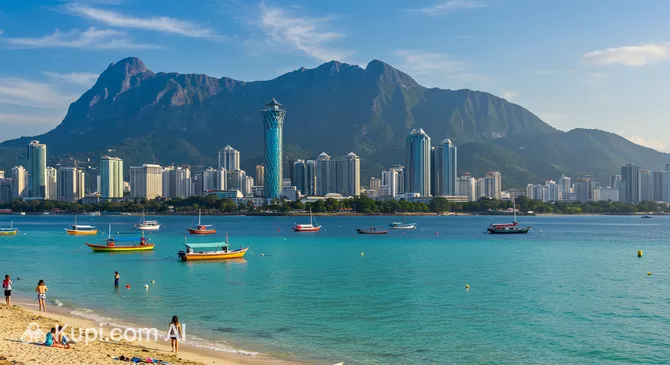
Kota Kinabalu. Source: Kupi.Binoculars

While it is now a modern urban hub, the city has a resilient past, having been rebuilt significantly after World War II. You can explore the history of Kota Kinabalu to learn more about its transformation from the colonial trading post of Jesselton into the thriving center of commerce and culture it is today. Key attractions include the iconic Mount Kinabalu, a UNESCO World Heritage site that dominates the horizon, and the pristine islands of the Tunku Abdul Rahman Marine Park, which offer exceptional snorkeling and diving opportunities just a short boat ride from the city center.

Whether you are browsing the fresh catch at the lively waterfront markets, admiring the architecture of the floating City Mosque, or enjoying one of the world-renowned sunsets at Tanjung Aru Beach, Kota Kinabalu promises an unforgettable experience. We invite you to immerse yourself in the warm hospitality and diverse natural beauty of this captivating Malaysian city.
Weather Overview

Kota Kinabalu experiences a tropical climate characterized by consistent warmth and high humidity year-round. The temperatures are remarkably stable, with average daily highs hovering between 27°C and 29°C, while nighttime lows rarely drop below 23.5°C. This steady warmth ensures that the city remains a viable destination for outdoor activities at any time of the year, provided you dress for the heat.

Rainfall is a frequent occurrence in this lush region, and travelers should expect showers during their stay. The weather in Kota Kinabalu is defined by a high number of wet days, ranging from approximately 20 days in months like February and July to nearly 29 days in December. While rain is common, it often comes in short bursts, bringing a refreshing break from the tropical sun.

Interesting Facts

Beyond the main attractions, Kota Kinabalu holds many fascinating secrets that reveal its rich heritage and natural wonders. Here are some unique insights into the city's past and present that often escape the casual observer.
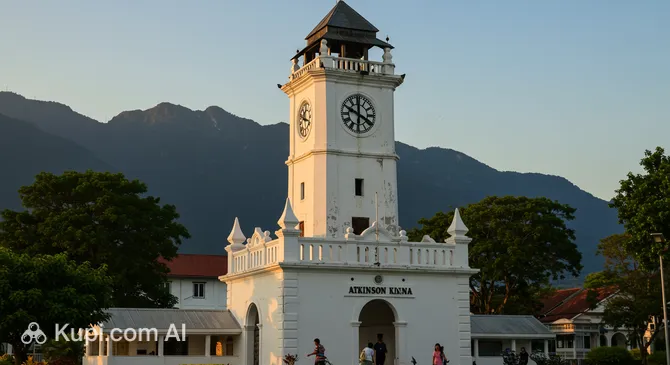
  • The city was formerly known as "Jesselton" during the British colonial era and served as a key trading post. It was almost entirely destroyed during World War II, with only three buildings surviving the bombardments. One of these rare survivors is the historic Atkinson Clock Tower, which stands today as the city's oldest wooden structure.

  • Kota Kinabalu is one of the few cities globally to house a significant mangrove forest right within its urban center. The Kota Kinabalu Wetland Ramsar Site acts as a vital "green lung" for the city and provides a sanctuary for migratory birds just minutes away from the busy streets.

  • The city's name has a deeply spiritual origin rooted in local folklore. It is derived from "Aki Nabalu," a phrase in the Kadazan-Dusun language meaning "the revered place of the dead," referring to the majestic mountain that watches over the city where spirits are believed to dwell.

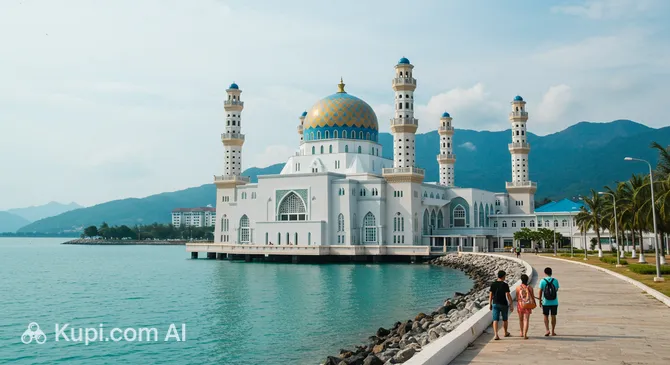
  • Architecture lovers might be surprised to find a "floating" sanctuary here. The Kota Kinabalu City Mosque is constructed on a man-made lagoon, creating a stunning optical illusion where the massive structure appears to hover above the water, especially when viewed from a distance.

Atkinson Clock Tower. Source: Kupi.Binoculars

How to Get There

Reaching this coastal city is a seamless experience for travelers, with air travel serving as the primary mode of entry due to its strategic location on the island of Borneo. Whether you are arriving from within Malaysia or from international destinations, you can find more about how to get to Kota Kinabalu and the most convenient transport routes to suit your itinerary.

The most significant entry point is Kota Kinabalu International Airport (BKI), which acts as the bustling hub for the state of Sabah. It is conveniently situated within the city limits, just 6 km from the center. This proximity ensures a quick transfer to your accommodation; a typical journey by taxi or bus takes approximately 15 to 30 minutes depending on traffic. As a major facility handling millions of passengers annually, it offers excellent connectivity and modern amenities for arriving tourists.

For those exploring the wider region, there are alternative airports in neighboring areas that can serve as entry points, though they are significantly further away. Labuan Airport (LBU) is located approximately 119 km from Kota Kinabalu, situated on Labuan Island. Additionally, travelers might consider Brunei International Airport (BWN) in Bandar Seri Begawan, which is about 172 km away. These airports are best suited for visitors planning a broader itinerary across Borneo rather than a direct trip to the city.

For clarity, here is a summary of the main airports:

Airport Name City Passenger Traffic Km from City
Kota Kinabalu International Airport Kota Kinabalu Large 6.0
Brunei International Airport Bandar Seri Begawan Medium 171.6
Sandakan Airport Sandakan Medium 219.7
Labuan Airport Labuan Small 118.9
Mulu Airport Mulu Small 256.5

Main Attractions

Kota Kinabalu is a city where nature, culture, and modern life blend seamlessly. From architectural marvels that appear to float on water to vibrant markets pulsing with local energy, the city offers a variety of experiences for every type of traveler. Below are some of the top sights you should not miss during your visit.

One of the most visually striking landmarks is the Kota Kinabalu City Mosque. Often referred to as the "Floating Mosque," it is built on a man-made lagoon near Likas Bay, creating a mesmerizing reflection on the water's surface. With its majestic dome and blue-and-gold motif inspired by Arabic architecture, it is a serene place for worship and a favorite spot for photographers, especially when the building is illuminated against the evening sky.

Kota Kinabalu City Mosque. Source: Kupi.Binoculars

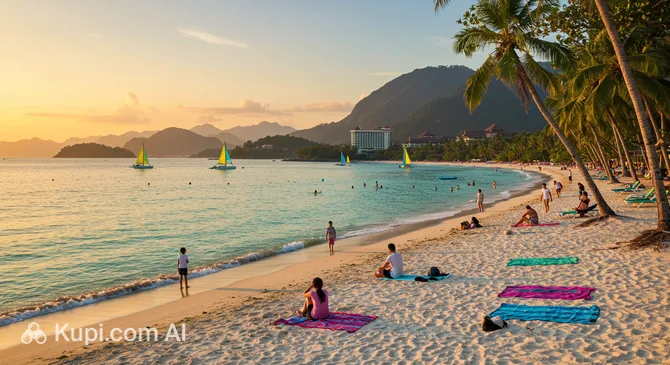
For those seeking relaxation and natural beauty, Tanjung Aru Beach is the definitive destination. Located just a short drive from the city center, this stretch of coastline is legendary for offering some of the most spectacular sunsets in the world. Visitors flock here in the late afternoon to walk along the soft sand, enjoy fresh coconut water from beachside stalls, and watch the sky transform into a canvas of fiery oranges and purples.

Tanjung Aru Beach. Source: Kupi.Binoculars

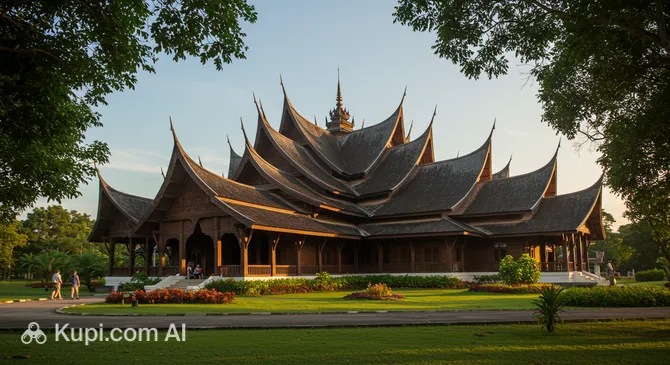
To gain a deeper understanding of the region's rich heritage, a visit to the Sabah State Museum is essential. The complex is nestled within lush gardens and includes not only the main museum building—designed to resemble a traditional Rungus longhouse—but also an ethno-botanical garden and a heritage village. Inside, you will find fascinating exhibits covering archaeology, natural history, and the diverse ethnographic background of Sabah's indigenous people.

Sabah State Museum. Source: Kupi.Binoculars

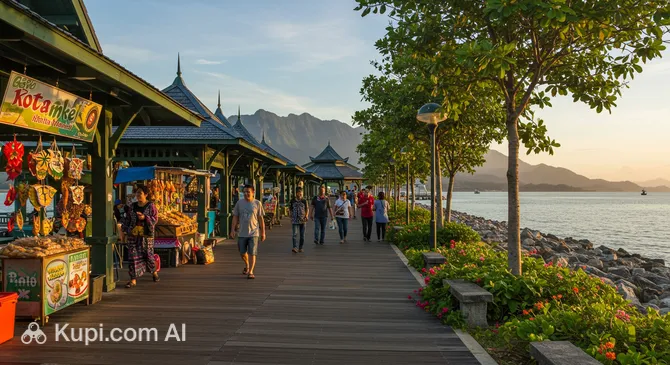
Finally, no trip to KK is complete without experiencing the bustling atmosphere of the Handicraft Market. Located along the waterfront, this lively bazaar is the perfect place to hunt for souvenirs. It is particularly famous for its vast selection of pearls, local textiles, and intricate wood carvings. Bargaining is part of the fun here, allowing you to interact with friendly local vendors while finding unique keepsakes to take home.

Local Cuisine

The culinary landscape of Kota Kinabalu is a vibrant reflection of its multicultural heritage, blending Malay, Chinese, and indigenous Kadazan-Dusun influences into a unique gastronomic experience. For food lovers, the city offers everything from fresh ocean catches to savory street snacks, making it a true paradise for the palate. The dining atmosphere is generally casual and welcoming, ranging from bustling open-air hawker centers to air-conditioned family restaurants.

Given its strategic location on the coast of Borneo, seafood is undoubtedly the star of the local cuisine. Visitors can indulge in an abundance of fresh prawns, crabs, lobster, and fish, often kept live in tanks and cooked to order. Popular preparations include butter prawns, steamed fish with soy sauce, and chili crab. For a reliable spot to enjoy these ocean delicacies, you might consider visiting the KK Garden Seafood Restaurant, which is well-regarded for its extensive menu and fresh offerings.

Beyond seafood, there are several signature dishes that every traveler should try. Tuaran Mee is a beloved local specialty consisting of springy, handmade egg noodles stir-fried with slices of roast pork (or chicken), egg rolls, and vegetables. Another unique dish is Hinava, a traditional Kadazan-Dusun delicacy similar to ceviche. It features raw fish marinated in lime juice, sliced chili, ginger, and grated wild onion seeds, offering a tangy and spicy flavor profile that is incredibly refreshing.

To beat the tropical heat, locals often turn to Kit Chai Ping, a thirst-quenching drink made from calamansi lime juice, salted preserved plums, and sugar syrup served over ice. It strikes a perfect balance between sweet, sour, and salty. Coffee enthusiasts should not miss Tenom Coffee, a robust and aromatic brew grown in the nearby Sabah interior, often roasted with margarine and sugar to give it a distinctive caramelized taste.

Night Market. Source: Kupi.Binoculars

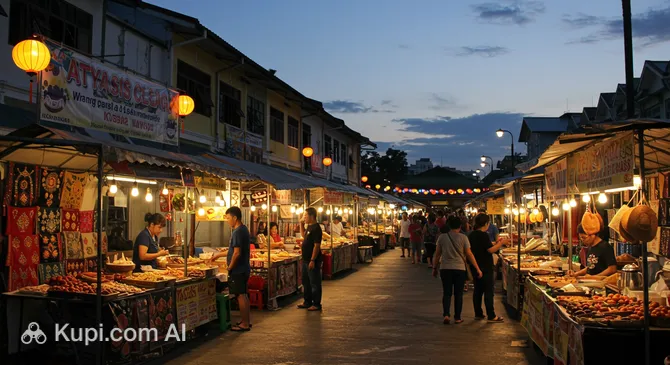
The heart of the city's food culture beats strongest at its lively markets and traditional coffee shops, known as kopitiams. As the sun sets, the famous Night Market transforms the waterfront into a smoky, aromatic haven where vendors grill fish, squid, and chicken wings right before your eyes. Ideally suited for breakfast or lunch, Guan's Kopitiam Gaya Street offers a classic setting to enjoy toast, half-boiled eggs, and local noodles while soaking in the morning bustle of the city.

Travel Tips

Welcome to Kota Kinabalu, a city where urban energy meets the wild beauty of Borneo. To help you navigate the local customs and tropical environment with ease, we have compiled a list of essential travel tips for a smooth and enjoyable journey.

  1. Clothing and Gear: Given the hot and humid tropical climate, pack lightweight, breathable fabrics like cotton or linen. Since sudden showers are common, carrying a compact umbrella or a light rain poncho is highly recommended. If you plan to visit religious sites like the City Mosque, remember to dress modestly; shoulders and knees must be covered. Comfortable walking shoes are a must for exploring the city center and nature trails.
  2. Transportation: The most convenient way to get around Kota Kinabalu is by using the Grab app, which is widely used, affordable, and safe. Taxis are available but often do not use meters, so you must negotiate the fare before getting in. While there is a bus system, it can be confusing for first-time visitors, so ride-hailing or walking within the compact city center are usually your best options.
  3. Finances: The local currency is the Malaysian Ringgit (MYR). While credit cards are accepted in major hotels, shopping malls, and upscale restaurants, cash is king at local markets, hawker centers, and smaller shops. ATMs are plentiful throughout the city. Tipping is not a standard practice in Malaysia, but leaving small change or rounding up the bill is a kind gesture for good service.
  4. Health and Safety: Kota Kinabalu is generally a safe city for tourists, but it is wise to practice standard precautions like keeping an eye on your belongings in crowded areas. Tap water is not suitable for drinking; stick to bottled or filtered water. Pharmacies like Guardian and Watson's are common in shopping malls and can provide over-the-counter remedies for minor ailments.
  5. Communication: Malay (Bahasa Malaysia) is the official language, but English is widely spoken and understood, especially in the tourism and service sectors. You will have no trouble communicating in most situations. Purchasing a local SIM card from providers like Maxis, Celcom, or Digi at the airport is cheap and ensures you have reliable data for maps and apps. A useful phrase to know is "Terima Kasih" (Thank you).
  6. Local Etiquette: Malaysians are warm and polite people. It is customary to remove your shoes before entering a private home or a place of worship. When eating with your hands or passing money and objects to others, always use your right hand, as the left hand is considered unclean in local culture. A friendly smile is the universal greeting here.
  7. What to Avoid: Avoid pointing at people or objects with your index finger, as this is considered rude; instead, gesture with your thumb while keeping your other fingers folded. Also, never touch someone on the head, even children, as the head is viewed as the most sacred part of the body in local spiritual beliefs.
  8. Sunday Market Tip: If your trip includes a weekend, do not miss the Gaya Street Sunday Market. It operates only on Sunday mornings and is the best place to mingle with locals, try traditional snacks, and buy unique souvenirs ranging from antiques to local arts and crafts.

By keeping these practical tips in mind, you will be well-prepared to embrace the laid-back rhythm and rich culture of Sabah's capital. We hope your adventure in Kota Kinabalu is filled with wonderful discoveries and warm memories!

Entertainment & Nightlife

Entertainment in Kota Kinabalu is a delightful mix of laid-back seaside vibes and energetic urban fun. As the sun dips below the horizon, the city transitions from a bustling trade hub into a lively playground for locals and tourists alike. The nightlife scene here is less about massive rave clubs and more about open-air bars, live bands, and enjoying the cool ocean breeze with a drink in hand.

The epicenter of the action is undoubtedly the KK Waterfront. This famous boardwalk is lined with numerous bistros, pubs, and nightclubs, making it the perfect spot to start your evening. The atmosphere is vibrant yet relaxed, with crowds of people enjoying fresh seafood and cocktails while watching the fishing boats bob in the harbor. It is the ideal place to mingle, as the music from various venues blends into a festive soundtrack for the night.

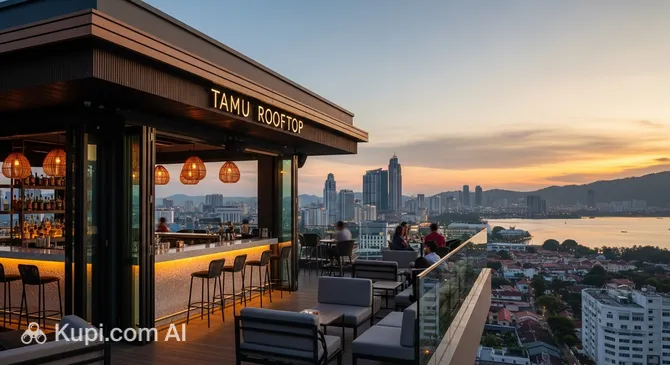
For those seeking a more sophisticated setting with a view, Tamu Rooftop offers a stunning perspective of the city and the ocean. Located on a higher vantage point, it provides a chic atmosphere where you can sip on signature beverages while watching the city lights twinkle below. It is a popular venue for both romantic evenings and social gatherings.

Tamu Rooftop. Source: Kupi.Binoculars

If you prefer a cozy spot to unwind with friends, MOGINUM Restobar is a great addition to your itinerary. Places like this capture the local spirit, offering a friendly environment where the drinks are refreshing and the company is lively. For fans of singing and upbeat entertainment, karaoke is a beloved pastime in Malaysia. You can showcase your vocal talents at Crazy Mic Imago Sabah, a modern venue equipped with excellent sound systems and private rooms for a fun group night out.

When planning your night out, keep in mind that the dress code in Kota Kinabalu is generally smart casual. While shorts and t-shirts are acceptable in most waterfront bars, rooftop venues and clubs may expect slightly dressier attire. The party usually peaks between 10:00 PM and 1:00 AM. In terms of safety, the main tourist districts like the Waterfront and Gaya Street are well-lit and populated, making them safe for evening strolls. However, when returning to your hotel late at night, it is highly recommended to use a ride-hailing app like Grab rather than hailing a taxi on the street, as it ensures a fixed price and a tracked journey.

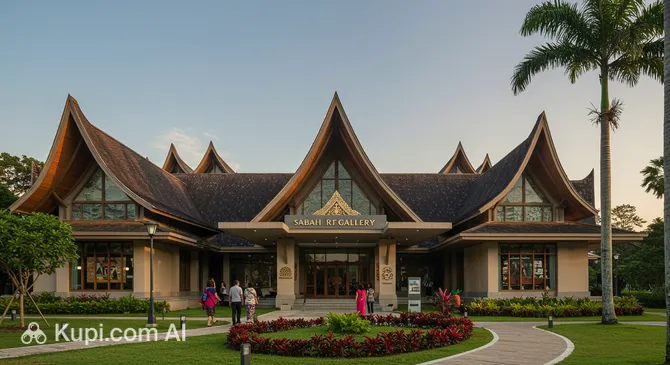
Before the nightlife begins, the city offers plenty of daytime diversions. Culture enthusiasts should visit the Sabah Art Gallery, which features a unique basket-shaped architecture and houses intriguing works by local artists. For families or those looking to escape the afternoon heat, indoor amusement centers like The CUBE provide engaging activities and games suitable for all ages.

Parks & Museums

While Kota Kinabalu is famous for its coastal beauty, the city also boasts remarkable green spaces and cultural institutions that offer a deeper look into the region's natural diversity and artistic heritage. Beyond the beaches, visitors can explore lush mangrove sanctuaries right in the city center or wander through galleries that celebrate the unique identity of Sabah.

For nature lovers, the Kota Kinabalu Wetland Ramsar Site is a hidden gem located just minutes from the busy streets. This 24-hectare mangrove forest serves as a vital bird sanctuary and a "green lung" for the city. Visitors can stroll along a 1.5-kilometer wooden boardwalk that winds through the dense mangroves, offering a chance to spot egrets, kingfishers, and mudskippers in their natural habitat. It is a peaceful retreat that provides a rare educational experience about the importance of wetland ecosystems.

Another excellent spot for recreation is Tanjung Aru Perdana Park, a family-friendly recreational hub designed for leisure and fitness. The park features well-maintained jogging tracks and reflexology paths, but its main highlight is the evening atmosphere. As the sun sets, the park comes alive with a synchronized musical fountain show that captivates visitors with dancing water jets and colorful lights, making it a perfect place to unwind after a day of sightseeing.

Tanjung Aru Perdana Park. Source: Kupi.Binoculars

On the cultural front, the Sabah Art Gallery stands out not only for its collection but also for its architecture. The building itself is a work of art, shaped like a traditional woven basket known as a "wakid," and is recognized as a green building for its eco-friendly design. Inside, you will find a diverse collection of over 3,000 artworks, ranging from paintings to sculptures, which showcase the talent of local artists and the rich cultural motifs of Sabah's indigenous tribes.

Just a short distance away, the Sabah State Museum remains the premier institution for history enthusiasts. While the main building houses extensive ethnographic and archaeological exhibits, the surrounding complex is equally fascinating. It includes a Science and Technology Centre and a Heritage Village where you can walk through life-sized replicas of traditional tribal houses, providing an immersive step back in time.

Sabah Art Gallery. Source: Kupi.Binoculars

For a unique evening experience, plan your visit to Perdana Park between 7:00 PM and 9:00 PM. This is when the musical fountain performance takes place, and the park's food stalls offer a great selection of local snacks to enjoy while watching the show.

Getting Around

Navigating Kota Kinabalu is a relatively straightforward experience, though it differs significantly from major global metropolises as there is no subway, tram, or light rail network within the city center. The public transport system relies primarily on a network of buses, minibuses, and taxis. For most tourists, the city center is compact enough to explore on foot, but for longer distances, the road-based transport options are efficient and cost-effective.

The most common form of public transit is the minibus, locally known as "bas mini." These are typically vans that operate on specific routes and are identified by the route number and destination printed on the front. They are a colorful and authentic way to get around, though they can be cramped and often wait until they are full before departing. In recent years, larger, air-conditioned "City Buses" have been introduced to provide a more comfortable ride, particularly on major routes connecting the city center with suburban areas and the airport.

When it comes to payment, cash is the standard method for both buses and minibuses. There are no complex travel cards or digital ticketing apps for the bus system currently in widespread use for tourists. Fares are incredibly affordable, usually ranging from 1 to 5 MYR depending on the distance. You simply pay the conductor or the driver upon boarding or disembarking. It is highly advisable to carry small denominations of notes and coins, as drivers may not always have change for large bills.

For a more convenient and flexible alternative, ride-hailing apps are the preferred choice for many visitors. Grab is the dominant service in the city and is widely considered the most reliable way for tourists to travel. It offers transparent pricing, eliminates language barriers, and allows for cashless payments via credit card linked to the app. Traditional taxis are also available, painted red and white, but they often do not use meters. If you choose a regular taxi, you must negotiate and agree on the fare before starting your journey to avoid disputes.

A unique feature of the region's transport landscape is the Sabah State Railway, the only railway line on the island of Borneo. While it does not serve as a metro for city commuting, the line begins at Tanjung Aru station, located near the airport. It offers a scenic journey south towards the town of Tenom, passing through lush countryside and tunnels. For history enthusiasts, the North Borneo Railway offers a nostalgic steam train experience on this track, serving as a moving museum rather than just a mode of transit.

Practical advice for using public transport includes being mindful of operating hours. Buses and minibuses generally run from early morning, around 6:00 AM, but service tends to wind down relatively early, often stopping by 7:00 PM or 8:00 PM. If you are planning a late night out, rely on ride-hailing services. Additionally, for those planning to visit the nearby islands, the transport hub is Jesselton Point, where speedboats function as public ferries to the marine park, operating strictly during daylight hours.

Accommodation

Where to Stay:

Accommodation in Kota Kinabalu is diverse and plentiful, catering to every style of travel and budget. Whether you are a backpacker looking for a social hostel, a family seeking a convenient city hotel, or a couple desiring a luxurious seaside getaway, the city has something to offer. The options range from affordable guesthouses tucked away in bustling shophouses to sprawling 5-star resorts that line the coast, offering private beaches and world-class amenities.

For those who prioritize convenience and access to local food, the City Center is the best place to stay. Areas around Gaya Street and the Waterfront place you within walking distance of markets, shopping malls, and the jetty for island hopping. If your goal is relaxation and scenic views, consider the coastal areas like Tanjung Aru or the Sutera Harbour precinct. These locations are slightly removed from the busy downtown core but offer a resort-style atmosphere with stunning sunset vistas and ample recreational facilities.

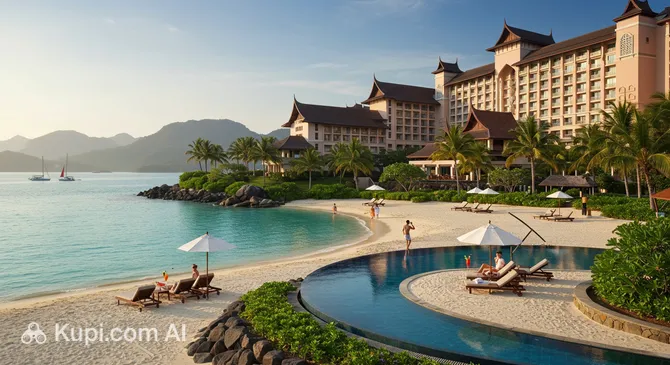
Travelers looking for a premium experience will find several renowned properties. The Tanjung Aru Resort is an iconic choice, famous for its deep connection to local heritage and its prime location offering one of the best sunset views in Asia. Another excellent option is the Magellan Sutera Resort, which features a grand ethnic-themed design and access to a marina and golf course, making it a favorite for leisure travelers.

Tanjung Aru Resort. Source: Kupi.Binoculars

When planning your trip, it is advisable to book your accommodation in advance, especially if you are visiting during school holidays or the peak dry season (February to April). While walk-ins are possible at smaller guesthouses, popular resorts tend to fill up quickly.

Price ranges vary significantly depending on the level of comfort. Budget travelers can find dormitory beds or simple rooms for as low as 50–100 MYR per night. Mid-range hotels typically charge between 150 and 350 MYR, offering air conditioning and modern amenities. Luxury resorts generally start from 500 MYR and can go upwards significantly depending on the season and room type. Booking is easily done through major international online platforms, though checking the hotel's direct website can sometimes yield special package deals.

Nearby Cities

For those looking to explore the surroundings, Kota Kinabalu serves as an excellent base for day trips to several interesting nearby locations. While some of these destinations are best enjoyed as overnight stays due to the travel time across Borneo's rugged terrain, they are well worth the journey for the unique experiences they offer.

Sandakan is arguably the most popular excursion from the capital. Located on the east coast, it is globally renowned as the gateway to Borneo's wildlife. Visitors flock here to see the famous Sepilok Orangutan Rehabilitation Centre and the Bornean Sun Bear Conservation Centre. Beyond nature, the city holds deep historical significance with sites like the Sandakan Memorial Park, commemorating the events of World War II.

Another fascinating destination is Miri, a major city in northern Sarawak. Known as the birthplace of Malaysia's petroleum industry, it features the "Grand Old Lady," the country's first oil well, located on Canada Hill. Miri also serves as the primary transit hub for those heading to the spectacular caves of Gunung Mulu National Park, a UNESCO World Heritage site.

For those interested in marine life and agriculture, Tawau offers a distinct experience. It is famous for its vast cocoa plantations and fresh seafood. More importantly, it acts as the springboard for divers heading to the world-class underwater paradises of Sipadan and Mabul islands via the nearby town of Semporna.

City Population Distance (km)
Sandakan 396,290 221
Miri 234,541 287
Lahad Datu 199,830 271
Bintulu 114,058 458
Tawau 113,809 278

These nearby destinations offer a glimpse into the diverse culture and landscapes of the region.

Shopping & Souvenirs

Shopping:

Shopping in Kota Kinabalu is a delightful exploration of contrasts, offering everything from air-conditioned luxury to bustling open-air bazaars. The city serves as a commercial hub for Sabah, meaning you can find high-end international brands alongside traditional handicrafts crafted by indigenous artisans. Whether you are looking for the latest fashion trends, unique local souvenirs, or fresh produce, the diverse retail landscape ensures a rewarding experience for every type of shopper.

The heart of the city's shopping scene is undoubtedly Gaya Street. On ordinary days, it is a charming row of shophouses, but on Sunday mornings, it transforms into the famous Gaya Street Fair. This pedestrian-only market is the best place to immerse yourself in local culture, selling everything from antiques and pets to local snacks and traditional herbs. It is a vibrant district where tourists and locals mingle under the shade of trees, hunting for bargains and unique finds.

For those seeking modern conveniences and international labels, the city boasts several impressive lifestyle hubs. Imago Shopping Mall is widely considered the premier retail destination, featuring a vast array of fashion boutiques, a cinema, and diverse dining options. It is a popular spot for families and fashion enthusiasts alike. Another noteworthy destination is Suria Sabah, located right by the waterfront. Beyond its extensive range of shops, this mall is famous for its food court, which offers panoramic views of the South China Sea, allowing you to shop and dine with a spectacular backdrop.

Imago Shopping Mall. Source: Kupi.Binoculars

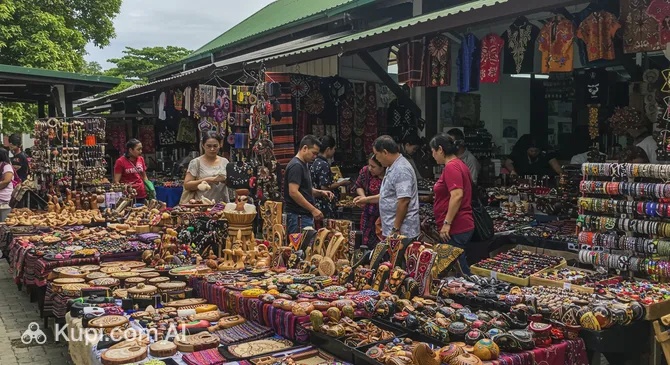
If you prefer a more traditional atmosphere, the waterfront markets are essential stops. The Handicraft Market (often referred to as the Filipino Market) is a treasure trove for souvenir hunters. It is a maze of narrow aisles packed with vendors selling intricate wood carvings, textiles, and beaded jewelry. Just a short walk away, the Kota Kinabalu Central Market offers a glimpse into daily local life, with floors dedicated to fresh produce, meat, and dry goods. It is an excellent place to see the variety of tropical fruits and local ingredients used in Sabahan cuisine.

Handicraft Market. Source: Kupi.Binoculars

When it comes to souvenirs, Sabah is most famous for its cultured pearls, which can be purchased as loose gems or set into jewelry at very competitive prices. Other popular items to bring home include Sabah Tea, grown in the organic plantations of Ranau, and Tenom Coffee, known for its rich, robust flavor. For a unique cultural memento, look for the "wakid," a traditional bamboo basket used by the Kadazan-Dusun people, or packs of high-quality dried anchovies (ikan bilis), which are a staple in local cooking.

Most shopping malls in Kota Kinabalu operate daily from 10:00 AM to 10:00 PM. In contrast, traditional markets like the Central Market start buzzing as early as 6:00 AM and wind down by late afternoon, while the Handicraft Market stays open until late evening. Major malls and department stores accept credit cards and e-wallets, but cash is the preferred method of payment at street markets and smaller stalls. It is advisable to carry smaller denominations of Malaysian Ringgit when visiting the bazaars to make transactions smoother.

Reached the end of the page?

That means the route is fully explored