Support

Bario

About

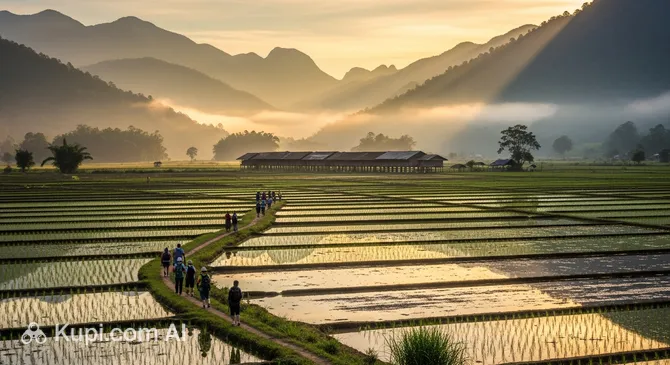
Nestled high in the Kelabit Highlands of Sarawak, Bario is a serene and picturesque plateau that serves as the gateway to the heart of Borneo. This remote settlement in Malaysia is renowned for its breathtaking landscapes, cool climate, and the warm hospitality of its people. With a small population of approximately 800 residents, mostly from the Kelabit tribe, the town offers an intimate and authentic travel experience far removed from the busy tourist trails.

Bario. Source: Kupi.Binoculars

The geography of the area is defined by rolling hills, lush paddy fields, and surrounding rainforests. Due to its elevation of over 1,000 meters, the weather here is significantly cooler than the coastal lowlands, making it a refreshing retreat for visitors. While the atmosphere is peaceful today, the history of Bario is deeply rooted in the traditions of the highlands, and exploring the local heritage provides fascinating insights into the resilience and culture of the community.

Travelers often flock to this highland haven to taste the famous Bario Rice and sweet Bario Pineapples, which are celebrated across the country for their unique flavor. Beyond its culinary delights, the area is a paradise for nature lovers, offering numerous trekking trails that wind through the jungle and connect to neighboring villages. Whether you are looking to hike through pristine rainforests or simply relax in the crisp mountain air, Bario invites you to experience its unique charm and the legendary friendliness of its inhabitants.

Weather Overview

Due to its elevation in the highlands, Bario enjoys a refreshing climate that is significantly cooler and more consistent than the coastal lowlands of Malaysia. The weather remains mild year-round, with average temperatures hovering between 21°C and 22°C. Nights can feel quite crisp, with lows dropping to around 17°C, while daytime highs generally reach a comfortable 25°C to 26°C, making it ideal for hiking and outdoor exploration.

Rainfall is a constant companion in this lush region, and visitors should expect frequent showers regardless of the month. The data indicates a very high number of wet days, ranging from 23 to 29 days per month, although the overall precipitation volume is often recorded as light. For a deeper dive into seasonal trends and packing advice, you can consult the detailed guide to the weather in Bario to ensure you are fully prepared for the highland elements.

Interesting Facts

Beyond the scenic paddy fields and misty mountains, Bario holds several fascinating secrets that surprise many visitors. This remote highland settlement is not just about nature; it is a place where unique geological features, culinary wonders, and history converge.

  • Mountain Salt Springs: It is rare to find salt production so far from the ocean, but Bario is famous for its natural salt springs. Locals extract brine from underground wells and boil it for days to produce Bario Salt, a mineral-rich seasoning that is traditionally wrapped in leaves and highly prized by gourmets throughout the region.

  • A WWII Secret Base: Despite its isolation, the plateau played a critical role in World War II as the headquarters for Operation Semut. Allied commandos parachuted into the highlands to organize the local Kelabit tribesmen into a resistance force, turning this tranquil area into a strategic base that helped liberate Borneo.

  • The "Painless" Pineapple: The town is renowned for its pineapples, which are distinct because they reportedly lack the enzyme bromelain that typically stings the tongue. This unique trait, combined with the cool highland climate, results in a fruit that is exceptionally sweet and can be eaten in large quantities without any discomfort.

  • Mysterious Megaliths: The surrounding jungles are dotted with ancient stone monuments, including dolmens and carved menhirs, some dating back thousands of years. These cultural relics serve as silent witnesses to the deep-rooted history of the Kelabit people, marking ancient burial sites and ceremonial grounds.

How to Get There

Reaching the remote Kelabit Highlands is an adventure in itself, typically involving a scenic flight over the dense rainforests of Borneo. For a comprehensive guide on planning your journey, you can read more about how to get to Bario. The town is well-connected by rural air services, which remain the most popular and reliable method of transport for visitors.

The entry point for almost all travelers is Bario Airport (IATA: BBN), located directly within the settlement, just 0.1 km from the center. This small community airport serves as the primary lifeline for the highlands. Flights are operated by small Twin Otter aircraft, offering spectacular views of the mountains. Getting from the airstrip to your accommodation is quick and easy, taking approximately 20 minutes by local transport or even walking for nearby lodges.

The main gateway for international and domestic travelers is Miri Airport (IATA: MYY), situated about 178 km away in the city of Miri. Frequent flights connect Miri to Bario, a journey that takes roughly 50 minutes. While an overland route exists via logging roads, it is widely considered arduous and suitable only for seasoned adventurers. This journey requires a sturdy 4WD vehicle and typically takes a full day (10+ hours) to complete, depending on weather and road conditions. Consequently, flying remains the standard recommendation for tourists.

For regional travelers, Brunei International Airport (IATA: BWN) in Bandar Seri Begawan is another significant hub, located approximately 147 km away in a straight line. However, there is no direct road access from Brunei to the highlands. Visitors arriving here would first need to travel to Miri to catch a connecting flight to Bario.

For clarity, here is a summary of the main airports relative to the town:

Airport Name City Passenger Traffic Km from City
Miri Airport Miri Large 178.0
Brunei International Airport Bandar Seri Begawan Medium 147.0
Labuan Airport Labuan Medium 174.9
Mulu Airport Mulu Small 82.4
Bario Airport Bario Small 0.1

Main Attractions

A visit to the highlands is incomplete without exploring the Bario Asal Longhouse, which serves as the cultural heart of the community. This traditional wooden structure is one of the oldest in the region and offers an authentic glimpse into the communal lifestyle of the Kelabit people. Visitors can walk through the long gallery, observe the separate family hearths known as tetel, and experience the warm hospitality that the locals are famous for. It is a living museum where ancient traditions and modern life seamlessly coexist.

For a unique geological and cultural experience, the Bario Salt Spring is a must-see attraction. Located a short distance from the main settlement, this site showcases the age-old tradition of salt making that is unique to the highlands. You can watch as locals extract brine from deep underground wells and boil it over wood fires to produce the mineral-rich Bario Salt. This labor-intensive process has remained largely unchanged for generations and produces a culinary souvenir that is prized throughout the country.

Outdoor enthusiasts and those seeking panoramic vistas should make the trek up Prayer Mountain (Bukit Doa). The hill is a significant spiritual landmark for the local community, marked by a large cross at the summit. The hike is moderately challenging but rewards climbers with breathtaking views of the entire Bario valley, its patchwork of paddy fields, and the surrounding mist-shrouded peaks. It is an ideal spot for sunrise or sunset, offering a peaceful atmosphere for reflection and photography.

The history of the highlands is etched in stone at Batu Narit, an ancient megalith located in the nearby village of Pa' Umor. This carved stone is part of a larger collection of cultural relics scattered across the Kelabit Highlands, including dolmens and stone slab burials. Visiting Batu Narit allows tourists to connect with the mysterious past of the region and learn about the megalithic culture that once thrived here, adding a layer of archaeological intrigue to the natural beauty of the area.

Local Cuisine

The culinary experience in Bario is a true reflection of its "farm-to-table" lifestyle, where the isolation of the highlands has preserved traditional farming methods and organic flavors. The region is often referred to as the "Food Basket of Sarawak" because of its fertile soil and cool climate, which produce ingredients of exceptional quality. Food here is simple, hearty, and deeply connected to the Kelabit culture, relying heavily on fresh produce harvested directly from the surrounding paddy fields and jungles.

At the heart of every meal is the famous Bario Rice (Adan Rice), a small-grain variety known for its soft texture and subtle sweetness. It is most commonly served as Nuba Laya, a staple dish where the rice is mashed into a soft paste and wrapped in isip leaves to keep it fresh. This is typically accompanied by savory side dishes such as smoked wild boar, river fish, or stir-fried jungle ferns like midin and paku. The dishes are often seasoned with the locally produced Bario Salt, which adds a distinct mineral richness that enhances the natural flavors of the ingredients.

For fruit lovers, the Bario Pineapple is a revelation. Unlike pineapples found elsewhere, this highland variety is celebrated for being incredibly sweet and juicy without the acidic "bite" that usually stings the tongue. You can eat it in large quantities without discomfort, and it is widely available at local stalls. Another unique treat is the wide variety of wild berries and indigenous fruits found in the forest, which are often served fresh or made into jams by the locals.

When it comes to beverages, the Kelabit people are known for their hospitality, often welcoming guests with tea or coffee sweetened with local cane sugar. For those interested in traditional libations, Burak is the local rice wine. Brewed from fermented glutinous rice, it is a cloudy, sweet-sour drink that plays a central role in festivals and social gatherings. It is potent and serves as a symbol of friendship and celebration within the community.

The dining scene in Bario is intimate and communal rather than commercial. You won't find fine-dining restaurants or fast-food chains here. Instead, most visitors enjoy home-cooked meals at their homestays, where hosts prepare dishes using ingredients harvested that very day. For a casual lunch or a snack, the small Bario Market in the town center offers a few stalls selling noodle soups, fried rice, and local cakes (kuih). Eating here is not just about sustenance; it is an opportunity to bond with the locals and experience the warmth of highland hospitality.

Travel Tips

Visiting Bario is a unique adventure into the heart of the Kelabit Highlands, and because of its remote location, a little extra preparation goes a long way. These practical tips will help you navigate the logistics of highland life so you can fully relax and enjoy the pristine nature and warm local hospitality.

  1. Prepare for Cool and Wet Weather: Unlike the hot and humid lowlands of Malaysia, Bario is refreshingly cool. You should pack a light jacket or fleece for the evenings when temperatures drop. Since rain is frequent, a durable raincoat and waterproof trekking shoes are essential. If you plan on jungle trekking, consider bringing leech socks to protect your legs on damp trails.

  2. Cash is Absolute King: This is the most critical advice for Bario: there are no ATMs in the town. Credit cards are rarely accepted, except perhaps at a few upscale lodges, but do not rely on this. You must withdraw sufficient Malaysian Ringgit (MYR) in Miri or another major city before your flight to cover accommodation, food, tours, and souvenirs for your entire stay.

  3. Transport is Local and Informal: Forget about public buses, metered taxis, or ride-hailing apps like Grab; they do not exist here. The town is small enough to explore the central area by walking. For visiting sites further afield, your homestay host can usually arrange a lift in a 4WD vehicle or rental of a motorbike. Always agree on the price beforehand.

  4. Digital Detox and Connectivity: Be prepared for limited internet access. Wi-Fi is not standard in all accommodations, though some homestays and the community center may offer slow connections. For mobile data, Celcom is generally the most reliable provider in rural Sarawak; other carriers may have zero coverage. Download offline maps and entertainment before you arrive.

  5. Respect Local Customs and Sundays: The Kelabit community is predominantly Christian and deeply religious. Sundays are strictly observed as a day of rest and worship; most shops and activities close down, and the town becomes very quiet. Visitors are welcome to attend church services to experience the local culture, but dress modestly and respectfully.

  6. Health and Essentials: There is a small government health clinic (Klinik Kesihatan) for basic needs, but serious medical emergencies require an evacuation to Miri. Bring a personal first-aid kit with your regular medications, motion sickness pills (for the flight or bumpy roads), and plenty of insect repellent.

  7. Longhouse Etiquette: When visiting the Bario Asal Longhouse or entering a private home, always remove your shoes at the door. It is polite to accept food or drink offered to you, even just a small taste. If you are staying in a longhouse, remember that the communal gallery is public, but the separate doors lead to private family apartments—do not enter these without an invitation.

  8. What to Avoid: Do not waste rice. In Kelabit culture, rice is cultivated with great labor and is considered a blessing; leaving rice on your plate can be seen as disrespectful. Also, avoid loud or rowdy behavior, especially at night, as the community values peace and quiet.

By keeping these tips in mind, you will be well-equipped to embrace the slow pace and serenity of the highlands. Bario is a place to disconnect from the modern world and reconnect with nature and community, ensuring a travel experience that is both peaceful and unforgettable.

Entertainment & Nightlife

Travelers seeking vibrant nightclubs, thumping bass, or neon-lit avenues will find a very different kind of evening experience in Bario. In this remote highland settlement, "nightlife" is defined by tranquility, connection, and the pristine beauty of nature rather than commercial entertainment. The atmosphere after dark is incredibly peaceful, with the soundtrack provided by a symphony of jungle insects and frogs rather than DJs. Socializing here is intimate and communal, revolving around warm fires, shared meals, and storytelling under a canopy of stars that is remarkably clear due to the lack of light pollution.

There is no dedicated "bar district" or party street in Bario. Instead, the social hub of the community—especially in the early evening—tends to be the area around the Bario Market in the town center. While the market stalls themselves close relatively early, the surrounding small shops and eateries often serve as gathering points where locals and tourists exchange news. This is the best place to enjoy a casual conversation over a cup of local coffee or, if available, a glass of tuak or burak, the traditional rice wines that are central to Kelabit hospitality.

For those looking for a place to relax and soak in the local vibe, the evening entertainment is almost exclusively found within the guesthouses and lodges. Places like Jungle Blues Dream are well-known not just for accommodation but for their artistic atmosphere, where guests often gather to listen to stories about the region's history and culture. Similarly, spending an evening at the Bario Asal Longhouse offers a unique opportunity to experience the communal lifestyle; visitors are often welcomed onto the veranda to chat with residents, making it a culturally enriching alternative to a typical night out.

Practicality is key when planning your evening here. Most businesses and electricity generators may shut down early, often by 9:00 PM or 10:00 PM, so it is best to start your evening early. The dress code is purely functional: prioritize warmth, as temperatures drop significantly at night, and wear sturdy shoes. Since there are no streetlights outside the very center, bringing a reliable flashlight or headlamp is essential for navigating the paths back to your accommodation. Safety is rarely a concern in terms of crime—Bario is exceptionally safe—but the pitch-black roads and uneven terrain require caution.

Transportation at night is virtually non-existent unless pre-arranged. You will not find taxis cruising the streets. If you are dining away from your lodge, ensure you have a ride organized with your host or be prepared for a dark walk. Prices for drinks and food are modest, but remember that cash is the only way to pay, so ensure you have withdrawn enough money before arriving in the highlands.

While the nights are for rest and quiet socialization, daytime entertainment in Bario is centered on cultural and natural immersion. There are no movie theaters or amusement parks; instead, visitors spend their days exploring living heritage sites like the ancient megaliths or the Bario Salt Spring. For a "museum" experience, the landscape itself and the oral histories shared by the elders in the longhouses serve as the repository of the region's rich past, offering a deeply engaging alternative to modern entertainment facilities.

Parks & Museums

In Bario, the concept of parks and museums transcends the typical city definition. Here, the "parks" are vast, ancient rainforests teeming with biodiversity, and the "museums" are often open-air sites or living communities that preserve the rich heritage of the Kelabit people. The entire plateau serves as a natural and cultural sanctuary, where history is etched into the landscape and art is inspired by the jungle.

The most significant natural area surrounding the town is Pulong Tau National Park. Translating to "Forest of Our Life" in the Kelabit language, this protected area covers nearly 60,000 hectares of pristine highland rainforest. It is a haven for nature enthusiasts, offering a habitat for rare flora such as pitcher plants and rhododendrons, as well as fauna like the elusive clouded leopard. The park is dominated by Mount Murud, the highest peak in Sarawak, which holds spiritual significance for the locals and provides challenging trekking routes for adventurous visitors.

For a more contemplative outdoor experience, the Bario Memorial Park stands as a poignant reminder of the region's strategic importance during World War II. Located near the center of the settlement, this landscaped area features a monument dedicated to the Allied forces of Operation Semut and the local Kelabit tribesmen who fought alongside them. It is a peaceful, well-maintained site where visitors can pay their respects and read plaques detailing the history of the guerrilla warfare that helped liberate Borneo from Japanese occupation.

While Bario does not have large institutional museums, the Jungle Blues Dream Art Gallery offers a fascinating window into the contemporary culture of the highlands. Run by a renowned local artist, this gallery showcases vivid paintings that depict Kelabit folklore, jungle landscapes, and portraits of elders. It is more than just an art space; it is a storytelling venue where the artist often shares the legends behind the canvases, providing a colorful and personal narrative of the community's identity.

Another key cultural site is the Bario Community Museum (sometimes located within the community center complex), which preserves tangible artifacts of the Kelabit past. Although small, it houses a collection of traditional tools, beads, pottery, and photographs that trace the transition of the highlands from the era of headhunting to the modern day. For a "living museum" experience, the ancient Bario Asal Longhouse remains the ultimate architectural landmark, where the structure itself and the daily routines of its residents exhibit centuries-old traditions.

For an authentic insider experience, take a walk to the Arur Dalen settlement area to see the ancient megaliths hidden in the landscape. Unlike the well-signposted main attractions, some of these stone monuments require a local guide to find, offering a quiet and atmospheric encounter with the mysterious prehistoric culture of the highlands away from other tourists.

Getting Around

Public transport in Bario is virtually non-existent in the traditional sense. As a small, remote settlement in the highlands with a population of fewer than 1,000 people, there are no public buses, trains, metros, or trams operating in the area. The infrastructure is rural and basic, designed to serve a close-knit community rather than mass tourism. Visitors should adjust their expectations accordingly and prepare for a much more informal style of getting around.

The primary way to navigate the central area of the town, including the market, airport, and nearby longhouses, is simply by walking. The distances between the main community hubs are short, and walking allows you to appreciate the cool climate and scenic views. However, the settlements are spread out across the valley, so reaching specific trailheads or distant villages will require motorized transport. Since there are no sidewalks, you will be walking on shared roads or dirt paths, so comfortable footwear is essential.

For distances too far to walk, the main mode of transport is the 4WD vehicle, typically a Toyota Hilux or similar truck. These are not taxis in the conventional sense; they are private vehicles owned by locals. There are no metered taxi companies, and ride-hailing apps like Grab or Uber do not work here. To secure a ride, you must rely on your accommodation provider. Most homestay hosts can either drive you themselves or arrange a transfer with a neighbor for a fee.

Regarding payment, the system is strictly cash-only. There are no travel passes, transport cards, or digital ticketing systems. Prices for rides are usually fixed rates based on the destination (e.g., a drop-off at a trailhead or a transfer to the salt springs) rather than distance or time. It is crucial to agree on the price beforehand to avoid misunderstandings. Since there are no ATMs in the town, ensure you have enough small denominations of the local currency to pay your driver directly.

Motorbikes are another common sight on the roads and are the preferred vehicle for many locals. While there are no official rental shops, some enterprising locals or guesthouses may rent out a scooter to tourists for a daily rate. If you choose this option, be aware that road conditions can be rough, with gravel, mud, and potholes being common. Only ride if you are experienced with off-road handling, and always check the fuel level, as petrol supplies can sometimes be irregular in the highlands.

Practical advice for tourists revolves around communication. Treat your homestay host as your transport manager. Inform them of your plans a day in advance so they can organize a vehicle for you. Do not expect to flag down a vehicle on the street; traffic is sparse, and passing cars are often private individuals going about their daily work. Operating hours for these informal transport arrangements are flexible but generally align with daylight hours. Finding a ride after dark (post 7:00 PM) can be difficult unless pre-arranged.

Accommodation

Accommodation in Bario offers a refreshing departure from the standard hotel experience found in major cities. There are no international hotel chains, luxury resorts, or high-rise apartments here. Instead, the hospitality landscape is dominated by family-run homestays, traditional longhouses, and small, rustic lodges. This community-based tourism model ensures that every stay is personal and authentic, providing guests with a unique opportunity to immerse themselves in the daily life and culture of the Kelabit people.

The most iconic way to stay in the highlands is within a longhouse. These communal structures allow visitors to sleep in private rooms that open onto a long, shared gallery, fostering a sense of community with the host families. For those seeking a bit more privacy while maintaining a rustic charm, there are several private lodges and guest houses scattered across the valley. These typically offer basic but comfortable amenities, such as mosquito nets and shared bathrooms, with the luxury lying in the peaceful atmosphere and stunning views of the paddy fields rather than in modern gadgets.

In terms of location, most accommodation options are clustered around the central area near the Bario Airport and the town market. Staying here offers the most convenience, as you are within walking distance of the few shops and community hubs. However, for travelers looking for absolute seclusion, there are homestays located in the outlying villages (connected by dirt roads), such as Pa' Umor or Pa' Ukat. These spots are perfect for those who wish to be closer to specific trekking trails or simply want to enjoy the silence of the rainforest.

Booking Tip: Do not rely on major online travel agencies (OTAs) like Agoda or Booking.com, as very few local properties are listed there. The most effective way to secure a room is by contacting hosts directly via WhatsApp or Facebook well in advance. Since internet connectivity in the highlands can be sporadic, response times may be slow, so patience is key.

The price range for accommodation in Bario is generally budget to mid-range. Costs are often calculated on a "per head" basis rather than per room, and it is common for the daily rate to include full board (breakfast, lunch, and dinner). This is highly convenient given the limited number of standalone restaurants. Remember that payment is almost exclusively in cash (MYR), so ensure you bring sufficient funds to cover your entire stay, including meals and any guided tours your host might arrange.

Nearby Cities

Due to the remote location of Bario in the Kelabit Highlands, overland travel to neighboring cities is virtually impossible for the casual tourist. Instead, the town relies on the regional air network to connect with the rest of Borneo. The cities listed below serve as essential Gateways and Regional Connections, primarily accessible via flights through Miri, making them ideal stops for a multi-leg itinerary across Sarawak and Sabah.

City Population Distance (km)
Kota Kinabalu 452058 257
Sandakan 396290 371
Miri 234541 179
Lahad Datu 199830 347
Bintulu 114058 278

While these destinations appear close geographically, the rugged terrain means they function more as onward destinations than day-trip spots. Here are the key urban centers that connect Bario to the wider region:

Miri is the primary gateway to the highlands and the most important connection for any traveler visiting Bario. Almost all flights in and out of the settlement route through here. Located on the coast, Miri is known as Malaysia's "Oil Town" and features the Grand Old Lady on Canada Hill, the country's first oil well. Before or after a highland adventure, visitors can explore its vibrant markets, watch the sunset at Tusan Beach, or plan a trip to the famous Niah National Park. It serves as the logistical hub where travelers switch from the modern world to the rural pace of the interior.

Kota Kinabalu, the capital of the neighboring state of Sabah, acts as a major regional hub for those extending their journey across Borneo. Although it requires a connecting flight via Miri or Lawas, it offers a stark contrast to the quiet solitude of Bario. This bustling metropolis is set against the backdrop of the majestic Mount Kinabalu and offers access to the pristine islands of Tunku Abdul Rahman Marine Park. It is an excellent onward destination for travelers looking to combine the cultural immersion of the highlands with the modern amenities and coastal attractions of Sabah.

These cities provide the vital links that make exploring the diverse landscapes of Borneo possible, offering a mix of coastal, urban, and highland experiences.

Shopping & Souvenirs

Shopping in Bario is a humble and authentic experience that stands in stark contrast to the commercialized retail scenes of major cities. There are no luxury boutiques, department stores, or souvenir chains here. Instead, commerce is driven by the land and the skills of the local Kelabit people. Visitors will find that the best things to buy are organic produce grown in the cool highland climate and handmade crafts that reflect the rich cultural heritage of the community. Shopping here is less about acquiring material goods and more about taking home a piece of the highlands.

The main commercial activity is concentrated in the town center, a small cluster of wooden shophouses located just a stone's throw from the airport. This area serves as the "high street" of the settlement, though it consists of only a few general stores (known locally as kedai runcit) and community stalls. Here, you can purchase basic supplies, dry goods, and locally produced items. It is the social and economic hub where locals congregate, making it the best place to ask around for specific items you might be looking for.

Travelers looking for shopping malls will find none in Bario. The infrastructure is rural, and the concept of a mall does not exist in the Kelabit Highlands. The retail experience is strictly traditional and small-scale, focusing on necessities and artisanal products rather than branded fashion or electronics.

The heartbeat of the local trade is the Bario Market. Located in the town center, this wet market is where the "farm-to-table" lifestyle is most visible. It is a vibrant, albeit small, gathering place where farmers sell fresh jungle ferns, wild fruits, river fish, and the famous Bario pineapples. For tourists, this is the best place to find edible souvenirs and engage with the friendly locals. The market is liveliest in the morning, so an early start is recommended to see the freshest produce.

When it comes to souvenirs, Bario offers unique items that are highly prized throughout Malaysia. The top choice is undoubtedly Bario Rice, a premium, small-grain rice known for its sweetness and soft texture; it is often sold vacuum-packed for easier transport. Another must-buy is Bario Salt, a mineral-rich salt extracted from local mountain springs and traditionally wrapped in leaves. For non-food items, look for intricate Kelabit beadwork and hand-woven rattan baskets or mats, which showcase the exceptional craftsmanship of the indigenous women.

Opening hours in Bario are dictated by the sun and the community's rhythm. Most shops and market stalls open early, around 7:00 AM or 8:00 AM, and tend to close by late afternoon, often around 5:00 PM or 6:00 PM. It is crucial to note that the Kelabit community is deeply religious, and Sundays are strictly observed as a day of rest. Most shops and the market will be closed on Sundays, so plan your shopping for other days.

Regarding payment methods, cash is absolute king in the highlands. Credit cards and digital wallets are virtually useless in local shops and the market. Since there are no ATMs in Bario, you must ensure you bring sufficient Malaysian Ringgit (MYR) from the coast to cover all your purchases. Tax-free shopping and refund schemes are not available in this remote rural setting.
Reached the end of the page?

That means the route is fully explored