Support

Tarakan

About

Discover the unique charm of Tarakan, a marshy island city that serves as a vital gateway to the province of North Kalimantan. Strategically located just off the eastern coast of Borneo, this bustling urban center is a fascinating destination within Indonesia. With a population of approximately 200,000 residents, Tarakan offers a blend of busy city life and accessible natural beauty, acting as a major transportation hub connecting the region to the rest of the archipelago.
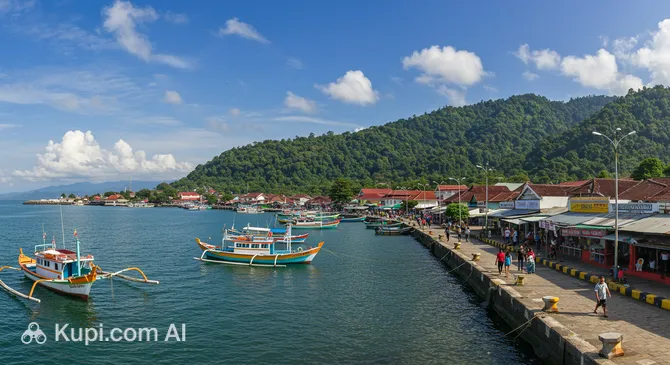
Tarakan. Source: Kupi.Binoculars

The city is deeply rooted in its industrial past, having been a significant site for oil production since the colonial era. Visitors interested in the past can delve into the history of Tarakan to understand its transformation from a quiet fishing village to a strategic oil center that played a notable role during World War II. Today, remnants of this heritage, such as old bunkers and museums, can still be explored, offering a glimpse into the events that shaped the island.

Beyond its historical significance, Tarakan is celebrated for its rich biodiversity. A top attraction is the Mangrove and Proboscis Monkey Conservation Area, located right in the heart of the city. Here, travelers can walk along wooden boardwalks to observe the endemic Bekantan (proboscis monkeys) in their natural habitat. For those seeking relaxation, Amal Beach offers scenic views of the sea and is a popular spot to enjoy fresh local seafood and the ocean breeze.

Whether you are transiting through North Kalimantan or looking to explore a destination that combines industrial heritage with unique ecological treasures, Tarakan welcomes you with open arms. It is an excellent starting point for an unforgettable journey through this intriguing part of the world.
Weather Overview

Travelers visiting this part of North Kalimantan should prepare for a consistent tropical climate where temperatures remain remarkably stable throughout the year. The average temperature hovers steadily around 27°C, with daytime highs typically reaching 29°C and nighttime lows dipping to approximately 25°C. There is very little seasonal variation, meaning you can expect warm conditions regardless of when you choose to visit.

Rainfall is a constant companion in the region, characterized by a very high frequency of rainy days. The data indicates that you can expect between 24 and 30 wet days per month, suggesting that rain is a near-daily occurrence. Despite the high frequency, the recorded precipitation volume is surprisingly low, generally fluctuating between 7mm and 11mm per month. To help plan your packing list and itinerary, we recommend checking the detailed guide to the weather in Tarakan.

Interesting Facts

Beyond its reputation as an industrial hub, Tarakan holds several fascinating secrets that offer a deeper look into its heritage and daily life.
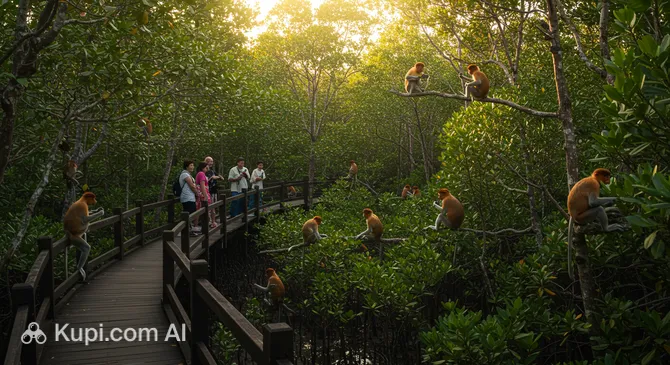
Mangrove and Proboscis Monkey Conservation Area. Source: Kupi.Binoculars
  • The name "Tarakan" originates from the local Tidung language, combining "Tarak" (meeting) and "Ngakan" (eating), which reflects the island's ancient history as a gathering spot where sailors and traders would stop to rest and barter.

  • It is one of the few places in the world where you can find a wildlife sanctuary right in the middle of a bustling city; the Mangrove and Proboscis Monkey Conservation Area protects a population of rare proboscis monkeys surrounded by urban development.

  • Tarakan played a pivotal global role during World War II, serving as the first target for Japanese forces in the Dutch East Indies in 1942 solely because of its strategic oil fields.

  • Remnants of the petroleum industry are woven into the city's landscape, where visitors can still spot traditional "nodding donkey" oil pumps operating in residential neighborhoods and public parks.

How to Get There

Reaching this island city is relatively straightforward, with air travel being the most common and convenient method for international and domestic tourists. As a key transport hub in North Kalimantan, the city is well-connected to major destinations in the region. For a comprehensive guide on all available transport options, including sea routes, you can read more about how to get to Tarakan.

The most direct entry point is Juwata International Airport (TRK), which is conveniently located within the city limits. Situated just 1.3 km from the city center, it serves as the primary gateway for visitors. A taxi or shuttle ride from the terminal to downtown typically takes around 20 minutes, making it an extremely accessible option. This facility handles a medium volume of passenger traffic, connecting Tarakan with cities like Jakarta, Surabaya, and Balikpapan.

Travelers exploring the wider Borneo region might also consider nearby transport hubs, though they require additional travel to reach Tarakan. Tawau Airport (TWU) is a significant alternative located in the city of Tawau, Malaysia, approximately 124 km away. Another option is Kalimarau Airport (BEJ) in the city of Berau, Indonesia, situated about 130 km from Tarakan. Since these airports are separated from Tarakan by sea or long distances, they are generally used as transit points rather than direct arrival hubs for the city itself.

For clarity, here is a summary of the main airports:

Airport Name City Passenger Traffic Km from City
Tawau Airport Tawau Large 124.6
Juwata International Airport Tarakan Medium 1.3
Sandakan Airport Sandakan Medium 289.5
Kalimarau Airport Berau Medium 130.6
Bario Airport Bario Small 237.6

There are no railway services available on Tarakan Island or in the immediate province of North Kalimantan. Visitors who do not arrive by plane typically travel by sea. Speedboats and ferries frequently connect Tarakan to nearby mainland ports such as Tanjung Selor and Malinau, as well as international routes from Tawau in Malaysia. It is advisable to check the latest ferry schedules upon arrival in the region.

Main Attractions

While Tarakan is often recognized for its industrial heritage, the city offers a selection of engaging sites for visitors to explore. From natural sanctuaries to culinary hotspots, the local attractions provide a well-rounded experience of life on this island in North Kalimantan.

Undoubtedly the most famous site is the Mangrove and Proboscis Monkey Conservation Area. Located surprisingly close to the city center, this protected forest serves as a sanctuary for the endemic proboscis monkeys, known for their distinctive long noses. Visitors can explore the area via a network of wooden boardwalks that wind through the thick mangroves, offering a rare chance to observe these shy primates and various bird species in a tranquil, natural setting.

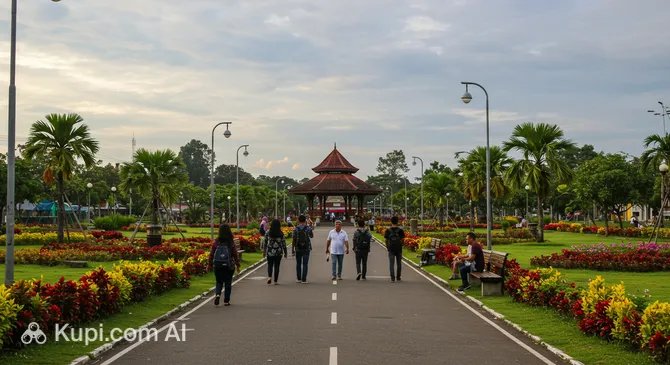
For those interested in local leisure and outdoor activities, Oval Park is a favorite gathering spot. This urban park functions as a green oasis where locals come to jog, relax, and socialize, especially in the late afternoons. It provides a pleasant atmosphere for a casual walk and is a great place to observe the daily rhythm of the city away from the busy streets.

Oval Park. Source: Kupi.Binoculars

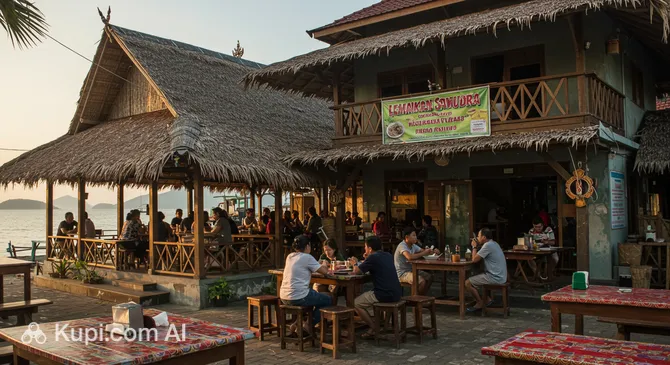
No trip to the island would be complete without tasting its famous seafood. Lemakan Samudra is a popular dining destination that highlights the region's maritime bounty. It is an excellent venue for tourists to sample fresh, locally sourced dishes, particularly the crab and prawn specialties that Tarakan is renowned for throughout Indonesia.

Lemakan Samudra. Source: Kupi.Binoculars

Travelers looking for evening entertainment can visit MR Fuji Karaoke & Cafe. As part of the city's nightlife scene, it offers a lively environment to unwind, enjoy music, and experience how the locals spend their leisure time after dark.

Local Cuisine

The culinary landscape of Tarakan is inextricably linked to the sea, making it a paradise for seafood lovers. As an island city in North Kalimantan, the local diet revolves around the fresh catch of the day, prepared with rich spices that characterize Indonesian cuisine. The freshness of the ingredients is the defining feature here, with many restaurants keeping live seafood in tanks to ensure the highest quality for diners.

The undisputed star of Tarakan's gastronomy is Kepiting Soka, or soft-shell crab. Tarakan is a major producer of these crabs, and they are a must-try for any visitor. Typically deep-fried to a crispy perfection or cooked in a savory salted egg sauce, the entire crab can be eaten, shell and all. Another local delicacy is Kapah, a type of white clam found in the coastal mudflats. These clams are usually boiled or stir-fried with chili and garlic, offering a sweet and briny taste that is distinct to the region.

For a true taste of the local food culture, visitors often head to the coastal areas, particularly around Amal Beach. Here, open-air eateries serve simple yet delicious meals accompanied by the ocean breeze. Alongside the seafood, you should try the locally harvested seaweed, which is often processed into refreshing drinks or snacks. To wash down the savory meals, fresh Es Kelapa Muda (young coconut ice) is the beverage of choice, providing a cool respite from the tropical heat.

While street food stalls offer an authentic vibe, there are also established venues where families and tourists gather for a feast. One such place is Lemakan Samudra, a restaurant well-regarded for its extensive seafood menu. It is an excellent spot to sample the famous soft-shell crab and grilled fish in a comfortable setting, showcasing the best of what Tarakan's waters have to offer.

Travel Tips

To ensure your trip to Tarakan is as smooth and enjoyable as possible, we have compiled a set of practical tips covering local customs, logistics, and daily life. Whether you are here for the historical sites or the natural mangroves, these insights will help you navigate the city with confidence and respect for the local culture.

  1. Clothing and Gear: Given the tropical humidity and frequent rainfall, pack lightweight, breathable fabrics like cotton or linen. Modesty is appreciated in this region, so avoid overly revealing clothing; covering your shoulders and knees is recommended, especially when visiting religious sites or rural areas. Don't forget to bring a sturdy umbrella or a raincoat, as showers can occur unexpectedly, and comfortable walking shoes are a must for exploring parks and boardwalks.
  2. Transportation: The most common way to get around the city is by using Angkots (public minivans), which follow specific routes and are very affordable. For a more direct and comfortable option, ride-hailing apps like Grab and Gojek are widely available and often easier for tourists than hailing traditional taxis. If you prefer independence, renting a scooter is a popular choice, but ensure you have an international driving permit and always wear a helmet.
  3. Finances: The official currency is the Indonesian Rupiah (IDR). While credit cards are accepted at major hotels and some modern restaurants, "Cash is King" in Tarakan. You will need small denominations for street food vendors, local markets, and public transport. ATMs are readily available in the city center, but it is wise to withdraw enough cash before heading to more secluded spots like Amal Beach.
  4. Health and Safety: Tarakan is generally a safe city for travelers, but standard precautions apply; keep an eye on your belongings in crowded markets. Pharmacies, known locally as Apotek, are easy to find for basic medical supplies. Always drink bottled or filtered water, and since this is a tropical island, applying mosquito repellent regularly is essential to prevent insect-borne illnesses.
  5. Communication: Bahasa Indonesia is the primary language spoken. English is not widely understood outside of the airport and high-end hotels, so learning a few basic phrases like "Terima Kasih" (Thank you) and "Pagi" (Morning) will go a long way. For internet connectivity, it is highly recommended to purchase a local SIM card (Telkomsel usually has the best coverage in this region) upon arrival to use maps and translation apps.
  6. Local Etiquette: Indonesians are known for their politeness and smiles. When greeting people, a handshake is common, often followed by touching your hand to your chest as a sign of respect. Always use your right hand for eating, giving, or receiving items, as the left hand is considered unclean. Additionally, remember to remove your footwear before entering someone's home or a mosque.
  7. What to Avoid: Avoid public displays of affection, such as kissing or hugging, as local culture is conservative. Also, refrain from touching people on the head, including children, as the head is considered the most sacred part of the body in local tradition.
  8. Local Insight: Wake up early to visit the traditional markets. Not only is the temperature cooler, but this is also when the catch of the day is freshest. It is the perfect opportunity to buy popular local souvenirs like dried shrimp and salted fish, which Tarakan is famous for producing.

By keeping these practical tips in mind, you will be well-prepared to immerse yourself in the vibrant life of Tarakan. Enjoy the warm hospitality of the locals and the unique experiences this North Kalimantan island has to offer!

Entertainment & Nightlife

Entertainment in Tarakan after dark offers a distinct shift from the bustling industrial rhythm of the day to a more relaxed, social atmosphere. While the city is not known for wild nightclubs or raucous parties, it boasts a lively scene centered around "nongkrong"—the Indonesian art of hanging out. The nightlife here is dominated by karaoke lounges, vibrant coffee shops, and open-air eateries where locals gather to unwind, sing, and enjoy good conversation late into the night.

Karaoke is a favorite pastime in Tarakan, and it serves as the primary form of evening entertainment for both residents and visitors. Venues typically offer private rooms equipped with modern sound systems, allowing groups to sing their hearts out in comfort. A popular choice for this experience is MR Fuji Karaoke & Cafe. This venue combines a fun singing environment with a cafe setting, making it an excellent spot to enjoy snacks and drinks while experiencing the local enthusiasm for music.

MR Fuji Karaoke & Cafe. Source: Kupi.Binoculars

For those who prefer a culinary adventure as their evening entertainment, the city's dining scene remains active well into the night. Seafood restaurants are the heart of Tarakan's social life, often buzzing with families and groups of friends. Lemakan Samudra is a prime location to enjoy a substantial dinner in a lively atmosphere. Alternatively, if you are craving familiar international flavors after a long day of travel, you can head to Pizza Hut, which offers a recognizable menu and a comfortable, air-conditioned environment in the city center.

The areas around Jalan Yos Sudarso and Jalan Mulawarman are generally the most active parts of town after sunset. Here, you will find bright lights, street food vendors selling grilled corn and sweet martabak, and a steady flow of traffic. The dress code throughout the city is casual and modest; t-shirts and jeans are the norm. Most venues stay open until around midnight, though some karaoke spots may operate a bit later on weekends.

Getting around at night is relatively safe and convenient. Ride-hailing apps like Grab and Gojek are the best way to move between venues, avoiding the need to navigate local transport routes in the dark. While Tarakan is generally safe for tourists, it is advisable to stick to well-lit main streets and avoid walking alone in quiet, unlit areas on the outskirts. Prices for entertainment and food are very affordable compared to larger Indonesian cities, making a night out wallet-friendly.

Before the sun goes down, Tarakan offers a different set of diversions. Daytime entertainment is more focused on cultural and historical exploration. Visitors can spend their afternoons visiting the Roemah Boendar (Round House) museum to learn about the colonial era, or exploring the bunkers and memorials scattered across the island that tell the story of World War II. Whether day or night, the city provides ample opportunity to engage with its unique history and local culture.

Parks & Museums

Tarakan is not just an industrial hub; it is a city dotted with refreshing green spaces and poignant historical landmarks that tell the story of its turbulent past. For tourists, exploring these parks and museums offers a balanced experience of nature and culture, providing a deeper understanding of the island's identity beyond its oil heritage.

One of the most accessible green areas is Oval Park. Located centrally, this park serves as a communal living room for the city's residents. It is beautifully landscaped with manicured lawns and walking paths, making it an ideal spot for a leisurely afternoon stroll or a morning jog. The atmosphere here is lively yet relaxing, providing a glimpse into the everyday life of the locals who gather here to socialize and exercise.

For a deeper immersion in nature, the Mangrove and Proboscis Monkey Conservation Area is unparalleled. This protected forest is a vital lung for the city, preserving a dense ecosystem of mangrove trees within the urban landscape. It is fascinating for visitors because it allows you to step directly from the city streets into a wild habitat, where you can walk along wooden boardwalks and observe the unique proboscis monkeys leaping between branches in their natural environment.

Another notable spot is Taman Berlabuh, a waterfront park that has become a favorite destination for sunset chasers. Facing the sea, it offers a refreshing ocean breeze and includes a playground for children, making it a family-friendly location. The park typically comes alive in the late afternoon, offering a perfect blend of scenic views and a relaxed ambiance near the harbor.

Delving into the city's cultural heritage, the Roemah Boendar (Round House) Museum is a significant architectural landmark. Originally built by the Dutch colonial administration in the late 1930s, this building features a unique curved roof and design. Inside, it houses a collection of historical photographs and artifacts that chronicle the city's development, offering an intimate look at life in Tarakan during the colonial era.

History enthusiasts should also visit the Tarakan History Museum (Museum Sejarah Tarakan). This facility is dedicated to preserving the memory of the fierce battles fought on the island during World War II. The exhibits include remnants of war machinery, uniforms, and detailed narratives about the Japanese occupation and the subsequent Allied liberation, providing a somber but educational insight into the region's strategic importance.

Scattered across the island are various open-air historical sites, such as the Peningki Lama Japanese Bunkers. These concrete fortifications and coastal cannons stand as silent sentinels overlooking the sea. Exploring these sites offers a tangible connection to the events that shaped the Pacific theater of the war, allowing visitors to walk through history in the open air.

For a truly authentic experience, keep an eye out for the old Dutch "Wash Tank" site or the heritage oil pumps that still operate in parts of the city. These industrial relics are often overlooked by casual tourists but offer a unique photographic backdrop that captures the true essence of Tarakan's identity as a historic oil city.

Getting Around

The public transport system in Tarakan is straightforward and relies entirely on road-based vehicles, as there are no metro, tram, or railway networks available. The backbone of local transit is the Angkot (public minivan), which serves as the primary means of moving around the city for residents. These minivans follow specific routes that cover most key areas, including markets, the harbor, and residential districts. They are easily recognizable by their color, and while they do not have fixed timetables, they run frequently throughout the day.

For tourists, the most convenient and user-friendly option is often ride-hailing apps. Services like Grab and Gojek are fully operational in the city and offer both car and motorcycle taxi (Ojek) options. Using these apps eliminates the language barrier associated with explaining destinations to drivers and provides a fixed price before the journey begins. Motorcycle taxis are particularly effective for navigating traffic quickly and are a popular choice for solo travelers.

Payment for traditional public transport is exclusively cash-based. There are no travel cards, digital passes, or tap-on systems for the Angkots. Passengers should carry small denominations of the local currency, as drivers often have limited change for large bills. Fares are generally very affordable, typically costing a few thousand rupiahs per ride. Conversely, if you choose ride-hailing services, you can pay via the app using a linked credit card or e-wallet, though paying cash directly to the driver at the end of the trip is also widely accepted.

Using the Angkot system requires a bit of local know-how. There are no designated bus stops in the strict sense; you can hail a minivan from anywhere along its route by simply waving your hand. To disembark, tell the driver "Kiri" (meaning "left" or "pull over") when you are approaching your destination. It is advisable to have a map open on your phone to track your location, as routes can sometimes be confusing for first-time visitors.

In terms of operating hours, public minivans are most active from early morning, around 6:00 AM, until the late afternoon. Service frequency drops significantly after sunset, and it can be difficult to find an Angkot after 7:00 PM. For evening travel, ride-hailing apps or conventional taxis are the only reliable alternatives. Conventional taxis are mostly found waiting at the airport or major hotels rather than cruising the streets for passengers.

For those who prefer more independence, renting a scooter is a popular alternative. Rental shops are available in the city center, and having your own vehicle allows you to explore the island at your own pace, including reaching more secluded spots like Amal Beach. However, ensure you are comfortable driving in local traffic conditions and always wear a helmet. Car rentals are also available but usually come with a driver included, which can be a stress-free way to tour the city for a day.

Accommodation

Accommodation in Tarakan caters primarily to business travelers and transit passengers, reflecting the city's status as a commercial hub in North Kalimantan. Visitors will find a selection of lodging options that range from simple budget guesthouses, known locally as losmen, to comfortable mid-range hotels. While the city does not typically offer ultra-luxury resorts, the available establishments provide modern amenities suitable for a pleasant short-term stay.

For the most convenient experience, it is advisable to stay in the city center, particularly around major thoroughfares like Jalan Yos Sudarso or Jalan Mulawarman. Choosing a hotel in this area places you within walking distance of local dining spots, convenience stores, and entertainment venues. Alternatively, if you are on a quick layover, there are several accommodations located relatively close to Juwata International Airport, ensuring a stress-free connection for your next flight.

Booking accommodation in Tarakan is generally straightforward. Prices are quite reasonable compared to major tourist destinations in Indonesia, with most options falling into the budget to mid-range categories. While major hotels are listed on international booking platforms, some smaller, family-run establishments may rely on direct bookings or walk-ins. It is a good travel tip to book your room in advance, especially if you are visiting during national holidays or business events, to secure the best rates and availability.

Nearby Cities

For those looking to explore the surroundings, Tarakan serves as an excellent base for day trips or short visits to several interesting nearby locations. As a key transport hub in North Kalimantan, the city connects travelers to the wider wonders of Borneo, ranging from bustling urban centers to gateways for underwater adventures.

One of the most attractive destinations for a short visit is Berau. Located approximately 129 km from Tarakan, it is best known as the jumping-off point for the Derawan Archipelago. Nature lovers and divers frequently travel here to access some of Indonesia's most pristine marine parks, famous for their stingless jellyfish lakes, manta rays, and coral reefs. It offers a perfect escape into nature for those willing to venture a bit further from the city.

For a taste of metropolitan life in Kalimantan, Balikpapan is a popular choice. Although further away, it is well-connected by air and serves as a cosmopolitan contrast to Tarakan. Visitors can enjoy modern amenities, shopping, and culinary experiences, or visit the nearby sun bear sanctuary to see the mascot of the city in its natural habitat. It acts as a dynamic gateway to East Kalimantan.

Another fascinating stop is Samarinda, the capital of East Kalimantan. Situated on the banks of the mighty Mahakam River, this city offers a unique cultural experience centered around river life. It is an ideal destination for those interested in traditional markets, local textiles, and river cruises that lead deep into the heart of the Borneo rainforest.

City Population Distance (km)
Samarinda 753370 425
Balikpapan 598043 511
Palu 359350 533
Berau 170000 129
Bontang 161413 355

These nearby destinations offer a glimpse into the diverse culture and landscapes of the region, allowing travelers to extend their journey beyond Tarakan and discover the rich heritage of the Indonesian archipelago.

Shopping & Souvenirs

Shopping in Tarakan offers a distinctively local experience that contrasts with the glitzy mega-malls of Indonesia's larger metropolises. While you will not find high-end luxury boutiques here, the city provides a vibrant mix of modern retail centers and bustling traditional markets. The shopping scene is an excellent avenue for discovering the region's daily culture, where trade revolves around fresh maritime produce, affordable clothing, and unique regional snacks.

The commercial heartbeat of the city is centered around Jalan Yos Sudarso. This major thoroughfare is lined with a variety of shophouses, electronic stores, and convenience marts. It is the go-to district for locals needing anything from daily necessities to mobile phones. Another important area is Jalan Mulawarman, which hosts numerous smaller shops and local businesses, offering a lively atmosphere for a casual walk to see what goods are on offer.

For a more concentrated shopping experience, Gusher Plaza is the most prominent destination. Unlike a standard polished mall, Gusher Plaza functions as a massive commercial complex that blends a department store environment with a sprawling market. It is the busiest trade hub in the city, where visitors can find supermarkets, clothing outlets, and electronics all in one place. While Grand Tarakan Mall stands as the largest building structure, it is quieter and often serves more as a landmark than a comprehensive shopping venue compared to the bustle of Gusher.

The true soul of Tarakan's commerce lies in its markets. The Pasar Gusher, located within the Gusher complex, is a must-visit for anyone interested in the local economy. This wet market is famous for its abundance of fresh seafood, reflecting the island's status as a fishing hub. Here, you can see the day's catch of crabs, fish, and prawns being traded energetically. For a more traditional morning market experience, Pasar Tenguyun offers fresh vegetables, spices, and traditional cakes, providing a colorful start to the day.

When it comes to souvenirs, food items top the list. Tarakan is renowned for Amplang, a savory fish cracker usually made from mackerel or milkfish (bandeng). These crispy snacks are widely available and make for excellent gifts. Dried seafood, particularly high-quality dried shrimp (ebi) and salted fish, is another popular purchase. For non-food items, look for Batik Tarakan, which features distinctive motifs inspired by local nature, such as the proboscis monkey, mangrove trees, and crabs.

Store hours in Tarakan generally follow a standard pattern. Modern shops and the supermarket within Gusher Plaza typically open from 10:00 AM to 9:00 PM. Traditional markets, however, start much earlier, often buzzing with activity from 5:00 AM and winding down by the early afternoon. Regarding payment, cash is the primary mode of transaction, especially in markets and smaller stalls. While larger stores and supermarkets accept credit and debit cards, it is highly advisable to carry sufficient Indonesian Rupiah (IDR) for most purchases.

Tourists should be aware that Tarakan is not a designated tax-free shopping zone. The VAT refund schemes found in major international airports in Jakarta or Bali are generally not applicable or available here. Prices are fixed in supermarkets and department stores, but friendly bargaining is common and expected when buying fresh produce or souvenirs in the traditional markets.

Reached the end of the page?

That means the route is fully explored