Support

Long Seridan

About

Long Seridan is a captivating settlement tucked away in the lush interior of the Miri Division in Sarawak. Known for its serene atmosphere and breathtaking natural surroundings, this hidden gem offers a unique glimpse into the traditional lifestyle of the Kelabit people. Located within the heart of Malaysia, it serves as a tranquil retreat for travelers seeking to disconnect from the hustle of modern city life and immerse themselves in the pristine beauty of the Borneo rainforest.
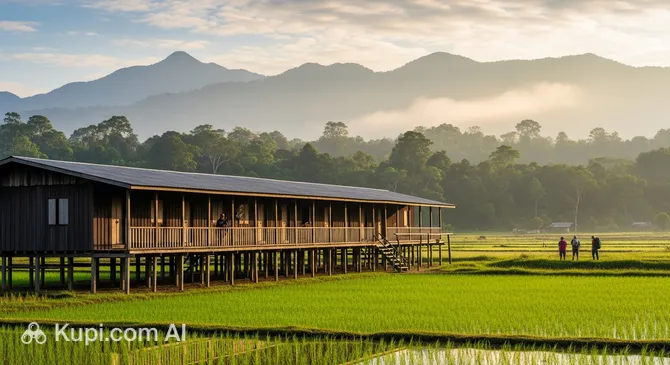
Long Seridan. Source: Kupi.Binoculars

Geographically, Long Seridan is situated along the banks of the Seridan River, surrounded by rolling hills and dense jungle vegetation. The climate here is typically tropical, with warm days and cooler, refreshing nights that are characteristic of the highlands. While the population is small, the community is renowned for its tight-knit nature and exceptional friendliness, making every visitor feel like an honored guest.

The cultural heritage of the area is rich and fascinating. Those wishing to learn more about how this remote community was established and has evolved over time should explore the history of Long Seridan. The village is deeply rooted in the traditions of the Orang Ulu, and the local architecture and customs reflect a life lived in harmony with the surrounding wilderness.

For nature enthusiasts, Long Seridan is a paradise waiting to be discovered. The area is a fantastic starting point for jungle trekking, offering trails that lead to spectacular waterfalls and scenic viewpoints. Visitors can also enjoy leisurely picnics by the crystal-clear river or engage in birdwatching to spot some of Borneo's exotic avian species. The genuine hospitality of the locals, often experienced through homestays, provides an authentic cultural immersion that is hard to find elsewhere.

If you are looking for an off-the-beaten-path adventure that combines ecological wonders with warm cultural exchanges, Long Seridan is the perfect destination. We invite you to visit this enchanting settlement and experience the peace and beauty of Sarawak's interior for yourself.

Weather Overview

The climate in Long Seridan is tropical and remarkably consistent, making it a year-round destination for nature lovers. Temperatures remain pleasant and stable, with average daily values hovering around 24°C. You can generally expect daytime highs to reach approximately 28°C, while the evenings bring a refreshing drop to around 20°C, providing a comfortable atmosphere for sleeping after a day of trekking.

Rainfall is a significant part of the local ecosystem, contributing to the lush greenery of the surrounding rainforest. Precipitation is frequent throughout the year, so it is wise to come prepared for showers. The wettest period typically occurs around December and January, where rain can be expected almost daily. For precise planning, travelers should consult the detailed forecast for the weather in Long Seridan before packing.

Even during the relatively drier months like July, which sees fewer wet days, rain is still common. Expect warm, humid conditions ideal for exploring the outdoors, but always keep a raincoat handy to stay dry during the frequent, often refreshing, downpours.

Interesting Facts

Long Seridan is more than just a scenic getaway; it is a place of deep cultural significance and natural wonder in the heart of the highlands. Here are some intriguing facts that make this remote settlement truly special:

  • Recreation on the Seridan River: The settlement is situated along the pristine Seridan River, known for its cool, crystal-clear waters. It serves as a natural playground where visitors can enjoy refreshing swims or relaxing picnics on the rocky banks, surrounded by the serenity of the rainforest.

  • A Hub for Penan Education: The village is home to the historic Long Seridan Primary School. This institution has long acted as a vital educational center for children from the nearby semi-nomadic Penan tribes, fostering a unique and enduring bond between the Kelabit and Penan communities.

  • Authentic Homestay Culture: Unlike destinations with commercial hotels, accommodation here is defined by warm, family-run homestays. This arrangement allows travelers to fully immerse themselves in the local lifestyle, experiencing the legendary hospitality of the Kelabit people firsthand.

  • An Adventure in the Sky: Accessing the village is an attraction in itself due to its reliance on a STOLport (Short Take-Off and Landing airport). The journey involves a small Twin Otter plane navigating through narrow mountain valleys, providing passengers with thrilling, close-up views of the untouched jungle canopy.

How to Get There

Reaching the remote highlands of Sarawak is an adventure in itself, often requiring a journey through the clouds to access the dense interior. You can discover more about how to get to Long Seridan and the specific transport schedules on our detailed guide.

The primary and most reliable way to access the settlement is by air. MASwings operates flights using Twin Otter aircraft that land directly at Long Seridan Airport (ODN). The main gateway for these flights is Miri Airport (MYY), which serves as the primary hub for travel into the interior. Flights are also available from Marudi. This aerial route is not only the fastest option but also offers spectacular views of the rainforest canopy below.

Traveling by road from Miri is possible but is generally considered a rugged expedition rather than a standard commute. The journey requires a robust 4WD vehicle to navigate the network of logging tracks and unpaved roads. It takes significantly longer than flying—typically 5 hours or more—and road conditions can be unpredictable depending on the weather. Consequently, air travel remains the preferred option for most visitors.

It is important to note the situation regarding Mulu Airport (MZV). While it is geographically located just 29.9 km from Long Seridan, there is no standard road connection for tourists between Mulu and Long Seridan. The proximity on a map can be deceptive due to the dense jungle terrain, so travelers should not plan on a quick land transfer between these two locations.

For reference, here is a summary of the major airports in the wider region:

Airport Name City Passenger Traffic Km from Long Seridan
Miri Airport Miri Large 125.6
Brunei International Airport Bandar Seri Begawan Large 107.4
Labuan Airport Labuan Medium 147.0
Mulu Airport Mulu Small 29.9
Bario Airport Bario Small 53.4

Main Attractions

Long Seridan is a destination defined by its pristine nature and rich cultural tapestry rather than commercial tourist spots. The attractions here are woven into the landscape and the daily lives of its people, offering visitors a chance to engage directly with the rainforest and the community. Here are the main highlights to explore during your stay.

The Seridan River and Tagang System
The heart of the village is undoubtedly the river that runs through it. The water is exceptionally clear and cool, making it perfect for a refreshing swim or a riverside picnic on the rocky banks. A major highlight is the local Tagang system, a river conservation initiative where specific zones are protected to allow fish populations to thrive. Visitors can experience the unique joy of feeding the protected Ikan Semah (Semah fish), which gather in the shallows, showcasing the community's successful commitment to preserving their natural resources.

Jungle Trekking to Waterfalls
For those who love adventure, the surrounding rainforest offers numerous trekking trails ranging from easy walks to more challenging hikes. These paths often lead to stunning, hidden waterfalls tucked away in the dense greenery. The sound of cascading water and the chance to bathe in natural jungle pools provide a rewarding end to a hike. Local guides can lead you through these ancient paths, pointing out unique flora, towering trees, and medicinal plants used by the indigenous people.

Cultural Immersion with the Kelabit Community
The village itself is a living attraction. Staying in Long Seridan allows you to experience the traditional lifestyle of the Kelabit people firsthand. Visitors are often welcomed into family homes or community gatherings, where they can observe daily activities, taste traditional highland cuisine, and learn about local customs. The genuine warmth and hospitality of the residents transform a simple visit into a deep cultural exchange that is often the highlight of the trip.

Visits to Penan Settlements
Long Seridan serves as a gateway to the settlements of the Penan people, a tribe historically known for their nomadic lifestyle in the Borneo rainforests. Short treks can take you to nearby Penan villages, where you can learn about their unsurpassed jungle survival skills, blowpipe hunting techniques, and intricate basket weaving. It is a rare and educational opportunity to gain insight into one of Borneo's most fascinating indigenous cultures.

Local Cuisine

The cuisine of Long Seridan is a delightful reflection of the surrounding rainforest and the rich culture of the Kelabit people. It is defined by freshness and simplicity, with most ingredients sourced directly from local farms, the pristine river, or the jungle itself. Visitors can expect organic meals that are hearty, flavorful, and prepared using traditional methods that have been passed down through generations, offering a true "jungle-to-table" experience.

A signature dish you will undoubtedly encounter is Nuba Laya, which consists of soft, mashed rice wrapped in distinctive leaves to preserve its moisture and fragrance. This staple is typically served alongside savory accompaniments such as Manok Pansoh, a flavorful dish where chicken is cooked inside bamboo stalks over an open fire with aromatic herbs and tapioca leaves. Vegetable lovers should not miss Midin, a crunchy wild jungle fern that is often stir-fried with garlic or shrimp paste, providing a unique texture and taste found only in Borneo.

When it comes to beverages, the local hospitality often involves a glass of Tuak. This traditional rice wine is brewed locally and is a staple during festivals, celebrations, and welcoming ceremonies, known for its smooth yet distinct flavor. For non-alcoholic options, visitors can enjoy locally grown coffee, usually served black and sweet, or simply drink the fresh, cool mountain water, which is some of the purest you will find.

The food culture in Long Seridan is intimately tied to the concept of community and hospitality. There are no commercial restaurants, fast-food outlets, or street food stalls in the village. Instead, dining takes place almost exclusively within homestays. Tourists eat with their host families, gathering around a communal table to share a spread of dishes. This arrangement not only ensures authentic, home-cooked flavors but also provides a wonderful opportunity to bond with locals and learn the stories behind their culinary traditions.

Travel Tips

Visiting Long Seridan is a rewarding journey into the heart of Borneo, but traveling to such a remote interior settlement requires careful preparation unlike a standard city trip. To ensure your adventure is as smooth and enjoyable as possible, here are some practical tips to help you pack and plan effectively.

  1. Jungle-Ready Clothing and Gear: Since the climate is hot and humid with frequent rain, pack lightweight, quick-drying clothes and a reliable raincoat or poncho. For trekking, sturdy hiking boots with good grip are essential, and leech socks are highly recommended to protect against jungle leeches. Don't forget a universal travel adapter (Type G) and a high-capacity power bank, as electricity supply in rural areas can sometimes be intermittent.
  2. Walking is the Way: Once you arrive in the village, forget about taxis, buses, or ride-hailing apps; Long Seridan is a community best explored on foot. The village is compact, and trails to nearby attractions are meant for hiking. If you need to travel to a neighboring settlement, arrangements must be made in advance for a private 4WD vehicle or a boat, usually organized through your homestay host.
  3. Cash is King: There are absolutely no ATMs or banks in Long Seridan, and credit cards are not accepted. You must withdraw sufficient Malaysian Ringgit (MYR) in Miri or a major city before your flight. Calculate enough cash to cover your accommodation, meals, guide fees, and souvenirs (like local handicrafts or Bario rice), plus a buffer for emergencies.
  4. Health and Self-Sufficiency: Medical facilities are very basic, limited to a rural clinic for minor issues. You should bring a comprehensive personal first aid kit containing painkillers, antihistamines, motion sickness pills (for the small plane), and any personal prescription medication. A strong insect repellent containing DEET is crucial to ward off mosquitoes and sandflies.
  5. Expect a Digital Detox: Mobile network coverage in the interior is often non-existent or limited to specific spots near the school or airport, and usually supports only voice calls or basic text. Do not rely on having 4G or Wi-Fi. Inform your family beforehand that you might be offline, and download offline maps or reading materials before you depart.
  6. Homestay Etiquette: As you will likely stay with a local family, respecting house rules is vital. Always remove your shoes before entering the main house or living areas. It is polite to accept food or drink offered to you, even just a small taste. If you are unsure about cultural norms, simply ask your host—they are generally very open and happy to guide you.
  7. Respect the Rainforest: When trekking, never remove plants, disturb wildlife, or leave litter behind. The locals view the jungle as their supermarket and pharmacy; damaging it is considered disrespectful. Also, avoid wandering into the deep jungle without a local guide, as trails can be confusing and weather conditions can change rapidly.
  8. Gifts for Hosts: While not mandatory, it is a warm gesture to bring a small gift for your homestay family. Items that are hard to get in the highlands, such as fresh fruits (like apples or grapes), biscuits, or simple toys for children, are always appreciated and help build a bond with your hosts.

By packing smart and embracing the simple, communal lifestyle of the Kelabit people, you will find that the lack of modern conveniences is far outweighed by the richness of the experience. Go with an open mind, and Long Seridan will welcome you as one of its own.

Entertainment & Nightlife

Entertainment and nightlife in Long Seridan offer a completely different experience from the bustling clubs and neon-lit streets found in major cities. In this remote highland settlement, you will not find commercial bars, discos, or designated nightlife districts. Instead, the evening atmosphere is defined by profound tranquility, the immersive sounds of the jungle, and the warm, communal social life of the Kelabit people. The "nightlife" here revolves around connection—both with nature and with your hosts.

The primary setting for evening entertainment is the homestay or the village's communal areas. After the sun sets, the social scene shifts to the verandas and living rooms of local families. Here, the atmosphere is intimate and incredibly welcoming. Visitors are often invited to join their hosts for a session of storytelling and conversation, often accompanied by Tuak, the traditional locally brewed rice wine. This is not a place for loud music or dancing until dawn, but rather for cultural exchange, where you can learn about the folklore, history, and daily life of the indigenous tribes directly from the elders.

For those seeking a different kind of excitement, the surrounding rainforest comes alive at night. Night walks are a popular activity, usually guided by a local expert. Armed with a flashlight, you can explore the jungle trails to spot nocturnal wildlife, such as unique frogs, insects, and perhaps even slow lorises. The lack of light pollution also makes Long Seridan a world-class destination for stargazing. On a clear night, the sky transforms into a dazzling canvas of stars, offering a view of the Milky Way that is rarely visible in developed areas.

Practical advice for evenings in Long Seridan centers on preparation and respect for the local rhythm. The village generally quiets down early, often by 9:00 PM or 10:00 PM, as locals rise early for farming or school. There is no dress code, but it is highly recommended to wear long trousers and long-sleeved shirts to protect against mosquitoes and the cooling highland air. Always carry a reliable headlamp or flashlight, as street lighting is minimal to non-existent, and navigating the paths between houses can be pitch dark.

In terms of safety, the village is exceptionally secure regarding crime; however, physical safety is the main concern. Stick to known paths to avoid tripping on uneven ground or encountering snakes. If you wish to go beyond the immediate village compound at night, always go with a local guide. Since there are no taxis or public transport, getting around is entirely on foot. If you are visiting for the first time, simply ask your host to guide you to any community gatherings.

During the daylight hours, entertainment is much more active and physically engaging. Visitors spend their time exploring the cultural depths of the settlement or embarking on adventures in the wild. The days are typically filled with trekking to hidden waterfalls, picnicking by the pristine river, or visiting the historical markers of the village. While there are no museums or amusement parks, the living culture of the community and the biodiversity of the rainforest provide more than enough to keep any traveler engaged.

Parks & Museums

In Long Seridan, the concept of parks and museums is redefined by the pristine wilderness and the vibrant, living heritage of its people. Instead of manicured city gardens and glass-encased exhibits, visitors here are invited to explore an expansive natural playground and immerse themselves in a culture that breathes through daily life. The entire settlement serves as an open-air gallery of the Kelabit and Penan lifestyles, set against the backdrop of the lush rainforests of Malaysia.

The Seridan River and Tagang Conservation Area
Functioning as the village's central "park," the banks of the Seridan River offer a serene escape that rivals any designed landscape. The community has established a Tagang system, a river conservation zone where fishing is strictly prohibited to allow fish populations to regenerate. For tourists, this is a unique natural attraction where you can stand in the crystal-clear water and hand-feed the protected Ikan Semah. It is a perfect spot for picnics and relaxation, offering a genuine connection with nature that feels far more intimate than a standard public park.

The Borneo Rainforest Trails
While not a fenced "park," the dense jungle surrounding Long Seridan acts as a boundless botanical garden. A network of trails leads adventurers through towering dipterocarp trees, wild orchids, and exotic ferns. One of the most rewarding hikes leads to the majestic Long Seridan Waterfall. This natural sanctuary is ideal for those who wish to observe the rich biodiversity of Sarawak, from hornbills flying overhead to rare medicinal plants used by the locals, providing an educational experience that surpasses any botanical conservatory.

The "Living Museum" of Kelabit Culture
Long Seridan does not have a formal building labeled as a museum; rather, the village itself acts as a living museum. The traditional lifestyle is preserved not in artifacts, but in practice. Visitors staying in homestays can observe and participate in age-old traditions, such as the processing of Bario rice and the production of Garam Bukit (mountain salt). The oral history shared by the elders in the evenings provides a deeper understanding of the region's past, headhunting era, and spiritual beliefs than any plaque or guidebook could offer.

Penan Cultural Insights
The nearby settlements of the semi-nomadic Penan tribe offer a rare cultural gallery for those interested in anthropology and indigenous history. Unlike a static exhibit, a guided visit to a Penan family allows tourists to witness the incredible craftsmanship of blowpipe making and intricate basket weaving. It is a profound educational opportunity to learn about the survival skills and deep forest knowledge of a people who have called the jungle home for centuries.

For a truly authentic experience, ask your local guide to show you the unique rock formations scattered along the riverbanks. These geological features often come with fascinating local legends that add a layer of mythical wonder to the stunning landscape.

Getting Around

Travelers planning a visit to Long Seridan should be aware that there is no conventional public transport system within the settlement. Due to its remote location in the interior highlands, you will not find buses, trains, metros, or official taxis operating here. The infrastructure is minimal, designed to support a small, close-knit community rather than mass tourism, meaning the standard rules of urban commuting do not apply.

The primary and most effective way to navigate the village is simply walking. The settlement is compact, with homestays, the school, and the airstrip all located within a relatively short distance of one another. Most paths are unpaved or simple trails, so comfortable walking shoes are your best mode of transport. For exploring the immediate surroundings, such as nearby farms or river spots, being on foot is not only necessary but also the best way to soak in the atmosphere.

For journeys that go beyond the village—such as visiting neighboring settlements or accessing specific trekking points—transport relies entirely on private arrangements. The locals use longboats to navigate the river or robust 4WD vehicles to tackle the logging tracks. These are not scheduled services; they must be organized specifically for your trip. Your homestay host is the key contact for setting this up, effectively acting as your dispatcher for any logistical needs.

Regarding payment, the concept of travel passes, ticket machines, or transport apps does not exist here. All transactions for private boat or vehicle hire are conducted strictly in cash. Prices are usually fixed by the local operators or negotiated beforehand based on fuel costs and distance. It is crucial to carry sufficient small denominations of currency, as drivers and boatmen will not have card terminals or the ability to process digital payments.

Since there are no ride-hailing apps like Grab or Uber, spontaneity can be difficult. Tourists are advised to plan all movements in advance. If you require a transfer to a trailhead or a boat ride upriver, discuss this with your host at least a day before. Operating hours are dictated by daylight and weather; river travel is dangerous after dark or during heavy rains, so always aim to complete your journeys while the sun is still up.

Accommodation

Accommodation in Long Seridan is a reflection of its remote, untouched nature. Travelers accustomed to browsing international booking platforms for luxury resorts, chain hotels, or backpacker hostels will find a completely different landscape here. The village does not have commercial hotels; instead, the hospitality sector is built almost entirely on homestays. This arrangement offers a unique opportunity to live alongside the Kelabit people, sharing their roof, their food, and their daily rhythms.

The "areas" to stay in are essentially limited to the main village settlement. Since Long Seridan is a small, tight-knit community, all accommodation options are centrally located near the airstrip, the school, and the river. Location is rarely a deciding factor, as every house is within walking distance of the jungle trails and the riverbanks. Staying here means you are immersed in the heart of the community, with the rainforest right at your doorstep.

Facilities in these homestays are basic but comfortable and clean. Guests typically receive a private room or a partitioned sleeping area with a mattress and mosquito net. Bathrooms are usually shared and may offer cold showers, which are surprisingly refreshing in the tropical heat. Electricity is often supplied by solar panels or generators and may be limited to the evening hours, so it is wise to charge devices when power is available. The charm lies not in five-star amenities, but in the warmth of the hosts who treat visitors like extended family.

Booking accommodation in Long Seridan requires a different approach than usual. You will not find these properties listed on major instant-booking websites. Advance planning is essential. It is highly recommended to arrange your stay before you arrive, either through a tour operator in Miri or by contacting community representatives directly if you have local contacts. "Walk-ins" are difficult because hosts need time to purchase supplies and prepare meals, which are almost always included in the accommodation price due to the lack of restaurants.

The price range is generally budget-friendly, though costs are often quoted as a package that includes lodging, three home-cooked meals a day, and sometimes guide fees for local treks. Payment is strictly cash only, so ensure you bring enough Malaysian Ringgit to cover your entire stay and any extras. By choosing to stay here, you are not just finding a place to sleep; you are directly supporting the local economy and preserving the traditional way of life in the highlands.

Nearby Cities

For travelers planning their onward journey or looking to explore the wider region, there are several notable cities to visit next that serve as vital connections to the rest of Borneo.

Miri is the most critical hub for anyone visiting the interior, acting as the primary gateway for flights to and from the highlands. Often called Malaysia's "Resort City," it provides a comfortable transition with its mix of modern amenities and coastal beauty. Visitors can discover the "Grand Old Lady" on Canada Hill, representing the country's petroleum history, or enjoy the sunset at Brighton Beach (Tanjung Lobang). Its markets and food scenes are excellent places to experience the diverse culture of Sarawak before or after a jungle adventure.

Bintulu presents a unique blend of industrial development and natural splendor. Located along the coast, it is best known as the entry point to Similajau National Park, a coastal reserve famous for its golden beaches and sightings of saltwater crocodiles. The town offers a quieter, more laid-back atmosphere compared to larger capitals, making it an interesting stop for those curious about the intersection of modern economy and nature conservation.

Kota Kinabalu, the capital of the neighboring state of Sabah, offers a vibrant metropolitan experience. While it requires a longer journey to reach, it serves as a major regional destination known for the stunning Tunku Abdul Rahman Marine Park and the majestic backdrop of Mount Kinabalu. It is a bustling center for commerce and tourism, ideal for travelers seeking island hopping, fresh seafood markets, and a lively urban pace.

City Population Distance (km)
Kota Kinabalu 452,058 248
Sandakan 396,290 392
Miri 234,541 126
Lahad Datu 199,830 380
Bintulu 114,058 242

These destinations provide a diverse range of experiences, from coastal relaxation to urban exploration, completing a travel itinerary in Borneo.

Shopping & Souvenirs

Shopping in Long Seridan is a world away from the commercial experience of modern cities. As a remote settlement deep in the Sarawak interior, there are no shopping malls, supermarkets, or high streets lined with boutiques. Instead, the shopping scene here is intimate, community-based, and focused entirely on locally produced goods. Visitors should view shopping not as a transaction, but as a cultural exchange and a way to directly support the livelihood of the Kelabit families living here.

There are no designated shopping districts or commercial streets in the village. The "shopping area" is effectively the village itself, particularly the communal verandas of the homestays or the main community hall during gatherings. In many cases, if you are interested in purchasing something, you simply ask your host, and they will direct you to a neighbor who makes handicrafts or harvests produce. It is a door-to-door experience that often comes with a cup of tea and a story about the item you are buying.

Travelers looking for large retail complexes will not find them here. There are absolutely no shopping malls or department stores in Long Seridan. The nearest commercial centers are located in the coastal city of Miri, which is a flight away. Visitors are strongly advised to bring all essential supplies, toiletries, and batteries with them from Miri, as the small village tuck shops (if open) carry only extremely basic dry goods and snacks.

Unlike larger towns that have a central "Tamu" or wet market, Long Seridan does not have a permanent daily market. Fresh produce is usually grown by families for their own consumption or shared within the community. However, during festivals or when flights arrive, locals may set up small, informal stalls near the airstrip to sell surplus jungle vegetables, wild fruits, or river fish. These pop-up markets are unpredictable but offer the freshest organic ingredients you can find.

The true treasure of shopping in Long Seridan lies in its handicrafts and souvenirs. The Kelabit people are skilled artisans, and you can find exquisite items that make for meaningful keepsakes. Look for intricate beadwork, which is culturally significant to the Orang Ulu tribes, ranging from necklaces to traditional headgear. Hand-woven rattan baskets and mats are also popular, known for their durability and craftsmanship. Additionally, you may be able to purchase bags of the famous Bario rice (or locally grown highland rice) and mountain salt, both of which are culinary staples of the region.

When it comes to logistics, cash is the only method of payment. There are no credit card terminals or digital payment facilities in the village. Transactions are informal, and prices are often quoted verbally. Opening hours do not exist in the traditional sense; you can generally visit a local artisan during daylight hours, but it is polite to avoid meal times or late evenings unless invited. Always carry small denominations of Malaysian Ringgit (MYR), as sellers rarely have large amounts of change.

Tax-free shopping and refund schemes are not applicable in Long Seridan. The trade here is small-scale and local, operating outside the formal tax refund systems found in international airports or major tourist hubs. The value here is not in duty-free savings, but in the authenticity and rarity of the items you take home.

Reached the end of the page?

That means the route is fully explored