Support

Limbang

About

Limbang is a captivating town located in the northern region of Sarawak, Malaysia. Uniquely situated between the two disconnected parts of the Sultanate of Brunei, this riverside settlement offers a distinct blend of cultures and a tranquil atmosphere. With a population of approximately 25,000 residents, it serves as an important transit point and a lively hub for the surrounding rural communities, sitting picturesquely on the banks of the Limbang River.

Travelers interested in the past will find the history of Limbang quite intriguing, particularly its evolution during the era of the White Rajahs and its role in the region's trade. Today, the town retains a nostalgic charm that is reflected in its architecture and the friendly demeanor of its locals, making it a pleasant stop for those exploring the diverse landscapes of Borneo.

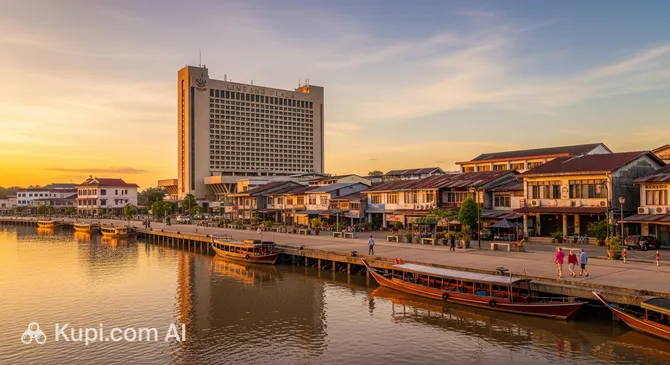
Limbang. Source: Kupi.Binoculars

Nature and culture enthusiasts will find several key attractions to explore here. The Limbang Regional Museum, housed in a fort originally built in 1897, offers fascinating insights into local heritage, archaeology, and culture. For those seeking outdoor activities, Bukit Mas (Gold Hill) provides a scenic hiking trail that rewards climbers with panoramic views of the town and the winding river below. Additionally, the bustling Tamu Limbang is a famous weekly market where visitors can discover unique local produce, fresh river food, and traditional handicrafts.

Whether you are passing through on an overland journey across Borneo or looking for an authentic slice of Sarawakian life, Limbang welcomes you with open arms. It is a delightful destination to experience the slower pace of life along the riverbank and enjoy the warm hospitality of Northern Sarawak.

Weather Overview

Limbang experiences a consistent tropical climate characterized by warm temperatures and frequent precipitation throughout the year. Visitors can expect a very stable environment where the average temperature remains pleasant, generally hovering between 26°C and 28°C regardless of the month.

The days are typically warm, with maximum temperatures peaking around 31°C in April and May, while nights are milder with minimums rarely dropping below 23°C. When planning your trip, it is wise to check the detailed weather in Limbang, as the region sees a significant number of wet days each month. Rain is a common occurrence year-round, with the number of wet days ranging from 21 to 29 per month, so keeping an umbrella or raincoat handy is highly recommended regardless of the season.

Interesting Facts

Beyond the scenic river views and historical forts, Limbang holds several fascinating details that make it truly unique in the region. This unassuming town is not just a transit point but a place with distinct geographical quirks and vibrant cultural traditions.

  • A Geographical Wedge: Limbang is famous for its unusual location, as it physically separates the Sultanate of Brunei into two disconnected parts. Travelers journeying overland between the two halves of Brunei must pass through this Malaysian district, making it a unique international corridor.

  • Sarawak's Buffalo Riders: The town is the heart of the Bisaya community's culture, best known for the annual Pesta Babulang festival. The highlight of this celebration is a thrilling buffalo race, where riders showcase their skills, earning the event a reputation as a unique rodeo experience in Borneo.

  • Volcanic Spa Treatment: Just a short drive from the town center lie the Meritam Mud Volcanoes. Unlike typical fiery volcanoes, these geological formations bubble with cool, grey mud that locals and visitors often apply to their skin, believing it possesses therapeutic and beautifying properties.

How to Get There

Reaching this riverside town is an adventure in itself, often involving a mix of overland travel, river crossings, or short-haul flights. For travelers planning their journey, you can find detailed information on all ways to reach the city to help choose the best route for your itinerary. Since the town is nestled between the two parts of Brunei, the journey often includes unique border crossings or scenic boat rides.

The town is directly served by Limbang Airport, a compact facility located just a few kilometers from the town center. While it does not handle large international aircraft, it provides vital domestic connectivity for the region. Travelers can catch flights here from other Sarawakian cities, such as Miri and Kuching, making it the most convenient option for those looking to fly directly into the heart of the district without long overland transfers.

For those arriving from abroad or seeking more extensive flight options, Brunei International Airport (BWN) in Bandar Seri Begawan is the closest major gateway, situated approximately 22.8 km away. Although geographically near, traveling from this airport requires crossing the international border between Brunei and Malaysia. A taxi or car ride typically takes around 55 minutes, though you should allow extra time for immigration clearance. This airport offers excellent international connectivity and is a popular entry point for visitors to the region.

Travelers staying within the Malaysian domestic network often choose Miri Airport (MYY), located about 123.1 km from Limbang. As a significant regional hub with high passenger traffic, it connects Sarawak to Kuala Lumpur and other major destinations. The overland journey from Miri to Limbang is a unique experience that passes through Brunei territory, taking approximately 3.5 hours by road depending on traffic and border checkpoints.

Another viable option is flying into Labuan Airport (LBU) on the federal territory of Labuan, roughly 66.0 km away in a straight line. Since Labuan is an island, the connection to Limbang is typically made via a direct speedboat or ferry service rather than by road, offering a scenic approach from the sea.

For clarity, here is a summary of the main airports in the vicinity:

Airport Name City Passenger Traffic Km from City
Miri AirportMiriHigh123.1
Brunei International AirportBandar Seri BegawanHigh22.8
Labuan AirportLabuanMedium66.0
Mulu AirportMuluSmall81.5
Bario AirportBarioSmall124.4

The city of Limbang does not have a railway station, and trains are not a part of the transport infrastructure in this region of Borneo. Visitors generally rely on the well-connected road network that links the town to Brunei and other parts of Sarawak, or they utilize the river transport system, which remains a popular and traditional method for moving between coastal settlements.

Main Attractions

Limbang may be a quiet riverine town, but it boasts a selection of intriguing sights that reflect its rich history and unique geography. From historical landmarks to natural wonders, the attractions here offer a genuine glimpse into the life and heritage of Northern Sarawak.

Limbang Regional Museum is the town's premier cultural institution, situated in a building that replicates an old fort from the White Rajah era. Although the original structure was destroyed, the reconstructed fort stands proudly on a hill overlooking the river. Inside, visitors can wander through exhibits dedicated to the diverse ethnic groups of the region, including the Bisaya and Lun Bawang. The collection features traditional costumes, musical instruments, and archaeological artifacts, making it a fascinating stop for anyone interested in local history and anthropology.

For a distinct natural phenomenon, travelers should venture out to the Meritam Mud Volcanoes. Located about 35 kilometers from the town center, this geological site is home to several active craters that gently bubble with cool, grey mud. It is a popular spot for both locals and tourists who often apply the mud to their skin, believing in its therapeutic benefits. The landscape here is quite surreal and offers a fun, interactive experience unlike any other in the district.

Taman Tasik Bukit Mas provides a refreshing escape into nature right on the edge of town. Known as "Gold Hill" due to local legends, this recreational park is a favorite for fitness enthusiasts and families. It features well-maintained jogging paths, a children's playground, and a scenic suspension bridge. A hike up the hill is rewarded with panoramic views of the town and the meandering Limbang River, which are particularly stunning during sunset.

The Limbang Waterfront serves as the communal heart of the city, offering a picturesque setting for a leisurely evening stroll. Facing the river that defines the town's existence, the esplanade is the perfect place to unwind and watch the small boats navigating the water. The atmosphere here is laid-back and welcoming, often bustling with locals enjoying the cool breeze and the vibrant colors of the twilight sky.

Local Cuisine

Limbang is a hidden gem for gastronomy enthusiasts, particularly celebrated for one specific delicacy that draws visitors from neighboring regions: the Giant Freshwater Prawn, locally known as Udang Galah. These river prawns are famous for their large size and sweet, firm flesh. Local restaurants typically serve them in a variety of styles, from simple steaming to highlight their natural freshness, to rich preparations with butter, garlic, or spicy curry sauces, making them a mandatory experience for seafood lovers.

Beyond the river's bounty, the town offers its own unique culinary staples, such as Limbang Mee. This local noodle dish is distinct from the more widespread Sarawak Kolo Mee, often featuring a different texture and served fried with a generous mix of bean sprouts and savory sauces. Another regional specialty to look out for is Ikan Tahai, a type of smoked fish that is a staple in the diet of Northern Sarawak. It has a potent, smoky aroma and is frequently cooked in spicy sambal or used to add depth to soups and vegetable dishes.

The food culture in Limbang is best experienced at the local markets and traditional coffee shops, known as kopitiams. The bustling Tamu Limbang is not just a place to buy produce but a spot to sample an array of traditional kuih (cakes) and local snacks sold by small vendors. The atmosphere in the town's eateries is laid-back and unpretentious, reflecting the friendly nature of the community where people of different backgrounds gather to enjoy their meals together.

To accompany your meal, try the popular Teh C Peng Special, a visually appealing three-layered tea drink made with melted palm sugar (Gula Apong), evaporated milk, and red tea. It is a refreshing favorite across Sarawak, perfect for cooling down on a warm day. During festive seasons, particularly among the indigenous communities, you might also encounter Tuak, a traditional rice wine that plays a central role in celebrations and welcoming guests.

Travel Tips

Visiting Limbang offers a unique slice of life in Northern Sarawak, and a little preparation goes a long way in making your trip smooth and enjoyable. Here are some practical tips to help you navigate this riverside town and its surroundings with ease.

  1. Clothing and Gear: Given the tropical climate, pack lightweight, breathable fabrics like cotton or linen to stay cool. Since rain is frequent throughout the year, a sturdy umbrella or a high-quality poncho is an absolute must-have in your day bag. If you plan to visit religious sites or rural villages, dress modestly by covering your shoulders and knees to show respect for local customs.
  2. Transportation: The town center is compact enough to explore on foot, which is the best way to soak in the atmosphere. For longer distances, local taxis are available, though they may not always use meters, so agree on a fare before hopping in. If you are traveling overland to Miri or Brunei, ensure you have your passport ready, as you will encounter multiple immigration checkpoints.
  3. Finances: The official currency is the Malaysian Ringgit (MYR). While credit cards are accepted in hotels and larger supermarkets, cash is king at the famous Tamu Limbang market and smaller eateries. ATMs are readily available in the town center, but it is wise to withdraw sufficient cash if you plan to head into the outskirts or cross borders where exchange rates might vary.
  4. Health and Safety: Limbang is generally very safe for tourists, but standard precautions apply. Pharmacies are available in the town center for basic supplies, and the Limbang Hospital handles medical emergencies. As this is a tropical region, carry effective insect repellent to protect against mosquitoes, especially if you are hiking Bukit Mas or visiting the mud volcanoes.
  5. Communication: English is widely understood and spoken, particularly in business and tourism sectors, making communication relatively easy. The official language is Bahasa Malaysia; knowing a few phrases like "Terima Kasih" (Thank you) and "Apa Khabar?" (How are you?) will be warmly received by the locals. SIM cards from major providers like Celcom and Digi can be easily purchased in town for reliable data coverage.
  6. Local Etiquette: Sarawakians are known for their friendliness and hospitality. When entering a local home or a place of worship, always remove your shoes. It is polite to use your right hand when eating, giving, or receiving objects, as the left hand is traditionally considered unclean for these actions. A smile and a nod are universal greetings here.
  7. What to Avoid: Avoid pointing at people or objects with your index finger, as this is considered rude in local culture; instead, use your thumb with your four fingers folded under. Also, refrain from raising your voice or showing outward anger in public, as maintaining "face" and harmony is important in social interactions.
  8. Border Crossing Tip: Since Limbang is sandwiched between two parts of Brunei, overland travel often involves crossing international borders. Ensure your passport has at least six months of validity and plenty of empty pages for stamps. Traffic at the checkpoints can be heavy during weekends and public holidays, so plan your travel time accordingly to avoid long queues.

With these tips in mind, you are all set to embrace the laid-back charm and warm hospitality of Limbang. Enjoy the delicious river prawns, the scenic views, and the friendly smiles that make this corner of Malaysia so special.

Entertainment & Nightlife

Nightlife in Limbang is defined by its relaxed, community-centric atmosphere rather than high-energy clubbing. Far removed from the neon lights of major metropolises, the evening entertainment here reflects the town's slow-paced, riverside lifestyle. The vibe is authentic and unpretentious, centered around open-air dining, socializing by the river, and the locally beloved pastime of karaoke. Visitors will find that the "nightlife" is less about partying until dawn and more about unwinding with good food, cool breezes, and friendly conversation.

The primary hub for evening activity is the Limbang Waterfront. As the sun sets, this esplanade transforms into a communal gathering space where families, teenagers, and tourists come to enjoy the fresh air. It is the most scenic spot for a night walk, offering peaceful views of the river against a backdrop of twinkling town lights. Just a stone's throw away, the Limbang Night Market (Pasar Malam) often springs to life, serving as a bustling venue for late-night snacks. Here, you can immerse yourself in the local culture, sampling freshly grilled satay, burgers, and sweet drinks while mingling with the crowd.

For those looking for indoor entertainment and adult beverages, the town center features a selection of karaoke lounges and small bistros located within the commercial shop lots. In Sarawak, singing is a popular way to de-stress, and these venues are often lively with locals showcasing their vocal skills. While you won't find expansive dance clubs, you can easily find a cozy spot to enjoy a cold beer and casual banter. A popular reference point in town is the Purnama Hotel, which serves as a central landmark; the surrounding streets often have coffee shops and eateries that stay open a bit later than the rest.

Practicality is key when planning a night out in Limbang. Most venues operate with a casual dress code—jeans and t-shirts are the norm everywhere. Establishments tend to close relatively early, often winding down by midnight. Public transportation and taxis are virtually non-existent late at night, so it is highly recommended to stay within walking distance of the town center or arrange a ride in advance if you are venturing further afield.

Safety is generally not a major concern, as Limbang is a quiet and safe town. The main streets and the waterfront area are well-lit and safe for pedestrians during the evening. However, as with any travel destination, it is wise to stick to populated areas and avoid unlit back lanes. If you need to move around the outskirts at night, rely on ride-hailing apps if available, or ask your hotel reception for assistance with local drivers.

While the nights are laid-back, the daytime offers its own set of diversions to fill your schedule before the sun goes down. You can explore the local history at the regional museum or take a hike up the scenic hills for a workout with a view. These daytime adventures perfectly complement the restful, culinary-focused evenings that make a visit to Limbang so rejuvenating.

Parks & Museums

Limbang offers a delightful selection of recreational spaces and cultural venues that allow visitors to connect with the region's natural environment and historical legacy. Beyond its bustling markets, the town maintains several well-preserved areas dedicated to leisure, education, and outdoor activities, providing a peaceful counterpoint to the commercial center.

The Limbang Regional Museum serves as the primary custodian of the district's history. Housed in a striking building designed to replicate an original fort from 1897, the museum sits atop a strategic hill, offering a commanding presence similar to the stronghold that once stood there. Inside, the galleries are meticulously arranged to educate visitors on the archaeology and ethnography of the region. The exhibits delve deeper than general displays, offering specific narratives about the administration during the White Rajah era and the unique cultural practices of the indigenous communities, making it an essential stop for history buffs seeking detailed context.

For those who enjoy immersion in nature, Taman Tasik Bukit Mas is the town's premier green lung. Situated at the foot of the iconic "Gold Hill," this park is centered around a tranquil lake that reflects the surrounding greenery, creating a serene atmosphere for relaxation. While it is a popular spot for casual jogging, the park also serves as the gateway for more adventurous hikers. The trails winding up the hill offer a rigorous workout amidst tropical flora, leading to elevated vantage points that provide a different perspective of the Limbang Valley compared to the river-level views.

A truly distinct outdoor experience can be found at the Meritam Mud Volcanoes park. This geological site is developed with visitor safety and convenience in mind, featuring wooden walkways that allow guests to navigate the marshy ground without difficulty. The park focuses on the observation of the natural phenomenon where cool mud bubbles up from the earth, creating a landscape that feels almost lunar. It is a fascinating place for geological observation, where the sounds of the bubbling craters create a unique soundscape amidst the quiet rural surroundings.

Closer to the town center, the Limbang Waterfront functions as a vibrant linear park. This beautifully landscaped esplanade stretches along the riverbank, providing a paved promenade that is perfect for long, uninterrupted walks. Unlike the enclosed parks, the waterfront offers an open-air environment where the cool river breeze is a constant companion. It is designed with ample seating and viewing points, allowing visitors to appreciate the rhythmic flow of the river and the architectural silhouette of the town in a leisurely, park-like setting.

Getting Around

Navigating Limbang is a straightforward experience, as the town is relatively compact and does not rely on complex mass transit systems like subways or trams. The public transport infrastructure is primarily composed of buses, minivans, and a significant river transport network. For most visitors, the town center is small enough to be explored comfortably on foot, allowing you to soak in the local atmosphere at your own pace without the need for constant vehicular travel.

For journeys beyond the immediate town center or to neighboring villages, local buses and minivans are the main mode of shared transportation. These vehicles typically congregate at the central bus terminal, which serves as the hub for routes heading towards the border areas or rural outskirts. These buses do not operate on a strict minute-by-minute schedule like in major metropolises; instead, they often depart when they have a sufficient number of passengers. It is a casual and authentic way to travel, offering a glimpse into the daily lives of the local residents.

A unique and vital component of the transport system here is the river service. Since the town is situated on the banks of a major river, speedboats and express boats are not just tourist attractions but essential means of commuting, particularly for connections to the nearby island of Labuan. The express boat wharf is located conveniently in the town center. If you plan to use this service, tickets are typically purchased at the terminal counters before boarding. These boats are fast, efficient, and offer a scenic alternative to road travel.

Taxis are readily available and provide a more private and direct way to reach your destination. You can usually find them waiting at designated stands near the bus terminal, the waterfront, or the airport. Unlike in larger capital cities, taxis here may not always use meters, so it is standard practice to negotiate and agree on the fare with the driver before starting your journey. Ride-hailing apps are also becoming an option in the region, offering a convenient alternative with fixed pricing, though the availability of drivers may vary compared to bigger cities.

When it comes to payment, cash is the undisputed king of public transport in Limbang. There are no complex travel cards, digital passes, or tap-on systems for local buses or taxis. You should carry small denominations of the local currency, as drivers may not always have change for large bills. Fares for local trips are generally very affordable. For the express boats, while the ticketing counters are more formal, paying in cash is still the norm, and it is advisable to buy your ticket a bit in advance, especially during weekends or public holidays.

Tourists should be aware that public transport services, particularly buses and vans, tend to operate largely during daylight hours. Services often wind down in the late afternoon or early evening, so it is wise to plan your return trips accordingly. If you need to travel at night, arranging a taxi in advance or using a ride-hailing app is the most reliable option. Validating tickets is generally not required for buses as you pay the driver directly, but for boat travel, you will need to present your purchased ticket upon boarding.

Accommodation

Accommodation in Limbang is primarily designed to cater to transit travelers and visitors from neighboring Brunei, offering a range of functional and affordable options rather than high-end luxury. The town does not feature sprawling 5-star resorts or international hotel chains; instead, visitors will find a modest selection of mid-range hotels, budget inns, and converted shophouse lodgings. These establishments focus on providing basic comfort and convenience, making them suitable for short stopovers or travelers exploring the district's natural attractions.

The most convenient area to stay is undoubtedly the town center, particularly near the Limbang Waterfront. Staying in this vicinity places you within walking distance of the main bus terminal, the express boat wharf, and the vibrant night market. Being centrally located means you can easily explore the town on foot, access local eateries, and enjoy the scenic river views without the need for additional transportation.

Among the limited options, the Purnama Hotel stands out as the most prominent establishment in town. It is widely regarded as the main reference point for accommodation in Limbang, offering amenities that cater to both business and leisure travelers. While it may not rival luxury hotels in larger cities, it provides a reliable standard of comfort and is often the preferred choice for those seeking a full-service hotel experience in the district.

For budget-conscious travelers, there are numerous smaller inns and lodging houses scattered throughout the commercial shop lots. These places offer simple, no-frills rooms at very attractive rates. However, it is worth noting that some of the smaller budget accommodations may not have a strong online presence. While the main hotels can be booked via major online platforms, many smaller inns still operate on a walk-in basis or require direct phone bookings.

Generally, accommodation prices in Limbang are very reasonable and budget-friendly compared to larger tourist hubs in Malaysia. A comfortable stay can be secured for a fraction of the cost found in major cities. A useful tip for visitors is to book in advance if you plan to travel during the Pesta Babulang festival or school holidays, as the limited number of rooms in town can fill up quickly during these peak local events.

Nearby Cities

Limbang is situated in a unique geographical pocket of Northern Sarawak, positioned strategically between the Sultanate of Brunei and the Malaysian state of Sabah. While it retains a quiet, small-town atmosphere, it is relatively close to several major urban centers in Borneo. The nearest significant Malaysian city is Miri, located approximately 116 km away. Miri serves as a crucial commercial hub and the primary gateway for travelers heading into the interior of Sarawak or towards the famous Mulu National Park.

To the northeast lies Kota Kinabalu, the bustling capital of Sabah, roughly 180 km from Limbang. This proximity allows for potential overland or flight connections to one of Borneo's most vibrant cities, known for its majestic mountain and coastal attractions. Further afield, visitors can reach other key destinations such as Bintulu, an industrial powerhouse, or the nature-focused towns of Sandakan and Lahad Datu on the eastern coast of Sabah, which are famous for their wildlife sanctuaries.

City Population Distance (km)
Kota Kinabalu 452,058 180
Sandakan 396,290 361
Miri 234,541 116
Lahad Datu 199,830 370
Bintulu 114,058 280

Shopping & Souvenirs

Shopping in Limbang offers a modest yet authentic experience that reflects the town's role as a trading hub for the surrounding riverine communities and visitors from neighboring Brunei. While you will not find high-end luxury boutiques or sprawling international megamalls here, the town provides a charming array of local businesses, traditional shophouses, and vibrant markets. The shopping scene is centered on daily essentials, affordable clothing, and unique regional products, making it an excellent place to discover items that are distinctively Sarawakian.

The main commercial activity is concentrated within the Town Center, particularly along the streets running parallel to the riverfront. This area is lined with rows of traditional concrete shophouses that sell everything from textiles and hardware to electronics and groceries. Walking through these streets allows tourists to browse through small, family-run stores where the service is personal and friendly. It is the perfect place to soak in the local atmosphere and pick up general supplies before heading out on excursions.

For a more modern retail experience, Limbang Plaza stands as the primary shopping complex in the city. Located centrally and often serving as a landmark due to its connection with the Purnama Hotel, this building houses a department store, a supermarket, and various smaller kiosks. It is the go-to spot for air-conditioned comfort, where visitors can find branded apparel, footwear, and household goods. It is also a convenient place to purchase toiletries or snacks in a familiar retail setting.

The true highlight of shopping in Limbang, however, is its markets. The Tamu Limbang is a must-visit, particularly on Fridays when the weekly market is in full swing. Villagers from the interior and river settlements travel here to sell their produce, creating a colorful display of jungle ferns, exotic fruits, and river catch. For evening shoppers, the Night Market (Pasar Malam) near the waterfront offers a different vibe, focusing more on cooked food, cheap clothes, and accessories, perfect for a casual browse after dinner.

When searching for souvenirs, the town's signature product is undoubtedly Ikan Tahai. This smoked fish, usually made from a specific type of small tuna or sardine, is a delicacy of the region and is sold in dried packs that are easy to transport. Other worthwhile purchases include Kek Lapis Sarawak (Sarawak layer cake), which is famous for its intricate patterns and flavors. Visitors may also find traditional handicrafts such as woven baskets or beadwork made by the local Bisaya and Lun Bawang communities at the markets or specialized souvenir shops.

Most shops in Limbang generally open around 9:00 AM or 10:00 AM. Traditional shophouses tend to close by 6:00 PM, while Limbang Plaza and supermarkets may stay open until 9:00 PM. The markets operate on their own schedules, with the Tamu being busiest in the mornings. Cash is the preferred method of payment, especially at markets and smaller stores. While credit cards are accepted at the hotel and larger supermarkets within the plaza, it is highly recommended to carry sufficient Malaysian Ringgit (MYR) for most transactions.

Tourists should note that unlike the nearby island of Labuan, Limbang is not a duty-free zone. Standard taxes apply to goods purchased here. While Malaysia has tourist tax refund schemes for eligible purchases at registered outlets, such opportunities are rare in a small town like Limbang. Therefore, shopping here should be viewed as an opportunity to buy unique local goods at fair domestic prices rather than a tax-free shopping spree.
Reached the end of the page?

That means the route is fully explored