Support

Lawas

About

Nestled in the northernmost corner of the Limbang Division in Sarawak, Lawas is a charming town that serves as a vital transit hub and a gateway to the highlands. Located on the island of Borneo, this bustling settlement acts as a strategic connecting point between the Malaysian state of Sabah and the Temburong district of Brunei. Visitors to Malaysia often find Lawas to be a fascinating stopover that offers a glimpse into the authentic daily life of the region, set against a backdrop of lush greenery and riverine landscapes.

With a population of approximately 13,000 people, Lawas maintains a friendly, small-town atmosphere while buzzing with the energy of cross-border trade and travel. The town is situated along the banks of the Batang Lawas river, which adds to its scenic appeal. While it is rapidly developing today, the history of Lawas remains deeply rooted in the diverse traditions of the ethnic groups who have inhabited this area for generations.
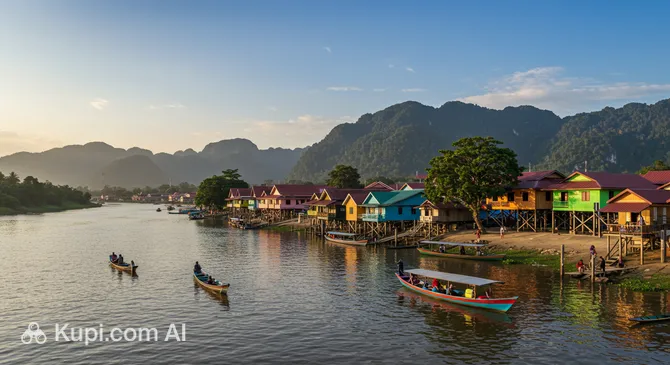
Lawas. Source: Kupi.Binoculars

Travelers are often drawn to Lawas as the starting point for adventures into the majestic Ba'kelalan highlands, a region famous for its cool climate, apple orchards, and fragrant rice fields. Within the vicinity, you can relax at the popular Merapap Hot Spring or explore the vibrant local markets. Food enthusiasts should not miss the chance to try the local specialty, Ikan Tahai, a delicious smoked fish that is a culinary icon of the district.

Whether you are passing through on a journey across Borneo or looking to explore the serene interior of Sarawak, Lawas offers a warm welcome and a unique slice of local heritage. It is an excellent destination for those seeking to experience the quieter, yet culturally rich, side of East Malaysia.
Weather Overview

The weather in Lawas is typically tropical, characterized by consistent warmth and high humidity throughout the year. Visitors can expect a stable climate where the average monthly temperatures hover comfortably between 25.7°C and 26.9°C. The days are generally warm, with maximum temperatures peaking at around 30.2°C in May, while the nights remain pleasant with minimums rarely dropping below 22.6°C.

Rainfall is a significant feature of the local climate, and travelers should be prepared for frequent showers regardless of the season. The region experiences a high number of rainy days, ranging from 20 to 28 wet days per month. The end of the year, particularly from October to December, tends to see the most frequent precipitation, making an umbrella or raincoat an essential item for your packing list.

Interesting Facts

Beyond its role as a transit hub, Lawas holds fascinating secrets that reveal its unique position in the history and geography of Borneo. This quiet town is more than just a stopover; it is a place where administrative quirks and deep-rooted traditions create a distinct local character.
  • A Geographical Enclave: Lawas is geographically separated from the rest of Sarawak by the district of Temburong, which belongs to the country of Brunei. This creates a unique situation where traveling by land from Lawas to other major Sarawakian cities like Miri requires passing through international borders and stamping your passport multiple times.

  • Historical Ownership Transfer: Unlike most of Sarawak, Lawas was historically administered by the British North Borneo Company (which governed modern-day Sabah). It was only officially transferred to the White Rajahs of Sarawak in 1905 in exchange for certain mining rights in other areas, explaining the strong cultural and familial ties the locals still share with their neighbors in Sabah.

  • The Buffalo Symbol: In the heart of the town stands a prominent statue of a water buffalo. This is not merely decorative but symbolizes the deep cultural significance of the animal to the local Lun Bawang community, for whom buffaloes were traditionally a measure of wealth and an essential part of dowry settlements.

How to Get There

Reaching this northern Sarawakian gem requires a bit of planning, as it is tucked away between Brunei and Sabah, offering a unique travel experience. For a comprehensive guide on all transport options, including land and sea routes, you can read more about how to get to Lawas in our detailed section.

The city of Lawas does not have its own major international airport, but you can fly into Brunei International Airport (BWN) in the city of Bandar Seri Begawan, which is about 54 km from Lawas. This serves as a convenient international gateway for many visitors. From there, the journey by taxi or bus takes approximately 1 hour and 40 minutes, bringing you across the border into Malaysia.

Another significant option is Kota Kinabalu International Airport (BKI) in the city of Kota Kinabalu, located roughly 139 km away. As a large hub with extensive connections, it is a popular entry point for travelers exploring Borneo. The drive from Kota Kinabalu to Lawas takes approximately 3 hours and 50 minutes, offering a scenic route along the coast and through the interior.

For clarity, here is a summary of the main airports:

Airport Name City Passenger Traffic Km from City
Kota Kinabalu International Airport Kota Kinabalu Large 138.8
Brunei International Airport Bandar Seri Begawan Medium 53.8
Labuan Airport Labuan Medium 51.5
Mulu Airport Mulu Small 112.1
Bario Airport Bario Small 124.9

Main Attractions

While Lawas is often viewed as a transit point, it possesses a unique charm and a handful of attractions that make a stopover worthwhile. Visitors can experience a blend of natural beauty, local commerce, and culinary delights that reflect the diverse heritage of northern Sarawak. From relaxing hot springs to bustling markets, the town offers a genuine slice of Bornean life.

One of the top natural escapes in the area is the Merapap Hot Spring, located approximately 70 kilometers from the town center. Tucked away in a lush jungle setting, this spot is a favorite among locals for family picnics and relaxation. The natural pools offer warm, therapeutic waters that are perfect for soothing tired muscles after a day of traveling, providing a serene atmosphere surrounded by the sounds of nature.

For a vibrant cultural experience, the Pasar Tamu Lawas (Lawas Market) is a must-visit destination. This market is the heartbeat of the local community, where traders from the highlands come to sell their produce. Here, you can find the famous Ba'kelalan apples, organic highland rice, and mountain salt. It is also the best place to buy Ikan Tahai, the region's signature smoked fish, which is a culinary icon of the district and a unique souvenir to take home.

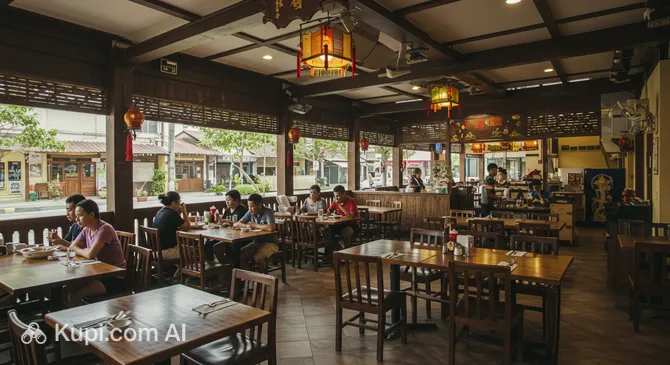
Hao Wei Restaurant. Source: Kupi.Binoculars

Travelers looking for a satisfying meal in town should consider visiting Hao Wei Restaurant. Known for its friendly service and consistent quality, this dining spot is a popular choice for both locals and visitors passing through. It offers a comfortable environment to enjoy delicious dishes, making it a reliable stop to refuel and experience the local dining scene.

Finally, the Lawas Waterfront offers a picturesque setting for a leisurely evening stroll. Situated along the banks of the Batang Lawas river, the waterfront has been developed into a pleasant recreational area. It is an excellent spot to watch the sunset, observe small boats navigating the river, and soak in the quiet, laid-back atmosphere that defines this friendly town.

Local Cuisine

The culinary scene in Lawas is a delightful reflection of its diverse population, predominantly influenced by the Lun Bawang community as well as Malay and Chinese traditions. The town is famous throughout Sarawak for its unique smoked fish, known locally as Ikan Tahai. This delicacy is made from small tuna or mackerel that is smoked over a wood fire until it becomes dry and aromatic. It is a versatile ingredient used in soups, spicy sambals, or simply eaten plain with rice, offering a distinct smoky flavor that defines the taste of the district.

Another staple you must try is Nuba Laya, a traditional dish of the Lun Bawang people. It consists of soft, mashed rice wrapped in daun itip (a type of leaf similar to banana leaves), which imparts a subtle fragrance to the rice. It is typically served with side dishes like shredded chicken, wild jungle ferns, or the aforementioned Ikan Tahai. For those with a sweet tooth, the local markets often feature highland pineapples and the rare, sweet apples grown in the nearby Ba'kelalan highlands.

When it comes to beverages, the local coffee shops, or kopitiams, serve the standard Malaysian favorites like Teh C Special (three-layer tea) and robust local coffee. In the indigenous communities, particularly during festivals like Gawai, you might encounter Tuak, a traditional rice wine that plays a central role in social gatherings and celebrations. For non-alcoholic refreshment, fresh coconut water and sugarcane juice are widely available at roadside stalls.

Dining in Lawas ranges from casual open-air markets to comfortable family-run establishments. The central market, or Pasar Tamu, is the best place to hunt for authentic local snacks and fresh produce brought down from the mountains. For travelers looking for a reliable sit-down meal with a variety of Chinese and local dishes, Hao Wei Restaurant is a popular choice among locals and tourists alike, offering a friendly atmosphere to enjoy a hearty dinner.

Travel Tips

Welcome to Lawas, the friendly gateway to the highlands of Sarawak. To make your journey through this unique border town as smooth and enjoyable as possible, here are some essential practical tips to keep in mind.

  1. Clothing and Gear: Due to the hot and humid tropical climate, pack light, breathable fabrics like cotton or linen. Sudden downpours are common, so a compact umbrella or a lightweight raincoat is a must-have accessory. If you plan to extend your trip to the nearby Ba'kelalan highlands, bring a warm jacket or sweater, as temperatures there can drop significantly at night.
  2. Transportation: The town center is compact enough to explore on foot, but for longer distances, taxis are the primary mode of transport. Be aware that taxis may not always use meters, so it is standard practice to negotiate and agree on the fare before getting in. Ride-hailing apps like Grab exist but can be less reliable here than in major cities; renting a car is a good option if you plan to explore the surrounding countryside.
  3. Finances: The currency used is the Malaysian Ringgit (MYR). While credit cards are accepted at hotels and larger supermarkets, cash is king in Lawas, especially at the famous Pasar Tamu market and small eateries. ATMs are available in the town center, but it is wise to carry enough cash, particularly if you are heading into the interior where banking facilities are non-existent.
  4. Health and Safety: Lawas is a safe town with a low crime rate, but standard travel precautions apply. Pharmacies are available in the town center for basic medications, and the Lawas Hospital handles emergencies. It is important to stay hydrated, but avoid drinking tap water directly; stick to bottled or boiled water. Also, carry insect repellent to protect against mosquitoes, especially in the evenings.
  5. Communication: Bahasa Malaysia is the official language. While English is spoken by many in the service industry, it may not be widely understood in rural villages or by older locals. Learning a few basic phrases like "Terima kasih" (Thank you) or "Apa khabar?" (How are you?) is greatly appreciated. You can easily buy SIM cards with data plans at local convenience stores to use navigation apps and stay connected.
  6. Local Etiquette: Sarawakians are known for their warm hospitality. A smile is the universal greeting, and if you shake hands, always use your right hand. It is customary to remove your shoes before entering a private home or certain guesthouses. When indicating a direction or object, use your thumb with your fingers folded, as pointing with the index finger is considered impolite.
  7. What to Avoid: Avoid engaging in public displays of affection, as the local culture is conservative. Additionally, do not wear revealing clothing when visiting villages or religious sites; dressing modestly shows respect for local norms.
  8. Border Crossing Logistics: A unique aspect of visiting Lawas is its location. If you are traveling by land from Miri or Kota Kinabalu, you will pass through the country of Brunei. This means you will encounter multiple immigration checkpoints. Keep your passport handy and ensure you have plenty of blank pages, as you will receive several entry and exit stamps during a single journey.

With these tips in hand, you are well-prepared to navigate the charming streets of Lawas and its surrounding natural wonders. Enjoy the warm hospitality of the locals and the unique cross-border adventures that await you in this northern corner of Borneo.

Entertainment & Nightlife

Nightlife in Lawas is a reflection of its small-town charm: quiet, laid-back, and centered almost entirely around dining and community socializing. Unlike the bustling party scenes found in larger cities like Kuala Lumpur or Kota Kinabalu, entertainment here winds down relatively early. You will not find pulsating nightclubs, fancy cocktail bars, or a dedicated party district. Instead, the evening atmosphere is defined by the clinking of glasses at local coffee shops (kopitiams), the aroma of street food, and the sound of karaoke drifting from open windows.

The main hub of evening activity is the **Town Center (Pusat Bandar)** and the area surrounding the **Lawas Waterfront**. As the sun sets, the waterfront becomes a pleasant place for a stroll, where families and friends gather to enjoy the cool river breeze. On weekends, the **Lawas Night Market (Pasar Malam)** brings the streets to life. This is the closest experience to a "nightlife district" you will find, offering rows of stalls selling grilled meats, local cakes, and refreshing drinks. It is a vibrant, family-friendly environment where the dress code is strictly casual, and the crowd is a mix of locals catching up on daily gossip.

For those looking for a sit-down meal to extend their evening, Hao Wei Restaurant is a reliable venue. It is one of the few places where you can enjoy a substantial dinner in a comfortable setting, making it a good starting point for your night. After dinner, the entertainment options are limited to "Karaoke Lounges" or KTVs, which are incredibly popular in Sarawak. These venues range from family-friendly establishments to slightly dimmer bars where locals sing their hearts out until late. Additionally, several 24-hour "Mamak" style eateries or late-night coffee shops serve as de facto social clubs where you can linger over a Teh Tarik well past midnight.

During the daylight hours, entertainment in Lawas is more about exploring the outdoors and cultural heritage. While there are no large amusement parks or grand museums, visitors can explore the bustling Tamu Lawas (day market) to see highland produce or take a trip to the nearby hot springs. The town serves primarily as a base for nature excursions rather than a center for urban entertainment.

From a practical standpoint, navigating Lawas at night requires planning. Public transport and taxis virtually disappear after dark. If you do not have a rental car, you should arrange a ride in advance or stick to accommodation within walking distance of the town center. The town is generally very safe for night walks, particularly around the well-lit waterfront and main commercial streets, but it is always wise to stay in populated areas. Prices for food and entertainment are very affordable, with a night out costing significantly less than in Malaysia's major tourist hubs.

Parks & Museums

Lawas is primarily a destination defined by its raw natural beauty and vibrant living heritage rather than a city of manicured botanical gardens or grand national museums. For visitors, the "green spaces" here are the lush jungles and riverbanks that frame the town, while the "museums" are the bustling markets and community landmarks that showcase the daily life and traditions of the Lun Bawang people.

Lawas Waterfront serves as the town's central park and recreational heart. Stretching along the Batang Lawas river, this esplanade offers a breezy, open space where locals gather for evening jogs, leisurely strolls, and sunset watching. It is beautifully landscaped with paved walkways and shaded seating areas, making it the perfect spot to unwind and observe the slow-moving river traffic that is essential to the region's commerce.

For a more immersive nature experience, the Merapap Hot Spring is the most significant natural attraction in the district. Located roughly 70 kilometers from the town center, this site functions as a natural park where visitors can bathe in therapeutic warm waters surrounded by pristine rainforest. It is a popular picnic spot for families and offers a refreshing escape into the wild, far removed from the noise of urban life.

In terms of museums and galleries, Lawas does not possess dedicated exhibition halls or historical museums in the traditional sense. Instead, the town's culture is best experienced at the Tamu Lawas (Lawas Produce Market). Often described by travelers as a "living museum," this market displays the agricultural and cultural wealth of the highlands. Here, you can see traditional handicrafts, heirloom rice varieties, and unique jungle produce that tell the story of the indigenous communities more vividly than any glass display case.

Architecturally, the town's most iconic cultural monument is the Buffalo Statue standing proudly in the town center. While not a building, this landmark is a crucial piece of local history, symbolizing the cultural importance of the water buffalo to the Lun Bawang community. It serves as a focal point for the town's identity and offers a quick but meaningful insight into the traditions that have shaped the region.

For an authentic insider experience, venture slightly out of town to the river jetties in the late afternoon. Unlike a formal tour, simply watching the longboats arrive from the interior villages provides a candid look at the riverine culture that still dominates this part of Sarawak. It is a quiet, unscripted moment that connects you with the true rhythm of Lawas.

Getting Around

Public transport in Lawas is quite different from the extensive networks found in larger metropolitan areas. As a small and compact town, it does not have a metro, tram, or city bus system. For most visitors, the town center is small enough to navigate comfortably on foot. Walking is the most practical way to explore the main commercial streets, visit the waterfront, and access local markets and eateries without the need for a vehicle.

For travel beyond the immediate town center, taxis are the primary mode of motorized transport. You will typically find them waiting at designated stands near the market or the waterfront. It is important to note that taxis here often do not use meters. Instead, fares are usually fixed based on the destination. It is standard practice to confirm the price with the driver before stepping into the vehicle to avoid any misunderstandings later.

A unique feature of the local transport system is the fleet of four-wheel-drive (4WD) vehicles that serve as the main link to the rural highlands. These sturdy vehicles, often modified Toyota Hiluxes, function similarly to shared minibuses. They gather at specific points in town to transport passengers and goods to remote settlements like Ba'kelalan. This is an essential service for locals and an adventurous option for tourists heading into the interior, as the roads can be rugged and unpaved.

Ride-hailing apps like Grab are available in Lawas, offering a convenient alternative to traditional taxis. Using an app provides the benefit of a fixed, transparent fare and eliminates the need for negotiation. However, the number of active drivers can be limited compared to bigger cities, especially during early mornings, late evenings, or heavy rain. It is advisable not to rely solely on the app if you have a time-sensitive connection to catch.

When it comes to payment, cash is king. There are no electronic travel cards or tap-and-go systems for public transport here. You will need to pay taxi drivers and 4WD operators in the local currency. Small denominations are highly appreciated, as drivers may not always have change for large bills. While ride-hailing apps allow for card payments, carrying cash is a necessary backup in case of connectivity issues.

For those who prefer more independence, car rental is a popular option. While there are no major international rental chains with counters in town, several local operators offer vehicles for hire. Renting a car is particularly recommended if you plan to explore the surrounding hot springs or scenic outskirts at your own pace, as finding a return taxi from these secluded spots can be challenging.

Accommodation

Accommodation in Lawas is practical and modest, designed primarily to serve transit travelers, business visitors, and those preparing for a journey into the highlands. Visitors should not expect international luxury chains or sprawling resorts; instead, the town offers a solid selection of budget inns, motels, and mid-range hotels. The most convenient area to stay is undoubtedly the town center, particularly the streets surrounding the waterfront and the central market. Choosing a hotel in this vicinity allows you to walk to most eateries, banks, and transport pick-up points, eliminating the need for constant taxi rides.

The hospitality landscape is dominated by locally owned establishments that provide clean, comfortable, and no-nonsense lodging. Most standard hotels offer essential amenities such as air conditioning, hot showers, and Wi-Fi, which are crucial in the tropical climate. For those seeking a bit more comfort, there are a few established hotels that provide meeting facilities and in-house dining, often favored by government officials and families. Backpackers and solo travelers will find numerous budget lodges and guesthouses that offer basic rooms at very attractive rates.

In terms of cost, Lawas is a very affordable destination. Budget options are plentiful and wallet-friendly, while even the mid-range hotels are reasonably priced compared to larger Malaysian cities. As a booking tip, while walk-ins are often accepted at smaller inns, it is widely recommended to book in advance if you are traveling during Malaysian school holidays or major local festivals like the Lawas Regatta. While the larger hotels can be booked via major online platforms, some smaller, family-run guesthouses may still operate on a direct-booking basis, requiring a phone call or message to secure your room.

Nearby Cities

For those looking to explore the surroundings, Lawas serves as an excellent base for day trips to several interesting nearby locations. While the distances in Borneo often require crossing borders or navigating winding roads, the journey to these neighboring hubs offers a rewarding contrast to the quiet life of Lawas.

Kota Kinabalu, the bustling capital of Sabah, is a major attraction located to the northeast. Known for its vibrant waterfront, modern shopping malls, and the stunning islands of the Tunku Abdul Rahman Marine Park, it offers a lively urban experience. Visitors can explore the famous Gaya Street Sunday Market or enjoy fresh seafood while watching the sunset over the South China Sea.

To the southwest lies Miri, Sarawak's second-largest city and a key petroleum hub. Often referred to as the "Resort City," Miri is celebrated for its relaxed atmosphere, excellent dining scene, and coastal parks like Tusan Beach. It serves as a sophisticated urban getaway where travelers can visit the Grand Old Lady on Canada Hill, the site of Malaysia's first oil well, which offers panoramic views of the city.

City Population Distance (km)
Kota Kinabalu 452,058 145
Sandakan 396,290 315
Miri 234,541 162
Lahad Datu 199,830 325
Bintulu 114,058 322

These nearby destinations offer a glimpse into the diverse culture and landscapes of the region, ranging from historical landmarks to vibrant coastal life.

Shopping & Souvenirs

Shopping in Lawas is a distinct experience that revolves around local produce, community trade, and practical necessities rather than high-end luxury or sprawling retail therapy. As a small transit town, the shopping scene here offers a glimpse into the daily lives of the Lun Bawang and Malay communities. Visitors will find that the best purchases are often edible, with a focus on fresh items brought down from the nearby highlands or harvested from the river.

The Town Center (Pusat Bandar) acts as the primary commercial district, comprising several blocks of shophouses situated near the waterfront and the central mosque. These streets are lined with family-run grocery stores, hardware shops, and small boutiques selling clothing and textiles. A stroll through this compact area allows travelers to pick up essential supplies, local snacks, and affordable garments while soaking in the laid-back atmosphere of the town.

Travelers expecting large, modern shopping complexes will not find them here. Lawas does not have major shopping malls or international brand outlets. Instead, the retail needs are met by local department stores and supermarkets, such as Milimewah Superstore. These establishments serve as one-stop shops for groceries, household goods, and basic clothing, providing a convenient option for stocking up on supplies before heading into the interior.

The highlight of the local shopping scene is undoubtedly the Pasar Tamu Lawas (Lawas Produce Market). This vibrant market is the best place to witness the region's agricultural wealth. Farmers from the Ba'kelalan highlands descend here to sell their goods, including the famous sweet apples, organic Adan rice, and mountain salt. It is a colorful and aromatic hub where you can find fresh jungle ferns, tropical fruits, and handmade woven baskets, making it an essential stop for any visitor.

When it comes to souvenirs, Lawas is famous throughout Sarawak for its unique food products. The top item to bring back is Ikan Tahai, a smoked fish that is a local delicacy; it is available dried or processed into spicy sambal. Other excellent gifts include the fragrant Bario or Adan rice, which is highly prized for its quality, and Ba'kelalan salt, a natural mountain salt extracted from highland brine springs. Traditional beadwork and woven handicrafts made by the local indigenous communities also make for meaningful keepsakes.

Most shops in Lawas operate from around 8:00 AM to 6:00 PM, although supermarkets may stay open slightly later. The markets are best visited in the early morning, often starting as early as 6:00 AM, to get the freshest produce. Cash is the primary method of payment, especially at the markets, small eateries, and independent shops. While larger supermarkets may accept credit cards, it is highly advisable to carry sufficient Malaysian Ringgit (MYR) notes, as many vendors do not have electronic payment facilities.

Lawas is not a designated duty-free zone, so the tax-free shopping privileges found in nearby Labuan or Langkawi do not apply here. Standard Sales and Service Tax (SST) is included in the price of most goods. Visitors should not expect tax refunds on purchases made within the town.

Reached the end of the page?

That means the route is fully explored