Support

Tawau

About

Nestled on the southeastern coast of Borneo, Tawau is a bustling town in the state of Sabah. As the third-largest city in the region, it serves as a vital agricultural hub and a gateway to some of the most stunning natural wonders in Malaysia. Known for its friendly atmosphere and vibrant local culture, the city offers travelers a unique blend of urban energy and laid-back coastal charm.

Geographically, the city sits by the Celebes Sea, sharing a border with Indonesia's North Kalimantan. With a population of approximately 113,809 residents, it is a significant center for commerce and trade. The local climate is typically tropical, creating a lush environment that supports the extensive cocoa and oil palm plantations defining much of the surrounding landscape.

Visitors interested in the past can explore the fascinating history of Tawau, which reveals its transformation from a small fishing village into a major center for export. Today, it retains a distinct cultural character influenced by its diverse community and proximity to international borders.
Tawau. Source: Kupi.Binoculars

For nature enthusiasts, Tawau Hills Park is a must-visit destination, offering jungle trekking trails, picturesque waterfalls, and the chance to see some of the world's tallest tropical trees. The city is also famous for its seafood, which is fresh, abundant, and incredibly affordable, drawing food lovers from near and far. Additionally, the Teck Guan Cocoa Museum provides an insightful look into the region's "golden crop," showcasing the processing of cocoa from bean to bar.

Whether you are passing through on your way to nearby diving paradises or staying to enjoy the local hospitality, Tawau offers a warm welcome and plenty of hidden gems to discover. It is an excellent stop for those looking to experience the authentic lifestyle of Sabah away from the busiest tourist trails.
Weather Overview

The climate in this part of Sabah is typically tropical, offering warm and stable conditions year-round. Temperatures are remarkably consistent, with average highs reaching approximately 30°C and lows dipping to a comfortable 24°C at night. This steady warmth makes the city a great destination for nature lovers, though the high humidity is a constant feature.

Precipitation is frequent, so it is wise to pack an umbrella or raincoat regardless of when you visit. You can expect warm days with regular rainfall, as the region experiences between 20 and 31 wet days per month. February is generally the month with the fewest rainy days, while May sees the highest frequency. For a comprehensive forecast and monthly averages, viewing the detailed weather in Tawau is highly recommended.

Interesting Facts

Beyond the main attractions, Tawau holds many fascinating secrets that reveal its rich history and unique character. This coastal town is more than just a transit point; it is a place where history, agriculture, and nature converge in unexpected ways.
  • The Survivor of History: The Tawau Bell Tower is widely cited as the oldest standing structure in the town. Built in 1921 to commemorate the close of World War I, it is legendary for being the only significant structure to survive the devastating Allied bombardments in 1944, making it a poignant symbol of the town's resilience.

  • Cocoa Capital of Asia: While many associate Malaysia with palm oil, Tawau is proudly known as the "Cocoa Capital of Asia." The region's rich volcanic soil produces some of the world's highest-quality cocoa beans, and the town was once the largest producer of cocoa in the country, a legacy that continues to influence its agricultural landscape.

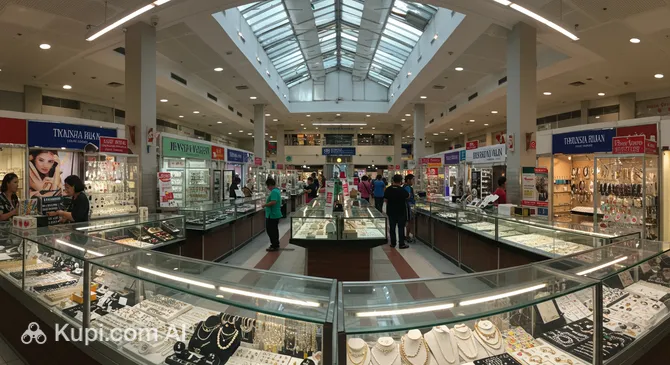
  • A Hub for Pearls: The town is a well-kept secret for jewelry enthusiasts looking for high-quality pearls at competitive prices. Visitors often flock to the Bangkok Gold & Pearl Wholesale Market Tawau to barter for beautiful saltwater and freshwater pearls, which are a specialty trade in this corner of Sabah.

  • Wildlife on the Green: The local Shan-Shui Golf & Country Club is famous not just for its course but for its incredible biodiversity. It is one of the few golf courses in the world where players regularly share the fairways with exotic wildlife, including resident troops of monkeys and majestic hornbills flying overhead.

Bangkok Gold & Pearl Wholesale Market Tawau. Source: Kupi.Binoculars

How to Get There

Reaching this bustling town in Sabah is an adventure in itself, with air travel being the most practical and popular method for international and domestic tourists alike. For a comprehensive guide on all available transport modes, you can read more about how to get to Tawau to plan your journey effectively.

The primary gateway to the city is Tawau Airport (TWU), which is conveniently located within the district. It sits approximately 27 km from the city center, and a trip by taxi or bus typically takes around 60 minutes. This busy regional hub handles a significant volume of passengers annually, connecting the area to major cities like Kuala Lumpur and Kota Kinabalu.

For those exploring the wider Borneo region, there are other airports in neighboring cities, though they require considerable additional travel time. Juwata International Airport (TRK) is located in Tarakan, roughly 108 km away, but it involves crossing the border from Indonesia. Alternatively, Sandakan Airport (SDK) in the city of Sandakan is about 184 km away, serving as another entry point into Sabah for those planning a road trip down the coast.

For clarity, here is a summary of the main airports in the vicinity:

Airport Name City Passenger Traffic Km from City
Tawau Airport Tawau High 26.7
Juwata International Airport Tarakan Medium 107.7
Sandakan Airport Sandakan Medium 184.1
Kalimarau Airport Berau Medium 236.6
Tawitawi Airport Bongao Low 223.8

Main Attractions

While often viewed as a transit point to diving islands or nature reserves, the city itself possesses a distinct character defined by its cultural diversity and thriving trade. Visitors spending time in town will find a mix of religious landmarks and bustling marketplaces that offer a glimpse into the daily life of Sabah's southeastern coast.

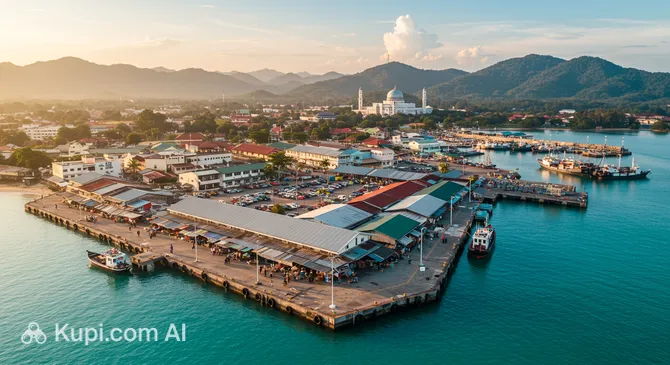
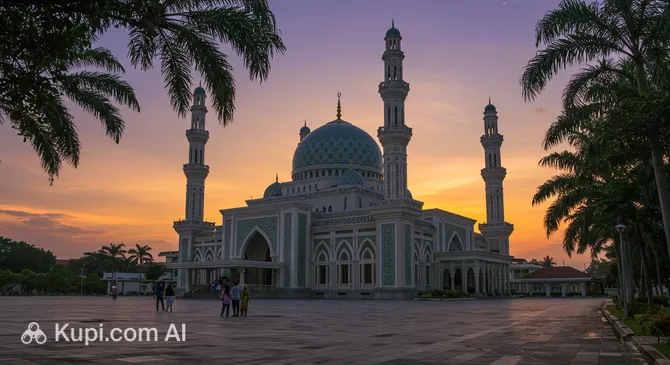
A prominent spiritual landmark in the area is the Daeng Mapatta Mosque. This mosque serves as a key religious center for the local Muslim community and stands out for its serene atmosphere and welcoming architecture. For tourists, it offers a chance to appreciate the peaceful side of the city and observe the local architectural style that blends traditional Islamic elements with regional influences.

Daeng Mapatta Mosque. Source: Kupi.Binoculars

For those looking to take home a piece of Borneo, the Bangkok Gold & Pearl Wholesale Market Tawau is an essential stop. As mentioned in local lore, this market is the go-to destination for high-quality pearls at bargain prices. It attracts visitors from all over who come to browse the dazzling arrays of necklaces, bracelets, and loose pearls, making it a vibrant spot to practice your bargaining skills and find unique souvenirs.

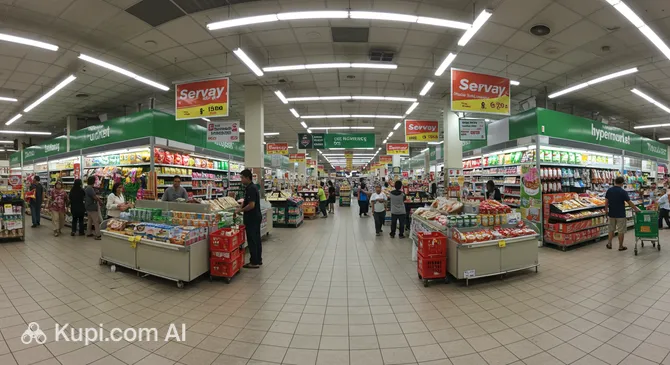
To experience the local commercial pulse, a visit to Servay Hypermarket Tawau provides an authentic look at modern Malaysian shopping. Unlike tourist traps, this hypermarket is where residents shop for their daily needs. It is an excellent place for travelers to discover local snacks, Malaysian coffee brands, and affordable clothing, offering a practical and immersive way to engage with the local lifestyle.

Servay Hypermarket Tawau. Source: Kupi.Binoculars

Food lovers exploring the city streets might also stumble upon Chicken Raizu, a popular spot reflecting the town's love for hearty meals. While it is a simpler dining establishment, it represents the local culinary scene where flavor and affordability go hand in hand, perfect for a casual meal after a day of exploring the markets and sights.

Local Cuisine

The culinary landscape of Tawau is legendary among Malaysians, primarily for its incredible abundance of fresh and affordable seafood. Situated right on the edge of the Celebes Sea, the city offers a "sea-to-table" experience that is hard to match. Visitors can feast on tiger prawns, flower crabs, and deep-fried squid at open-air seafood stalls, particularly along the Sabindo seafront, where the catch of the day is cooked to order in styles ranging from steamed with ginger to coated in creamy butter sauce.

Beyond seafood, the city is famous for its unique breakfast culture, heavily influenced by the local Bugis community. A must-try dish is Nasi Kuning, a fragrant yellow rice cooked with coconut milk and turmeric. It is typically served with spicy sambal and a choice of side dishes like fish or chicken, often wrapped in banana leaves for a distinct aroma. Another local favorite is Soto Tawau, a hearty soup that differs from other regional variations; it is commonly served with nasi himpit (compressed rice cakes) or vermicelli in a rich, savory beef or chicken broth.

For those looking for a savory snack or a souvenir to bring home, Amplang is the town's signature treat. These round, crunchy fish crackers are made from Spanish mackerel and tapioca flour, offering an addictive bite that pairs perfectly with a cold drink. You can find them freshly made in local markets or packaged in shops throughout the town.

When it comes to beverages, the tropical heat calls for refreshing local drinks. A glass of Kit Chai Ping is the standard thirst-quencher here. This mixture of calamansi lime juice, water, sugar, and a salted preserved plum offers a perfect balance of sweet, sour, and salty flavors. Coffee lovers should also try the local Tenom coffee, a robust brew often served sweetened with condensed milk in traditional coffee shops known as kopitiams.

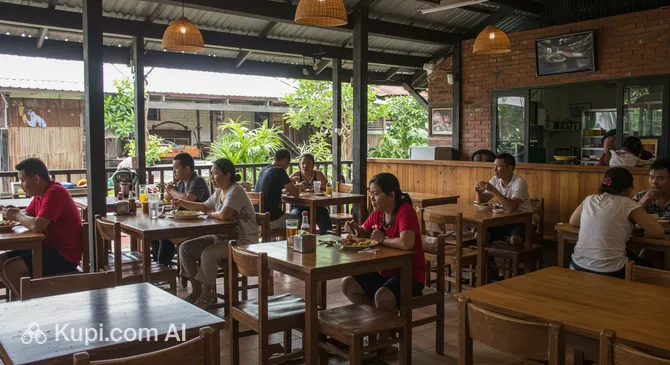
The dining scene in Tawau ranges from bustling night markets to casual air-conditioned eateries. While street food dominates the evenings, there are plenty of spots for a comfortable sit-down meal. For instance, Chicken Raizu is a well-known establishment where locals go for satisfying, no-frills meals, particularly their signature chicken dishes which are a hit with families and travelers alike.

Chicken Raizu. Source: Kupi.Binoculars

Travel Tips

Welcome to Tawau, a vibrant gateway where culture, nature, and commerce meet on the coast of Sabah. To help you navigate this bustling town with ease and make the most of your tropical adventure, here are some practical tips designed for a smooth and enjoyable journey.

  1. Clothing and Gear: Given the hot and humid tropical climate, pack lightweight, breathable fabrics like cotton or linen. Since rain can occur unexpectedly, carrying a compact umbrella or a lightweight poncho is essential. If you plan to visit religious sites like the Daeng Mapatta Mosque, remember to dress modestly; covering your shoulders and knees is required. Comfortable walking shoes are a must, especially if you intend to trek in the nearby hills.

  2. Transportation: The most convenient way to get around the city is by using ride-hailing apps like Grab, which are reliable, affordable, and overcome language barriers with drivers. Taxis are available, but ensure the meter is used or a fare is agreed upon before departing. Public buses exist but can be confusing for first-time visitors, so renting a car or using ride-hailing services is generally recommended for flexibility.

  3. Finances: The local currency is the Malaysian Ringgit (MYR). While credit cards are accepted in hotels and major supermarkets like Servay Hypermarket Tawau, cash is king in smaller shops, seafood stalls, and markets. You will definitely need cash if you plan to bargain for treasures at the Bangkok Gold & Pearl Wholesale Market Tawau. ATMs are widely available throughout the town center.

  4. Health and Safety: Tawau is generally safe, but standard precautions apply. Avoid drinking tap water; stick to bottled or filtered water. Since it is a tropical area, apply mosquito repellent generously to protect against dengue fever, especially during dawn and dusk. Pharmacies like Watsons and Guardian are easy to find in shopping areas for any minor medical needs.

  5. Communication: The official language is Bahasa Malaysia, but English is widely understood and spoken, particularly in the tourism and business sectors. Learning a few local phrases like "Terima Kasih" (Thank you) goes a long way in building rapport. You can easily purchase a local SIM card (Maxis, Celcom, or Digi) at the airport or convenience stores for reliable 4G data coverage.

  6. Local Etiquette: Sabahans are known for their warm hospitality. It is polite to smile and nod when greeting locals. Always remove your shoes before entering a private home or a place of worship. When eating with your hands or passing money and objects to others, strictly use your right hand, as the left hand is considered unclean in local culture.

  7. What to Avoid: Avoid pointing at people or objects with your index finger, as this is considered rude. Instead, locals typically point by extending their thumb with the fingers folded underneath. Also, refrain from touching anyone on the head, including children, as the head is viewed as the most sacred part of the body.

  8. Seafood Dining Tip: Do not miss the chance to eat at the open-air seafood stalls along the waterfront at night. The prices are incredibly low compared to other parts of Malaysia. A local "life hack" is to arrive around sunset to pick the freshest catch directly from the tanks before the dinner rush begins.

By keeping these practical pointers in mind, you will be well-prepared to embrace the relaxed pace and rich experiences that Tawau has to offer. Enjoy the incredible seafood, the friendly smiles, and the unique charm of this corner of Borneo!

Entertainment & Nightlife

Entertainment in Tawau is defined less by high-energy nightlife and more by social gatherings, vibrant markets, and outdoor leisure. The town operates at a relaxed pace, where the best way to unwind is to immerse yourself in the local lifestyle. Visitors will find that spending time here is about discovering hidden treasures in bustling bazaars or enjoying the company of friends and family in open-air settings.

For many travelers, shopping serves as the primary form of recreation. The thrill of the hunt is best experienced at the Bangkok Gold & Pearl Wholesale Market Tawau. Browsing through rows of shimmering pearls and handcrafted jewelry is an engaging activity, offering a chance to interact with local traders and practice your bargaining skills. It is a colorful and lively environment that provides a fun break from standard sightseeing.

If you prefer a more modern and air-conditioned atmosphere, a visit to Servay Hypermarket Tawau offers a different kind of leisure. Popular with residents, it is a great place to escape the midday heat and explore a wide variety of Malaysian products. Wandering the aisles gives you a peek into the everyday lives of the locals, and it is the perfect spot to pick up snacks or curious local items that you might not find in tourist shops.

When the sun sets, the town's social scene revolves around dining. Food is the heart of entertainment here, and locals love to gather at eateries to chat the night away. Establishments like Chicken Raizu provide a casual and welcoming setting where you can enjoy a satisfying meal in a friendly environment. Whether you are feasting on seafood by the waterfront or enjoying a simple chicken dish, the evening atmosphere in Tawau is warm, communal, and undeniably inviting.

Parks & Museums

While the city center is bustling with trade, the areas immediately surrounding Tawau offer a refreshing escape into nature and a deep dive into the region's agricultural heritage. The district is home to pristine forest reserves and unique educational centers that highlight the rich biodiversity and industrial history of Sabah.

The crown jewel of the area's natural attractions is Tawau Hills Park, situated approximately 24 kilometers from the town. This protected rainforest is a paradise for nature lovers and trekkers, famous for housing some of the world's tallest tropical trees, including the majestic Shorea faguetiana. The park features a network of well-maintained trails leading to scenic spots such as the Table Waterfall and the Galas Waterfall. It is also a popular weekend destination for families who come to enjoy picnics by the river and explore the lush botanical garden.

For a unique cultural experience, the Teck Guan Cocoa Museum stands as a testament to Tawau's reputation as the "Cocoa Capital of Asia." Located within the Teck Guan Cocoa Village, this museum provides a comprehensive look at the history of cocoa cultivation in the region. Visitors can tour the processing plant to see how cocoa beans are transformed into chocolate and learn about the industry's significant impact on the local economy. The site also features a columnar basalt area, adding a geological wonder to the visit.

Hikers looking for a rewarding climb should visit Bukit Gemok, a forest reserve located about 10 kilometers from the city center. The hill offers a moderate trekking challenge that takes visitors through dense vegetation to the summit. From the top, trekkers are treated to panoramic views of the town and the coastline. The reserve is also known for its canopy walkway, which allows visitors to walk among the treetops and observe the forest's diverse flora and fauna from a unique vantage point.

Getting Around

Navigating the public transport system in Tawau is a relatively straightforward experience, though it differs significantly from the extensive networks found in larger capital cities. The town does not have a metro, tram, or train service. Instead, the local transportation infrastructure relies entirely on road-based options, primarily consisting of minibuses, taxis, and modern ride-hailing services. This setup reflects the laid-back pace of life in Sabah, where getting around is often an opportunity to engage with the local community.

The most common form of public transport for residents is the minibus, locally known as "Bas Mini." These are typically vans that operate on specific routes connecting the city center with residential areas and outlying districts. You can easily identify them by the destination names displayed on the windshield or painted on the side of the vehicle. There are no fixed schedules, as these buses usually depart once they are full. While they are an incredibly affordable way to travel, they can be a bit confusing for first-time visitors unfamiliar with the routes.

When it comes to payment, the system is exclusively cash-based for minibuses and traditional taxis. There are no travel cards, smart passes, or mobile payment terminals on board. Fares for minibuses are very low, often costing just a few Ringgit depending on the distance. It is essential to carry small change, as drivers may not always have enough cash to break large banknotes. You simply pay the driver upon boarding or when you reach your destination.

For tourists who prefer comfort and convenience, ride-hailing apps are the most recommended alternative. Services like Grab are widely available and highly efficient in Tawau. Using an app allows you to book a ride from your hotel to attractions without worrying about language barriers or negotiating fares, as the price is fixed upfront. Payment for these services can be made via the app using a credit card or in cash directly to the driver.

Traditional taxis are also available, usually found waiting at designated stands near the town center or major markets. unlike in some other cities, taxis here often do not use meters. Therefore, it is standard practice to negotiate and agree on the fare with the driver before you step into the vehicle to avoid any misunderstandings later. If you are planning to visit efficient outlying spots like Tawau Hills Park, renting a car or negotiating a return trip with a taxi driver is often the best practical solution, as public transport frequencies to these remote areas can be unpredictable.

Accommodation

Finding a place to stay in Tawau is generally a straightforward and affordable experience. The city primarily caters to business travelers and tourists in transit to diving sites or nature parks, so the accommodation landscape focuses on practicality and comfort rather than ultra-luxury. Visitors can expect a good selection of budget hostels, reliable mid-range business hotels, and clean, family-run inns. While you won't find many sprawling 5-star international resorts within the town itself, the local hospitality standards are high, offering clean amenities and friendly service.

For the most convenient access to dining and shopping, the Fajar Complex and the immediate town center are the best areas to base yourself. Staying here puts you within walking distance of major banks, supermarkets, and the famous seafood stalls along the waterfront. This central location is ideal for travelers who want to explore the city on foot or need easy access to taxis and ride-hailing services for trips to the airport or Tawau Hills Park.

Since the city is a key transit point for visitors heading to Semporna or the diving haven of Sipadan, it is advisable to book your accommodation in advance, especially if you are traveling during school holidays or public festivals. Although there is usually plenty of room, the most popular and best-rated hotels can fill up quickly with domestic tourists and business delegates.

Price-wise, Tawau is very budget-friendly. Travelers can find comfortable air-conditioned rooms at a fraction of the cost compared to larger cities like Kuala Lumpur or Kota Kinabalu. Most hotels and larger guesthouses can be booked easily through major online travel platforms, though some smaller, budget lodgings may prefer direct bookings via phone or walk-ins. Whether you are looking for a simple backpacker bed or a modern suite with city views, the town offers excellent value for money.

Nearby Cities

For those looking to explore the surroundings, Tawau serves as an excellent base for day trips to several interesting nearby locations:

Lahad Datu is the closest major town and a paradise for nature enthusiasts. It serves as the primary gateway to the renowned Danum Valley Conservation Area and the Tabin Wildlife Reserve. Visitors often head here to experience the untouched rainforest and have the chance to spot rare wildlife, including the Borneo pygmy elephant and the clouded leopard.

Located further up the coast, Sandakan is a city steeped in history and biodiversity. Known formerly as "Little Hong Kong," it is globally famous for the Sepilok Orangutan Rehabilitation Centre and the Bornean Sun Bear Conservation Centre. While it requires a longer journey, the opportunity to see these majestic creatures up close makes it a worthwhile excursion for wildlife lovers.

Kota Kinabalu, the vibrant capital of Sabah, offers a dynamic mix of urban culture and natural beauty. Although it is further away, it is the bustling heart of the region, featuring modern shopping malls, the stunning Tanjung Aru beach, and easy access to the majestic Mount Kinabalu, making it a key destination for any traveler in Borneo.

City Population Distance (km)
Lahad Datu 199,830 99
Sandakan 396,290 179
Kota Kinabalu 452,058 278
Miri 234,541 431
Bintulu 114,058 551

These nearby destinations offer a glimpse into the diverse culture and landscapes of the region.

Shopping & Souvenirs

Shopping in Tawau offers a distinctively local experience that contrasts with the glitzy high-end malls found in Malaysia's capital. Instead of luxury designer boutiques, the city is celebrated for its bustling markets, affordable wholesale goods, and unique regional specialties. Visitors will find that the retail scene here is deeply connected to the town's role as a trading hub, offering an authentic glimpse into the daily lives of the locals and the cross-border commerce of Borneo.

The heart of the city's commercial activity is the Fajar Complex. This area serves as the main downtown district and is lined with rows of shophouses, banks, and local businesses. It is a convenient place to wander around, offering everything from textile shops and pharmacies to small electronic stores. Nearby, the Sabindo area is another lively spot, particularly known for its weekend activities and proximity to the waterfront, making it a central point for both shopping and dining.

For a more modern retail experience, visitors can head to Servay Hypermarket Tawau. This large shopping complex is a household name in East Malaysia and provides a comfortable, air-conditioned environment to shop for daily necessities. It is an excellent place for tourists to stock up on travel supplies, browse for affordable clothing, or explore the supermarket section for local Malaysian snacks and coffee brands that make for great gifts.

However, the true soul of Tawau's shopping scene lies in its markets. The Bangkok Gold & Pearl Wholesale Market Tawau is arguably the most famous stop for visitors. As the name suggests, it is a treasure trove for jewelry lovers, offering an impressive array of freshwater and saltwater pearls at prices significantly lower than in major cities. Another essential stop is the Tawau Tanjung Market (Pasar Tanjung), which houses thousands of stalls selling dried seafood, a staple trade of the region.

When it comes to souvenirs, Tawau is renowned for three main things: pearls, cocoa, and dried seafood. Visitors often leave with bags of high-quality dried anchovies (ikan bilis) and salted fish, which are considered some of the best in Sabah. Cocoa products from the local Teck Guan factory, such as pure cocoa powder and chocolates, are also popular. Additionally, the savory fish cracker snack known as Amplang is a must-buy treat that is widely available throughout the town.

Most shops and malls in the city operate from around 10:00 AM to 9:00 PM, although traditional markets like Pasar Tanjung open as early as 6:00 AM and close by late afternoon. While major supermarkets and department stores accept credit cards and e-wallets, cash is essential when visiting wholesale markets and small street stalls. Bargaining is a common practice in the markets, especially when buying pearls or dried goods in bulk, so do not hesitate to negotiate for a better price.

Reached the end of the page?

That means the route is fully explored