Support

Long Banga

About

Welcome to Long Banga, a serene and picturesque village nestled deep within the lush interior of Sarawak. Far removed from the hustle and bustle of city life, this remote settlement offers a truly authentic experience for travelers seeking to explore the untouched beauty of Malaysia. Surrounded by rolling hills and dense rainforests, Long Banga is a place where time seems to slow down, allowing visitors to immerse themselves in the tranquility of nature and the warm hospitality of the local community.

Geographically, the village is situated near the border with Indonesian Kalimantan, in the upper reaches of the Baram River basin. Due to its elevation, the area enjoys a pleasant and relatively cool climate compared to the coastal lowlands. The population primarily consists of the Saban and Kenyah ethnic groups, who have maintained their traditional way of life and distinct cultural practices for generations.
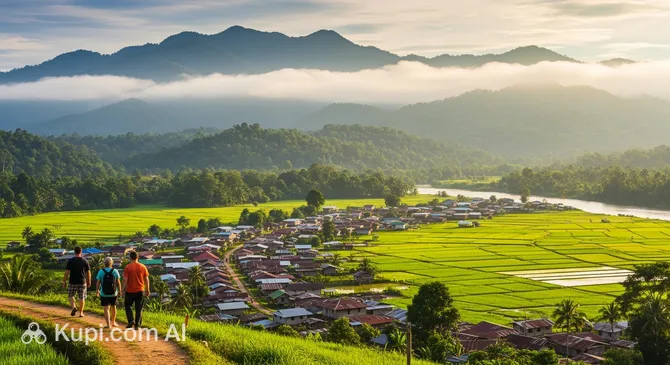
Long Banga. Source: Kupi.Binoculars

The history of Long Banga is deeply intertwined with the migration and settlement patterns of Borneo's indigenous tribes. While it started as a small agricultural community, it has grown to become a vital hub for the surrounding settlements, famously accessible by its own STOLport (Short Take-Off and Landing airport). This accessibility has opened the door for adventurous travelers to discover the rich heritage and communal spirit that define the village.

Visitors to Long Banga can look forward to unique experiences that highlight the region's natural splendor. The village is an excellent base for jungle trekking and exploring the pristine biodiversity of the rainforest. Additionally, the area is known for its wet paddy cultivation, and a walk through the vibrant green rice fields offers a peaceful retreat and stunning photographic opportunities.

If you are looking for an off-the-beaten-path destination that combines cultural immersion with breathtaking landscapes, Long Banga is the perfect choice. Whether you are hiking through the jungle or simply enjoying a conversation with the friendly locals, a visit to this hidden gem promises an unforgettable adventure in the heart of Borneo.

Weather Overview

The climate in this highland settlement is remarkably stable, offering mild and agreeable temperatures throughout the year. Visitors can expect daily averages to stay consistently around 23°C, with daytime highs rarely exceeding 28°C and nights cooling down to a refreshing 18°C. This consistent warmth makes it comfortable for outdoor activities, provided you are prepared for the cooler evenings typical of the region.

Due to its location in the interior rainforest, rainfall is a frequent occurrence regardless of the season. The weather in Long Banga is characterized by a significant number of wet days, typically ranging from 22 to 29 days per month. Travelers should pack waterproof gear, as rain showers are a regular part of daily life here, contributing to the lush and vibrant greenery that surrounds the village.

Interesting Facts

Beyond its lush rainforests and welcoming community, Long Banga holds fascinating secrets that reveal its strategic importance and deep cultural roots. This remote highland settlement is not just a scenic retreat but a place rich in history and unique indigenous heritage.

  • Wartime Legacy: The village's convenient Short Take-Off and Landing (STOL) airport has military origins. It was originally constructed by the British Army Royal Engineers in the 1960s during the Indonesia-Malaysia Confrontation to serve as a forward operating base for protecting the nearby border.

  • Heart of the Saban People: While Sarawak is home to many diverse tribes, Long Banga is recognized as the principal settlement for the Saban ethnic group. This makes it one of the few places in the world where visitors can hear the distinct Saban language spoken daily, setting it apart from neighboring Kenyah communities.

  • Mysterious Megaliths: The surrounding jungle conceals ancient cultural sites, including the legendary Batu Lamud. This stone megalith is steeped in local folklore and serves as a silent witness to the animist traditions that flourished here long before the modern era.

How to Get There

Reaching the remote highland village of Long Banga is an adventure in itself, often involving a journey through the heart of Sarawak's interior. Due to its isolated location near the Indonesian border, travel options are limited and require some planning. For a comprehensive overview of routes and tips, you can check our detailed guide on how to get to Long Banga, which covers the most practical ways to arrive.

The most common and convenient way to reach the village is by air, avoiding the arduous overland journey. Long Banga is served by its own airfield (LBP), which accommodates small Twin Otter aircraft suitable for rural air services. Travelers typically fly into Miri Airport (IATA: MYY) first, as it serves as the primary gateway for Northern Sarawak. From Miri, MASwings operates flights directly to Long Banga, offering a quick and scenic alternative to the road.

For those seeking a rugged off-road experience, traveling by land is possible but demanding. The route consists of unpaved logging tracks that wind through the jungle and mountains. A four-wheel drive (4WD) vehicle is absolutely essential to navigate this terrain. The drive from Miri to Long Banga takes roughly 8 to 10 hours, depending heavily on weather and road conditions. Alternatively, you can access the village from the nearby highlands of Bario. Bario Airport (IATA: BBN) is located about 59 km away, but due to the condition of the tracks, the drive from Bario still takes approximately 4 to 5 hours.

International travelers may also find connections via Brunei International Airport (IATA: BWN), located roughly 199 km away in Bandar Seri Begawan. From there, one would typically travel to Miri to catch a connecting flight into the interior.

For clarity, here is a summary of the main airports in the vicinity:

Airport Name City Passenger Traffic Km from City
Miri Airport Miri Large 199.2
Brunei International Airport Bandar Seri Begawan Large 198.9
Labuan Airport Labuan Medium 231.9
Mulu Airport Mulu Small 113.6
Bario Airport Bario Small 58.9

Long Banga does not have access to a railway network, as there are no train stations in this deep interior part of Borneo. The rugged geography of the Sarawak highlands makes rail transport impractical. Visitors must rely on rural air services or arranged 4WD transport to navigate between settlements. It is highly recommended to book flights or vehicles well in advance, as schedules can be infrequent and dependent on the weather.

Main Attractions

Long Banga offers a wealth of natural and cultural treasures for those willing to venture into the heart of Borneo. The village's isolation has preserved its pristine environment, making it a haven for eco-tourists and adventure seekers. From cascading waterfalls hidden in the dense jungle to ancient megaliths steeped in legend, the attractions here provide a deep connection to the land and its history.

One of the most rewarding experiences is a trek to the region's pristine jungle waterfalls. Hidden amidst the lush rainforest, these natural wonders require a hike that takes visitors through vibrant greenery and rugged terrain. The journey itself is part of the allure, offering chances to spot exotic flora and fauna before arriving at a hidden cascade. It is an ideal spot for a picnic or a cooling dip in the crystal-clear waters after a morning of trekking.

For history enthusiasts, the mysterious Batu Lamud serves as a fascinating link to the region's past. These ancient stone megaliths are located within the jungle and are surrounded by local folklore. Archaeologists and locals alike regard them as significant cultural sites, possibly related to ancient burial customs or animist rituals of the original dwellers. Visiting these stones offers a quiet moment of reflection on the deep roots of the Saban and Kenyah people.

The village is also renowned for its picturesque wet paddy fields, which paint the valley in stunning shades of green during the planting season. Unlike the hill paddy cultivation common in other parts of Sarawak, Long Banga’s irrigation system creates a landscape reminiscent of terraced fields. A walk through these fields not only offers spectacular photographic opportunities but also provides insight into the agricultural lifestyle that sustains the community.

Finally, the local waterways are a central attraction. Situated in the upper reaches of the Baram basin, the village is flanked by pristine rivers that serve as the lifeline of the community. Visitors can engage in traditional fishing or take a boat ride to explore the serene tributaries. Spending time by the riverbanks allows tourists to witness daily life, from children playing in the water to fishermen bringing in their catch, all set against the backdrop of misty mountains.

Local Cuisine

The culinary experience in Long Banga is a journey into the heart of traditional Orang Ulu culture, defined by fresh, organic ingredients sourced directly from the surrounding rainforests and rivers. Unlike the commercial dining scenes in big cities, the food here is deeply personal and communal, often prepared using age-old recipes passed down through generations of the Saban and Kenyah people. Visitors can expect hearty, wholesome meals that reflect the bounty of the land, characterized by aromatic herbs, wild vegetables, and river catches.

The absolute staple of the local diet is Nuba Laya, a soft, mashed rice wrapped in "daun isip" (a type of local leaf) to preserve its freshness and impart a subtle, sweet fragrance. It is typically served alongside savory side dishes, making it the centerpiece of almost every meal. Another must-try is food cooked in bamboo, a method known regionally as "pansoh." Whether it is chicken, fish, or wild boar, the ingredients are stuffed into bamboo hollows with tapioca leaves, lemongrass, and wild ginger, then slow-cooked over an open fire to seal in the natural juices and smoky flavor.

Vegetable lovers will delight in the abundance of jungle ferns, particularly Midin and Paku. These crunchy, nutritious greens are harvested wild from the forest and are usually stir-fried with garlic, anchovies, or shrimp paste (belacan). For protein, the pristine waters of the upper Baram River provide high-quality freshwater fish, such as the highly prized Ikan Semah. Often steamed or smoked to highlight its delicate taste, this fish is considered a delicacy in Malaysia.

When it comes to beverages, Tuak holds a special place in the community's social fabric. This traditional rice wine is brewed locally and is a symbol of hospitality, often offered to guests during welcome ceremonies or festive gatherings. For non-alcoholic options, locals enjoy coffee and tea, but you might also encounter refreshing drinks made from wild fruits found in the jungle.

There are no standard restaurants or street food markets in Long Banga. Instead, the "food scene" is centered around homestays and communal longhouse dining. Tourists eat what the host family prepares, offering an authentic window into the daily life of the village. This shared dining style not only ensures you taste the most genuine home-cooked flavors but also fosters a warm sense of connection with the local people.

Travel Tips

Traveling to Long Banga is a true expedition into the wild heart of Borneo, offering a rare disconnect from the modern world. To ensure your journey to this remote highland settlement is as smooth as it is memorable, here are some essential practical tips to help you prepare.

  1. Clothing and Gear: Since the village is surrounded by rainforests and sits at a higher elevation, the weather can be unpredictable. Pack lightweight, quick-drying clothes for the day and a warm sweater or fleece for the cool evenings (around 18°C). Essential gear includes sturdy hiking boots with good grip for muddy trails, a reliable raincoat or poncho, and a waterproof bag for your electronics. If you plan to trek, leech socks are highly recommended.

  2. Transportation: Forget about ride-hailing apps, taxis, or public buses; they simply do not exist here. Within the village, the best way to get around is on foot, allowing you to greet locals along the way. For travel between settlements or to visit distant farm sites, you will need to arrange a ride in a 4WD vehicle with your homestay host or a local guide. Be prepared for bumpy rides on unpaved logging tracks.

  3. Finances: Cash is absolute king in Long Banga. There are no ATMs, banks, or money changers in the village. You must withdraw sufficient Malaysian Ringgit (MYR) in Miri or Marudi before flying in. Bring smaller denominations (RM10, RM20) as change can be scarce. Your budget should cover accommodation, meals, guide fees, and contributions to the church or community, as credit cards are not accepted anywhere.

  4. Health and Safety: There are no pharmacies, so you must bring a comprehensive personal first-aid kit. Include painkillers, motion sickness pills (for the flight or 4WD ride), antihistamines, and any prescription medications you need. Insect repellent is crucial to protect against mosquitoes and sandflies. While the village is very safe from crime, always be cautious on slippery jungle paths and riverbanks.

  5. Communication: Prepare for a digital detox. Mobile signal is extremely limited and often non-existent, though you might find spotty coverage in specific high points if you use the main regional provider (Celcom). English is spoken by the younger generation and those in the tourism sector, but learning a few basic phrases in Malay or the local Saban dialect—like "Salam" (Greetings) or "Terima Kasih" (Thank you)—will go a long way in building rapport.

  6. Local Etiquette: The community is close-knit and traditional. Always remove your shoes before entering a longhouse or a private home. If you are offered tuak (rice wine) or food, it is polite to accept a small amount, even if just a sip or a taste, as refusing outright can be seen as rude. When sitting on the floor, try not to point your feet directly at others; tucking them beneath you is the respectful posture.

  7. What to Avoid: Do not wander into the jungle alone without notifying your host or hiring a guide; the terrain is dense and it is easy to get lost. Additionally, avoid wearing overly revealing clothing when walking around the village or visiting the church, as the locals value modesty.

  8. Electricity Supply: Be aware that electricity is not available 24/7. The village typically relies on solar power or diesel generators that may only run during the evening hours. Bring high-capacity power banks and spare batteries for your camera to ensure you don't miss capturing the stunning scenery.

By packing the right gear and embracing the slow, communal pace of life, you will be perfectly poised to enjoy everything Long Banga has to offer. Leave your worries (and your internet connection) behind, and get ready for a genuinely heartwarming experience in the Sarawak highlands.

Entertainment & Nightlife

When it comes to entertainment and nightlife, it is essential to adjust your expectations before arriving in Long Banga. Unlike the bustling cities of Malaysia, this remote village does not have nightclubs, cocktail bars, karaoke lounges, or designated nightlife districts. There are no neon lights or 24-hour convenience stores here. Instead, the "nightlife" is defined by the rhythm of the rainforest and the warmth of the community. As the sun sets behind the mountains, the village settles into a peaceful darkness, illuminated only by the stars and the glow of solar lights or generators.

The main hub of evening entertainment is undoubtedly the homestay or the communal veranda of a longhouse. Here, the atmosphere is intimate and welcoming. Locals and visitors gather after dinner to share stories, exchange news, and enjoy each other's company. The "music" is often the strumming of a traditional sape (boat lute) or simply the symphony of crickets and frogs from the surrounding jungle. There is no dress code other than modest, comfortable clothing suitable for the cool evening temperatures.

A central part of social life in the evenings involves the consumption of Tuak, the locally brewed rice wine. If you are invited to join a family or a group of elders for a drink, accept it as a gesture of friendship. These gatherings are the closest thing to a "bar scene" in Long Banga. The "opening hours" depend entirely on the host and the electricity supply; since many homes rely on generators that are turned off around 10:00 PM or 11:00 PM, nights tend to end relatively early, ensuring everyone is rested for the next day's activities.

For practical advice, always carry a reliable flashlight or headlamp when stepping out at night. Street lighting is virtually non-existent, and the paths can be uneven and pitch black. There are no taxis or public transport services to call; you simply walk to your neighbor's house. In terms of cost, entertainment here is rarely a commercial transaction. You won't be paying cover charges or buying expensive cocktails, but it is polite to bring a small gift or contribute snacks if you are joining a gathering.

Safety in Long Banga at night is primarily about navigating the physical environment rather than worrying about crime. The village is extremely safe, and the locals are protective of guests. However, you should be cautious of stray dogs and nocturnal wildlife, including snakes, which may be active on the paths. Stick to the main trails and avoid wandering into the tall grass or jungle edges in the dark.

While the nights are quiet, daytime entertainment offers plenty of adventure. Visitors spend their days exploring the outdoors, from trekking to hidden waterfalls to visiting the historic site of the Batu Lamud megaliths. Cultural enthusiasts can watch locals craft handicrafts or process rice in the fields. Life here revolves around nature and tradition, providing a fulfilling itinerary for those who appreciate the simpler, slower pace of the highlands.

Parks & Museums

In the remote highlands of Long Banga, the concept of parks and museums takes on a different meaning. Instead of manicured city gardens and glass-encased exhibits, visitors are greeted by a vast, living landscape where nature serves as the park and the community itself acts as the guardian of history. The village offers an immersive experience where the boundaries between the outdoors and cultural heritage are seamlessly blended.

The entire region surrounding the village can be considered one expansive natural park. The dense Bornean Rainforest that encircles the settlement is a playground for nature lovers, offering a biodiversity hotspot that rivals any gazetted national park. Here, the "paths" are ancient jungle trails used by hunters and gatherers for centuries. Walking these trails allows visitors to witness towering dipterocarp trees, rare orchids, and a symphony of birdlife, effectively serving as a botanical garden without fences.

Another significant green space is the area along the Baram River. The riverbanks form a natural recreational zone where the community gathers and where visitors can relax. Unlike urban riverside promenades, the banks here are rugged and pristine, offering spots for picnicking on smooth river stones or swimming in the cool, clear mountain waters. The river environment is integral to the village's identity, providing a serene setting that functions as the community's central "park" for leisure and social interaction.

Complementing the wild jungle are the meticulously tended Wet Paddy Fields. While not a park in the traditional sense, these agricultural landscapes function as the village's scenic gardens. The terraced fields, irrigated by mountain streams, create a stunning patchwork of vibrant green that changes with the seasons. Walking along the dykes offers a peaceful retreat and a chance to appreciate the harmonious relationship between the Saban people and their land, much like strolling through a curated botanical landscape.

As for cultural institutions, Long Banga does not have formal buildings labeled as museums. However, the Batu Lamud site serves as an invaluable open-air historical gallery. These ancient megaliths, standing silently in the forest, are the physical remnants of a bygone era. Visiting them is akin to stepping into an archaeological exhibit, where local guides can recount the legends and animist traditions associated with these mysterious stone structures, preserving the oral history of the region.

The traditional longhouses of the Saban and Kenyah people function as living museums. Within these communal dwellings, history is not stored in glass cases but is part of daily life. Visitors invited into a longhouse may see heirlooms such as antique gongs, intricate beadwork, and traditional weapons displayed on the walls. The architecture itself, with its communal veranda (ruai), is a testament to the enduring social structures of the Orang Ulu, offering a cultural insight far deeper than a static museum display.

For a truly authentic insight, take the time to visit the Village Church. In many remote Sarawakian communities, the church is not just a place of worship but a repository of modern community history and a center for social gathering. It often houses plaques or records of the village's development and stands as a monument to the influence of missionaries in the highlands, reflecting a pivotal chapter in the cultural transformation of the area.

Insider Tip: When exploring the "living museum" of the village, ask the elders about the motifs in their beadwork or tattoos. These designs are not merely decorative; they are a visual language telling stories of status, lineage, and protection that you won't find written in any guidebook.

Getting Around

Travelers planning a visit to Long Banga should be aware that the village operates without a formal public transport system. There are no buses, trains, metros, or trams in this remote highland settlement. The infrastructure is basic, and the paved roads found in major cities are replaced here by gravel paths and logging tracks. Consequently, the concept of scheduled public transportation does not apply, and visitors must rely on more informal means of getting around.

The primary and most effective way to navigate the village itself is on foot. Long Banga is a compact community, and most key locations—such as the airstrip, the church, the school, and the various homestays—are within walking distance of one another. Walking not only allows you to move between points easily but also provides the best opportunity to interact with the friendly locals and enjoy the fresh mountain air. The paths are generally safe, though it is advisable to wear comfortable, sturdy shoes as the ground can be uneven or muddy after rain.

For travel beyond the immediate village area, such as visiting neighboring settlements or specific farming sites, the only motorized option is a four-wheel drive (4WD) vehicle. These are typically privately owned Toyota Hiluxes or similar off-road vehicles. There is no official taxi service or ride-hailing app usage (like Grab) in the area. Instead, transport is arranged informally. You effectively charter a vehicle and a driver for a specific journey. These vehicles serve as the lifeline for the community, transporting people and goods across the rugged terrain.

Regarding payment, the system is entirely cash-based. There are no travel passes, smart cards, or mobile payment options available for transport services. You must have sufficient cash in small denominations to pay your driver directly. Prices are not metered; they are either fixed standard rates for common routes or negotiated beforehand. It is crucial to agree on the price before starting your journey to avoid any misunderstandings.

Practical advice for tourists revolves around communication and planning. Since you cannot simply flag down a vehicle on the street, you should rely on your homestay host to arrange transport for you. Hosts have the necessary local contacts and can secure a driver and vehicle for your excursions. Do not expect 24-hour service; transport should be arranged during daylight hours, as driving on the unlit jungle tracks at night is hazardous and generally avoided unless there is an emergency.

Vehicle rentals, such as self-drive cars, motorbikes, or bicycles, are not available in Long Banga. The driving conditions on the logging tracks require experience and knowledge of the terrain that only locals possess. Therefore, tourists are strongly discouraged from attempting to drive themselves even if a vehicle were available. Occasionally, for trips along the river, longboats (narrow wooden boats) can be hired. Like the 4WDs, these are arranged through local boatmen, and payment is made in cash based on the distance and fuel costs.

Accommodation

Accommodation in Long Banga is a far cry from the commercial hotel scenes found in major cities. Visitors should not expect to find luxury resorts, chain hotels, or even standard budget hostels here. Instead, the village offers a genuine and immersive experience through homestays. Staying here means living as a guest in a local family's home or in a designated section of a traditional longhouse, providing a unique opportunity to connect with the Saban and Kenyah communities.

The "range" of options is essentially limited to these family-run establishments. Facilities are generally basic but comfortable, reflecting the rural lifestyle of the Sarawak interior. Guests can typically expect a clean bed with a mosquito net, a fan (electricity permitting), and shared bathroom facilities. Hot showers are a rarity, so be prepared for refreshing baths with cool mountain water. The charm of staying in Long Banga lies not in room service or swimming pools, but in the warm hospitality and the chance to share communal meals with your hosts.

Since the village is small and compact, there are no distinct "tourist districts" to choose from. Most homestays are clustered around the central area, within walking distance of the Long Banga STOLport (airstrip), the church, and the river. Staying in this central zone is convenient as it allows for easy access to the start of jungle trekking trails and the few community gathering spots. The proximity to the airstrip is particularly helpful for catching early morning flights back to Miri.

Booking Tip: It is highly recommended to arrange your accommodation well in advance. You cannot simply show up and expect to find a room, as hosts need time to prepare for guests and purchase supplies, which are often flown in. Since Long Banga has limited internet and phone coverage, booking is usually done through word-of-mouth contacts, tour operators in Miri, or by contacting the village representative if you have a connection.

Regarding costs, accommodation in Long Banga is very affordable and falls firmly into the budget category. Prices are typically charged per head per night and often include full board (three home-cooked meals a day), as there are no restaurants in the village. Payment is strictly cash only. Be sure to agree on the full price—including meals and any guide fees—before you arrive, and bring enough small denominations of Malaysian Ringgit to cover your entire stay.

Nearby Cities

Due to its secluded location deep in the Sarawak interior, Long Banga is not surrounded by immediate urban neighbors. Instead, it forms part of a wider travel network anchored by key regional hubs and coastal cities. These destinations serve as vital gateways for travelers entering or leaving the highlands, offering a return to modern amenities after an immersive stay in the rainforest.

The most critical connection point for the village is Miri. Rather than a nearby excursion, Miri acts as the primary gateway to the northern interior, serving as the logistical base from which all flights to Long Banga depart. Known as a resort city, it offers a striking contrast to the quiet highlands with its vibrant markets, modern shopping centers, and the historic "Grand Old Lady" on Canada Hill. For travelers, Miri is the essential transit hub where one can enjoy seafood dining and sunset views at Tanjong Lobang Beach before or after their jungle expedition.

For those planning a broader exploration of Borneo, Bintulu represents another significant destination in the region. Located further down the coast, this major industrial center is also the gateway to Similajau National Park, famous for its golden beaches and emerald waters. While it requires a longer journey to reach, Bintulu offers insight into the economic pulse of Sarawak, balancing massive energy infrastructure with well-maintained public parks and a lively waterfront.

City Population Distance (km)
Kota Kinabalu 452,058 316
Sibu 247,995 409
Miri 234,541 204
Lahad Datu 199,830 383
Bintulu 114,058 262

These cities, ranging from the bustling administrative centers of Sabah to the industrial powerhouses of Sarawak, highlight the diverse landscapes of Borneo. They provide excellent opportunities for travelers to extend their itinerary beyond the remote highlands of Long Banga.

Shopping & Souvenirs

General Overview: Shopping in Long Banga is a modest and strictly local affair, offering a complete contrast to the commercial retail experience found in Malaysia's cities. Visitors should not expect to find department stores, boutiques, or extensive commercial zones here. Instead, the "shopping" experience is centered around basic sustenance and the acquisition of unique, handmade cultural items. The village operates on a self-sufficient model, meaning that trade is often informal and focused on essential goods and local produce.

Main Shopping Areas/Streets: There are no designated shopping districts or high streets in the village. Commercial activity is limited to a few small, family-run sundry shops (known locally as kedai runcit) that are often attached to private homes or longhouses. These little shops typically stock basic necessities such as canned food, toiletries, batteries, and snacks. They are scattered along the main village paths, and finding them often requires asking a local for directions.

Shopping Malls: Long Banga does not have any shopping malls. The infrastructure here is rural and traditional, far removed from the modern retail developments of the coast. Travelers looking for branded goods, electronics, or fashion outlets must do their shopping in Miri before flying into the highlands. Miri serves as the last point of contact with modern conveniences, so it is advisable to purchase any specific supplies you might need there.

Markets: Unlike larger towns, Long Banga does not have a permanent central market building. Fresh produce is usually grown by families for their own consumption or traded informally within the community. However, you may occasionally find a "tamu" (a small, open-air market gathering) or locals selling surplus vegetables, wild fruits, and river fish near the airstrip or community hall, particularly when flights are scheduled to arrive or depart. This offers a rare chance to buy organic highland produce directly from the farmers.

Souvenirs: While retail options are limited, the village is an excellent place to purchase authentic Orang Ulu handicrafts directly from the artisans. The Saban and Kenyah people are skilled in producing intricate beadwork, which is fashioned into necklaces, bracelets, and traditional headgear. Another popular item is the rattan basket or mat, woven with distinct tribal patterns. Additionally, visitors often buy packs of the local highland rice (Adan rice), which is renowned for its fragrance and fine texture, making for a delicious and practical gift.

Opening Hours and Payment: The concept of fixed opening hours does not strictly apply here. The small sundry shops generally operate during daylight hours, roughly from 7:00 AM to 6:00 PM, but they may close for lunch or if the owner is busy in the fields. Transactions are exclusively in cash (Malaysian Ringgit). Credit cards, e-wallets, and traveler's checks are not accepted anywhere in the village, so it is critical to bring sufficient physical currency.

Tax-Free: There are no tax-free shopping facilities or refund schemes available in Long Banga. The Tourist Refund Scheme is only applicable at designated outlets in major international airports and large cities, and does not extend to rural transactions in the interior of Sarawak.

Reached the end of the page?

That means the route is fully explored