Support

Bandar Seri Begawan

About

Bandar Seri Begawan is the serene and opulent capital of the Sultanate, offering a fascinating blend of traditional culture and modern prosperity. Unlike the bustling metropolises often found in Southeast Asia, this city is known for its peaceful atmosphere, lush greenery, and stunning Islamic architecture. It serves as the commercial and administrative center of the nation, yet it retains a distinctive charm that invites visitors to explore at a relaxed pace.
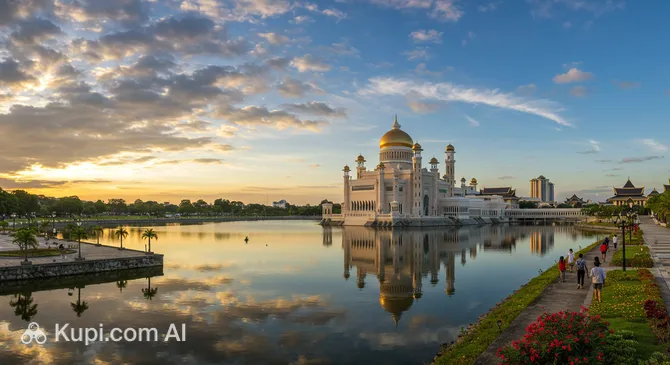
Bandar Seri Begawan. Source: Kupi.Binoculars

Located on the northern coast of Borneo within the Brunei-Muara District, the city is home to approximately 50,000 people. It is the vibrant heart of Brunei, sitting along the banks of the Brunei River. The climate here is tropical, characterized by warm temperatures and high humidity year-round, which contributes to the verdant landscapes that surround the urban area.

The city's development is a testament to its rich heritage. Those interested in the history of Bandar Seri Begawan will find that it has evolved from a historic settlement centered around river life into a modern, well-planned capital. Despite its modernization, the city has carefully preserved its cultural roots, evident in the lifestyle of its residents and the design of its public spaces.

Travelers are often captivated by the Sultan Omar Ali Saifuddien Mosque, widely regarded as one of the most beautiful mosques in the Asia-Pacific region, with its gleaming golden dome and artificial lagoon. Another must-visit is Kampong Ayer, a sprawling historic water village often dubbed the "Venice of the East," where life continues on stilts above the river just as it has for centuries. These landmarks provide a unique insight into the local way of life.

Whether you are admiring the grandeur of the Royal Regalia Museum or taking a boat ride through the mangroves to spot proboscis monkeys, Bandar Seri Begawan offers a truly unique travel experience. It is a destination that promises tranquility and cultural enrichment, making it a perfect stop for those seeking to discover the "Abode of Peace."
Weather Overview

Bandar Seri Begawan experiences a consistent tropical climate, characterized by warm temperatures and high humidity throughout the year. The city does not have distinct cold or hot seasons in the traditional sense; instead, the weather remains stable with average monthly temperatures staying comfortably between 26°C and 28°C. This makes it a destination where summer-like warmth is the norm, regardless of when you choose to visit.

Rainfall is a frequent occurrence, with a significant number of wet days recorded every month. For those planning their trip and wanting to pack accordingly, checking the detailed weather in Bandar Seri Begawan is highly recommended. Even during the relatively drier months like February and July, rain can be expected on more than 20 days, while the end of the year, particularly November and December, often sees precipitation on up to 29 days per month.

Despite the frequency of rain, the showers are often interspersed with sunshine, and the thermal comfort remains high. Daytime highs typically reach around 28°C to 29°C, while nights are pleasant with minimum temperatures rarely dropping below 24°C. Expect warm weather year-round with frequent showers, so keeping an umbrella or raincoat handy is essential for exploring the city comfortably.

Interesting Facts

Beyond the main attractions, Bandar Seri Begawan holds many fascinating secrets that surprise even seasoned travelers. From record-breaking architecture to unique urban lifestyles, the city offers glimpses into a world where tradition and opulence coexist seamlessly.
  • The city is home to the Istana Nurul Iman, which holds the title of the largest residential palace in the world. This colossal residence features a staggering 1,788 rooms, 257 bathrooms, and a banquet hall capable of accommodating 5,000 guests, making it far larger than Buckingham Palace or the Vatican.

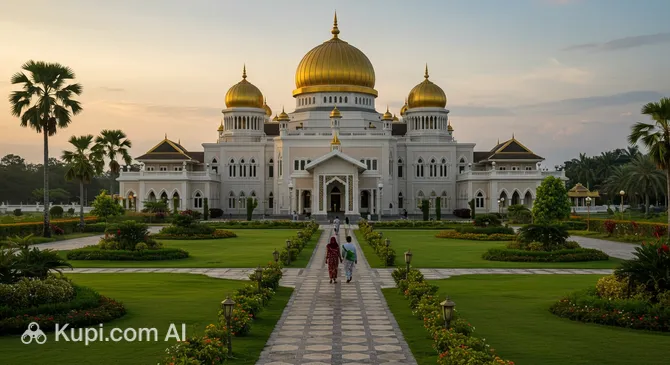
  • The magnificent Jame' Asr Hassanil Bolkiah Mosque is architecturally symbolic, featuring exactly 29 golden domes. This specific number was chosen to honor the current ruler, Sultan Hassanal Bolkiah, who serves as the 29th Sultan of Brunei.

  • Kampong Ayer, the historic water village, is not merely a cluster of stilt houses but a fully self-contained community floating on the Brunei River. It functions like a city within a city, complete with its own schools, police stations, fire brigades, and mosques, all connected by miles of wooden boardwalks.

  • Despite being a capital city, Bandar Seri Begawan offers rare wildlife encounters just minutes from the downtown area. A short boat ride from the waterfront takes you into dense mangroves where wild proboscis monkeys, endemic to Borneo, can be seen foraging freely along the riverbanks.

Jame' Asr Hassanil Bolkiah Mosque. Source: Kupi.Binoculars

How to Get There

Reaching the capital of Brunei is relatively straightforward, with air travel being the most convenient method for international visitors. For a comprehensive overview of all travel options, including land and sea routes, you can read more about how to get to Bandar Seri Begawan.

The primary gateway to the city is Brunei International Airport (BWN), which is conveniently located within Bandar Seri Begawan itself, just 5.9 km from the city center. It is a well-equipped international hub connecting the sultanate to major cities in Asia and beyond. Upon arrival, a taxi ride to the downtown area is quick and efficient, typically taking approximately 20 to 30 minutes depending on traffic.

For travelers exploring the wider region of Borneo, Miri Airport (MYY) in the Malaysian city of Miri is a significant alternative. Located about 123.3 km from Bandar Seri Begawan, it serves as a common entry point for those planning to cross the land border. The journey by road from Miri to the Brunei capital usually takes around 3 to 4 hours, accounting for immigration checks. Additionally, Labuan Airport (LBU) in Labuan offers another route; although it is 56.6 km away in a straight line, it requires a ferry connection to reach Brunei.

For clarity, here is a summary of the main airports in the vicinity:

Airport Name City Passenger Traffic Km from City
Miri Airport Miri Large 123.3
Brunei International Airport Bandar Seri Begawan Medium 5.9
Labuan Airport Labuan Small 56.6
Mulu Airport Mulu Small 94.7
Bario Airport Bario Very Small 141.3

Bandar Seri Begawan does not have a railway station, and there are no intercity train services connecting the capital to other parts of the island. Visitors arriving by land typically use the extensive bus network from neighboring Sarawak (Malaysia) or drive private vehicles. Water transport is also a popular method, with regular ferries operating between the Serasa Ferry Terminal and the island of Labuan.

Main Attractions

Bandar Seri Begawan may be a quiet capital, but it is packed with culturally significant and visually stunning landmarks. The city's attractions offer a mix of royal grandeur, Islamic heritage, and vibrant local life, all within easy reach of the city center. Exploring these sites provides a deeper understanding of Brunei's unique identity and the lifestyle of its people.

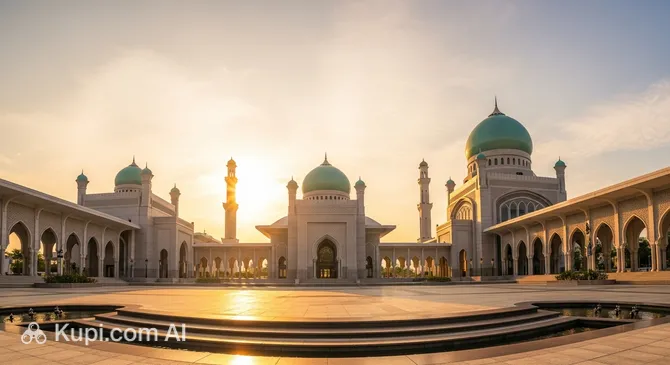
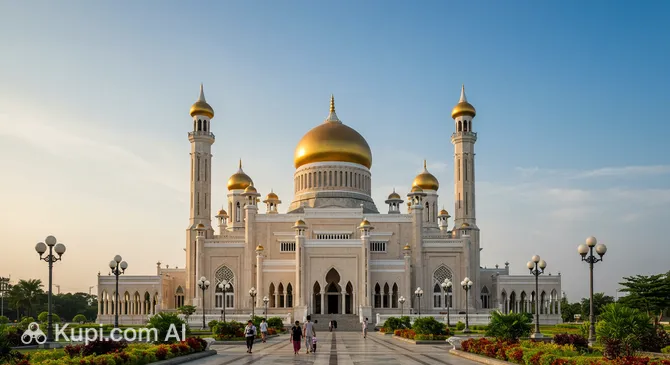
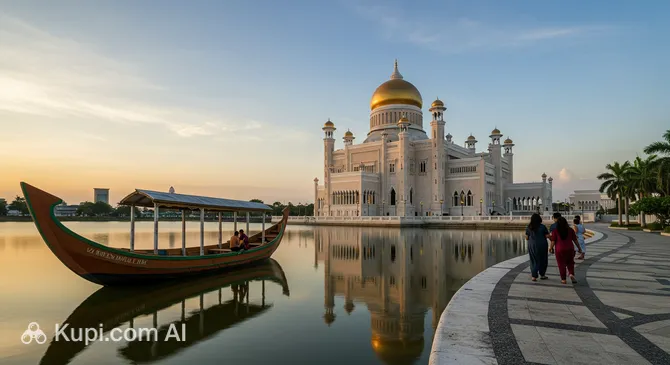
One of the most iconic sights in the country is the Omar Ali Saifuddien Mosque. Named after the 28th Sultan of Brunei, this architectural masterpiece is often cited as one of the most beautiful mosques in the Asia-Pacific region. Its gleaming pure gold dome, Italian marble minarets, and the ceremonial stone barge sitting in an artificial lagoon create a mesmerizing reflection, especially at sunset. It serves as a major symbol of the Islamic faith in Brunei and dominates the city's skyline with its elegance.

Omar Ali Saifuddien Mosque. Source: Kupi.Binoculars

For those interested in the monarchy and the lavish history of the Sultanate, the Royal Regalia Museum is an essential stop. Housed in a distinctively domed building in the heart of the city, the museum displays the regalia used during the Silver and Golden Jubilee celebrations of the current Sultan. Visitors can admire the colossal Royal Chariot, gold and silver ceremonial armor, and a vast collection of jewel-encrusted gifts from world leaders. It offers a fascinating glimpse into the opulence that surrounds the Bruneian royalty.

Royal Regalia Museum. Source: Kupi.Binoculars

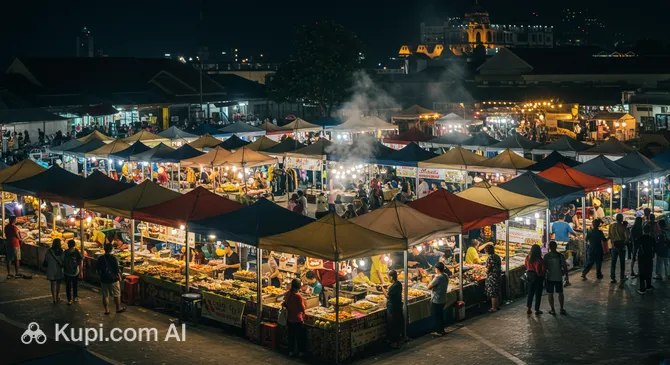
To experience the local culinary scene, a visit to the Gadong Night Market is highly recommended. Known locally as "Pasar Malam," this bustling market comes alive in the late afternoon and is the perfect place to sample authentic Bruneian street food at very affordable prices. From grilled fish and satay to the famous Nasi Katok and colorful local desserts, the market offers a sensory feast of smells and tastes that attracts both locals and tourists looking for a genuine dinner experience.

Gadong Night Market. Source: Kupi.Binoculars

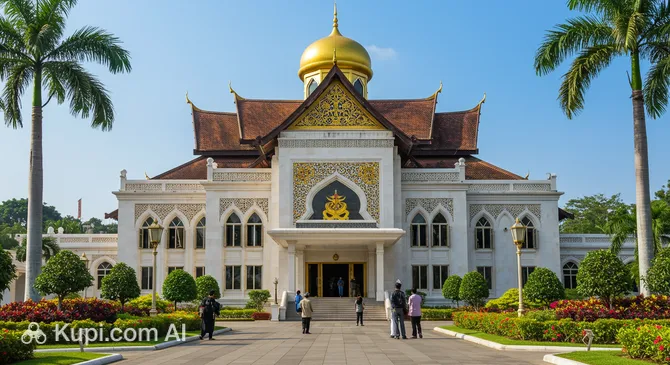
Located near the waterfront, the Sultan Haji Hassanal Bolkiah Foundation Complex, often referred to as Yayasan, is a prime example of modern Bruneian architecture blending with traditional aesthetics. While it functions as a shopping center with various boutiques and souvenir shops, its open-air design offers one of the best vantage points for photographing the Omar Ali Saifuddien Mosque and the Kampong Ayer water village. It is a pleasant spot to walk around, enjoy the breeze from the river, and admire the harmonious layout of the city center.

Sultan Haji Hassanal Bolkiah Foundation Complex. Source: Kupi.Binoculars

Local Cuisine

The culinary landscape of Bandar Seri Begawan is a flavorful reflection of its Malay heritage, enriched by Chinese and Indonesian influences. The most distinct traditional delicacy you must try is Ambuyat. Revered as the national dish of Brunei, it is a sticky, starchy substance derived from the interior of the sago palm. Locals eat it using bamboo forks called chandas, twirling the starch and dipping it into savory and spicy sauces, typically made from fermented shrimp or local fruits like durian. It is a communal dish, often served with a variety of side dishes such as grilled fish and vegetables.

For a more everyday meal, Nasi Katok is the undisputed favorite among locals. Simple, affordable, and available at almost any hour, it consists of plain rice, a piece of fried chicken, and a dollop of spicy sambal, usually wrapped in brown paper. To experience the heart of the city's food culture, a visit to the Gadong Night Market is essential. Here, the air is filled with the smoke of charcoal grills, and you can sample everything from honey-glazed chicken wings and satay to colorful local cakes known as kueh.

When it comes to beverages, it is important for visitors to know that Brunei is a dry country, meaning the sale of alcohol is banned. Consequently, the local drinking culture revolves around tea, coffee, and fresh juices. Teh Tarik, a frothy pulled milk tea, is a staple at local coffee shops. For a refreshing treat in the tropical heat, try Air Batu Campur (ABC), a popular shaved ice dessert drink topped with corn, grass jelly, red beans, and sweet syrup.

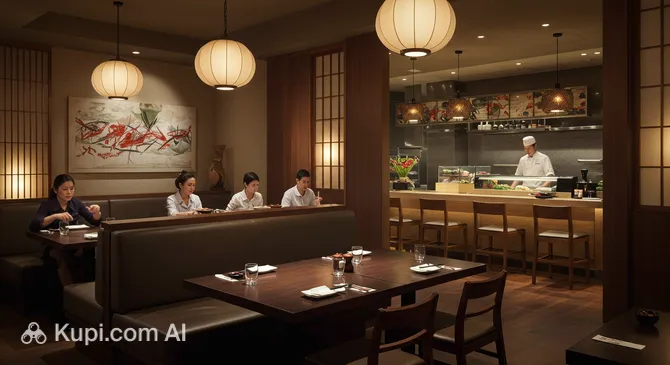
Beyond traditional Malay fare, the city has a surprisingly vibrant scene for international cuisine, with Japanese food being particularly popular. The quality of sushi and sashimi in the capital is exceptionally high. Travelers looking for a scenic dining experience can visit Kaizen Sushi, which offers fresh Japanese dishes often accompanied by views of the water, providing a delightful contrast to the spicy local curries.

Kaizen Sushi. Source: Kupi.Binoculars

Travel Tips

Welcome to Bandar Seri Begawan! Visiting this serene capital is a unique experience that differs significantly from other Southeast Asian cities. To help you navigate the "Abode of Peace" with ease and respect for local customs, here are some practical tips to ensure your trip is as smooth and enjoyable as possible.

  1. Clothing and Gear: Given the tropical climate, pack lightweight, breathable fabrics like cotton or linen to stay cool in the humidity. However, modesty is paramount in Brunei. Both men and women should aim to cover their shoulders and knees, especially when visiting religious sites like the Omar Ali Saifuddien Mosque. Slip-on shoes or sandals are highly recommended, as you will frequently need to remove your footwear before entering mosques, museums, and local homes.

  2. Transportation: Public transport options like buses exist but can be infrequent and difficult for tourists to navigate efficiently. The most convenient way to get around is by using Dart, the local ride-hailing app similar to Uber or Grab, as street taxis are rare. For a truly local experience, hop on a water taxi (speed boat) to explore Kampong Ayer; simply wave one down from the waterfront and negotiate the fare before boarding.

  3. Finances: The local currency is the Brunei Dollar (BND), which is pegged at equal value to the Singapore Dollar (SGD). In fact, Singaporean notes are widely accepted here at a 1:1 rate. While credit cards are accepted in hotels, shopping malls, and larger restaurants, you will definitely need cash for smaller shops, water taxis, and the famous Gadong Night Market.

  4. Health and Safety: Bandar Seri Begawan is one of the safest cities in Asia with very low crime rates. Pharmacies are readily available in shopping centers like The Mall in Gadong, though 24-hour services are limited. As a precaution, stick to bottled or filtered water rather than drinking from the tap. Since the city is surrounded by lush nature and mangroves, carrying mosquito repellent is wise, especially for evening walks.

  5. Communication: Malay is the official language, but English is widely spoken and understood, particularly in business and tourism sectors. You will have no trouble communicating in hotels and restaurants. Buying a local SIM card is easy at the airport upon arrival for reliable data coverage. Useful phrases include "Terima Kasih" (Thank you) and "Apa Kabar?" (How are you?), which are always appreciated by locals.

  6. Local Etiquette: Bruneians are polite and reserved. When pointing at something or someone, it is polite to use the thumb of your right hand with the other four fingers folded beneath it, rather than using the index finger. When greeting, a light handshake is common, but wait for the local person to initiate it, as some may prefer a polite nod or placing their hand over their heart, especially across genders.

  7. What to Avoid: Be mindful that the country enforces strict alcohol laws; alcohol is not sold anywhere. Non-Muslim tourists are allowed to bring a limited amount for private consumption, but drinking in public is strictly prohibited. Additionally, avoid public displays of affection, such as hugging or kissing, as this is considered culturally inappropriate.

  8. Friday Prayer Pause: A unique aspect of life in Bandar Seri Begawan is the Friday prayer break. By law, all businesses, offices, and shops close from approximately 12:00 PM to 2:00 PM on Fridays. Plan your lunch and activities around this time, as the city essentially shuts down for two hours.

By keeping these tips in mind, you will be well-prepared to embrace the tranquil pace and rich culture of Bandar Seri Begawan. Enjoy the warm hospitality of the locals and the stunning beauty of this hidden gem on the island of Borneo!

Entertainment & Nightlife

Entertainment and nightlife in Bandar Seri Begawan offer a unique experience that differs significantly from the bustling party scenes found elsewhere in Southeast Asia. As Brunei is a strict dry country, the sale and public consumption of alcohol are prohibited. Consequently, you will not find nightclubs, pubs, or bars in the city. Instead, the evening culture revolves around vibrant night markets, late-night dining, coffee shop socializing, and leisurely strolls along the illuminated waterfront.

The heart of the city's evening activity is undoubtedly the **Gadong** district. This bustling commercial hub comes alive after sunset, drawing locals and tourists alike to its shopping malls and eateries. The crown jewel of this area is the Gadong Night Market. Open daily until around 10:00 PM or 11:00 PM, it is the premier spot to soak up the local atmosphere. The air is thick with the aroma of grilled satay and fish, and the crowd is a lively mix of families and friends enjoying affordable street food under the canopy lights.

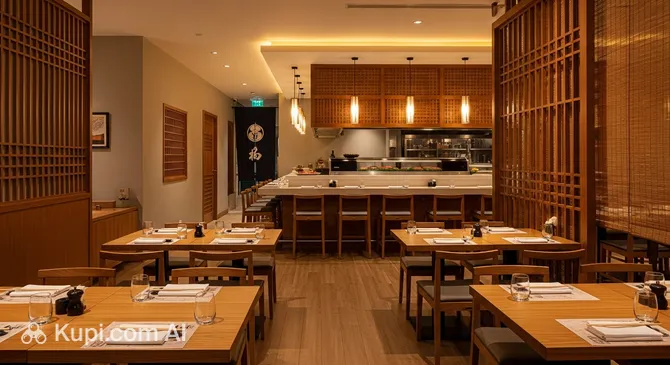
For a more sit-down dining experience, the city has a thriving restaurant scene that often serves as the main form of social entertainment. Japanese cuisine is exceptionally popular here. Excapade Japanese Restaurant is a favorite among locals for its high-quality sushi and lively environment. It is a common place for large groups to gather in the evenings, offering a bustling vibe that compensates for the lack of traditional bars.

Excapade Japanese Restaurant. Source: Kupi.Binoculars

Another excellent evening venue is Kaizen Sushi, particularly the branch located near the waterfront. Dining here allows you to enjoy fresh seafood while overlooking the serene Brunei River and the historic water village on stilts. The dress code for these establishments is generally casual but modest; shorts and flip-flops are acceptable, though smart-casual attire is appreciated in indoor restaurants.

Beyond dining, the **Kiulap** commercial precinct is another key area for night owls. It is packed with modern cafes, bubble tea shops, and boutiques that stay open late. This is where the younger crowd tends to hang out, sipping coffee and chatting until midnight. For a quieter experience, a walk along the **Waterfront** (Jalan McArthur) offers breathtaking views of the illuminated Omar Ali Saifuddien Mosque, providing a peaceful and safe environment for night photography.

Regarding safety and logistics, Bandar Seri Begawan is incredibly safe for night walks, with very low crime rates. However, public transport virtually ceases after sunset. To get around at night, it is essential to download the **Dart** app (Brunei’s version of ride-hailing), as flagging down a taxi on the street is nearly impossible. Prices are reasonable, but availability can vary late at night.

During the daytime, entertainment shifts towards cultural and family-friendly activities. Visitors can explore the city's rich history at various museums, take boat tours to see proboscis monkeys in the mangroves, or enjoy air-conditioned comfort in shopping complexes like The Mall in Gadong, which also houses a cinema showing the latest international films.

Parks & Museums

Bandar Seri Begawan is a capital that breathes, offering a refreshing balance between manicured urban landscapes and wild, tropical nature. The city is dotted with lush parks and world-class museums that allow visitors to seamlessly transition from exploring dense rainforest trails to admiring priceless royal artifacts, all within a few kilometers of the city center.

For nature lovers, Tasek Lama Recreational Park is an urban oasis located just a short walk from the downtown area. It serves as a natural lung for the city, featuring a natural waterfall and a network of jungle trails that range from easy paved walks to challenging hikes up steep hills. It is a favorite spot for locals to exercise in the mornings and evenings, offering a chance to see wild macaques and enjoy the serenity of the rainforest without leaving the capital.

Another significant green space is the Taman Mahkota Jubli Emas, also known as the Eco-Corridor Park. Stretching along the riverfront, this beautifully landscaped park offers stunning unobstructed views of the Kampong Ayer water village and the iconic mosques. It is particularly popular at sunset, where the manicured gardens and promenade provide a perfect setting for a leisurely stroll or a cycle, capturing the modern yet peaceful spirit of the city.

When it comes to culture, the Royal Regalia Museum stands out as the premier institution for understanding the grandeur of the Bruneian monarchy. The museum houses a vast collection of ceremonial items, including the gilded chariot used during the Sultan's silver jubilee and an array of diplomatic gifts from around the globe. It provides a fascinating, up-close look at the protocols and opulence that define the Sultanate's royal traditions.

To delve deeper into the nation's trading history, the Brunei Darussalam Maritime Museum is a must-visit. Located near the archaeological site of Kota Batu, its centerpiece is the "Brunei Shipwreck," a vessel discovered off the coast in 1997 containing thousands of artifacts from the 15th century. The exhibits wonderfully illustrate Brunei’s historical role as a major trading hub in the region, showcasing ceramics, glassware, and ivory that passed through its waters centuries ago.

Among the city's most impressive landmarks is the Istana Nurul Iman, the official residence of the Sultan. While the palace itself is generally closed to the public except for a few days during the Hari Raya festivities, its sheer scale and golden domes are a sight to behold from the river or the adjacent Damuan Recreational Park. It stands as a monumental symbol of the nation's modern history and Islamic architecture.

Istana Nurul Iman. Source: Kupi.Binoculars

For an authentic insider experience, try visiting the Malay Technology Museum located right next to the Maritime Museum. Unlike typical technology museums, this one focuses on traditional "technology," displaying the ingenious methods used by the water village residents for centuries, from boat-making to metalworking and gold-threading. It offers a quiet, educational glimpse into the resourceful heritage of the Bruneian people.

Getting Around

Public transport in Bandar Seri Begawan is relatively simple and limited compared to many other bustling Asian capitals. The city does not have a metro, tram, or train system. Instead, the primary mode of public transportation on land is the bus network, known locally as Franchise Buses. These distinct purple buses connect the central business district with various suburbs and key landmarks. While they are reliable during the day, the network is not as extensive or frequent as in larger metropolises, so a bit of patience is often required.

A unique and essential part of the city's transport system is the water taxi, locally referred to as a penambang. These small speedboats are the lifeline for residents of Kampong Ayer (the water village) and offer a quick way to cross the river or explore the mangroves. You can easily find them at various jetties along the waterfront. They function more like a hop-on service than a scheduled ferry; you simply wave one down or approach a boatman at the dock.

The payment system for both buses and water taxis is straightforward and cash-based. There are no complex travel cards, zones, or validation machines. For the purple buses, the fare is typically a flat rate of BND 1.00 per ride, regardless of the distance. You pay the conductor or driver directly upon boarding. It is highly advisable to carry small denominations or coins, as getting change for large notes can be difficult. Water taxi fares vary by distance; a short hop across the river usually costs around BND 1.00, but longer chartered trips require negotiation beforehand.

For tourists, the most critical piece of advice regarding the bus system is to be aware of the operating hours. Public buses generally stop running quite early, often by 6:00 PM or 7:00 PM. After sunset, relying on buses is not feasible. Furthermore, bus stops are not always clearly marked outside the main terminal on Jalan Cator, so it is often best to ask locals where to wait or simply wave at an approaching bus to signal it to stop.

Given the limited evening bus service and the scarcity of traditional street-hailed taxis, ride-hailing has become a popular alternative. The local app, Dart, functions similarly to Uber or Grab and is the most reliable way to book a car. It allows you to pay via the app or with cash and provides a fixed price before you ride. Traditional taxis do exist but are rarely found cruising the streets; they are mostly stationed at the airport or major hotels and run on a meter.

For those who prefer more independence, renting a car is a common choice, as the roads are well-maintained and traffic is generally light compared to neighboring regions. Alternatively, the city center itself is quite compact and pedestrian-friendly. many of the main attractions, such as the Omar Ali Saifuddien Mosque and the Royal Regalia Museum, are within comfortable walking distance of each other, allowing you to explore the heart of Bandar Seri Begawan on foot.

Accommodation

Bandar Seri Begawan offers a focused but comfortable selection of accommodation options suitable for various travel styles. While the city does not have the overwhelming density of hotels found in other Southeast Asian capitals, it provides high-quality choices ranging from affordable guesthouses and youth centers to mid-range business hotels and opulent luxury resorts. The standard of cleanliness and service is generally excellent across the board, reflecting the country's orderly and peaceful nature.

When choosing where to stay, location is a key factor. The City Center (Pusat Bandar) is the most convenient area for tourists who prefer exploring on foot. Staying here places you within walking distance of major landmarks like the waterfront and museums. Alternatively, the Gadong area is a popular choice for those who prioritize dining and shopping. This district is a bustling commercial hub, home to the largest shopping malls and the famous night market, making it a lively base for food lovers, though you will need transport to reach the historic downtown sites.

For budget travelers, options are somewhat limited compared to backpacker hubs like Bangkok or Bali, but there are decent hostels and budget hotels available, particularly in the city center. Mid-range travelers will find a good variety of reliable hotels that offer modern amenities and often include breakfast. At the top end of the spectrum, the city is known for its exceptional luxury hospitality, offering resort-style experiences with golf courses and sea views on the outskirts of the capital.

Booking Tips and Prices: It is highly recommended to book your accommodation in advance, especially if you plan to visit during national holidays or the Sultan's birthday celebrations, when rooms can fill up quickly. Prices in Bandar Seri Begawan are generally reasonable; budget rooms can be found for around BND 40–60 per night, while mid-range hotels typically range from BND 80 to BND 150. Most properties can be easily booked through major online travel platforms, though some smaller guesthouses may prefer direct contact via email or phone.

Nearby Cities

For those looking to explore the surroundings, Bandar Seri Begawan serves as an excellent base for day trips to several interesting nearby locations:

City Population Distance (km)
Tutong 28,000 32
Seria 21,082 75
Kampong Tunah Jambu 8,809 46
Kuala Belait 4,259 87
Bangar 626 25

Bangar is a unique destination located in the isolated Temburong District, separated from the rest of Brunei by Malaysia. It serves as the gateway to the pristine Ulu Temburong National Park, often referred to as the "Green Jewel of Brunei." The journey to Bangar is an attraction in itself, typically involving a thrilling speedboat ride through winding mangrove rivers, making it a perfect escape for nature lovers and adventure seekers.

Situated between the capital and the oil-rich western districts, Tutong offers a relaxed atmosphere and scenic beauty. The town is most famous for Pantai Seri Kenangan, or the "Unforgettable Beach," a stunning spit of white sand sandwiched between the calm Tutong River and the waves of the South China Sea. It is an ideal spot for a peaceful picnic or a sunset walk.

Further west lies Seria, the birthplace of Brunei's petroleum industry. This town provides a fascinating contrast to the capital, featuring the Billionth Barrel Monument and the Oil and Gas Discovery Centre. Visitors can see the "nodding donkeys" (oil pumps) in action, offering insight into the industry that has fueled the nation's prosperity.

These nearby destinations offer a glimpse into the diverse culture and landscapes of the region.

Shopping & Souvenirs

Shopping in Bandar Seri Begawan offers a relaxed and culturally immersive experience, distinct from the frenetic pace of other Southeast Asian capitals. While it may not be known for massive luxury retail districts, the city provides a delightful mix of modern conveniences and traditional commerce. Visitors can explore air-conditioned complexes for international brands or wander through open-air markets to discover local craftsmanship and produce, all within a safe and uncrowded environment.

The primary hub for retail therapy is the Gadong district, a bustling commercial area located just a few kilometers from the city center. This is where locals gravitate for their daily needs, fashion, and electronics. Another significant commercial precinct is Kiulap, which is packed with boutiques, textile shops, and modern cafes, making it a popular spot for leisurely shopping and dining.

For a modern shopping experience, "The Mall" in Gadong is the largest and most popular shopping center in the country, featuring a cinema, a food court, and a wide array of shops. In the city center, the Sultan Haji Hassanal Bolkiah Foundation Complex (often called Yayasan) is an architectural gem worth visiting. Beyond its retail offerings, the complex is designed with traditional Malay aesthetics and offers splendid views of the water village, blending shopping with sightseeing.

Markets are the soul of the city's trade. The Tamu Kianggeh is a vibrant open-air market located on the banks of the Kianggeh River, perfect for a morning visit to see locals trading fresh produce, medicinal herbs, and handicrafts. For evening explorers, the Gadong Night Market is an essential stop. While primarily a food destination, it offers a glimpse into the local lifestyle and is a great place to pick up affordable local snacks and small items in a lively atmosphere.

When searching for souvenirs, look for Jong Sarat, a traditional hand-woven silver and gold threaded cloth that is a symbol of Bruneian heritage. Other authentic keepsakes include intricate silverware, for which Brunei is famous, and anyaman (woven baskets and mats) made from pandan leaves. These items reflect the rich artistic traditions of the Sultanate and make for meaningful gifts.

Most shops and malls typically open around 10:00 AM and close by 9:30 PM or 10:00 PM. It is crucial for visitors to remember that on Fridays, all businesses, including shops and markets, close for Friday prayers between 12:00 PM and 2:00 PM. Credit cards are widely accepted in malls and larger establishments, but carrying cash is necessary for markets and smaller vendors.

One of the perks of shopping in Bandar Seri Begawan is that Brunei does not impose a sales tax or VAT on goods. This means the price you see on the tag is the final price you pay, offering a straightforward and often cost-effective shopping experience for international visitors.

Reached the end of the page?

That means the route is fully explored