Support

Labuan

About

Labuan. Source: Kupi.Binoculars

Welcome to Labuan, a fascinating Federal Territory located off the northwest coast of Borneo. Often referred to as the "Pearl of Borneo," this island is best known as an international offshore financial center and a duty-free haven, but it offers much more than just business opportunities. It is a vibrant destination within Malaysia that seamlessly blends modern infrastructure with island charm, making it an intriguing stop for travelers exploring the region.

Geographically, the territory consists of the main island of Labuan and six smaller islands. With a population of approximately 95,000 residents, it maintains a friendly, community-oriented atmosphere despite its economic significance. The climate here is tropical, ensuring warm weather year-round, which is perfect for enjoying the island's coastal beauty. While it is a hub for the oil and gas industry, visitors will find plenty of green spaces and well-maintained public areas.

The island holds a significant place in regional narratives, evident in its various landmarks. To truly appreciate the local culture, one should explore the history of Labuan, which reveals its transformation from a quiet port to a strategic base and eventually a thriving federal territory. This rich heritage is commemorated at sites like the Labuan War Cemetery, the final resting place for thousands of Allied soldiers from World War II, offering a serene and poignant reminder of the past.

For adventure seekers, Labuan is renowned as a premier wreck diving destination. The waters surrounding the island are home to several famous shipwrecks, such as the Cement Wreck and the Blue Water Wreck, which attract divers from all over the world. On land, the mysterious Chimney—a towering red brick stack with an unknown original purpose—remains one of the island's most iconic and puzzling attractions. Whether you are here for duty-free shopping, underwater exploration, or historical discovery, Labuan promises a memorable experience.

Weather Overview

Travelers planning a trip to this island territory can expect a tropical climate that remains hot and humid throughout the year. The temperatures are remarkably consistent, with daily averages hovering around 27°C to 28°C. Daytime highs typically reach up to 30°C in May, while nights stay warm, rarely dropping below 25°C. This steady warmth makes it an ideal destination for beach activities at any time, provided you are prepared for the humidity.

Rainfall is a constant companion in this region, though the frequency varies by season. According to the weather in Labuan, the months of February and March are generally the driest, with fewer rainy days compared to the rest of the year. Conversely, the end of the year sees a significant increase in precipitation frequency; October through December are typically the wettest months, often experiencing rain on more than 25 days each month. Visitors should expect consistent warmth year-round with frequent showers, especially during the monsoon season late in the year.

Interesting Facts

Beyond its reputation as a financial hub and diving paradise, Labuan holds several fascinating secrets waiting to be discovered. Here are some intriguing insights into the island's unique character and history.
An-Nur Jamek Mosque (Labuan State Mosque). Source: Kupi.Binoculars
  • The name "Labuan" is derived from the Malay word "labuhan," which translates to "anchorage" or "harbor." This moniker perfectly reflects the island's historical significance as a safe haven for ships seeking shelter from the rough waters of the South China Sea.

  • Architecture enthusiasts will find the An-Nur Jamek Mosque particularly striking due to its futuristic design. Its two towering minarets are distinctively shaped and are often compared to space rockets, blending modern aesthetics with traditional Islamic elements.

  • Nature lovers visiting the Labuan Marine Museum can witness a rare specimen: a massive 42-foot skeleton of an Indian Fin Whale. This whale was found stranded on the island's shores, and its preserved remains now serve as a centerpiece for marine education.

  • The island is home to resilient water villages, such as Kampung Patau-Patau, where entire communities live in houses built on high stilts over the sea. Unlike many traditional wooden settlements, these villages were rebuilt with concrete after World War II, creating a unique blend of heritage lifestyle and modern durability.

How to Get There

Reaching this island destination is relatively straightforward, with air travel being the most convenient method for most visitors. For a detailed breakdown of all available transport options, you can read more about how to get to Labuan. The territory is well-served by its own airport and is accessible via major regional hubs nearby.

The primary entry point is Labuan Airport (LBU), which is located directly in the city of Labuan. Situated just 2.8 km from the city center, it offers quick access to your accommodation; a taxi ride typically takes approximately 5-10 minutes. This airport handles a steady stream of passengers and connects the island efficiently to other parts of Malaysia.

Alternatively, travelers often fly into Kota Kinabalu International Airport (BKI), located in Kota Kinabalu. It is approximately 116 km away and serves as a large international hub. The journey from there to Labuan, involving transfer to a ferry, takes roughly 3 hours and 15 minutes. Another option is Brunei International Airport (BWN) in Bandar Seri Begawan, which is about 50 km away. Traveling from this airport takes approximately 1 hour and 35 minutes, usually including a ferry crossing.

For clarity, here is a summary of the main airports:

Airport Name City Passenger Traffic Km from City
Kota Kinabalu International Airport Kota Kinabalu Large 116.2
Brunei International Airport Bandar Seri Begawan Medium 50.3
Labuan Airport Labuan Medium 2.8
Mulu Airport Mulu Small 144.7
Bario Airport Bario Small 173.5

Main Attractions

Labuan offers a unique mix of historical landmarks, modern architecture, and duty-free shopping zones. While the island is compact, its attractions provide a diverse experience for visitors, ranging from educational museums to serene public spaces. Here are some of the top places to explore during your stay.

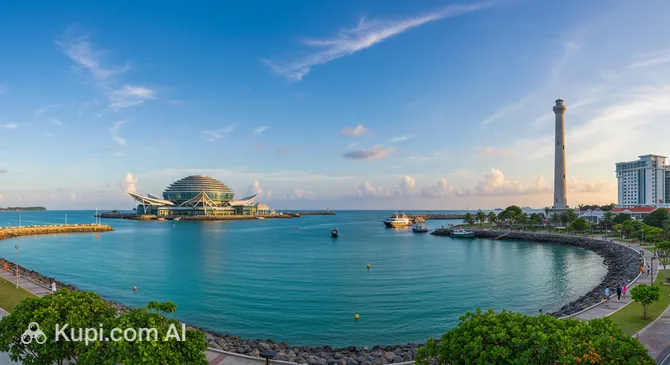
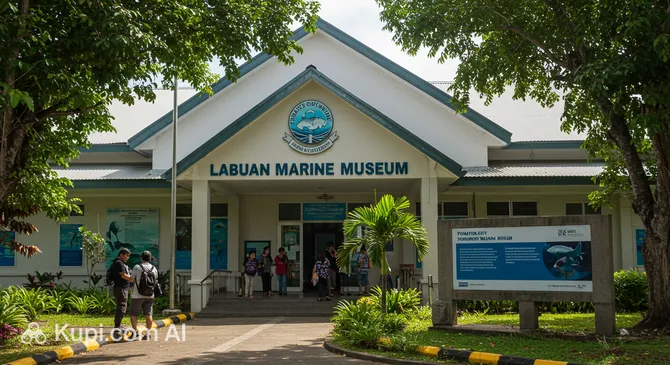
One of the most educational stops on the island is the Labuan Marine Museum. Located within the International Sea Sports Complex, this museum is designed to look like a ship and offers a fascinating insight into the marine life of Borneo. It is particularly interesting for tourists because it features exhibits on the famous shipwrecks located in Labuan's waters, allowing non-divers to learn about the island's underwater heritage. Visitors can also explore touch pools and view a variety of sea artifacts.

Labuan Marine Museum. Source: Kupi.Binoculars

A striking example of modern Islamic architecture is the An-Nur Jamek Mosque (Labuan State Mosque). Known for its futuristic design, the mosque features two tall minarets and a unique dome structure that blends Malay and Turkish influences. It is a captivating site for architecture enthusiasts and photographers alike. The mosque is not only a place of worship but also a symbol of the territory's identity, offering a peaceful atmosphere and beautiful gardens.

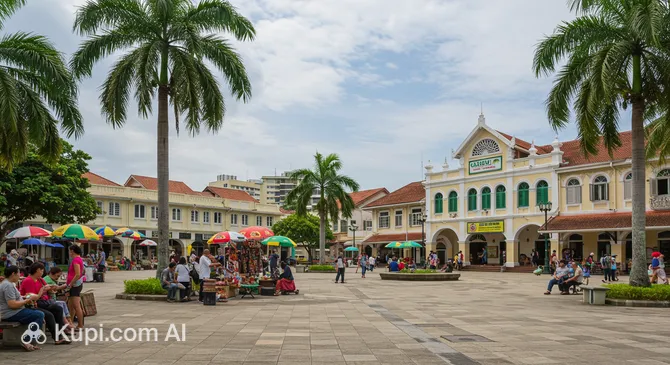
For a taste of local life and civic pride, a visit to Labuan Square is essential. Situated in the town center, this open square, also known as Dataran Labuan, is the venue for many of the island's official celebrations and events. It is beautifully landscaped with flags representing all the states of Malaysia, making it a patriotic landmark. Tourists often visit in the evenings to enjoy a leisurely stroll, admire the fountains, and soak in the vibrant city atmosphere.

Labuan Square. Source: Kupi.Binoculars

Since Labuan is a duty-free haven, shopping is a major attraction, and the Financial Park Complex stands as the central hub for this activity. This massive development dominates the skyline and houses a large shopping mall alongside corporate offices. It is an excellent spot for tourists to purchase imported chocolates, perfumes, and textiles at competitive prices. Beyond shopping, it provides a cool, air-conditioned retreat from the tropical heat with various dining options available.

Financial Park Complex. Source: Kupi.Binoculars

Local Cuisine

The culinary landscape of Labuan is a delightful reflection of its multicultural heritage, blending Malay, Chinese, and distinct Bornean influences. As an island territory, it is naturally a paradise for seafood lovers. The freshness of the catch is unrivaled, with local restaurants serving up everything from succulent crabs and butter prawns to perfectly steamed fish, often seasoned with aromatic local spices. Dining here offers a genuine taste of the ocean, frequently enjoyed in relaxed settings that highlight the island's easygoing charm.

One cannot visit Labuan without trying its most famous signature dessert, Coconut Pudding. This refreshing treat is made from fresh coconut water and milk, set into a silky jelly and often served directly in the coconut shell or in small takeaway cups. It is the perfect antidote to the tropical heat and can be found at roadside stalls and restaurants alike. For a savory staple, visitors should look for Tuaran noodles or locally prepared seafood noodles, which are hearty and packed with flavor.

Grand Labuan Restaurant. Source: Kupi.Binoculars

When it comes to beverages, Labuan's status as a duty-free island plays a significant role in the local dining culture. Unlike many other parts of the region where alcohol can be pricey, here visitors can enjoy beers, wines, and spirits at very attractive prices, making it a popular spot for evening relaxation. For non-alcoholic options, fresh fruit juices are abundant, and the classic Malaysian "Teh Tarik" (pulled tea) remains a favorite accompaniment to any meal.

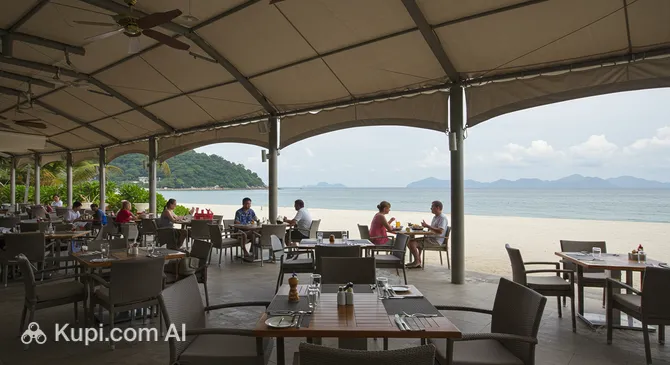
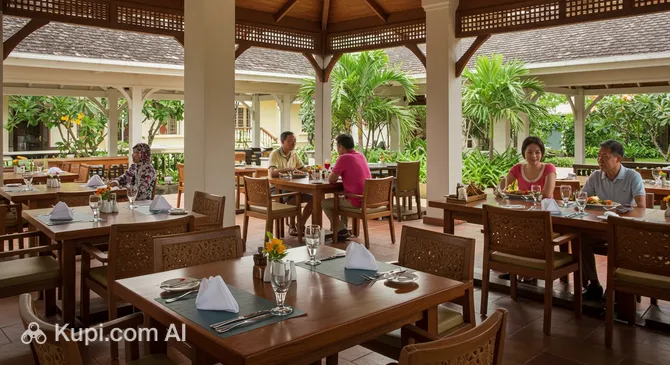
The food scene ranges from casual open-air hawker centers to more comfortable air-conditioned establishments. For a reliable dining experience, you might visit the Grand Labuan Restaurant, which is well-regarded for its Chinese-style cuisine and seafood dishes. Another notable spot is the restaurant at the Labuan Point Hotel, which offers a variety of options for travelers. Whether you are exploring the food courts at the Ujana Kewangan Complex or eating at a seaside stall, the gastronomic experience in Labuan is satisfying and diverse.

Travel Tips

Welcome to Labuan! To ensure your visit to this unique island territory is as smooth and enjoyable as possible, we have gathered some practical advice. These tips will help you navigate local customs, manage your budget, and get around with the confidence of a seasoned traveler.

  1. Clothing and Gear: Due to the tropical climate, lightweight and breathable fabrics like cotton or linen are your best friends here. Since rain showers can occur unexpectedly, especially towards the end of the year, packing a compact umbrella or a light raincoat is highly recommended. While casual wear is generally acceptable, remember to dress modestly—covering shoulders and knees—if you plan to visit religious sites like the An-Nur Jamek Mosque. Comfortable walking shoes are essential for exploring the town and historical sites.

  2. Transportation: The most convenient way to get around the island is by using ride-hailing apps like Grab, which are widely available and affordable. Regular taxis are also present but ensure the meter is used or a price is agreed upon beforehand. While there is a public bus service, it can be infrequent. For those who prefer independence, renting a car or a scooter is a popular option, as traffic is generally light and the roads are well-maintained.

  3. Finances: The local currency is the Malaysian Ringgit (MYR). While credit cards are widely accepted in hotels, the Financial Park Complex, and larger restaurants, cash is still king at local markets, hawker stalls, and smaller shops. ATMs are readily available throughout the town center. Since Labuan is a duty-free island, items like chocolate and perfumes are cheaper here, but be mindful of your budget if you plan to shop extensively.

  4. Health and Safety: Labuan is generally a very safe destination for tourists. However, standard precautions against petty theft should always be taken. Pharmacies such as Watsons and Guardian are easily found in the town center for basic medical supplies. For more serious concerns, the Labuan Hospital is the main public healthcare facility. Given the tropical environment, it is wise to carry mosquito repellent, especially if you are visiting parks or beaches in the evening.

  5. Communication: The official language is Malay (Bahasa Malaysia), but English is widely spoken and understood, particularly in the business and tourism sectors. You will have no trouble communicating in hotels or shops. Buying a local SIM card is easy at the airport or convenience stores in town to stay connected. Useful phrases include "Terima kasih" (Thank you) and "Selamat pagi" (Good morning), which are always appreciated by locals.

  6. Local Etiquette: Malaysians are warm and friendly, and reciprocating their politeness is key. Always remove your shoes before entering a local home or a mosque. When eating with your hands or giving and receiving objects, use your right hand, as the left is traditionally considered unclean. A smile and a nod go a long way in establishing a good rapport with the residents.

  7. What to Avoid: Avoid pointing at people or objects with your index finger, as this is considered rude; instead, use your thumb with your four fingers folded under. Additionally, refrain from public displays of affection, which are frowned upon in this conservative society.

  8. Duty-Free Shopping Tip: While shopping is a major draw, be aware of the customs regulations when leaving. If you are traveling to other parts of Malaysia (like Sabah or Kuala Lumpur), there are strict limits on the amount of duty-free alcohol and cigarettes you can bring with you. Check the current allowances to avoid paying taxes or having items confiscated at the airport.

With these tips in hand, you are well-prepared to experience the best of Labuan. Whether you are here to explore historical shipwrecks or enjoy the duty-free lifestyle, respecting local norms and planning ahead will ensure your trip is truly memorable.

Entertainment & Nightlife

Labuan’s nightlife is distinct from the high-energy club scenes found in larger Malaysian cities like Kuala Lumpur. Instead, the island offers a more laid-back and social atmosphere, heavily influenced by its status as a duty-free haven. Because alcohol is significantly cheaper here than in the rest of the country, the nightlife culture revolves largely around relaxed pubs, bistros, and karaoke lounges where locals, expatriates, and tourists mingle over affordable drinks. The vibe is generally casual and friendly, making it easy for visitors to strike up conversations and enjoy the island's slow-paced charm well into the night.

The heart of the action is concentrated in the town center, particularly around the area known as Bandar Labuan. Here, you will find a variety of establishments ranging from sports bars to cozy lounges featuring live bands. A popular way to spend the evening is to enjoy a meal and drinks at a venue like the Labuan Point Hotel. Establishments within or near hotels often provide a comfortable setting with good views, offering a perfect blend of dining and evening relaxation. The dress code in most places is smart-casual; flip-flops and shorts are common, but some hotel bars may appreciate slightly neater attire.

Labuan Point Hotel. Source: Kupi.Binoculars

Karaoke is a favorite pastime in Labuan, and you will find numerous KTV lounges scattered across the city. These venues range from open-lounge concepts to private rooms, catering to groups who want to sing the night away. For those who prefer a mix of shopping and evening leisure, the Ujana Kewangan Complex is a notable spot. While primarily a commercial hub, the surrounding area often buzzes with activity in the evenings, serving as a convenient meeting point before heading out to nearby bars or eateries.

Ujana Kewangan Complex. Source: Kupi.Binoculars

Practicalities for a night out in Labuan are straightforward. The best time to head out is around 9:00 PM when the air cools down and the venues start to fill up. Prices for beverages are very reasonable due to the tax-free status, with beers often costing a fraction of what you would pay on the mainland. Getting around is safe and easy; the town center is compact enough for walking, but if you are venturing further or returning late, calling a Grab car is the most reliable option. The streets are generally well-lit and safe, but standard travel vigilance is always advised.

While the nights are for socializing, daytime entertainment in Labuan offers a different pace. Visitors can explore cultural sites or spend time at the various museums and parks mentioned earlier. For families or those looking for light recreation, the island offers ample opportunities for beach picnics and exploring historical landmarks before the sun sets and the city's evening lights come to life.

Parks & Museums

Beyond its bustling port and financial district, Labuan surprises visitors with a wealth of green spaces and cultural institutions that narrate the island's intriguing past. The territory is dotted with well-maintained parks, historical gardens, and informative museums, making it an excellent destination for history buffs and nature lovers alike. Whether you are looking to trace the events of World War II or simply enjoy a quiet afternoon surrounded by tropical flora, the city offers diverse options for exploration.

For a refreshing escape into nature, the Labuan Botanical Garden is a top choice. Built on the site of the former official residence of the Government Secretary, this park is a beautiful blend of history and horticulture. It features lush landscaping, exotic plants, and old pathways that date back to the colonial era. Another significant green space is the Peace Park (Taman Damai), located on the western side of the island. This serene park was built as a memorial to peace and renunciation of war, featuring Japanese-inspired architecture, calm ponds, and a monument marking the official surrender of the Japanese forces in Borneo at the end of WWII.

To delve deeper into the local heritage, a visit to the Labuan Museum is essential. This two-story building in the town center offers a comprehensive overview of the island's history, from its pre-colonial days to its establishment as a Federal Territory. Exhibits showcase artifacts from the coal mining era, traditional socio-cultural items, and relics from the war, providing a solid context for understanding the island's identity. It is a perfect starting point for anyone wanting to learn about the people and events that shaped Labuan.

Another highlight is the Labuan Marine Museum, situated within the International Sea Sports Complex. While it is a favorite for families, it also appeals to anyone interested in the rich marine biodiversity of Borneo. The museum offers an immersive experience with its ship-like interior and extensive displays of sea life found in local waters. It serves as an educational hub where visitors can learn about conservation efforts and the fascinating shipwrecks that lie just off the coast.

History enthusiasts should not miss the Labuan War Cemetery, the largest of its kind in Malaysia. This immaculately kept memorial is the final resting place for nearly 4,000 Allied soldiers who perished during World War II. The rows of white headstones set against green lawns create a solemn and moving atmosphere, offering a poignant reminder of the sacrifices made in the region. Nearby, the mysterious Chimney Museum highlights the island's coal mining history, centered around the famous red brick tower whose original function remains a subject of debate.

For an authentic local experience, head to the beaches on the west coast, such as Layang-Layangan Beach, in the late afternoon. While not a formal park, this stretch of coastline is where locals gather to enjoy some of the most spectacular sunsets in Borneo. It is a fantastic spot to unwind with a picnic, enjoy the sea breeze, and watch the sky turn vibrant shades of orange and purple, far removed from the busy town center.

Getting Around

The public transport system in Labuan is straightforward and modest, reflecting the island's relatively small size and relaxed pace of life. Unlike major metropolitan hubs, there are no subways, trams, or complex railway networks here. Instead, the primary mode of shared public transportation consists of minibuses and vans that connect the town center with various residential areas, villages, and key landmarks across the territory.

These local buses generally operate from the central bus terminal located near the public market and the ferry terminal. They do not typically follow strict, minute-by-minute timetables; instead, they usually depart once they have a sufficient number of passengers or at rough intervals. The routes are often numbered or marked with the destination name on the windshield. Fares are extremely affordable, usually requiring just a small amount of local currency, and the payment system is strictly cash-based. You pay the driver directly upon boarding or disembarking.

For most tourists, the most convenient and efficient way to navigate the city is by using taxis or ride-hailing services. The mobile app Grab is widely used and highly recommended, as it offers transparent fixed pricing and eliminates the language barrier often associated with giving directions. Traditional taxis are also readily available, particularly at the airport, ferry terminal, and outside major hotels. While some taxis are metered, it is not uncommon for drivers to quote a flat rate for a specific destination, so it is advisable to agree on the fare before starting the journey if the meter is not used.

Given the island's manageable size and good road conditions, self-driving is a very popular alternative. Car rental agencies are plentiful at arrival points and offer competitive daily rates. Renting a scooter or a bicycle is also a viable and enjoyable way to explore the coastal roads at a leisurely pace, though visitors should be mindful of the tropical heat. Traffic is generally light, making it a stress-free environment for international drivers.

A unique feature of the local transport network is the water taxi service. These speedboats connect the main town to the traditional water villages (Kampung Air) and nearby smaller islets like Pulau Papan. Serving as a vital link for residents living in homes built on stilts over the sea, these boats offer tourists an authentic and scenic way to experience the local lifestyle. They typically operate from the waterfront jetty during daylight hours and require cash payment.

Travelers should be aware that public minibuses usually run from early morning until late afternoon, often winding down operations around 6:00 PM or 7:00 PM. After sunset, public transport options dwindle significantly, making ride-hailing apps or pre-arranged taxis the only reliable choice for evening travel. It is practical advice to carry small denominations of cash for bus fares and water taxis, as drivers often have limited change for large banknotes.

Accommodation

Accommodation in Labuan caters primarily to business travelers, offshore workers, and tourists seeking a layover or a diving adventure. The island offers a practical range of lodging options, spanning from simple budget inns and guesthouses to comfortable mid-range hotels and serviced apartments. While you will not find the ultra-luxury sprawling resorts typical of other Malaysian islands like Langkawi, the standard of accommodation is generally high, with a focus on convenience and functionality.

The most popular area to stay is undoubtedly the town center, Bandar Labuan (Victoria). staying here places you within walking distance of the ferry terminal, the airport, and major duty-free shopping zones. This area is bustling with activity, offering easy access to local eateries, banks, and the main business district. For visitors who prefer a more scenic and tranquil environment, the west coast near Layang-Layangan Beach offers a few seaside homestays and chalets, perfect for enjoying the island's famous sunsets away from the city noise.

When it comes to booking, it is generally advisable to secure your room in advance, especially if you are visiting during major local events such as the Labuan International Sea Sports Challenge or during national public holidays. During these peak times, the best rooms in the city center can fill up quickly due to the influx of domestic tourists and participants.

The price range for accommodation in Labuan is quite affordable compared to other major tourist hubs in Malaysia. Budget travelers can find clean and basic rooms for a very reasonable cost, while mid-range business hotels offer excellent value with amenities like swimming pools and gyms. Booking can be easily done through major online travel platforms, though some smaller guesthouses and homestays may prefer direct contact or walk-ins.

Nearby Cities

For those looking to explore the surroundings, Labuan serves as an excellent base for day trips to several interesting nearby locations:

City Population Distance (km)
Kota Kinabalu 452,058 122
Sandakan 396,290 321
Miri 234,541 165
Lahad Datu 199,830 345
Bintulu 114,058 337

Kota Kinabalu, often referred to as KK, is the most popular destination for a quick getaway from Labuan. As the capital of the state of Sabah, it offers a vibrant mix of modern shopping malls, bustling handicraft markets, and a lively waterfront dining scene. It is easily accessible by a scenic ferry ride or a short flight. Visitors can spend the day island-hopping in the nearby Tunku Abdul Rahman Marine Park or simply enjoying the sunset views over the South China Sea.

Located in the neighboring state of Sarawak, Miri is another excellent option for a short visit. Historically known as Malaysia's "Oil Town," much like Labuan, it has transformed into a resort city that serves as the gateway to famous natural attractions like the Niah Caves and Gunung Mulu National Park. For a day trip, the city offers beautiful coastal parks, the Grand Old Lady (Malaysia's first oil well), and a relaxed atmosphere that contrasts with the busier capital cities.

Although further away, Sandakan is a must-visit for nature enthusiasts willing to extend their trip slightly. Known as the gateway to Borneo's wildlife, it is famous for the Sepilok Orangutan Rehabilitation Centre and the Sun Bear Conservation Centre. While a day trip might be rushed, a short flight from Labuan makes it possible to witness some of the region's most iconic wildlife and explore its rich colonial history.

These nearby destinations offer a glimpse into the diverse culture and landscapes of the region.

Shopping & Souvenirs

Shopping in Labuan is a unique experience driven largely by its status as a duty-free island. While it may not boast the sprawling mega-malls found in Malaysia's capital, it is a haven for bargain hunters looking for specific imported goods. The city is renowned for offering chocolates, perfumes, leather goods, and confectioneries at prices significantly lower than on the mainland. Beyond the luxury items, the shopping scene is a mix of modern complexes and traditional markets, providing a glimpse into both the commercial and local lifestyles of the territory.

The main shopping activity is concentrated in the town center, also known as Bandar Labuan or Victoria. The streets here, particularly around Jalan Tun Mustapha, are lined with various rows of shophouses and retail outlets. This area is compact and walkable, allowing tourists to browse through textile shops, electronic stores, and supermarkets with ease. It is the beating heart of the island's commerce, where the hustle and bustle of daily trade creates a lively atmosphere.

For a more comfortable and modern shopping experience, the Financial Park Complex is the premier destination. As the largest integrated commercial landmark on the island, it houses a wide range of retail stores, a supermarket, and a department store within an air-conditioned environment. It is the go-to spot for purchasing duty-free goods and branded items. Another notable location is the Ujana Kewangan Complex, which serves as a one-stop center for both shopping and lifestyle needs, offering a variety of outlets that cater to both locals and visitors.

To experience the local flavor, a visit to the Labuan Central Market (Pasar Sentral) is a must. Located in the Urban Transformation Centre (UTC) building, this market is divided into wet and dry sections. Here, you can find an abundance of fresh local produce, tropical fruits, and traditional Malay snacks. It is also an excellent place to observe the daily lives of the islanders. On weekends, pop-up markets often appear, selling everything from clothes to homemade treats, adding to the vibrant street scene.

When it comes to souvenirs, duty-free chocolate is undoubtedly the most popular item to bring back, with shelves stacked high with international brands at attractive prices. Beyond sweets, Labuan is known for its high-quality dried seafood, particularly anchovies (ikan bilis) and dried shrimp, which are prized for their freshness. Visitors also frequently purchase pearls, both loose and set in jewelry, as well as traditional batik fabrics that reflect the cultural heritage of Borneo.

Most shopping malls and larger retail outlets operate daily from around 10:00 AM to 10:00 PM. Smaller shops and street-side vendors typically close a bit earlier, around 6:00 PM or 7:00 PM. While credit cards and e-wallets are widely accepted in the Financial Park Complex and major supermarkets, cash is still the preferred method of payment at local markets, hawker stalls, and smaller independent shops.

As a designated duty-free zone, Labuan offers tax exemptions on many goods, making them cheaper than in other parts of Malaysia. However, tourists should be aware of the customs regulations when leaving the island. There are strict limits on the quantity of taxable goods, such as alcohol and cigarettes, that can be taken into Sabah, Sarawak, or Peninsular Malaysia. It is advisable to check the current customs allowances at the airport or ferry terminal to avoid any issues during your departure.

Reached the end of the page?

That means the route is fully explored