Support

Miri

About

Miri is a vibrant coastal city located in the northern part of Sarawak, on the island of Borneo. As the second-largest city in the state, it serves as a crucial gateway to some of Malaysia's most spectacular natural wonders and offers a unique blend of modern development and rich cultural heritage.

Miri. Source: Kupi.Binoculars

Often referred to as the "Oil Town," Miri is the birthplace of the country's petroleum industry. To learn more about how the discovery of resources transformed a humble fishing village into a thriving metropolis, you can explore the fascinating history of Miri. This heritage is proudly showcased at the Grand Old Lady on Canada Hill, the site of the country's first oil well, which also offers panoramic views of the city.

Beyond its industrial roots, the city is a paradise for nature enthusiasts. It is the primary starting point for expeditions to the UNESCO World Heritage Site, Gunung Mulu National Park, famous for its limestone pinnacles and massive cave systems. Closer to the city, visitors can explore the prehistoric caves of Niah National Park or relax at Tanjung Lobang Beach to watch the breathtaking sunsets over the South China Sea.

With a population of approximately 234,000 people, Miri maintains a friendly and relaxed atmosphere despite its size. Whether you are an adventurer looking to trek through ancient rainforests or a traveler seeking diverse local cuisine and seaside tranquility, Miri welcomes you with open arms and unforgettable experiences.

Weather Overview

Miri experiences a consistent tropical climate with warm temperatures and high humidity throughout the year. The weather remains remarkably stable, with average monthly temperatures hovering around 26°C to 27°C. Visitors can expect daily highs to reach approximately 29°C, while nighttime lows rarely drop below 24°C, ensuring a warm atmosphere regardless of the season.

Rainfall is a frequent companion in this region, with a significant number of wet days recorded each month. Even during slightly drier periods like February and July, you might encounter rain on about 20 days of the month, while the end of the year often sees rain on up to 29 days per month. Expect warm, tropical conditions with regular showers, making lightweight, breathable clothing and rain gear essential packing items.

For a more detailed breakdown of what to expect during your visit, you can check the full report on weather in Miri. Being prepared for the rain will help you make the most of your adventures in this lush, green city.

Interesting Facts

Beyond the main attractions, Miri holds many fascinating secrets that add depth to its identity as a modern resort city. From unique symbols to record-breaking milestones, here are some intriguing details about this Sarawakian gem.

  • Miri is affectionately known as the "Resort City," but it holds a unique distinction in the nation's history. It was the very first non-state capital in Malaysia to be elevated to city status in 2005, a testament to its rapid development and importance to the region.

  • The city's official mascot is the seahorse, a symbol you will see adorning statues and streetlights throughout the town. This creature was chosen to represent Miri's proximity to beautiful coral reefs and its peaceful, harmonious atmosphere, reflecting the gentle nature of the seahorse itself.

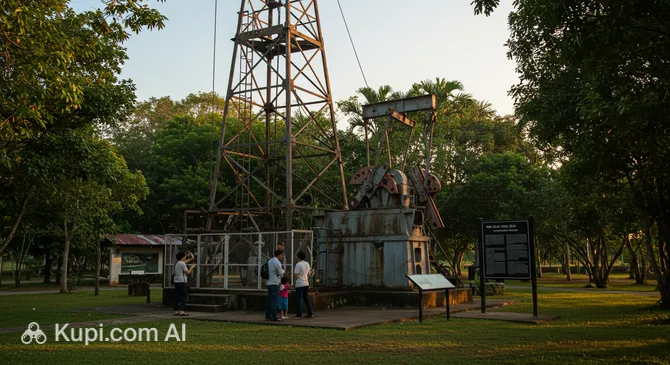
  • While many know about its petroleum history, the Miri Oil Well No. 1 (Grand Old Lady) has an impressive production record. Before it was retired to become a monument in 1972, this single well produced over 660,000 barrels of oil during its 62 years of continuous operation.

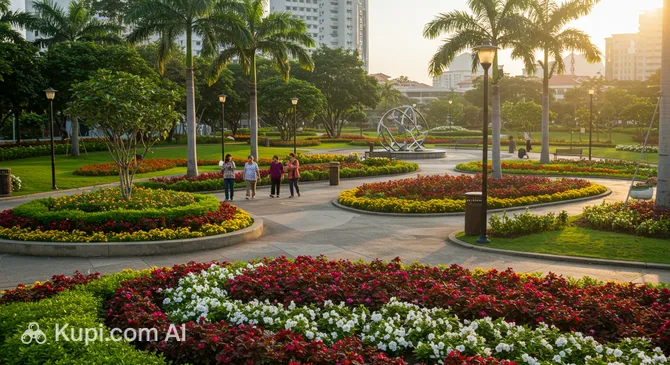
  • The award-winning Miri City Fan Recreation Park is a masterpiece of urban planning. True to its name, the park is designed in the shape of a handheld fan and features a series of distinct themed gardens, including Islamic and Chinese gardens, that symbolize the diverse cultural heritage of the local community.

Miri Oil Well No. 1 (Grand Old Lady). Source: Kupi.Binoculars

How to Get There

Reaching this coastal city is relatively straightforward, as it serves as a major transport hub for northern Sarawak. While air travel is the most convenient method for most international and domestic visitors, overland travel from neighboring Brunei or other parts of Sarawak is also common. For a complete guide on planning your journey, you can read more about how to get to Miri.

The primary gateway for travelers is Miri Airport (IATA: MYY), located directly in the city. It is a busy regional hub with frequent connections to Kuala Lumpur, Singapore, and other cities in Borneo. The airport handles a significant volume of passengers annually, making it a lively entry point. Since it is situated just 11.1 km from the city center, the transfer is quick and convenient; a taxi or bus ride typically takes approximately 35 to 40 minutes.

For those exploring the wider region, Brunei International Airport (IATA: BWN) in Bandar Seri Begawan serves as an alternative entry point. It is important to note that this airport is not in Miri but in the neighboring country of Brunei, approximately 116.8 km away. Travelers choosing this route should be prepared for a longer transfer involving a border crossing. The journey by road typically takes around 3 hours and 15 minutes, depending on traffic and immigration procedures.

For clarity, here is a summary of the main airports serving the region:

Airport Name City Passenger Traffic Km from City
Miri Airport Miri High 11.1
Brunei International Airport Bandar Seri Begawan Medium 116.8
Labuan Airport Labuan Medium 168.1
Mulu Airport Mulu Small 96.9
Bario Airport Bario Small 179.2

Main Attractions

Miri offers a delightful mix of urban conveniences and green spaces, making it a pleasant destination to explore. While famous for its proximity to national parks, the city itself boasts several spots where visitors can relax, shop, and immerse themselves in the local lifestyle.

For a peaceful escape within the city, Miri Bulatan Park is a favorite among locals and tourists alike. This scenic park features a large man-made lake and well-maintained jogging paths, creating a perfect setting for a morning walk or a leisurely afternoon. It is a great place to observe community life and enjoy the tropical greenery.

Miri Bulatan Park. Source: Kupi.Binoculars

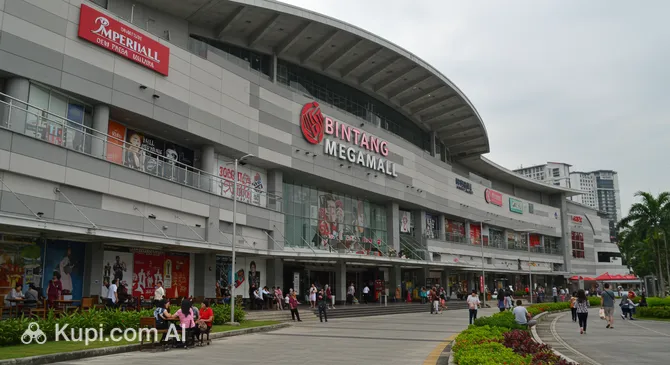
Those looking for retail therapy will find plenty of options in the city center. Bintang Megamall stands out as one of the premier shopping destinations, housing a department store, cinema, and numerous specialty shops. Just a short distance away, Permaisuri Imperial City Mall offers another modern shopping experience, connected to a hotel and surrounded by bustling commercial streets.

Bintang Megamall. Source: Kupi.Binoculars

The city is also a haven for food lovers. To taste authentic local flavors, you might visit Kebaya Story, known for its inviting atmosphere. For those craving rich and spicy dishes, the Lion Clear Nasi Kandar Restaurant serves up popular Malaysian staples that are sure to satisfy a hearty appetite.

Of course, no visit is complete without acknowledging the city's heritage at the Miri Oil Well No. 1, often called the Grand Old Lady. Additionally, the Miri City Fan Recreation Park remains a central hub for cultural events and evening strolls, renowned for its beautiful themed gardens.

Local Cuisine

The culinary landscape of Miri is a delightful reflection of its diverse population, blending indigenous Sarawakian traditions with Chinese and Malay influences. For food enthusiasts, the city offers an authentic taste of Borneo, ranging from humble street stalls to established eateries. The food culture here is casual and community-oriented, with locals often gathering in open-air coffee shops, known as "kopitiams," to enjoy hearty breakfasts and late-night suppers.

One dish you simply cannot miss is the iconic Sarawak Laksa. Unlike the curry-heavy versions found in West Malaysia, this unique noodle soup features a complex, aromatic broth made from sambal belacan (shrimp paste), tamarind, and coconut milk, typically served with prawns, shredded chicken, and fresh coriander. Another local staple is Kolo Mee, a dry noodle dish tossed in a savory mixture of lard or vegetable oil, shallots, and soy sauce, often topped with minced meat and barbecued pork. For a taste of the local greens, try Midin, a crunchy wild jungle fern that is usually stir-fried with shrimp paste or garlic.

To quench your thirst, look for the famous Three Layer Tea, locally known as Teh C Peng Special. This visually appealing drink consists of three distinct layers: rich Gula Apong (Sarawak palm sugar) at the bottom, evaporated milk in the middle, and strong black tea on top. On the alcoholic side, adventurous travelers might encounter Tuak, a traditional rice wine brewed by the indigenous Dayak communities, often served during harvest festivals and special celebrations.

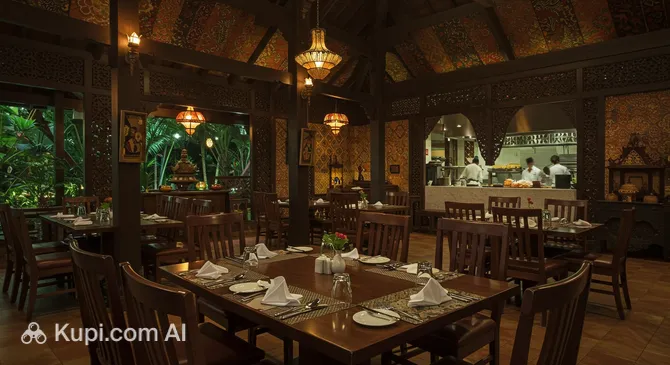
Dining in Miri is as much about the atmosphere as it is about the food. While night markets offer a plethora of grilled snacks and local cakes, sit-down restaurants provide a comfortable setting to explore heritage recipes. For instance, Kebaya Story is a notable spot where visitors can enjoy traditional flavors in a setting that pays homage to the region's cultural history.

Kebaya Story. Source: Kupi.Binoculars

Whether you are snacking on skewered meats at a bustling market or enjoying a bowl of spicy noodles in a quiet shop, the flavors of Miri are sure to leave a lasting impression on your palate.

Travel Tips

Planning a trip to Miri is exciting, but a little preparation goes a long way in this tropical Sarawakian city. To ensure your visit is smooth and enjoyable, here is a curated list of practical advice to help you navigate the local culture, climate, and logistics with ease.

  1. Clothing and Gear: Miri is hot and humid year-round, so pack lightweight, breathable fabrics like cotton or linen to stay cool. Since tropical rain showers can occur suddenly, carrying a compact umbrella or a poncho is essential. For exploring caves or national parks, bring sturdy, comfortable walking shoes. If you plan to visit religious sites, remember to dress modestly by covering your shoulders and knees.

  2. Transportation: While public buses operate in the city, they can be infrequent and confusing for first-time visitors. The most convenient and efficient way to get around is by using ride-hailing apps like Grab, which are affordable and widely available. Renting a car is also a great option if you plan to drive to Niah National Park or explore the coastline at your own pace.

  3. Finances: The local currency is the Malaysian Ringgit (MYR). While credit cards are accepted in hotels, shopping malls, and larger restaurants, cash is king at local markets, open-air food courts (kopitiams), and small shops. ATMs are plentiful in the city center. Tipping is not a standard practice in Malaysia, but rounding up the bill or leaving loose change is appreciated.

  4. Health and Safety: Miri is generally very safe for tourists, but standard precautions apply. It is advisable to drink bottled or filtered water rather than tap water. Pharmacies like Watsons and Guardian are easily found in shopping malls for any minor medical needs. Given the tropical environment, always wear mosquito repellent, especially when hiking or enjoying the outdoors in the evening.

  5. Communication: English is widely spoken and understood in Miri, making communication easy for international travelers. The official language is Bahasa Malaysia, but you will often hear a mix of Chinese dialects and indigenous languages like Iban. You can purchase a local SIM card (Celcom, Digi, or Maxis) at the airport or convenience stores to ensure you have reliable data coverage.

  6. Local Etiquette: Sarawakians are known for their warm hospitality. When entering a local home or a place of worship, it is customary to remove your shoes at the door. When handing money or objects to someone, or when eating with your hands, always use your right hand, as the left hand is traditionally considered unclean.

  7. What to Avoid: Avoid pointing at people or objects with your index finger, as this is considered rude in local culture. Instead, gesture by extending your thumb with your four fingers folded underneath. Also, refrain from touching people on the head, even children, as it is viewed as a sacred part of the body.

  8. Border Crossing Tip: Miri is the main gateway to the neighboring country of Brunei. If you plan to take a day trip there, ensure you carry your passport and check visa requirements in advance. Be aware that the border crossing can get busy during weekends and public holidays, so plan your travel time accordingly.

With these tips in hand, you are well-prepared to embrace the laid-back charm and adventure that Miri has to offer. Enjoy the warm hospitality, the stunning sunsets, and the unique experiences that await you in this captivating corner of Borneo.

Entertainment & Nightlife

While Miri may not have the frenetic pulse of a major capital, its nightlife scene is vibrant, diverse, and growing rapidly. The city offers a laid-back yet entertaining mix of experiences, ranging from trendy bistros and lively pubs to bustling night markets where food is the main attraction. As the sun sets and the tropical heat subsides, the city comes alive with locals and visitors looking to unwind.

The heart of modern nightlife in Miri is undoubtedly concentrated around Marina ParkCity and Miri Times Square. These developing commercial districts are packed with gastropubs, karaoke lounges, and chic cafes that stay open late. The atmosphere here is sophisticated but relaxed, often featuring live bands playing acoustic sets or popular hits. It is the perfect area to enjoy a cold drink while catching the sea breeze, as these districts are located near the waterfront.

For those who prefer a more local and cultural evening experience, the Miri City Fan Recreation Park is a must-visit spot. In the evening, this sprawling urban park transforms into a social hub where families and friends gather to jog, stroll, or simply enjoy the illuminated gardens. It offers a peaceful alternative to the bar scene and is a great place to soak in the community vibe.

Miri City Fan Recreation Park. Source: Kupi.Binoculars

Late-night dining is an integral part of Malaysian culture, and Miri is no exception. After a night out, it is customary to head to a 24-hour eatery, often referred to as a "mamak" stall. Places like the Lion Clear Nasi Kandar Restaurant are bustling well into the night, serving spicy curries and freshly tossed roti canai. This is where you will find the most authentic crowd, enjoying animated conversations over plates of hot food.

If you are looking for entertainment indoors, the city's shopping complexes often serve as evening anchors. The Permaisuri Imperial City Mall and its surrounding area offer not just retail therapy but also cinema options for catching the latest blockbusters. The streets around the mall are lively, with plenty of foot traffic and smaller shops remaining open for the evening crowd.

Practical Advice for Nightlife:

  • Dress Code: The vibe in Miri is generally casual. Smart casual attire—such as jeans and a polo shirt or a casual dress—is perfectly acceptable for almost all bars and clubs.
  • Timing: The nightlife typically kicks off around 9:00 PM. Bars and bistros usually stay open until 1:00 AM or 2:00 AM on weekends.
  • Safety & Transport: Miri is generally safe for night walks in populated areas like Marina ParkCity. However, public transport is scarce at night. The safest and most convenient way to get around is by using ride-hailing apps like Grab, which are reliable and affordable.

During the daytime, entertainment shifts towards cultural and family-friendly activities. You can explore the Petroleum Museum on Canada Hill to understand the city's industrial heritage or visit local amusement centers. However, the true charm of Miri's entertainment lies in its seamless transition from daytime nature excursions to relaxed, food-filled evenings.

Parks & Museums

Miri is widely recognized as a "Resort City," a title that reflects its dedication to beautifully landscaped public spaces and the preservation of its unique heritage. The city seamlessly integrates urban living with lush greenery, offering visitors a variety of scenic parks and cultural institutions that tell the story of its transformation from a fishing village to a modern oil hub.

The crown jewel of the city's green spaces is the award-winning Miri City Fan Recreation Park. Spanning over 26 acres, this meticulously designed park is shaped like a traditional handheld fan and serves as the city's civic heart. It is renowned for its collection of distinct themed gardens, including the Islamic Garden, the Botanical Garden, and the formal Chinese Garden. Beyond its flora, the park houses the Miri Public Library and a large amphitheater, making it a vibrant venue for cultural performances and a favorite spot for evening strolls.

For a more community-focused atmosphere, Miri Bulatan Park offers a refreshing escape with its large man-made lake and iconic clock tower. It is a popular destination for families and fitness enthusiasts, featuring well-paved jogging tracks and a traffic garden where children can learn about road safety. The park's tranquil environment makes it an excellent location for a picnic or simply watching the world go by amidst tropical trees.

Another significant natural area is the Luak Esplanade, located along the coast south of the city center. While more of a coastal park than a garden, it is arguably the best spot in Miri to witness the spectacular Borneo sunsets. The white sandy beach and the gentle sea breeze create a relaxing setting for an evening barbecue or a walk along the shore.

When it comes to culture and history, the Petroleum Museum is the most prominent institution in Miri. Located on Canada Hill, right next to the historic Miri Oil Well No. 1 (Grand Old Lady), this museum offers an in-depth look at the industry that built the city. Visitors can explore interactive exhibits, geological displays, and models of oil rigs, providing fascinating insights into the technological advancements of the energy sector. The site itself is a historical monument, marking the location of the country's first oil strike in 1910.

While not a traditional museum, the Miri Handicraft Centre functions as a vital cultural gallery showcasing the artistry of Sarawak's diverse ethnic groups. Here, tourists can observe local artisans creating intricate beadwork, weaving Pua Kumbu textiles, and crafting traditional baskets. It is an educational experience that allows visitors to appreciate the rich heritage of the Iban, Orang Ulu, and Malay communities.

Among the city's historical landmarks, the Tua Pek Kong Temple stands out as a testament to Miri's resilience. Built in 1913, it is the oldest temple in the city and one of the few structures to survive the bombings of World War II. Its vibrant dragon ornamentation and serene location by the river make it a captivating stop for those interested in architecture and local spiritual practices.

For a truly unique experience, take a short drive to the San Ching Tian Temple, which is one of the largest Taoist temples in Southeast Asia. Its intricate wood carvings and imposing architecture are hidden gems often missed by casual tourists, offering a peaceful and photogenic retreat away from the city center.

Getting Around

Navigating Miri is relatively straightforward, with options ranging from modern digital services to traditional public transport. While the city center has walkable areas, the tropical climate and the distance between key attractions often make vehicular transport the most comfortable choice for visitors.

The most convenient way to get around is by using ride-hailing apps such as Grab. These services are ubiquitous in Miri, offering a reliable and safe means of transport with transparent pricing. They are especially useful for tourists who may not be familiar with the local routes or language, providing a hassle-free connection between hotels, shopping malls, and dining spots.

Traditional taxis, recognizable by their red and yellow exterior, are another viable option. You can easily find them waiting at taxi stands outside major shopping complexes, hotels, and the airport. If you choose a taxi, it is advisable to ensure the driver uses the meter or to agree on a fixed fare before departing, particularly for longer journeys to the city's outskirts.

For adventurers planning to visit the famous national parks nearby, such as Niah or Lambir Hills, renting a car is an excellent decision. Having your own vehicle gives you the freedom to explore the scenic coastal roads and rainforest trails without being bound by bus schedules. Driving is on the left side of the road in Malaysia, and the road conditions connecting Miri to its major natural attractions are generally well-maintained.

The city also operates the Miri City Smart Bus service, which covers key routes including the airport, hospital, and bus terminal. While this is a very budget-friendly option, frequencies can vary, and the network may not reach all tourist points of interest. It is a good option for leisurely travel but may require some patience and planning.

Walking is best reserved for the cooler evenings or within specific pedestrian-friendly zones like Marina ParkCity and Miri Times Square. These areas are designed with wide promenades and are perfect for a relaxing stroll to enjoy the sea breeze and local nightlife.

Accommodation

Miri provides a diverse array of accommodation options suited to various travel styles and budgets. Visitors can choose from affordable backpacker hostels and cozy guesthouses to reliable mid-range business hotels and upscale luxury resorts. The city's status as a resort destination means that hospitality standards are generally high, ensuring a comfortable stay whether you are here for a quick stopover or a leisurely vacation.

For those seeking convenience, staying in the city center is the most practical choice. This area places you within walking distance of major shopping complexes, local eateries, and key landmarks. Alternatively, the developing waterfront districts like Marina ParkCity offer modern accommodations with easy access to the city's vibrant nightlife and sea views. Travelers looking for a more tranquil experience might prefer the coastal areas further south, where resorts offer direct beach access and stunning sunset vistas.

Booking accommodation in Miri is straightforward, with most properties listed on major online travel platforms. Prices are generally competitive; budget travelers can find comfortable rooms at very reasonable rates, while luxury stays are often more affordable here than in larger capital cities. It is advisable to book your stay in advance, especially if your visit coincides with major local events like the Borneo Jazz Festival, when the city welcomes a surge of international visitors.

Nearby Cities

For those looking to explore the surroundings, Miri serves as an excellent base for day trips to several interesting nearby locations.

While Miri offers plenty to do, the neighboring towns provide a change of pace. Bintulu is a coastal town located south of Miri, often visited for its proximity to the Similajau National Park, which features golden beaches and emerald waters. It is a significant industrial hub but retains a charm with its local markets and riverfront promenade, making it a viable option for a short visit.

Another intriguing destination is Labuan, an offshore federal territory known as the "Pearl of Borneo." Famous for its duty-free shopping status, it also attracts history buffs to its World War II memorial and divers to its renowned shipwrecks. For those willing to travel a bit further, Sibu offers a deep dive into Foochow culture and is the gateway to the mighty Rajang River.

City Population Distance (km)
Kota Kinabalu 452058 287
Sibu 247995 338
Bintulu 114058 175
Tawau 113809 431
Labuan 95120 165

These nearby destinations offer a glimpse into the diverse culture and landscapes of the region.

Shopping & Souvenirs

Miri serves as a bustling commercial hub for northern Sarawak and neighboring Brunei, offering a retail experience that ranges from air-conditioned modern malls to vibrant traditional markets. Whether you are looking for international fashion brands, electronic gadgets, or authentic local handicrafts, the city provides a diverse shopping landscape to suit every preference.

For a contemporary shopping experience, the city center is home to several major complexes. Permaisuri Imperial City Mall is a popular destination, seamlessly connected to a hotel and offering a wide array of retail outlets, dining options, and entertainment facilities. Just a short walk away, Bintang Megamall stands as another retail giant, featuring a large department store and numerous specialty shops that cater to both locals and tourists. These malls are perfect for escaping the tropical heat while browsing for clothes, accessories, and souvenirs.

Permaisuri Imperial City Mall. Source: Kupi.Binoculars

Beyond the modern facades, the city's true charm lies in its local markets. The Miri Handicraft Centre is the ideal place to find authentic Sarawakian souvenirs. Here, you can purchase intricate beadwork, woven baskets, and Pua Kumbu textiles directly from local artisans. For a taste of the local produce, a visit to a "Tamu" (market) such as Tamu Khas is a must. These markets are treasure troves where you can find the famous Bario rice, cultivated in the highlands, as well as premium Sarawak pepper, which makes for an excellent culinary gift to take home.

Don't forget to look for Kek Lapis Sarawak (Sarawak Layer Cake), a colorful and delicious specialty that is synonymous with the region. Available in various patterns and flavors, these cakes are not only a treat for the taste buds but also a visual delight, making them one of the most popular items to buy in Miri.

Reached the end of the page?

That means the route is fully explored